
2026 Guide to Link Building for SEO

Related Video
Watch: Link Building for Beginners: Complete Guide to Get Backlinks by Ahrefs
Why Link Building Matters
Link building remains a cornerstone of SEO in 2026, acting as both a trust signal and a traffic driver. Search engines like Google interpret backlinks as votes of confidence, indicating which websites hold authority in their niche. As mentioned in the Understanding Link Building Fundamentals section, the value of these links depends on factors like dofollow status and relevance, which directly influence how search engines assess credibility. For example, a study analyzing over one billion web pages found a direct correlation between the number of unique backlinks and organic traffic growth. This means more high-quality links often translate to higher rankings and visibility. Even as algorithms evolve, link building continues to validate the relevance and credibility of your content, making it a non-negotiable part of any SEO strategy.
The Tangible Benefits of a Strong Backlink Profile
Businesses that prioritize link building often see measurable improvements in their online presence. Consider a case where a content-focused company grew its organic traffic by 150% after six months of targeted outreach and guest posting. Building on concepts from the Avoiding Common Pitfalls in Link Building section, this success was achieved without resorting to low-quality tactics, which could have triggered penalties. This isn’t an outlier-data from Ahrefs’ Site Explorer shows that pages with consistent backlink growth tend to maintain or improve their search rankings over time. Beyond traffic, backlinks also enhance brand visibility in competitive industries. When authoritative websites link to your content, it exposes your brand to new audiences while reinforcing trust in your expertise.
Yet, link building isn’t just about quantity. A single high-authority link from a relevant industry publication can outperform dozens of low-quality links from unrelated sites. This focus on quality over volume helps avoid penalties from search engines, which now penalize manipulative link schemes more aggressively than ever. Tools like Semrush and Moz emphasize that modern SEO requires strategic relationship-building, not spammy tactics.
Who Gains the Most from Effective Link Building?
While all businesses can benefit, certain professionals rely on link building to amplify their impact. B2B marketers use it to establish thought leadership, especially in niches like SaaS or financial services where trust is critical. Content creators use backlinks to validate their work, ensuring their guides, case studies, or tutorials rank for competitive keywords. For digital strategists, link building bridges the gap between technical SEO and content marketing, creating a feedback loop where strong content attracts links, and those links boost rankings further.
Even small businesses can succeed with the right approach. A local service provider might partner with neighborhood blogs or industry directories to earn region-specific backlinks, improving local search visibility. The key is aligning link-building efforts with business goals-whether that’s increasing leads, driving e-commerce sales, or boosting social media engagement.
Integrating Link Building into Your SEO Ecosystem
Link building works best when paired with other SEO pillars like technical optimization and content marketing. For instance, a technical SEO audit might uncover broken links that need fixing, while a content strategy could identify opportunities to repurpose evergreen topics into linkable assets like whitepapers or toolkits. SaaS providers like AnyPost.ai streamline this process by automating outreach workflows, ensuring transparency in tracking efforts without sacrificing the personal touch required for success, as outlined in the Tools and Platforms for Link Building section.
However, challenges persist. Many SEOs struggle with time-consuming outreach or identifying scalable link-building tactics. A common solution is to focus on relationship-driven strategies, such as collaborating with influencers or contributing to industry publications. This aligns with the principles discussed in the Link Building Strategies for 2026 section, which emphasizes evolving tactics that prioritize relevance and natural integration. Ultimately, link building in 2026 isn’t about quick fixes-it’s about long-term value. By earning links from trusted sources, you signal to search engines and users alike that your content is worth prioritizing. Whether you’re a seasoned marketer or new to SEO, understanding and executing this practice will keep your website competitive in an increasingly crowded digital market.
Understanding Link Building Fundamentals
As mentioned in the Why Link Building Matters section, link building remains a cornerstone of SEO in 2026, with dofollow links passing link equity directly to your site, signaling authority to search engines. Nofollow links, while not transferring equity, still drive referral traffic, a nuance building on concepts from the Link Building Strategies for 2026 section, which emphasizes balancing relevance and quality. For anchor text optimization, a mix of branded and long-tail keywords avoids over-optimization, a principle further explored in the Sustainable Authority Growth through Link Building section. Internal linking, when done strategically, reinforces equity flow and user navigation, as highlighted in the Avoiding Common Pitfalls in Link Building section, which warns against poor internal link practices. By prioritizing relevance, diversity, and authority, you align with the long-term goals outlined in the Step-by-Step Action Plan for Implementing a 2026 Link Building Strategy.
Link Building Strategies for 2026
Link building in 2026 remains a cornerstone of SEO, but the strategies have evolved to prioritize quality, relevance, and natural integration. To build authority and drive organic traffic, focus on three pillars: editorial outreach, creating linkable assets, and using brand mentions. Below is a step-by-step breakdown of actionable tactics.
Editorial Outreach: Securing Links from Authoritative Sources
Start by compiling a list of websites and publications that align with your niche and audience. Tools like AnyPost.ai can streamline this process by identifying potential targets based on domain authority and relevance, as discussed in the Tools and Platforms for Link Building section. Once you have a list, create personalized pitches to editors or contributors. For example, if a publication regularly covers industry trends, propose a data-driven article or case study that adds value to their readers.
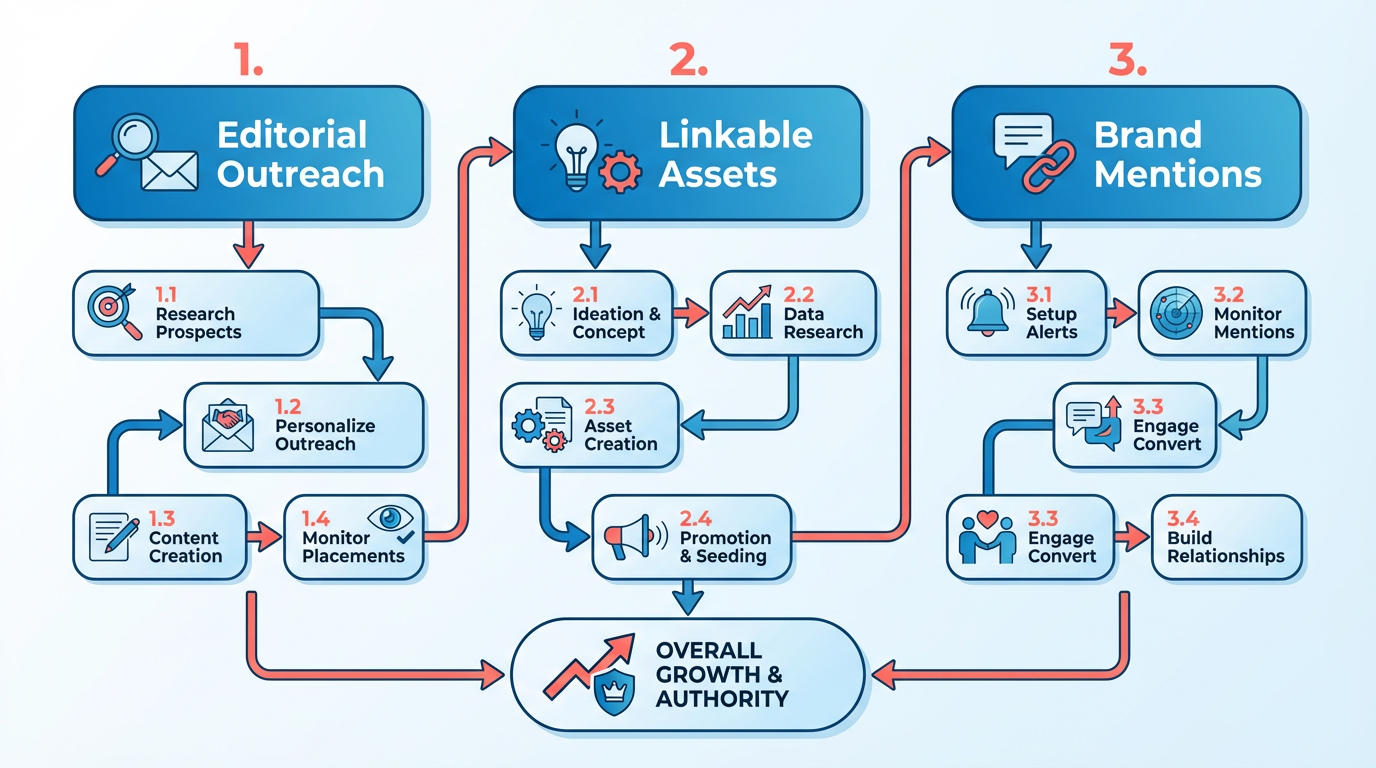
A successful pitch requires specificity. Instead of a generic request like “I’d love to write for your site,” highlight how your content fills a gap in their existing coverage. For instance, “Your recent article on AI in marketing didn’t mention its impact on small businesses-my research shows a 40% adoption increase in this segment.” Follow up 24–48 hours after sending your initial message, but avoid being pushy. Studies show that persistent but respectful outreach increases acceptance rates by 25% or more.
Content Alignment: Build Assets That Attract Backlinks Naturally
High-quality content isn’t just about volume-it’s about creating resources so valuable others feel compelled to link to them. Focus on formats like comprehensive guides, original research, and interactive tools. For example, a detailed buyer’s guide with actionable checklists or a downloadable template for SEO audits often generates organic links from businesses seeking to reference it.
Data-driven content remains a top performer. If your industry relies on statistics or trends, publish an annual report or whitepaper that becomes a go-to reference. One company saved 50% of its link-building time by creating a single in-depth resource that earned 50+ backlinks within six months. Ensure your content is easy to reference by including clear citations, shareable infographics, or embeddable charts. Building on concepts from the Understanding Link Building Fundamentals section, prioritize formats that naturally accumulate dofollow links for maximum SEO impact.
Using Brand Mentions for SEO
Even if competitors don’t link to you, their mentions can still boost your visibility. Use brand monitoring tools to track unlinked mentions of your company, products, or industry expertise. When you find these, politely request a link update. For example, if a blog post mentions your service but doesn’t link, reach out with a subject line like, “Thanks for mentioning [Your Brand]-would you mind adding a link?”.
Tools like AnyPost.ai automate this process by scanning platforms like forums, social media, and news sites for mentions. One business increased its backlink profile by 30% in three months by converting 20+ unlinked brand mentions into direct links. Combine this with proactive relationship-building-engaging with journalists, influencers, and customers on social media increases the likelihood of favorable mentions. As mentioned in the Measuring Success in Link Building section, tracking conversions from unlinked mentions provides actionable insights into refining your outreach efforts.
Case Study: A Holistic Link-Building Win
A SaaS company targeting small businesses used a mix of these strategies to climb from page 4 to page 1 for competitive keywords. First, they identified 50+ editorial targets through niche publications and sent tailored pitches. They then published a free SEO toolkit (a content asset) that earned 70+ backlinks within 90 days. Finally, they tracked brand mentions and converted 15 unlinked references into links. The combined effort boosted referral traffic by 65% and reduced their reliance on paid ads.
Key takeaways: Prioritize relevance by targeting sites with matching audiences. Focus on content that solves problems, not just promotes products. And consistently audit your brand’s digital footprint to turn passive mentions into active links. These strategies, rooted in persistence and value creation, remain the bedrock of 2026’s link-building playbook.
Avoiding Common Pitfalls in Link Building
Avoiding Common Pitfalls in Link Building starts by recognizing the traps that can sabotage your SEO efforts. One of the most damaging mistakes is purchasing bulk backlinks from low-quality sources. These black-hat tactics often violate search engine guidelines and can trigger severe penalties, including sudden drops in rankings or complete deindexing. For example, if you buy hundreds of links from irrelevant directories or spammy websites, Google’s algorithms will quickly detect the unnatural pattern. As mentioned in the Why Link Building Matters section, search engines interpret backlinks as trust signals, making quality and relevance critical. Instead of shortcuts, focus on earning links through valuable content, guest posting, or partnerships with authoritative sites. This approach builds trust with both search engines and your audience.
Bulk Backlink Purchases and Black Hat Tactics
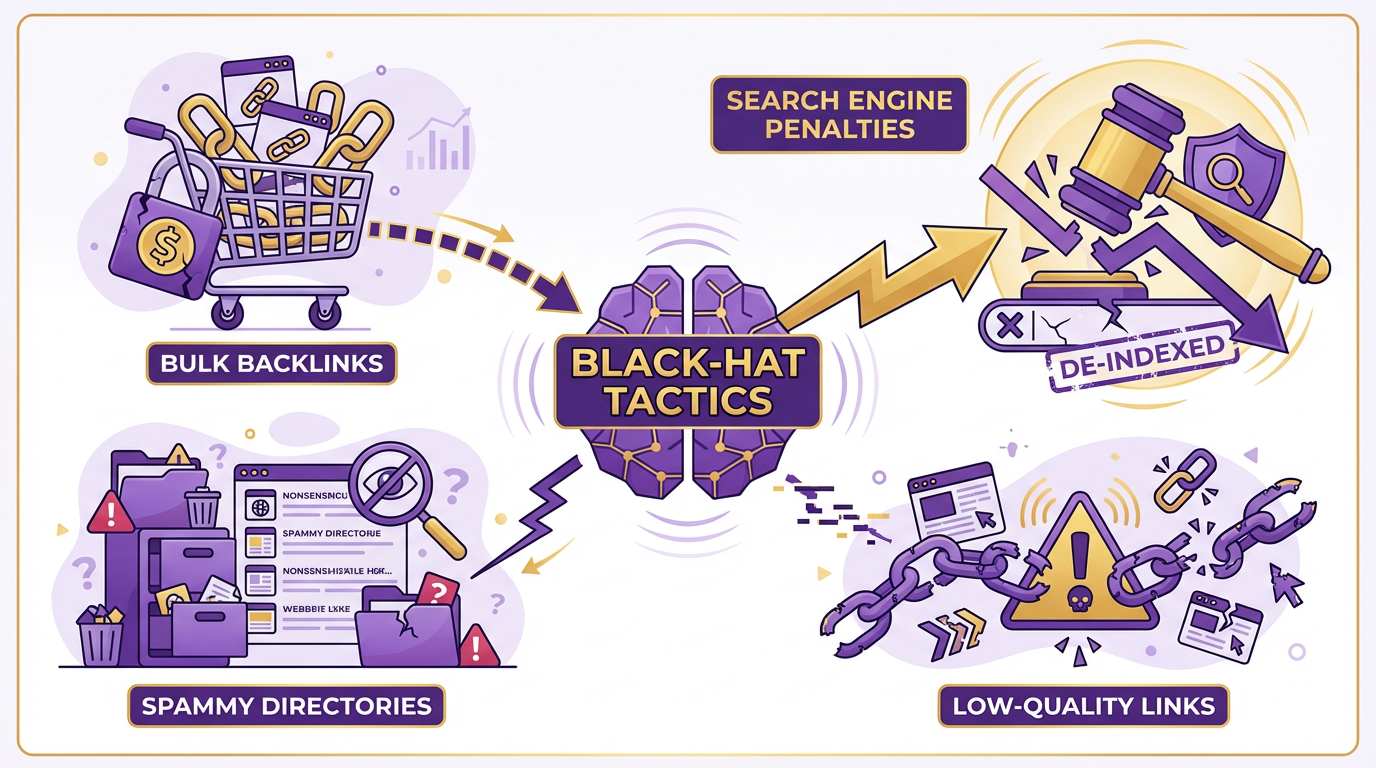
Bulk backlink purchases might promise quick results, but they’re a risky gamble. Search engines prioritize relevance and quality, not volume. A single high-authority link from a niche-relevant site can outperform dozens of low-quality links. For instance, if you run a fitness blog, a backlink from a well-known health magazine carries more weight than 50 links from unrelated coupon sites. To avoid penalties, audit your backlink profile regularly using tools like Ahrefs or SEMrush. Disavow harmful links through Google’s Disavow Tool if needed. Remember: sustainable SEO grows slowly but steadily.
Exact-Match Anchor Abuse and Keyword Stuffing
Overusing exact-match anchor text (e.g., “best SEO tools”) can signal spam to search engines. While keyword-rich anchors were once a staple, modern algorithms penalize this tactic. Building on concepts from the Link Building Fundamentals section, anchor text diversity is essential for appearing natural. Consider publishing 10 guest posts on unrelated blogs, each linking to your homepage with the same phrase. This looks manipulative and often leads to penalties. Instead, diversify your anchor text. Use branded terms (e.g., “AnyPost.ai”), generic phrases (e.g., “learn more”), or naked URLs (e.g., “https://example.com”). For example, if you’re promoting SEO software, alternate between “SEO tools,” “optimize your site,” and your brand name to appear natural.
Link Diversity and Spotting Scams
A healthy backlink profile includes diverse sources across different domains, industries, and content types. As outlined in the Link Building Strategies for 2026 section, modern tactics emphasize a mix of strategies to avoid appearing manipulative. Relying too heavily on one tactic-like guest posts-creates a red flag. Suppose 90% of your links come from .edu sites. While educational domains are strong, this lack of diversity looks forced. Mix link-building strategies: earn mentions in news articles, secure social shares, and collaborate with influencers. Be wary of link-building scams, such as fake directories or “private blog networks” (PBNs). Scammers often promise rapid results but deliver low-quality links that harm your site. Always research a service provider’s reputation before committing. AnyPost.ai, for instance, emphasizes transparent, white-hat strategies that align with long-term goals.
Best Practices for Quality-First Link Building
Prioritize quality over quantity by creating content so valuable others want to link to it organically. A comprehensive guide, original research, or a unique tool can attract backlinks without aggressive outreach. For example, if you publish a free SEO audit tool, industry blogs may reference it naturally. Use AnyPost.ai to streamline content creation and ensure your resources stand out. Additionally, focus on domain authority when targeting sites for backlinks. A single link from a high-authority domain (e.g., a top-tier industry publication) boosts rankings more than multiple links from obscure blogs. Track your progress with analytics tools to refine your strategy over time.
Measuring Success in Link Building
Measuring the success of a link building campaign requires a clear understanding of the right metrics, tools, and reporting strategies. Start by identifying key performance indicators (KPIs) that align with your goals. For most SEO campaigns, link equity-the value passed through backlinks-and organic traffic growth are foundational metrics. As mentioned in the Why Link Building Matters section, backlinks act as trust signals for search engines, making their quality and quantity critical to SEO success. A study of three content-rich websites found that those with higher backlink counts saw a 30% increase in organic traffic over six months. Tools like Ahrefs’ Site Explorer show how backlink growth directly mirrors traffic spikes, proving the link-traffic relationship.
Key Performance Indicators (KPIs) for Link Building
Focus on metrics that reflect both quantity and quality of backlinks. Domain authority (DA) and page-level authority (PA) score help assess the strength of referring domains. Building on concepts from the Understanding Link Building Fundamentals section, a high-DA link from a reputable site carries more weight than multiple low-DA links. Track referring domains over time-diverse sources signal credibility to search engines. For example, one company’s 12-month campaign increased referring domains from 500 to 1,200, boosting organic traffic by 40%.
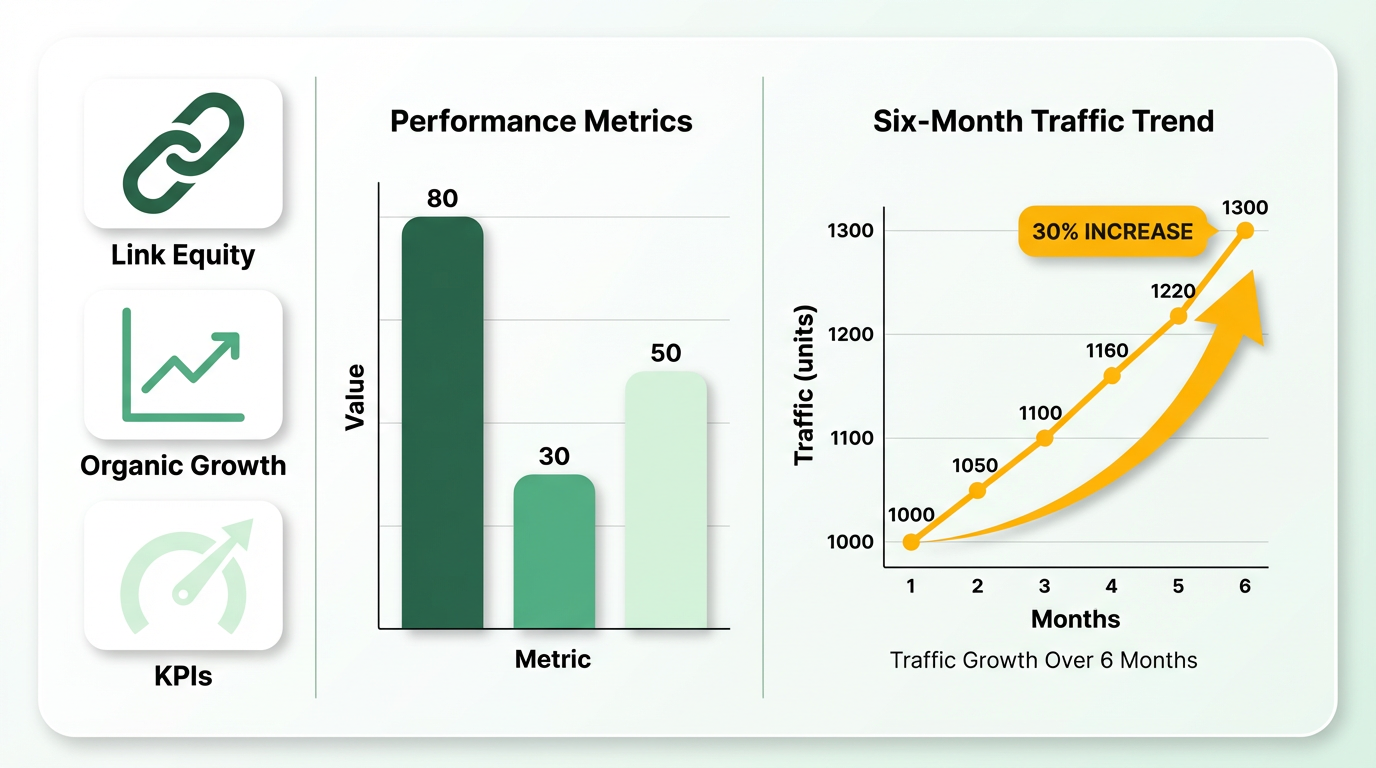
Keyword rankings are another critical KPI. Monitor how many target keywords move up in search results after new backlinks are acquired. A video guide highlights that competitive search terms (like SEO-related queries) often see the most lucrative gains. Use tools to track ranking improvements for high-intent keywords, as these directly impact conversions.
Using Analytics Tools to Track Progress
Use SEO tools to monitor backlink profiles and identify improvement opportunities. Start by auditing link equity with a tool that shows metrics like Domain Rating (DR) or URL Rating (UR). As outlined in the Understanding Link Building Fundamentals section, link equity is central to evaluating the value of backlinks. Look for patterns: Are most links coming from high-DR sites? Are there opportunities to disavow toxic links from spammy domains? Regular audits (monthly or quarterly) help maintain a clean, effective backlink profile.
Next, analyze traffic trends. Cross-reference backlink growth with organic traffic reports to see if new links drive measurable gains. For instance, a blog’s backlink curve in Ahrefs’ Site Explorer showed a 25% traffic increase after securing links from 50+ authoritative domains. Use this data to refine your strategy-focus on sources that deliver the highest traffic ROI.
Reporting Best Practices and Measuring ROI
Structure reports to highlight progress toward specific goals. Include metrics like new backlinks added, referring domain growth, and ranking improvements. Visualize trends with line charts or bar graphs to show month-over-month changes. For example, a 6-month campaign report might reveal steady DA growth from 40 to 65, alongside a 50% rise in keyword rankings.
Calculating ROI involves comparing the time or budget spent on link building against revenue generated from increased traffic. If a campaign costs $5,000 but drives $20,000+ in additional sales, it’s a clear win. SaaS providers like AnyPost.ai streamline this process by offering transparent dashboards to track these metrics in real time.
Case Study: Real-World Impact of a Link Building Campaign
A case study from a content-rich website shows how strategic link building transforms business outcomes. As outlined in the Link Building Strategies for 2026 section, influencer collaborations and resource page links are effective for acquiring high-quality backlinks. Over nine months, the site secured 800+ high-quality backlinks through guest posts and outreach. This boosted its domain authority from 35 to 60 and increased organic traffic from 10,000 to 35,000 monthly visits. The campaign also improved rankings for 200+ keywords, with 50 entering the top 10 results on Google.
Another example: A service-based business used a mix of influencer collaborations and resource page links to grow referring domains by 300%. This effort led to a 60% increase in leads from organic search, proving that targeted backlinks drive tangible business results.
By consistently tracking these KPIs and refining strategies based on data, you’ll ensure your link building efforts deliver measurable value. Use tools to stay agile, report progress clearly, and align SEO wins with business goals.
Tools and Platforms for Link Building
Outreach automation tools streamline the process of identifying, contacting, and tracking potential link partners. These platforms save time by handling repetitive tasks like email scheduling, follow-ups, and performance tracking. For example, AnyPost.ai offers a centralized dashboard where users can manage outreach campaigns, personalize messages at scale, and monitor response rates. The key is to balance automation with human touch-personalized subject lines and tailored pitches still drive higher engagement than generic bulk emails, as warned against in the Avoiding Common Pitfalls in Link Building section.
Effective use of these tools starts with building a list of quality targets. Tools often integrate with databases of websites and influencers, allowing you to filter prospects by domain authority or niche relevance, a concept emphasized in the Link Building Strategies for 2026 section. Once contacts are added, automation workflows can send initial outreach, track opens, and schedule follow-ups based on predefined rules. However, manual review of each message ensures alignment with your brand voice.
AI Assistants in Link Building
AI assistants now play a critical role in content creation, research, and strategy optimization. They analyze competitor backlink profiles to identify gaps, generate outreach templates, and even draft content ideas that align with search intent. For instance, AnyPost.ai uses AI to suggest topics likely to attract backlinks by analyzing trending keywords and content gaps in your industry. This aligns with the Measuring Success in Link Building section, where tracking keyword performance and referral traffic is essential.
One standout feature of AI tools is their ability to speed up research. Instead of manually auditing competitors’ link profiles, AI can highlight top-performing pages, broken backlink opportunities, and high-authority domains to target. This data informs targeted outreach and content strategies. Additionally, AI-generated content drafts-like guest post outlines or blog ideas-can be refined by human writers, cutting creation time by 40–50% in some cases.
Analytics Tools for Measuring Impact
Analytics tools are essential for tracking the success of link-building efforts. Platforms like Ahrefs, SEMrush, and Moz provide detailed insights into backlink quality, referral traffic, and competitor strategies. For example, you can use these tools to monitor domain rating changes over time or pinpoint which pages are driving the most referral traffic. Ahrefs’ Site Explorer helps identify broken links on competitor sites, turning them into outreach opportunities. SEMrush’s Backlink Gap feature highlights domains linking to competitors but not to you, guiding targeted outreach. Moz’s Link Explorer simplifies tracking the growth of your domain authority. Together, these tools offer a data-driven approach to refining link-building tactics, supporting the principles of Sustainable Authority Growth through Link Building.
Supporting Platforms for Collaboration
Link-building campaigns require coordination across teams, making project management and CRM tools invaluable. Project management platforms help organize tasks like content creation, outreach scheduling, and performance tracking. For example, integrating a CRM system allows teams to log interactions with targets, set reminders for follow-ups, and track the status of each link-building opportunity in real time. Automation platforms like AnyPost.ai can integrate with CRMs to sync outreach data seamlessly. This ensures no lead falls through the cracks and provides visibility into which strategies yield the best results. For teams managing multiple campaigns, these integrations reduce manual data entry and improve accountability.
Case Study: Scaling a Link-Building Campaign
A mid-sized e-commerce brand used a combination of AI-driven outreach and analytics tools to boost their domain authority by 22% in six months. By automating initial outreach with AnyPost.ai, they reduced the time spent on email drafting by 60%. Simultaneously, Ahrefs identified 150+ broken link opportunities, which the team converted into guest post pitches. The result? A 300% increase in referral traffic and 500+ new high-quality backlinks.
This case study underscores the power of combining automation with strategic analysis, as outlined in the Step-by-Step Action Plan for Implementing a 2026 Link Building Strategy. While AI handles repetitive tasks, human oversight ensures campaigns align with long-term SEO goals. Teams that integrate these tools effectively often see a measurable return on investment within three to six months.
"Using AnyPost.ai cut our outreach workload in half, but the real win was having more time to focus on high-value targets." – SEO Manager, Tech Startup
Sustainable Authority Growth through Link Building
Sustainable authority growth through link building requires balancing patience with strategic execution. Unlike quick fixes that prioritize volume over quality, long-term success hinges on earning high-quality backlinks from reputable sources. These links act as trust signals to search engines, gradually boosting your site’s visibility and credibility. As mentioned in the Why Link Building Matters section, a study of over one billion web pages found a clear correlation between organic traffic and backlinks from unique websites, proving that consistent, targeted efforts yield measurable results .
Building a Sustainable Link Building Campaign
Start by creating a go-to list of businesses or websites in your niche that align with your content goals. Building on concepts from the Link Building Strategies for 2026 section, focus on partnerships with entities that share your values and audience interests, as these relationships are more likely to produce authentic, long-lasting links . Instead of chasing one-off link opportunities, prioritize recurring collaborations-like guest posting series or co-created resources-that generate steady value over time.
A strong foundation also means producing evergreen content that remains relevant for years. In-depth guides, case studies, and research reports are ideal, as they invite continuous citations and references. For instance, one company saw a 50% increase in organic traffic after publishing a detailed industry whitepaper and securing links from authoritative educational platforms . This approach reduces reliance on fleeting trends and ensures your content stays a resource for future link-building opportunities.
The Role of Content Marketing
Content marketing is the backbone of sustainable authority growth. Every piece of content should aim to solve a problem, provide unique insights, or fill a gap in existing resources. Tools like AnyPost.ai can help streamline this process by identifying high-impact topics and optimizing content for shareability [AnyPost.ai].
To amplify results, integrate content promotion into your strategy. Share new content on social media, engage with industry influencers, and repurpose it into formats like videos or infographics. A case study from HubSpot Academy highlights how proactive outreach-like sending personalized emails to journalists or bloggers-can turn content into a magnet for organic backlinks . This method not only boosts visibility but also builds relationships that support future collaborations.
Maintaining and Growing Link Equity
Sustainability means continuously monitoring and refining your link profile. As outlined in the Avoiding Common Pitfalls in Link Building section, regularly audit your backlinks to remove or disavow low-quality or spammy links that could harm your authority. Tools like Ahrefs or SEMrush help identify toxic links, but the core principle remains: quality trumps quantity . Simultaneously, revisit old content to update outdated information and add fresh insights, making it more likely to earn new links over time.
Another best practice is diversifying your link sources. Relying on a single type of backlink-like guest posts-leaves your strategy vulnerable if that channel declines. Instead, blend tactics: secure mentions in industry publications, earn links from customer testimonials, and use user-generated content. A business that diversified its approach by combining these methods reported steady traffic growth for three years without a significant drop-off .
By focusing on relationships, evergreen content, and ongoing optimization, you create a flywheel effect where each earned link builds momentum for the next. Remember, sustainable growth isn’t about shortcuts-it’s about committing to a strategy that delivers compounding benefits year after year.
Step-by-Step Action Plan for Implementing a 2026 Link Building Strategy
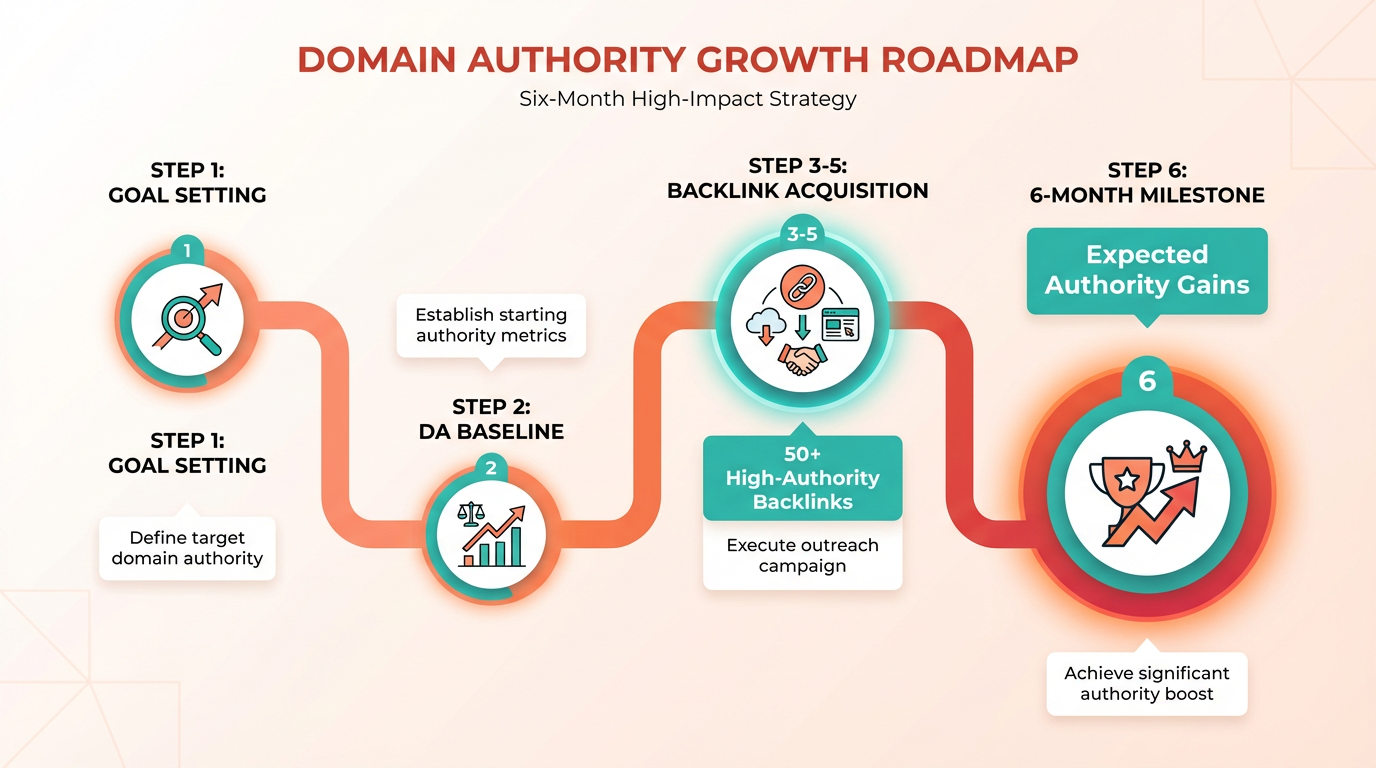
Implementing a 2026 link building strategy requires a structured approach that balances technical precision with creative outreach. Start by defining realistic goals aligned with your business objectives. For example, if your website’s domain authority is currently 30, aim to grow it by 10 points within six months by acquiring backlinks from 50+ high-authority domains. Focus on topical relevance and link equity-prioritize sites in your niche with strong editorial standards. Avoid chasing low-quality links, as they may harm rankings (Avoiding Common Pitfalls in Link Building section).
Step 1: Audit and Plan
Begin with a content audit to identify underperforming pages. Use tools like Ahrefs or SEMrush to analyze competitors’ backlink profiles and pinpoint gaps. For instance, if competitors have 200+ backlinks from .edu or .gov sites, your strategy should include outreach to similar institutions. Create a link-building roadmap with monthly targets, such as publishing 10 guest posts, 5 resource pages, and 3 influencer collaborations per quarter.
Step 2: Content Creation and Outreach
High-quality content remains the foundation of successful link building. Develop in-depth resources like industry reports, case studies, or interactive tools that naturally attract citations. Pair this with a hyper-targeted outreach strategy:
- Identify 10–15 target websites per niche and tailor pitches to their audience.
- Use AnyPost.ai to automate personalized email campaigns, ensuring subject lines and CTAs align with each recipient’s content style (Tools and Platforms for Link Building section).
- Follow up with phone calls or LinkedIn messages if initial emails go unanswered.
Example: A SaaS company created a free SEO calculator and secured 45 backlinks by offering it as a lead magnet to marketing blogs.
Step 3: Track and Refine
Measure progress using metrics like domain rating (DR), traffic growth, and conversion rates from referral sources. Tools like Google Analytics and Ubersuggest help track how backlinks impact rankings (Measuring Success in Link Building section). If a specific tactic (e.g., guest posting) yields low-value links, pivot to alternatives like broken link building or user-generated content.
Adjust your strategy quarterly based on performance data. For example, if outreach to 100 sites results in only 10 placements, refine your outreach list to focus on websites with higher engagement metrics.
Case Study: Scaling with Guest Posts
A digital marketing agency boosted organic traffic by 70% in 2025 by focusing on guest posts. They:
- Analyzed competitors to find 200+ relevant blogs.
- Published 30 niche-specific articles with embedded links.
- Followed up with authors to build long-term partnerships.
This approach reduced their cost per acquisition by 25% compared to paid ads.
Final Adjustments: Stay Agile
SEO in 2026 demands adaptability. If new Google updates devalue certain link types, shift focus to first-party content or brand mentions. Regularly review your backlink profile for spammy links and disavow them using Google Search Console.
By combining strategic planning, high-quality content, and data-driven adjustments, your 2026 link building efforts can deliver sustainable growth. Remember: consistency and relevance matter more than sheer volume.
Frequently Asked Questions
1. Why is link building still a critical component of SEO in 2026?
Link building remains critical because search engines like Google use backlinks as a primary metric to assess a website’s authority and relevance. High-quality backlinks act as trust signals, indicating that other reputable sources endorse your content. This directly influences search rankings and drives organic traffic. Studies analyzing billions of pages confirm a strong correlation between consistent backlink growth and improved visibility, making it a foundational strategy for SEO success in 2026.
2. How can businesses avoid penalties from search engines while building backlinks?
To avoid penalties, prioritize quality over quantity by focusing on dofollow links from relevant, authoritative websites. Avoid manipulative tactics like buying links or spamming low-quality directories. Tools like Ahrefs’ Site Explorer or Semrush can help audit your backlink profile to identify toxic links or unnatural patterns. For example, a content-focused company achieved a 150% traffic increase using ethical outreach and guest posting, demonstrating that strategic, relationship-driven approaches yield sustainable results without risking penalties.
3. What role does guest posting play in modern link-building strategies?
Guest posting is a proven method to earn high-quality backlinks by contributing valuable content to authoritative websites in your niche. When done correctly, it builds relationships with industry influencers and exposes your brand to new audiences. The article highlights a case where guest posting drove significant traffic growth, emphasizing the importance of creating original, shareable content. Always ensure the host site is relevant to your industry to maximize the link’s SEO value.
4. Which tools are recommended for analyzing and tracking backlinks in 2026?
Tools like Ahrefs, Semrush, and Moz are widely used to analyze backlink profiles, track competitors, and identify link-building opportunities. Ahrefs’ Site Explorer, for instance, provides insights into competitors’ backlink sources and helps assess the authority of potential link partners. These tools also flag spammy or low-quality links, enabling businesses to refine their strategies and maintain a clean, effective backlink profile.
5. Who benefits the most from effective link-building efforts?
While all businesses can benefit, B2B marketers and niche industry experts gain the most from link building. B2B companies use backlinks to establish credibility and attract targeted leads, while specialists in competitive fields use high-authority links to reinforce their authority. For example, a single backlink from a reputable industry publication can significantly boost visibility and trust for a B2B SaaS company, making link building a strategic priority for these professionals.
6. How long does it take to see results from a link-building campaign?
Results vary based on the scale and quality of your efforts, but improvements in organic traffic and rankings typically become noticeable within 4–12 months. The article cites a case where a company achieved a 150% traffic increase after six months of consistent outreach and guest posting. Patience is key, as search engines require time to crawl and index new links. Sustained, strategic campaigns yield the best long-term outcomes.