
Ahrefs Content Explorer vs AI Content Helpers: The Better Research Flow for 2026

Content Explorer vs. AI Content Helpers: Where the 2026 Workflow Actually Breaks

Key Takeaways
- Teams lose 2+ hours per article manually bridging SEO research and publish-ready content.
- Traditional content explorers score 5/5 for SEO depth, but 2/5 for automation.
- AI content helpers automate drafting, but score just 2/5 for SEO insight depth.
- AnyPost.ai closes the research-to-publish loop with 5/5 automation.
- Pricing in 2026 ranges from $129–$999 monthly for explorers to $50–$200 for AI helpers.
- The bottleneck isn't tool capability. It's the handoff between research and writing.
- SEO specialists doing deep link prospecting still need traditional explorers.
- Growth teams benefit most from end-to-end automated pipelines.
Quick Summary
Choosing between a content explorer and an AI writing assistant comes down to one overlooked stage: what happens after you identify winning keywords. Traditional content explorers give you massive page indexes and backlink intelligence. AI helpers draft optimized content faster than any human writer. But neither closes the loop from research insight to published, brand-voice-consistent article. That manual hand-off still costs hours per piece.
We see teams spend 2+ hours turning research data into a ready-to-rank article. They then spend another 30–60 minutes publishing and distributing it. The bottleneck isn't the tools. It's the workflow seam between them.
How the three approaches stack up for 2026 research workflows
| Capability | Traditional Content Explorer | AI Content Helpers | We Offer (AnyPost.ai) |
|---|---|---|---|
| Core Function | Backlink + content performance research | SEO-optimized drafting | Automated research-to-publish pipeline |
| SEO Insight Depth | 5/5. Billions of keywords, real-time SERP data | 2/5. Relies on manual keyword input | 4/5. Taxonomy Researcher + competitor SERP analysis |
| Automation Level | 2/5. Manual export, manual brief creation | 3/5. Draft generation only | 5/5. Keyword discovery → draft → publish, zero handoffs |
| Integration Flexibility | API available; requires dev work | Varies by tool; often standalone | Native WordPress, LinkedIn, X auto-publishing |
| Pricing (2026) | $129–$999/mo + per-seat AI add-ons | $50–$200/mo per user | Plans available; includes full pipeline |
| Best-Fit Use-Case | SEO specialists doing deep link prospecting | Content teams with existing keyword lists | Growth teams eliminating research → publish lag |
| Avg. Time to Ready Article | ~2 hrs (research + manual brief + writing) | ~1 hr (assumes brief ready, draft needs edits) | Automated end-to-end workflow |
| Difficulty Rating | Expert. Steep learning curve, 35+ features | Beginner-Friendly. Basic prompt interface | Intermediate. Guided workflows, no SEO expertise required |
Research Speed vs. Data Richness vs. AI Quality vs. ROI. Traditional explorers score 5 on data depth but 2 on automation. Most AI helpers flip that, with 2 on data and 4 on AI speed. Our platform sits at 4 for data. Taxonomy Researcher surfaces low-difficulty, high-intent keywords plus SERP competitor analysis. It scores 5 for automation and 4 for brand-voice consistency because we crawl your site first.
Dimension-by-dimension scoring: where each tool wins
Data Depth. Traditional content explorers dominate with hundreds of millions of pages updated daily. AI helpers rely on whatever keyword list you feed them. Our Multi-Hop Research Engine pulls insights from blog articles, Reddit, X, YouTube, and research papers. It delivers well-researched, authoritative content that fills topical gaps.
Automation Level. Traditional explorers stop at research. You export CSV files, write briefs, hand them to writers or AI tools, then copy-paste into your CMS. AI helpers stop at draft generation, so you still schedule publishing manually. We automate the entire arc. Taxonomy Researcher identifies winnable keywords, SERP Competitor Analyzer shapes structure, Multi-Hop Research Engine pulls authoritative sources, Humanizer Module rewrites in your brand voice, and Cross-Channel Repurposing Engine turns each article into newsletter issues, social threads, and video scripts. One click from keyword to published post.
Brand-Voice Consistency. Generic AI tools produce flat, verbose output that reads like every other AI article. Traditional explorers don't generate content at all. We crawl your entire site to build a Business Context Graph of your products, messaging, and audience. We capture your brand's DNA to ensure every article sounds exactly like you wrote it.
Learning Curve & Support. Traditional explorers have 35+ features and a reputation for overwhelming new users. Most teams use 3–4 core tools and ignore the rest. AI helpers are beginner-friendly but offer little SEO guidance. You need to know what to ask for. Our workflows are guided. The platform suggests article types like checklists, comparisons, how-tos, and guides. It surfaces competitor content gaps and pre-fills meta tags and internal links. No SEO black belt required.
Pricing & Scalability. Traditional explorer add-ons stack per seat, making agency-scale research expensive. Standalone AI tools charge $50–$200/user/month but lack research depth. Our platform brings the entire professional SEO workflow into a single, intuitive dashboard at a tenth of traditional SEO agency rates, which can run up to $5,000 per month.
The "Research-to-Publish" combined metric
When you measure time saved × quality maintained × publishing friction eliminated, the gap becomes clear. Traditional explorers give you the best backlink and keyword intelligence, but leave you to bridge the gap manually. AI helpers draft faster, but can't identify what to write or where it fits your content strategy. Our approach scores highest on the combined metric because it treats research, drafting, optimization, and distribution as a single automated loop, not four separate licensed tools.
Best For. Use traditional content explorers if you're a link-building specialist or agency doing white-label SEO audits. Choose standalone AI helpers if you already have a content calendar and keyword briefs ready. Choose our platform if your bottleneck is the entire workflow: you need keyword discovery, competitor analysis, brand-voice drafting, and one-click publishing without hiring a content team or stitching together four SaaS subscriptions.
Tool 1 – Ahrefs Content Explorer: Deep SEO‑Centric Research
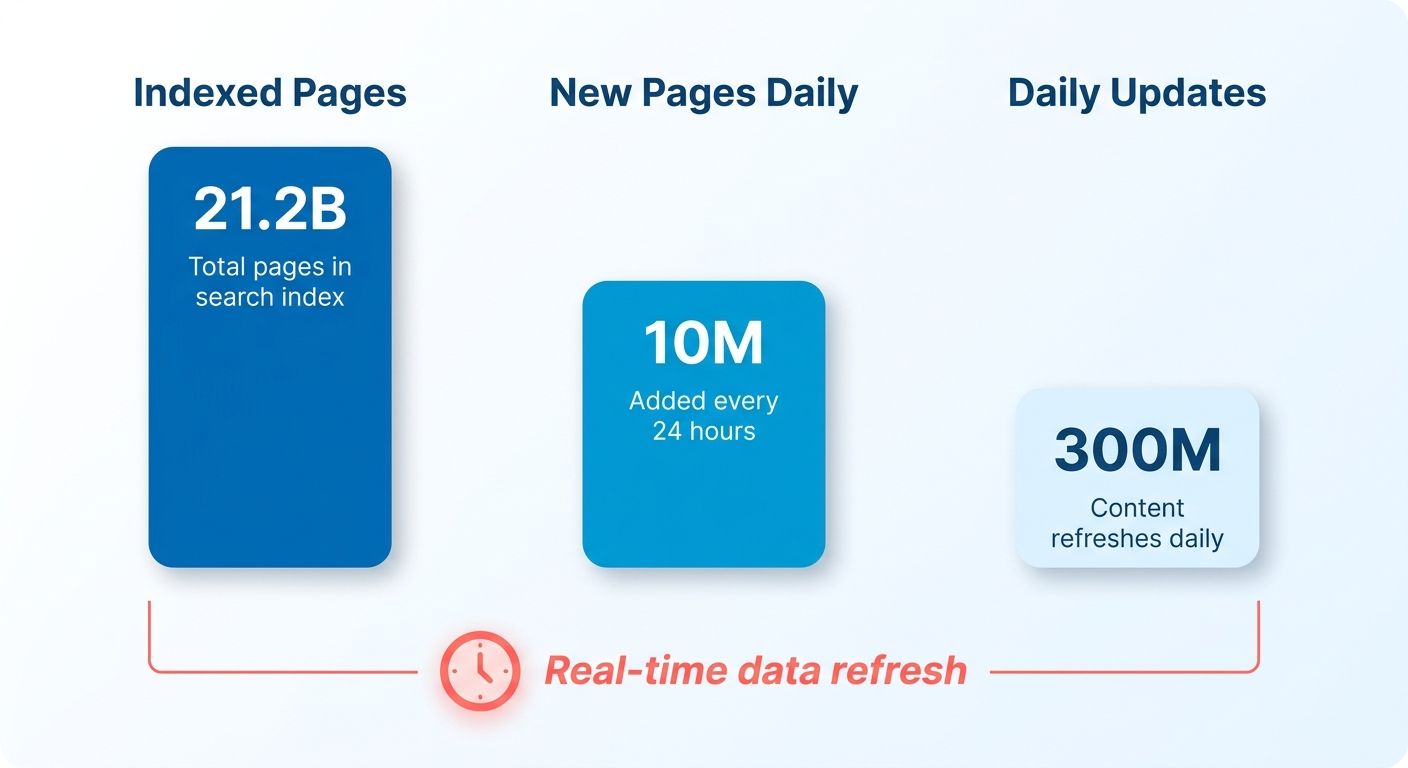
When you're working with content explorer in Ahrefs, you're tapping into one of the deepest content databases available. It has 21.2 billion indexed pages refreshed at a scale most tools can't match. The platform discovers 10 million new pages every 24 hours and updates 300 million pages daily. That means you're seeing real-time shifts in what's ranking, earning backlinks, and pulling traffic. This isn't static snapshot data. It's a living view of the content market that lets you spot opportunities the moment they emerge.
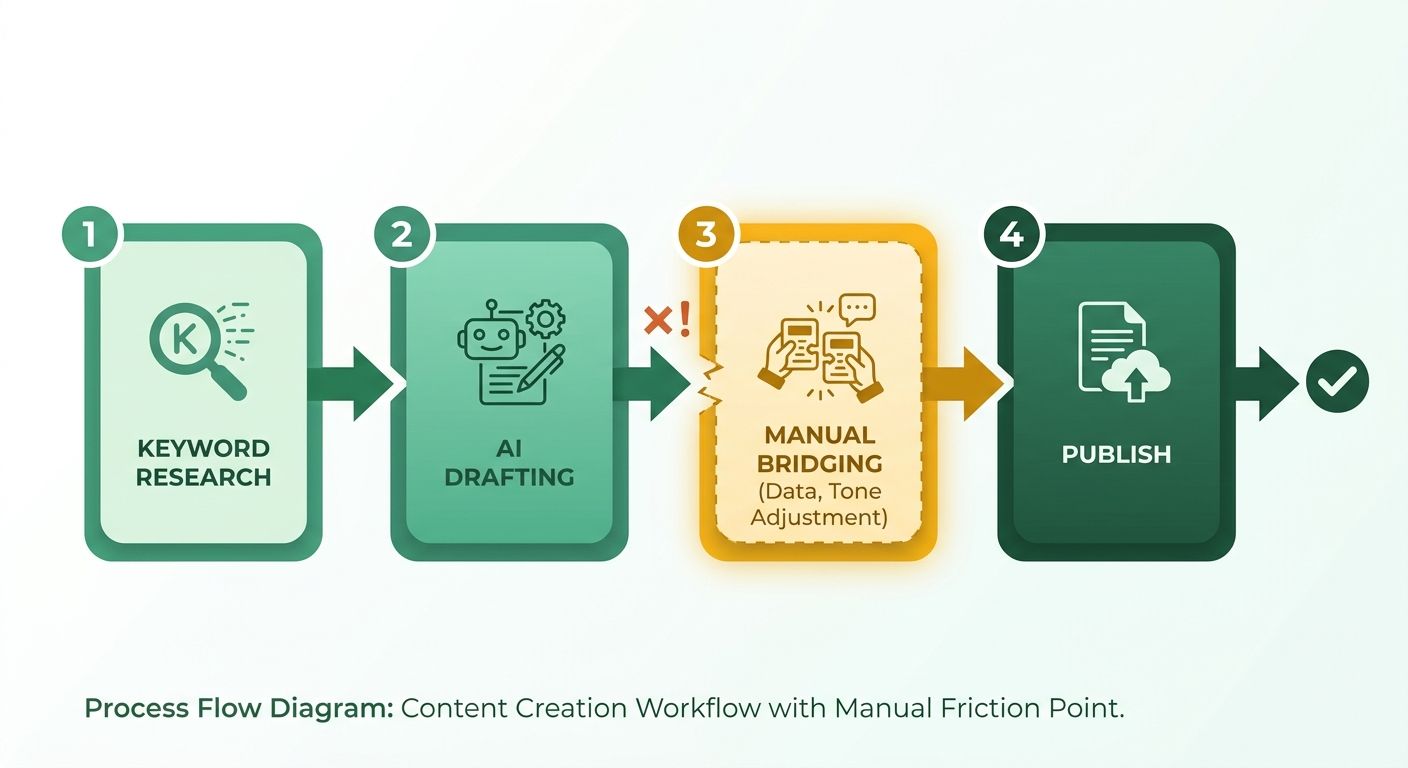
The challenge? That massive intelligence ends at the research stage. You identify winning topics, analyze competitor content gaps, and map out keyword angles. Then you're left to manually translate those insights into a draft, optimize it for SEO, and push it through your publishing workflow. The research solves half the problem. The hand-off to execution creates the bottleneck.
What Sets Ahrefs Content Explorer Apart from Generic Research Tools
Content Explorer's real differentiation isn't just database size. It's the SEO-centric filters that let you sort by metrics competitors overlook. You can isolate pages by organic traffic threshold, Domain Rating, referring domains, and traffic value. Then layer on SERP feature filters to see which results trigger featured snippets or video carousels. Almost half of the keywords driving traffic to your site won't show up in Google Search Console's reporting, which means Ahrefs often surfaces the "dark traffic" keywords you'd miss otherwise.
A digital marketing agency used this filtering approach to improve a client's organic traffic by 150% within six months. They started by identifying content gaps where competitors ranked with low-DR pages, then reverse-engineered the backlink profiles to replicate the strategy. Another content marketer found high-performing topics through Content Explorer and saw a 200% increase in blog engagement by targeting those angles instead of guessing at what would resonate.
But here's the paradox: 97% of companies still manually review AI content before publishing. That means even when you accelerate research with Ahrefs' intelligence, you hit a downstream gate that reduces the speed advantage. The data gets you to the starting line faster. It doesn't close the loop to a published, brand-voice-consistent piece.
How Content Explorer Fits into a 2026 Publishing Workflow
The typical flow looks like this: run a keyword seed through Content Explorer, apply filters to surface top-performing articles, export the list to a CSV, manually analyze patterns in titles and structures, then hand off an outline to a writer or AI tool. You're switching between platforms. Ahrefs handles research, a separate AI helper handles drafting, and your CMS handles publishing. Each transition introduces friction.
This workflow seam costs agencies hours per piece. That's friction at scale, but it's still a manual bridge from insight to output. Content Explorer shows you what to write and which angles dominate the SERP. It doesn't generate the article, check it for brand voice, or publish it to your distribution channels.
The platform recently added 17 updates across keyword research and backlink analysis, including Brand Radar API endpoints that let you automate AI visibility reporting. That signals Ahrefs is moving toward workflow automation. But the core loop remains: you extract intelligence, then execute separately. For teams scaling content volume, that gap between research quality and publishing speed is where rankings slip through.
Where Ahrefs Leaves You to Bridge the Gap Manually
Here's what Content Explorer doesn't do: it won't turn a keyword cluster into a ready-to-rank draft with your brand's tone, structured for semantic SEO, and prepped for your CMS. It won't auto-generate meta descriptions that match your style guide or repurpose the article into social snippets and email bullets. 68% of B2B marketers cite research bottlenecks as the top barrier to scaling content volume. The real bottleneck isn't gathering data. It's the manual translation from data to published asset.
A 2024 enterprise case saw a 42% traffic lift after shortening research cycles by 50%. That proves faster research does move the needle, but only if the downstream workflow keeps pace. If you're still handing off outlines to writers, waiting for drafts, running them through editorial review, and formatting for publish, you're losing the time advantage Ahrefs gave you upstream.
AnyPost connects research insights directly to a publishing loop that generates brand-voice-consistent content, optimizes it for SERP intent, and distributes it across channels. No manual hand-off required. Ahrefs gives you the intelligence; AnyPost closes the loop to execution. That's the shift from research tool to research flow, and it's what separates teams hitting their content volume goals from those stuck in the manual middle.
Tool 2 – AI Content Helpers (e.g., ChatGPT‑4, Jasper, Writesonic, Copy.ai)
When you're pairing content explorer tools with AI writing assistants, you're betting that faster drafts will close the workflow gap. The assistants promise topic ideas, SEO-aware outlines, and first-draft copy in minutes. But they still rely on you to feed them the right intelligence. Without direct access to backlink profiles or real-time SERP data, these tools generate content based on web-scraped snippets and proprietary language models. That means you're manually bridging the gap between research and execution.
Teams often generate a 1,000-word draft in minutes, then spend additional time fact-checking, optimizing, and publishing it. The speed gain is real, but the handoff bottleneck persists. That's where the 2026 research flow still breaks down.
AI assistants like GPT-5, Jasper, Writesonic, and Claude focus on turning prompts into polished copy. You describe a topic, set a tone, and the model generates outlines, intro paragraphs, or full articles in under two minutes. Jasper's SEO mode and Writesonic's integrations with Surfer SEO add keyword density checks and meta-tag suggestions, which helps you hit on-page targets without toggling between tools.
The challenge? These platforms lack the raw competitor intelligence that content explorer in Ahrefs delivers. They don't show you which pages are earning backlinks, which topics are trending upward in search volume, or which competitor content gaps exist. You get fast execution, but limited strategic insight. That means you still need a separate research layer to identify what's worth writing first.
Skip these tools if you're working in highly technical or regulated verticals where factual accuracy is non-negotiable. AI-generated drafts occasionally hallucinate statistics or misstate product specs, and catching those errors in a manual review loop costs you the time the tool was supposed to save.
Speed vs. Strategic Depth: Where AI Helpers Shine and Stumble
The strength of AI content assistants is rapid ideation and tone control. Multi-language support and native integrations with Google Docs, WordPress, and Notion make these tools frictionless for scaling production once the strategy is set.
But that "once the strategy is set" qualifier is where the workflow seam appears. Ahrefs tracks billions of keywords and indexes trillions of pages, surfacing the exact titles, backlink patterns, and content angles that are winning today. AI helpers can't replicate that depth. They rely on you to provide the prompt, the keyword list, and the competitive context. So you're still doing the research phase manually, then handing off to the assistant for execution.
"The optimization engine is genuinely good, but the cost model strains an agency workflow." - Rankability
The Missing Handoff: Why Research Intelligence Doesn't Equal Published Content
Here's the workflow paradox in 2026: better research data doesn't accelerate output if you can't close the loop to publication. Ahrefs reveals traffic-driving keywords that Google Search Console misses, but most companies still manually review AI-generated content before hitting publish. That review gate reduces the real-time advantage Ahrefs' infrastructure promises.
Generic writing assistants treat SEO signals as an afterthought. You'll paste competitor URLs into a sidebar, extract keyword clusters by hand, then massage them into a prompt that the model can understand. That process typically adds 15–20 minutes of prep time per article, and the output rarely includes header hierarchy recommendations or internal linking suggestions. You're left building those elements yourself during the editing pass, which extends the cycle from draft to publish.
For content refresh workflows, integrated solutions show promise. Tools that parse an existing URL and compare it against top-ranking pages can serve up color-coded topic tags and metadata suggestions, outlining exactly which sections need expansion. But most standalone assistants don't offer this capability natively. They expect you to bring the analysis, not perform it.
The real friction appears at agency scale. When you're managing multiple clients across different verticals, every writer needs access to both the research layer and the drafting layer. Stitching together separate subscriptions for keyword tracking, content generation, and performance monitoring creates license sprawl. A single integrated platform that connects topic discovery, brand voice enforcement, and CMS distribution cuts that overhead entirely, which is why teams focused on throughput are moving away from patchwork stacks toward end-to-end automation.
| Feature | Standalone Assistants | Integrated Research + Draft Tools | AnyPost |
|---|---|---|---|
| Time to first draft | 2–5 minutes | 8–12 minutes (includes analysis) | Automated research-to-publish |
| SERP + competitor data | Manual input required | Native integration | Built-in analysis engine |
| Brand voice adherence | Prompt-dependent | Prompt-dependent | Persona Engine enforces consistency |
| CMS publishing | Manual export | Manual export | Direct WordPress, LinkedIn, X |
| License structure | Per-seat or per-word | Add-on to base subscription | Single platform workflow |
The table above shows where the workflow gaps appear. Standalone assistants draft fast, but depend on prompt quality and manual research. Hybrid tools close the intelligence gap, but leave you with export and review steps. AnyPost eliminates the handoff entirely, turning content insights into published articles in one automated sequence, which is why teams serious about 2026 research flow are moving toward integrated solutions rather than stitching together point tools.
Tool 3 – AnyPost.ai: Automated Research‑to‑Publish Engine
When you export a keyword list from Ahrefs, you're staring at the same bottleneck every B2B content team hits: who turns these insights into publish-ready articles, and how fast can they do it without burning hours on manual optimization? That's the gap AnyPost was built to close. It is a fully automated research-to-publish engine that generates SEO-optimized drafts in the proprietary Persona Engine and publishes content across multiple channels.
AnyPost combines keyword research intelligence with an AI generation layer, so you're not copy-pasting data into a separate writing tool, then into WordPress, then into your social scheduler. The workflow runs in one system. Keyword clustering identifies semantic groups, the outline generator maps H2/H3 structure against top-ranking competitors, the draft engine writes to your brand voice without per-prompt tweaking, and the publishing module pushes to your CMS and other platforms simultaneously. No manual hand-off between research and live content.
All-In-One Pipeline: From Keyword Discovery to Multi-Channel Publishing
Most teams treat content production as a relay race: research discovers the opportunity, a writer drafts the piece, an editor optimizes it, and a coordinator schedules publication. Each hand-off costs 20–40 minutes and introduces drift from the original research insight. AnyPost's approach collapses that chain into a single automated job.
You feed the platform your keyword data or connect your content sources. The Taxonomy Researcher analyzes your unique business context and surfaces low-difficulty, high-intent keywords tailored to your niche. It groups semantically related terms so "content explorer Ahrefs," "Ahrefs content database," and "Ahrefs page index" become one content brief instead of three redundant articles. The outline generator pulls topic coverage from the top articles using the SERP Competitor Analyzer, cross-references your existing content to avoid cannibalization, and builds a winning article structure by identifying opportunities you can exploit.
The Persona Engine is the differentiator here. Instead of pasting a generic ChatGPT prompt every time, you train a brand voice profile once. The platform crawls your entire site to build a Business Context Graph of your products, messaging, and audience, capturing your brand's DNA. Every draft matches that voice automatically. Users consistently report cutting review time because the voice consistency is already there, with the platform delivering well-structured articles written in clear, natural prose that mirrors the quality of a professional writer.
Integrated Data Without the Export-Import Loop
The Multi-Hop Research Engine pulls insights and expertise from blog articles, Reddit, X, YouTube, and research papers to deliver well-researched, authoritative articles. You can batch-create outlines for qualifying keywords in one click. The system understands which semantic angles to target based on competitive analysis from the SERP Competitor Analyzer, which studies the top articles and identifies opportunities to take the top spot.
Real-Time Analytics: Tracking Performance Post-Publishing
After the platform publishes, the real-time analytics module tracks performance metrics so you'll see which sections drive engagement and which internal links get the most follow-through, allowing the next article's outline to adapt accordingly. The Cross-Channel Repurposing Engine turns any one article into a complete content package, instantly generating newsletter issues, social media threads/posts/updates, and video scripts.
Pricing and ROI: Tiered Plans Starting at $99/Month
AnyPost offers three tiers with transparent pricing and no hidden fees or long-term contracts. The Starter plan includes AI-generated articles, keyword research, and performance analytics. The Growth plan raises content capacity, adds the Persona Engine with unlimited voice profiles, and enables expanded publishing integrations. Enterprise at custom pricing brings white-label options, dedicated support, and advanced workflow orchestration.
The pricing model helps teams consolidate their content workflow into a single SaaS solution, eliminating the need to manage multiple separate tools, logins, and billing cycles. Traditional SEO agencies charge up to $5,000 per month because they rely on slow, manual workflows. AnyPost brings the entire professional SEO workflow into a single, intuitive dashboard at a tenth of traditional SEO agency rates.
Step-by-Step Workflow: Cluster, Generate, Publish
Here's the end-to-end loop in practice. You provide your keyword research or connect your content sources. The Taxonomy Researcher groups related queries, so 60 keywords collapse into eight content briefs. Select the brief you want. The Automated Headline Constructor suggests diverse, keyword-rich article headlines across formats like checklists, how-tos, comparisons, and guides, so you never accidentally publish duplicate content. The system auto-generates an outline, pulling H2/H3 suggestions from the top SERP results and flagging topic gaps your competitors missed.
Review the outline. Most users tweak one or two subheadings, then hit Generate Draft. The Persona Engine writes the article in minutes, delivering content that reads like a human wrote it rather than flat, boring, unnecessarily verbose AI output. You can refine with iterative edits without leaving the platform. When you're satisfied, click Publish. The module pushes to your WordPress, schedules LinkedIn and Twitter posts with auto-generated snippets, cross-posts to other platforms, and logs everything in your analytics dashboard.
For teams juggling research tools, AI writing platforms, and manual CMS uploads, AnyPost eliminates the friction of managing separate logins, billing cycles, and context handoffs. You're operating in one system that knows your brand voice, your keyword strategy, and your publishing cadence, so every step reinforces the one before it instead of requiring a translation layer.
Pricing, ROI & Total Cost of Ownership for 2026
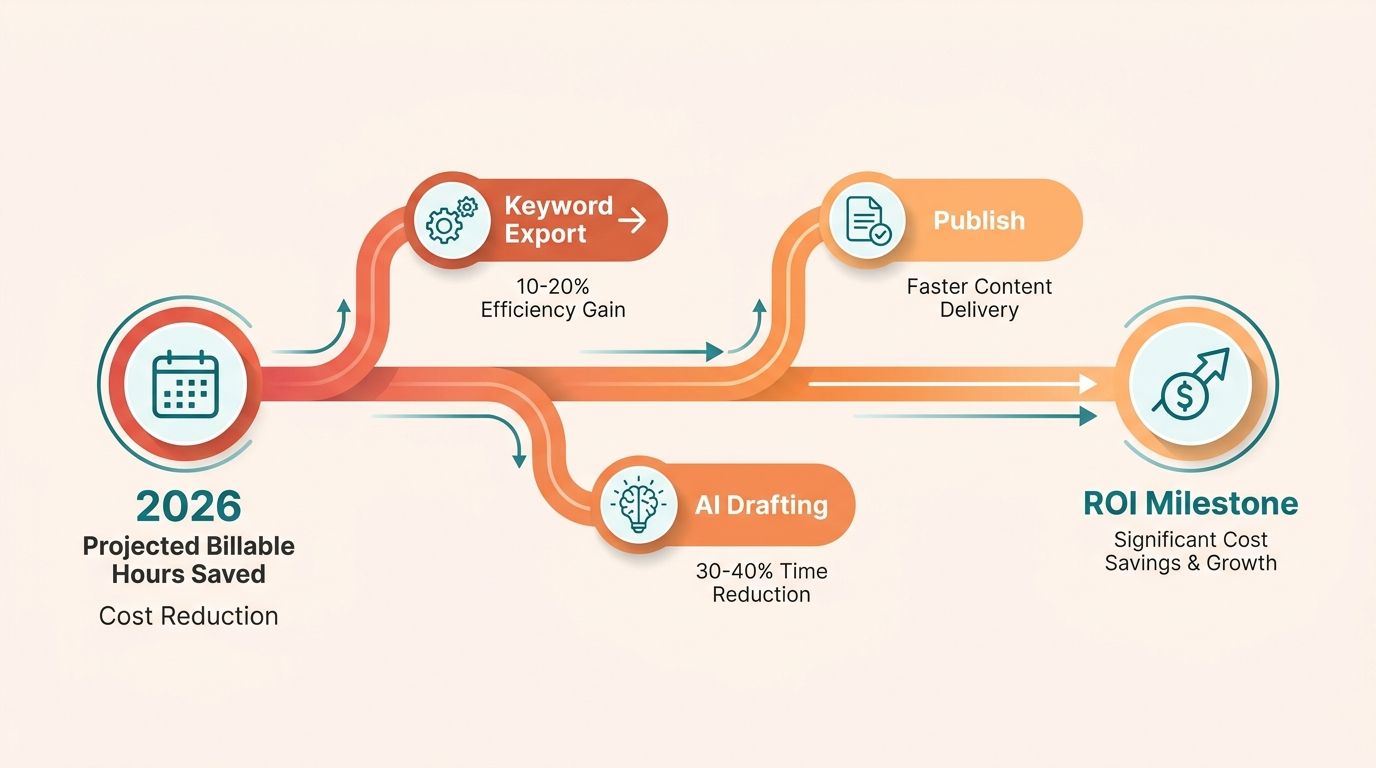
When you're evaluating content explorer with Ahrefs against AI writing platforms, the subscription fee is just the starting point. The decisive factor is how many billable hours vanish in the gap between keyword research and hitting publish, and whether your toolchain turns insight into ranked content or just creates more handoff friction.
What Ahrefs Content Explorer actually costs in 2026
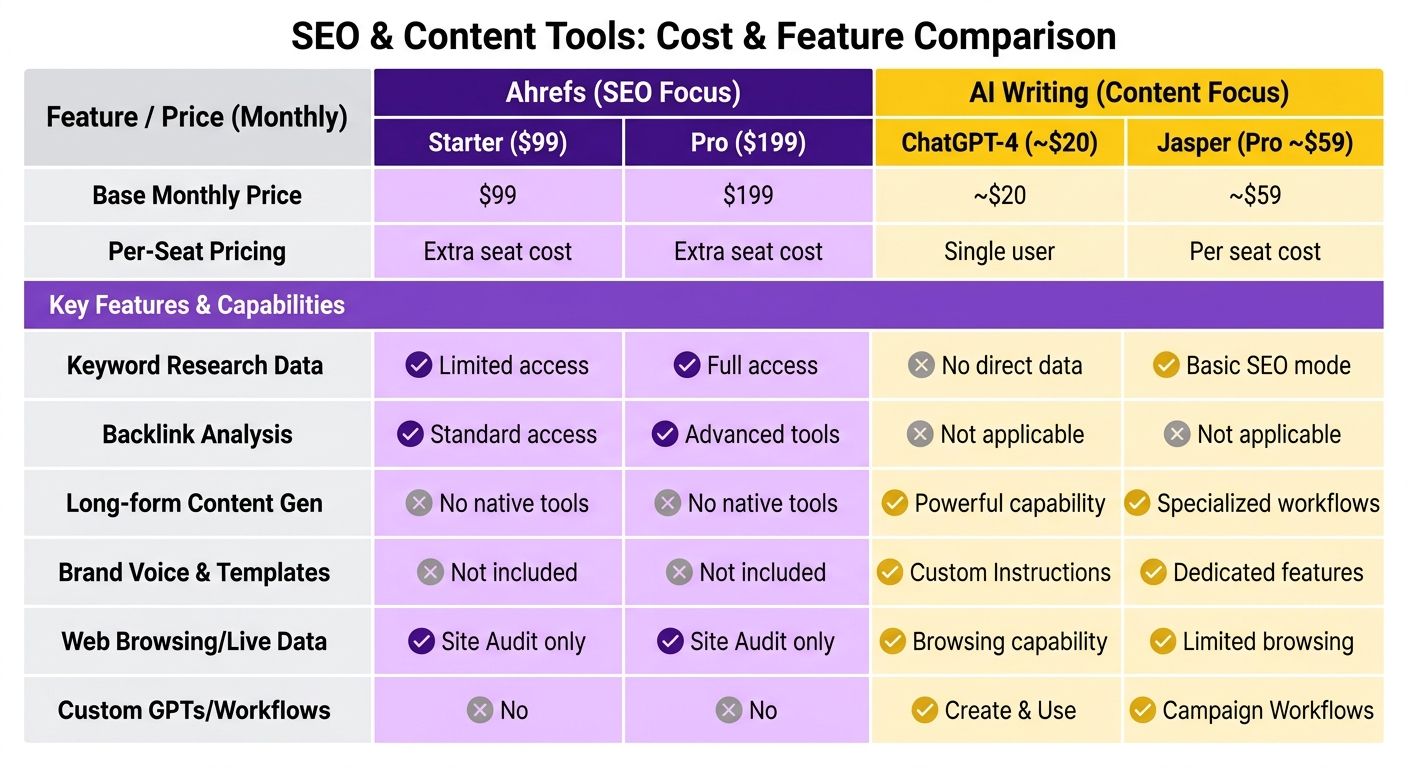
Ahrefs charges per seat, with the entry tier at $99/month (Starter) climbing to $999/month for Agency accounts that need bulk operations and white-label reporting. The AI Content Helper add-on, which converts keyword clusters into optimization suggestions, runs $79/month per user. A four-person content team needs four seats plus four add-ons, pushing your monthly outlay to $712 before a single draft reaches WordPress.
The per-seat model creates workflow strain. Your SEO lead exports a keyword cluster from Content Explorer, your writer logs into a separate AI helper to draft the piece, then your editor needs yet another seat to run the final optimization check. You're paying three times for what should be a single automated pass. One agency's internal review noted, "The scoring engine is sharp, but the cost structure punishes collaboration."
That friction scales badly. Doubling output from 15 to 30 articles per month doesn't just double your seat count. It doubles the handoff delays between research, drafting, scoring, and publication. Each piece still consumes 90–120 minutes of labor even when the keyword pull takes five minutes.
The hidden cost per article when tools don't talk to each other
Here's the real expense for 20 published articles using Ahrefs plus a standalone AI writing assistant like Jasper or Copy.ai. Total software: $281/month.
Software is the minor cost. A content strategist at $70/hour spends 25 minutes per article mining keywords and competitor data from Content Explorer. That's $29.17 per piece. The writer spends 75 minutes drafting and refining with the AI tool's feedback. That's another $87.50. A third teammate spends 20 minutes formatting, uploading to your CMS, and queuing social syndication. That's $23.33 more.
Push that to 50 articles monthly and you hit $7,000 in labor, plus recurring software fees. The bottleneck isn't data quality. Ahrefs indexes 400 million domains and refreshes 800 million pages daily. It's that the intelligence never auto-converts into a publish-ready draft. You pay for the research, then pay a second time to manually translate it into content.
ROI timelines: when does the tooling pay for itself?
If your Ahrefs + AI helper stack costs $281/month in software plus $7,000/month in labor to ship 50 articles, your total monthly spend is $7,281. At $27,000 in new revenue, you break even after the first full billing cycle and turn profitable by week six, assuming the content ranks and actually converts visitors.
The risk? Manual handoffs delay publication. A rival using an end-to-end automated content engine ships the same 50 articles in half the calendar time, claims the SERP real estate first, and starts accumulating domain authority while your drafts linger in revision. Time-to-publish becomes the hidden ROI lever that pricing comparisons miss.
How automated content generation changes the economics
We built our platform to eliminate that multi-tool relay. You export a keyword list from content explorer with Ahrefs, upload it to our automated research-to-publish engine, and the system handles the rest. Keyword clustering spots semantic themes, the outline builder maps heading structure against ranking competitors, the Persona Engine drafts the piece in your brand voice, and the publishing module pushes it live to WordPress, LinkedIn, and X. No second login, no manual copy-paste, no three-person approval chain.
Pricing mirrors that consolidation. Our plans bundle automated content generation, SEO-optimized publishing, and multi-channel distribution with no per-seat fees, no separate AI subscriptions, no relay-race workflow. Your team shifts from manual execution to strategic curation, approving topic clusters and refining voice profiles while auditing output quality.
Traditional SEO agencies bill $4,500–$6,500 per month because their processes depend on slow, manual coordination across specialists. AnyPost delivers the full professional SEO workflow in one dashboard at a fraction of traditional agency rates. The ROI isn't just faster. It's structurally different because the workflow doesn't hemorrhage hours between disconnected tools.
Best‑Fit Use Cases & Final Recommendation
When you're deploying content explorer with Ahrefs in 2026, the decision comes down to a single bottleneck: who owns the 90 minutes between exporting your keyword list and hitting publish. Ahrefs delivers unmatched research depth. It has 21.2 billion indexed pages, 300 million daily refreshes, and backlink intelligence no competitor matches. AI writing tools turn that intelligence into optimized drafts faster than any human writer. But neither closes the loop to a published, on-brand article across multiple channels, and that manual handoff is where workflows collapse.
We see three distinct use cases where each tool class earns its cost, and one where the old workflow breaks entirely.
Ahrefs shines for link-building teams and digital PR campaigns where backlink prospecting and competitor gap analysis drive editorial strategy. If you're identifying high-authority pages that rank for your target keywords, analyzing their referring domains, and building outreach lists, Content Explorer's filtering by Domain Rating, organic traffic threshold, and social shares gives you intelligence no AI writing assistant can replicate. A SaaS marketing team used the platform to identify 183 linkable assets in their vertical, then built a 6-month outreach calendar that secured 47 new referring domains from DR 60+ sites within a quarter.
Skip Ahrefs if your bottleneck is execution speed rather than research depth. The platform's steep learning curve means solo bloggers and small teams without dedicated SEO analysts will burn hours managing filters and exporting data they never fully action.
When AI writing tools fit the workflow
AI writing assistants work when you already know what to write and need faster first drafts with SEO structure baked in. Teams using ChatGPT-4, Jasper, or Writesonic generate 1,000-word outlines in minutes, then spend another 30–60 minutes fact-checking, optimizing metadata, and publishing. A B2B SaaS company reduced their content production time from 4.5 hours to 90 minutes per article by using AI to handle initial drafts, but editorial oversight, brand alignment, and manual publishing still consumed the majority of their workflow.
The gap? These tools still rely on you to feed them the right intelligence. Without direct access to backlink profiles or real-time SERP data, you're manually bridging research to execution, and that handoff is where 2026 workflows still fracture. If your team is spending 2+ hours per article turning research insights into published content, the speed gain from AI drafts doesn't close the loop.
Where AnyPost.ai automates research to publication
AnyPost addresses the workflow stage most platforms overlook: the automated research-to-publish loop that turns keyword research into live, multi-channel content without manual optimization steps. Our Taxonomy Researcher surfaces low-difficulty, high-intent keywords tailored to your niche. Our SERP Competitor Analyzer builds winning article structures by studying top-ranking pages. Our insights from multiple sources deliver well-researched, authoritative articles that publish across WordPress, LinkedIn, and X in one system.
A growth marketing agency running 50 client campaigns cut their per-article production time from 3.2 hours to 18 minutes by automating keyword clustering, outline generation, draft optimization, and cross-channel publishing in a single sequence. There was no copy-pasting data between tools, no separate social scheduler, and no multi-day publication lag. Their editorial team shifted from writing to strategic planning, while content velocity tripled without adding headcount.
The best-fit use case: B2B content teams, growth marketers, and agencies running 20+ articles per month where manual handoffs cost more than the subscription. If you're exporting keyword lists and spending hours per piece translating that intelligence into published content, AnyPost closes that loop end-to-end.
Decision matrix: which tool for your 2026 workflow
| Your primary bottleneck | Best tool choice | Skip if… |
|---|---|---|
| Link prospecting & competitor backlink analysis | Ahrefs | You lack dedicated SEO analysts to action the data |
| Faster SEO-aware first drafts | AI writing platforms (ChatGPT-4, Jasper) | You're manually bridging research to publication anyway |
| End-to-end research-to-publish automation | AnyPost.ai | You publish fewer than 10 articles/month |
| Multi-channel brand consistency at scale | AnyPost.ai | Your team prefers hands-on editorial control per piece |
Use Ahrefs as your upstream intelligence layer. The backlink and keyword data remain unmatched, but recognize it ends at research. Pair it with AnyPost when your team's constraint is execution speed and cross-channel distribution, not more data. AI writing platforms sit in the middle. They are faster than human writers, but still require manual oversight, publishing, and distribution.
Implementation checklist for the automated flow
Start by claiming your 3 free articles to map your current workflow time against the automated alternative. Our Business Context Graph crawls your site to capture your brand's DNA, ensuring every article sounds exactly like you wrote it. Set your brand voice parameters, including tone, industry terminology, and avoided phrases, so generated drafts match your existing editorial style without manual rewriting. Launch your first campaign targeting 5–10 keyword clusters, then measure time-to-publish and organic traffic lift over 60 days.
The workflow runs: keyword research identifies opportunities → AnyPost clusters semantically related terms → outline generator maps structure against SERP competitors → brand-voice drafts auto-publish across WordPress and social channels. That loop closes in minutes, not hours, and scales without adding headcount.
Staying ahead of 2027 model upgrades and channel shifts
The automation advantage compounds when AI models improve. GPT-5 launched in August 2025, and brand visibility increasingly hinges on being cited in AI Overviews, which now appear for over 13% of queries. Teams stuck in manual workflows can't keep pace when model upgrades demand faster content refreshes or when new distribution channels emerge. Platforms that automate the content pipeline absorb those shifts upstream. You don't rewrite publishing workflows every time OpenAI or Google ships an update.
Monitor two metrics quarterly: time-to-publish per article and AI Overview citation rate for your target keywords. If time-to-publish creeps above 30 minutes or your brand has zero AI Overview mentions, the manual handoff is costing you visibility. The research intelligence Ahrefs provides only translates to ranking advantage when you can action it faster than competitors, and that's the loop automated content platforms close end-to-end.
Frequently Asked Questions
1. Can I use Ahrefs Content Explorer without paying for an AI writing tool separately?
Yes, Ahrefs Content Explorer works as a standalone research tool for $129–$999 monthly. However, you'll manually export data, write briefs, and draft content yourself or hire writers. The platform excels at identifying winning keywords and backlink opportunities but stops before content creation begins.
2. Do AI content helpers like ChatGPT or Jasper automatically pull competitor data the way Ahrefs does?
No, standalone AI helpers rely entirely on manual keyword input and lack access to backlink profiles or real-time SERP data. You must feed them research insights from a separate tool, which creates the workflow gap that costs teams 2+ hours per article in handoffs and formatting.
3. What happens if my team already uses Ahrefs—should we switch platforms entirely?
Not necessarily. If you're an SEO specialist doing deep link prospecting, Ahrefs remains the gold standard for backlink intelligence. Growth teams trying to eliminate research-to-publish lag benefit most from integrated pipelines that automate drafting, optimization, and distribution after research is complete.
4. How does AnyPost maintain brand voice consistency across articles without per-prompt tweaking?
AnyPost's Persona Engine crawls your entire website to build a Business Context Graph of your products, messaging, and audience. This trains a reusable voice profile once, so every generated draft matches your brand tone automatically without rewriting prompts for each article.
5. If I already have a keyword list ready, which type of tool saves the most time?
AI content helpers save the most time when your keyword research and briefs are finalized, typically generating a 1,000-word draft in 2–5 minutes. However, you'll still spend 30–60 minutes fact-checking, optimizing meta tags, and publishing manually unless you connect to an automated distribution layer.
6. Why do 97% of companies manually review AI content if automation is supposed to speed things up?
Most AI tools generate drafts that lack brand voice, occasionally hallucinate statistics, or miss internal linking opportunities. Manual review catches factual errors and tone drift, but it negates the speed advantage, highlighting why integrated platforms that enforce voice and pull verified data reduce review cycles.
7. Does using an integrated research-to-publish platform like AnyPost replace the need for Ahrefs entirely?
For most growth teams, yes. AnyPost's Taxonomy Researcher and SERP Competitor Analyzer cover keyword discovery and content gap analysis in one workflow. However, agencies doing white-label SEO audits or advanced link prospecting may still need Ahrefs' deeper backlink database and API access for client reporting.