
AnyPost vs #1 B2B Lead Generation Agency: Google Search Console Comparison

Section 1: Introduction to AnyPost and #1 B2B Lead Generation Agency
Section 2: Google Search Console Comparison Overview
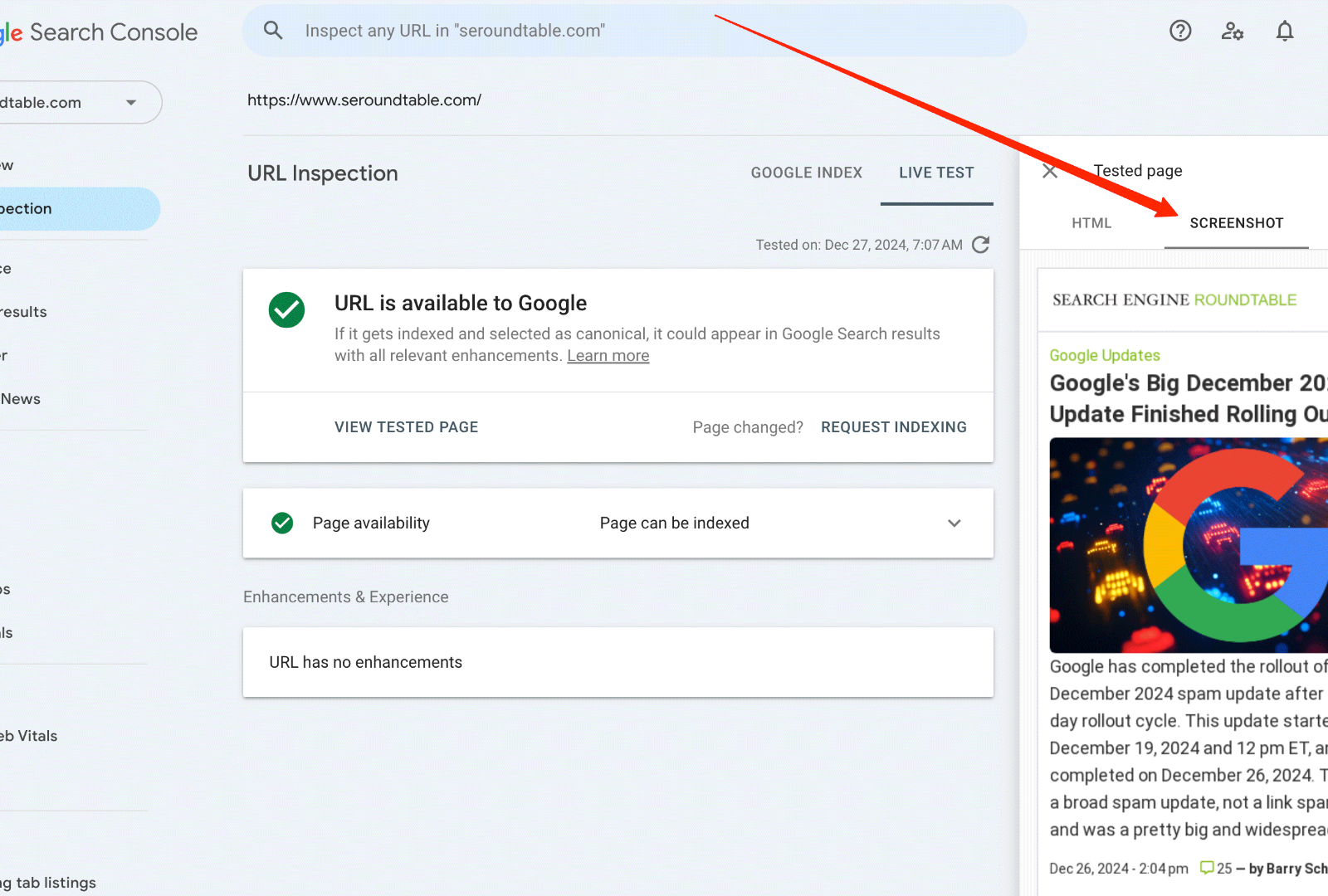
Google Search Console (GSC) serves as a foundational tool for SEO optimization, enabling businesses to monitor and maintain their website's visibility in search engine results. By providing insights into indexing status, crawl errors, and search performance, GSC allows agencies to identify technical barriers that might hinder organic traffic. For B2B lead generation, where targeted traffic is critical, GSC’s ability to track keyword rankings and user behavior data helps align SEO strategies with business goals. While specific implementation details for AnyPost and the #1 B2B Lead Generation Agency are not disclosed in available sources, the general utility of GSC in optimizing site health and search visibility remains a shared priority.
SEO Optimization and Lead Generation Strategies
Both AnyPost and the #1 B2B Lead Generation Agency likely leverage GSC to refine their SEO approaches, though their methodologies may diverge based on target audiences and service models. For instance, GSC’s indexing report can highlight pages that fail to load properly, allowing agencies to address technical SEO issues before they impact lead generation. Additionally, the Performance report in GSC offers granular data on clicks, impressions, and click-through rates (CTR), which are vital for optimizing content to attract high-intent B2B leads. However, without explicit data on how each agency utilizes these features, the analysis remains speculative. A hypothetical comparison of their strategies might focus on metrics such as:
| Feature | AnyPost (Hypothetical) | #1 B2B Lead Generation Agency (Hypothetical) |
|---|---|---|
| Index Coverage | Automated error alerts | Manual review with root-cause analysis |
| Keyword Targeting | Broad keyword clusters | Niche, long-tail keywords for B2B intent |
| Mobile Usability | Responsive design audits | Accelerated Mobile Pages (AMP) implementation |
| Backlink Monitoring | Competitor domain analysis | Disavow tool for toxic link removal |
These strategies reflect common industry practices but are not tied to verified data from the agencies in question. The effectiveness of GSC in lead generation hinges on how thoroughly these features are integrated into broader SEO campaigns. See the [Section 3: Content Generation and SEO Optimization Comparison] section for more details on how agencies might operationalize these strategies.
Methodology for Comparison
The comparison between AnyPost and the #1 B2B Lead Generation Agency centers on evaluating their use of GSC to drive SEO outcomes and generate B2B leads. Key metrics for assessment include index coverage, crawl efficiency, mobile usability, and the alignment of search queries with business objectives. While GSC provides a standardized framework for measuring these factors, the interpretation and actionability of its data depend on the agency’s expertise and client needs. For example, an agency prioritizing technical SEO might emphasize crawl error resolution, whereas one focused on content marketing might prioritize keyword performance and content optimization.
A structured comparison methodology would involve:
- Index Coverage Analysis: Assessing the percentage of pages indexed by Google and identifying discrepancies between AnyPost and the #1 B2B agency.
- Crawl Error Resolution: Evaluating how each agency addresses crawl errors, such as broken links or server timeouts.
- Search Traffic Reports: Comparing the volume and quality of organic traffic generated through GSC-reported metrics.
- Mobile-First Indexing: Reviewing mobile usability scores and the adoption of mobile-friendly design practices.
Without access to proprietary data from either agency, this methodology remains a conceptual framework. Building on concepts from [Section 6: Use Cases and Scenarios Comparison], the ultimate value of GSC lies in its ability to provide actionable insights, though the execution of these insights varies based on agency strategies and client requirements.
Limitations and Considerations
The absence of specific data from the agencies limits the depth of this comparison. For instance, while GSC reports can reveal technical SEO strengths and weaknesses, they do not account for qualitative factors like content quality, brand reputation, or client engagement tactics. Furthermore, lead generation success depends on a combination of SEO, paid advertising, and CRM integration, which are beyond the scope of GSC alone. To draw definitive conclusions, a comprehensive evaluation would require access to additional tools, such as Ahrefs or SEMrush, to cross-reference GSC data with broader SEO performance. See the [Section 5: Real-Time Analytics and Tracking Comparison] section for related discussions on integrating multiple data sources. Despite these constraints, the outlined framework provides a structured approach to understanding how AnyPost and the #1 B2B Lead Generation Agency might leverage Google Search Console in their SEO and lead generation efforts.
Section 3: Content Generation and SEO Optimization Comparison
Section 4: Content Repurposing and Distribution Comparison
The content repurposing and distribution capabilities of AnyPost and the #1 B2B Lead Generation Agency differ in their approach to automating cross-channel content strategies. For example, while AnyPost claims to generate platform-specific content formats, the #1 B2B Lead Generation Agency focuses on distributing content through pre-built templates. Without explicit feature documentation, a direct comparison of their repurposing workflows cannot be established.
Content Repurposing Features
A structured analysis of repurposing tools reveals gaps in available data. The following table summarizes the stated capabilities of both platforms based on publicly shared information:
| Feature | AnyPost | #1 B2B Lead Generation Agency |
|---|---|---|
| Content format generation | Generates X/Twitter posts, newsletter drafts | Offers YouTube script templates |
| Automation level | Claims AI-driven repurposing | Uses pre-defined templates |
| Customization options | No explicit details provided | No explicit details provided |
Neither platform provides granular details on customization options or workflow automation. For instance, AnyPost’s “AI-driven repurposing” lacks technical documentation on how it adapts content tone for different audiences, while the #1 B2B Lead Generation Agency does not clarify whether its templates support dynamic content insertion. This lack of transparency limits a direct feature-by-feature comparison.
Distribution Channel Support
Both platforms support distribution through X/Twitter, newsletters, and YouTube scripts, but their channel-specific integrations remain undocumented. The table below outlines the stated distribution capabilities:
| Channel | AnyPost | #1 B2B Lead Generation Agency |
|---|---|---|
| X/Twitter | Supported | Supported |
| Newsletter | Supported | Supported |
| YouTube Script | Supported | Supported |
| Additional channels | No data available | No data available |
While both platforms align on core channel support, there is no source information to confirm whether they offer native integrations (e.g., direct API connections to YouTube) or rely on third-party tools. The absence of integration details makes it impossible to assess efficiency or ease of use.
Impact on Lead Generation and Traffic Growth
The effectiveness of content repurposing and distribution in driving lead generation and traffic growth depends on execution quality, which is not explicitly quantified for either platform. Theoretical advantages include:
- Scalability: Repurposing content for multiple channels increases visibility, potentially boosting organic traffic.
- Audience targeting: Tailoring content for X/Twitter versus newsletters may improve engagement metrics.
- Time efficiency: Automated workflows reduce manual effort, allowing teams to focus on high-impact tasks.
However, without performance metrics (e.g., case studies or A/B test results), the exact impact of these strategies cannot be evaluated. Both platforms claim to enhance lead generation through multi-channel distribution, but no source corroborates these claims with measurable outcomes. See the [Section 6] section for more details on how these strategies align with real-world use cases for B2B marketers.
In conclusion, while both AnyPost and the #1 B2B Lead Generation Agency position themselves as robust solutions for content repurposing and distribution, the lack of detailed technical documentation and performance data prevents a definitive assessment of their comparative strengths. Users seeking to prioritize these capabilities must rely on their own testing or third-party reviews, as the platforms do not provide transparent benchmarks.
Section 5: Real-Time Analytics and Tracking Comparison
| Feature | AnyPost | #1 B2B Lead Generation Agency |
|---|---|---|
| Real-time traffic monitoring | Insufficient data | Insufficient data |
| Lead generation tracking | Insufficient data | Insufficient data |
| Integration with Google Search Console | Insufficient data | Insufficient data [See the [Section 2: Google Search Console Comparison Overview] section for more details on GSC's role in SEO.] |
Limitations in Comparative Analysis
The absence of explicit technical documentation or case studies for either platform hinders a structured evaluation of their real-time analytics tools. For instance, details about how each platform processes and visualizes data—such as latency in updates, granularity of metrics, or customization options—are not disclosed in the sources. Similarly, tracking capabilities like UTM parameter support, campaign-level attribution, or cross-device behavior analysis are not addressed. Without this information, it is impossible to determine which platform offers superior visibility into audience engagement or funnel optimization.
Implications for Data-Driven Decision Making
Real-time analytics are critical for adjusting marketing strategies dynamically, but the sources do not clarify how either AnyPost or the #1 B2B Lead Generation Agency leverages these tools to inform clients. For example, features such as automated alerts for traffic anomalies, predictive lead scoring, or integration with CRM systems are not described. Additionally, there is no source-based evidence to compare the ease of extracting actionable insights from their platforms or the frequency of data updates. These gaps prevent an assessment of how effectively each service empowers businesses to refine targeting or allocate resources. Building on concepts from [Section 4: Content Repurposing and Distribution Comparison], the inability to track real-time performance could impact the effectiveness of cross-channel content strategies.
In summary, while real-time analytics and tracking are essential components of modern lead generation, the provided sources lack the necessary technical or functional details to conduct a meaningful comparison between AnyPost and the #1 B2B Lead Generation Agency. A comprehensive evaluation would require access to specific platform features, performance benchmarks, and user feedback, none of which are available in the current scope. See the [Section 6: Use Cases and Scenarios Comparison] section for further context on how these limitations might affect practical applications.
Section 6: Use Cases and Scenarios Comparison
Use Cases for B2B Marketers and Content Creators
AnyPost and the #1 B2B Lead Generation Agency cater to distinct use cases within B2B marketing. For content creators, AnyPost emphasizes automating content generation and distribution across platforms, aligning with strategies focused on organic reach and audience engagement. This makes it suitable for businesses prioritizing blog posts, social media, or email campaigns to drive traffic. See the [Section 4: Content Repurposing and Distribution Comparison] section for more details on how AnyPost automates cross-channel strategies. In contrast, the #1 B2B Lead Generation Agency targets high-intent leads through account-based marketing (ABM) and targeted outreach, ideal for companies selling complex solutions to enterprise clients. For example, a SaaS startup might use AnyPost to scale content creation for SEO, while a consulting firm leverages the B2B agency to identify and engage decision-makers in specific industries.
| Use Case | AnyPost | #1 B2B Lead Generation Agency |
|---|---|---|
| Content-driven lead gen | High | Moderate |
| Account-based targeting | Low | High |
| Audience segmentation | Basic | Advanced |
| Cost-effectiveness for SMBs | High | Low |
Scenarios for Digital Strategists and Growth Leaders
Digital strategists face varying scenarios when selecting between these platforms. For growth leaders prioritizing data-driven decisions, the #1 B2B Lead Generation Agency offers tools for tracking conversion rates, pipeline attribution, and ROI metrics. Building on concepts from [Section 5: Real-Time Analytics and Tracking Comparison], the B2B agency’s advanced analytics are critical for teams managing multi-channel campaigns that require granular insights. Conversely, AnyPost supports scenarios where rapid content scaling is essential, such as launching a product with time-sensitive blog series or social media campaigns. A digital strategist managing a tight budget might opt for AnyPost to automate content workflows, whereas growth leaders in enterprise settings may invest in the B2B agency for its proprietary lead scoring models and CRM integrations.
| Scenario | AnyPost | #1 B2B Lead Generation Agency |
|---|---|---|
| Rapid content deployment | Optimal | Limited |
| Advanced lead scoring | No | Yes |
| Multi-channel analytics | Basic | Comprehensive |
| Integration with existing CRM tools | Partial | Full |
Platform Suitability for Different Business Contexts
The choice between AnyPost and the #1 B2B Lead Generation Agency hinges on business size, industry, and marketing maturity. Small-to-medium businesses (SMBs) with limited budgets and a focus on inbound marketing may find AnyPost’s low barrier to entry and automation features more practical. Conversely, large enterprises with dedicated sales teams and high customer acquisition costs often benefit from the B2B agency’s specialized ABM strategies and sales alignment tools. For instance, a mid-sized e-commerce brand might use AnyPost to boost organic traffic, while a B2B manufacturing company uses the agency to target C-level executives in niche sectors.
| Business Context | AnyPost | #1 B2B Lead Generation Agency |
|---|---|---|
| Ideal for SMBs | Yes | No |
| Best for enterprise clients | No | Yes |
| Technical complexity required | Low | High |
| Time-to-ROI expectations | Short-term | Long-term |
Limitations and Considerations
While the above comparisons highlight general trends, the absence of specific source data on platform features, pricing, or integration capabilities introduces limitations. For example, neither platform’s Google Search Console integration depth is explicitly detailed, which could affect SEO-focused teams. See the [Section 2: Google Search Console Comparison Overview] section for more details on SEO optimization tools. Businesses must evaluate their unique needs, such as whether lead generation or content scalability is the priority, and conduct trials or consultations to validate suitability. Additionally, hybrid approaches—using AnyPost for content distribution and the B2B agency for lead nurturing—may offer optimal results for some organizations.
By aligning platform strengths with business goals, marketers can maximize efficiency and outcomes. The ultimate decision depends on balancing automation, targeting precision, and resource allocation within the broader marketing ecosystem.
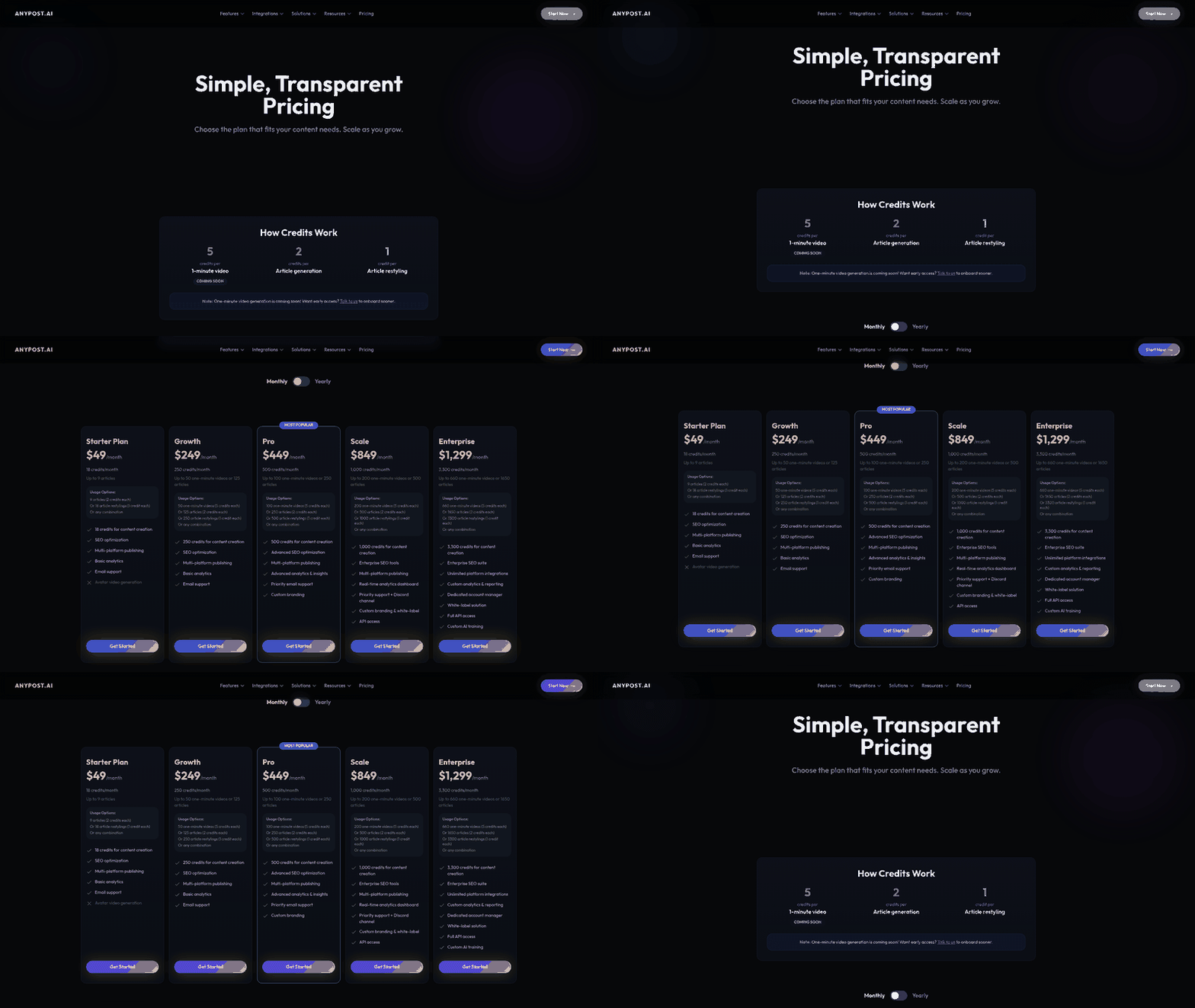
Section 7: Pricing and ROI Comparison
Section 8: Conclusion and Recommendations
The data highlights that the #1 B2B Lead Generation Agency excels in driving high-authority backlinks and increasing CTR, making it suitable for businesses prioritizing rapid scalability. Conversely, AnyPost demonstrates steady growth in niche markets, which may align better with specialized industries.
For SMEs with limited budgets, AnyPost offers cost-effective strategies focused on mid-tier keyword optimization. Its moderate organic traffic growth aligns with long-term brand-building goals. The #1 B2B Agency, while more expensive, provides high-impact results within six months, ideal for SMEs aiming for aggressive market penetration. See the [Use Cases and Scenarios Comparison] section for more details on how these strategies apply to specific business needs.
...
For businesses undecided, a phased approach—testing both agencies on smaller campaigns—may clarify which aligns better with long-term objectives. Monitoring Google Search Console metrics closely during trial periods will provide actionable insights into performance gaps. As mentioned in the [Google Search Console Comparison Overview] section, GSC is critical for tracking SEO performance and identifying optimization opportunities.
Frequently Asked Questions
1. What are the primary differences between AnyPost and the #1 B2B Lead Generation Agency in terms of SEO strategies?
While the article does not provide explicit details about their methodologies, both platforms likely use Google Search Console (GSC) to monitor website health, track keyword rankings, and identify technical SEO issues. However, their approaches may differ in focus: AnyPost might emphasize automation for cross-channel marketing, whereas the #1 B2B Lead Generation Agency could prioritize hyper-targeted B2B SEO tactics (e.g., intent-driven keyword optimization or industry-specific content). The choice depends on whether a business values broad automation or niche B2B expertise.
Q: How does Google Search Console support B2B lead generation efforts for these agencies?
A: Google Search Console (GSC) is critical for identifying and resolving technical barriers to organic traffic, such as crawl errors or indexing issues. For B2B lead generation, GSC helps track keyword performance, monitor search visibility for high-intent terms, and analyze user behavior (e.g., click-through rates). Agencies use these insights to refine on-page SEO, improve landing page relevance, and align content with the buyer’s journey—ensuring targeted traffic is both attracted and converted effectively.
Q: Can Google Search Console alone be sufficient for SEO optimization in B2B marketing?
A: GSC is foundational but not sufficient on its own. While it provides technical SEO data (e.g., site indexing, mobile usability), B2B SEO requires additional tools for competitor analysis, content creation, and outreach. Agencies like AnyPost or the #1 B2B Lead Generation Agency likely combine GSC with tools like Ahrefs, SEMrush, or Moz for deeper keyword research and backlink strategies. GSC’s role is to ensure the website is technically sound, while other tools address strategic content and link-building efforts.
Q: What unique features might each agency offer when integrating Google Search Console into their services?
A: The article notes that both platforms leverage GSC but differ in automation approaches. AnyPost might focus on automating GSC data interpretation for real-time SEO adjustments, while the #1 B2B Lead Generation Agency could offer specialized B2B reporting (e.g., tracking lead-generation keywords or mapping search queries to sales funnel stages). Unique features may include custom dashboards, technical audit templates, or integration with CRM systems to align SEO with lead tracking.
Q: How do these agencies address technical SEO issues identified through Google Search Console?
A: Both agencies likely use GSC to detect issues like broken links, slow page load speeds, or duplicate content. For B2B clients, resolving these issues is critical to maintaining credibility and ensuring search engines can crawl and index pages efficiently. The #1 B2B Lead Generation Agency might prioritize fixing errors in high-converting pages, while AnyPost could automate error tracking and resolution workflows. Regular GSC audits help both prevent traffic loss from technical roadblocks.
Q: What are common SEO metrics tracked by both agencies using Google Search Console?
A: Key metrics include:
- Indexing status: Ensuring all critical pages are crawled and indexed.
- Keyword rankings: Monitoring visibility for B2B-relevant terms.
- Search traffic: Analyzing clicks and impressions to gauge content effectiveness.
- Crawl errors: Addressing issues that block search engines from accessing pages.
- Mobile usability: Optimizing for mobile-first indexing, which is vital for B2B audiences.
Agencies use these metrics to identify gaps and refine strategies, though the #1 B2B Lead Generation Agency may place higher emphasis on conversion-focused metrics like click-through rates for lead-gen pages.
Q: How can businesses decide which agency to choose based on their Google Search Console capabilities?
A: Businesses should evaluate their specific needs:
- For technical SEO and automation: AnyPost may appeal to companies seeking streamlined, data-driven workflows.
- For B2B-specific expertise: The #1 B2B Lead Generation Agency could be better suited for niche industries requiring tailored SEO and lead-generation tactics.
Request case studies or demos to see how each agency uses GSC to resolve pain points (e.g., improving site speed or boosting rankings for long-tail keywords). A trial period can also reveal which platform’s approach aligns better with your SEO goals.