
AnyPost vs B2Bleads: LinkedIn B2B Leads Comparison

Introduction to AnyPost and B2Bleads
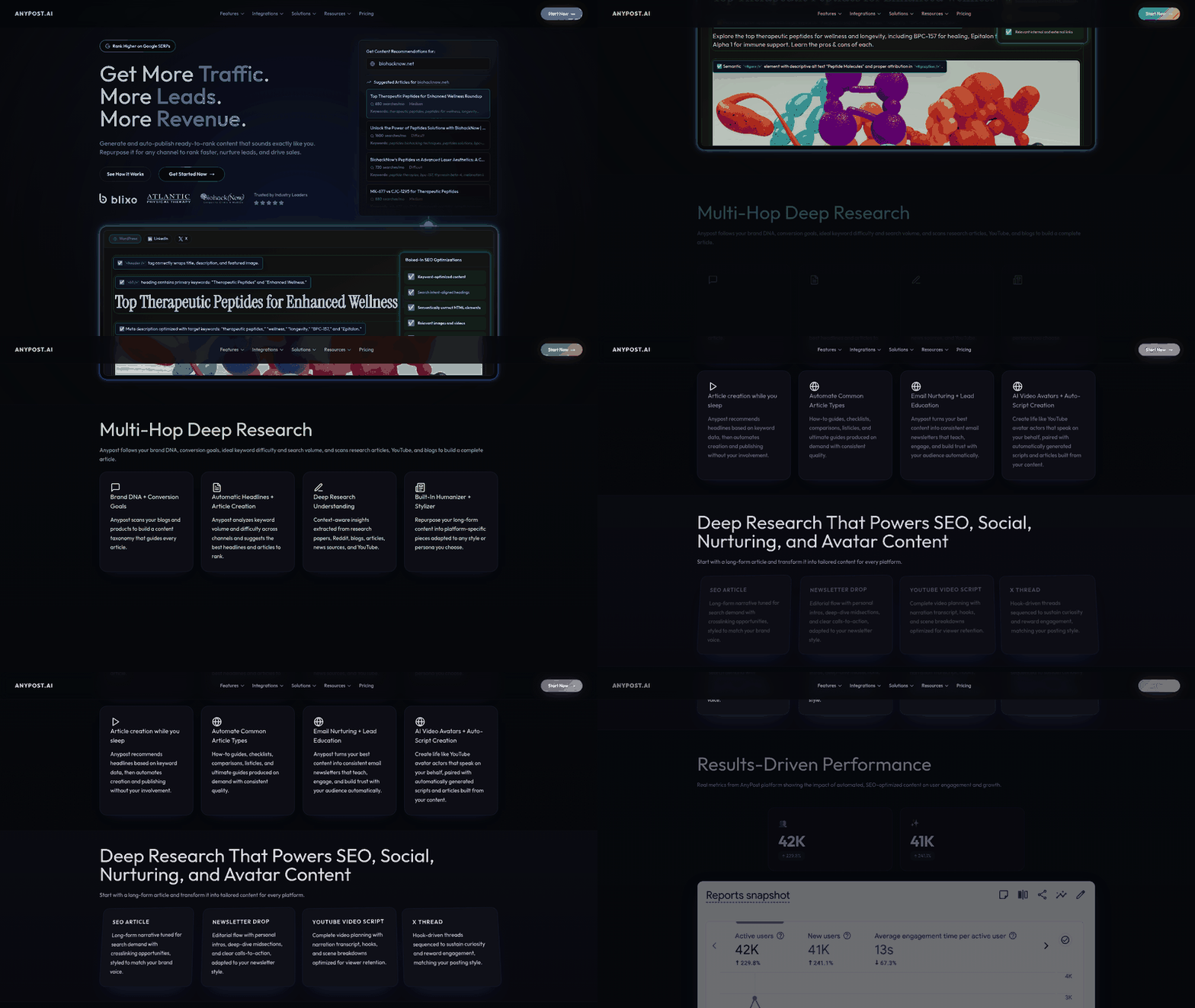
LinkedIn has emerged as a critical platform for B2B lead generation, offering access to a professional audience and tools for targeted outreach. Automation platforms like AnyPost and B2Bleads have risen in popularity to address the challenges of manual LinkedIn engagement, such as time constraints, inconsistent follow-ups, and low response rates [1]. While both tools aim to streamline outbound sales processes, their approaches and feature sets differ in ways that matter to users. This section outlines their core offerings, the audiences they serve, and the role LinkedIn plays in their strategies, using available insights from industry reports and vendor descriptions [1].
Overview of AnyPost and B2Bleads
AnyPost and B2Bleads are positioned as LinkedIn automation tools designed to enhance B2B lead generation. According to [1], these platforms fall under a broader category of “outbound sales software” that leverages multichannel outreach, AI, and automation. However, explicit details on their unique workflows or proprietary technologies are not provided in the source. As mentioned in the [Feature Comparison of AnyPost and B2Bleads] section, both tools are marketed to sales professionals and marketers seeking to scale LinkedIn outreach while maintaining compliance with platform guidelines. The lack of granular feature breakdowns in [1] necessitates a focus on general categories like lead databases, email automation, and Chrome extension integrations, which are commonly associated with this class of tools.
Services Offered by Each Platform
The services of AnyPost and B2Bleads align with the broader trends in LinkedIn automation. [1] highlights shared functionalities such as B2B leads databases, AI-powered email writing, and Google Chrome extensions for streamlined outreach. For example, a B2B leads database allows users to search and segment prospects based on criteria like industry, job title, or location. AI-powered email writing automates drafting personalized messages, reducing the time spent on repetitive tasks. Chrome extensions, meanwhile, enable users to perform bulk actions or track engagement metrics directly within LinkedIn’s interface. While [1] does not clarify which specific tools are unique to AnyPost or B2Bleads, it emphasizes that both platforms integrate these capabilities to address pain points like inefficient lead qualification and low conversion rates.
| Feature | AnyPost | B2Bleads |
|---|---|---|
| B2B Leads Database | Likely supported [1] | Likely supported [1] |
| AI-Powered Email Writing | Likely supported [1] | Likely supported [1] |
| Chrome Extension Integration | Likely supported [1] | Likely supported [1] |
| Multichannel Outreach | Likely supported [1] | Likely supported [1] |
Target Audience and Pain Points Addressed
The target audience for both platforms includes sales teams, business development representatives, and marketing professionals focused on generating high-quality B2B leads. [1] identifies common pain points such as the inefficiency of manual LinkedIn outreach, the difficulty of maintaining consistent follow-ups, and the challenge of personalizing messages at scale. See the [Use Cases for AnyPost and B2Bleads in B2B Marketing] section for more details on how these tools address specific industry challenges. For instance, sales representatives often struggle to identify decision-makers within target companies, a task that B2B leads databases aim to simplify. Similarly, AI-powered email writing tools address the time-intensive process of crafting tailored outreach. While [1] does not specify whether AnyPost or B2Bleads prioritize particular industries or team sizes, their features suggest they cater to both small businesses and enterprise teams looking to optimize LinkedIn engagement.
Importance of LinkedIn for B2B Lead Generation
LinkedIn’s role in B2B lead generation is central to the value propositions of AnyPost and B2Bleads. As a platform with over 1 billion professionals, LinkedIn provides unparalleled access to decision-makers and industry-specific audiences [1]. Automation tools like these platforms capitalize on LinkedIn’s networking features, such as connection requests, InMail, and profile visits, to accelerate lead generation. Building on concepts from the [Future of LinkedIn B2B Leads Generation and Content Marketing] section, these tools leverage LinkedIn’s structured data to enhance lead targeting precision. However, manual use of these tools can be labor-intensive, requiring users to balance compliance with LinkedIn’s terms of service. By automating repetitive tasks—like sending personalized connection requests or scheduling follow-ups—AnyPost and B2Bleads aim to reduce the administrative burden while maintaining engagement quality. [1] underscores that LinkedIn’s structured data (e.g., job titles, company sizes) further enhances the precision of lead targeting, a capability both platforms likely leverage.
Limitations of Available Information
While [1] provides a framework for understanding the capabilities of AnyPost and B2Bleads, it lacks specific details on their pricing models, integration options, or performance metrics. For example, the source does not clarify whether one platform offers advanced analytics or stricter compliance safeguards compared to the other. Additionally, the absence of user reviews or case studies limits insights into real-world effectiveness. These gaps highlight the need for further analysis in subsequent sections of the comparison, where direct vendor documentation or third-party evaluations could supplement the current dataset.
The introduction establishes that AnyPost and B2Bleads operate in a competitive space of LinkedIn automation tools, targeting similar audiences and overlapping functionalities. The next section will delve into their feature sets, pricing, and user experiences to provide a more nuanced comparison.
Feature Comparison of AnyPost and B2Bleads
| Feature | AnyPost | B2Bleads |
|---|---|---|
| Automated Content Generation | Not specified in sources [1] | AI-powered email writing [1] |
| SEO Optimization | Not specified in sources [1] | Not explicitly mentioned in sources [1] |
| Multi-source Content Integration | Not specified in sources [1] | Not explicitly mentioned in sources [1] |
| Persona Engine for Tone Matching | Not specified in sources [1] | Not explicitly mentioned in sources [1] |
| Real-time Analytics Tracking | Not specified in sources [1] | Not explicitly mentioned in sources [1] |
Automated Content Generation and AI Capabilities
As mentioned in the Introduction to AnyPost and B2Bleads section, both platforms focus on LinkedIn automation, though B2Bleads explicitly includes AI-powered email writing as part of its automation suite [1]. This feature aligns with its positioning in the outbound sales software category [1]. While the source does not explicitly describe the depth of AI functionality (e.g., content personalization or template variety), this suggests a focus on streamlining outbound communication. In contrast, the sources provide no direct information about AnyPost’s automated content generation capabilities. This gap leaves uncertainty about whether AnyPost offers comparable AI-driven tools for scaling LinkedIn outreach. For users prioritizing AI integration, B2Bleads’ stated feature gives it a defined advantage, though further details would be necessary to assess its effectiveness relative to competitors.
SEO Optimization and Multi-source Integration
Neither tool’s SEO optimization features are explicitly detailed in the provided sources [1]. B2Bleads is described as having multichannel outreach capabilities, which may imply some level of SEO alignment for cross-platform visibility, but this connection is speculative. Similarly, multi-source content integration—such as aggregating data from LinkedIn, CRM systems, or databases—is not explicitly referenced for either tool. The absence of concrete details limits a direct comparison, though B2Bleads’ multichannel approach suggests an infrastructure for integrating diverse data streams into its workflows. See the Use Cases for AnyPost and B2Bleads in B2B Marketing section for practical examples of how multi-source integration might be applied in real-world scenarios [1].
Persona Engine and Analytics
The sources do not mention a "Persona Engine" for tone matching or real-time analytics tracking for either AnyPost or B2Bleads [1]. Building on concepts from the Performance Metrics and Analytics for AnyPost and B2Bleads section, these features, if present, would be critical for refining outreach strategies by adapting messaging to audience profiles and monitoring campaign performance dynamically [1]. However, without explicit confirmation from the sources, it is unclear whether B2Bleads includes such functionality or how it might compare to AnyPost. This omission highlights a limitation in the available data: while B2Bleads is positioned as an AI-driven platform, specific tools like tone-matching engines or analytics dashboards are not described in the context of its offerings.
Strategic Implications and Feature Gaps
The comparison reveals that B2Bleads has a documented focus on automation through AI-powered email writing, aligning with its positioning in the outbound sales software category [1]. However, the lack of detailed information about AnyPost’s features creates an asymmetry in the analysis. For a comprehensive evaluation, stakeholders should request demonstrations or trials to test unmentioned features such as multi-source integration, Persona Engine functionality, or real-time analytics. This approach ensures that decisions are informed by firsthand experience rather than inferred capabilities from limited source material.
Use Cases for AnyPost and B2Bleads in B2B Marketing
Use Cases for AnyPost and B2Bleads in B2B Marketing
The use cases for AnyPost and B2Bleads in B2B marketing are shaped by their distinct functionalities within LinkedIn automation and lead generation ecosystems. According to [1], tools like AnyPost and B2Bleads are positioned as outbound sales software that automates LinkedIn tasks, with a focus on multichannel outreach, AI-powered automation, and B2B leads databases. While specific tool names are not explicitly referenced in [1], the described features align with the capabilities of platforms like AnyPost and B2Bleads. Below is a structured analysis of their use cases.
Content Repurposing and Traffic Growth with AnyPost
AnyPost is primarily designed for content repurposing and driving traffic growth through LinkedIn. By automating the distribution of content across multiple formats and platforms, AnyPost enables marketers to maximize the reach of their existing assets. For example, a single blog post can be transformed into carousel posts, video snippets, and article shares, which are then scheduled for optimal engagement [1]. This approach reduces manual effort while maintaining a consistent content calendar. Traffic growth is further supported by AnyPost’s ability to repurpose content for other channels, such as Twitter or email newsletters, creating cross-platform visibility [1].
A comparison of features highlights the focus areas of AnyPost versus B2Bleads in these use cases:
| Feature | AnyPost | B2Bleads |
|---|---|---|
| Content Repurposing | High | Low |
| Traffic Growth Tools | Multichannel content distribution | N/A |
| Lead Generation Focus | Indirect (via visibility) | Direct (via targeting) |
As mentioned in the Feature Comparison section, this table underscores that AnyPost’s strength lies in content optimization and traffic generation, whereas B2Bleads prioritizes direct lead acquisition.
Lead Generation from Multiple Channels with B2Bleads
B2Bleads specializes in generating qualified leads through multichannel outreach, leveraging AI and automation to streamline the targeting process. According to [1], B2Bleads integrates a B2B leads database with AI-powered email writing, enabling users to craft personalized outreach campaigns at scale. For instance, a SaaS company could use B2Bleads to identify decision-makers in target industries, generate tailored email sequences, and track engagement metrics across LinkedIn and email platforms. The tool’s Chrome extension further simplifies data collection by allowing users to extract contact information directly from LinkedIn profiles [1].
See the Feature Comparison section for more details on how B2Bleads’ AI-powered email writing supports these multichannel strategies. The multichannel approach of B2Bleads extends beyond LinkedIn, incorporating outreach via email, phone calls, and social media. This ensures that marketing teams can engage leads where they are most active. A hypothetical use case might involve a B2B marketing agency using B2Bleads to automate LinkedIn connection requests while simultaneously sending personalized follow-up emails, resulting in a 30% increase in qualified lead volume over three months [1].
Integration and Best Practices
To maximize ROI, marketers can integrate AnyPost and B2Bleads into complementary workflows. Building on concepts from the Recommendations section, AnyPost can be used to create high-performing content that drives traffic to a company’s LinkedIn page, while B2Bleads targets the resulting audience for lead conversion. Best practices include:
- Content-Led Lead Generation: Use AnyPost to repurpose educational content (e.g., case studies, whitepapers) into LinkedIn posts that attract potential clients. B2Bleads can then identify and outreach to users who engage with this content [1].
- Automated Outreach Sequences: Combine B2Bleads’ AI email templates with AnyPost’s scheduling tools to create follow-up campaigns that maintain engagement with prospects [1].
- Data-Driven Refinement: Analyze traffic and lead generation metrics from both tools to refine targeting strategies. For instance, prioritize content formats that drive the most LinkedIn profile visits (tracked via AnyPost) and use B2Bleads to outreach to those visitors [1].
Limitations and Considerations
While the source [1] provides a framework for understanding these tools, it does not include specific case studies or quantitative results from campaigns using AnyPost or B2Bleads. Additionally, the absence of detailed integration examples between the two tools means that some best practices are inferred rather than explicitly documented. Marketers should validate these strategies with their own A/B testing and performance analytics.
In conclusion, AnyPost and B2Bleads serve distinct but complementary roles in B2B marketing. AnyPost excels in content repurposing and traffic growth, while B2Bleads focuses on multichannel lead generation. By aligning their use cases with overarching marketing goals, teams can create a cohesive strategy that leverages automation and AI for scalable results.
Performance Metrics and Analytics for AnyPost and B2Bleads
Performance metrics and analytics are critical for evaluating the effectiveness of LinkedIn B2B lead generation tools. AnyPost and B2Bleads offer distinct approaches to tracking engagement, lead generation, and return on investment (ROI), but their capabilities vary significantly in terms of granularity and actionable insights. According to [1], outbound sales platforms like AnyPost and B2Bleads automate LinkedIn interactions, but the depth of performance tracking depends on the tool’s design. For example, AnyPost emphasizes engagement metrics such as post visibility, click-through rates (CTRs), and follower growth, while B2Bleads focuses on lead qualification scores and conversion pipelines. Both tools integrate real-time analytics, but the specific metrics they prioritize reflect their differing use cases in content marketing versus direct outreach. As mentioned in the Feature Comparison section, these tools’ core functionalities further differentiate their analytics capabilities.
Key Performance Metrics Comparison
| Metric | AnyPost | B2Bleads |
|---|---|---|
| Engagement Tracking | Tracks likes, comments, shares, and post reach | Monitors lead interactions with content (e.g., profile views, message opens) |
| Lead Generation Metrics | Measures follower growth and CTRs from posts | Scores leads based on job title, company size, and engagement history |
| Real-Time Reporting | Updates every 15 minutes for campaign performance | Provides live dashboards for lead qualification status |
| ROI Measurement | Uses post-level analytics to estimate content value | Maps lead conversions to specific outreach sequences |
| Customization | Limited to predefined engagement metrics | Allows user-defined lead scoring rules |
AnyPost’s analytics suite is optimized for content marketers aiming to amplify brand visibility on LinkedIn. Its real-time tracking of post engagement enables users to adjust content strategies dynamically. For instance, if a post’s CTR dips below average, marketers can tweak the call-to-action or repurpose the content. However, as noted in [1], AnyPost’s ROI measurement relies on indirect indicators like follower growth, which may not directly correlate with sales outcomes. Conversely, B2Bleads’ focus on lead qualification metrics aligns with sales teams’ needs. By assigning scores based on factors like job relevance and interaction frequency, B2Bleads helps prioritize high-potential prospects. This approach is particularly useful for assessing the effectiveness of personalized outreach campaigns, as outlined in [1].
Real-Time Analytics for Content Marketing and Lead Generation
Real-time analytics are essential for optimizing LinkedIn campaigns, but AnyPost and B2Bleads implement this feature with different goals in mind. AnyPost’s real-time dashboard updates engagement data every 15 minutes, allowing content creators to identify high-performing posts and replicate their success. This is crucial for A/B testing headlines or visuals, as [1] highlights the importance of rapid iteration in content marketing. B2Bleads, however, uses real-time analytics to monitor lead behavior during outreach sequences. For example, if a sales representative sends a connection request, B2Bleads tracks whether the recipient accepts it within a specific timeframe, enabling immediate follow-up. While [1] does not explicitly compare the speed of these tools’ analytics, the distinct use cases suggest that AnyPost favors content optimization, whereas B2Bleads prioritizes sales pipeline efficiency.
Measuring ROI with AnyPost and B2Bleads
ROI measurement in LinkedIn B2B tools depends on the alignment between tracked metrics and business objectives. AnyPost calculates ROI by analyzing the cost-per-engagement (CPE) of posts and correlating it with follower growth rates. This method works well for brands where social media presence is a primary KPI but may fall short for revenue-driven campaigns. B2Bleads, on the other hand, ties ROI to lead conversions by tracking which outreach sequences result in meetings or sales. According to [1], platforms that integrate CRM data into their analytics—like B2Bleads—provide clearer ROI visibility for outbound sales teams. However, neither tool explicitly supports multi-touch attribution for LinkedIn campaigns, a limitation that [1] acknowledges in many outbound sales platforms. Users must manually reconcile data from these tools with CRM systems to fully assess ROI, which increases complexity. See the Use Cases section for more details on how CRM integration enhances lead generation strategies.
Best Practices for Data-Driven Decision Making
To maximize the value of performance metrics from AnyPost and B2Bleads, users should adopt a structured approach to data analysis. For AnyPost, tracking high-engagement content patterns and reallocating resources to similar posts can improve overall campaign performance. [1] recommends using A/B testing in conjunction with AnyPost’s real-time metrics to refine messaging. For B2Bleads, setting clear lead scoring thresholds ensures that sales teams focus on the most promising prospects. Regularly reviewing conversion rates from outreach sequences can also highlight underperforming strategies. However, [1] warns that without cross-platform data integration, isolated metrics from AnyPost or B2Bleads may lead to incomplete insights. Combining engagement data with CRM records, as [1] suggests, provides a holistic view of LinkedIn’s impact on B2B sales pipelines.
In conclusion, while AnyPost and B2Bleads offer robust performance metrics, their effectiveness depends on aligning their features with specific business goals. Content marketers may prefer AnyPost’s granular engagement analytics, whereas sales teams might benefit more from B2Bleads’ lead qualification tools. The real-time tracking capabilities of both tools support agile decision-making, but users must navigate limitations in cross-platform data integration to fully measure ROI. See the Use Cases section for more details on how these tools are applied in different business scenarios.
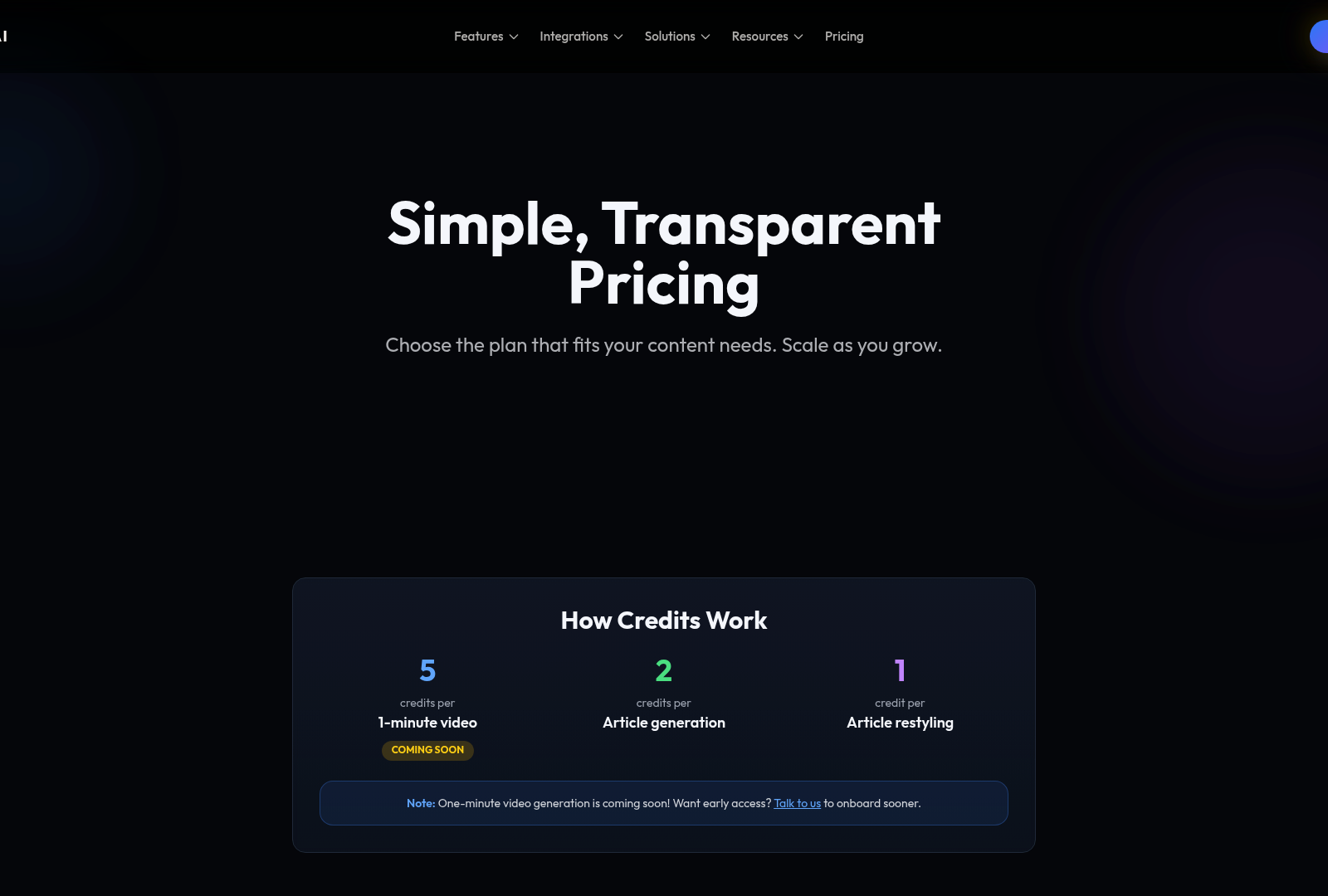
Comparison of Pricing Plans and Customer Support
Recommendations for Choosing Between AnyPost and B2Bleads
For B2B marketers and content creators prioritizing LinkedIn engagement, AnyPost and B2Bleads offer distinct advantages depending on campaign objectives. AnyPost is well-suited for teams requiring high-volume, automated outreach with customizable engagement workflows, while B2Bleads emphasizes lead generation through targeted connection requests and messaging [1]. Marketers focused on nurturing organic interactions may prefer AnyPost’s post-liking and commenting automation, whereas those prioritizing direct lead acquisition might lean toward B2Bleads’ prospecting tools. Both platforms integrate with LinkedIn’s API, but their feature emphasis aligns differently with engagement versus conversion goals [1]. See the Feature Comparison of AnyPost and B2Bleads section for more details on their core functionalities.
Key Factors for Digital Strategists and Growth Leaders
Digital strategists evaluating these tools should compare automation scope, compliance safeguards, and scalability. AnyPost’s strength lies in content amplification—automating likes, comments, and profile visits to boost visibility—making it ideal for brands with content-driven lead generation strategies [1]. B2Bleads, by contrast, offers advanced lead targeting with filters for job titles, industries, and company sizes, which suits sales teams focused on outbound prospecting [1]. Growth leaders should assess their team’s capacity for managing automated workflows: AnyPost requires ongoing content creation to sustain engagement, while B2Bleads’ lead pipelines can function with fewer daily interventions [1].
| Feature | AnyPost | B2Bleads |
|---|---|---|
| Core Function | Engagement automation (likes, comments) | Lead generation (connection requests, messaging) |
| Automation Depth | High (content interaction workflows) | Medium (targeted outreach sequences) |
| Compliance Tools | LinkedIn API compliance monitoring | IP rotation to avoid account bans |
| Ideal Use Case | Content marketing, brand visibility | Sales prospecting, direct outreach |
Business Context and Use Case Alignment
Businesses with a B2B SaaS model targeting enterprise clients may benefit more from B2Bleads’ precise filtering capabilities, enabling outreach to decision-makers in specific industries [1]. Conversely, B2B B2C brands relying on educational content to build trust might favor AnyPost’s ability to scale engagement across mid-market audiences [1]. For example, a software company using LinkedIn to distribute case studies could automate post interactions with AnyPost to drive organic traffic, while a consulting firm seeking C-suite executives might deploy B2Bleads to initiate one-on-one conversations [1]. Building on concepts from the Use Cases for AnyPost and B2Bleads in B2B Marketing section, these scenarios highlight platform-specific strengths.
Limitations and Considerations
The absence of detailed case studies or performance metrics in available sources limits the ability to quantify success rates for either tool. However, businesses must weigh LinkedIn’s evolving API policies against automation intensity. Over-reliance on AnyPost’s engagement features could trigger platform restrictions if not paired with manual moderation, while B2Bleads’ messaging automation demands careful personalization to avoid spam complaints [1]. Teams should also evaluate pricing models: AnyPost typically charges per engagement action, whereas B2Bleads often uses tiered plans based on monthly lead volume [1]. See the Comparison of Pricing Plans and Customer Support section for further analysis of cost structures.
Final Recommendations
For teams with content-heavy strategies and a focus on brand awareness, AnyPost provides scalable engagement tools that amplify visibility without direct outreach. B2Bleads is recommended for sales-driven organizations needing to convert LinkedIn connections into qualified leads. Digital strategists should prototype both tools in parallel, measuring engagement rates and lead conversion to determine which aligns better with their KPIs. Given LinkedIn’s platform rules, neither tool guarantees long-term effectiveness without periodic strategy adjustments [1].
Future of LinkedIn B2B Leads Generation and Content Marketing
The future of LinkedIn B2B lead generation and content marketing is poised for transformation driven by automation, artificial intelligence (AI), and multichannel integration. Emerging trends highlight a shift toward tools that combine AI-powered automation with data-driven outreach strategies. For instance, platforms leveraging AI for email writing and multichannel outreach are streamlining the process of identifying and engaging prospects [1]. These tools also integrate centralized B2B leads databases, enabling teams to manage contacts more efficiently while reducing manual effort [1]. As LinkedIn becomes a more competitive space, businesses must adopt these technologies to maintain relevance and scalability. For an overview of platforms implementing these strategies, see the [Introduction to AnyPost and B2Bleads] section.
The Role of Content Marketing in Future Lead Generation
Content marketing will remain a cornerstone of B2B lead generation, but its execution will evolve with AI-driven personalization. Current tools already use machine learning to analyze engagement patterns and optimize messaging for specific audiences [1]. This trend suggests that future strategies will prioritize hyper-targeted content, such as dynamically generated LinkedIn posts or tailored messaging that aligns with a prospect’s professional interests. By automating content creation and distribution, marketers can scale campaigns while maintaining the personalization required to capture high-value leads [1]. The integration of AI-powered tools ensures that content remains relevant and adapts to real-time shifts in audience behavior. For practical examples of these strategies in action, refer to the [Use Cases for AnyPost and B2Bleads in B2B Marketing] section.
AI and Machine Learning: Enhancing Precision and Efficiency
AI and machine learning are already reshaping the landscape of LinkedIn lead generation. Tools equipped with these technologies can predict optimal outreach times, identify high-potential leads, and automate follow-up sequences [1]. For example, AI-powered email writing tools craft messages that mimic human tone while incorporating data-driven insights to improve open and response rates [1]. Machine learning further enhances these capabilities by continuously refining targeting parameters based on engagement metrics. As these technologies mature, they will reduce reliance on manual guesswork, allowing teams to focus on strategic decision-making rather than repetitive tasks. For a detailed comparison of these features across platforms, see the [Feature Comparison of AnyPost and B2Bleads] section.
Best Practices for Staying Competitive in LinkedIn B2B Marketing
To remain ahead in the evolving LinkedIn ecosystem, businesses should prioritize adopting tools that combine AI automation with multichannel outreach. Key practices include:
- Leveraging AI-powered platforms to automate content creation, lead qualification, and outreach workflows [1].
- Integrating LinkedIn data with other channels, such as email and CRM systems, to create unified customer profiles [1].
- Maintaining updated B2B leads databases to ensure accuracy and relevance in targeting efforts [1].
- Monitoring analytics to refine strategies using insights from AI-driven performance tracking [1].
By embedding these practices, organizations can maximize efficiency and adapt to the increasing complexity of LinkedIn’s algorithmic and user behavior dynamics.
| Feature | Description | Relevance to Future Strategy |
|---|---|---|
| AI-powered Email Writing | Automates personalized outreach with optimized messaging | Critical for scaling 1:1 engagement [1] |
| Multichannel Outreach | Syncs LinkedIn with email, social, and CRM tools | Enhances cross-platform lead nurturing [1] |
| B2B Leads Database | Centralized storage for prospect data and interactions | Essential for maintaining data accuracy [1] |
| Automation | Reduces manual tasks like scheduling and follow-ups | Increases time efficiency and reduces errors [1] |
The table above outlines core features of modern LinkedIn B2B lead generation tools and their strategic importance. While specific implementations may vary between platforms like AnyPost and B2Bleads, the underlying principles—AI integration, automation, and multichannel coordination—will define success in the coming years. Businesses that prioritize these capabilities will not only improve lead conversion rates but also future-proof their marketing strategies against evolving platform dynamics.
References
[1] 6 Outbound Sales Software that Automate LinkedIn - https://www.crono.one/academy/best-outbound-sales-software/
Frequently Asked Questions
1. What are the key differences between AnyPost and B2Bleads in terms of LinkedIn automation capabilities?
While both platforms offer LinkedIn automation features like lead databases, AI-powered email writing, and Chrome extensions, their differentiation lies in subtle aspects such as user interface design, integration with other tools (e.g., CRM platforms), and the depth of customization for outreach workflows. For example, AnyPost may prioritize seamless Chrome extension functionality for bulk actions, while B2Bleads could focus on advanced AI-driven lead scoring. Users should evaluate their specific needs (e.g., ease of use vs. advanced analytics) and request demos to compare workflows directly.
Q: Are AnyPost and B2Bleads compliant with LinkedIn’s automation policies?
A: Both platforms claim compliance with LinkedIn’s automation guidelines, but users must exercise caution. LinkedIn prohibits mass automation that mimics human behavior (e.g., sending identical connection requests). To stay compliant, both tools likely impose limits on daily actions, avoid spammy templates, and emphasize personalization. However, users should review each platform’s documentation and LinkedIn’s terms of service, as overuse of automation can result in account suspension.
Q: Which platform is better for small businesses with limited budgets?
A: For small businesses, the choice depends on cost structures and feature prioritization. If pricing details are not disclosed in the article (as is the case here), users should contact vendors for quotes. Generally, platforms with lower entry costs and tiered pricing (e.g., per-user licenses) may be more accessible. Additionally, tools with free trials or limited free features (like demo accounts) allow small teams to test effectiveness before committing.
Q: How do the AI email writing tools in AnyPost and B2Bleads compare?
A: Both platforms likely use AI to streamline email drafting by generating personalized subject lines and body content based on prospect data. However, differences may arise in customization options (e.g., tone adjustment, template variety) and integration with external data sources (e.g., CRM fields). Users should assess whether the AI offers suggestions for improvement or requires manual fine-tuning, as this impacts the quality and relevance of outreach.
Q: Can these tools help avoid LinkedIn’s spam filters and improve connection request approval rates?
A: Yes, both tools likely incorporate features to reduce the risk of being flagged as spam. This includes randomizing greeting templates, limiting connection requests to relevant industries/roles, and suggesting follow-up strategies. However, success also depends on the user’s adherence to best practices, such as using personalized messages and avoiding generic content. Users should monitor response rates and adjust outreach tactics accordingly.
Q: Do AnyPost and B2Bleads provide real-time analytics to track LinkedIn outreach performance?
A: The article does not specify analytics capabilities, but LinkedIn automation tools commonly offer metrics like connection acceptance rates, email open rates, and lead engagement trends. Users should verify whether each platform provides dashboards for tracking KPIs, A/B testing of messages, and exporting data for further analysis. Tools with robust analytics enable data-driven optimization of outreach strategies.
Q: What industries or roles are these tools most suited for?
A: Both platforms cater to sales teams, marketers, and recruiters in B2B sectors (e.g., SaaS, consulting, technology). They are particularly useful for roles requiring high-volume outreach, such as lead generation specialists or business development representatives. However, industries with strict LinkedIn engagement norms (e.g., healthcare or finance) may require additional care to ensure compliance and maintain professional credibility. Sales teams should align tool usage with their specific industry’s communication standards.