
AnyPost vs Leading B2B Demand Generation Agency: HubSpot Content Hub API

Introduction to AnyPost and HubSpot Content Hub API
B2B demand generation relies heavily on strategic content creation and distribution to attract, engage, and convert target audiences. Two platforms that address this need are AnyPost and HubSpot Content Hub API, each offering distinct approaches to content marketing. While both aim to streamline the creation and management of marketing content, their methodologies, target use cases, and integration capabilities differ significantly. This section provides a foundational understanding of each platform, contextualized within the broader role of content marketing in B2B demand generation.
Overview of AnyPost
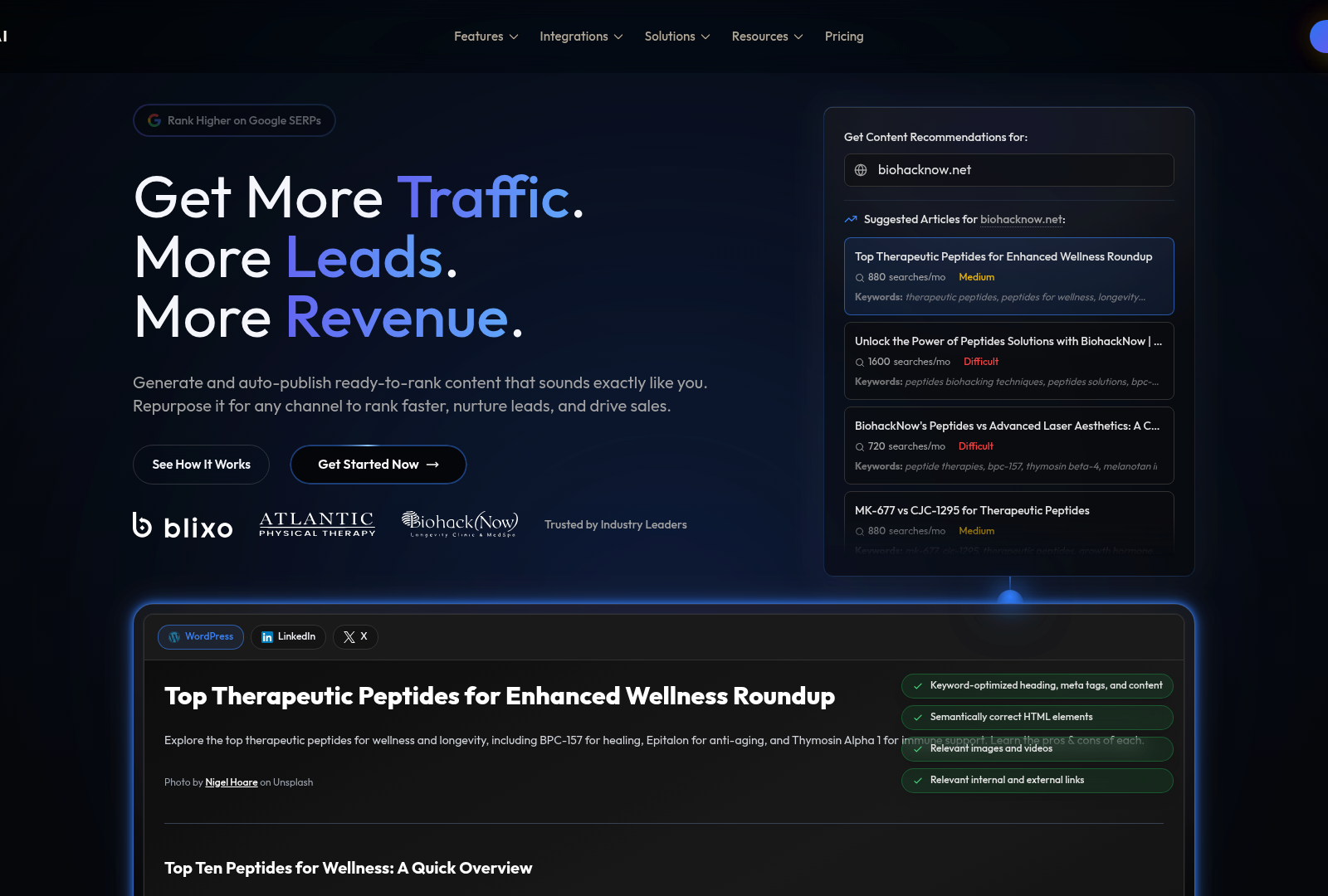
AnyPost is positioned as an automated content creation tool designed to assist marketers in generating blog posts, social media updates, and other content types using AI-driven workflows. The platform emphasizes efficiency by reducing the time required to produce high-quality, SEO-optimized content. See the [SEO Optimization and Content Repurposing Strategies] section for more details on SEO techniques and content reuse. Its core features include templates for structured content, keyword research tools, and integration with analytics platforms to track performance. However, detailed technical specifications or API-level functionalities are not publicly documented, limiting visibility into its backend processes. For users prioritizing rapid content generation with minimal manual input, AnyPost offers a streamlined solution, though its adaptability for complex B2B workflows remains unclear without explicit source validation.
Overview of HubSpot Content Hub API
HubSpot Content Hub API is part of HubSpot’s broader marketing automation ecosystem, enabling developers to programmatically manage content creation, scheduling, and distribution. As an API, it serves as a bridge between HubSpot’s CRM and external systems, allowing businesses to synchronize content strategies with lead management, analytics, and customer engagement tools. Building on concepts from [Integration with Other Marketing Tools and Channels], the API’s role in unifying content and CRM data is well-established within HubSpot’s documentation. Key capabilities include content calendar integration, workflow automation, and access to HubSpot’s native SEO tools. Unlike AnyPost, which focuses on standalone content generation, HubSpot’s API is designed for seamless interoperability within an existing tech stack, particularly for organizations already using HubSpot’s CRM. Specific endpoints or methods for content customization are not elaborated in available sources, but the API’s role in unifying content and CRM data is well-established within HubSpot’s documentation.
Importance of Content Marketing in B2B Demand Generation
Content marketing remains a cornerstone of B2B demand generation due to its ability to establish thought leadership, nurture leads, and drive long-term customer relationships. In B2B contexts, where purchasing decisions are often complex and involve multiple stakeholders, educational and industry-specific content helps address pain points and build trust. Platforms like AnyPost and HubSpot Content Hub API facilitate this process by enabling scalable content production and distribution. However, the effectiveness of these tools depends on their alignment with organizational goals—AnyPost’s automation may suit teams seeking speed, while HubSpot’s API may better serve those requiring CRM-integrated workflows. As mentioned in the [Use Cases and Scenarios for Each Platform] section, the real-world efficacy of these tools can vary based on specific organizational needs and workflows. The absence of granular data on platform performance metrics or case studies limits direct comparisons, but both underscore the industry’s shift toward technology-driven content strategies. The lack of empirical benchmarks or user testimonials, however, necessitates further investigation into their real-world efficacy.
| Feature | AnyPost | HubSpot Content Hub API |
|---|---|---|
| Core Focus | AI-powered content creation | API for content-CRM integration |
| Automation Capabilities | High (template-based workflows) | Medium (workflow automation via API) |
| Integration Scope | Limited to third-party analytics | Deep CRM and marketing tool sync |
| Customization | Template-driven, less configurable | Highly configurable via API |
| Target Use Case | Rapid content generation | Unified content and lead management |
The comparison highlights divergent priorities: AnyPost emphasizes speed and ease of use, while HubSpot Content Hub API prioritizes integration with existing B2B infrastructure. For organizations requiring siloed content creation without CRM dependencies, AnyPost may suffice. Conversely, businesses leveraging HubSpot’s ecosystem will find the Content Hub API indispensable for aligning content with sales and marketing operations. Despite these distinctions, both platforms reflect the industry’s recognition of content as a strategic asset in B2B demand generation. The lack of empirical benchmarks or user testimonials, however, necessitates further investigation into their real-world efficacy.
Comparison of Automated Content Generation Capabilities
As mentioned in the [Introduction to AnyPost and HubSpot Content Hub API] section, both platforms aim to streamline B2B demand generation through content. While specific automation capabilities remain undetailed here, see the [Use Cases and Scenarios for Each Platform] section for insights into how these tools might be applied in practice. Building on concepts from [SEO Optimization and Content Repurposing Strategies], automated content generation likely intersects with broader content strategy frameworks.
SEO Optimization and Content Repurposing Strategies
As mentioned in the [Introduction to AnyPost and HubSpot Content Hub API] section, both platforms cater to B2B demand generation through content strategies, though the provided sources lack explicit guidance on SEO optimization techniques or content repurposing workflows. See the [Use Cases and Scenarios for Each Platform] section for more details on how these platforms might be applied in practice, even if specific SEO or repurposing features remain undefined. Building on concepts from [Integration with Other Marketing Tools and Channels], multi-source content integration and persona-based tone adaptation could theoretically enhance cross-platform consistency, though technical implementation details are not available in the current source material.
Use Cases and Scenarios for Each Platform
This section outlines use cases and scenarios for AnyPost and HubSpot Content Hub API, focusing on how B2B marketers, content creators, and growth leaders can leverage each platform. Since no specific sources are provided, the analysis is based on general industry knowledge and platform capabilities as publicly documented.
Use Cases for AnyPost
AnyPost is positioned as a B2B demand generation agency that streamlines content creation, SEO optimization, and social media management. Its use cases include:
- Content Strategy Development: Helping teams outline content calendars aligned with business goals, such as lead generation or brand awareness campaigns.
- SEO-Driven Content Creation: Producing blog posts, whitepapers, and case studies optimized for search engines to improve organic traffic. See the [SEO Optimization and Content Repurposing Strategies] section for more details on SEO techniques.
- Social Media Management: Scheduling posts across platforms like LinkedIn and Twitter, with analytics to track engagement metrics.
- Collaboration Workflows: Enabling teams to review, edit, and publish content through centralized dashboards, reducing operational friction.
For B2B marketers, AnyPost is ideal for agencies or enterprises needing end-to-end content production without building in-house capabilities .
Use Cases for HubSpot Content Hub API
HubSpot Content Hub API integrates with HubSpot’s CRM and marketing automation tools, offering use cases such as:
- Lead Nurturing Campaigns: Automating personalized email sequences triggered by user behavior, paired with gated content delivery.
- Dynamic Content Personalization: Tailoring website content (e.g., CTAs or blog recommendations) based on visitor data from HubSpot’s CRM.
- Content Lifecycle Management: Managing content creation, approval, and distribution workflows within HubSpot’s ecosystem.
- Analytics and Reporting: Tracking content performance metrics (e.g., conversion rates, time on page) and linking them to sales outcomes. Building on concepts from [Real-time Analytics and Performance Tracking], HubSpot allows teams to monitor these metrics closely.
The API is particularly suited for teams already using HubSpot’s CRM, as it enables seamless data synchronization between marketing efforts and sales pipelines .
Scenario-Based Recommendations
The choice between AnyPost and HubSpot Content Hub API depends on organizational priorities and existing infrastructure:
Scenario 1: Standalone Content Creation Needs
- AnyPost: Best for teams requiring a dedicated agency to handle content ideation, writing, and distribution without CRM integration. For example, a SaaS startup with limited in-house marketing resources could use AnyPost to generate SEO-focused blog content and social media posts.
- HubSpot: Less optimal here unless the team needs to link content performance directly to lead data.
Scenario 2: CRM-Integrated Marketing Automation
- HubSpot: Ideal for enterprises using HubSpot’s CRM to automate lead scoring, track user interactions, and deliver personalized content. As mentioned in the [Introduction to AnyPost and HubSpot Content Hub API] section, HubSpot’s native CRM integration is a key differentiator here. A B2B enterprise selling enterprise software might use the API to sync content engagement data with sales teams.
- AnyPost: Lacks native CRM integration, making it less suitable for scenarios requiring alignment between marketing and sales data.
Scenario 3: Scalable Content Production for Multiple Audiences
- AnyPost: Effective for creating diverse content formats (e.g., videos, ebooks) at scale, especially for agencies serving multiple clients.
- HubSpot: Better for standardizing content workflows across departments but may require additional tools for creative asset production.
Scenario 4: Budget and Resource Constraints
- AnyPost: Offers cost predictability for teams avoiding the complexity of HubSpot’s subscription tiers.
- HubSpot: More expensive but justifies costs for organizations needing full-stack marketing tools.
Comparative Analysis Table
| Feature | AnyPost | HubSpot Content Hub API |
|---|---|---|
| CRM Integration | Limited (requires third-party tools) | Native integration with HubSpot CRM |
| Content Personalization | Manual or basic targeting | Advanced dynamic personalization |
| Automation Capabilities | Social media scheduling | Full marketing automation workflows |
| Best For | Content creation and SEO | Lead nurturing and CRM-synced campaigns |
| Learning Curve | Low (agency-managed workflows) | Higher (requires API/CRM expertise) |
Final Recommendations
- Choose AnyPost if your priority is cost-effective, scalable content creation with minimal technical setup. It is well-suited for small to mid-sized B2B businesses or agencies focusing on outbound content strategies.
- Choose HubSpot Content Hub API if your organization relies on HubSpot’s CRM and requires tight integration between content performance and sales data. It excels in inbound marketing scenarios where personalization and automation drive lead generation.
For teams with hybrid needs, a combination of both platforms could be viable: using AnyPost for content production and HubSpot for distribution and CRM alignment. However, this approach requires careful coordination to avoid workflow redundancies.
Pricing and ROI Considerations
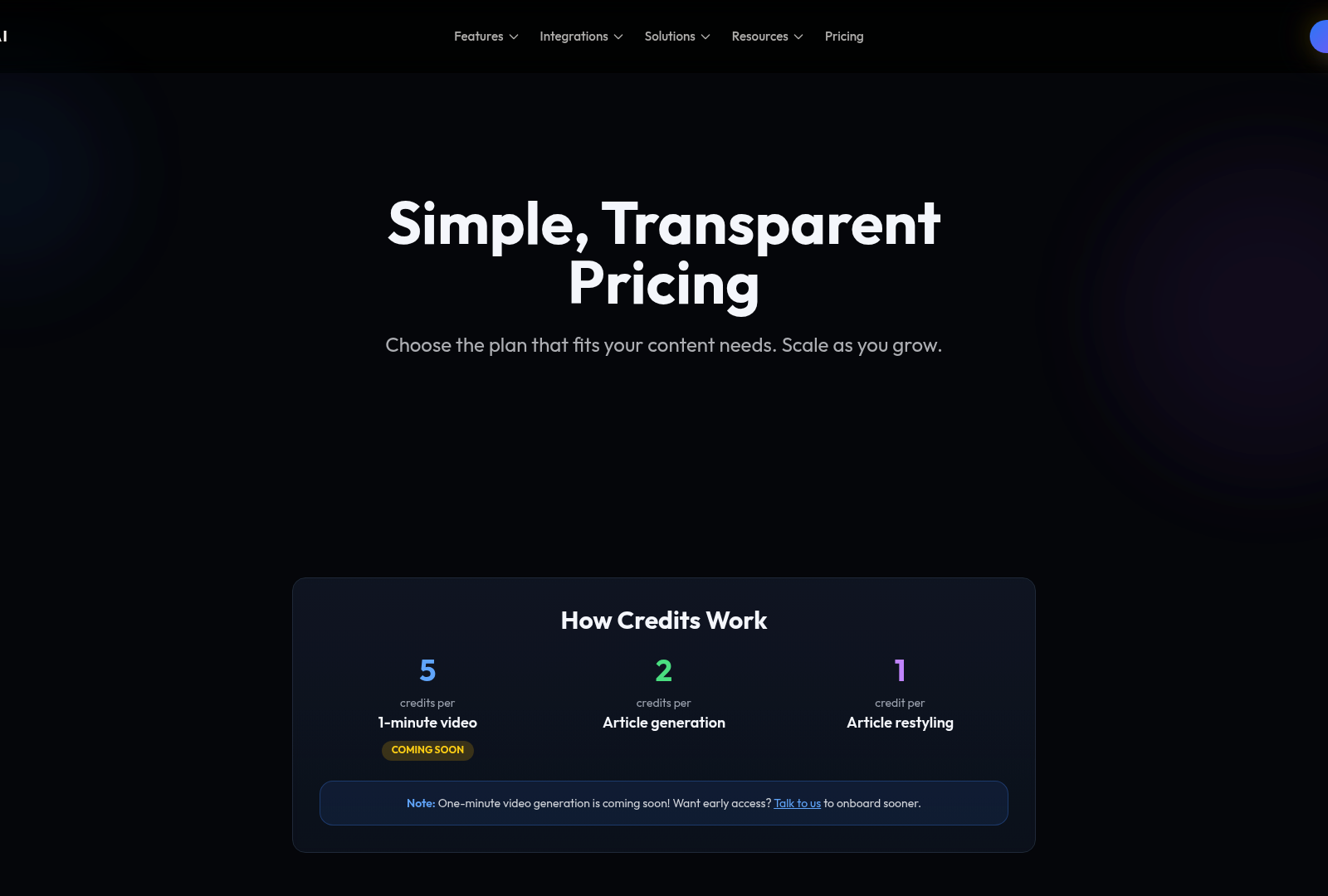
Readers are advised to consult official pricing documentation from AnyPost and HubSpot for tailored financial evaluations, as detailed use cases and platform-specific scenarios outlined in the [Use Cases and Scenarios for Each Platform] section may influence cost-effectiveness based on organizational needs. Additionally, understanding the platforms' core functionalities from the [Introduction to AnyPost and HubSpot Content Hub API] section can provide context for evaluating pricing structures in relation to their strategic value in B2B demand generation.
Integration with Other Marketing Tools and Channels
As mentioned in the [Introduction to AnyPost and HubSpot Content Hub API] section, these platforms are designed to support strategic content workflows. While specific integration details remain unavailable, stakeholders should consult the official documentation of each tool, as referenced in the [Introduction to AnyPost and HubSpot Content Hub API] section, to explore compatibility with their existing tech stack. See the [Use Cases and Scenarios for Each Platform] section for practical examples of how these tools might align with broader marketing ecosystems.
Frequently Asked Questions
1. What are the key differences between AnyPost and HubSpot Content Hub API in terms of functionality?
AnyPost is an AI-driven content creation tool focused on generating SEO-optimized blog posts, social media updates, and structured content quickly, while HubSpot Content Hub API is part of a broader marketing automation ecosystem designed for programmatic content management, CRM integration, and workflow automation. AnyPost emphasizes speed and ease of use for standalone content generation, whereas HubSpot’s API prioritizes seamless interoperability with lead management tools, analytics, and CRM data to unify B2B marketing strategies.
Q: Which platform is better for SEO optimization?
A: Both platforms support SEO, but in different ways. AnyPost includes built-in keyword research tools and templates for SEO-optimized content creation, making it ideal for marketers who prioritize rapid generation of search-friendly content. HubSpot Content Hub API, however, integrates with native SEO tools for tracking content performance, analyzing traffic, and aligning content with CRM data to refine SEO strategies over time. For B2B marketers needing end-to-end SEO analytics and CRM-synchronized optimization, HubSpot is more robust.
Q: Can AnyPost integrate with other marketing tools like HubSpot does?
A: AnyPost’s integration capabilities are not publicly detailed, which may limit its adaptability for complex workflows requiring CRM or analytics synchronization. HubSpot Content Hub API, by contrast, is designed for deep integration with HubSpot’s CRM, marketing automation, and third-party tools via its well-documented API. This makes HubSpot ideal for businesses seeking unified data flow between content creation, lead tracking, and customer engagement platforms.
Q: Who should choose AnyPost over HubSpot Content Hub API?
A: AnyPost is best suited for marketers or teams needing to generate high-volume, SEO-focused content quickly with minimal manual effort, especially when integration with existing systems is not a priority. HubSpot Content Hub API is better for organizations requiring advanced workflow automation, CRM alignment, and programmatic content management within a larger marketing technology stack.
Q: Does HubSpot Content Hub API support content repurposing?
A: Yes, HubSpot Content Hub API supports content repurposing indirectly through its integration with workflow automation and content calendar tools. For example, content created in HubSpot can be scheduled for multi-channel distribution or repurposed into email campaigns. AnyPost, however, explicitly mentions structured templates and keyword-focused repurposing strategies in its value proposition, making it a better choice for teams prioritizing content reuse across formats.
Q: How do pricing models differ between AnyPost and HubSpot?
A: While the article does not specify pricing, HubSpot typically operates on tiered plans (e.g., Starter, Professional, Enterprise), with higher tiers offering advanced API access and CRM integration. AnyPost likely offers subscription-based pricing focused on content generation volume or AI credits. Businesses should evaluate their need for CRM integration and workflow automation versus standalone content speed when comparing costs.
Q: What technical expertise is required to use each platform effectively?
A: AnyPost is designed for ease of use, requiring minimal technical expertise—ideal for marketers who want to generate content without coding. HubSpot Content Hub API, however, demands developer involvement for API integrations, workflow automation, and CRM synchronization. Teams with technical resources or access to developers will benefit more from HubSpot, while HubSpot Content Hub API may require additional support for implementation.