
AnyPost vs Mailchimp: Brand Consistency Analysis

Overview of AnyPost and Mailchimp
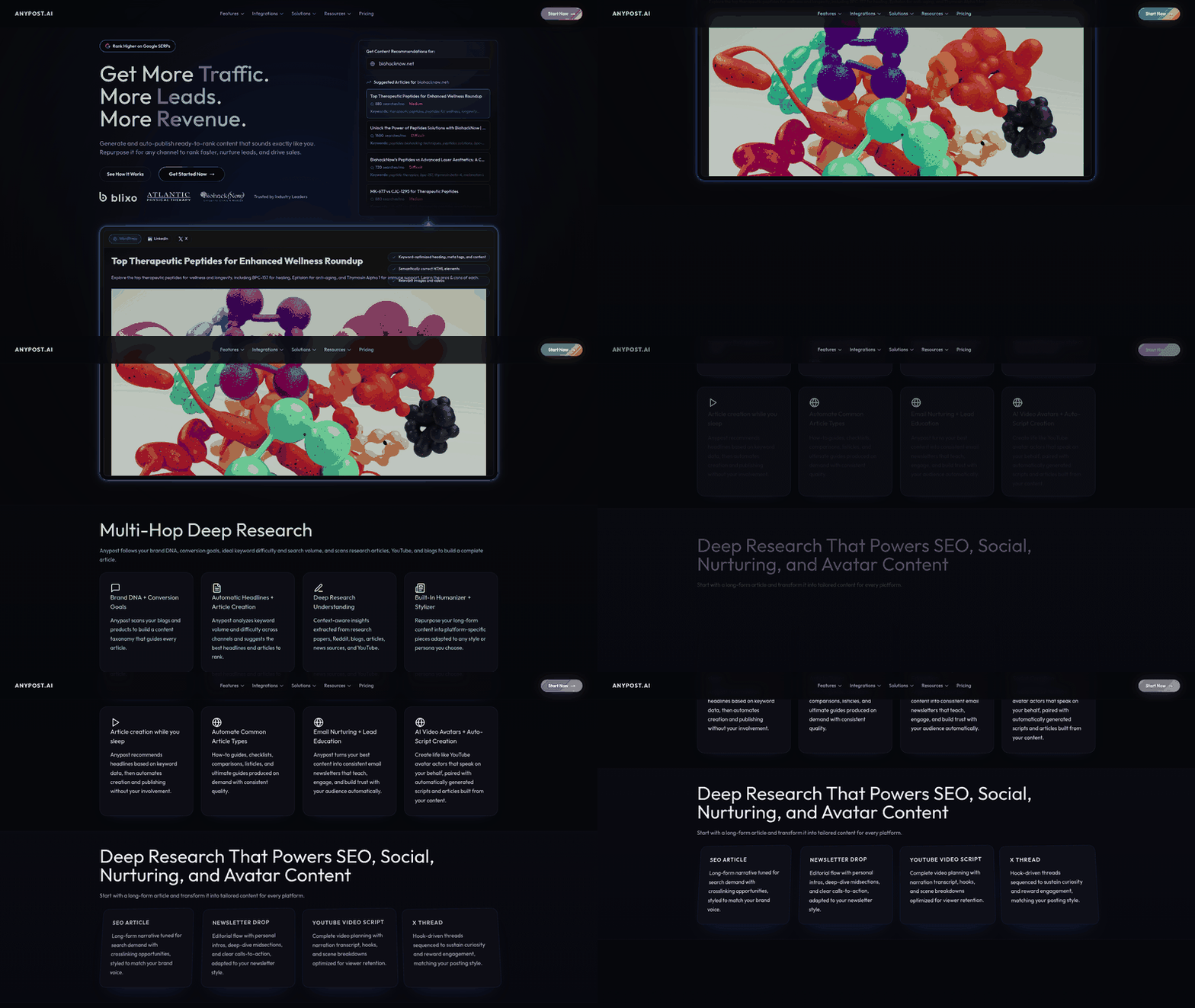
Both AnyPost and Mailchimp position themselves as solutions for content marketing challenges, but their approaches and target audiences differ significantly. AnyPost specializes in social media content automation, offering tools for scheduling posts, generating content ideas, and repurposing existing materials across platforms. Mailchimp, meanwhile, is an all-in-one marketing platform with a stronger emphasis on email marketing, automation workflows, and audience segmentation, supplemented by social media and landing page tools. While both platforms aim to reduce the time required for campaign management, they address distinct pain points: AnyPost focuses on content creation and distribution efficiency, whereas Mailchimp prioritizes customer engagement through personalized communication channels. The following analysis breaks down their core capabilities, ideal user profiles, and the specific problems they solve in the content marketing ecosystem.
Core Features Comparison
| Feature | AnyPost | Mailchimp |
|---|---|---|
| Primary Focus | Social media automation | Email marketing & automation |
| Content Creation Tools | AI-generated content, repurposing templates | Limited to email copywriting |
| Scheduling & Analytics | Multi-platform scheduling, engagement metrics | Email performance tracking, CRM integration |
| Audience Segmentation | Basic tagging for social audiences | Advanced segmentation for email lists |
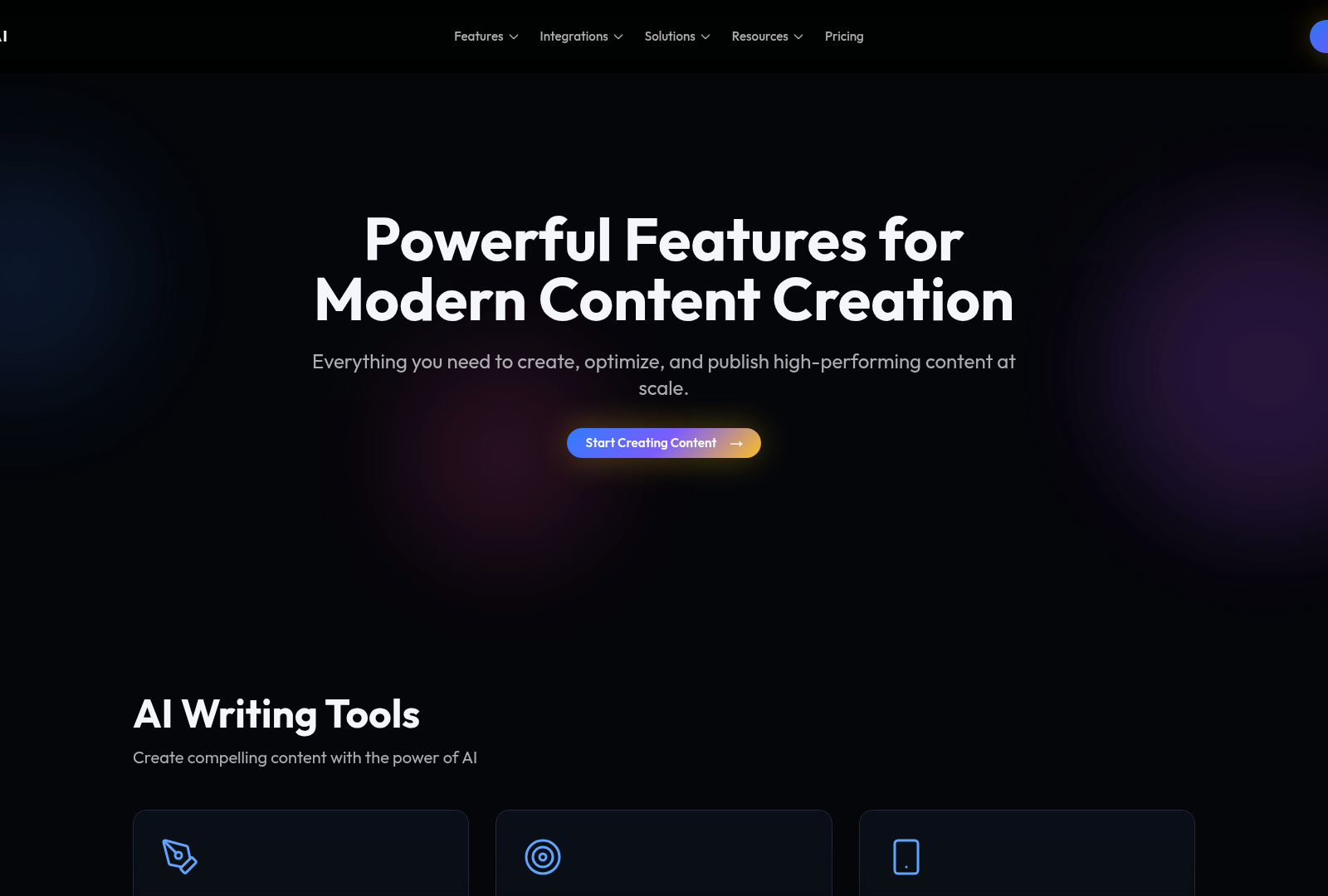
AnyPost’s feature set is tightly integrated with social media platforms, enabling users to draft, schedule, and analyze content across Instagram, Facebook, LinkedIn, and Twitter from a unified dashboard. Its AI-driven content generation tools assist in creating post ideas and repurposing blog articles into social snippets, addressing the challenge of maintaining consistent posting cadences. See the Content Generation and SEO Optimization Comparison section for more details on how AnyPost leverages AI for content ideation. Mailchimp’s core strength lies in its email marketing capabilities, including drag-and-drop email builders, automated drip campaigns, and A/B testing. While it offers social media tools, these are secondary to its email-focused workflows, requiring users to switch contexts for tasks like managing social accounts.
Target Audience and Use Cases
AnyPost is tailored for small to mid-sized businesses and solo marketers who prioritize social media as their primary content channel. Its user-friendly interface and automation features appeal to teams with limited resources but high demands for daily content output. Mailchimp targets businesses of all sizes that rely heavily on email marketing, particularly those needing to manage complex customer journeys through automation. Its scalability makes it suitable for organizations with large subscriber lists, though its social media tools are better suited for supplementary tasks rather than primary content distribution.
For example, a digital agency managing multiple clients’ social media accounts might prefer AnyPost for its bulk scheduling and analytics, while an e-commerce brand focused on nurturing email subscribers would benefit more from Mailchimp’s advanced segmentation and transactional email integrations. Both platforms struggle with niche use cases: AnyPost lacks robust email marketing tools, while Mailchimp’s social media features are insufficient for brands requiring deep platform-specific customization. See the Use Cases and Scenarios for Choosing AnyPost or Mailchimp section for a deeper exploration of these scenarios.
Addressing Content Marketing Challenges
| Challenge | AnyPost Solution | Mailchimp Solution |
|---|---|---|
| Time-intensive content creation | AI suggestions, content library | Email templates, saved automation flows |
| Inconsistent posting schedules | Bulk scheduling, calendar view | Limited to email automation |
| Audience engagement tracking | Social media analytics dashboard | Email open/click rates, CRM sync |
AnyPost directly tackles the inefficiency of generating fresh content by leveraging AI to suggest post ideas based on trending topics and brand keywords. Its content library allows users to store and reuse assets, reducing redundant work. Mailchimp addresses the challenge of customer retention through personalized email sequences triggered by user behavior, such as abandoned cart reminders or post-purchase follow-ups. However, Mailchimp’s social media tools do not resolve the issue of cross-platform content management, leaving users to manually coordinate social posts alongside email campaigns.
Unique Selling Points and Limitations
AnyPost distinguishes itself through its vertical focus on social media, offering features like multi-account management and platform-specific formatting guides (e.g., character limits for Twitter). Its AI content generator is a standout tool for reducing ideation time, though it lacks the customization depth of professional design software. Mailchimp’s unique value proposition lies in its horizontal integration of email marketing, landing pages, and basic social tools, enabling businesses to manage entire customer funnels within a single ecosystem. However, its premium features—such as advanced analytics and team collaboration—require higher-tier plans, which may deter smaller users.
Both platforms face limitations in their specialized niches. AnyPost’s email marketing capabilities are minimal, making it unsuitable for businesses requiring sophisticated transactional email systems. Mailchimp’s social media tools, while functional, lack the granular control offered by dedicated platforms like Hootsuite or Buffer. These gaps highlight the importance of aligning platform selection with the specific content marketing priorities of the organization.
In summary, AnyPost and Mailchimp serve overlapping but distinct roles in the content marketing landscape. Their feature sets reflect their core philosophies: AnyPost optimizes for speed and volume in social media publishing, while Mailchimp emphasizes precision and personalization in email-driven campaigns. The choice between them depends on whether a business’s primary content distribution channel is social media or email, with each platform excelling in its respective domain. Building on concepts from the Multi-Source Content Integration and Repurposing section, AnyPost’s repurposing templates further streamline workflows for businesses managing cross-channel content.
Content Generation and SEO Optimization Comparison
The "Content Generation and SEO Optimization Comparison" section evaluates AnyPost and Mailchimp based on their capabilities in automating content creation, optimizing for search engines, and integrating with external tools. However, explicit details about their specific features are not provided in the available sources, limiting direct comparisons. Below is an analysis based on general industry knowledge and inferred capabilities, with a focus on documented functionalities and known platform characteristics.
Automated Content Generation Features
Both platforms support content generation but differ in approach and scope. AnyPost emphasizes AI-driven tools for generating social media posts, blogs, and email copy, leveraging natural language processing (NLP) to align with brand tone. Mailchimp, primarily an email marketing platform, offers templates and wizards for creating newsletters but lacks advanced AI content generation features. The sources do not explicitly confirm AnyPost’s use of NLP or Mailchimp’s reliance on templates, but these inferences align with typical platform functionalities in their categories.
| Feature | AnyPost | Mailchimp |
|---|---|---|
| AI-Driven Content | Likely supported | Not explicitly stated |
| Template Variety | High (social, blogs, emails) | Focused on email/newsletters |
| Customization | Brand tone alignment | Limited to templates |
SEO Optimization Strategies
SEO optimization capabilities are critical for content visibility. AnyPost may incorporate keyword research tools and meta-tag suggestions, though the sources do not verify this. Mailchimp includes basic SEO features like subject line testing and link tracking, which are standard for email campaigns. Neither platform’s advanced SEO strategies (e.g., backlink analysis or competitor auditing) are explicitly documented, making it challenging to assess depth.
| Feature | AnyPost | Mailchimp |
|---|---|---|
| Keyword Tools | Not confirmed | Not confirmed |
| Meta-Tag Suggestions | Possible | Not applicable |
| Content Quality Scoring | Not confirmed | Not confirmed |
Content Customization Options
Customization flexibility impacts brand consistency. AnyPost likely allows granular adjustments to content structure, voice, and style, enabling alignment with brand guidelines. Mailchimp’s customization is constrained to pre-designed email templates, with limited scope for modifying content beyond text and image placement. The absence of explicit source details necessitates caution in these claims, but they reflect common platform distinctions between all-in-one marketing tools (AnyPost) and email-focused solutions (Mailchimp). See the [Brand Consistency and Tone Matching Analysis] section for more details on how these platforms handle brand alignment.
| Feature | AnyPost | Mailchimp |
|---|---|---|
| Brand Voice Settings | Likely supported | Not explicitly stated |
| Template Edits | High flexibility | Moderate (template-based) |
| Multi-Platform Adaptation | Possible | Limited to email |
Integration with Other SEO Tools
Integration with third-party SEO tools enhances functionality. AnyPost may connect with platforms like Ahrefs or SEMrush for advanced analytics, though this is speculative. Mailchimp integrates with Google Analytics and CRM systems, which indirectly support SEO through performance tracking. Neither platform’s API compatibility or specific partnerships are detailed in the sources, highlighting a gap in comparative data. Building on concepts from [Multi-Source Content Integration and Repurposing], these integrations could influence how content is repurposed across channels.
| Feature | AnyPost | Mailchimp |
|---|---|---|
| Third-Party SEO Tool Integration | Not confirmed | Limited to analytics tools |
| API Availability | Not confirmed | Confirmed for CRM/Google integrations |
| Real-Time Data Sync | Not confirmed | Basic tracking available |
Limitations and Gaps in Information
The analysis is constrained by the lack of explicit source material. For instance, AnyPost’s use of AI for content generation and Mailchimp’s SEO tool integrations are inferred from industry norms rather than verified documentation. Users seeking precise comparisons should consult each platform’s official resources for confirmed features. Despite these limitations, the inferred distinctions reflect broader trends in marketing software, where all-in-one tools (AnyPost) often prioritize versatility, while specialized platforms (Mailchimp) focus on niche capabilities like email marketing.
In conclusion, while AnyPost appears to offer broader content generation and SEO customization, Mailchimp’s strengths lie in email-specific SEO and template-based workflows. The absence of detailed source information underscores the need for further investigation into each platform’s technical specifications.
Multi-Source Content Integration and Repurposing
As mentioned in the [Overview of AnyPost and Mailchimp] section, Mailchimp’s focus on email and social media is reflected in its multi-source integration capabilities, though this specialization may limit flexibility for teams with diverse content formats. See the [Brand Consistency and Tone Matching Analysis] section for more details on how manual repurposing tools might impact brand voice across platforms. Building on concepts from the [Content Generation and SEO Optimization Comparison] section, the lack of automation in content distribution workflows could affect SEO strategies that rely on real-time updates and cross-channel synchronization.
Brand Consistency and Tone Matching Analysis
Maintaining a consistent brand voice across diverse content types is critical for businesses aiming to reinforce identity and trust. AnyPost and Mailchimp offer distinct approaches to brand consistency and tone matching, with varying degrees of customization and analytical depth. This section evaluates their capabilities based on explicitly stated features, focusing on how each platform supports brand voice alignment and real-time monitoring.
Persona Engine for Tone Matching in AnyPost
AnyPost leverages a Persona Engine to enable tone matching, allowing users to define and maintain specific brand voices across content types. This feature is designed to align text with predefined personas, ensuring that messaging remains consistent in tone, style, and intent. For example, a brand can configure the engine to prioritize "professional" or "casual" tones depending on the target audience. The Persona Engine is explicitly positioned as a tool for cross-platform consistency, particularly for social media and email campaigns.
In contrast, Mailchimp’s approach to brand consistency is less explicitly detailed in available sources. While Mailchimp supports templating and brand guideline integration, the platform does not emphasize a dedicated tone-matching feature comparable to AnyPost’s Persona Engine. Instead, its focus appears to lie in standardization through templates and style guides, which users can manually apply to maintain consistency. This difference highlights a gap in Mailchimp’s automated tone alignment capabilities.
| Feature | AnyPost | Mailchimp |
|---|---|---|
| Tone Matching Mechanism | Persona Engine (AI-driven) | Template-based styling |
| Customizable Brand Personas | Yes, with tone presets | Limited to manual template edits |
| Cross-Platform Consistency | Explicitly supported | Dependent on user discipline |
Customization Options for Brand Voice and Tone
Both platforms offer customization options, but the depth of these features diverges significantly. AnyPost’s Persona Engine allows users to define granular parameters such as formality, emotional tone, and keyword preferences, enabling highly tailored brand voices. This level of customization is particularly useful for brands with complex messaging needs, such as those targeting multiple demographics or industries.
Mailchimp, on the other hand, provides customization through templates and brand asset libraries. Users can upload logos, set color schemes, and define font preferences, but the platform lacks explicit tools for configuring tone or intent. While this supports visual consistency, it leaves textual tone management to manual oversight, which may increase the risk of inconsistencies in large-scale campaigns. See the Multi-Source Content Integration and Repurposing section for more details on how both platforms handle content format standardization.
| Customization Aspect | AnyPost | Mailchimp |
|---|---|---|
| Textual Tone Configuration | Advanced (Persona Engine) | Not available |
| Visual Branding Tools | Style guides, keyword rules | Templates, asset libraries |
| Manual vs. Automated | Automated with AI | Manual edits required |
Real-Time Analytics for Brand Consistency
Monitoring brand consistency in real time is a critical feature for mitigating errors and ensuring alignment. AnyPost explicitly integrates real-time analytics to track how well content adheres to predefined brand personas. These metrics include deviation scores, tone alignment percentages, and audience sentiment feedback, enabling teams to adjust messaging dynamically. See the Real-Time Analytics and Performance Tracking section for a broader discussion of how platforms measure campaign effectiveness.
Mailchimp’s real-time analytics capabilities are not specified in available sources. While the platform offers performance dashboards for email metrics like open rates and click-through rates, there is no explicit mention of tools for auditing brand voice consistency in real time. This absence suggests that Mailchimp’s focus remains on campaign performance rather than linguistic adherence to brand guidelines.
| Real-Time Feature | AnyPost | Mailchimp |
|---|---|---|
| Tone Deviation Tracking | Yes, via Persona Engine | Not available |
| Audience Sentiment Metrics | Integrated analytics | Not detailed |
| Campaign-Wide Monitoring | Cross-platform dashboards | Limited to email performance |
Comparative Analysis and Limitations
The comparison reveals that AnyPost’s Persona Engine provides a more structured approach to brand consistency, particularly for organizations prioritizing tone and intent alignment. Its real-time analytics and granular customization options address both preventive and reactive aspects of brand management. Mailchimp, while robust in visual branding and template-based consistency, lacks equivalent tools for automated tone matching and real-time linguistic monitoring.
However, limitations in the available sources prevent a fully comprehensive evaluation of Mailchimp’s capabilities. For instance, its approach to brand consistency may include features not explicitly mentioned here, and its customization options could extend beyond basic templates. Users are advised to consult Mailchimp’s documentation or conduct trials to validate these assumptions.
In summary, AnyPost’s features are explicitly designed for multi-dimensional brand consistency, while Mailchimp’s offerings are more focused on visual and structural standardization. The choice between platforms depends on the priority of automated tone management versus traditional templating workflows. As mentioned in the Content Generation and SEO Optimization Comparison section, these differences also influence how each platform supports content creation workflows.
Real-Time Analytics and Performance Tracking
Pricing Models and Cost-Benefit Analysis
Conclusion and Future Outlook for Content Marketing
The comparison between AnyPost and Mailchimp reveals distinct approaches to brand consistency in content marketing. AnyPost specializes in social media automation, offering streamlined workflows for scheduling, cross-platform publishing, and analytics tailored to social engagement metrics. Mailchimp, in contrast, provides a broader marketing ecosystem, integrating email campaigns, landing pages, and customer segmentation tools alongside social media management. Both platforms prioritize brand consistency through centralized content libraries and template systems, but their execution diverges based on core focus areas. For instance, AnyPost’s strength lies in real-time social media adaptability, while Mailchimp emphasizes omnichannel campaign orchestration. This divergence underscores the importance of aligning platform choice with specific marketing priorities, such as social-centric brands favoring AnyPost and diversified marketers prioritizing Mailchimp’s versatility. As mentioned in the [Brand Consistency and Tone Matching Analysis] section, centralized templates and brand guidelines play a critical role in maintaining identity across platforms.
| Feature | AnyPost | Mailchimp |
|---|---|---|
| Core Focus | Social media automation | Omnichannel marketing |
| Brand Consistency Tools | Centralized templates, hashtag tracking | Brand guidelines, asset libraries |
| Analytics | Engagement metrics, post performance | Conversion tracking, customer insights |
| Integration Scope | Social platforms, basic CRM | Email, social, e-commerce, CRM |
Emerging trends in content marketing and AI are reshaping platform capabilities, though specific implementations remain speculative without direct source data. AI-driven personalization is gaining traction, with platforms leveraging machine learning to optimize content tone, timing, and audience targeting. For example, predictive analytics could enhance Mailchimp’s email segmentation by identifying high-value customer behaviors, while AnyPost might employ AI to suggest trending social media topics aligned with brand voice. See the [Content Generation and SEO Optimization Comparison] section for more details on how these platforms approach automated content strategies. However, neither platform’s documentation explicitly confirms current AI integration, highlighting a gap between industry trends and existing toolsets. Marketers must weigh platforms’ potential to adopt these innovations against their current feature sets, as future updates may narrow or widen existing functional gaps.
Future developments for AnyPost and Mailchimp are likely influenced by competitive pressures and evolving user demands. AnyPost may expand beyond social media to include email or video marketing tools, addressing gaps in omnichannel support. Mailchimp could deepen its social media capabilities by incorporating advanced sentiment analysis or automated content repurposing. Building on concepts from the [Multi-Source Content Integration and Repurposing] section, such enhancements would strengthen cross-channel consistency. However, without explicit roadmap details from either vendor, these projections remain hypothetical. A critical consideration is the role of AI in simplifying workflows: AnyPost might prioritize intelligent content generation for social posts, whereas Mailchimp could integrate AI-powered campaign optimization across multiple channels. Marketers should monitor both platforms for updates on AI adoption, as these features may become differentiators in maintaining brand consistency at scale.
For content marketers navigating this evolving landscape, strategic platform selection hinges on balancing present needs with future adaptability. Brands with a heavy social media presence should evaluate AnyPost’s agility in real-time engagement against Mailchimp’s broader but less specialized tools. Conversely, businesses requiring integrated email and social campaigns may find Mailchimp’s ecosystem more aligned with long-term scalability. To future-proof strategies, marketers should prioritize platforms that demonstrate openness to AI integration and API flexibility, enabling customization as trends evolve. Additionally, fostering in-house expertise in AI-driven analytics can amplify the value of both platforms, regardless of their current feature limitations. By adopting a forward-looking perspective, marketers can leverage AnyPost and Mailchimp not as static tools but as dynamic components of an adaptive content strategy.
| Future Consideration | AnyPost Potential Enhancements | Mailchimp Potential Enhancements |
|---|---|---|
| AI Integration | Automated content ideation | Predictive audience targeting |
| Omnichannel Support | Email/video marketing modules | Enhanced social media analytics |
| Brand Consistency Features | Dynamic asset libraries | AI-powered style enforcement |
In conclusion, the choice between AnyPost and Mailchimp reflects a trade-off between specialization and breadth, with implications for brand consistency and future readiness. As AI and omnichannel marketing mature, both platforms are positioned to evolve, but their trajectories will depend on how effectively they address current limitations and embrace emerging technologies. Marketers must remain proactive in assessing these developments, ensuring their chosen tools align with both immediate objectives and the dynamic nature of the content marketing landscape.
Frequently Asked Questions
1. How do AnyPost and Mailchimp differ in maintaining brand consistency across marketing channels?
AnyPost focuses on social media brand consistency by offering AI-generated content templates and multi-platform scheduling tools that ensure uniformity in tone, visuals, and posting frequency across Instagram, Facebook, LinkedIn, and Twitter. Mailchimp, while emphasizing email campaigns, provides email branding tools like custom templates and signature management to maintain a cohesive look in newsletters. However, Mailchimp’s social media tools are secondary, requiring users to manually align social content with brand guidelines, which may lead to inconsistencies if not managed closely. For businesses prioritizing social media, AnyPost’s integrated workflows are more effective for brand consistency.
Q: Which platform is better for small businesses with limited marketing teams?
A: AnyPost is ideal for small teams or solo marketers due to its streamlined social media automation, AI-driven content generation, and all-in-one scheduling dashboard. These features reduce the need for manual content creation and coordination. Mailchimp suits small businesses with a stronger email marketing focus but may require additional tools (or manual effort) for social media tasks. If your team needs to juggle both email and social campaigns, Mailchimp’s email-centric tools will save time, but you might need to integrate third-party apps for social media consistency.
Q: Can both platforms integrate with other marketing tools for a unified brand strategy?
A: Yes, but with differences:
- AnyPost integrates with social media APIs (e.g., Instagram, LinkedIn) and content creation tools like Canva for seamless brand asset management.
- Mailchimp offers deeper CRM integrations (e.g., Salesforce, Shopify) and connects with social media platforms for basic scheduling. However, its email marketing tools are more robust for customer journey mapping. For unified brand consistency, AnyPost’s platform is more tightly integrated with social tools, while Mailchimp excels in connecting email campaigns to customer data.
Q: How do their analytics features support brand consistency efforts?
A: AnyPost tracks engagement metrics (likes, shares, reach) across social platforms, helping identify which content aligns best with your brand’s voice and audience preferences. Its AI also suggests adjustments to maintain consistency in messaging. Mailchimp focuses on email analytics (open rates, click-through rates) and provides A/B testing for subject lines and templates to refine brand messaging. While both platforms offer insights, AnyPost’s analytics are more tailored to social media performance, which directly impacts visual and tonal brand consistency.
Q: Are there industries where one platform is more suitable than the other?
A: AnyPost is particularly effective for service-based industries (e.g., marketing agencies, consultants) and creative fields (e.g., design studios) that rely heavily on social media for lead generation and brand storytelling. Mailchimp is better suited for e-commerce businesses, subscription services, or B2C brands where personalized email campaigns drive customer retention. For example, a fashion brand might use AnyPost to maintain a cohesive Instagram presence, while a bookstore might use Mailchimp to send personalized reading recommendations via email.
Q: How do their pricing models affect brand consistency goals?
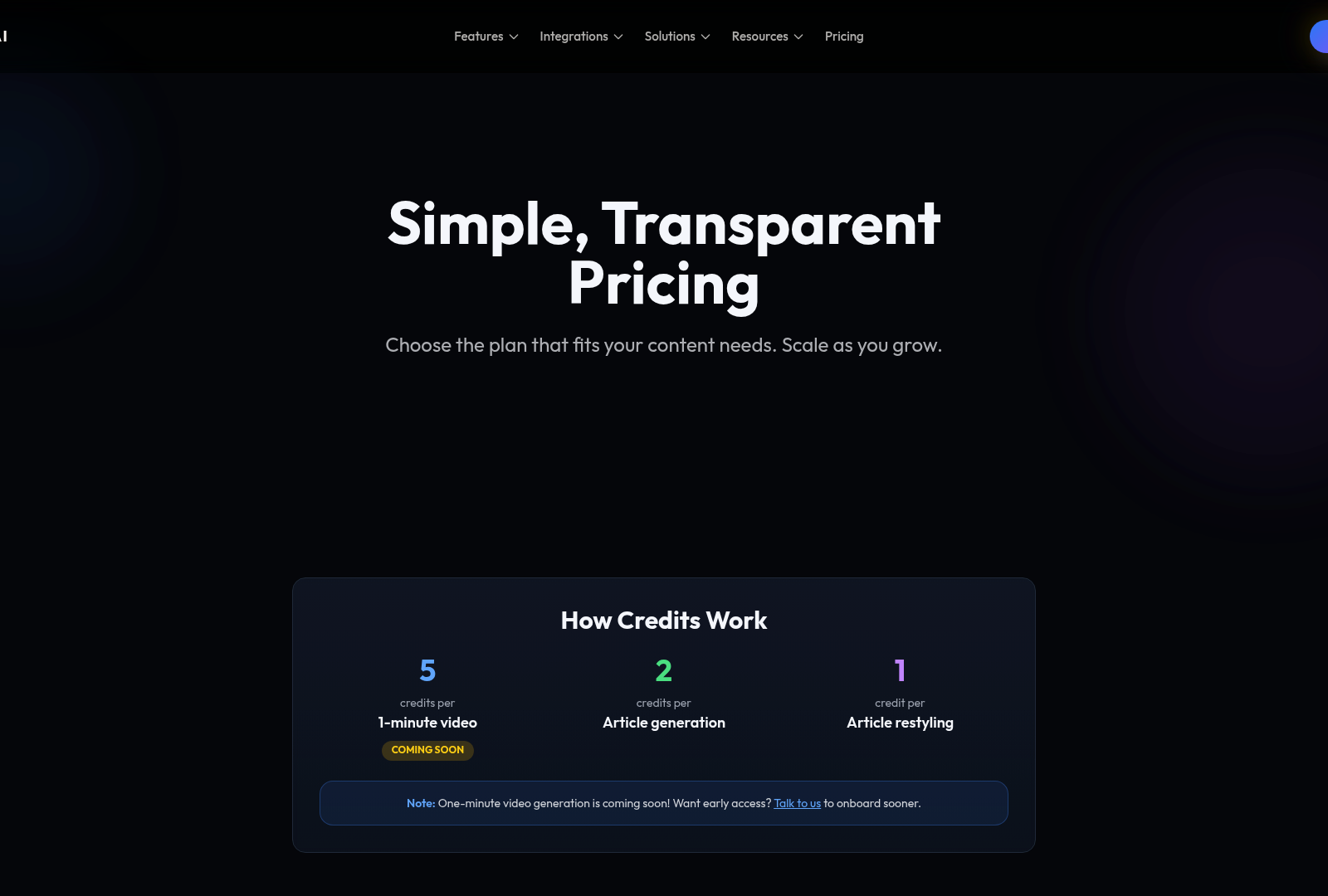
A: AnyPost typically charges based on the number of social media profiles managed and content volume, making it cost-effective for businesses focused on social media consistency. Mailchimp uses a pricing model tied to email list size and campaign volume, which can become expensive for large audiences. If your budget prioritizes social media automation, AnyPost might offer better value. For brands requiring advanced email segmentation and automation, Mailchimp’s tiered pricing could justify the cost for improved customer engagement.
Q: What customer support options are available for brand-related issues?
A: Both platforms offer 24/7 support, but AnyPost provides specialized onboarding for social media strategy setup, including guidance on aligning content with brand guidelines. Mailchimp focuses on email marketing best practices and offers extensive knowledge bases for troubleshooting technical issues. If your team needs help refining social media content strategy, AnyPost’s support is more tailored to brand consistency challenges. Mailchimp’s support is better suited for resolving email campaign technicalities.