
Automate SEO Reporting with Google RankBrain

Related Video
Watch: ChatGPT + BERT + RANKBRAIN = TOP SEO TOOL by josh bachynski
Section 1: Introduction to Google RankBrain
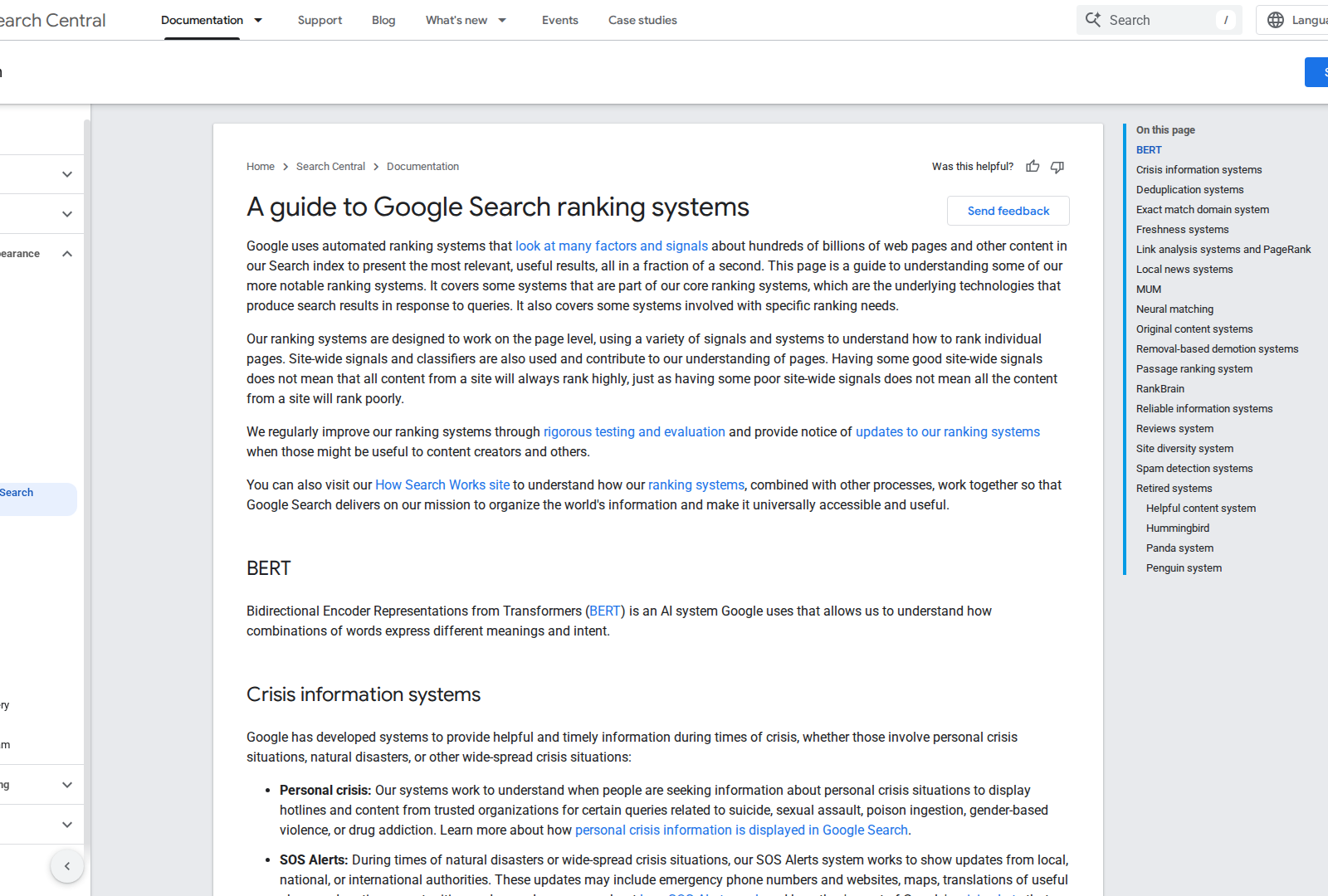
Google RankBrain is an AI-driven machine learning system developed by Google to enhance search result relevance by interpreting complex user queries and improving contextual understanding [7]. As part of Google’s broader ranking systems, RankBrain analyzes search data to identify patterns, refine search intent interpretation, and prioritize content that aligns with user needs [2]. Unlike traditional rule-based algorithms, RankBrain evolves continuously by learning from search behavior, such as click-through rates and user engagement metrics, to adjust rankings dynamically [7]. This adaptability makes it a critical component of modern SEO, as it influences how websites are evaluated for relevance and quality [6]. For example, RankBrain helps Google handle ambiguous or previously unseen search terms by associating them with related queries, ensuring users receive accurate results even for niche topics [8]. Its integration with other AI systems like BERT (which focuses on natural language processing) further strengthens Google’s ability to prioritize context over keyword matching [4]. See the [Section 3] section for more details on leveraging RankBrain and BERT in SEO optimization.
RankBrain’s Role in SEO Strategy
In SEO, RankBrain directly impacts how content is optimized for search engines. By prioritizing user intent over exact keyword usage, it requires SEO professionals to focus on creating comprehensive, contextually rich content that addresses diverse user needs [1]. For instance, if a user searches for “best tools for remote collaboration,” RankBrain may interpret this as a request for reviews, comparisons, or tutorials, depending on historical search patterns and engagement data [7]. This necessitates content strategies that anticipate multiple angles of a topic rather than targeting specific keywords rigidly [6]. Additionally, RankBrain’s emphasis on semantic search means that SEO efforts must account for synonyms, related terms, and conversational language to align with how users naturally phrase queries [8]. Building on concepts from [Section 3], content strategies should incorporate conversational language and related terms to align with RankBrain’s semantic focus.
Automating SEO Reporting with RankBrain Insights
Automated SEO reporting leverages RankBrain’s data-driven insights to streamline performance tracking and strategy adjustments. Traditional manual reporting methods are labor-intensive and prone to delays, whereas AI-powered tools can analyze RankBrain’s influence on rankings in real time, identifying trends such as sudden drops in traffic or shifts in keyword relevance [3]. For example, platforms utilizing RankBrain data can automatically flag pages that underperform due to mismatched user intent, enabling teams to refine content quickly [9]. As mentioned in the [Section 2] section, integrating RankBrain with SaaS tools like SEMrush or Ahrefs is essential for effective automated reporting. Furthermore, automation reduces reliance on manual data aggregation by integrating RankBrain’s signals—like query difficulty or topic relevance—into customizable dashboards, providing actionable recommendations for improving visibility [4]. This not only saves time but also ensures SEO strategies remain aligned with Google’s evolving algorithms, which are increasingly reliant on AI for decision-making [2].
By automating reporting processes, businesses can harness RankBrain’s analytical power to make data-informed decisions without requiring constant manual oversight. For instance, automated tools can track how RankBrain ranks pages based on contextual factors, such as content depth or user engagement metrics, and generate reports highlighting areas for optimization [3]. This level of automation also supports scalability, allowing marketers to monitor large websites or multiple domains efficiently while maintaining granular insights into individual page performance [9]. As Google continues to refine RankBrain alongside updates like BERT and MUM, automated reporting systems will become indispensable for maintaining competitive SEO strategies that adapt swiftly to algorithmic changes [8].
Section 2: Setting Up Automated SEO Reporting with Google RankBrain
To automate SEO reporting with Google RankBrain, begin by integrating RankBrain’s capabilities with SaaS platforms like SEMrush or Ahrefs, which are explicitly noted for their compatibility with AI-driven SEO tools [3]. These platforms allow users to automate tasks such as keyword tracking, backlink analysis, and performance metrics, aligning with RankBrain’s focus on understanding search intent and contextual relevance [4]. For example, SEMrush’s Reporting feature can pull data from RankBrain-informed algorithms to generate insights on keyword performance, while Ahrefs leverages RankBrain’s clustering of search queries to refine content strategies [3]. Ensure that your SaaS platform supports API connectivity to synchronize RankBrain data seamlessly, though direct API documentation for RankBrain itself is not publicly available; workarounds involve using third-party tools that interpret RankBrain’s outputs [10]. See the [Section 1: Introduction to Google RankBrain] section for foundational context on how RankBrain interprets complex queries and contextual relevance.
Integrating RankBrain with Content Generation Tools
Next, pair RankBrain with content generation tools to optimize on-page SEO dynamically. Tools like Copy.ai or Jasper AI use RankBrain’s emphasis on semantic search to tailor content to user intent, as highlighted in AI-powered SEO services that align with Google’s algorithm updates [4]. For instance, RankBrain’s clustering of related search terms can inform content generators to produce topic clusters that address broader user queries, improving visibility in search results [6]. Building on concepts from [Section 6: Advanced Automated Content Generation Techniques], platforms like Surfer SEO utilize RankBrain’s data to recommend keyword density and content structure, ensuring alignment with Google’s evolving guidelines for AI-generated content [9]. This integration reduces manual optimization efforts, as RankBrain’s machine learning models continuously refine content relevance based on real-time search trends [5].
Setting Up RankBrain API Integration (Workarounds and Limitations)
While Google does not publicly expose a standalone RankBrain API, automation can be achieved through tools that interface with its underlying algorithms. For example, KeywordSpy—a tool explicitly mentioned in source [10]—combines RankBrain, BERT, and ChatGPT to analyze keyword intent and generate SEO reports. Users can configure such tools to pull RankBrain-informed data into their reporting workflows by leveraging pre-built APIs from platforms like SEMrush or Ahrefs [3]. Another approach involves using Google’s Search Console in tandem with AI-driven analytics platforms, which indirectly apply RankBrain’s insights to highlight pages needing optimization [6]. However, direct customization of RankBrain’s parameters remains restricted, as its integration relies on black-box algorithms within Google’s core search infrastructure [7]. To mitigate this, businesses should prioritize SaaS platforms that explicitly state RankBrain compatibility, ensuring automated reporting reflects the algorithm’s priorities [9].
Final Configuration and Best Practices
After integration, validate your setup by auditing technical SEO factors such as site speed, mobile responsiveness, and structured data, which RankBrain considers alongside content quality [1]. As mentioned in the [Section 3: Understanding SEO Optimization with Google RankBrain] section, these factors are critical for aligning with RankBrain’s assessment of user satisfaction. Use automated reporting dashboards to track metrics like click-through rates (CTRs) and dwell time, as these indicators correlate with RankBrain’s assessment of user satisfaction [4]. Regularly update your content generation tools to align with RankBrain’s evolving understanding of search queries, using platforms that offer real-time updates on semantic trends [5]. Finally, cross-reference RankBrain-driven insights with manual audits to ensure accuracy, as AI models may occasionally misinterpret nuanced search patterns [6]. By combining these steps, businesses can harness RankBrain’s capabilities to streamline SEO reporting while adhering to Google’s algorithmic standards [8].
Section 3: Understanding SEO Optimization with Google RankBrain
Google RankBrain plays a pivotal role in modern SEO optimization by leveraging machine learning to interpret search queries, user intent, and content relevance. To harness RankBrain effectively, marketers must align their strategies with its algorithmic priorities, focusing on keyword research, content optimization, and link building. RankBrain analyzes billions of search interactions to identify patterns, making it essential to prioritize context and semantic relevance over keyword stuffing [2][6]. This section outlines actionable techniques for optimizing each component of SEO using RankBrain’s capabilities.
Keyword Research Techniques
RankBrain’s machine learning model enhances keyword research by identifying high-intent search terms and predicting user behavior. Unlike traditional keyword tools, RankBrain dynamically adjusts its understanding of queries based on historical data and real-time trends [10]. For instance, AI-powered tools like SEMrush and Ahrefs integrate RankBrain’s insights to uncover long-tail keywords and semantic variations [3]. As mentioned in the [Section 2] section, these platforms are foundational for automating SEO reporting and leveraging RankBrain’s data-driven capabilities. These tools analyze search intent, helping marketers target queries that align with user needs rather than relying solely on volume metrics [5]. Additionally, RankBrain’s integration with BERT (Bidirectional Encoder Representations from Transformers) improves contextual understanding, enabling the discovery of conversational and question-based keywords [8]. Marketers should prioritize tools that combine RankBrain and BERT, such as the demo tool KeywordSpy mentioned in [10], to identify high-performing keywords that match both search volume and intent.
Content Optimization Strategies
RankBrain emphasizes content quality and relevance, requiring optimization strategies that align with natural language processing (NLP) and user engagement metrics. Content should address user intent explicitly, as RankBrain evaluates how well a page satisfies searchers’ needs [6]. For example, BERT updates refine RankBrain’s ability to interpret complex queries, making it critical to use conversational language and answer questions directly [4]. Marketers should leverage AI tools to audit content for readability, keyword placement, and topical depth [5]. See the [Section 6] section for more details on advanced automated content generation techniques that streamline these audits. Additionally, RankBrain rewards pages with high dwell time and low bounce rates, so optimizing for engagement through structured headings, multimedia, and internal linking is essential [2]. Regularly updating content to reflect new data and search trends further aligns with RankBrain’s evolving priorities [9].
Link Building Best Practices
RankBrain influences link-building strategies by prioritizing authority and relevance over sheer quantity. AI-powered tools automate the identification of high-value backlink opportunities by analyzing competitors’ backlink profiles and suggesting relevant domains [3]. Building on concepts from [Section 2], platforms like SEMrush and Ahrefs use RankBrain-driven analytics to highlight websites with strong domain authority and contextual alignment [5]. Marketers should focus on acquiring backlinks from authoritative sources within their niche, as RankBrain evaluates link quality based on topical relevance and user trust signals [4]. Additionally, AI can streamline outreach by identifying contact points and personalizing pitches [9]. However, manual efforts remain critical for relationship-building and ensuring links come from diverse, high-trust domains [8]. Avoiding spammy tactics and prioritizing guest blogging, resource pages, and user-generated content aligns with RankBrain’s emphasis on organic, value-driven link acquisition.
By integrating RankBrain’s capabilities into keyword research, content optimization, and link-building workflows, marketers can enhance SEO performance while adapting to Google’s evolving algorithms. The synergy between AI automation and human strategy ensures compliance with RankBrain’s focus on user-centric, high-quality content [1][6].
Section 4: Repurposing Content for Multi-Channel Distribution
Content repurposing involves transforming existing content into formats tailored to specific platforms while maintaining core messaging. AI tools can analyze high-performing blog posts, videos, or reports to identify gaps and opportunities for reuse across channels [3]. For instance, a comprehensive SEO report on Google RankBrain can be distilled into social media snippets for X/Twitter, extended into a YouTube video script, or formatted as an email newsletter summary [9]. This approach maximizes reach without duplicating effort. To execute this, prioritize content with evergreen value, such as technical guides on RankBrain’s role in search intent interpretation [7], which remains relevant across platforms. See the [Section 3: Understanding SEO Optimization with Google RankBrain] section for more details on how RankBrain interprets search intent in content creation.
Each distribution channel requires distinct optimizations to align with user behavior and platform algorithms. For X/Twitter, concise, data-driven takeaways with hashtags and mentions improve visibility, while YouTube demands video SEO strategies like keyword-optimized titles and transcripts informed by RankBrain’s intent analysis [10]. Blog content should expand on core topics with in-depth explanations, leveraging AI to suggest related subtopics for internal linking [6]. Building on concepts from [Section 2: Setting Up Automated SEO Reporting with Google RankBrain], these tools can also identify high-performing keywords for cross-channel integration. Newsletters benefit from personalized subject lines and segmented content blocks, which AI can automate based on audience preferences [4]. For example, a RankBrain SEO case study might appear as a 280-character tweet, a 10-minute video breakdown, and a 2,000-word blog post, each optimized for its channel’s constraints.
Cross-promotion connects audiences across platforms by reinforcing content through multiple touchpoints. Schedule coordinated releases using AI-powered tools that align blog posts, social media updates, and email campaigns around a unified theme [1]. For instance, a YouTube video on RankBrain could drive traffic to a blog post, which in turn links to a downloadable SEO audit template in a newsletter [8]. Track performance metrics across channels to identify synergies—AI can highlight underperforming links or suggest A/B tests for subject lines or thumbnails [5]. Additionally, embed platform-specific calls-to-action (CTAs) to encourage cross-channel engagement, such as directing Twitter followers to a video or inviting blog readers to subscribe to a mailing list [2]. By integrating these strategies, marketers ensure cohesive, efficient distribution of SEO content while leveraging AI to adapt messaging for platform-specific audiences [3][6][9]. See [Section 5: Measuring Traffic Growth and Lead Generation with Google RankBrain] for insights on tracking the effectiveness of cross-promotion efforts.
Section 5: Measuring Traffic Growth and Lead Generation with Google RankBrain
Tracking Key Metrics with Google RankBrain
Google RankBrain plays a critical role in automating the tracking of SEO performance metrics, particularly traffic growth and lead generation. By leveraging RankBrain’s machine learning algorithms, businesses can identify patterns in search queries, user intent, and content relevance, which directly influence organic traffic [7]. Key metrics to monitor include changes in search engine results page (SERP) rankings, organic traffic volume, and conversion rates from targeted keywords [3]. Automated SEO reporting tools powered by RankBrain streamline this process, reducing manual labor while providing real-time insights into how content aligns with evolving search trends [3]. For instance, RankBrain helps prioritize high-impact keywords by analyzing their historical performance and predicting future traffic potential [7]. This data enables marketers to refine content strategies dynamically, ensuring sustained traffic growth.
Integrating Analytics Tools with RankBrain
To maximize the value of RankBrain’s insights, integration with third-party analytics tools like SEMrush, Ahrefs, and Google Analytics is essential [3]. As mentioned in the [Section 2: Setting Up Automated SEO Reporting with Google RankBrain] section, these integrations form the foundation of effective automated reporting systems. For example, SEMrush uses RankBrain to track keyword difficulty scores and content quality metrics, helping users optimize pages for higher rankings [3]. Similarly, Ahrefs integrates RankBrain’s ability to interpret search intent, allowing marketers to create content that matches user queries more effectively [3]. Automated reporting features in these tools aggregate data from multiple sources, providing dashboards that highlight traffic fluctuations, backlink performance, and lead-generation efficiency [3]. By synchronizing RankBrain with these tools, teams can automate tasks like competitor analysis and content audits, saving time while improving data accuracy [10].
Lead Generation Strategies Powered by RankBrain
RankBrain’s capacity to decode user intent makes it a powerful asset for lead generation. Building on concepts from [Section 3: Understanding SEO Optimization with Google RankBrain], its ability to interpret search intent is crucial for creating targeted content. By analyzing search patterns, RankBrain identifies high-conversion keywords and topics that resonate with target audiences [7]. This data informs the creation of gated content, such as whitepapers or webinars, which can be optimized for these keywords to attract qualified leads [3]. For example, eCommerce businesses can use RankBrain-integrated tools to A/B test landing pages, determining which variations drive higher conversion rates based on real-time search behavior [3]. Additionally, RankBrain helps segment audiences by query intent, enabling hyper-targeted ad campaigns and personalized email marketing efforts [10]. Automated lead scoring systems, powered by RankBrain’s predictive analytics, further prioritize high-value prospects, ensuring sales teams focus on the most promising opportunities [9].
Limitations and Best Practices
While RankBrain enhances traffic and lead tracking, its effectiveness depends on proper implementation. As discussed in [Section 7: Overcoming Common Challenges in Automated SEO Reporting], manual oversight remains necessary to interpret RankBrain’s outputs, as its algorithms may not always account for niche industry nuances [7]. For instance, RankBrain might overlook long-tail keywords specific to a vertical market without human intervention [3]. To mitigate this, marketers should combine RankBrain data with manual audits and competitor benchmarking [5]. Regularly updating content based on RankBrain’s insights—such as refining meta tags or improving page load speeds—also ensures sustained performance gains [3]. Finally, cross-referencing RankBrain metrics with CRM data provides a holistic view of how SEO efforts translate into actual sales [9].
By automating traffic and lead tracking through RankBrain, businesses can achieve data-driven growth while reducing reliance on manual reporting. However, success requires strategic integration with analytics tools and continuous optimization aligned with user intent [3][7].
Section 6: Advanced Automated Content Generation Techniques
Advanced automated content generation techniques leverage AI-driven tools to streamline SEO workflows while aligning with Google’s evolving algorithms like RankBrain. These methods go beyond basic automation, utilizing machine learning to adapt to user intent, optimize for semantic search, and generate scalable content. Below, we explore three core strategies supported by industry-validated tools and frameworks.
AI-Powered Content Creation
AI-powered content creation uses machine learning models to draft, refine, and optimize content for search engines and user engagement. Tools like Google’s RankBrain [1] and third-party platforms such as SEMrush and Ahrefs [3] analyze search patterns to identify high-impact keywords and content gaps. As mentioned in the [Section 2] section, integrating RankBrain with platforms like SEMrush enhances automated SEO workflows by leveraging semantic analysis. For example, RankBrain’s ability to interpret ambiguous queries allows AI to generate content that addresses nuanced user intent [6]. This process is further enhanced by models like BERT, which improve contextual understanding of topics [4].
AI-driven systems can automate content drafting by synthesizing data from competitor analysis, keyword research, and on-page SEO best practices. For instance, platforms integrate RankBrain’s semantic analysis with natural language generation (NLG) to produce topic clusters and pillar content aligned with Google’s E-E-A-T guidelines [1]. See the [Section 3] section for more details on how RankBrain’s semantic prioritization supports SEO optimization. This reduces manual effort while maintaining relevance to algorithmic updates [8]. However, human oversight remains critical to ensure quality and brand alignment [5].
Persona-Based Content Optimization
Persona-based content optimization tailors automated content to specific audience segments, improving engagement and conversion rates. By leveraging AI to map user personas—derived from search behavior, demographics, and intent—content can be dynamically adjusted to meet audience needs. For example, AI tools analyze RankBrain’s clustering of related search terms to identify persona-specific topics [9].
This approach is supported by platforms that integrate persona data with content generation workflows. Building on concepts from [Section 4], AI models can prioritize keywords and phrasing based on personas’ search habits, ensuring alignment with both user expectations and RankBrain’s semantic prioritization [4]. A 2025 study highlighted how AI-powered marketing tools use persona data to automate A/B testing of headlines and CTAs, further refining content performance [9]. This method ensures that automated content resonates with target audiences while maintaining technical SEO compliance [6].
Content Generation Tools and Workflows
Several specialized tools facilitate advanced content generation when integrated with RankBrain-driven SEO strategies. SEMrush and Ahrefs offer AI-powered content ideas based on competitor analysis, keyword difficulty, and search volume [3]. These tools also provide suggestions for optimizing existing content to align with RankBrain’s evolving priorities [4].
For deeper automation, custom-built systems combine AI models like ChatGPT with Google’s BERT and RankBrain. A demo tool called KeywordSpy, for instance, uses this hybrid approach to identify high-potential keywords and generate content outlines that reflect both user intent and algorithmic expectations [10]. Such workflows reduce the need for manual keyword research while ensuring content stays competitive in dynamic search landscapes [8].
Additionally, tools like Copy.ai and Jasper leverage NLG to produce blog posts, product descriptions, and meta tags at scale. These platforms are often trained on datasets reflecting RankBrain’s emphasis on context and topical authority [5]. However, users must validate AI-generated drafts against brand guidelines and quality benchmarks to avoid consistency issues [6].
By integrating these advanced techniques, marketers can automate content creation while adhering to Google’s algorithmic standards. The synergy between AI-driven tools and RankBrain’s semantic capabilities ensures content remains discoverable, relevant, and aligned with user needs. For maximum impact, pair these strategies with continuous performance monitoring and iterative refinements based on real-time analytics [1][3].
Section 7: Overcoming Common Challenges in Automated SEO Reporting
Data Accuracy Issues in Automated SEO Reporting
Automated SEO reporting tools often face challenges in maintaining data accuracy due to the complexity of Google’s ranking systems. Google uses automated ranking systems that analyze hundreds of billions of web pages and consider numerous factors and signals to determine search rankings [2]. However, RankBrain—a machine learning component of Google’s algorithm—interprets search intent and context dynamically, which can lead to discrepancies in automated reports if the system fails to align with evolving user queries [6]. For instance, AI-driven tools may misinterpret low-volume keywords or fail to capture regional language nuances, resulting in incomplete or misleading data. As mentioned in the [Section 1: Introduction to Google RankBrain] section, RankBrain’s role in interpreting complex queries directly impacts how automated tools process intent. To mitigate this, technical SEO teams should cross-reference automated reports with manual audits and use tools that incorporate real-time RankBrain signals [8]. Regular validation against Google Search Console and third-party SEO platforms can further ensure alignment with actual search performance.
API Integration Challenges
Integrating automated SEO reporting systems with Google’s APIs introduces technical hurdles, particularly in data synchronization and access limitations. While APIs enable programmatic access to search metrics, delays in data propagation can cause reports to reflect outdated information [1]. For example, RankBrain’s real-time adjustments to search results may not immediately appear in automated dashboards, creating a lag between reported data and live rankings. Building on concepts from [Section 2: Setting Up Automated SEO Reporting with Google RankBrain], developers must address these integration challenges when configuring their systems. Additionally, API rate limits and authentication complexities can disrupt continuous data collection, especially for large-scale websites with frequent content updates [3]. To address these issues, developers must implement robust error-handling mechanisms and caching strategies to minimize disruptions [1]. Leveraging webhooks for real-time notifications and batching API requests where possible can also improve reliability. However, sources explicitly note that no universal solution exists for API integration, requiring ongoing optimization based on specific use cases [1].
Content Quality Concerns
Automated SEO reporting tools may overlook content quality issues that impact rankings, particularly when relying on AI-generated insights. Google’s ranking systems prioritize high-quality, user-centric content, but automated tools often focus on technical metrics like keyword density or backlink volume, neglecting subjective factors such as originality or readability [2]. AI models used in content creation—while efficient—can produce generic or repetitive text that fails to align with RankBrain’s emphasis on contextual relevance [5]. See the [Section 6: Advanced Automated Content Generation Techniques] section for more details on how AI-driven tools balance efficiency with quality. For example, sources highlight that AI-generated content may pass keyword checks but still underperform due to poor engagement metrics [4]. To resolve this, SEO teams should combine automated reporting with manual content reviews and leverage tools that assess semantic coherence using natural language processing (NLP) techniques [5]. Additionally, incorporating user feedback loops, such as analyzing bounce rates or dwell time, can help identify content gaps that purely technical reports miss [8].
Multi-System Synchronization and Reporting Gaps
A critical challenge in automated SEO reporting stems from synchronizing data across multiple platforms. While RankBrain influences rankings, its interactions with other Google systems—such as Core Web Vitals or mobile-first indexing—are not always transparent in automated reports [2]. Tools that integrate data from Google Search Console, Analytics, and third-party SEO platforms may encounter inconsistencies due to differences in data aggregation methods [1]. For instance, a tool might report improved rankings for a keyword, but conflicting data from Analytics could reveal declining traffic, indicating a flaw in the reporting logic. To bridge these gaps, technical teams should adopt standardized data models and ensure all systems use the same timeframe and metric definitions [1]. Furthermore, sources emphasize that no single tool fully replicates Google’s internal data processing, necessitating a layered approach to validation [2].
Limitations of AI in Predictive Reporting
Automated SEO reporting often relies on AI to predict ranking trends, but this introduces risks due to the inherent unpredictability of Google’s algorithms. RankBrain’s machine learning model adapts to user behavior over time, making historical data less reliable for forecasting future performance [6]. For example, AI models trained on past keyword trends may fail to account for sudden shifts in search intent, leading to inaccurate projections [5]. Additionally, automated systems may overemphasize minor ranking fluctuations as significant insights, creating unnecessary workload for SEO teams [8]. To reduce reliance on flawed predictions, experts recommend supplementing AI-driven reports with human analysis and scenario-based planning [4]. This hybrid approach ensures that strategic decisions are grounded in both quantitative data and qualitative market insights.
By addressing these challenges through cross-platform validation, API optimization, and human oversight, teams can enhance the reliability and actionable value of automated SEO reporting systems while aligning with Google’s evolving ranking priorities [2][6][8].
Section 8: Future-Proofing Your Automated SEO Reporting Strategy
To future-proof your automated SEO reporting strategy, prioritize continuous monitoring of Google RankBrain updates and evolving industry practices. Google’s automated ranking systems, including RankBrain, analyze vast datasets to refine search results dynamically [2]. As AI-driven tools like RankBrain and BERT influence ranking algorithms, staying informed about their updates is critical [8]. For example, RankBrain’s role in interpreting search intent and contextual relevance has expanded since 2024, requiring SEO professionals to adapt their reporting frameworks [7]. See the [Section 1: Introduction to Google RankBrain] section for more details on how RankBrain enhances contextual understanding of user queries.
Monitoring RankBrain and Algorithmic Changes
Integrate real-time tracking of RankBrain updates into your workflow. Google’s ranking systems process billions of signals, and RankBrain’s machine learning models adjust how queries are categorized and prioritized [2]. The 2025 evolution of Google’s AI-generated content guidelines further emphasizes the need for automated tools that align with these standards [1]. Use platforms like SEMrush or Ahrefs, which incorporate RankBrain data into their analysis, to identify sudden ranking fluctuations [3]. For instance, RankBrain’s emphasis on semantic search means keyword reports must evolve to include intent-based metrics, such as user engagement and dwell time [4]. As mentioned in the [Section 2: Setting Up Automated SEO Reporting with Google RankBrain], integrating these tools with RankBrain enhances real-time data alignment.
Industry Trend Analysis for Adaptive Reporting
Automated SEO reporting must account for industry-wide shifts toward AI integration. Tools combining ChatGPT, BERT, and RankBrain—such as the demo tool keywords.py—highlight the growing synergy between language models and search optimization [10]. Analyze competitors’ strategies using AI-driven platforms to uncover emerging trends, such as voice search optimization or AI-generated content adoption [3]. Additionally, the rise of Google’s Gemini and MUM updates underscores the importance of multilingual and multimedia SEO reporting [8]. For deeper insights into SEO optimization with RankBrain, refer to the [Section 3: Understanding SEO Optimization with Google RankBrain].
Future-Proofing Strategies: Automation and Flexibility
Adopt a layered approach to automation that balances AI capabilities with manual oversight. Technical SEO audits powered by AI can identify crawl errors, mobile usability issues, and structured data gaps, ensuring foundational SEO health [1]. However, supplement automated reports with periodic manual audits to catch nuanced issues RankBrain might overlook, such as local search intent variations [7]. Building on concepts from [Section 7: Overcoming Common Challenges in Automated SEO Reporting], addressing data accuracy through hybrid audits remains crucial.
Proactive Integration of AI Innovations
Leverage AI not just for data analysis but for predictive strategy development. Google’s emphasis on AI-generated content guidelines means automated reporting should include content quality assessments, such as originality scores and readability metrics [1]. Tools like the keywords.py demo illustrate how combining RankBrain data with generative AI can forecast keyword performance trends [10]. Furthermore, prioritize platforms that offer APIs for custom integrations, enabling automated reports to pull live data from Google Search Console and third-party SEO tools [3]. This ensures your strategy adapts to real-time changes in search behavior, such as seasonal query shifts or emerging niche topics [8]. By embedding continuous learning into your automated reporting processes, you align with the dynamic nature of Google’s ranking systems. Regularly update your team’s training on RankBrain’s evolving role and test new AI tools against established KPIs [9]. For instance, A/B testing automated report formats—such as visual dashboards versus text-based summaries—can reveal which methods best communicate insights to stakeholders [6]. Ultimately, future-proofing requires treating automation as a flexible ecosystem rather than a fixed solution, ensuring your SEO strategy evolves in tandem with technological advancements [4].
References
[1] Technical SEO Audit Automation & AI: Free Guide | damolade - https://damolade.com/technical-seo-audit/
[2] A Guide to Google Search Ranking Systems | Google Search ... - https://developers.google.com/search/docs/appearance/ranking-systems-guide
[3] AI and Automation are Changing the Future of eCommerce SEO - https://www.webcreationstech.com/blog/ai-automation-changing-future-of-ecommerce-seo/
[4] AI-Powered SEO Services: Drive Organic Growth with Smart ... - https://www.revvgrowth.com/ai-seo/ai-powered-seo-services
[5] AI for SEO: Your Guide for 2025 | Salesforce - https://www.salesforce.com/marketing/ai/seo-guide/
[6] A Guide to AI and SEO | Digital Marketing Institute - https://digitalmarketinginstitute.com/blog/ai-seo
[7] What is RankBrain in SEO? | Top Notch Dezigns - https://www.topnotchdezigns.com/what-is-google-rankbrain-and-how-does-it-affect-seo/
[8] AI for SEO: Advanced Strategies for 2025 and Beyond - https://www.lulu.com/shop/anand-vemula/ai-for-seo-advanced-strategies-for-2025-and-beyond/paperback/product-2mqz8y7.html
[9] (PDF) Usage of AI-Powered Marketing to Advance SEO Strategies ... - https://www.researchgate.net/publication/372217607_Usage_of_AI-Powered_Marketing_to_Advance_SEO_Strategies_for_Optimal_Search_Engine_Rankings
[10] ChatGPT + BERT + RANKBRAIN = TOP SEO TOOL by josh bachynski - https://www.youtube.com/watch?v=prrSSRuBwN4
Frequently Asked Questions
1. What is Google RankBrain, and how does it differ from traditional SEO algorithms?
Google RankBrain is an AI-powered machine learning system designed to interpret user search intent and improve the relevance of search results by analyzing patterns in user behavior, such as click-through rates and engagement metrics. Unlike traditional rule-based algorithms, which rely on predefined criteria like keyword density, RankBrain evolves dynamically by learning from real-time data. It prioritizes contextual understanding and semantic search over exact keyword matches, working alongside systems like BERT to enhance natural language processing and deliver more accurate results for ambiguous or complex queries.
Q: How does RankBrain influence SEO strategies for content creators?
A: RankBrain shifts SEO focus from keyword stuffing to creating contextually rich, comprehensive content that addresses diverse user needs. For example, if users search for “best tools for remote collaboration,” RankBrain may interpret this as a need for reviews, tutorials, or comparisons based on historical behavior. Content creators must anticipate multiple angles of a topic, use conversational language, and incorporate synonyms and related terms. Additionally, SEO strategies should emphasize user engagement metrics like time on page and low bounce rates, as these signals help RankBrain determine content quality.
Q: Can RankBrain be used to automate SEO reporting? If so, how?
A: Yes, RankBrain’s data on user behavior and search patterns can be leveraged to automate SEO reporting by integrating tools that analyze engagement metrics, keyword performance, and content relevance. For instance, automated reports can track how RankBrain interprets specific queries, identify high-performing content based on user intent, and highlight areas needing optimization. Tools like Google Search Console, SEMrush, or Ahrefs can use RankBrain’s insights to generate actionable recommendations, such as improving content structure or targeting semantic keywords, reducing the need for manual analysis.
Q: How does BERT complement RankBrain in SEO optimization?
A: BERT (Bidirectional Encoder Representations from Transformers) enhances RankBrain’s ability to understand nuanced language by improving natural language processing (NLP) for search queries. While RankBrain focuses on overall search intent and ranking patterns, BERT helps Google grasp the context of words in relation to surrounding text, especially in long-tail or conversational queries. Together, they allow SEO professionals to optimize content for both semantic depth and user intent, ensuring pages rank well for complex searches that require a deeper understanding of context, such as “how to fix a leaky faucet with a broken handle.”
Q: What are actionable steps to optimize content for RankBrain?
A: To align with RankBrain’s priorities, focus on:
- User Intent: Create content that directly answers questions, solves problems, or fulfills specific needs.
- Comprehensive Coverage: Use long-form content to explore topics in depth, addressing related subtopics and synonyms.
- Engagement Signals: Optimize for readability, page speed, and mobile-friendliness to reduce bounce rates and increase dwell time.
- Semantic Keywords: Incorporate related terms and variations of primary keywords naturally, avoiding overstuffing.
- Regular Updates: Refresh content to reflect new data, trends, or user feedback, ensuring it remains relevant and authoritative.
Q: Does RankBrain favor specific types of websites or content formats?
A: RankBrain does not inherently favor specific websites but prioritizes content that best matches user intent and engagement signals. High-quality, well-structured pages with clear information tend to rank better, regardless of domain authority. Content formats like in-depth guides, tutorials, and FAQs are often favored for complex queries, as they provide thorough answers. However, the key is relevance and usability—RankBrain rewards content that users find helpful, share, or engage with, whether it’s text, video, or interactive elements.
Q: How can I measure RankBrain’s impact on my SEO performance?
A: Track metrics that align with RankBrain’s focus on user behavior, such as:
- Click-Through Rate (CTR): Higher CTRs indicate your content is effectively addressing search intent.
- Bounce Rate: Lower bounce rates suggest users find your content valuable.
- Time on Page: Longer dwell times signal engagement.
- Keyword Rankings: Monitor shifts in rankings for long-tail and semantic keywords.
Tools like Google Analytics, Search Console, and SEO platforms can automate tracking these metrics, offering insights into how RankBrain may be influencing your content’s visibility and effectiveness.