
B2B Lead Company Checklist: Google Search Console Integration

Introduction to Google Search Console Integration
Google Search Console (GSC) is a critical tool for B2B lead generation strategies, offering insights into website performance and search visibility. By integrating GSC, companies can monitor how their content ranks in search results, identify technical issues, and optimize for user intent—all of which directly impact lead acquisition. For B2B organizations, where content marketing drives long-term pipeline growth, GSC provides actionable data to refine SEO efforts and align them with business goals [2]. This section outlines the foundational steps for integrating GSC, highlights its value in enhancing lead generation, and addresses limitations in the available guidance.
GSC Basics for B2B Websites
- Verify site ownership to unlock GSC features and ensure accurate data tracking. Proper verification is essential for accessing performance reports and submitting sitemaps [2]. See the [Setting Up Google Search Console for B2B Lead Generation] section for more details on this step.
- Monitor crawl errors to identify broken links or inaccessible pages that may hinder search engine indexing. Resolving these issues improves site reliability and user experience [2].
- Analyze search performance to track which keywords drive traffic to your site. This data helps prioritize content improvements and align topics with audience intent [2]. Building on concepts from [Optimizing Content with Google Search Console Insights], this analysis can inform targeted content strategies.
Benefits for B2B Lead Generation
- Track organic search visibility for lead-generating content, such as case studies or whitepapers. GSC reveals which pages attract the most clicks, helping teams focus on high-performing assets [2]. For tracking conversions from these pages, see [Measuring and Tracking B2B Lead Generation with Google Search Console].
- Identify content gaps by reviewing search queries that lead to low-traffic pages. Addressing these gaps with targeted content can capture untapped lead opportunities [2].
- Measure the impact of SEO updates on lead generation. By correlating changes in search traffic with lead metrics, teams can validate the ROI of content marketing efforts [2].
Challenges and Limitations
The available sources do not explicitly detail common challenges or technical limitations of GSC integration for B2B companies [2]. However, real-world implementation may involve complexities such as interpreting granular search data or aligning GSC insights with CRM workflows. Without specific guidance from the provided sources, further research or case studies would be required to address these potential barriers systematically.
By leveraging GSC’s foundational features, B2B organizations can strengthen their SEO strategies and align content with lead-generation objectives. The next section of this checklist will explore advanced GSC use cases tailored to B2B marketing goals.
Setting Up Google Search Console for B2B Lead Generation
- Link Google Search Console to Google Analytics to correlate organic search traffic with lead generation goals. See the [Measuring and Tracking B2B Lead Generation with Google Search Console] section for more details on setting up this integration [1].
- Monitor the Performance Report to identify top-performing search queries driving traffic to lead capture pages. As mentioned in the [Optimizing Content with Google Search Console Insights] section, prioritizing terms with high impression counts can enhance lead generation [2].
- Submit sitemaps for lead generation-focused sections of your website, such as case studies, product pages, or resource hubs. This ensures Google indexes content most relevant to B2B decision-makers [2].
Optimizing Content with Google Search Console Insights
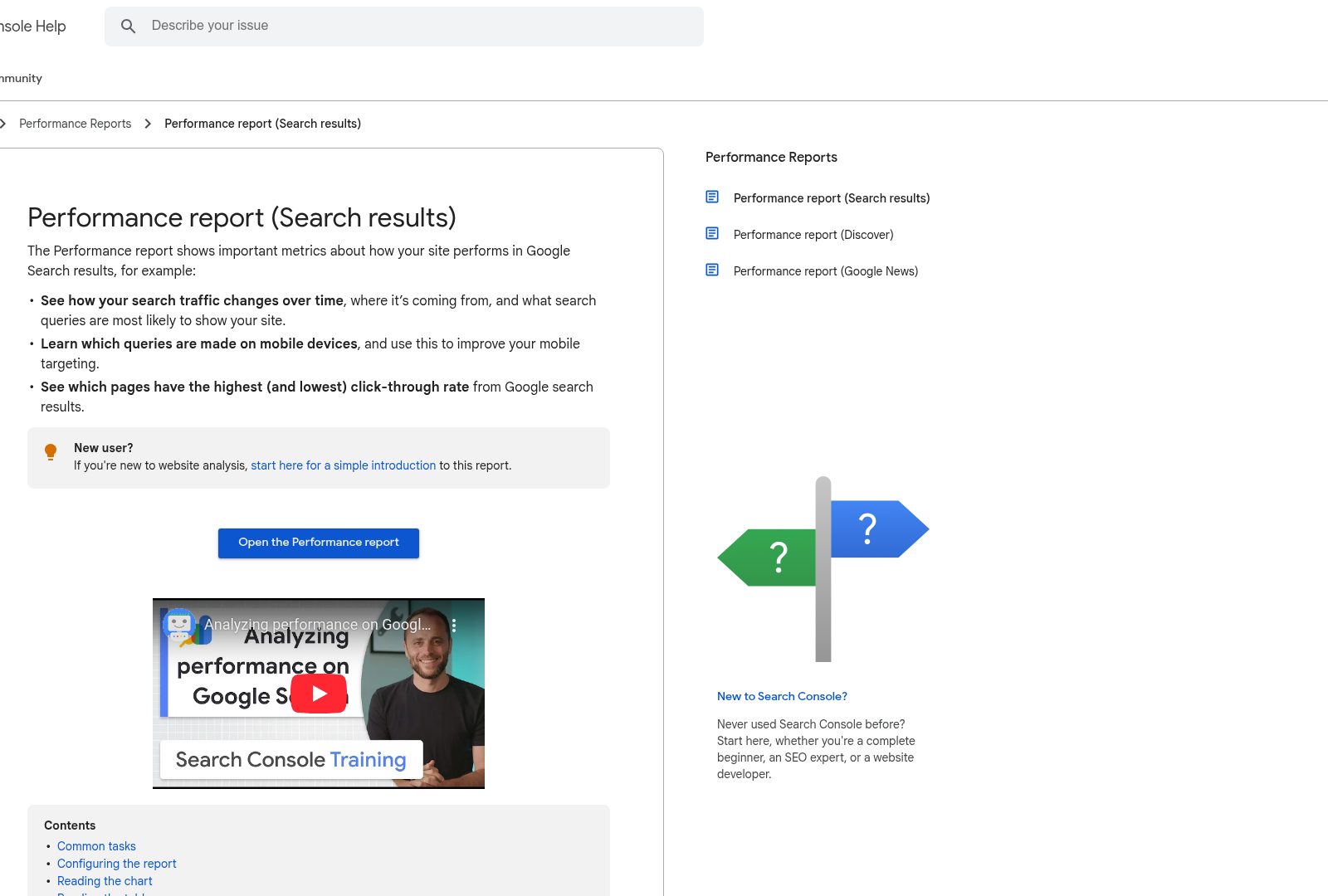
- Use the Search Queries report in Google Search Console to identify keywords driving traffic to your site. Prioritize terms with high impressions but low click-through rates (CTR), as these indicate opportunities to refine meta titles and descriptions for better engagement [2]. As mentioned in the [Introduction to Google Search Console Integration] section, GSC is foundational for aligning content with B2B audience intent.
- Filter queries by page to discover which content attracts the most traffic and aligns with your B2B audience’s intent. This helps allocate resources to optimize high-performing pages for deeper keyword targeting and conversion [2]. See the [Integrating Google Search Console with Automated Content Generation] section for how this data informs content creation strategies.
- Compare search queries with your existing content inventory to uncover gaps in keyword coverage. For example, if Search Console reveals high-volume, low-competition terms unrelated to current pages, create dedicated content to capture this traffic [2]. Building on concepts from the [Advanced Google Search Console Strategies for B2B Lead Generation] section, prioritize keywords with low competition and high commercial intent.
- Refine underperforming pages by incorporating keywords from the Search Queries report that align with user intent. Ensure on-page elements like headers, body content, and meta descriptions reflect these terms to improve relevance signals [2].
- Leverage the Performance report to track changes in rankings over time after implementing optimizations. This iterative process ensures adjustments align with Google’s evolving algorithms and B2B search behavior [2].
Integrating Google Search Console with Automated Content Generation
- Use Google Search Console (GSC) data to identify high-traffic keywords and content gaps relevant to your B2B audience. This ensures automated content generation aligns with actual search intent and user behavior [1]. See the [Optimizing Content with Google Search Console Insights] section for more details on analyzing search queries and impressions.
- Analyze GSC’s "Performance" report to prioritize topics where competitors rank but your site does not, enabling automated tools to generate targeted content for underperforming keywords [1]. As mentioned in the [Optimizing Content with Google Search Console Insights] section, this builds on insights from search performance data.
- Combine GSC data with Google Analytics to validate whether automated content drives meaningful user engagement, such as reduced bounce rates or increased time-on-page [1]. Refer to the [Measuring and Tracking B2B Lead Generation with Google Search Console] section for guidance on integrating these tools.
- Cross-reference GSC insights with B2B audience segmentation data from other sources (e.g., CRM, email analytics) to ensure automated content addresses the needs of specific buyer personas [2]. Building on concepts from [Introduction to Google Search Console Integration], this step emphasizes aligning technical SEO with business objectives.
Leveraging Google Search Console for Multi-Channel Content Repurposing
- Extract search queries from GSC’s "Search Results" report to refine social media captions. Use frequently searched terms related to your top content to align social posts with existing audience intent [2]. See the Optimizing Content with Google Search Console Insights section for more details on analyzing search queries.
- Incorporate GSC’s "Mobile Usability" report findings to ensure newsletter links direct users to mobile-optimized content. Pages with mobile-friendly designs reduce friction and improve conversion chances [1]. Building on concepts from the Troubleshooting Common Google Search Console Issues for B2B Lead Generation section, address technical barriers like mobile usability.
- Regularly review GSC’s "Search Appearance" report to optimize rich snippets, which enhance visibility across platforms. Improved structured data increases the likelihood of content being shared or linked externally [2]. Advanced strategies for leveraging search appearance data are covered in the Advanced Google Search Console Strategies for B2B Lead Generation section.
Measuring and Tracking B2B Lead Generation with Google Search Console
Setting Up Goals and Tracking Conversions
- Integrate Google Search Console with Google Analytics to track user behavior and conversions [1]. This integration allows you to correlate organic search traffic with goal completions, such as form submissions or demo requests, which are critical for B2B lead generation. As mentioned in the Introduction to Google Search Console Integration section, this step is foundational for aligning SEO efforts with business objectives.
- Define conversion actions in Google Analytics that align with B2B lead generation objectives, such as whitepaper downloads or contact form submissions [1]. While Google Search Console itself does not natively track conversions, linking it to Analytics enables you to analyze how organic search contributes to these actions.
- Use UTM parameters to tag non-branded organic search traffic for custom tracking in Analytics [1]. This helps isolate organic search performance from other traffic sources, providing clarity on which campaigns or content drive the most leads.
Analyzing Lead Generation Metrics
- Monitor the "Search Engine Results Page (SERP) clicks" metric in Google Search Console to identify which queries drive traffic to lead-generating pages [1]. High click-through rates (CTR) on pages with lead capture forms indicate effective keyword targeting. See the Optimizing Content with Google Search Console Insights section for more details on analyzing search queries and impressions.
- Cross-reference Search Console’s "Top Pages" report with Analytics’ conversion data to determine which landing pages generate the most qualified leads [1]. This helps prioritize SEO efforts for high-performing content.
- Track the "Average Position" metric for keywords related to B2B lead generation to assess visibility improvements over time [1]. A rising average position correlates with increased organic reach and potential lead volume.
Using Data to Inform Lead Generation Strategies
- Identify underperforming keywords in Search Console with high impression but low click-through rates (CTR) and optimize meta titles and descriptions to improve engagement [1]. This directly impacts the quality of traffic and, consequently, lead generation efficiency. Building on concepts from the Advanced Google Search Console Strategies section, focusing on high-intent keywords can further refine these efforts.
- Audit mobile usability reports in Search Console to ensure lead capture forms and landing pages are optimized for mobile users, a key factor in B2B conversions [1]. Poor mobile performance can hinder lead collection despite strong organic traffic.
- Leverage Search Console’s "Coverage" report to address crawl errors or indexing issues on pages critical to lead generation, such as resource hubs or pricing pages [1]. Resolving these issues ensures potential leads can access conversion-focused content seamlessly.
Limitations and Strategic Considerations
- Note that Google Search Console does not directly attribute leads to specific keywords or campaigns, requiring integration with Analytics or CRM tools for full attribution [1]. As mentioned in the Introduction to Google Search Console Integration section, this limitation means lead generation metrics should be analyzed in conjunction with other platforms.
- Use Search Console’s "New vs. Returning Users" data to refine content strategies for nurturing leads at different stages of the sales funnel [1]. For example, returning users may benefit from targeted retargeting or case study content.
- Regularly export Search Console data to identify seasonal trends in organic search traffic that align with B2B buying cycles, enabling proactive content updates [1]. This ensures lead generation efforts remain aligned with market demand.
By systematically integrating Google Search Console with complementary tools and focusing on actionable metrics, B2B companies can optimize their lead generation strategies while maintaining visibility into the performance of their SEO initiatives.
Advanced Google Search Console Strategies for B2B Lead Generation
Advanced Keyword Research and Planning
- As mentioned in the [Optimizing Content with Google Search Console Insights] section, analyze Google Search Console’s Search Appearance > Queries report to identify high-intent keywords with low competition. Prioritize keywords where competitors have higher click-through rates (CTRs) but lower impressions, signaling untapped opportunities [1].
- Use the Performance Report to segment keywords by page performance. Filter by high CTR but low impressions to uncover underperforming pages that can be optimized for better visibility [1].
- Cross-reference Google Search Console data with SEO tools (e.g., Ahrefs, SEMrush) to validate keyword rankings and backlink profiles. Building on concepts from [Introduction to Google Search Console Integration], this integration helps prioritize keywords with strong organic potential and aligns with technical SEO best practices for SaaS [1].
- Leverage the URL Inspection Tool to audit crawled but unindexed pages. Identify technical barriers (e.g., soft 404s, duplicate content) that may hinder keyword visibility and fix them to improve organic traffic [1].
Account-Based Marketing (ABM) Strategy Optimization
- Map Google Search Console’s Top Pages data to target accounts in your ABM strategy. Focus on pages with high engagement from industries or regions aligned with your ideal customer profile (ICP) [1].
- Use the Search Traffic > Search Analytics report to identify keywords driving traffic from target accounts. Tailor content or retargeting campaigns around these keywords to reinforce brand messaging for high-value leads [1].
- Monitor mobile vs. desktop performance for ABM pages. Adjust device-specific content or CTAs based on traffic patterns, as B2B decision-makers often switch devices during the buying journey [1].
- Track search query volume trends for ABM-related keywords (e.g., “enterprise software solutions,” “B2B SaaS pricing”). Use this data to time account-specific campaigns with seasonal or industry-specific spikes [1].
Limitations and Data Gaps
- Google Search Console lacks native regex filtering for advanced query segmentation. While third-party SEO tools integrated with GSC may offer regex capabilities, the platform itself does not support this feature [1].
- The console’s keyword data excludes non-brand queries with low search volume, potentially missing niche terms relevant to B2B audiences. Combine GSC with other keyword research tools to fill these gaps [1].
By integrating Google Search Console with SEO tools and focusing on performance-driven keyword and ABM strategies, B2B lead generation efforts can leverage first-party data to refine targeting and improve conversion rates [1].
Troubleshooting Common Google Search Console Issues for B2B Lead Generation
- Confirm DNS verification settings match the domain configuration in Google Search Console. Mismatched DNS records or incomplete propagation can prevent successful verification, which is critical for accessing diagnostic data needed for B2B lead optimization [1]. For step-by-step verification setup, see the [Setting Up Google Search Console for B2B Lead Generation] section [2].
- Validate file upload verification methods by ensuring the HTML file is hosted at the root of the domain. For B2B sites using complex hosting setups, misconfigured server permissions or redirect rules may block access to verification files [2].
- Check meta tag verification by confirming the tag is present in the
<head>section of the homepage. Dynamic content generation or caching layers may strip or delay the meta tag, causing persistent verification failures [1].
Resolving Data Discrepancies
- Audit site filters in Google Search Console to ensure the correct property (e.g.,
wwwvs. non-www) is selected. Inconsistent property settings can lead to fragmented data, making it difficult to analyze lead-generating pages [2]. - Investigate crawl errors for URLs targeting B2B landing pages. Source [1] highlights that crawl errors on lead-capture forms or industry-specific content can reduce visibility in search results, directly impacting lead generation.
- Cross-reference indexed page counts with internal analytics tools. Discrepancies may indicate Google’s crawler is unable to access conversion-focused pages due to
noindextags or authentication barriers [2]. For integration strategies, see the [Measuring and Tracking B2B Lead Generation with Google Search Console] section [1].
Advanced Considerations for B2B Audiences
- Monitor search appearance reports for branded queries. Source [1] emphasizes that B2B companies should track branded search performance to identify gaps in how their services are discovered by enterprise buyers. Building on concepts from the [Advanced Google Search Console Strategies for B2B Lead Generation] section [1], prioritize queries that align with buyer intent.
- Use the URL Inspection tool to test critical lead pages. For B2B sites with gated content, ensure that URLs are crawlable and indexable; otherwise, potential leads may not reach high-intent pages [2].
- Review search queries driving traffic to B2B content. Source [2] recommends analyzing these queries to refine keyword strategies, focusing on long-tail terms that align with the decision-making process of enterprise clients.
References
[1] Technical SEO for SaaS in 2025: Complete Checklist - https://ninepeaks.io/technical-checklist-for-saas-seo-complete-guide
[2] The Ultimate B2B Website Strategy: A Step-by-Step Guide to Driving ... - https://www.joinamply.com/post/b2b-website-strategy
Frequently Asked Questions
1. How do I verify site ownership in Google Search Console?
To verify site ownership, you can use one of several methods: upload an HTML file provided by Google to your website’s root directory, add a meta tag to your homepage’s HTML, or use domain-based verification via your domain registrar. For B2B websites, domain-based verification is recommended for full access to all GSC features. Once verified, you can submit sitemaps and start tracking performance metrics [2].
Q: What are the most effective ways to fix crawl errors identified in GSC?
A: To resolve crawl errors:
- Use the “Crawl Errors” report in GSC to identify problematic URLs.
- Check if the issue is a soft 404 (page exists but returns a 200 status) or a hard 404 (page not found).
- For broken links, update internal links or implement 301 redirects to functional pages.
- For server errors (5xx), monitor server uptime and optimize hosting performance.
- Use tools like Screaming Frog or Ahrefs to audit your site for technical SEO issues regularly [2].
Q: How can B2B companies track lead generation effectiveness using GSC?
A: While GSC doesn’t track conversions directly, it helps identify high-performing pages that drive traffic. Cross-reference GSC data with Google Analytics or CRM tools to correlate search traffic with lead generation. For example, analyze which content (e.g., case studies or whitepapers) receives the most clicks and then track form submissions or demo requests from those pages. Use UTM parameters in GSC to segment traffic sources for deeper analysis [2].
Q: What’s the difference between Google Search Console and Google Analytics for SEO tracking?
A: Google Search Console focuses on technical SEO and search visibility, showing data like crawl errors, keyword rankings, and backlinks. Google Analytics tracks user behavior on your site, such as bounce rates and session duration. For B2B lead generation, use GSC to optimize content for search engines and Analytics to understand how users interact with your site post-click. Both tools are complementary but serve distinct purposes [2].
Q: How can I identify content gaps using GSC data?
A: Use the “Performance” report in GSC to review queries with high search volume but low click-through rates (CTR). These indicate opportunities to improve meta titles, descriptions, or content relevance. Additionally, look for pages that rank for irrelevant keywords and update their content to align with user intent. Tools like SEMrush or Surfer SEO can further analyze competitors’ high-performing content for inspiration [2].
Q: What are the limitations of relying solely on GSC for SEO and lead generation insights?
A: GSC lacks granular user behavior data (e.g., heatmaps or scroll depth) and doesn’t track conversions directly. It also doesn’t provide competitor benchmarking. For a holistic view, pair GSC with tools like Hotjar for user experience insights, Google Analytics for behavioral data, and SEMrush for competitive analysis. This combination ensures you address both technical SEO and user engagement factors critical for B2B lead generation [2].
Q: Are there tools that integrate with GSC to streamline B2B lead generation efforts?
A: Yes! Tools like Ahrefs, Moz, and BrightEdge integrate with GSC to automate keyword tracking, content audits, and competitor analysis. For B2B teams, platforms like HubSpot or Marketo can sync GSC data with CRM systems to align SEO efforts with lead nurturing workflows. These integrations save time and provide actionable insights tailored to your lead generation goals [2].