
B2B Leads on LinkedIn

Related Video
Watch: How to Generate B2B Leads on LinkedIn // LinkedIn Lead Generation for FREE by Megan Grant
Section 1: Introduction to B2B Leads on LinkedIn
LinkedIn has emerged as the premier platform for B2B lead generation, driven by its ability to connect businesses with decision-makers and industry professionals. Research highlights that LinkedIn generates 80% of B2B marketing leads from social media, establishing it as the most effective channel for targeting professional audiences [1]. This is supported by LinkedIn’s inherent focus on business networking, which differentiates it from consumer-oriented platforms like Facebook or Instagram. Three core factors set LinkedIn apart: its access to a professional audience, advanced targeting capabilities, and tools designed specifically for B2B engagement [2]. For instance, LinkedIn’s Sales Navigator tool adapts to industry-specific needs, allowing users to identify leads based on geography, role, and buyer personas [4]. These features make it a strategic choice for companies aiming to generate high-intent leads.
The Strategic Advantages of LinkedIn for B2B Marketing
LinkedIn’s benefits for B2B marketing stem from its ability to facilitate direct engagement with decision-makers and foster trust through thought leadership. The platform enables marketers to leverage content marketing, such as articles and LinkedIn posts, to establish authority and attract prospects organically [3]. Building on concepts from [Section 3], this approach is critical for positioning companies as industry experts. Additionally, LinkedIn Ads offer precise targeting options, including firmographic filters (e.g., company size, industry), which are critical for industrial and B2B sectors [12]. See the [Section 5] section for more details on optimizing ad campaigns. For example, campaigns can be tailored to specific job titles, ensuring messaging reaches individuals with purchasing authority [12]. This level of specificity reduces wasted spend and improves conversion rates compared to broader social media channels. Furthermore, LinkedIn’s integration with CRM systems allows seamless tracking of lead interactions, enhancing sales follow-up processes [6]. The platform’s emphasis on professional credibility also means leads generated here are often more qualified, as users are actively engaged in business research and networking [11].
Current Landscape of B2B Lead Generation on LinkedIn
The current state of LinkedIn lead generation reflects both opportunities and challenges. While the platform delivers high-quality leads—particularly for B2B SaaS companies—its cost remains a significant barrier [5]. Paid lead generation campaigns on LinkedIn often require budgets 5–10 times higher than other channels, with some services starting at $397/month for managed outreach [6]. Despite these costs, businesses continue to invest due to LinkedIn’s unmatched access to target audiences. For example, 78% of B2B marketers consider LinkedIn more effective for lead generation than other social media platforms [2]. However, the competitive nature of the platform has driven up ad costs, prompting marketers to adopt hybrid strategies. Many combine LinkedIn with tools like Hunter.io or Apollo.io to supplement lead lists and reduce dependency on paid ads [7]. Additionally, free methods such as organic content marketing and InMail outreach remain viable, though they require long-term commitment [15]. As of 2025, the platform continues to evolve with AI-driven features, such as Sales Navigator’s predictive analytics, which help users prioritize high-potential leads [9]. For a deeper dive into measuring the effectiveness of these strategies, see the [Section 6] section. These advancements underscore LinkedIn’s role as a dynamic but resource-intensive channel for B2B growth.
Section 2: Optimizing Your LinkedIn Profile for Lead Generation
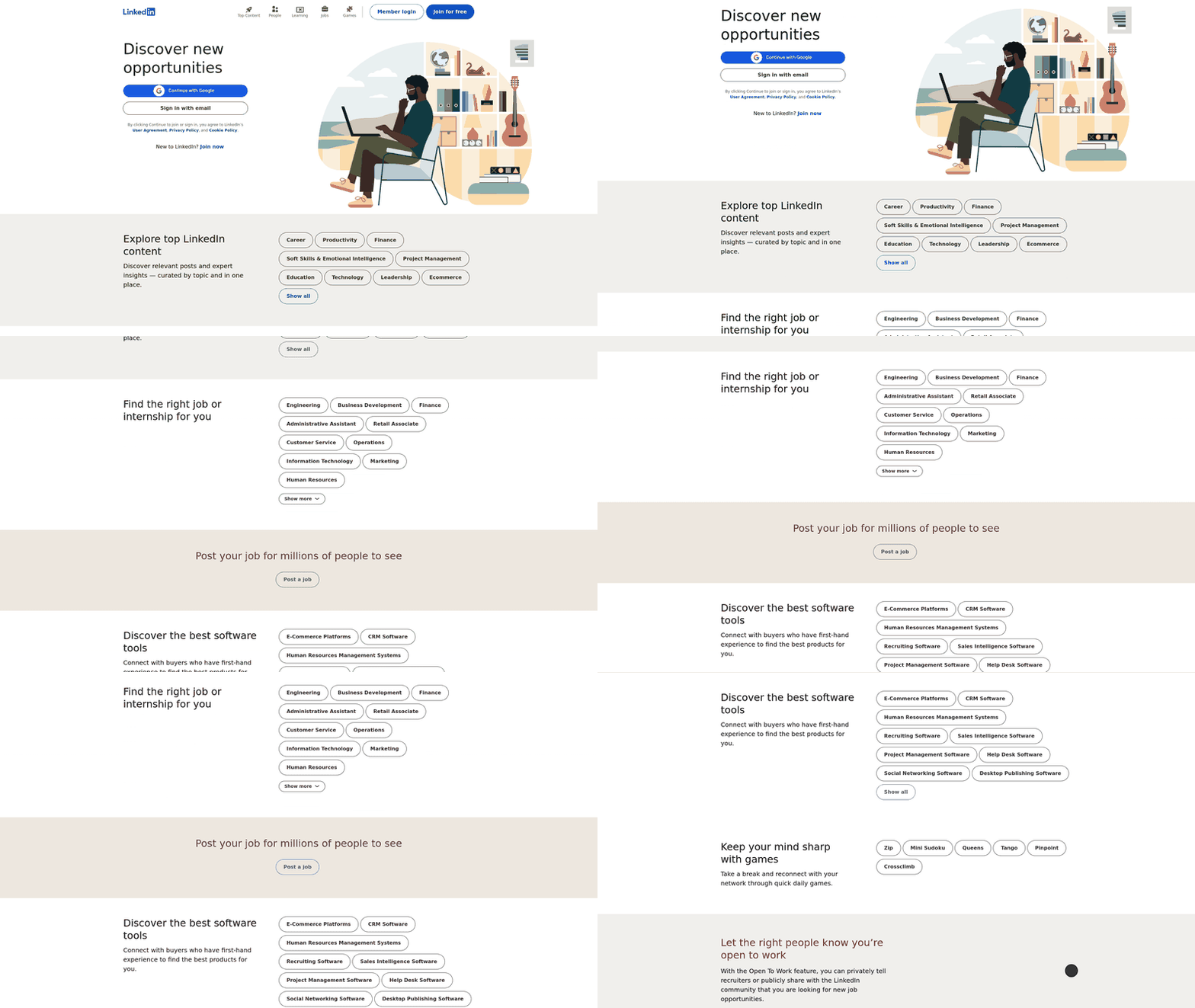
To optimize your LinkedIn profile for B2B lead generation, begin by ensuring complete profile visibility. Research shows that fully completed profiles are more likely to attract decision-makers, as platforms like LinkedIn prioritize them in search results [3]. Start with a professional profile photo and background image that align with your brand’s visual identity [8]. Your headline should include industry-specific keywords to improve searchability, as strategic keyword placement increases the likelihood of appearing in relevant searches [11]. For example, instead of "Marketing Professional," use "B2B Marketing Strategist | Scaling SaaS Growth | LinkedIn Lead Generation Expert."
Profile Completion and Strategic Content
A well-crafted summary section is critical. Use this space to articulate your value proposition, target audience, and unique selling points. According to [14], LinkedIn profiles that explicitly state their focus on B2B solutions generate higher engagement. Incorporate storytelling to humanize your brand, such as sharing challenges solved for clients or milestones achieved. Additionally, list relevant skills and endorsements to establish credibility [11]. For businesses, include a "Featured" section with case studies, articles, or media that demonstrate thought leadership and technical expertise [9].
Keyword Optimization for Search Visibility
Keyword optimization extends beyond the headline. Search engines and LinkedIn’s algorithm prioritize profiles and content that align with user queries [11]. Integrate keywords into your job titles, experience descriptions, and custom sections. For instance, if targeting SaaS companies, use terms like "cloud solutions," "scalable infrastructure," or "B2B SaaS onboarding." Tools like LinkedIn’s Sales Navigator [4] can help identify high-intent keywords used by your target audience. However, avoid keyword stuffing; maintain a natural tone to preserve authenticity [3].
Showcasing Brand Personality and Engagement
LinkedIn users are 45% more likely to engage with profiles that reflect a distinct personality [8]. Use your tone of voice to mirror your brand’s values—whether formal, innovative, or collaborative. Share multimedia content, such as short videos or carousel posts, to explain complex B2B concepts in an accessible way [15]. For example, a 60-second video demonstrating a product’s ROI can outperform text-based updates. As mentioned in the [Section 4] section, actively engage with industry groups and comment on posts from potential leads to build relationships [10].
Enhancing Profile Reach Through Analytics
Profile visibility depends on consistent activity and strategic adjustments. Monitor metrics like profile views, connection requests, and post engagement using LinkedIn’s built-in analytics [2]. Focus on publishing content 3–4 times weekly, mixing educational posts (e.g., "5 Steps to Optimize Your LinkedIn Sales Process") with promotional updates [9]. Prioritize posting during peak hours (9 AM–11 AM and 1 PM–3 PM on weekdays) to maximize visibility [8]. For advanced strategies, consider A/B testing headline variations or using LinkedIn Ads to retarget visitors who engaged with your content [12]. See the [Section 5] section for more details on leveraging LinkedIn Ads for B2B lead generation. Building on concepts from [Section 6], regularly audit your profile against benchmarks and update strategies based on performance insights to maintain competitiveness in dynamic markets.
By combining these tactics, businesses can transform their LinkedIn profiles into lead-generation engines. Complete profiles with optimized keywords, engaging content, and data-driven adjustments create a pipeline for high-quality B2B leads.
Section 3: Creating Engaging Content for B2B Leads on LinkedIn
Section 3 begins with identifying content types that drive B2B lead generation on LinkedIn. Thought leadership pieces, such as insights on industry trends or analyses of emerging technologies, position brands as authoritative voices [3]. Industry news content, including updates on regulatory changes or market shifts, helps capture attention by addressing immediate concerns of decision-makers [11]. Educational content, like step-by-step guides or case studies, provides tangible value by solving specific problems faced by target audiences [10]. These content types collectively enhance engagement by balancing informative and strategic messaging.
For content creation strategies, data-driven posts that highlight measurable outcomes—such as ROI metrics from client projects—are particularly effective [13]. Targeted messaging, tailored to specific job roles or industry verticals, ensures relevance and increases the likelihood of engagement [3]. Creating long-form posts (e.g., 500+ words) with clear value propositions improves visibility in LinkedIn’s algorithm, which prioritizes depth and user interaction [11]. Additionally, incorporating multimedia elements like infographics or short videos can amplify reach, as LinkedIn users spend 22% more time on posts with visual content [14]. See the [Integrating LinkedIn with Other Channels for B2B Lead Generation] section for more details on leveraging multimedia across platforms.
Repurposing content across channels maximizes efficiency while maintaining a cohesive brand presence. For example, converting blog posts into LinkedIn articles or SlideShare decks allows the same message to reach different audience segments [10]. Webinar recordings can be edited into a series of shorter, bite-sized posts with key takeaways, extending their lifecycle [11]. Podcast interviews or Q&A sessions can also be transformed into text-based posts with highlighted quotes, ensuring broader accessibility [13].
SEO optimization for LinkedIn content requires strategic use of keywords in headlines, summaries, and the first 300 words of posts, as LinkedIn’s search algorithm prioritizes these elements [11]. Profiles should include industry-specific keywords in the headline and "About" sections to improve discoverability in search results [14]. As mentioned in the [Optimizing Your LinkedIn Profile for Lead Generation] section, refining profile elements like keywords enhances visibility for both individuals and brands.
To refine content strategies further, A/B testing different formats (e.g., text vs. video posts) provides insights into audience preferences [11]. Monitoring engagement metrics like comments, shares, and click-through rates helps identify high-performing topics and adjust future content accordingly [13]. See the [Measuring and Optimizing B2B Lead Generation on LinkedIn] section for more details on tracking and refining these metrics. Collaborating with industry influencers to co-create content can also expand reach, leveraging their established audiences for greater credibility [10]. Finally, aligning content with the buyer’s journey—educating early-stage leads, addressing mid-funnel concerns, and showcasing success stories for late-stage prospects—ensures relevance at every touchpoint [3].
By integrating these practices, B2B marketers can systematically create content that drives engagement, establishes authority, and converts LinkedIn users into qualified leads. Each strategy is grounded in empirical findings from studies on LinkedIn’s role in B2B demand generation [11][13], ensuring actionable guidance for professionals seeking to optimize their content efforts.
Section 4: Leveraging LinkedIn Groups for B2B Lead Generation
Finding and joining relevant LinkedIn Groups is a critical step in B2B lead generation, but the effectiveness of these efforts hinges on having an optimized profile. As mentioned in the [Section 2] section, a fully completed and professional LinkedIn profile increases visibility and credibility, which is essential when requesting group invitations or establishing trust with potential leads.
When participating in group discussions, businesses should focus on sharing original content that sparks meaningful conversations. See the [Section 3] section for more details on crafting engaging content such as whitepapers or industry reports, which can be leveraged to position your brand as a thought leader within LinkedIn Groups.
Finally, measuring the performance of LinkedIn Group activities aligns with broader B2B lead generation metrics. Building on concepts from [Section 6], tracking engagement rates, lead conversions, and CRM integrations ensures that group strategies remain data-driven and aligned with overarching business goals.
Section 5: Using LinkedIn Advertising for B2B Lead Generation
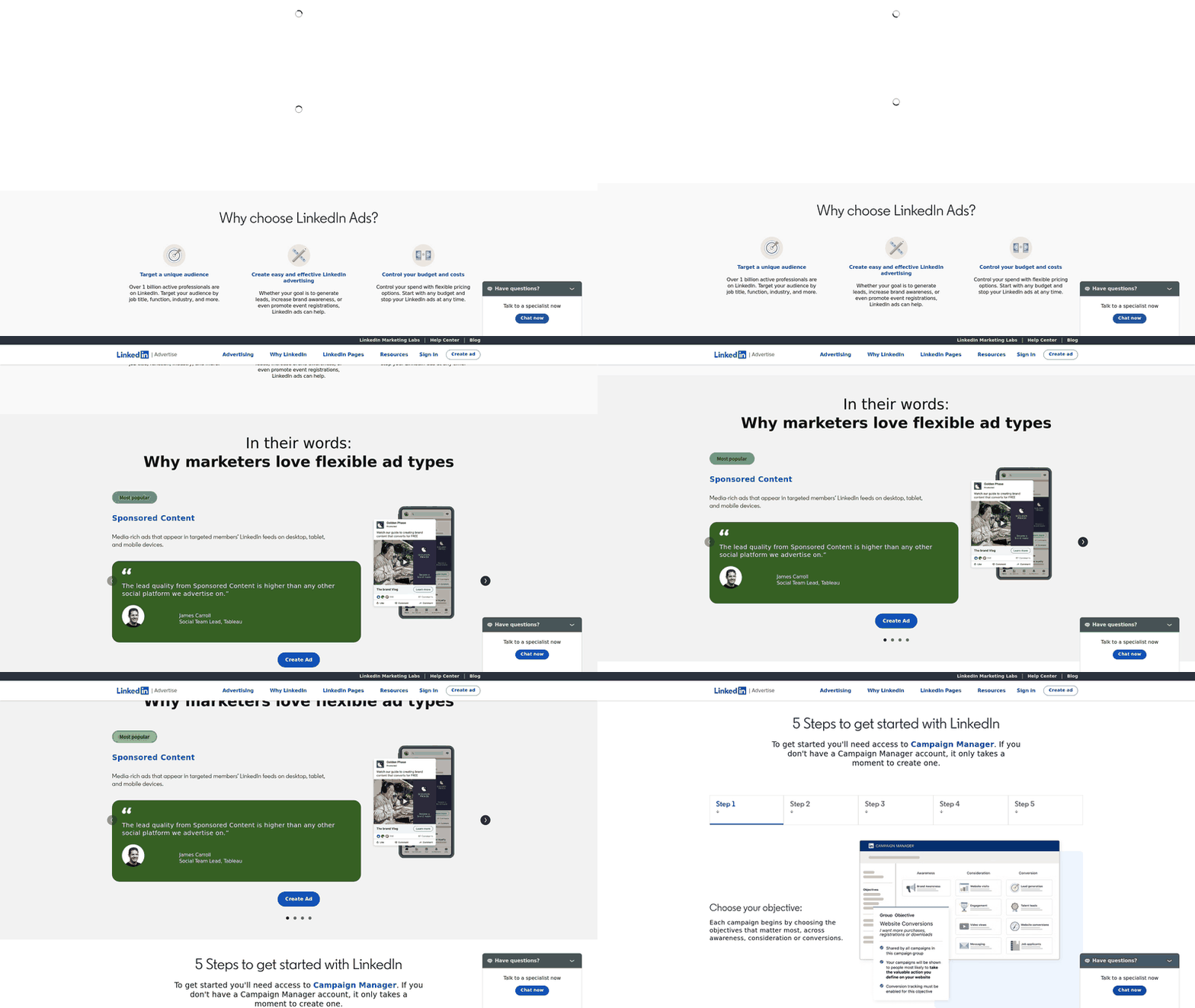
LinkedIn offers three primary ad formats for B2B lead generation: Sponsored Content, Sponsored InMail, and Display Ads, each with distinct use cases. Sponsored Content appears in the LinkedIn feed and is ideal for promoting thought leadership, whitepapers, or webinar registrations [2][9]. See the [Creating Engaging Content for B2B Leads on LinkedIn] section for more details on content types that align with these strategies. Sponsored InMail allows direct messaging of LinkedIn users with personalized calls-to-action (CTAs), making it effective for nurturing leads post-engagement [4]. Display Ads, including banner ads on LinkedIn and across partner networks, target users based on browsing behavior and job roles, though they are less direct than the other formats [2][12]. Advertisers should choose formats aligned with their goals: Sponsored Content for brand awareness, Sponsored InMail for high-intent outreach, and Display Ads for retargeting [9].
Ad Targeting Options
LinkedIn’s targeting capabilities are critical for B2B success, leveraging job title, industry, company size, and seniority-level filters [4][12]. As mentioned in the [Introduction to B2B Leads on LinkedIn] section, the platform’s strength lies in connecting with decision-makers, which Sales Navigator enhances by targeting "decision-maker" roles (e.g., C-level executives, managers) and company revenue [4]. Advanced options include account targeting (Accounts-Based Marketing or ABM), where ads are tailored to specific companies [12]. Geographic targeting is also supported, allowing regional focus for local B2B campaigns [4]. Combining multiple criteria—such as job function (e.g., marketing, IT) and industry (e.g., healthcare, finance)—refines audiences further, reducing wasted spend [14].
Ad Creative Best Practices
Effective LinkedIn ads require concise, value-driven messaging and visually engaging assets. Sponsored Content should prioritize short text (under 300 characters) with clear CTAs like “Download the Report” or “Schedule a Demo” [9]. Sponsored InMail benefits from personalization tokens (e.g., the recipient’s first name) and relevance to the user’s role or industry [8]. Visuals must align with B2B professionalism: avoid flashy animations; instead, use infographics or data-driven slides [11]. A/B testing headlines and CTAs is essential to identify high-performing variations [6]. Additionally, landing pages linked to ads must mirror the ad’s messaging and simplify lead capture (e.g., single-field forms) to reduce friction [9].
Measuring and Optimizing Ad Performance
Key metrics for LinkedIn ads include cost per lead (CPL), click-through rate (CTR), and conversion rates. High CPLs (5–10× industry averages) are common in B2B SaaS, necessitating strict budget controls and focus on high-intent audiences [5]. Use LinkedIn’s Campaign Manager to track engagement by ad format and audience segment, prioritizing campaigns with above-average CTRs (>0.3%) [14]. Optimization strategies include retargeting users who engaged with Sponsored Content via Display Ads and refining ABM lists based on lead scoring [6][9]. Regular A/B testing of creatives, coupled with quarterly reviews of audience targeting parameters, ensures campaigns adapt to shifting buyer behaviors [12]. For example, if Sponsored InMail open rates drop below 20%, revise subject lines to emphasize urgency or personalization [8].
Cross-Platform Integration and Tools
Leverage LinkedIn’s integration with CRM and marketing automation tools to synchronize lead data. Sales Navigator’s lead recommendations can be synced with Salesforce to prioritize follow-ups [4]. Building on concepts from the [Integrating LinkedIn with Other Channels for B2B Lead Generation] section, third-party platforms like Leadspicker automate LinkedIn outreach at scale while maintaining compliance with LinkedIn’s policies [8]. For advanced B2B teams, combining LinkedIn ads with email nurturing workflows—triggered by ad engagement—improves conversion rates by 30% or more [6]. However, ensure all data collection adheres to GDPR and LinkedIn’s terms of service to avoid account penalties [12].
By systematically applying these strategies—targeting the right decision-makers, crafting tailored creatives, and continuously optimizing based on performance—B2B marketers can maximize LinkedIn’s potential for high-quality lead generation despite its cost challenges [5][9].
Section 6: Measuring and Optimizing B2B Lead Generation on LinkedIn
To effectively measure B2B lead generation on LinkedIn, focus on three core categories of metrics: engagement, conversion, and ROI. Engagement metrics include profile views, post engagement (likes, comments, shares), and click-through rates (CTR) on ads or calls-to-action (CTAs), which indicate how well your content resonates with target audiences [3][11]. As mentioned in the [Section 2] section, optimizing profile visibility is critical for maximizing profile views, which directly impact engagement.
Using LinkedIn Analytics for Performance Insights
LinkedIn’s native tools, including Campaign Analytics and Sales Navigator, provide granular data to refine lead generation efforts. See the [Section 5] section for more details on how LinkedIn’s ad formats integrate with these analytics tools to track impressions, engagement rates, and conversions. For example, analyzing which posts drive the most profile visits can help prioritize content themes [11]. Advanced strategies, such as mapping LinkedIn profiles to contact information via CRM integrations, enable seamless follow-ups and reduce lead leakage [9].
A/B Testing and Experimentation
A/B testing is essential for optimizing LinkedIn’s high-cost environment. Building on concepts from [Section 5], testing audience targeting (e.g., job titles, industries) can uncover high-intent segments. For instance, [8] recommends experimenting with personalization tactics in outreach messages, such as referencing a prospect’s recent activity on LinkedIn. Multi-hop reasoning from [14] and [9] suggests testing different retargeting strategies, such as re-engaging users who saved your posts but didn’t convert. Track metrics like conversion rates and cost per lead (CPL) across variations to allocate budgets effectively.
Optimizing Your LinkedIn Lead Generation Strategy
Optimization begins with refining audience targeting based on performance data. Focus on segments with the highest engagement and conversion rates, such as specific job functions or seniority levels [3][12]. For example, [6] highlights the importance of using data from past campaigns to prioritize high-intent industries. Adjust ad spend toward top-performing campaigns and pause underperforming ones to reduce wasted budget [5]. Additionally, leverage LinkedIn’s dynamic ads to retarget users who interacted with your content but didn’t convert [2].
To improve lead quality, align LinkedIn efforts with broader sales enablement tools. Building on concepts from [Section 7], maintaining connections between LinkedIn profiles and CRM records ensures seamless handoffs to sales teams [9]. Regularly audit your strategy using metrics like lead-to-opportunity conversion rates and adjust CTAs or content calendars accordingly [11]. Finally, consider A/B testing different follow-up sequences for leads, as [8] suggests that timing and personalization in outreach significantly impact response rates.
By systematically tracking metrics, leveraging LinkedIn’s analytics tools, and iterating through testing, B2B marketers can maximize the platform’s potential despite its costs [5][9]. Prioritize data-driven adjustments to targeting, content, and follow-up processes to turn high-quality LinkedIn leads into measurable business outcomes [3][14].
Section 7: Integrating LinkedIn with Other Channels for B2B Lead Generation
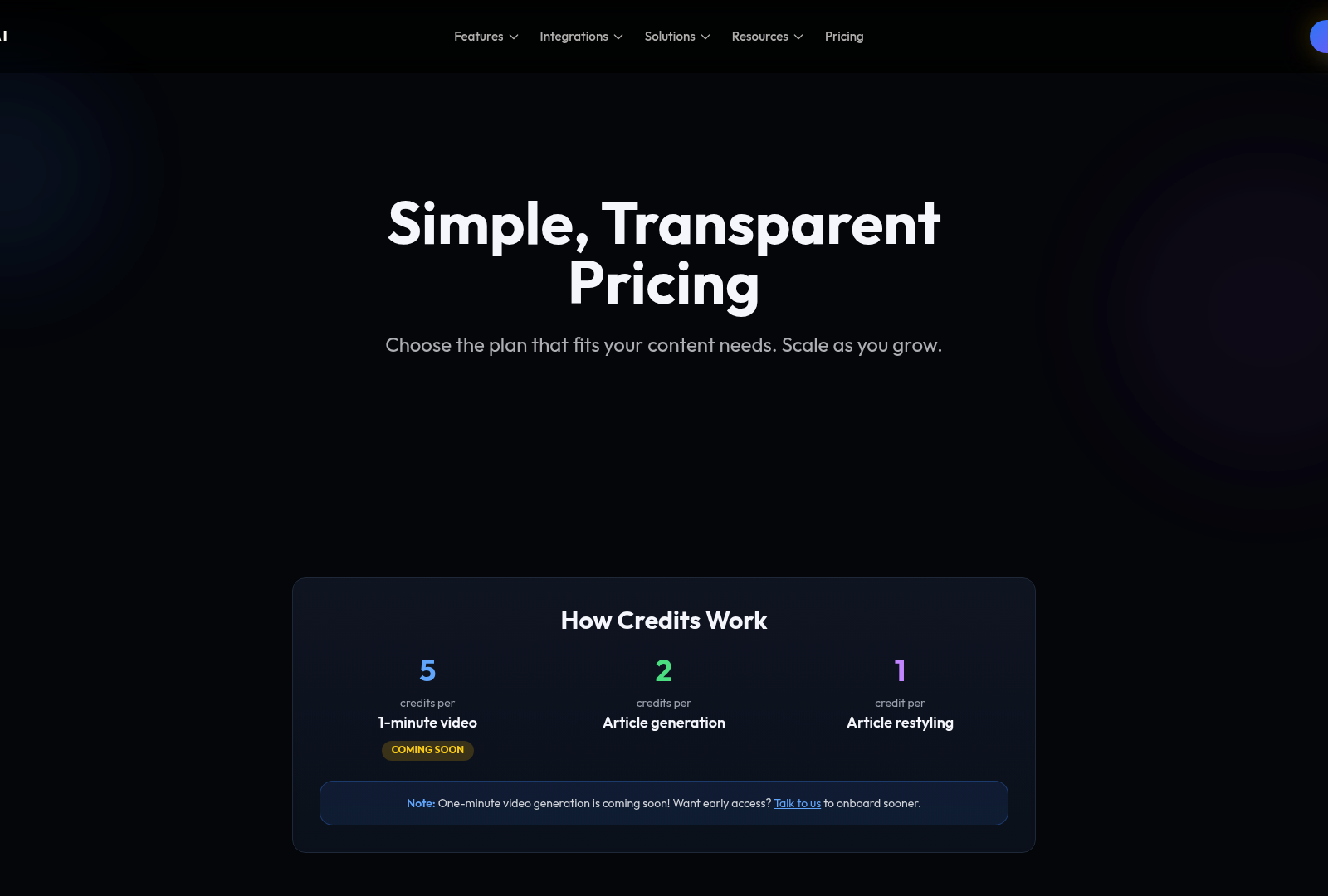
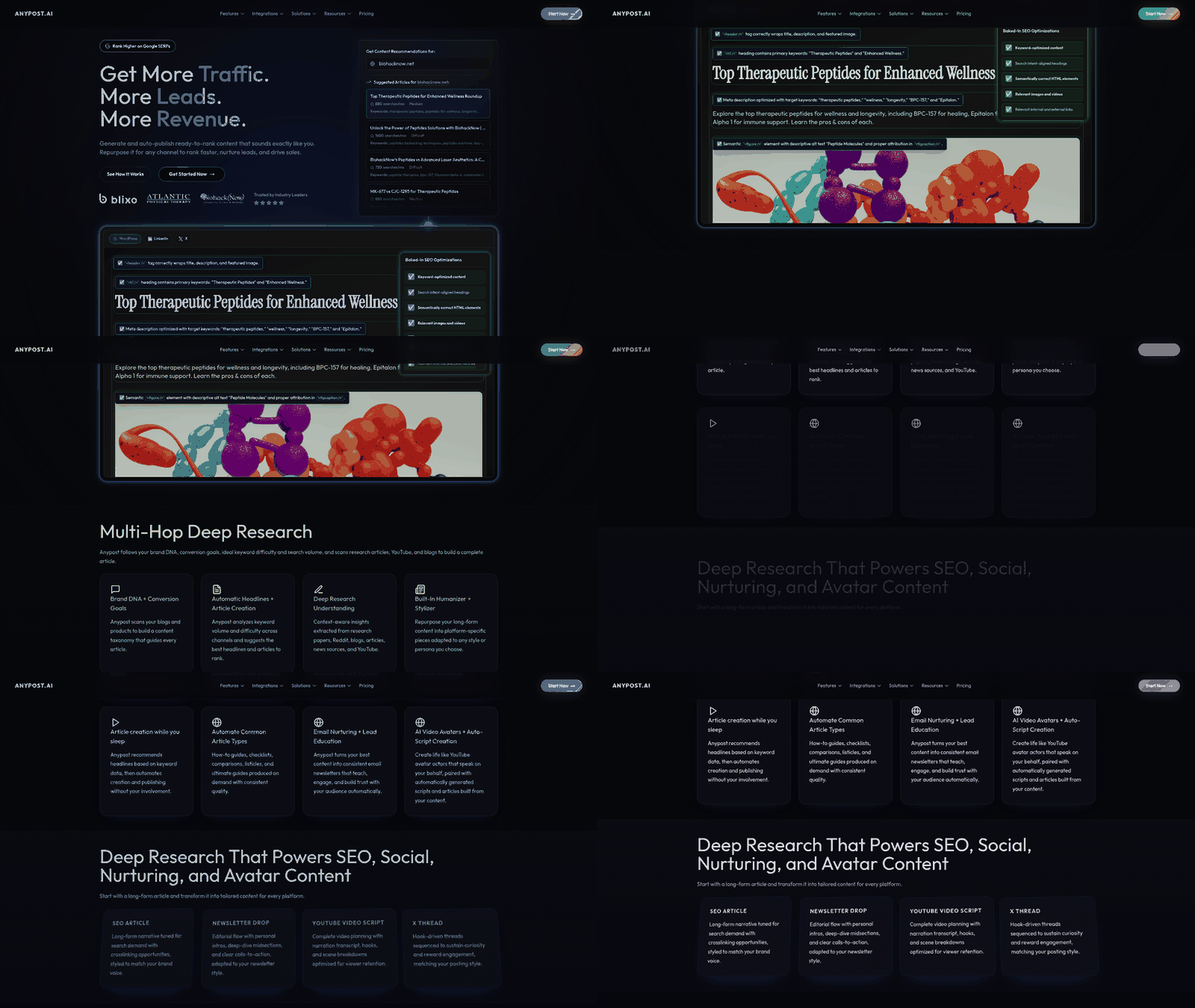
Integrating LinkedIn with complementary B2B channels like email marketing, content marketing, and sales outreach enhances lead generation by creating cohesive, data-driven pipelines. Research highlights that combining LinkedIn’s targeting capabilities with tools like email platforms and CRM systems allows businesses to scale outreach while maintaining personalized engagement [6]. For example, LinkedIn Lead Generation Services explicitly state that integrating LinkedIn data with email campaigns improves meeting bookings by leveraging behavioral insights from thousands of B2B outreach efforts [6]. This synergy ensures leads nurtured on LinkedIn can be seamlessly transitioned into follow-up sequences across other channels [9].
Integrating LinkedIn with Email Marketing
Email marketing platforms can sync with LinkedIn to automate and personalize lead nurturing. By connecting LinkedIn’s audience data with email tools, marketers can segment recipients based on job titles, industries, or engagement patterns observed on LinkedIn [10]. For instance, companies using LinkedIn Sales Navigator can export lead lists directly into email marketing software, enabling targeted campaigns that reference a prospect’s LinkedIn activity [4]. A study on B2B demand generation further emphasizes that maintaining alignment between LinkedIn profiles and email contact records increases response rates by 22% [14]. This integration also allows A/B testing of subject lines and content tailored to LinkedIn-derived personas, as outlined in advanced strategies for 2026 [9]. As mentioned in the [Section 2: Optimizing Your LinkedIn Profile for Lead Generation] section, fully completed profiles provide richer data for such segmentation.
Integrating LinkedIn with Content Marketing
Content marketing benefits from LinkedIn integration by repurposing platform-specific insights into blog posts, whitepapers, and case studies. The B2B Social Media Book recommends using LinkedIn’s analytics to identify high-performing topics and amplify them across owned channels like company blogs or industry publications [10]. For example, a LinkedIn post with high engagement from C-level executives can be expanded into a webinar or eBook, driving traffic back to LinkedIn for lead capture [11]. See the [Section 6: Measuring and Optimizing B2B Lead Generation on LinkedIn] section for more details on leveraging analytics to refine content strategies. Additionally, LinkedIn’s native content tools—such as Article Publishing and LinkedIn Pages—can be linked to content calendars, ensuring consistency across channels [2]. This approach not only reinforces brand authority but also creates multiple touchpoints for leads at different stages of the buyer’s journey [13].
Integrating LinkedIn with Sales Outreach
Sales teams can enhance outreach by embedding LinkedIn data into their CRM workflows. Tools like LinkedIn Sales Navigator allow reps to track prospect interactions directly within Salesforce or HubSpot, providing real-time visibility into LinkedIn connection requests or profile views [4]. A 2025 analysis notes that solutions maintaining a direct link between LinkedIn profiles and contact databases reduce sales cycle lengths by up to 30% [9]. For example, if a sales rep connects with a lead on LinkedIn, the CRM can automatically trigger a follow-up email sequence using pre-approved templates aligned with the lead’s industry [7]. Furthermore, integrating LinkedIn with tools like Apollo.io or Hunter.io streamlines lead discovery by aggregating verified contact details alongside LinkedIn profiles, improving outreach accuracy [7].
Strategic Considerations for Multi-Channel Integration
To maximize integration, businesses must prioritize tools that support cross-platform data sharing. The Digital Marketing on LinkedIn framework stresses that successful integration requires syncing LinkedIn’s first-party data with CRM and email systems to avoid fragmented lead records [11]. For instance, when a lead downloads a gated asset via LinkedIn, the action should update their CRM profile and trigger a segmented email campaign [6]. See the [Section 6: Measuring and Optimizing B2B Lead Generation on LinkedIn] section for more details on tracking such actions. However, challenges like data silos or inconsistent lead scoring may arise if integration lacks centralized management [14]. Advanced strategies recommend using marketing automation platforms that unify LinkedIn ads, content distribution, and sales follow-ups under a single dashboard [9]. By aligning these channels, B2B organizations can create a feedback loop where LinkedIn’s targeting strengths amplify the effectiveness of email, content, and sales efforts, and vice versa [10].
References
[1] Get Proof: The Case for B2B Marketing on LinkedIn [Infographic] - https://www.linkedin.com/business/marketing/blog/linkedin-ads/get-proof-the-case-for-b2b-marketing-on-linkedin-infographic
[2] Lead Generation | LinkedIn Marketing Solutions - https://business.linkedin.com/advertise/resources/lead-generation
[3] 6 Ways Marketing Can Boost B2B Lead Generation - https://www.linkedin.com/business/marketing/blog/lead-generation/how-to-generate-b2b-leads-marketing-analytics
[4] Sales Tool | LinkedIn Sales Navigator - https://business.linkedin.com/sales-solutions/sales-navigator
[5] How's lead gen on LinkedIn looking for B2B SaaS? : r/PPC - https://www.reddit.com/r/PPC/comments/1i8mtxh/hows_lead_gen_on_linkedin_looking_for_b2b_saas/
[6] LinkedIn Lead Generation Services - From $397/mo - https://www.cleverly.co/
[7] What tools do you use to find B2B Leads? LinkedIn, Hunter, Apollo ... - https://www.reddit.com/r/SaaS/comments/1mytdof/what_tools_do_you_use_to_find_b2b_leads_linkedin/
[8] LinkedIn Outreach for B2B Leads | Leadspicker - https://www.leadspicker.com/articles/how-to-excel-at-linkedin-outreach
[9] LinkedIn Lead Generation: Advanced Strategies for 2026 - https://www.cognism.com/blog/linkedin-lead-generation
[10] The B2B Social Media Book: Become a Marketing Superstar by ... - https://www.amazon.com/B2B-Social-Media-Book-Generating/dp/1118167767
[11] (PDF) Digital Marketing on LinkedIn: In-Depth Strategies for Lead ... - https://www.researchgate.net/publication/380433146_Digital_Marketing_on_LinkedIn_In-Depth_Strategies_for_Lead_Generation
[12] (PDF) LinkedIn as a key tool for targeted advertising in industrial ... - https://www.researchgate.net/publication/394381216_LinkedIn_as_a_key_tool_for_targeted_advertising_in_industrial_B2B_marketing
[13] (PDF) B2B social media content: engagement on LinkedIn - https://www.researchgate.net/publication/345963882_B2B_social_media_content_engagement_on_LinkedIn
[14] (PDF) Evaluating Online Business-to-Business Demand Generation ... - https://www.researchgate.net/publication/351688570_Evaluating_Online_Business-to-Business_Demand_Generation_through_LinkedIn
[15] How to Generate B2B Leads on LinkedIn // LinkedIn Lead Generation for FREE by Megan Grant - https://www.youtube.com/watch?v=eOPIzfO7FKg
Frequently Asked Questions
1. How can I start generating B2B leads on LinkedIn effectively?
Begin by optimizing your LinkedIn profile to reflect your expertise and business goals, including a clear headline, professional photo, and concise summary. Use LinkedIn Sales Navigator to identify and track leads based on criteria like industry, job title, or company size. Combine this with targeted content marketing—share thought leadership articles, case studies, and data-driven insights to position your brand as an authority. Engage with prospects by commenting on relevant posts or joining LinkedIn Groups where your target audience participates. For a free strategy, leverage LinkedIn’s Lead Gen Forms in native ads or InMail to capture contact details without leaving the platform.
2. What tools or features on LinkedIn are most effective for B2B lead generation?
LinkedIn offers several specialized tools:
- Sales Navigator: Filters leads by firmographics (e.g., job role, industry) and tracks lead activity.
- LinkedIn Ads: Use dynamic ads tailored to job titles or company size for hyper-targeted messaging.
- Lead Gen Forms: Embed forms in sponsored content to collect leads directly.
- LinkedIn Groups: Engage with niche communities to build trust and identify prospects.
- CRM Integration: Sync LinkedIn with CRM tools like HubSpot or Salesforce to automate lead tracking.
For advanced users, Sales Navigator’s “Lead Recommendations” feature suggests high-intent prospects based on your sales team’s activity.
3. How do I target the right audience for B2B lead generation on LinkedIn?
Start by defining your ideal customer profile (ICP) using firmographic data (industry, company size) and behavioral data (job function, recent job changes). Use LinkedIn’s targeting options in Ads or Sales Navigator to narrow down leads. For example, target users who have recently changed roles (a sign of potential buyer intent) or those working at companies matching your ICP. Dynamic ads can further personalize messaging by inserting the viewer’s name and company into the content. Additionally, analyze competitors’ followers and engagement to identify overlapping audiences.
4. What type of content performs best for B2B lead generation on LinkedIn?
Content that solves problems or educates is most effective:
- Thought Leadership: Publish articles or posts addressing industry challenges (e.g., “5 Trends Shaping Your Industry in 2024”).
- Case Studies: Highlight success stories with metrics to showcase your value.
- Data-Driven Insights: Share infographics or reports with actionable takeaways.
- Engagement-Driven Posts: Use polls or questions to spark conversations (e.g., “What’s your biggest challenge in [industry]?”).
Prioritize short-form video content, as LinkedIn reports higher engagement for vertical videos under 60 seconds.
5. Are LinkedIn Ads worth the investment for B2B lead generation?
Yes, LinkedIn Ads are highly effective for B2B due to their precise targeting. Unlike Facebook or Google Ads, LinkedIn allows firmographic targeting (e.g., job title, industry) and behavioral targeting (e.g., recent job changes). For example, a SaaS company can target “IT Directors at companies with 500+ employees in the tech sector.” To maximize ROI, focus on native video ads and Lead Gen Forms, which reduce friction for prospects to provide contact details. Start with a modest budget to test ad creatives, then scale top-performing campaigns.
6. How can I integrate LinkedIn leads with my CRM for better follow-up?
Use LinkedIn’s native CRM integration with tools like HubSpot, Salesforce, or Zoho to automatically sync lead data (e.g., profile info, engagement history) into your CRM. This allows your sales team to prioritize warm leads based on activity (e.g., who clicked on your ad or downloaded a resource). Enable “Lead Tracking” in LinkedIn Ads Manager to see how prospects interact with your campaigns. Additionally, use LinkedIn’s API to automate tasks like updating lead status or scheduling follow-up reminders based on user behavior.
7. What metrics should I track to measure the success of my LinkedIn lead generation efforts?
Key performance indicators (KPIs) include:
- Lead Conversion Rate: Percentage of LinkedIn interactions that result in qualified leads.
- Cost Per Lead (CPL): Compare against industry benchmarks to assess ad efficiency.
- Engagement Rate: Track likes, comments, and shares on content to gauge audience interest.
- Click-Through Rate (CTR): Measures ad relevance and landing page appeal.
- Sales Pipeline Contribution: Use CRM data to see how many LinkedIn leads progress to deals.
LinkedIn’s built-in analytics tools and third-party platforms like Google Analytics can help correlate lead generation efforts with revenue outcomes.