
B2B Sales Lead Generation Strategies

Related Video
Watch: 7 Keys to Lead Generation & Sales Prospecting for Business Development and B2B Sales by Patrick Dang
Section 1: Introduction to B2B Sales Lead Generation
B2B sales lead generation is the process of identifying potential buyers for a product or service and guiding them toward a purchase decision. This process involves attracting businesses (B2B) that align with an organization’s target market and converting them into qualified leads through strategic outreach, content, and relationship-building efforts [1]. For SaaS businesses, where competition is intense and customer acquisition costs are high, lead generation is a critical component of growth. It ensures a steady pipeline of prospects who are not only aware of a company’s solutions but also likely to engage with its sales team [5]. However, the process is complex, requiring a balance of data-driven tactics, personalized engagement, and alignment between marketing and sales teams to avoid common pitfalls like low conversion rates or misaligned lead definitions [10].
The Importance of Lead Generation in SaaS
In the SaaS industry, lead generation is particularly vital due to the long sales cycles and high customer lifetime values characteristic of B2B software solutions. Generating a consistent flow of leads allows SaaS companies to maintain revenue stability and scale operations effectively [1]. Additionally, the digital nature of SaaS products means that lead generation strategies must prioritize online channels, such as content marketing, SEO, and targeted advertising, to reach decision-makers in tech-driven industries [4]. For example, SaaS businesses often rely on freemium models or demo sign-ups to capture leads, which requires continuous optimization of landing pages and lead magnets to maximize conversions [9]. Without a robust lead generation framework, SaaS companies risk stagnation, as highlighted by industry reports showing that 68% of B2B marketers struggle to generate high-quality leads [5].
Common Challenges in B2B Lead Generation
Despite its importance, B2B lead generation presents several challenges, particularly for SaaS companies. One major hurdle is identifying and reaching the right audience in a crowded market. Decision-makers in B2B contexts often require extensive validation before committing to a SaaS solution, making it difficult to cut through the noise with generic outreach [10]. Cold outreach efforts, while common, frequently face low response rates unless tailored to specific pain points [5]. Another challenge is aligning marketing and sales teams on lead quality definitions. Discrepancies between what marketing considers a “qualified” lead and what sales deems actionable can lead to wasted resources and frustration [1]. Additionally, the reliance on digital strategies means that SaaS companies must constantly adapt to algorithm changes, ad platform policies, and shifting buyer behaviors—factors that can disrupt even the most well-optimized campaigns [8].
The Role of Content Marketing in Lead Generation
Content marketing plays a foundational role in B2B lead generation by providing value to prospects while subtly guiding them through the buyer’s journey. For SaaS businesses, content such as whitepapers, case studies, and blog posts helps establish thought leadership and address specific challenges faced by target industries [1]. By embedding lead capture mechanisms—such as gated content or downloadable templates—companies can collect prospect data while delivering solutions to their problems [9]. Email marketing campaigns, another content-driven strategy, allow for personalized nurturing of leads over time, increasing the likelihood of conversion [5]. See the [Section 3: Content Marketing Strategies for Lead Generation] section for more details on how to optimize these campaigns. However, the effectiveness of content marketing hinges on its ability to align with the intent of the audience. For instance, a SaaS company targeting enterprise clients might prioritize in-depth research reports, while one serving small businesses could focus on quick-reference guides or video tutorials [4].
Overcoming Challenges with Strategic Integration
To address the challenges outlined above, SaaS companies must integrate lead generation strategies with broader business goals. This includes leveraging data analytics to refine targeting, using CRM tools to track lead behavior, and fostering cross-department collaboration to ensure alignment between marketing and sales [1]. Content marketing, when combined with account-based marketing (ABM) tactics, can further enhance lead generation by focusing efforts on high-value accounts with personalized content [5]. Building on concepts from [Section 6: Advanced Strategies for B2B Lead Generation], a SaaS firm might create customized case studies for specific industries and deploy them through targeted LinkedIn campaigns to engage decision-makers directly [9]. By continuously iterating on these strategies and measuring outcomes through metrics like lead-to-customer conversion rates, SaaS businesses can optimize their lead generation efforts and drive sustainable growth [8].
Section 2: Understanding Your Target Audience
Understanding your target audience is foundational to successful B2B sales lead generation. By identifying and analyzing the specific needs, preferences, and behaviors of your audience, businesses can tailor their strategies to address real-world challenges and improve conversion rates. Two primary sources, [3] and [12], emphasize the role of buyer personas and audience pain points in refining these strategies. This section outlines actionable steps to define and leverage these insights effectively.
The Importance of Buyer Personas in Lead Generation
Buyer personas act as detailed profiles of ideal customers, enabling businesses to align their messaging and outreach with audience expectations. According to [12], personas help bridge the gap between generic marketing and targeted engagement, particularly in B2B IT services where decision-makers often prioritize technical expertise and measurable outcomes. By mapping personas to specific lead generation strategies, companies can avoid wasting resources on irrelevant outreach. For example, [3] highlights how platforms like Reddit and Quora can be leveraged to gather qualitative data on audience pain points, which directly informs persona development. See the [Content Marketing Strategies for Lead Generation] section for more details on leveraging Q&A platforms as part of broader content strategies.
How to Create Effective Buyer Personas
Creating buyer personas requires a structured approach grounded in both quantitative and qualitative research. Start by analyzing existing customer data, such as demographics, industry verticals, and purchasing history, to identify patterns. [12] recommends cross-referencing this data with insights from sales teams and customer success teams to uncover recurring themes, such as objections during the sales process. Next, augment these findings with external research. [3] suggests conducting Q&A sessions on forums like Reddit or Quora to observe how prospects articulate their needs. For instance, if a B2B IT services company notices frequent discussions about cloud migration costs on these platforms, it can refine personas to emphasize cost-saving solutions. Document these personas with specific attributes, including job roles, goals, and pain points, to ensure alignment across marketing and sales teams.
Understanding Audience Pain Points and Interests
Pain points are the critical drivers of B2B purchasing decisions, making their identification a priority. [12] underscores the need to categorize these pain points into technical, operational, and strategic challenges. For example, IT decision-makers might express frustration over outdated infrastructure (technical), limited budget flexibility (operational), or pressure to innovate faster than competitors (strategic). To gather this information, [3] advocates using Q&A platforms to analyze recurring questions and sentiment. If prospects repeatedly ask how to reduce cybersecurity risks without increasing costs, businesses can structure content around cost-effective security solutions. Additionally, [12] notes that aligning content with these pain points—such as whitepapers on budget-friendly cybersecurity frameworks—can position companies as problem-solvers, earning trust and driving lead conversion. See the [Content Marketing Strategies for Lead Generation] section for strategies on creating targeted whitepapers and other content.
Leveraging Tone Matching for Audience Engagement
While the specific "Persona Engine" tool is not explicitly referenced in the primary sources [3] and [12], the concept of tone matching is implicitly addressed through strategies like Q&A engagement. [3] explains that observing how prospects phrase questions (e.g., formal vs. conversational language) on forums allows businesses to mirror this tone in their outreach. For instance, if a target audience uses technical jargon on Reddit, sales teams can adopt similar terminology in emails to foster credibility. Though no source here names a specific tool for this purpose, the methodology aligns with AI-driven approaches mentioned in broader B2B sales literature, such as using sentiment analysis to adjust messaging dynamically [11]. Building on concepts from [Automated Content Generation and Repurposing], businesses can use AI tools to refine tone consistency across outreach efforts. By prioritizing consistency in tone, businesses can enhance relatability and reduce friction in lead nurturing.
Through these steps, companies can build a data-driven understanding of their audience, ensuring that lead generation efforts are both efficient and impactful.
Section 3: Content Marketing Strategies for Lead Generation
Content marketing is a cornerstone of B2B lead generation, leveraging blog posts, social media, email newsletters, and SEO optimization to attract and convert prospects. By creating valuable, targeted content, B2B marketers can position their brands as thought leaders while capturing lead data through strategic calls-to-action (CTAs) and gated resources [1][2]. This section outlines actionable strategies to harness these tools effectively.
Role of Blog Posts in Lead Generation
Blog posts serve as a primary vehicle for attracting potential buyers by addressing industry-specific pain points and offering solutions [1]. High-quality blog content not only drives organic traffic but also establishes credibility, encouraging readers to engage further with the brand [2]. To maximize lead generation, integrate CTAs within blog posts—such as downloadable whitepapers, case studies, or webinar sign-ups—to collect contact information [9]. For example, a blog post analyzing market trends might include a gated template for a competitor analysis tool, prompting readers to provide their email addresses. Additionally, focus on topics aligned with the buyer’s journey, such as problem-solving guides for awareness-stage audiences or product comparisons for decision-stage leads [2]. As mentioned in the [Understanding Your Target Audience] section, tailoring content to different stages of the buyer’s journey ensures relevance and engagement. Consistently publishing SEO-optimized blogs ensures visibility to prospects actively searching for solutions [1].
Using Social Media for Lead Generation
Social media platforms, particularly LinkedIn, are critical for B2B lead generation due to their professional audience and advanced targeting capabilities [7]. Share blog snippets, thought leadership articles, and industry insights on LinkedIn to engage decision-makers and foster relationships [2]. Social selling—where sales teams interact with prospects by commenting on posts or sharing insights—can humanize the brand and encourage direct outreach [7]. For niche industries, platforms like Reddit and Quora offer opportunities to participate in Q&A sessions, positioning the brand as an authority while subtly guiding users to relevant content [3]. Paid social campaigns further amplify reach by targeting specific job titles, industries, or companies, ensuring content is seen by high-intent prospects [2].
Creating Effective Email Newsletters
Email newsletters nurture leads by delivering consistent value, such as curated industry news, exclusive research, or personalized recommendations based on user behavior [5]. Segment email lists by engagement level, industry, or role to tailor messaging and increase relevance [9]. As discussed in the [Understanding Your Target Audience] section, segmentation enhances personalization by aligning content with audience preferences [2]. For instance, a newsletter for IT managers might highlight cybersecurity updates, while one for executives focuses on ROI metrics [9]. Include CTAs that direct readers to gated resources, product pages, or scheduled demos to drive conversions [9]. Automation tools can send triggered emails, such as follow-ups after a blog post download or reminders for expiring free trials, maintaining engagement without manual effort [5].
SEO Optimization Techniques for Lead Generation
SEO optimization ensures content is discoverable by prospects at the top of the sales funnel. Conduct keyword research to identify terms prospects use when researching solutions, and integrate these into blog headlines, meta descriptions, and headers [1][3]. Technical SEO practices, such as improving page load speed and mobile responsiveness, enhance user experience and search rankings [12]. Content clusters—grouping blog posts around a core pillar page—deepen topic authority and capture long-tail traffic [1]. See the [Leveraging Automated Content Generation and Repurposing] section for strategies on efficiently creating and organizing content clusters [12]. For example, a pillar page on “Cloud Computing Solutions” might link to subpages on security, cost optimization, and migration strategies [12]. Additionally, optimize for featured snippets by structuring content to directly answer common questions, increasing visibility in search results [3].
By combining these strategies, B2B marketers can create a content ecosystem that attracts qualified leads, nurtures them through the buyer’s journey, and converts them into customers. Each tactic—whether a blog post, LinkedIn engagement, or SEO-optimized page—contributes to a cohesive lead generation pipeline, supported by data-driven adjustments and continuous refinement [2][7][9].
Section 4: Leveraging Automated Content Generation and Repurposing
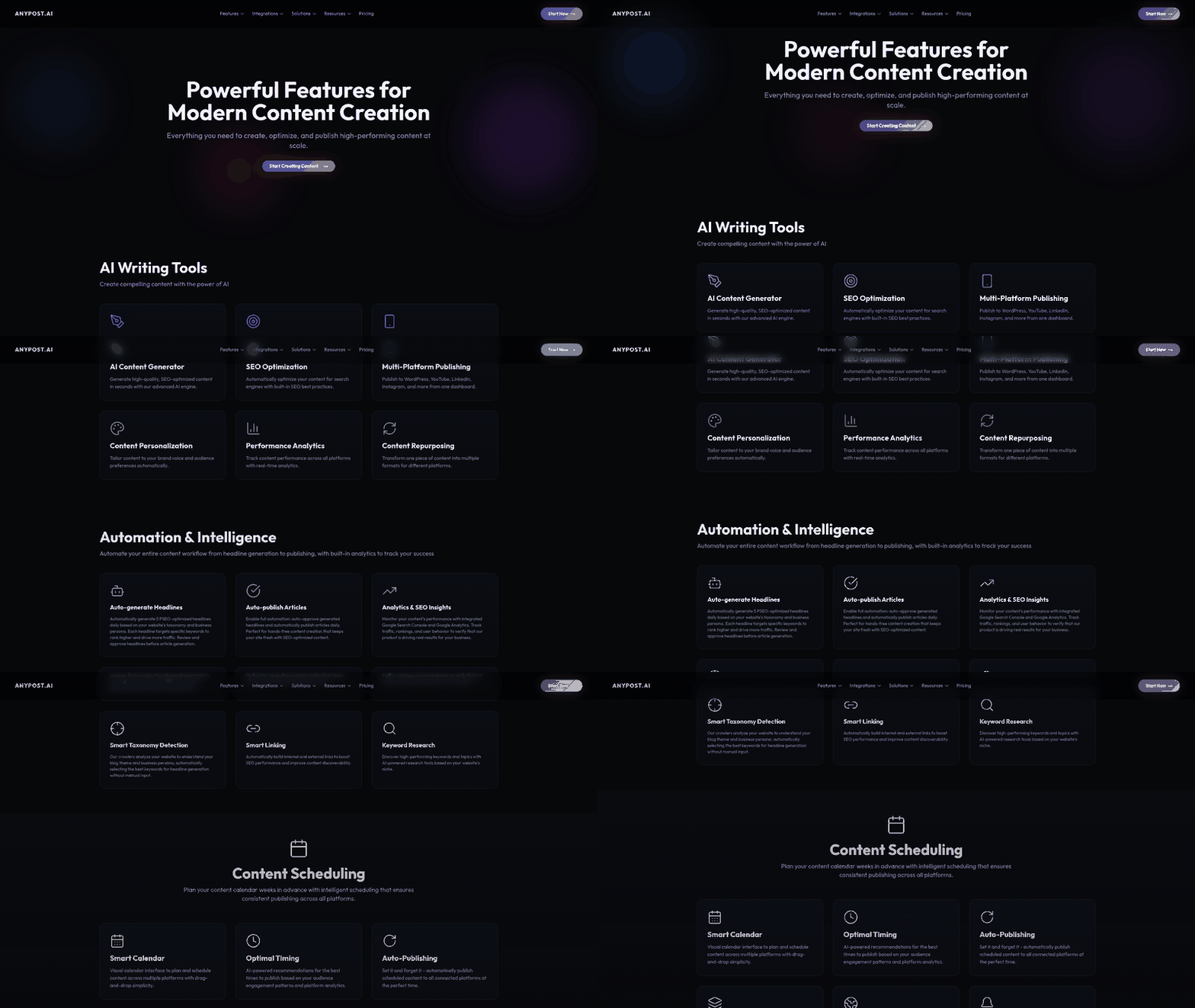
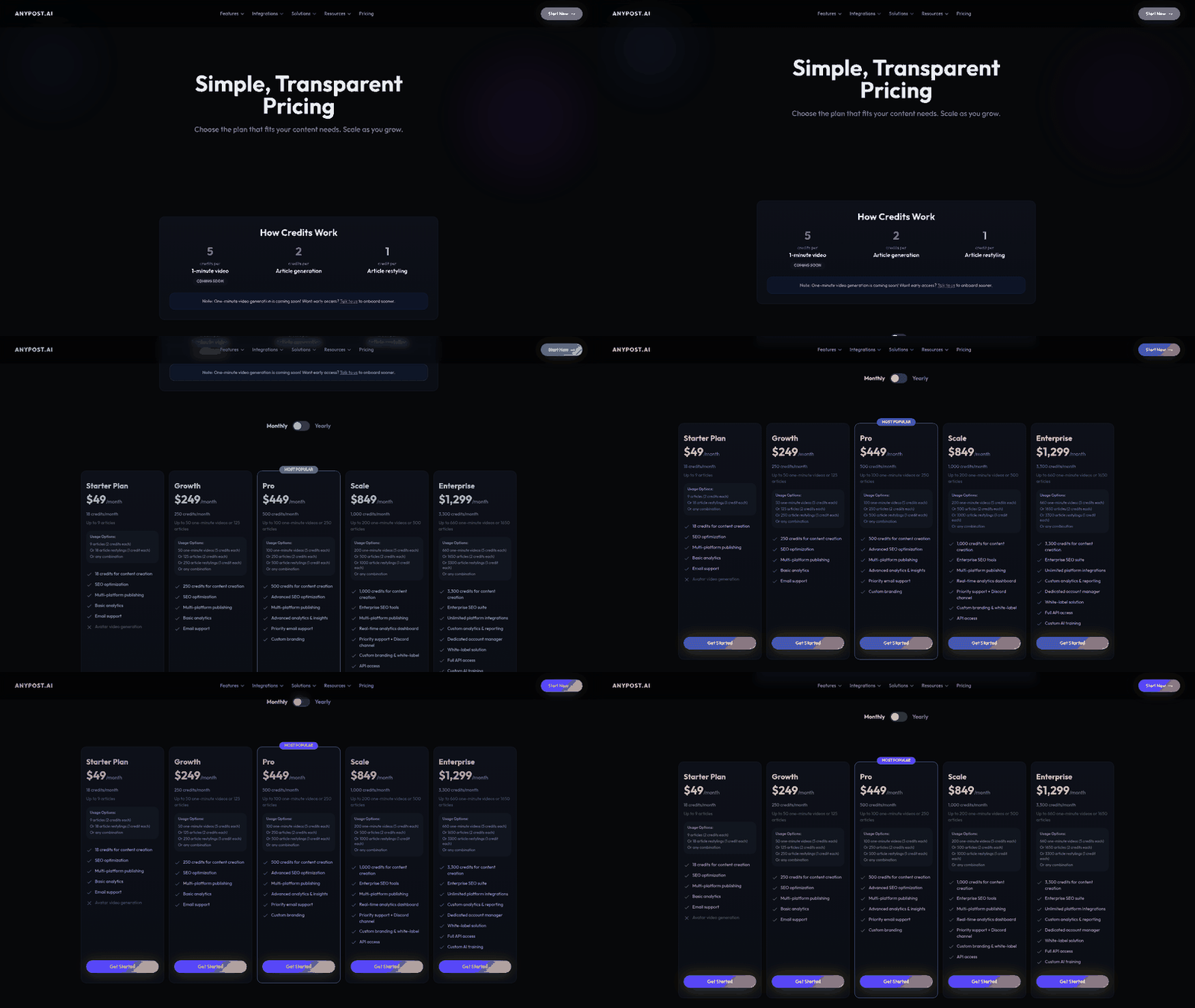
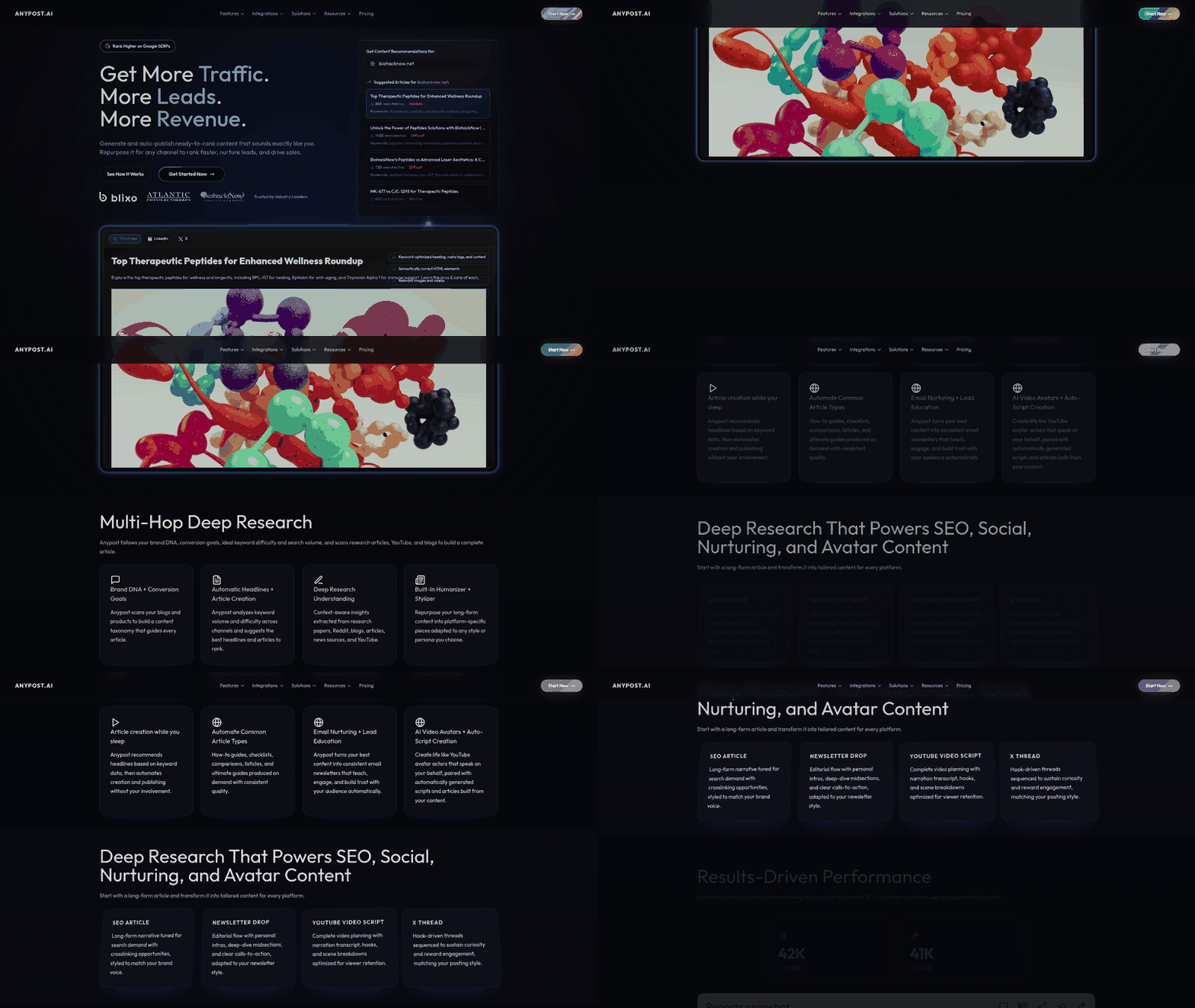
Automated content generation offers significant advantages for B2B lead generation, including scalability, time efficiency, and consistency. Generative AI-driven tools, as highlighted in [11], enable businesses to produce high-quality, tailored content rapidly, reducing manual effort while maintaining brand voice. This is particularly valuable for creating personalized cold emails, blog posts, and social media updates at scale, which are critical for engaging target audiences. By automating repetitive tasks, sales teams can focus on strategic outreach rather than content creation, aligning with the 2025 strategies outlined in [6]. Building on concepts from the Advanced Strategies section, this approach also supports data-driven decision-making and AI integration for optimized outcomes. Additionally, automation ensures consistent messaging across platforms, reinforcing brand credibility—a key factor in Q&A-driven credibility-building mentioned in [3].
Repurposing Content Across Channels
Repurposing content maximizes the value of existing assets while adapting them to suit platform-specific audiences. For X/Twitter, concise, data-driven snippets from longer-form content—such as blog statistics or Q&A highlights from Reddit threads [3]—can drive engagement and direct traffic to primary resources. See the Content Marketing Strategies section for more details on how tailored content formats enhance audience engagement. Newsletters benefit from curated collections of blog posts, case studies, and industry insights, as noted in [6], providing subscribers with actionable information while nurturing leads. YouTube scripts can be derived from blog content or webinar transcripts, leveraging existing research to create video tutorials or thought leadership pieces [11]. Blogs, in turn, can expand on social media discussions or whitepaper summaries, offering in-depth analysis that supports SEO efforts. This cross-channel strategy ensures a cohesive presence and reduces the need for redundant content creation.
Multi-Source Content Integration
Integrating content from multiple sources enhances lead generation by creating a unified narrative. For instance, chatbots [6] can gather FAQs from customer interactions, which are then repurposed into blog posts or Q&A sessions on platforms like Quora [3]. Similarly, insights from LinkedIn articles or webinar recordings can inform email campaigns, as suggested in [12], ensuring relevance across touchpoints. By centralizing data from these sources into a content repository, teams can identify high-performing topics and refine messaging. AI-driven tools [11] further streamline this process by analyzing engagement metrics to prioritize content for repurposing. This approach not only optimizes resource allocation but also strengthens lead nurturing pipelines through consistent, data-backed messaging.
Practical Steps for Implementation
- Audit Existing Content: Identify high-performing blogs, social posts, and whitepapers that align with core messaging [6].
- Automate Drafts: Use generative AI tools to create initial drafts for social media, email subject lines, or script outlines [11].
- Adapt for Platforms: Tailor content length and format—e.g., converting a blog into a YouTube script with visual cues or a Twitter thread with links [3].
- Incorporate Multi-Source Data: Integrate insights from chatbots, surveys, and Q&A platforms to inform new content [6][12].
- Track and Refine: Monitor engagement metrics across channels to identify which repurposed content drives the most leads [11].
By systematically repurposing and automating content, B2B teams can amplify their reach without proportional increases in workload. This strategy aligns with 2025-2026 trends emphasizing AI integration [6][11] and multi-channel consistency [3][12], ensuring businesses remain competitive in lead generation.
Section 5: Measuring and Optimizing Lead Generation Efforts
Measuring and optimizing B2B lead generation efforts is critical to ensuring alignment with business objectives and maximizing ROI. Tracking key metrics such as lead conversion rates, cost per lead (CPL), and lead-to-customer ratios provides actionable insights into campaign effectiveness [12]. For example, [14] highlights how AI-driven lead scoring systems quantify lead quality by analyzing engagement patterns, enabling teams to prioritize high-potential prospects. These metrics also reveal inefficiencies in the sales funnel, such as drop-off points during the qualification phase, which require targeted adjustments [12]. By establishing baselines for performance, organizations can systematically identify areas for improvement and validate the impact of strategic changes over time [14].
Leveraging Real-Time Analytics for Dynamic Optimization
Real-time analytics tools enable B2B teams to monitor lead generation performance continuously and adjust tactics without waiting for monthly or quarterly reports. [14] emphasizes the role of AI-powered dashboards in tracking live data, such as website traffic spikes or sudden declines in form submissions, allowing marketers to recalibrate campaigns swiftly. For instance, if a LinkedIn ad campaign shows a 20% drop in click-through rates (CTR) mid-campaign, real-time analytics can flag this issue, prompting an immediate A/B test of alternative ad copy or visuals [12]. Additionally, integrating CRM data with analytics platforms provides a unified view of lead behavior, such as which content assets drive the highest engagement [14]. This immediacy ensures resources are allocated to high-performing channels and strategies, reducing wasted spend on underperforming initiatives [12]. See the [Integrating Lead Generation with Sales and Marketing Funnel] section for more details on CRM integration.
Data-Driven Strategy Adjustments
Adjusting lead generation strategies based on empirical data minimizes guesswork and ensures scalability. [12] outlines a framework where teams review weekly metrics like form completion rates and demo request conversions to refine targeting criteria. For example, if leads from a specific industry segment exhibit a 40% lower conversion rate, teams can pivot content messaging or exclude that segment from future outreach [14]. Building on concepts from [Understanding Your Target Audience], this approach underscores the importance of aligning strategy with audience insights. Similarly, [14] notes that AI-driven lead scoring models can be retrained using historical conversion data to improve accuracy, ensuring sales teams focus on prospects with the highest likelihood of closing. Iterative testing of landing page layouts, email subject lines, and call-to-action (CTA) placements further refines conversion pathways [12]. This cyclical process of "measure, test, adjust" ensures strategies evolve in response to market dynamics rather than static assumptions [14].
A/B Testing as a Core Optimization Tool
A/B testing is indispensable for isolating variables and identifying optimal approaches in B2B lead generation. [14] demonstrates how testing two versions of a sales email—differing only in subject line wording—can reveal which phrasing drives a statistically significant increase in open rates. Similarly, [12] describes a case study where A/B testing of gated content (e.g., whitepapers vs. webinars) showed a 30% higher conversion rate for webinars among enterprise clients. See the [Content Marketing Strategies for Lead Generation] section for more examples of content formats tested in lead generation. Testing should extend to multi-channel campaigns, such as comparing paid social ads against SEO-driven organic traffic for lead volume and quality [14]. Crucially, [12] stresses the need to test one variable at a time (e.g., only the CTA button color) to ensure reliable conclusions. By institutionalizing A/B testing as part of the optimization workflow, teams can build a repository of validated best practices tailored to their audience [14].
Limitations and Practical Considerations
While the sources emphasize the value of data-driven optimization, they also caution against over-reliance on isolated metrics. [12] warns that a narrow focus on CPL might overlook long-term customer value, urging teams to balance short-term efficiency with strategic goals like market penetration. Additionally, [14] notes that AI-driven tools require high-quality training data to avoid biased lead scoring models, which can misallocate resources. Finally, both studies highlight the importance of cross-functional collaboration between marketing, sales, and analytics teams to ensure metrics are interpreted correctly and adjustments are implemented cohesively [12]. By combining rigorous measurement with contextual judgment, B2B organizations can sustainably optimize lead generation efforts in competitive markets.
Section 6: Advanced Strategies for B2B Lead Generation
Advanced B2B lead generation strategies leverage cutting-edge tools and data-driven approaches to maximize efficiency and targeting. One key area is the role of artificial intelligence (AI) in optimizing SEO trends. AI-driven tools analyze real-time search data to identify high-intent keywords and content gaps, enabling businesses to align their SEO efforts with the intent of potential buyers [11]. For example, generative AI can create dynamic, keyword-rich content tailored to specific audience segments, improving search visibility and driving targeted traffic [11]. See the [Leveraging Automated Content Generation and Repurposing] section for more details on how AI-driven content creation supports SEO efforts. Additionally, AI-powered analytics platforms track evolving SEO trends, such as voice search and semantic search patterns, to refine content strategies and outperform competitors [2]. By integrating AI into SEO workflows, companies can prioritize efforts that directly impact lead generation pipelines [11].
Personalization Strategies for Lead Generation
Personalization remains a cornerstone of effective B2B lead generation, with AI enhancing its precision. Advanced strategies involve using AI to segment audiences based on behavior, job role, and firmographics, allowing for hyper-targeted messaging. For instance, businesses can deploy AI-driven tools to personalize cold emails by dynamically inserting recipient-specific details, such as recent company achievements or industry challenges, increasing open and conversion rates [6]. Similarly, AI analyzes engagement data from past interactions to recommend personalized content, such as whitepapers or case studies, that resonate with individual leads [9]. This level of customization not only improves lead qualification but also strengthens buyer-seller relationships by addressing unique pain points [9]. However, successful implementation requires robust data collection and integration across CRM and marketing automation platforms [6].
Account-Based Marketing (ABM) in B2B Lead Generation
Account-based marketing (ABM) shifts focus from broad outreach to targeting high-value accounts with tailored strategies. ABM involves identifying priority accounts using criteria like revenue potential, industry alignment, and purchase readiness, then creating bespoke campaigns for each [2]. See the [Understanding Your Target Audience] section for foundational insights into defining audience segmentation. For example, a software company might develop industry-specific webinars or custom demos for a target enterprise, leveraging insights from the account’s digital footprint [4]. AI enhances ABM by predicting which accounts are most likely to convert based on historical data and behavioral patterns [14]. Tools like predictive analytics and intent data platforms help sales teams prioritize accounts and time their outreach for maximum impact [12]. ABM’s success hinges on collaboration between sales and marketing teams to align messaging and track account-specific KPIs [4]. When executed effectively, ABM drives higher conversion rates and reduces customer acquisition costs [12].
AI-Driven Predictive Lead Scoring
Predictive lead scoring uses AI to evaluate leads based on a combination of explicit data (e.g., job title, company size) and implicit data (e.g., website visits, email engagement). Machine learning models analyze historical conversion data to identify patterns and assign scores to leads, flagging high-potential prospects for immediate follow-up [14]. This approach minimizes reliance on manual lead qualification, which can be time-consuming and prone to bias [11]. For instance, an AI model might prioritize a lead who frequently visits pricing pages and downloads product sheets, even if they haven’t explicitly requested a demo [14]. Integration with CRM systems allows sales teams to access real-time lead scores and adjust outreach strategies dynamically [11]. Building on concepts from [Integrating Lead Generation with Sales and Marketing Funnel], this integration ensures seamless alignment between lead scoring and sales follow-up. By focusing efforts on the most promising leads, businesses improve sales productivity and shorten the sales cycle [14].
Synergizing Advanced Strategies
Combining AI-driven SEO, personalization, ABM, and predictive lead scoring creates a cohesive lead generation ecosystem. For example, AI-optimized SEO attracts high-intent traffic, which is then segmented and personalized using behavioral data, while ABM targets specific accounts with tailored content. Predictive scoring ensures sales teams prioritize leads most likely to convert, creating a feedback loop that refines strategies over time [11][14]. Businesses adopting these advanced tactics must invest in integrated technology stacks and cross-departmental collaboration to fully realize their potential [4]. As B2B buyers increasingly demand personalized, data-driven interactions, these strategies position companies to meet evolving expectations and outperform competitors [2].
Section 7: Integrating Lead Generation with Sales and Marketing Funnel
Integrating lead generation with the sales and marketing funnel is critical for ensuring a seamless transition from prospect engagement to conversion. This process requires aligning lead nurturing strategies with the stages of the buyer’s journey, as emphasized in B2B IT services research, which notes that targeted content delivery based on lead behavior improves conversion rates by up to 30% [12]. For example, leads in the awareness stage benefit from educational content like whitepapers, while those in the consideration phase require case studies or product comparisons [12]. As mentioned in the [Content Marketing Strategies for Lead Generation] section, such content forms a key part of lead engagement tactics. Marketing teams must coordinate with sales to define lead qualification criteria, ensuring that marketing-generated leads meet the specific needs of the sales team [14]. This alignment reduces friction between departments and minimizes the risk of leads falling through gaps in the process.
Lead Nurturing as a Bridge Between Marketing and Sales
Lead nurturing acts as a bridge between initial lead capture and sales engagement, particularly in complex B2B purchases where decision-making cycles are prolonged. Digital marketing strategies on LinkedIn highlight the importance of personalized email campaigns and social media engagement to maintain lead interest over time [13]. For instance, segmented email sequences tailored to a lead’s industry or pain points can increase response rates by 25% compared to generic outreach [13]. Additionally, nurturing workflows must include clear handoff points to sales, such as when a lead reaches a predefined engagement threshold (e.g., downloading multiple resources or attending a webinar) [14]. Research on AI-driven lead scoring further underscores the need for dynamic nurturing: machine learning models can predict which leads are most likely to convert, allowing marketers to prioritize high-potential prospects [14].
Aligning Lead Conversion with Sales Funnel Stages
Strategies for lead conversion must reflect the structure of the sales funnel to maximize efficiency. In B2B IT services, this involves mapping lead generation activities to specific sales stages, such as prospecting, qualification, and closing [12]. For example, during the qualification phase, sales teams rely on marketing automation tools to access real-time lead scoring data, which helps them focus on prospects with the highest intent to purchase [14]. Digital marketing frameworks also emphasize the role of LinkedIn in conversion, recommending tactics like retargeting ads for website visitors or using LinkedIn Sales Navigator to identify decision-makers [13]. Crucially, conversion strategies should include A/B testing of landing pages and call-to-action (CTA) buttons to optimize performance, as validated by B2B lead generation studies [12]. These tests ensure that marketing efforts directly support sales objectives without unnecessary complexity.
Marketing Automation’s Role in Funnel Integration
Marketing automation platforms are essential for integrating lead generation with the broader sales and marketing funnel. AI-driven lead scoring, as discussed in B2B sales funnel research, enables automated prioritization of leads based on engagement metrics like email opens, website activity, and form submissions [14]. This reduces manual effort for sales teams while ensuring they engage with qualified prospects at the right time [14]. LinkedIn-based strategies further leverage automation for lead capture, using tools like LinkedIn Lead Gen Forms to collect prospect information directly within the platform [13]. Building on concepts from [Leveraging Automated Content Generation and Repurposing], automation facilitates lead nurturing by triggering personalized workflows—such as follow-up emails or content recommendations—based on predefined rules [13]. However, automation must be paired with human oversight to avoid overly rigid processes; for example, sales representatives should periodically review lead scores to adjust for contextual factors not captured by algorithms [14].
Challenges and Best Practices for Funnel Integration
Despite its benefits, integrating lead generation with the sales funnel presents challenges, including misaligned KPIs between marketing and sales teams. To address this, B2B organizations should adopt shared metrics like sales-accepted lead (SAL) rates or lead-to-close ratios, as recommended in IT services research [12]. Another challenge is ensuring data consistency across platforms; marketing automation systems must sync with CRM tools to provide an accurate view of lead progress [14]. Best practices include regular interdepartmental reviews to refine lead scoring models and nurturing workflows [14]. For example, sales teams can provide feedback on which leads were most valuable, enabling marketers to adjust content strategies accordingly [12]. Finally, continuous optimization of the funnel requires analyzing conversion bottlenecks—for instance, using heatmaps to identify poorly performing landing pages or tracking drop-off points in lead forms [13]. See the [Measuring and Optimizing Lead Generation Efforts] section for more details on how to systematically address these bottlenecks. By combining data-driven insights with collaborative processes, B2B companies can create a cohesive funnel that drives sustainable lead generation.
Section 8: Best Practices and Future Directions in B2B Lead Generation
Best practices in B2B lead generation emphasize a combination of content-driven engagement, strategic platform utilization, and automation. Content marketing remains foundational, with whitepapers, webinars, blogs, and case studies serving as key tools to attract and qualify prospects [2][7]. See the [Section 3] section for more details on how these strategies can be optimized. Platforms like LinkedIn are critical for social selling, leveraging targeted ads and thought leadership to build credibility [2][7]. Personalization is equally vital—personalized cold emails and tailored messaging improve response rates, as noted in strategies from 2025 and 2026 [6]. Building on concepts from [Section 2], understanding audience preferences ensures effective personalization.
Future trends in B2B lead generation highlight the growing role of AI and generative tools. Generative AI-driven platforms are already automating lead scoring, sales funnel optimization, and even content creation, enabling hyper-personalized outreach [11][14]. As mentioned in the [Section 6] section, AI’s role in advanced lead generation strategies is expanding rapidly. Video content is also gaining traction, with platforms prioritizing video-based engagement to demonstrate product value and foster trust [15]. By 2026, AI-driven lead scoring systems will further refine targeting by analyzing behavioral data, ensuring resources are allocated to high-intent prospects [14]. Another emerging trend is the integration of interactive content—such as dynamic assessments or scenario-based simulations—to engage prospects and collect actionable data [9].
To stay ahead of competitors, businesses must adopt a multi-channel approach while prioritizing data-driven decision-making. Cross-channel strategies, including a mix of LinkedIn outreach, Google Ads, and referral programs, maximize visibility across buyer touchpoints [5][7]. Companies leveraging AI for predictive analytics can anticipate market shifts and adjust campaigns in real time [11]. Engaging with industry communities through forums or niche platforms also builds long-term trust, as evidenced by Reddit and Quora strategies [3]. Additionally, aligning sales and marketing teams to share insights ensures cohesive strategies that address both lead generation and conversion [4]. As highlighted in [Section 7], integration between sales and marketing funnels is critical for seamless lead progression.
Innovation underpins successful lead generation, particularly in adopting emerging technologies. AI-powered chatbots and virtual assistants not only improve lead response times but also collect valuable insights for refining messaging [6][14]. Tools like AI-driven lead scoring systems reduce manual effort while increasing accuracy in prioritizing prospects [14]. Video content, as highlighted in recent sales training materials, is becoming indispensable for showcasing solutions in a digestible format, especially for complex B2B offerings [15]. Finally, experimenting with hybrid models—such as blending paid ads with organic content—creates scalable, adaptable strategies that align with evolving buyer preferences [2][9].
By integrating these best practices and embracing innovation, businesses can future-proof their lead generation efforts while maintaining a competitive edge in the B2B landscape.
References
[1] What is B2B lead generation? 15 proven strategies for growth - https://www.zendesk.com/blog/b2b-lead-gen/
[2] 9 Tips to Boost B2B Lead Generation in 2026 - https://www.dealfront.com/blog/tips-to-generate-b2b-leads
[3] Favorite B2B lead generation strategies? : r/SEO - https://www.reddit.com/r/SEO/comments/176nrrh/favorite_b2b_lead_generation_strategies/
[4] B2B Sales Strategy: A 2026 Top Guide to Success | Leadfeeder - https://www.leadfeeder.com/blog/b2b-lead-generation-strategies-and-tactics/
[5] The 32 Best Ways to Generate More B2B Sales Leads | AdRoll - https://www.adroll.com/blog/b2b-sales-leads-32-best-ways-to-generate-leads
[6] 35 Proven Strategies for B2B Sales Lead Generation in 2025 - https://www.unboundb2b.com/blog/generate-b2b-sales-leads/
[7] 10 Expert-Approved B2B Lead Generation Strategies - https://www.wordstream.com/blog/ws/2019/10/17/b2b-lead-generation
[8] What is B2B Lead Generation? | Cognism - https://www.cognism.com/what-is-b2b-lead-generation
[9] 37 B2B Lead Generation Strategies that Work | Sendoso - https://www.sendoso.com/demand-generation/b2b-lead-generation-strategies
[10] We're struggling with our B2B lead generation strategies. We've tried ... - https://www.reddit.com/r/LeadGeneration/comments/1foblv8/were_struggling_with_our_b2b_lead_generation/
[11] (PDF) The Future of B2B Sales: How Generative AI-Driven Tools are ... - https://www.researchgate.net/publication/381924489_The_Future_of_B2B_Sales_How_Generative_AI-Driven_Tools_are_Changing_the_Game
[12] Lead generation IN B2B sales of IT services: strategies and digital ... - https://www.researchgate.net/publication/393556598_Lead_generation_IN_B2B_sales_of_IT_services_strategies_and_digital_tools
[13] (PDF) Digital Marketing on LinkedIn: In-Depth Strategies for Lead ... - https://www.researchgate.net/publication/380433146_Digital_Marketing_on_LinkedIn_In-Depth_Strategies_for_Lead_Generation
[14] (PDF) Enhancing B2B Sales Funnels with AI-Driven Lead Scoring ... - https://www.researchgate.net/publication/387668395_Enhancing_B2B_Sales_Funnels_with_AI-Driven_Lead_Scoring_Models
[15] 7 Keys to Lead Generation & Sales Prospecting for Business Development and B2B Sales by Patrick Dang - https://www.youtube.com/watch?v=fFzJ-cq5VOg
Frequently Asked Questions
1. What is the most effective way to generate high-quality B2B leads for a SaaS business?
The most effective strategies combine targeted content marketing (e.g., blogs, whitepapers, and webinars), SEO-optimized landing pages, and personalized outreach. For SaaS companies, leveraging freemium models or demo sign-ups as lead magnets is critical. Additionally, using LinkedIn Sales Navigator or Boolean search to identify decision-makers in specific industries ensures your outreach reaches the right audience. Tools like HubSpot or CRM platforms can help track engagement and nurture leads through automated email campaigns.
Q: How can B2B companies overcome low response rates in cold outreach?
A: To improve cold outreach success, focus on hyper-personalization. Research the recipient’s company and role to tailor your message, and reference recent achievements or pain points they’ve publicly shared. Use concise, value-driven pitches (e.g., “I noticed [Company] is struggling with [specific issue]—here’s how our [Solution] can help”). Follow up strategically with different angles (e.g., social proof or time-sensitive offers) rather than repetitive requests.
Q: Why is marketing-sales alignment crucial in B2B lead generation?
A: Misalignment often leads to wasted resources and poor conversion rates. Marketing teams might define “qualified” leads differently from sales, causing friction. To align them, co-create lead scoring models based on shared criteria (e.g., budget, authority, need, timeline). Regular sync meetings and shared dashboards ensure both teams understand lead quality and prioritize the same high-value prospects.
Q: What role does content marketing play in B2B lead generation?
A: Content marketing builds trust and positions your brand as an authority. Publish case studies, industry-specific guides, and problem-solution content to attract decision-makers. For SaaS, interactive content like ROI calculators or competitor comparison tools can generate high-intent leads. Repurpose blog posts into social media snippets or video tutorials to maximize reach.
Q: How do you measure the success of a B2B lead generation campaign?
A: Track metrics like lead-to-customer conversion rate, cost per lead (CPL), and customer acquisition cost (CAC). For SaaS, monitor metrics like monthly recurring revenue (MRR) from new leads and lead lifetime value (LTV). Tools like Google Analytics and CRM dashboards can help analyze traffic sources, engagement rates, and lead behavior to refine strategies.
Q: What are common mistakes to avoid in B2B lead generation?
A: Avoid generic outreach, over-reliance on self-serving tools without human follow-up, and neglecting post-purchase nurturing. Many SaaS companies also fail to segment their audience, leading to irrelevant messaging. Instead, use data to identify high-potential accounts and tailor your approach. Regularly audit your lead generation funnel for bottlenecks, such as poorly optimized landing pages or unclear call-to-actions.
Q: How can B2B companies leverage social media for lead generation?
A: Focus on platforms where decision-makers are active, such as LinkedIn. Engage with prospects by commenting on their posts, sharing industry insights, and joining relevant groups. Use LinkedIn Sales Navigator to find leads based on job titles or keywords. Short-form video content (e.g., TikTok or YouTube Shorts) can explain complex solutions in digestible ways, while Twitter (X) is useful for real-time engagement and thought leadership.