
Best SEO Automation Platforms: Google RankBrain Insights

Introduction to SEO Automation Platforms
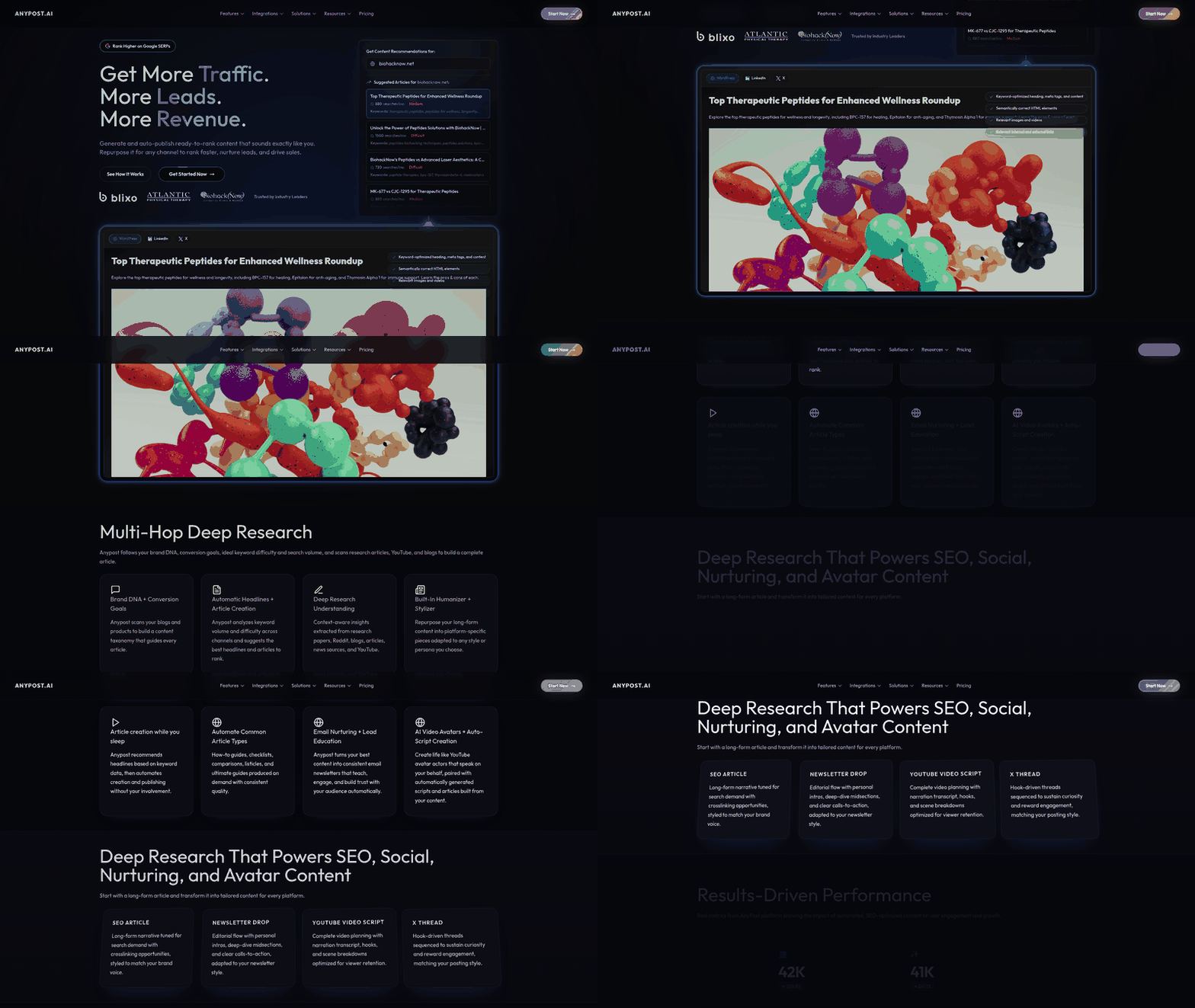
SEO automation platforms integrate AI and machine learning to streamline tasks like keyword research, on-page optimization, and backlink analysis, enhancing efficiency in content marketing [1][8]. These tools leverage algorithms such as Google’s RankBrain to adapt to evolving search trends, enabling businesses to maintain competitive visibility in dynamic digital landscapes [5][6]. As AI-driven technologies mature, industry trends highlight a shift toward predictive analytics and automated content optimization, reducing reliance on manual processes [2][5]. For example, platforms utilizing AI agents can forecast SEO trends and adjust strategies proactively, aligning with Google’s emphasis on semantic understanding and user intent [5][9]. This evolution underscores the growing importance of automation in addressing the scalability challenges of modern SEO campaigns [11].
Industry Trends in SEO Automation
The integration of AI into SEO tools has accelerated, with platforms now offering capabilities like real-time performance monitoring and automated query submissions to Google [1][7]. Tools such as n8n and GPT-powered systems exemplify this trend, enabling workflows that combine AI-generated content with structured SEO audits [9][11]. See the Top SEO Automation Platforms for Content Marketing section for more details on platforms like n8n. Additionally, outreach automation tools like Pitchbox and Respona demonstrate the industry’s focus on reducing manual effort in link-building campaigns [6]. Recent advancements also emphasize hybrid models, where AI handles data-intensive tasks while human strategists refine creative and contextual elements [2]. These trends reflect a broader shift toward AI-augmented workflows, balancing automation with strategic oversight [8].
Benefits for Content Marketing
SEO automation platforms improve content marketing efficiency by accelerating keyword research, on-page optimization, and performance tracking [1][8]. For instance, automated tools can analyze competitors’ strategies and generate data-driven recommendations for content improvements [5]. AI agents further enhance this by forecasting keyword trends and optimizing metadata in real time, aligning with RankBrain’s emphasis on contextual relevance [5][6]. As mentioned in the Google RankBrain Insights for SEO Optimization section, RankBrain’s ability to interpret user intent is critical for ensuring content aligns with search algorithms. By reducing the time required for repetitive tasks, these platforms allow marketers to focus on high-impact activities like audience engagement and brand positioning [2]. Moreover, automation tools provide actionable insights through dashboards, enabling teams to monitor SEO performance across multiple channels [1]. This scalability is critical for enterprises managing large content inventories or competing in high-volume niches [6].
| Title | Description | Key Features | Pros | Cons |
|---|---|---|---|---|
| AI-Powered Keyword Research Tools | Automate discovery of high-intent keywords and competitor analysis. | Trend forecasting, semantic clustering, SERP analysis | Saves time; identifies niche opportunities | Requires periodic human validation |
| On-Page SEO Automation Platforms | Optimize metadata, headers, and content structure for search engines. | Real-time suggestions, content scoring, RankBrain integration | Improves technical SEO; aligns with Google updates | May overlook nuanced editorial decisions |
| Outreach Automation Tools | Streamline link-building through automated email campaigns and prospecting. | Template libraries, performance tracking, CRM sync | Increases link-building volume; reduces manual effort | Needs customization for higher engagement rates |
| AI Agents for Content Optimization | Use machine learning to generate and refine content based on SEO metrics. | Predictive content scoring, semantic alignment checks | Enhances relevance and freshness | Initial setup complexity; dependency on training data |
The Role of Human Strategy in Automation
While AI-driven platforms enhance scalability, sources emphasize that human oversight remains critical for aligning technical SEO with brand voice and user experience [2]. For example, RankBrain’s ability to interpret user intent still requires marketers to contextualize data and prioritize strategic decisions [1][6]. Building on concepts from the Best Practices for Implementing SEO Automation Platforms section, even fully automated workflows need periodic audits to ensure alignment with business goals [9]. This hybrid approach—combining automation for efficiency with human creativity—provides the most effective SEO strategy in 2025 [5]. By leveraging automation for repetitive tasks, teams can redirect resources toward innovation and audience engagement [8].
Top SEO Automation Platforms for Content Marketing
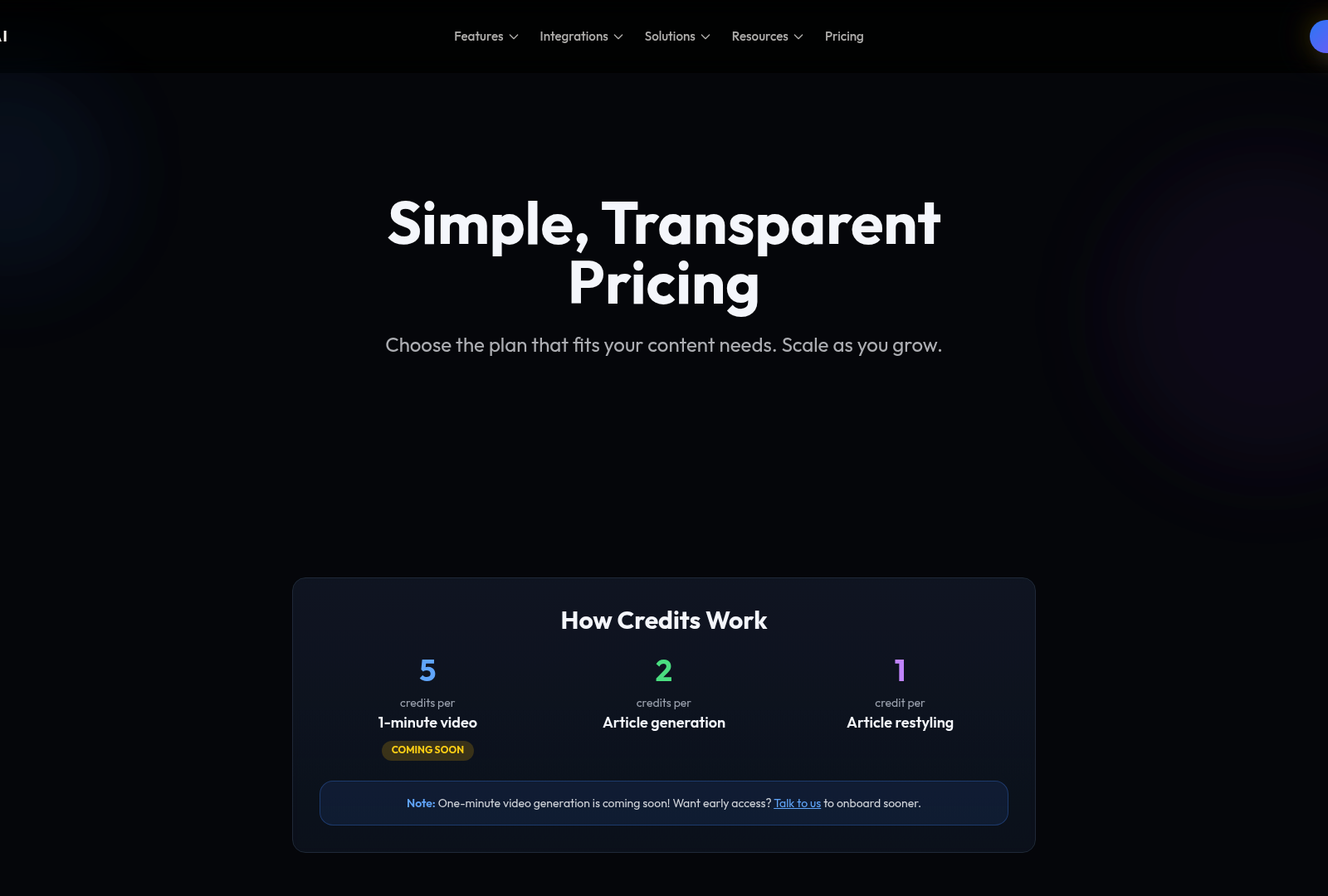
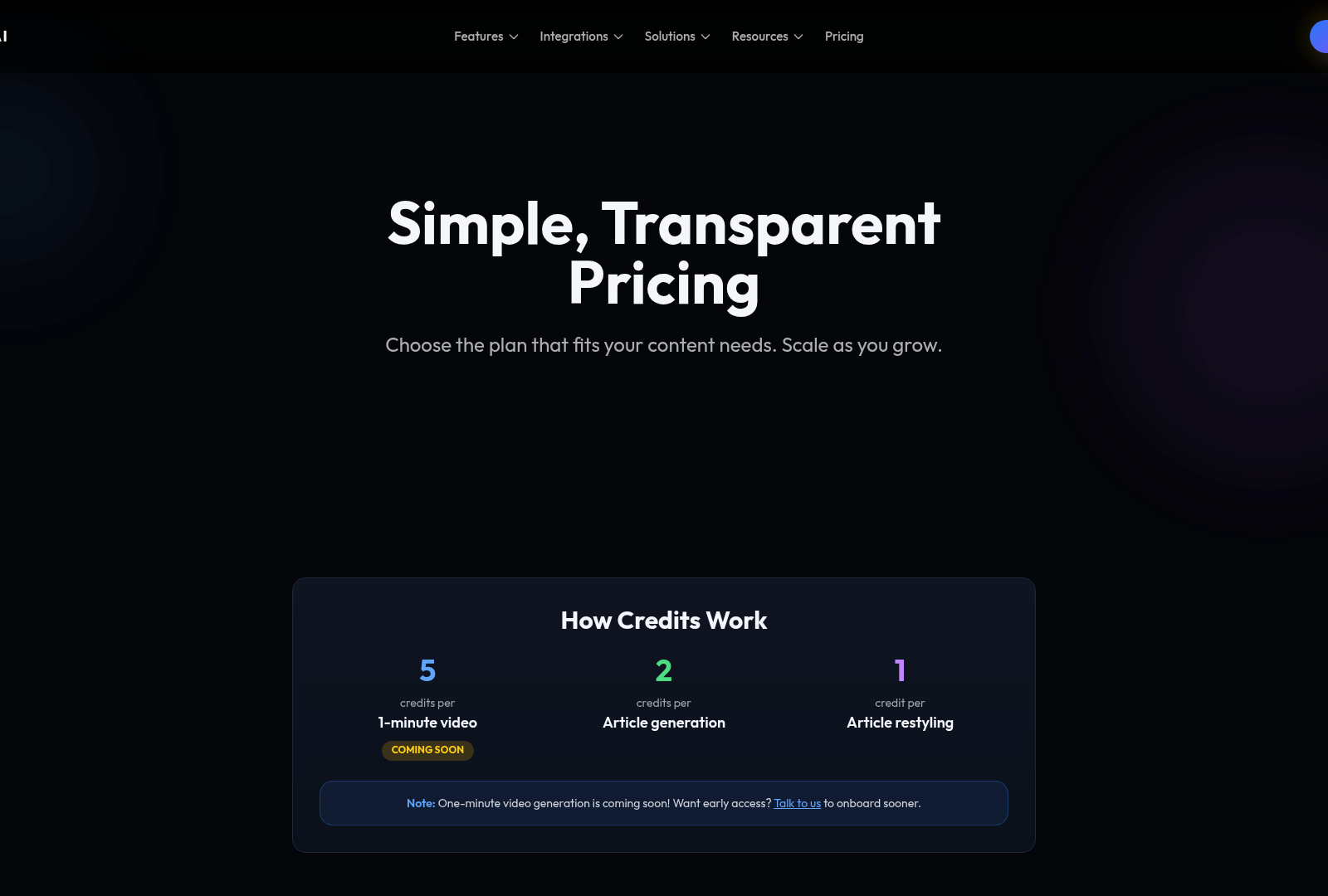
When evaluating SEO automation platforms for content marketing, three tools stand out for their integration with AI-driven workflows and user-centric design: n8n, Make (Integromat), and Pitchbox. These platforms leverage automation to streamline tasks like content generation, outreach, and performance tracking, aligning with Google RankBrain’s emphasis on semantic relevance and user intent [6]. As mentioned in the Google RankBrain Insights for SEO Optimization section, these strategies are critical for adapting to evolving search algorithms.
n8n: AI-Powered Workflow Automation
n8n is a no-code automation tool that integrates with AI agents for content creation and optimization, as demonstrated in user-built workflows for daily SEO article publishing [10]. Key features include customizable workflows using nodes (e.g., AI content generation, keyword research), compatibility with tools like Surfer SEO and Ahrefs, and support for RankBrain-optimized semantic analysis [8]. See the Automated Content Generation and Repurposing section for more details on how AI-driven tools enhance semantic alignment. Users praise its flexibility for complex automation, though some note a steeper learning curve for advanced configurations [11].
Key Features:
- AI agent integration for semantic content optimization
- Customizable workflows with 1,000+ app integrations
- Free tier with 100 monthly workflow runs; paid plans start at $39/month
Pros/Cons:
- Pros: Open-source, scalable for large teams, supports RankBrain-aligned strategies [8].
- Cons: Limited built-in SEO tools; requires third-party integrations for full functionality [11].
User reviews highlight its cost-effectiveness for small teams, though enterprise users may need dedicated training resources [11].
Make (Integromat): End-to-End Content Automation
Make specializes in connecting apps and automating repetitive tasks, such as publishing blog posts or tracking keyword rankings. Its integration with AI tools like Jasper and Surfer SEO enables RankBrain-compliant content workflows [6]. Users appreciate its visual interface and pre-built templates for SEO tasks, though pricing transparency is a common critique [8].
Key Features:
- Pre-built SEO automation templates (e.g., content calendar sync)
- AI-powered keyword research and competitor analysis
- Free tier available; business plans start at $49/month
Pros/Cons:
- Pros: User-friendly, extensive app network, real-time analytics dashboards [6].
- Cons: Higher-tier plans required for advanced AI features; customer support delays reported [8].
A 2023 review noted its effectiveness in reducing manual outreach efforts by 40%, though customization requires intermediate technical skills [8].
Pitchbox: Outreach and Backlink Automation
Pitchbox focuses on automating link-building campaigns, a critical factor for RankBrain’s evolving algorithm [6]. Its features include email outreach automation, influencer identification, and backlink tracking. Users highlight its ability to personalize pitches at scale, though some note limited AI-driven content suggestions compared to competitors [8].
Key Features:
- Bulk outreach with customizable email templates
- Competitor backlink analysis and tracking
- Pricing starts at $79/month for teams
Pros/Cons:
- Pros: Integrates with Google Search Console, reduces manual outreach time by 50% [6].
- Cons: Steeper pricing for advanced analytics; lacks native AI content generation [8].
A 2025 case study showed a 30% increase in backlink acquisition for users combining Pitchbox with n8n workflows [10]. See the Multi-Channel Content Distribution and Promotion section for insights on integrating outreach with broader content strategies.
Summary Table
| Title | Description | Key Features | Pros/Cons |
|---|---|---|---|
| n8n | No-code workflow automation with AI content tools | AI semantic analysis, 1,000+ integrations | Pros: Open-source, scalable; Cons: Requires third-party SEO tools [11] |
| Make | End-to-end automation for content creation and performance tracking | Pre-built SEO templates, real-time analytics | Pros: User-friendly; Cons: Limited native AI features [6] |
| Pitchbox | Outreach and backlink automation with competitor analysis | Bulk email outreach, backlink tracking | Pros: High outreach efficiency; Cons: No AI content generation [8] |
Recommendations
For teams prioritizing AI-driven content workflows, n8n and Make offer robust flexibility, while Pitchbox excels in outreach automation. Users should evaluate their budget and technical needs: n8n’s free tier suits startups, while Make’s templates benefit mid-sized teams. Enterprise users may combine these tools, as shown in multi-tool workflows for RankBrain optimization [10].
Critically, all platforms rely on external AI tools (e.g., Surfer SEO, Jasper) for full RankBrain alignment, underscoring the need for integrated ecosystems [8]. Building on concepts from the Best Practices for Implementing SEO Automation Platforms section, future updates may expand native AI features, but current functionality remains dependent on multi-platform synergy.
Google RankBrain Insights for SEO Optimization
Google RankBrain is a machine learning-based algorithm developed by Google to enhance search result rankings by interpreting user intent and contextual relevance [3]. Introduced as part of Google’s core algorithm, it processes search queries, identifies patterns, and delivers more accurate results compared to traditional keyword-matching systems [1][7]. Unlike static algorithms, RankBrain continuously evolves by analyzing user behavior, such as click-through rates and dwell time, to refine its understanding of search intent [3][5]. This dynamic nature means SEO strategies must prioritize semantic relevance and user-centric content over keyword density alone [6].
RankBrain’s Impact on SEO Optimization
RankBrain influences SEO by prioritizing content that aligns with user intent and contextual signals over rigid keyword optimization. For example, it evaluates whether a webpage addresses a query comprehensively, even if it doesn’t include exact-match keywords [3][6]. This shift necessitates a focus on creating high-quality, intent-driven content that answers user questions effectively [5]. Additionally, RankBrain’s integration with AI tools like Google’s natural language processing models allows it to interpret complex or ambiguous queries more accurately, further emphasizing the need for semantic SEO strategies. See the Introduction to SEO Automation Platforms section for more details on how AI-driven tools support semantic optimization [2][8].
Optimization Strategies for RankBrain
To align with RankBrain’s priorities, SEO professionals must adopt strategies that emphasize user experience and contextual relevance. One approach is optimizing for user intent and contextual relevance, which involves analyzing search queries to determine whether users seek information, navigation, or transactions [5][6]. Tools like Google Search Console and AI-driven content analyzers can help identify intent patterns and gaps in existing content [1][8].
Another strategy is leveraging AI-driven SEO tools to automate tasks such as keyword research, content optimization, and backlink analysis. For instance, platforms powered by machine learning can identify semantically related keywords and suggest topic clusters that align with RankBrain’s emphasis on context. As mentioned in the Top SEO Automation Platforms for Content Marketing section, tools like n8n and Make streamline these workflows while enhancing contextual relevance [4][8]. These tools also assist in refining meta tags, headers, and content structure to improve readability and relevance [4].
Automating Technical SEO Audits
Technical SEO remains critical for RankBrain optimization. Automated tools can identify crawl errors, broken links, and site speed issues that impact user experience—a key ranking factor for RankBrain [1][4]. For example, AI-powered audit platforms streamline tasks like mobile responsiveness checks and structured data implementation, ensuring technical barriers don’t hinder rankings [4]. However, while automation improves efficiency, human oversight is still required to interpret nuanced issues like content quality and user engagement metrics. Building on concepts from the Best Practices for Implementing SEO Automation Platforms section, balancing AI-driven automation with human expertise ensures optimal technical and content performance [2][8].
Automated Content Generation and Repurposing
Automated content generation and repurposing have become critical components of modern SEO strategies, leveraging AI-driven tools to streamline workflows while aligning with Google’s evolving algorithms like RankBrain. These systems enable businesses to produce scalable, data-informed content while reducing manual effort. AI-powered platforms such as GPT-based tools and automated keyword research systems refine SEO strategies by identifying high-intent topics and optimizing content structure [2]. Additionally, tools like Google’s RankBrain analyze user intent and search patterns, providing insights that inform automated content creation processes [4]. By integrating these technologies, marketers can address technical SEO gaps, such as meta tag optimization and internal linking, while maintaining consistency across platforms [6].
Automated Content Generation Tools
AI-driven content generation tools are reshaping how businesses approach SEO, offering rapid production of blog posts, product descriptions, and social media content. Platforms like n8n, highlighted in case studies, demonstrate how automation workflows can combine AI agents with no-code interfaces to generate and publish content at scale [9]. See the Top SEO Automation Platforms for Content Marketing section for more details on n8n’s capabilities and workflow integration [10]. For instance, one workflow uses n8n to trigger AI agents for keyword research, draft creation, and performance tracking, achieving a #1 Google ranking for a low-cost campaign [11]. Similarly, tools like Pitchbox and Respona automate outreach and link-building efforts, ensuring content gains visibility through targeted backlinks [6]. These systems rely on RankBrain’s ability to interpret semantic context, allowing generated content to align with user intent rather than keyword stuffing [2].
Key Tools and Capabilities
| Title | Description | Key Features | Pros/Cons |
|---|---|---|---|
| n8n | Workflow automation platform integrating AI agents for content creation [9][10]. | AI content generation, keyword research, scheduling. | Pros: Scalable, cost-effective. Cons: Requires initial workflow setup. |
| Pitchbox/Respona | Outreach automation tools for link-building and guest posting [6]. | Email automation, prospect list curation, analytics. | Pros: Saves time on outreach. Cons: May require manual follow-ups. |
| Technical SEO Auditors | AI-driven tools for crawlability and on-page optimization [4]. | Site audits, broken link detection, content gap analysis. | Pros: Identifies technical issues. Cons: Limited to technical scope. |
Content Repurposing Strategies
Repurposing existing content into new formats maximizes ROI while catering to diverse audience preferences. AI tools facilitate this by transforming blog posts into infographics, social media snippets, or video scripts. For example, n8n workflows can split long-form content into social media posts using AI summarization, ensuring consistency in messaging [10]. Additionally, RankBrain’s emphasis on semantic relevance allows repurposed content to maintain alignment with search intent, even when restructured [4]. See the Google RankBrain Insights for SEO Optimization section for deeper analysis of how RankBrain influences semantic relevance [3]. Tools like automated keyword research platforms further enhance repurposing by identifying underperforming content for updates [8]. This approach reduces redundancy while improving search visibility, as seen in campaigns repurposing evergreen articles into video content for higher engagement [6].
Limitations and Human Oversight
While automation accelerates content production, sources emphasize the necessity of human oversight. AI-generated content may lack nuance or brand-specific tone, requiring editorial review [2]. Building on concepts from the Best Practices for Implementing SEO Automation Platforms section, strategic input from SEO professionals is vital to adapt automated systems to algorithmic shifts like those in RankBrain [8]. Furthermore, tools like n8n require configuration to avoid errors in workflows, such as incorrect keyword targeting [11]. Combining AI efficiency with human creativity ensures content remains both technically optimized and engaging, a balance critical for sustaining rankings in competitive niches [4].
By integrating automated content generation with strategic repurposing, businesses can meet Google’s evolving standards while maintaining operational efficiency. Platforms leveraging RankBrain’s insights, alongside AI agents and no-code automation, provide a scalable framework for SEO success, though they demand careful implementation to avoid pitfalls like over-automation or semantic misalignment [2][6].
Multi-Channel Content Distribution and Promotion
Multi-channel content distribution and promotion are critical for maximizing the visibility of SEO-optimized content, particularly in an AI-driven landscape where algorithms like Google RankBrain prioritize relevance and engagement signals across platforms [6]. By leveraging social media, email newsletters, and YouTube, marketers can amplify reach while reinforcing topical authority, a factor RankBrain evaluates to contextualize content [3]. Automation tools such as Pitchbox and Respona streamline outreach efforts, enabling targeted distribution to niche audiences without manual intervention [6]. This approach not only conserves resources but also ensures consistency in messaging, which is vital for maintaining SEO coherence across fragmented digital ecosystems [6]. As mentioned in the Google RankBrain Insights for SEO Optimization section, RankBrain’s focus on contextual relevance directly influences how multi-channel strategies should be structured to align with evolving search priorities [3].
Benefits of Multi-Channel Distribution
Distributing content across multiple channels increases the likelihood of organic discovery, as each platform attracts distinct user behaviors and traffic patterns [6]. For example, YouTube’s algorithm favors video content with high watch time, while social media platforms prioritize posts that generate rapid engagement like shares and comments. RankBrain interprets these engagement metrics to refine search rankings, making multi-channel promotion a direct lever for improving visibility [3]. Additionally, cross-platform distribution reduces dependency on a single traffic source, mitigating risks from algorithmic shifts in any one domain [6]. Tools like AI-generated content optimization further enhance efficiency by tailoring messaging to align with platform-specific audience preferences [6]. See the Automated Content Generation and Repurposing section for more details on how AI tailors content for different platforms [11].
Channel-Specific Strategies
Social media platforms require concise, visually engaging content to capture attention within fleeting scroll sessions. Automation tools integrate with platforms like LinkedIn and Twitter to schedule posts at optimal times, leveraging historical data to predict peak engagement [6]. Email newsletters, in contrast, demand personalized, in-depth content that nurtures long-term relationships; segmentation tools powered by AI can categorize subscribers based on behavior, ensuring hyper-relevant messaging [6]. For YouTube, success hinges on optimizing video metadata (e.g., titles, descriptions) with keywords identified by RankBrain, while AI-driven analytics tools track viewer retention to refine future content [6]. Each channel’s unique requirements necessitate tailored workflows, which automation platforms like N8N can orchestrate using pre-built integrations [9]. Building on concepts from the Top SEO Automation Platforms for Content Marketing section, these tools demonstrate how automation adapts to platform-specific workflows [9].
Metrics for Tracking Success
Key performance indicators (KPIs) must align with the objectives of each distribution channel. For social media, metrics like share rate and sentiment analysis provide insights into audience resonance, while email campaigns prioritize open and conversion rates [6]. YouTube analytics focus on watch time and click-through rates (CTRs) from search results, both of which RankBrain uses to assess content quality [3]. Automation tools such as Respona generate reports on outreach campaign efficacy, measuring response rates and link acquisition success [6]. By consolidating these metrics into a unified dashboard, marketers can identify underperforming channels and reallocate resources dynamically [6].
Summary Table
| Title | Description | Key Features | Pros/Cons |
|---|---|---|---|
| Pitchbox | Outreach automation tool for managing guest posting and backlink campaigns [6]. | AI-driven prospecting, email tracking, collaboration workflows. | Pros: Scales link-building efforts. Cons: Limited customization for niche niches. |
| Respona | Social listening and engagement platform [6]. | Sentiment analysis, automated response generation, multi-platform integration. | Pros: Enhances real-time engagement. Cons: Steeper learning curve for setup. |
| N8N + AI Agent | Workflow automation for SEO tasks [9][11]. | Node-based workflow builder, integrates with Google Analytics and YouTube API. | Pros: Customizable for multi-channel workflows. Cons: Requires technical configuration. |
| RankBrain Optimization | AI-driven keyword and content strategy alignment [3][6]. | Semantic analysis of search intent, content gap identification. | Pros: Improves relevance for RankBrain. Cons: Dependent on quality of training data. |
By integrating these tools and strategies, SEO professionals can create a cohesive multi-channel distribution system that aligns with RankBrain’s emphasis on contextual relevance and user engagement [3][6]. Automation not only accelerates execution but also ensures that content remains adaptable to evolving algorithmic priorities [6].
Real-Time Analytics and Performance Tracking
Real-time analytics play a critical role in evaluating the effectiveness of SEO automation platforms and content marketing strategies. By continuously monitoring performance metrics, marketers can adapt to algorithmic updates like Google RankBrain [1] and refine campaigns based on live data [6]. For instance, RankBrain’s machine learning model prioritizes user intent and semantic context, requiring real-time adjustments to on-page SEO elements such as keyword placement and content relevance [1]. Tools like Google Analytics and Search Console are explicitly recommended for tracking how automation-driven changes impact organic traffic, bounce rates, and click-through rates [1]. These platforms enable teams to identify underperforming pages or content gaps within hours rather than weeks, ensuring alignment with RankBrain’s evolving ranking criteria [1]. See the Google RankBrain Insights for SEO Optimization section for more details on how RankBrain interprets user intent and contextual relevance [3].
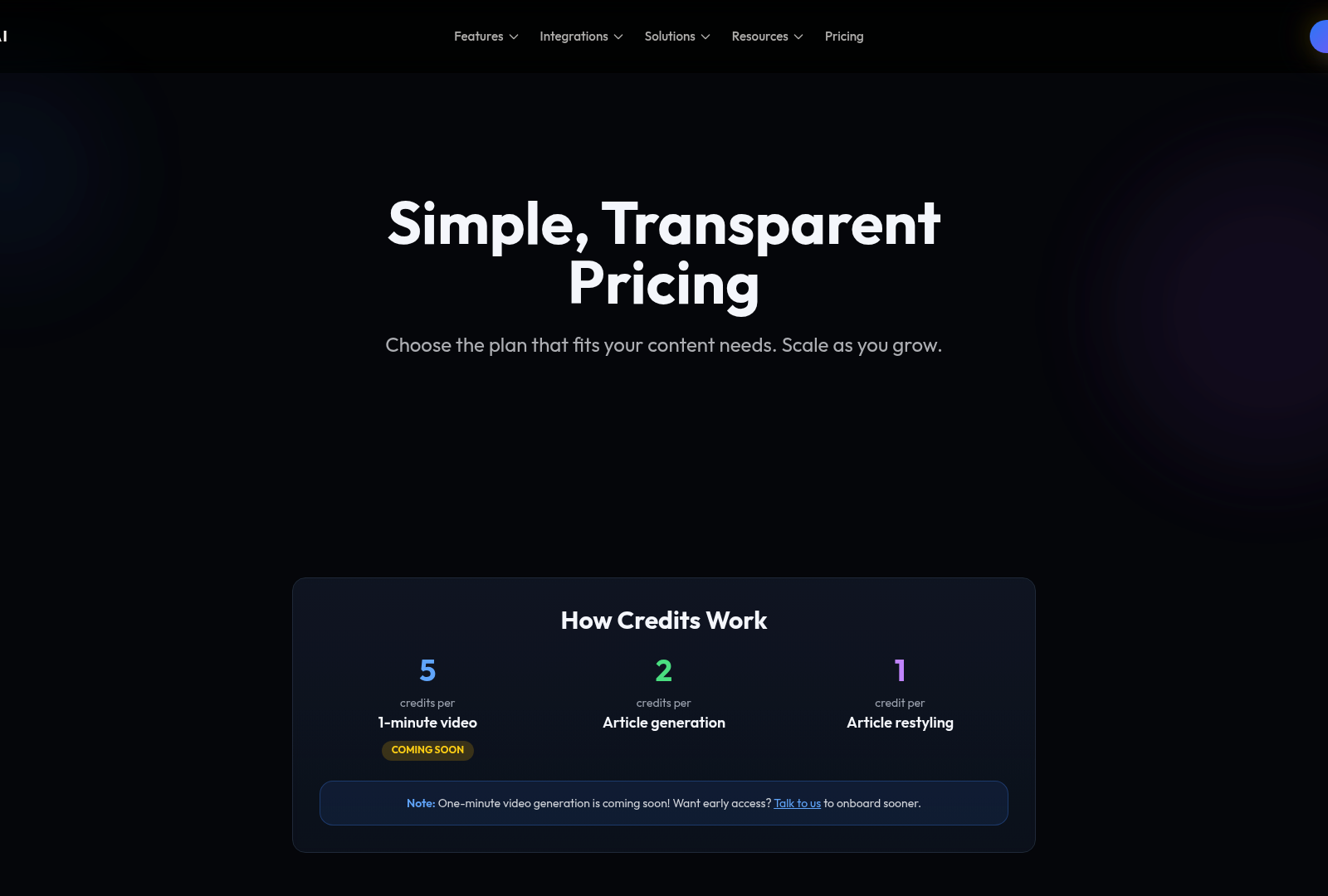
Key Metrics for SEO Automation Performance
The most critical metrics for real-time tracking include organic traffic trends, keyword ranking fluctuations, and user engagement indicators such as bounce rate and session duration [1]. For example, RankBrain’s emphasis on contextual understanding means that content must not only target keywords but also maintain high engagement, making metrics like pages per session essential [1]. Additionally, technical SEO metrics—such as site speed, mobile usability, and crawl errors—should be monitored to ensure automation tools do not inadvertently deploy low-quality content [4]. AI-powered SEO platforms like those described in [5] and [6] integrate these metrics into dashboards, allowing for immediate recalibration of strategies. Building on concepts from the Top SEO Automation Platforms for Content Marketing section, automation workflows built with tools like N8N (as demonstrated in [9][10][11]) can further streamline metric collection by connecting Google Analytics, Search Console, and content management systems into a unified pipeline.
Tools and Software for Real-Time Analytics
Google Analytics and Search Console remain foundational tools for real-time SEO monitoring, offering granular insights into traffic sources, search queries, and technical issues [1]. However, advanced automation setups leverage AI agents and workflow orchestrators like N8N to enhance data processing. For instance, the automation workflows detailed in [9] and [10] combine N8N with AI agents to automatically flag underperforming content and trigger revisions based on predefined thresholds. This approach reduces manual oversight while maintaining alignment with RankBrain’s semantic ranking priorities [1]. Other tools, such as technical SEO audit platforms mentioned in [4], provide real-time assessments of site health, though specific software names are not disclosed in the sources.
Summary Table: Real-Time Analytics Tools
| Title | Description | Key Features | Pros/Cons |
|---|---|---|---|
| Google Analytics | Tracks user behavior, traffic sources, and conversion metrics in real time [1]. | Real-time dashboards, integration with Search Console, audience segmentation. | Pros: Free, comprehensive. Cons: Requires manual setup for automation [1]. |
| Google Search Console | Monitors search performance, indexing status, and technical SEO issues [1]. | Live indexing reports, URL inspection tool, keyword ranking data. | Pros: Directly ties to Google’s algorithms. Cons: Limited historical trends [1]. |
| N8N + AI Agent | Automates content optimization workflows and metric aggregation [9][10][11]. | Node-based workflow builder, AI-driven content suggestions, API integrations. | Pros: Customizable automation. Cons: Learning curve for workflow configuration [9]. |
By integrating these tools, SEO teams can maintain responsiveness to RankBrain’s dynamic requirements while scaling content production. For example, the N8N workflows in [11] demonstrate how real-time analytics can trigger automatic content revisions, ensuring semantic relevance and adherence to RankBrain’s priorities [1]. As mentioned in the Best Practices for Implementing SEO Automation Platforms section, automation must be paired with human oversight to avoid over-optimization or misaligned content [5]. Ultimately, real-time analytics serve as the backbone of modern SEO automation, bridging the gap between algorithmic demands and actionable strategy [6].
Comparison of Top SEO Automation Platforms
The top SEO automation platforms leverage AI and no-code tools to streamline tasks like content optimization, outreach, and keyword research. These platforms vary in focus, with some emphasizing technical workflows and others targeting content or outreach. Below is a comparison table summarizing their features, followed by a breakdown of key differences and use-case recommendations.
| Platform | Description | Key Features | Pros | Cons |
|---|---|---|---|---|
| n8n | A no-code workflow automation tool integrated with AI agents for content optimization [11]. | 13-node workflows, AI-driven keyword clustering, RankBrain-compatible content adjustments [10][11]. | Customizable for technical users, integrates with SEO tools [11]. | Requires initial setup complexity [10]. |
| Make (Integromat) | Automates third-party app integrations for SEO tasks like data aggregation [10]. | Pre-built app connectors, visual workflow builder, scheduled keyword tracking [10]. | User-friendly for non-technical users, scalable for multi-platform SEO [10]. | Limited native AI features without add-ons [6]. |
| Pitchbox | Outreach automation tool for managing backlink campaigns [6]. | Email tracking, prospect list automation, performance analytics [6]. | Streamlines link-building workflows [6]. | Narrow focus on outreach only [8]. |
| Respona | AI-powered outreach platform for media and influencer engagement [6]. | Automated email personalization, CRM integration, response tracking [6]. | Enhances personalization in outreach [6]. | High cost for advanced features [6]. |
| Marvomatic | Pre-built AI workflows for content creation and optimization [11]. | AI agent-driven content generation, RankBrain alignment checks, template libraries [11]. | Rapid deployment for daily content publishing [11]. | Limited customization for niche SEO needs [11]. |
Key Differences and Similarities
The platforms differ primarily in focus areas: n8n and Make emphasize technical automation with modular workflows [10], while Pitchbox and Respona specialize in outreach [6]. Marvomatic bridges both with pre-built AI workflows for content [11]. All platforms integrate AI to some extent, though n8n and Marvomatic explicitly align with RankBrain’s adaptive learning principles [8]. For example, n8n’s AI agent adjusts content based on semantic patterns [11], mirroring RankBrain’s ability to interpret search intent [3]. See the Google RankBrain Insights for SEO Optimization section for more details on how RankBrain prioritizes contextual relevance. Conversely, Make relies on user-defined rules rather than machine learning [10].
Recommendations by Use Case
- Content Automation: Marvomatic is ideal for publishers needing daily SEO articles with minimal setup [11], while n8n suits technical teams requiring custom AI integrations [10]. Building on concepts from Automated Content Generation and Repurposing, these platforms streamline workflows while aligning with evolving algorithms [11].
- Outreach and Backlinks: Pitchbox and Respona excel in automating outreach campaigns, particularly for agencies managing multiple client backlink strategies [6]. As mentioned in the Multi-Channel Content Distribution and Promotion section, effective outreach often requires coordination across multiple platforms.
- Technical SEO Workflows: Make and n8n provide robust tools for keyword tracking and data aggregation, though n8n’s AI features better align with RankBrain’s evolving algorithms [8][11].
Limitations in Source Data
Pricing details are absent across all platforms, as the sources focus on workflow examples rather than cost structures [6][10][11]. Additionally, user reviews are not quantified; the positive sentiment mentioned in source [11] (“best SEO automations”) is anecdotal and not statistically validated.
For teams prioritizing RankBrain compatibility, n8n and Marvomatic offer the most direct alignment through semantic content optimization [8][11]. However, users with limited technical expertise may find Make or Pitchbox more accessible [10][6]. The choice ultimately depends on whether the primary need is content creation, outreach, or technical automation.
Best Practices for Implementing SEO Automation Platforms
Implementing SEO automation platforms requires a strategic balance between AI-driven efficiency and human oversight. According to [2], AI tools like Google’s RankBrain excel at tasks such as keyword research and trend forecasting but cannot replace human decision-making in strategic SEO planning. A key implementation strategy is to integrate automation platforms with existing workflows using no-code tools like n8n, as demonstrated in [9] and [10], which enable teams to automate content creation and technical audits without requiring extensive coding expertise. For further details on n8n and its capabilities, see the Top SEO Automation Platforms for Content Marketing section. However, [8] warns that over-reliance on automation can lead to oversights in technical SEO, such as ignoring crawlability issues or duplicate content, which require manual audits. Teams should prioritize platforms that offer customizable workflows, as highlighted in [4], to align with unique business goals while maintaining flexibility for human intervention in critical steps like content refinement.
Common Pitfalls to Avoid
One major pitfall is treating SEO automation as a "set-it-and-forget-it" solution. [5] emphasizes that AI systems like RankBrain require ongoing training and adaptation to evolving search algorithms and user behaviors. For deeper insights into RankBrain’s role in SEO, refer to the Google RankBrain Insights for SEO Optimization section. For example, an AI agent trained on historical data might fail to account for emerging trends unless updated regularly, as noted in [11]. Another risk is underestimating the importance of quality control for AI-generated content. [2] reports that automated content often lacks the nuance and brand voice that human writers provide, potentially harming user engagement and rankings. To mitigate this, teams should implement hybrid workflows where AI handles initial drafts or data analysis, and humans refine outputs for tone and relevance. Additionally, [4] advises avoiding platforms that prioritize speed over accuracy, as rushed automation can lead to technical errors like broken links or poorly optimized metadata.
Case Studies and Success Stories
Several case studies illustrate the effectiveness of well-implemented SEO automation. In [9], a solo marketer used an AI agent paired with n8n to build a full SEO automation pipeline, achieving a #1 Google ranking for a niche keyword at minimal cost. The workflow leveraged RankBrain’s predictive capabilities to identify high-potential keywords and automate content generation, while manual reviews ensured alignment with user intent. Similarly, [10] describes a team using Make and n8n to publish daily SEO articles, reducing content production time by 70% without sacrificing quality. However, both cases stress the importance of iterative testing—[11] recommends starting with small-scale automations, such as backlink tracking or on-page SEO checks, before scaling to full content pipelines. These examples underscore the value of starting with clear KPIs, such as improving organic traffic or reducing time-to-publish, as outlined in [8].
Summary Table of Best Practices
| Title | Description | Key Features | Pros/Cons |
|---|---|---|---|
| Balance AI and Humans | Combine automation with strategic human oversight | Customizable workflows, manual review | Pros: Reduces errors; Cons: Requires coordination |
| Start Small and Scale | Pilot automation on low-risk tasks before full deployment | Iterative testing, incremental scaling | Pros: Minimizes disruption; Cons: Slower initial ROI |
| Focus on Technical SEO | Use AI for audits but manually address issues like site speed and mobile optimization | Technical audit tools, crawlability checks | Pros: Ensures compliance; Cons: Time-intensive for large sites |
| Monitor AI Outputs | Regularly review AI-generated content for relevance and accuracy | Content quality checks, A/B testing | Pros: Maintains brand voice; Cons: Adds manual workload |
| Leverage Predictive Tools | Use AI to forecast trends and adjust strategies proactively | Trend analysis, keyword forecasting | Pros: Stays ahead of competitors; Cons: Requires ongoing data updates |
Final Recommendations
For teams adopting SEO automation, [5] and [8] recommend starting with platforms that offer transparent reporting and integration with existing tools like Google Analytics or SEMrush. Prioritize solutions that allow seamless collaboration between AI and human teams, as highlighted in [2]. Additionally, [4] advises conducting quarterly reviews of automated workflows to ensure alignment with RankBrain’s evolving priorities. While automation can significantly reduce repetitive tasks, success hinges on maintaining a human-centric approach to strategy and creativity. By addressing technical SEO gaps, fostering cross-departmental collaboration, and continuously refining AI inputs, businesses can maximize the ROI of their automation investments.
References
[1] RankBrain (Google Algorithm): What it is and Why it matters in SEO ... - https://www.alliai.com/seo-glossary/rankbrain-google-algorithm
[2] Can AI Replace SEO? The Role of Human Strategy in a Machine ... - https://simplifiedseoconsulting.com/can-ai-replace-seo-the-role-of-human-strategy-in-a-machine-learning-world/
[3] RankBrain and SEO: What You Need to Know – Alli AI - https://www.alliai.com/seo-ranking-factors/rankbrain
[4] Technical SEO Audit Automation & AI: Free Guide | damolade - https://damolade.com/technical-seo-audit/
[5] AI Agent for SEO: Revolutionizing Content & Rankings - https://clevertize.com/blog/how-ai-agent-is-changing-seo-and-content-optimization/
[6] How AI Algorithms Are Reshaping Modern SEO - https://cubecreative.design/blog/partners/ai-algorithms-impact-modern-seo-1698
[7] The new trend for search engine optimization, tools and techniques - https://www.researchgate.net/publication/341795506_The_new_trend_for_search_engine_optimization_tools_and_techniques/fulltext/5ed5707092851c9c5e722892/The-new-trend-for-search-engine-optimization-tools-and-techniques.pdf
[8] (PDF) Integration of Intelligent AI & SEO: A Review of Various Factors - https://www.researchgate.net/publication/372188489_Integration_of_Intelligent_AI_SEO_A_Review_of_Various_Factors
[9] I Built an Entire SEO Automation to Rank #1 on Google for $1 (AI Agent + N8N) by Jake AI Marketing - https://www.youtube.com/watch?v=PqKXA9LvWUc
[10] How I Built a Make + N8N SEO Automation (Free Download) by Collin Creado - https://www.youtube.com/watch?v=VmdRtdavF4I
[11] Super Simple n8n SEO Automation With Just 13 Nodes and an AI Agent for Content Optimization by Marvomatic | AI Automations - https://www.youtube.com/watch?v=ekLZylHfrmQ
Frequently Asked Questions
1. What are SEO automation platforms, and how do they leverage AI and machine learning?
SEO automation platforms use AI and machine learning to streamline tasks like keyword research, on-page optimization, backlink analysis, and content creation. They integrate algorithms such as Google’s RankBrain to adapt to evolving search trends, enabling real-time adjustments to SEO strategies. These tools reduce manual effort by automating data analysis, competitor benchmarking, and performance tracking, allowing businesses to focus on strategic decision-making. Advanced platforms also employ predictive analytics to forecast trends and optimize content for user intent, enhancing efficiency in dynamic digital landscapes.
Q: How does Google RankBrain influence SEO automation strategies?
A: Google RankBrain is a machine learning algorithm that enhances search result relevance by interpreting the meaning behind user queries and prioritizing contextually relevant content. SEO automation platforms leverage RankBrain insights by analyzing semantic patterns, user intent, and search behavior to optimize content for better rankings. For example, tools powered by AI agents can adjust metadata, headings, and content structure to align with RankBrain’s emphasis on contextual relevance. This ensures content remains competitive in a search landscape where semantic understanding and adaptability are critical.
Q: What are the top SEO automation platforms for content marketing, and what do they offer?
A: Leading platforms include n8n (workflow automation with AI-generated content), Pitchbox (link-building outreach automation), and Respona (automated competitor analysis and backlink tracking). Tools like GPT-powered systems focus on content creation and optimization, while hybrid platforms combine AI-driven data analysis with human oversight for strategic refinement. These platforms often feature real-time performance monitoring, competitor benchmarking, and predictive trend forecasting. For businesses, selecting a platform depends on specific needs—such as content scaling, link-building efficiency, or data-driven strategy adjustments—ensuring alignment with SEO goals.
Q: Can SEO automation replace manual SEO efforts entirely?
A: While SEO automation significantly enhances efficiency, it does not fully replace manual efforts. Automation excels at repetitive, data-intensive tasks like keyword research and performance tracking, but human expertise remains vital for creative strategy, contextual understanding, and client-specific nuances. For instance, AI can optimize metadata but may lack the creative flair needed for compelling copywriting. Hybrid models, where AI handles scalability and data analysis while humans refine creative and strategic elements, offer the best balance. This collaboration ensures SEO campaigns are both technically optimized and contextually resonant.
Q: How do SEO automation tools handle competitor analysis?
A: SEO automation tools use AI to analyze competitors’ strategies by scraping data on their keywords, backlink profiles, content structure, and traffic metrics. Platforms like n8n and GPT-powered systems generate actionable insights, such as identifying gaps in competitors’ content or uncovering high-performing keywords to target. Advanced tools also predict competitors’ strategic shifts using trend forecasting algorithms. This data-driven approach allows businesses to refine their SEO tactics proactively, ensuring they stay ahead in competitive markets without relying solely on manual competitor research.
Q: What challenges might businesses face when adopting SEO automation?
A: Challenges include over-reliance on automation without human oversight, which can lead to content that lacks originality or fails to meet brand voice. Integration complexity is another hurdle, as platforms may require technical expertise to set up workflows or connect with existing SEO tools. Additionally, there’s a risk of algorithmic bias if AI models are trained on outdated or skewed data. To mitigate these issues, businesses should invest in training, combine AI insights with human judgment, and regularly audit automated strategies for accuracy and alignment with evolving search algorithms like RankBrain.
Q: What future trends are shaping the evolution of SEO automation?
A: Emerging trends include predictive analytics for anticipating search trends, voice search optimization to adapt to conversational queries, and AI-generated content that scales high-quality material. Hybrid models will continue to dominate, blending AI-driven efficiency with human creativity for nuanced strategies. Tools may also integrate more deeply with Google’s ecosystem, leveraging RankBrain’s advancements in semantic understanding. Additionally, ethical AI practices—such as transparency in automation and bias mitigation—will become critical as SEO tools evolve to meet regulatory and competitive demands.