
Brand Consistency with Ahrefs Tool

Understanding Brand Consistency
Brand consistency refers to the uniform presentation of a brand’s identity, messaging, and visual elements across all digital and offline platforms. In content marketing, this involves aligning tone, keywords, and themes to reinforce brand recognition and trust [5]. For example, Source [3] highlights the importance of checking Home and About pages for consistency in Experience, Expertise, Authoritativeness, and Trustworthiness (EEAT), which directly impacts search visibility. Ahrefs supports this by enabling brands to audit their content for alignment with core values and messaging, ensuring no discrepancies arise across platforms [3].
The benefits of brand consistency in content marketing are well-documented. Source [5] emphasizes that consistent, high-quality content builds brand awareness, which is critical for attracting and retaining audiences. Additionally, Source [2] reveals that brand mentions tracked by Ahrefs are most correlated with AI Overviews, a feature where AI systems summarize search results. By maintaining consistent branding, companies increase their chances of being recognized and prioritized in these AI-generated summaries. Source [4] further notes that tools like Ahrefs help marketers save time while preserving brand voice, addressing a key pain point for content creators overwhelmed by fragmented workflows. See the Analyzing Content with Ahrefs section for more details on how keyword tracking reinforces messaging.
Target audiences often face pain points such as inconsistent brand messaging, which dilutes trust and hinders search visibility. Source [4] identifies that users seek tools to "maintain brand voice consistency" and "optimize performance," reflecting a demand for solutions that streamline content creation without sacrificing identity. Ahrefs addresses this by offering features like Brand Radar, which monitors brand mentions and tracks growth in links and citations across the web [1]. For instance, Source [3] explains how Ahrefs’ toolset allows brands to analyze their EEAT metrics, ensuring content aligns with both audience expectations and search engine algorithms. This is particularly vital for resolving pain points like unstable AI recognition, as Source [2] explains that Ahrefs’ data helps train AI systems to recognize brands more effectively over time. Building on concepts from the Measuring and Refining Brand Consistency with Ahrefs section, consistent monitoring of brand mentions strengthens entity recognition in AI systems.
Ahrefs’ toolset provides actionable features to achieve brand consistency. Its Brand Radar functionality, compared in Source [1] with Authoritas AI Tracker, updates monthly using a 90-day reporting window to ensure stability and consistency in tracking mentions. This long-term approach aligns with Source [2]’s findings that prioritizing short-term clicks over brand recognition can undermine visibility in AI Overviews. Additionally, Source [3] outlines an 82-point checklist for SEO and AI visibility, including Ahrefs’ ability to audit content for brand consistency and track links. As mentioned in the Advanced Ahrefs Features for Brand Consistency section, content gap analysis further supports strategic alignment with brand messaging. Marketers can leverage these tools to refine strategies, as Source [5] recommends using Ahrefs to measure content goals, such as link-building campaigns or social media engagement. By integrating these features, brands can systematically address fragmentation while aligning with both audience needs and AI-driven search trends.
In practice, Ahrefs bridges the gap between brand consistency and audience expectations by combining data analysis with actionable insights. For instance, Source [4] highlights that users value tools capable of sparking creativity while maintaining voice consistency—a challenge addressed by Ahrefs’ content optimization features. Meanwhile, Source [2] underscores the importance of the "Entity & Consistency Layer" in AI training, a process Ahrefs supports by aggregating brand mentions to strengthen entity recognition. These capabilities are critical for overcoming the pain points outlined in Source [3], where inconsistent EEAT metrics can lead to lower search rankings. By systematically applying Ahrefs’ tools, brands can ensure their content remains cohesive, authoritative, and aligned with evolving digital ecosystems.
Setting Up Ahrefs for Brand Consistency
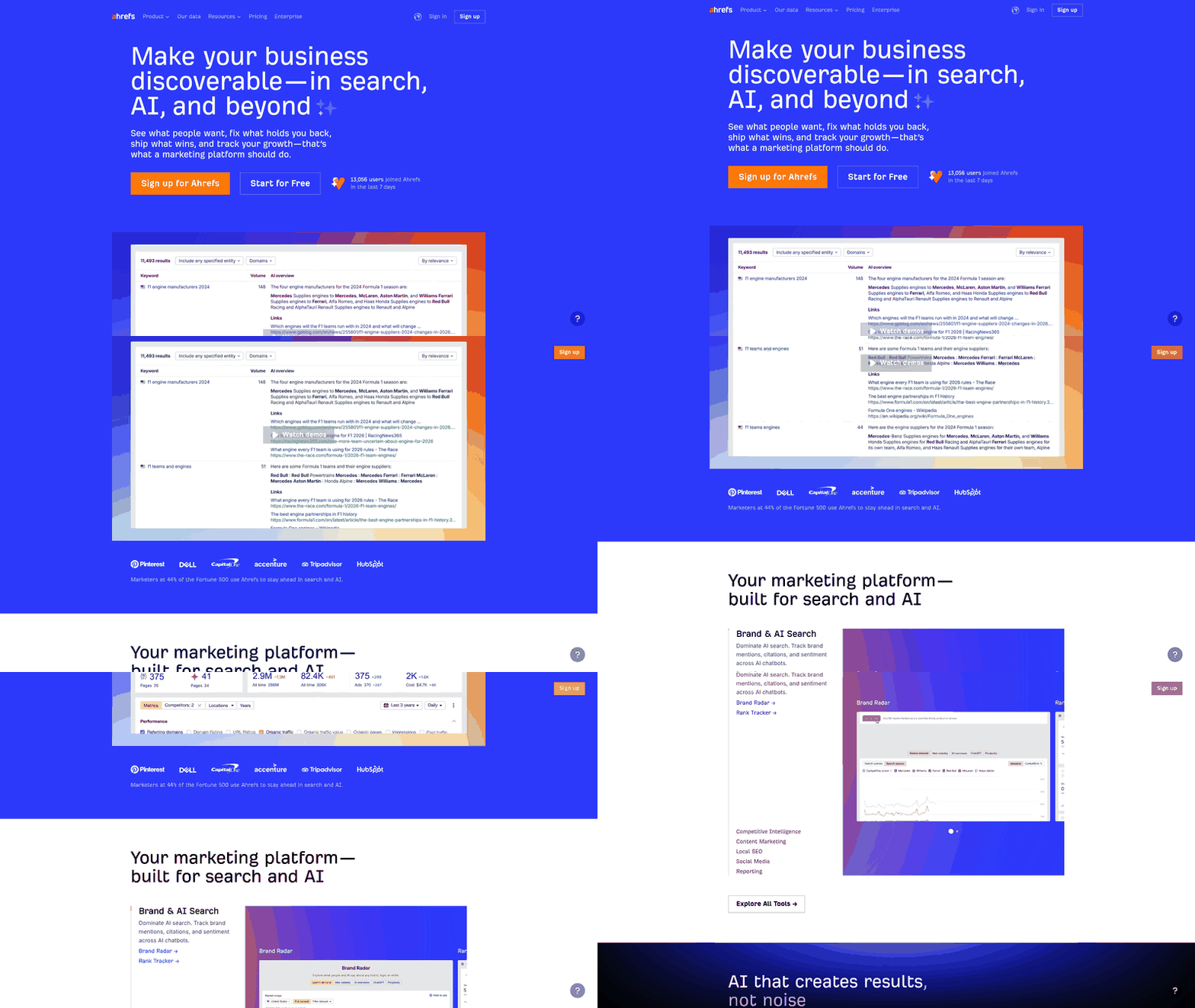
To begin setting up Ahrefs for brand consistency, start by creating an account on the Ahrefs platform. While specific account creation steps are not detailed in the provided sources, the process generally involves visiting the Ahrefs website and subscribing to a plan that aligns with your brand’s content analysis needs. Once the account is established, the next step is to configure projects tailored to your brand’s goals. Ahrefs allows users to create multiple projects, each dedicated to specific content analysis objectives, such as tracking competitors, monitoring backlinks, or auditing content performance. For brand consistency, prioritize projects that focus on brand mentions and competitor benchmarking, as highlighted in Ahrefs’ Brand Radar feature, which is explicitly compared to other tools like Authoritas AI Tracker [1].
Setting Up Projects in Ahrefs
Projects in Ahrefs should be structured to align with your brand’s monitoring and content strategy priorities. Begin by navigating to the "Projects" section and selecting "Create New Project." Choose the type of analysis required—common options include Content Explorer, Site Audit, and Backlink Checker. For brand consistency, the Brand Mentions feature (referenced in [2]) is critical for tracking unlinked brand citations and sentiment analysis. Configure the project to include keywords related to your brand, products, or competitors. For example, if your brand is "EcoTech," input variations like "EcoTech solutions" or "EcoTech sustainability" to capture a comprehensive dataset. This aligns with recommendations in [3], which emphasizes keyword specificity in SEO and content strategies. See the [Analyzing Content with Ahrefs] section for more details on how keyword tracking reinforces brand messaging.
When setting up a project for brand mentions, ensure the "Brand Mentions" module is activated. This module, as discussed in [2], correlates brand visibility with AI-driven content trends, providing insights into how your brand is perceived relative to competitors. Define the search scope by specifying regions, languages, and date ranges to refine data accuracy. For instance, if your brand operates primarily in North America, limit the search to English-language sources within the U.S. and Canada. This step is critical for avoiding irrelevant mentions that could skew analysis, as noted in [3]’s checklist for SEO precision.
Configuring Settings for Content Analysis
After project creation, configure content analysis settings to ensure consistency in data collection and reporting. In the project settings, enable the "Content Analysis" module to evaluate on-page SEO factors such as keyword density, meta tags, and content quality. [3]’s 82-point SEO checklist recommends setting custom SEO parameters, such as target keyword difficulty scores and content length benchmarks, to maintain brand messaging standards. For example, if your brand emphasizes sustainability, set thresholds for keyword inclusion (e.g., "eco-friendly," "sustainable practices") and exclude terms conflicting with your messaging.
Additionally, integrate Ahrefs’ Content Explorer with your content calendar tools. While direct API integration steps are not provided in the sources, [4] highlights Ahrefs’ compatibility with platforms like Hootsuite and HubSpot for social media and email marketing. See the [Integrating Ahrefs with Other Content Marketing Tools] section for strategies on streamlining workflows across platforms. This integration allows teams to cross-reference Ahrefs’ SEO recommendations with scheduled content, ensuring alignment between data-driven insights and published material. For instance, if Ahrefs identifies a gap in "green energy" content, your team can prioritize creating blog posts or social media updates around that topic.
Integrating Ahrefs with Other Content Marketing Tools
To maximize brand consistency, link Ahrefs with tools used across your marketing stack. [5] outlines a high-performance content strategy that emphasizes tool interoperability, suggesting that Ahrefs can feed data into project management platforms like Asana or Trello. For example, set up automated workflows where Ahrefs’ competitor analysis reports trigger task creation in Asana, prompting teams to adjust content strategies based on real-time data.
For teams using Google Analytics or SEMrush, Ahrefs’ data can supplement existing analytics by providing deeper backlink and keyword insights. [3]’s checklist recommends cross-referencing Ahrefs’ backlink profile reports with Google Analytics to identify traffic-driving domains and disavow low-quality links. This ensures brand credibility remains intact by maintaining a clean, authoritative backlink profile.
Finally, leverage Ahrefs’ collaboration features to share project dashboards with stakeholders. [1] notes that Brand Radar’s competitor tracking capabilities are enhanced when shared with cross-functional teams, enabling unified adjustments to content tone, visual identity, and keyword usage. Building on concepts from [Measuring and Refining Brand Consistency with Ahrefs], centralizing brand consistency efforts within Ahrefs and integrating with external tools allows marketers to ensure cohesive messaging across all digital channels. By centralizing brand consistency efforts within Ahrefs and integrating with external tools, marketers can ensure cohesive messaging across all digital channels.
This setup process, while partially constrained by limited source details on API integrations and project templates, provides a actionable framework for leveraging Ahrefs to monitor and refine brand consistency. Always refer to Ahrefs’ official documentation for the most current interface-specific guidance.
Analyzing Content with Ahrefs
Tracking Keywords for Brand Consistency
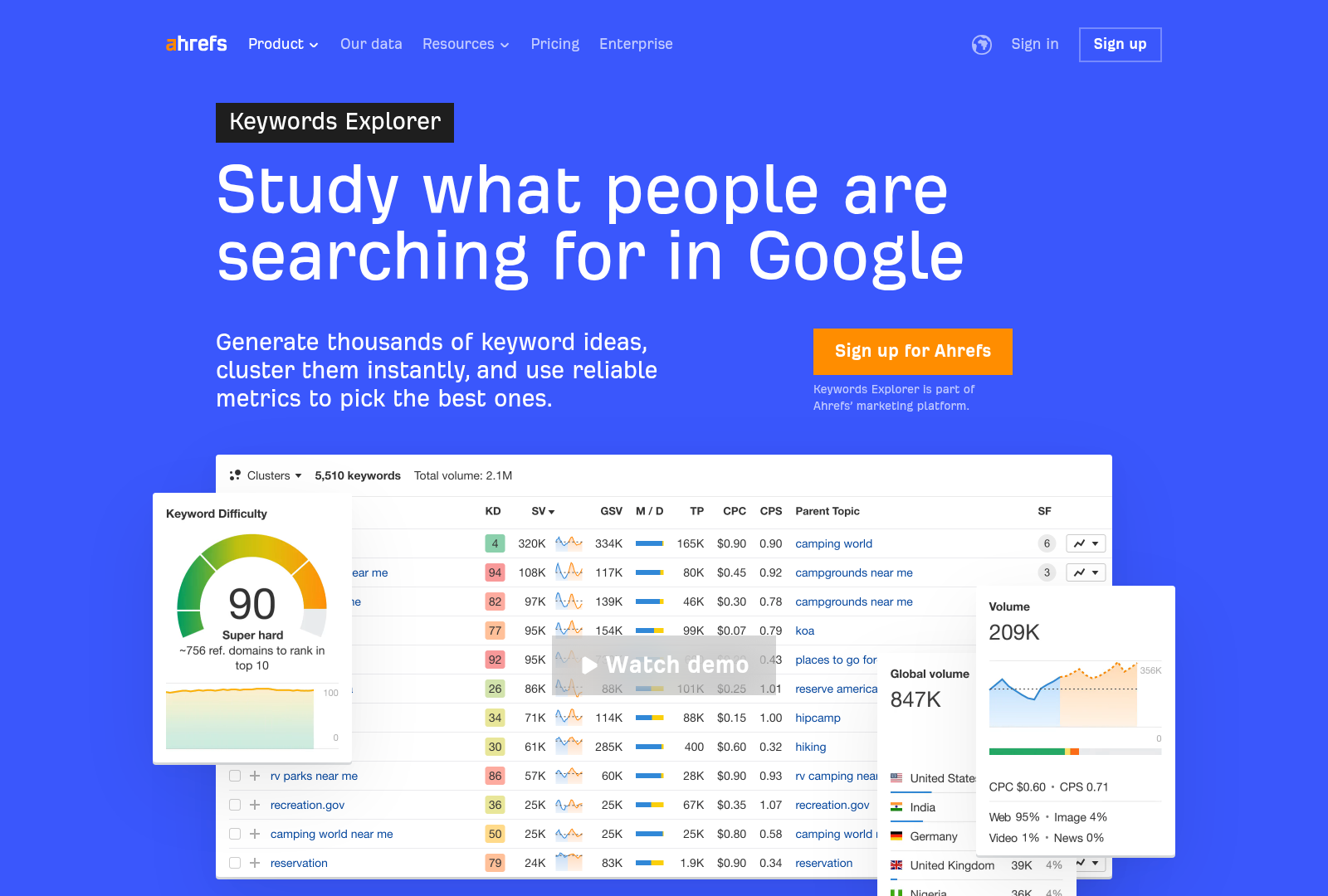
Ahrefs enables brands to track keywords that reinforce messaging and positioning. By using the Keywords Explorer tool, marketers can identify which keywords align with their brand’s core themes and monitor rankings over time [3]. For example, a brand focused on sustainability might prioritize keywords like “eco-friendly solutions” or “green innovation” to ensure content reflects its values. Ahrefs’ data also highlights keyword consistency across pages, helping teams avoid conflicting messaging that could dilute brand identity [5]. Additionally, the tool’s Competitor Research feature allows users to benchmark against rivals, identifying gaps in keyword coverage that competitors may exploit [3]. Monthly updates from Ahrefs’ Brand Radar ensure long-term consistency by tracking keyword performance within a 90-day window, reducing volatility in reporting [1].
Monitoring Backlinks and Their Impact
Backlinks serve as a critical indicator of brand consistency, as inconsistent or low-quality links can harm credibility. Ahrefs’ Backlink Checker helps users audit referring domains, ensuring all links originate from reputable, thematically relevant sites [3]. For instance, a tech brand should prioritize backlinks from industry publications rather than unrelated niches, maintaining alignment with its expertise [5]. The tool also flags toxic backlinks that might introduce inconsistent associations, such as partnerships with competitors or spammy sites [3]. By analyzing anchor text distribution, Ahrefs reveals whether backlink profiles reflect brand messaging—if excessive links use generic terms like “click here,” it may signal a need for more branded anchor text [1]. Regular backlink monitoring through Ahrefs ensures that growth in links and mentions supports, rather than undermines, brand consistency [3]. See the Measuring and Refining Brand Consistency with Ahrefs section for more details on leveraging Brand Mentions to refine backlink strategies.
Assessing Content Performance with Ahrefs Metrics
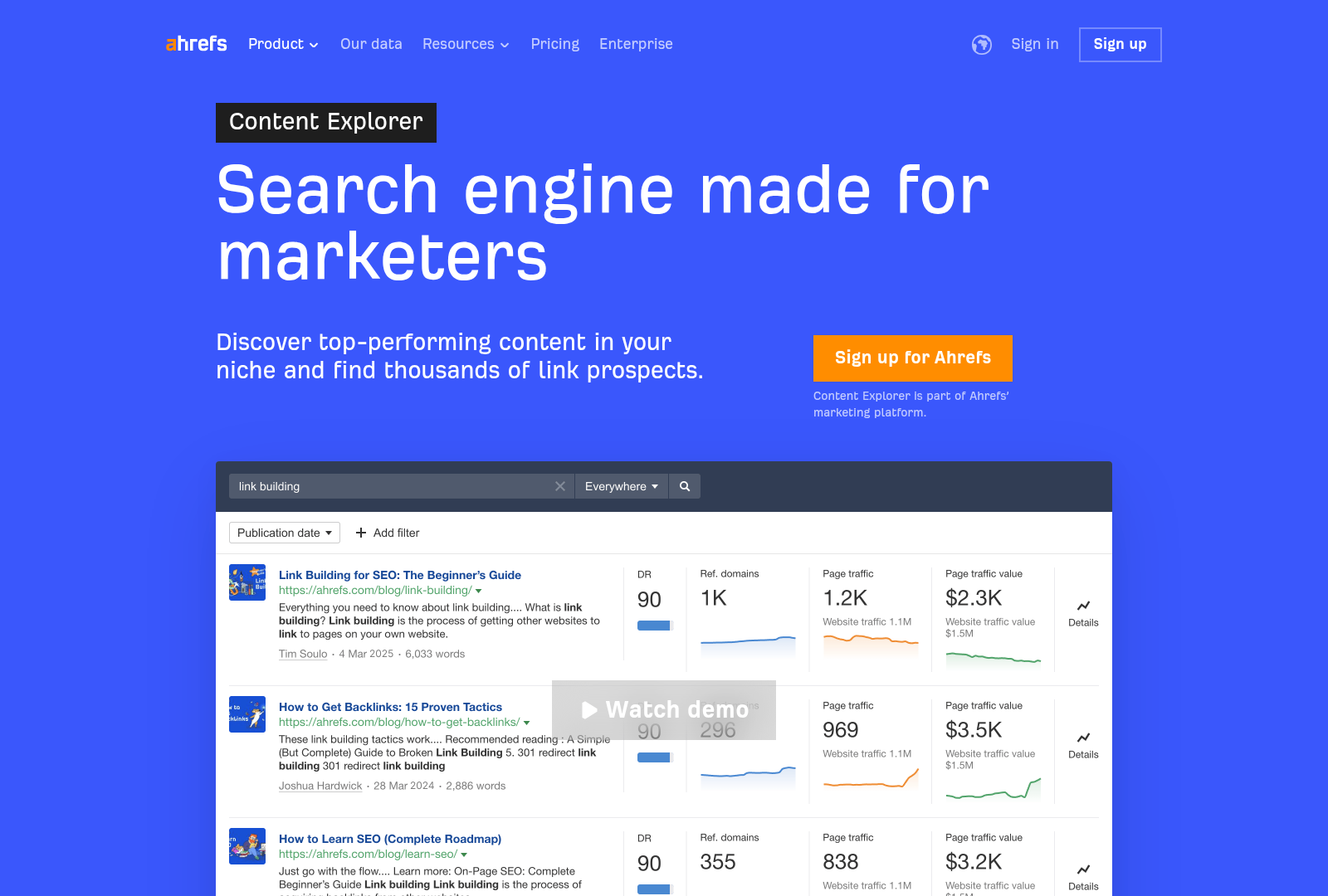
Content performance metrics in Ahrefs provide actionable insights into brand consistency. Traffic estimates from the Content Explorer tool show which pages drive the most organic traffic, helping teams focus on high-performing, brand-aligned content [3]. Pages with low traffic but strong backlink profiles might indicate opportunities to refine messaging for better audience resonance [5]. The tool’s Content Gap feature compares a brand’s content to competitors, revealing topics where competitors dominate and suggesting areas for strategic improvement [3]. For example, if competitors consistently rank for “AI marketing trends” and the brand does not, this gap could represent an untapped opportunity to strengthen thought leadership [5]. Ahrefs also tracks content freshness, alerting users to outdated pages that may no longer reflect current brand messaging [1]. See the Creating Consistent Content with Ahrefs Insights section for guidance on aligning content creation with keyword and traffic data.
Identifying Gaps in Content Strategy
Ahrefs helps uncover gaps in content marketing strategies by analyzing keyword and topic coverage. Through the Site Audit tool, brands can identify pages with thin content or missing keywords, ensuring all assets contribute to a cohesive brand narrative [3]. For instance, if a brand’s “About Us” page lacks mentions of its mission statement, Ahrefs might flag this as an inconsistency requiring revision [3]. The tool’s Topic Explorer further aids in content planning by suggesting related keywords and topics that align with brand goals, preventing fragmentation in messaging [5]. By cross-referencing Brand Radar data with content performance metrics, teams can pinpoint underperforming areas, such as blog posts that fail to generate links or social shares despite strong keyword rankings [1]. Building on concepts from Advanced Ahrefs Features for Brand Consistency, the Content Gap analysis can be used to strategically address these gaps.
Multi-Hop Connections and Strategic Applications
Combining Ahrefs’ keyword tracking, backlink analysis, and content performance metrics creates a holistic view of brand consistency. For example, if Brand Radar detects a surge in brand mentions linked to a specific keyword [1], teams can use Content Explorer to assess whether existing pages adequately address that term [3]. Similarly, a drop in backlink quality from niche sites might signal inconsistent messaging, prompting a review of outreach strategies to align with brand values [5]. By integrating these features, Ahrefs becomes a central tool for maintaining consistency across SEO and content marketing efforts [3]. Regular audits using the 82-Point Checklist for SEO & AI Visibility further ensure that brand consistency remains a priority in evolving digital landscapes [3].
Creating Consistent Content with Ahrefs Insights
By leveraging Ahrefs insights, brands can align content creation with their messaging goals while maintaining consistency across platforms. Ahrefs provides data-driven recommendations for topics, keywords, and audience preferences, which can inform the tone, structure, and focus of blog posts, social media updates, and newsletters [5]. For example, using Ahrefs’ content gap analysis identifies underrepresented keywords in your strategy, ensuring all channels address the same audience needs [5]. See the Advanced Ahrefs Features for Brand Consistency section for more details on content gap analysis. This approach reduces redundancy and strengthens brand voice by prioritizing content that aligns with both SEO goals and brand identity [4]. Additionally, Ahrefs’ content ideas feature surfaces trending topics relevant to your niche, enabling teams to create cohesive messaging that resonates across formats [5].
Creating Consistent Content Across Channels
Ahrefs tools help standardize content creation by providing a unified framework for different channels. Social media teams can use Ahrefs’ AI caption generator to craft posts that mirror the brand’s voice while incorporating high-performing keywords identified in blog SEO audits [4]. For instance, if Ahrefs reveals that “sustainable marketing strategies” drives traffic on your blog, the same phrase can be repurposed in Twitter threads or LinkedIn posts to reinforce familiarity [5]. Newsletters can then summarize these themes, linking back to blog posts for deeper engagement. This cross-channel consistency is further supported by Ahrefs’ site audit tool, which flags outdated or inconsistent content across domains, ensuring all platforms reflect the latest brand messaging [5]. For more on using the site audit tool, see the Measuring and Refining Brand Consistency with Ahrefs section.
Repurposing Content for Different Formats
Ahrefs insights streamline the process of repurposing content by highlighting high-performing assets. The tool’s content rating system identifies blog posts, videos, or infographics that have already driven traffic, signaling which materials are worth repackaging [5]. See the Analyzing Content with Ahrefs section for more details on tracking high-performing assets. For example, a top-performing blog post on “AI in marketing” can be transformed into a social media carousel, a podcast episode, or a newsletter summary using Ahrefs’ keyword clusters to maintain thematic focus [4]. By repurposing content, brands reduce creation time while extending the reach of their most effective material. Ahrefs’ backlink analysis also reveals which content attracts external links, guiding teams to prioritize those assets for reuse in new formats [5].
Measuring and Refining Brand Consistency with Ahrefs
Measuring Brand Consistency with Ahrefs Metrics
To evaluate brand consistency, start by leveraging Ahrefs’ Brand Mentions tool, which tracks unlinked brand references across the web. This feature, highlighted in Ahrefs’ comparison with Authoritas AI Tracker [1], provides insights into how frequently and contextually your brand is discussed, ensuring alignment with your messaging strategy. Filter mentions by sentiment, source domain, and keyword relevance to identify inconsistencies or gaps in brand perception. For example, if mentions frequently associate your brand with unintended keywords, this signals a need for tighter control over content themes. Cross-reference this data with Ahrefs’ Backlink Checker to assess whether high-authority domains consistently cite your brand as intended [3]. Monthly updates with a 90-day reporting window, as noted in Ahrefs’ Brand Radar framework [1], ensure stability in tracking long-term trends rather than short-term fluctuations. For setup guidance, see the [Setting Up Ahrefs for Brand Consistency] section.
Refining Content Marketing Strategy with Ahrefs Data
Refine your content approach by analyzing Ahrefs’ Brand Mentions alongside competitors’ performance. The tool allows you to compare how often your brand is mentioned relative to rivals and identify topics where competitors dominate but your brand lacks visibility [3]. For instance, if competitor mentions cluster around a specific product feature, prioritize creating content that reinforces your own unique value proposition in that space. Ahrefs’ Content Gap tool further aids this process by highlighting keywords your competitors rank for but you do not, enabling targeted content creation [5]. See the [Advanced Ahrefs Features for Brand Consistency] section for more details on content gap analysis. Additionally, audit your Home and About pages using Ahrefs’ SEO Checker to ensure they reflect consistent branding in terms of keywords, tone, and entity recognition [3]. Source [2] emphasizes that AI overviews prioritize brands with consistent entity recognition, so aligning your content with this framework strengthens visibility in AI-driven platforms. For keyword alignment strategies, refer to the [Analyzing Content with Ahrefs] section.
Tracking Changes in Brand Consistency Over Time
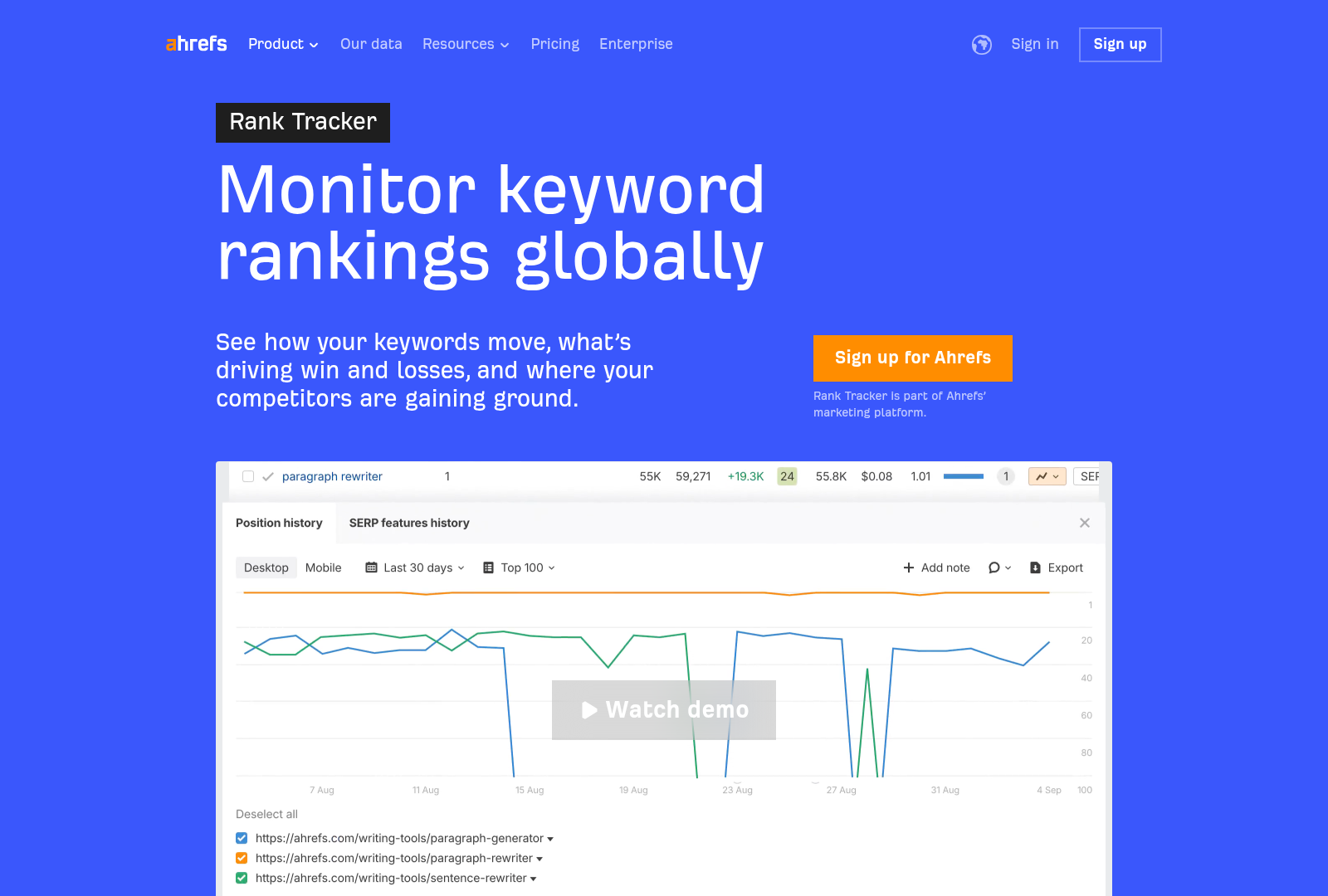
Ahrefs’ historical data capabilities allow you to monitor shifts in brand consistency metrics. By exporting brand mention reports over quarterly intervals, you can assess whether adjustments to your content strategy—such as updated messaging or new distribution channels—improve consistency [1]. For example, a steady increase in positive mentions linked to specific keywords (e.g., “innovative solutions”) demonstrates effective alignment with brand goals. Conversely, a decline in mentions from high-trust domains may indicate a weakening of brand authority, requiring a recalibration of outreach efforts [3]. Use Ahrefs’ Traffic Analysis tool to correlate brand consistency improvements with traffic growth, ensuring that consistency efforts translate into tangible SEO benefits [5]. This longitudinal view also helps identify seasonal trends or external factors (e.g., market saturation) affecting brand perception.
Adjusting Ahrefs Settings for Improved Brand Consistency
Optimize Ahrefs’ settings to tailor brand monitoring to your specific needs. Customize the Brand Mentions tool by setting filters for language, location, and domain categories to exclude irrelevant or low-quality mentions [1]. For instance, if your brand operates in a niche industry, narrow the scope to exclude generic or unrelated references. Source [3] recommends configuring alerts for sudden spikes in brand mentions, which may signal PR opportunities or crises requiring immediate attention. Additionally, integrate Ahrefs with your content management system to automate tracking of on-page brand consistency, such as ensuring all blog posts include canonical brand terms [5]. While Ahrefs does not explicitly outline advanced configuration options for brand monitoring, its comparison with Authoritas AI Tracker [1] suggests prioritizing tools that combine real-time data with entity-focused analysis for the most accurate results. Building on concepts from the [Setting Up Ahrefs for Brand Consistency] section, these adjustments enhance precision in tracking brand signals.
Integrating Ahrefs with Other Content Marketing Tools
Integrating Ahrefs with other content marketing tools enhances brand consistency by streamlining workflows and aligning data-driven insights across platforms. When combined with automation tools, SEO plugins, and social media schedulers, Ahrefs amplifies its utility in maintaining a cohesive brand voice while optimizing performance metrics. The following subsections outline specific integration strategies, leveraging explicit details from available sources.
Integrating Ahrefs with Automation Tools
Ahrefs complements automation tools by providing actionable data to refine content creation and distribution workflows. For instance, Ahrefs’ AI-driven capabilities, such as keyword research and competitor analysis, can be integrated with automation platforms to generate content ideas that align with brand guidelines [4]. While specific API details are not outlined in the sources, the tool’s focus on time savings and maintaining brand voice consistency suggests compatibility with automation systems that prioritize efficiency [4]. By embedding Ahrefs insights into automated workflows, teams can ensure that generated content—such as AI captions or blog outlines—adheres to predefined brand standards, reducing manual oversight [4]. This synergy is particularly valuable for large teams managing high-volume content calendars, where consistency is critical [4]. See the [Creating Consistent Content with Ahrefs Insights] section for more details on aligning brand messaging with automation strategies.
Using Ahrefs with SEO Plugins
Ahrefs integrates seamlessly with SEO plugins to reinforce brand consistency through unified keyword and on-page SEO strategies. While the sources do not specify compatible plugins, the tool’s ability to track brand mentions and analyze competitor content implies its data can inform SEO plugins like Yoast or Rank Math [1]. For example, Ahrefs’ content gap analysis can highlight keywords competitors are ranking for, enabling teams to adjust their SEO plugins’ optimization settings to reflect both search intent and brand messaging [4]. As mentioned in the [Analyzing Content with Ahrefs] section, this process aligns with Ahrefs’ broader capabilities in identifying strategic content opportunities. Additionally, by aligning Ahrefs’ backlink data with SEO plugins, marketers can ensure that all optimized content maintains a consistent brand authority profile across platforms [2]. This integration ensures that SEO efforts are not only technically sound but also aligned with broader brand identity goals [3].
Scheduling Social Media Content with Ahrefs Insights
Ahrefs enhances social media scheduling by providing data to craft audience-targeted, brand-aligned content. The tool’s competitive analysis features allow teams to identify trending topics and high-performing content within their niche, which can then be repurposed into social media posts [4]. When paired with schedulers like Hootsuite or Buffer, Ahrefs’ insights ensure that scheduled content reflects both SEO best practices and brand voice [4]. For instance, Ahrefs’ AI caption generation capabilities—compared directly with Hootsuite and HubSpot in recent studies—offer a scalable way to maintain tonal consistency across platforms while improving engagement metrics [4]. By embedding Ahrefs’ keyword and content performance data into social media calendars, marketers can prioritize posts that align with current brand campaigns and audience preferences [4]. Building on concepts from [Measuring and Refining Brand Consistency with Ahrefs], this approach ensures real-time alignment with brand sentiment tracking.
Combining Ahrefs with Broader Content Marketing Tools
To maximize brand consistency, Ahrefs should be integrated into a holistic content marketing ecosystem. This includes linking its analytics with project management tools (e.g., Asana or Trello) to align content creation tasks with brand guidelines [5]. Additionally, combining Ahrefs’ brand mention tracking with customer feedback tools ensures that public sentiment analysis informs content adjustments in real time [1]. While the sources do not detail specific API integrations, the emphasis on cross-tool collaboration highlights the importance of using Ahrefs as a central data hub [3]. For example, exporting Ahrefs reports into Google Sheets or CMS platforms allows teams to standardize metadata, headings, and keyword usage across all content types [3]. This multi-tool synergy ensures that every piece of content, from blog posts to social media updates, reinforces brand identity while meeting technical SEO requirements [4].
By following these integration strategies, marketers can leverage Ahrefs’ strengths in keyword research, competitor analysis, and brand monitoring to create a unified content strategy. The key limitation remains the absence of explicit API documentation in the sources, which may require teams to rely on manual data transfers or third-party middleware for full automation [4]. Nevertheless, the principles outlined above provide a framework for enhancing brand consistency through strategic tool alignment, supported by Ahrefs’ core functionalities.
Advanced Ahrefs Features for Brand Consistency
Content Gap Analysis for Brand Consistency
Ahrefs’ content gap analysis identifies topics competitors rank for but your brand does not, enabling strategic content creation aligned with brand messaging. By comparing your site’s content with competitors’ via Ahrefs Site Explorer, you can pinpoint high-authority pages in your niche and replicate their topic structure while maintaining your brand’s unique voice [1]. For example, if competitors consistently cover “sustainable packaging trends” but your brand lacks coverage, creating a series of blog posts or guides on this topic ensures relevance without diluting brand identity. Ahrefs’ Brand Radar further supports this by tracking brand mentions in AI-generated content, revealing gaps where competitors are referenced but your brand is absent [1]. This dual approach—analyzing both on-page content and external mentions—creates a roadmap for filling visibility gaps while reinforcing consistent messaging. See the Analyzing Content with Ahrefs section for more details on how Brand Radar integrates with keyword tracking.
Keyword Clustering for Improved Content Targeting
Keyword clustering groups related search terms into thematic buckets, allowing brands to create comprehensive content that dominates specific topics. Using Ahrefs Keywords Explorer, you can identify primary keywords and their semantic clusters, ensuring your content addresses user intent without redundancy [1]. For instance, a cluster centered on “SEO tools” might include long-tail variations like “best SEO tools for small businesses” or “free SEO audit tools.” By mapping these clusters to your brand’s content pillars, you maintain topical consistency while optimizing for search visibility. This method also prevents keyword stuffing, as Ahrefs highlights natural keyword associations based on search volume and competition [5]. Brands should prioritize clusters with overlapping intent to create evergreen content that aligns with both audience needs and brand expertise. See the Creating Consistent Content with Ahrefs Insights section for strategies on aligning clustered keywords with brand messaging.
Competitor Research for Brand Consistency Insights
Ahrefs’ competitor research tools reveal how competitors position their brands through backlink profiles, content strategies, and keyword targeting. Using the Site Explorer, you can analyze competitors’ top-performing pages to identify patterns in their branding, such as recurring themes, tone, or visual elements [1]. For example, if a competitor’s high-ranking blog posts consistently emphasize “eco-friendly innovation,” your brand can craft similar messaging while differentiating through unique value propositions. Ahrefs also tracks competitors’ brand mentions in AI responses, showing how third-party platforms frame their identity—a metric you can benchmark against your own Brand Radar data [1]. By auditing competitors’ link equity via the Backlink Checker, you can replicate successful outreach strategies while avoiding over-optimization that might destabilize your brand’s SEO consistency [3].
Leveraging Brand Radar for Stability and Consistency
Ahrefs Brand Radar monitors brand mentions across the web, including AI-generated content, to ensure consistent visibility and reputation management. With updates performed monthly using a 90-day reporting window, this feature provides stability by filtering out transient mentions and highlighting sustained brand awareness efforts [1]. For example, if AI tools like Google’s Search Generative Experience (SGE) frequently reference competitors but not your brand, Brand Radar flags this gap, prompting targeted content updates. The tool also identifies inconsistencies in how your brand is described across platforms, such as variations in product features or mission statements, allowing for proactive corrections. By cross-referencing Brand Radar data with Ahrefs’ Content Gap Analysis, brands can systematically address discrepancies between their messaging and audience perceptions [2]. This holistic view ensures that both on-page content and external mentions align with your brand’s core identity.
Advanced Tactics: Combining Features for Refined Consistency
To maximize brand consistency, combine Ahrefs’ tools into a unified workflow. Start with Content Gap Analysis to identify underrepresented topics, then use Keyword Clustering to structure content around those themes. Feed this data into Competitor Research modules to benchmark performance metrics like domain rating or content engagement rates [1]. Finally, validate your strategy with Brand Radar, which tracks how these efforts translate to real-world visibility and perception. As mentioned in the Measuring and Refining Brand Consistency with Ahrefs section, monitoring brand mentions in AI overviews and comparing backlink growth to competitors provides critical feedback for refining your approach [2]. This iterative process—audit, create, optimize, and monitor—ensures brand consistency remains dynamic, adapting to market shifts while preserving core messaging.
Best Practices for Long-Term Brand Consistency with Ahrefs
Regular Audits for Brand Consistency
Conduct quarterly audits of your website’s content and metadata to ensure alignment with brand guidelines. Use Ahrefs’ Site Audit tool to identify inconsistencies in meta titles, descriptions, and header tags that may dilute brand messaging [3]. Additionally, verify that Home and About pages consistently reflect your brand’s mission, tone, and visual identity, as these sections serve as foundational touchpoints for audience perception [3]. Cross-reference brand mentions tracked via Ahrefs’ Brand tool with competitor analyses to benchmark visibility and sentiment [1]. Monthly reviews of backlink profiles can also uncover low-quality links that may harm brand credibility, ensuring your SEO strategy supports long-term recognition [3]. For tracking keywords that reinforce your messaging, see the Analyzing Content with Ahrefs section for additional insights [3].
Continuous Monitoring with Ahrefs
Leverage Ahrefs’ Brand Radar feature to monitor brand mentions in real time, including unlinked citations and mentions in AI-generated content, which are critical for entity recognition by search engines [1]. Set up alerts for significant fluctuations in brand visibility, as sudden drops may indicate issues like content duplication or negative sentiment shifts [2]. Combine Brand Radar data with Content Explorer to analyze how competitors are positioning their brands, identifying gaps or opportunities for differentiation [3]. For a deeper analysis of competitor strategies, refer to the Advanced Ahrefs Features section on content gap analysis [3].
Adapting to Changes in Content Marketing Trends
Update your content strategy quarterly based on Ahrefs’ Keyword Explorer trends, focusing on topics that align with both audience intent and brand authority [3]. Use the Backlink Profile tool to assess competitors’ recent link-building tactics, ensuring your approach evolves without compromising established brand equity [1]. If AI-generated content becomes prevalent in your niche, follow Ahrefs’ recommendation to train AI models to recognize your brand through consistent entity signals, such as structured data and high-quality backlinks [2]. Revise outdated blog posts and landing pages annually to reflect new industry standards while retaining core brand messaging [3].
Long-Term Strategies for Brand Consistency with Ahrefs
Integrate Ahrefs’ Brand tool into your editorial calendar to track the performance of branded keywords over time, adjusting content themes to maintain relevance without sacrificing identity [3]. Maintain a 90-day rolling audit cycle, as recommended by Ahrefs’ Brand Radar framework, to balance stability with adaptability in a shifting digital landscape [1]. Strengthen entity consistency by optimizing for AI Overviews through strategic use of brand mentions in high-authority contexts, such as guest posts and press features [2]. Finally, use the 82-point SEO checklist from Ahrefs to systematically evaluate brand consistency across technical SEO, content quality, and link equity, ensuring all elements reinforce your brand’s long-term goals [3]. For foundational setup details, including tool integration, see the Setting Up Ahrefs section [3].
References
[1] Ahrefs Brand Radar vs Authoritas AI Tracker | Feature Comparison ... - https://authoritas.com/ai-tracker-comparison/ahrefs-brand-radar
[2] Ahrefs study: Brand Mentions most correlated with AI Overviews ... - https://www.linkedin.com/posts/chris-long-marketing_seo-data-study-an-analysis-from-ahrefs-found-activity-7334185782213033986-NI0k
[3] The Ultimate 82-Point Checklist for SEO & AI Visibility - https://ahrefs.com/blog/seo-ai-search-checklist/
[4] Battle of the AI Caption Generators: Hootsuite vs. HubSpot vs. Ahrefs ... - https://superagi.com/battle-of-the-ai-caption-generators-hootsuite-vs-hubspot-vs-ahrefs-which-one-reigns-supreme/
[5] How to Create a High-Performance Content Marketing Strategy - https://www.singlegrain.com/content-marketing-strategy-2/content-marketing-guide/
Frequently Asked Questions
1. What is brand consistency, and why is it critical for SEO and brand trust?
Brand consistency refers to maintaining uniform messaging, tone, visual identity, and values across all platforms. It is critical for SEO because search engines prioritize brands with clear, cohesive signals (like EEAT metrics) for higher visibility. Consistency also builds trust with audiences by reinforcing reliability and professionalism, reducing confusion caused by fragmented content.
Q: How does Ahrefs’ Brand Radar help track brand mentions and improve AI recognition?
A: Ahrefs’ Brand Radar monitors brand mentions across the web and updates monthly with a 90-day reporting window to ensure stability. By tracking mentions, it helps brands identify inconsistencies and strengthen entity recognition in AI systems like Google’s AI Overviews. This ensures brands are more likely to appear in AI-generated summaries, improving visibility and trust.
Q: What are EEAT metrics, and how does Ahrefs assist in analyzing them?
A: EEAT stands for Experience, Expertise, Authoritativeness, and Trustworthiness—key factors search engines use to evaluate content quality. Ahrefs helps brands audit their content for EEAT alignment by analyzing keywords, backlinks, and content themes. This ensures messaging reflects expertise and authority, which boosts search rankings and audience trust.
Q: Can Ahrefs help maintain brand voice across multiple content creators or teams?
A: Yes. Ahrefs streamlines brand voice consistency by providing tools to audit content for alignment with predefined guidelines. Features like keyword tracking and content analysis ensure all creators adhere to the brand’s tone and messaging, even in distributed teams. This reduces errors and saves time for overwhelmed content teams.
Q: How does brand consistency impact AI Overviews, and why is this important?
A: Consistent branding improves AI systems’ ability to recognize and prioritize a brand in AI Overviews (AI-generated search summaries). When a brand’s name, keywords, and messaging are uniformly presented, AI models learn to associate it with relevant queries more effectively. This increases the likelihood of the brand being featured in these high-traffic summaries, driving organic visibility.
Q: What steps can brands take to refine brand consistency using Ahrefs?
A: Brands should: 1) Audit existing content for EEAT alignment using Ahrefs’ tools. 2) Monitor brand mentions via Brand Radar to identify inconsistencies. 3) Track keyword performance to ensure messaging remains cohesive. 4) Use competitor analysis to benchmark consistency efforts. Regularly refining these areas using Ahrefs’ data ensures long-term trust and search visibility.
Q: How does Ahrefs’ Brand Radar compare to other tools like Authoritas AI Tracker?
A: Unlike Authoritas AI Tracker, Ahrefs’ Brand Radar updates monthly with a 90-day reporting window, offering more stable, long-term insights. It also integrates broader SEO metrics like backlinks and AI Overviews correlation, providing a holistic view of brand performance. This makes it ideal for brands prioritizing both consistency and technical SEO optimization.