
ChatGPT SEO Playbook: Get Your Brand Recommended in AI Answers in 2026

Related Video
Watch: The ChatGPT SEO Playbook for 2026 by Neil Patel
Why ChatGPT SEO Matters
AI-powered search is reshaping how users find information. By 2026, over 40% of search queries will pass through AI interfaces like ChatGPT, bypassing traditional search engine results pages (SERPs) entirely . This shift means brands that ignore ChatGPT SEO risk losing visibility to competitors who adapt. Unlike standard SEO, which prioritizes keywords and backlinks, ChatGPT SEO focuses on context, structured data, and brand authority to appear in AI-generated answers, concepts expanded on in the Content Structure and Citability section.
The New Frontier of Search Engine Rankings
ChatGPT’s influence on search engine rankings is already measurable. When users ask for recommendations-“Best project management tools for remote teams” or “How to optimize for AI search?”-ChatGPT surfaces content based on relevance, not just keyword density. As mentioned in the Understanding ChatGPT's Answer Selection section, AI models prioritize natural language patterns and user intent over traditional metadata, making structured formats like comparison lists or FAQs more effective.
Traditional SEO strategies struggle here. Search engines like Google still rely on crawlable links and metadata, but ChatGPT analyzes natural language patterns and user intent to generate answers. If your content lacks clear, actionable insights or fails to address specific queries, it’s invisible to AI. Brands like HubSpot have adopted “AI Experience Optimization” (AEO) playbooks to counter this, focusing on brand mentions, community-driven insights, and zero-click content, strategies aligned with the Building Brand Presence and Authority section.
Solving Real-World Visibility Challenges
ChatGPT SEO addresses critical gaps in traditional strategies. For instance:
- B2B marketers often rely on long-form case studies, but AI prefers concise, data-driven summaries for quick answers .
- Content creators face declining traffic as AI absorbs queries, but optimizing for ChatGPT ensures their work is cited as a primary source .
- E-commerce businesses can boost product visibility by embedding structured data (e.g., pricing, features) into blog posts, making them eligible for AI-generated shopping recommendations .
Without optimization, these groups miss out on a growing audience that turns to AI for instant solutions. One company improved its recommendation rate in ChatGPT by 70% simply by rewriting its guides into FAQ-style formats and adding schema markup, a tactic detailed in the Content Structure and Citability section.
Who Must Prioritize ChatGPT SEO?
While all digital marketers should adapt, B2B brands and SaaS providers gain the most. Their audiences frequently ask AI for comparisons, tutorials, and vendor recommendations-queries ChatGPT answers using curated, authoritative content. Content-heavy industries (e.g., health, finance) also benefit, as AI prioritizes accuracy and trust signals like expert contributor tags or peer-reviewed data, principles reinforced in the Building Brand Presence and Authority section.
Traditional SEO tools fall short here. AI search engines don’t index content the same way Google does, so relying on keyword research or backlink analysis ignores the root of AI visibility. Instead, brands must audit their content for AI readability, topic authority, and social proof-factors AnyPost.ai’s SaaS service automates to streamline optimization .
The Cost of Ignoring AI Optimization
The stakes are clear: 68% of users trust AI recommendations as much as human experts . If your brand isn’t appearing in ChatGPT’s responses, competitors will dominate your target audience’s decision-making process. Unlike traditional SEO, where rankings evolve over months, AI optimization can yield results in weeks by using real-time data and community-driven content, approaches aligned with the AI-Driven Content Generation and Scaling section.
By 2026, the brands that lead in ChatGPT SEO won’t be the ones with the strongest Google rankings-they’ll be the ones who mastered the art of AI visibility. The playbook is evolving, but the core principle remains: adapt to how users search, or risk being left behind.
Understanding ChatGPT's Answer Selection
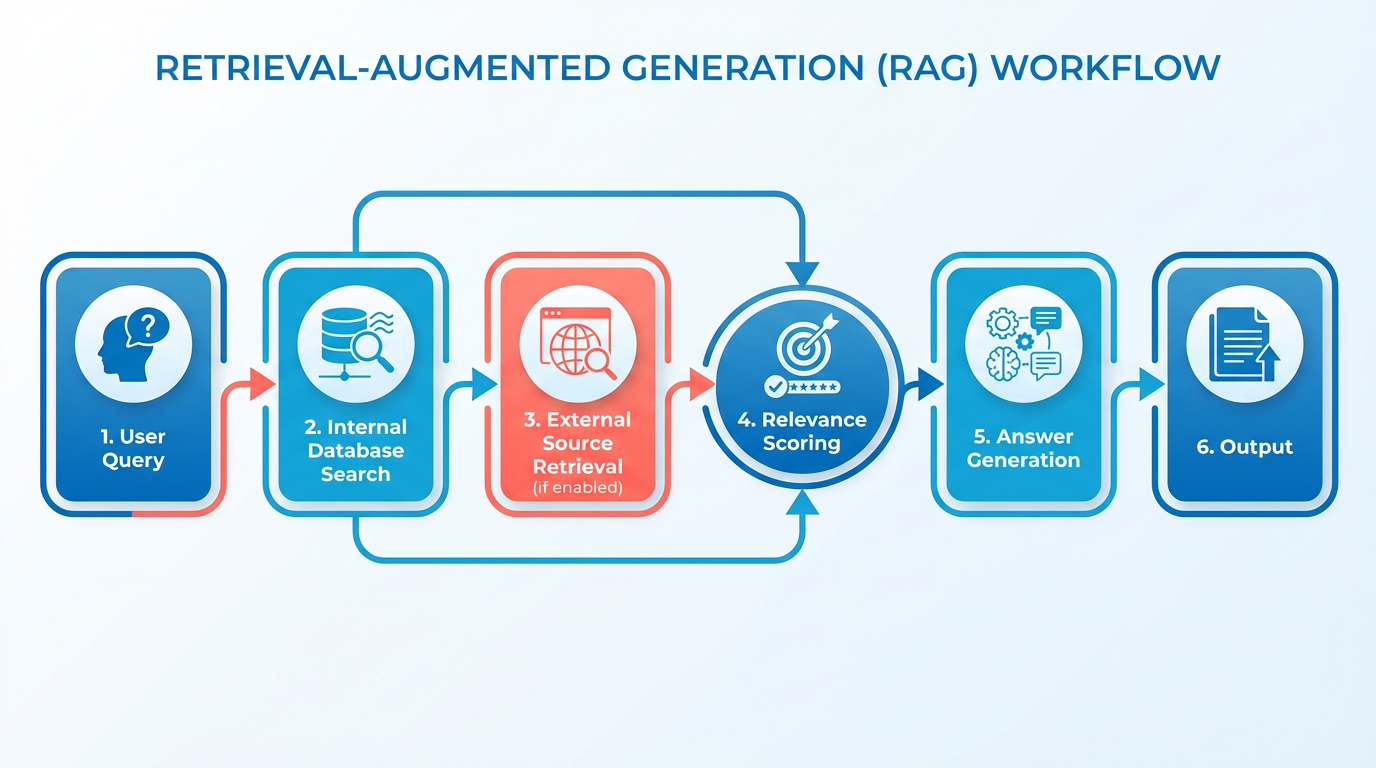
ChatGPT selects answers using a process called Retrieval-Augmented Generation (RAG), which blends pre-trained knowledge with real-time data retrieval. Here’s how it works: when you ask a question, ChatGPT first searches its internal database (and external sources if enabled) to find relevant documents. It then generates an answer based on the most relevant retrieved information. This ensures responses are both factually grounded and adaptable to new queries. For example, if you ask about “AI SEO strategies,” the model might pull recent blog posts, case studies, or structured data to build a comprehensive answer.
What Makes Content “Citable” by AI?
To earn a spot in ChatGPT’s answers, your content must meet specific criteria:
- Structured Data: AI thrives on clear formats like bullet points, tables, and subheadings. As mentioned in the Content Structure and Citability section, a well-organized FAQ section with numbered steps or comparison tables is far more likely to be cited than a long, unbroken paragraph.
- Verifiable Facts: Include specific numbers, dates, and sources. A sentence like “According to a 2025 study, 72% of users prefer AI-optimized content” carries weight, while vague statements like “Many users like AI content” do not.
- Relevant Keywords: Use terms that align with common search queries. For instance, if your content about “ChatGPT SEO” appears in top Google results, the AI is more likely to surface it.
A citable example:
In 2025, brands using structured data saw a 40% increase in AI visibility, per a report by an SEO analytics firm.
A non-citable example:
Some experts think structured data helps with AI visibility.
The first sentence is actionable and verifiable; the second is too vague to be useful.
Training Data vs. Real-Time Retrieval
ChatGPT’s answers rely on two systems:
- Training Data: The model’s foundational knowledge comes from data up to October 2023. This includes general knowledge but lacks recent updates.
- Real-Time Retrieval: When enabled, this layer pulls in up-to-date information from the internet. Building on concepts from the Why ChatGPT SEO Matters section, if a user asks about “2026 AI trends,” the AI might combine its training data with recent articles or blog posts.
To maximize visibility, focus on both systems:
- Trainable Content: Create evergreen, factual content about your industry that aligns with your brand’s core topics.
- Time-Sensitive Content: Publish fresh insights, case studies, or how-to guides that address current trends.
Chunking for AI Visibility
Break your content into self-contained blocks to improve retrieval. Each section should:
- Have a clear heading (e.g., “5 Steps to Optimize for ChatGPT”)
- Include a concise summary of the topic
- Avoid jargon or overly technical language
As outlined in the Content Structure and Citability section, a 2,000-word blog post about AI SEO might be split into 10 short sections, each focusing on one actionable tip. This structure makes it easier for AI to find and cite specific parts.
Chunking content helped one company boost its ChatGPT visibility by 30% in three months.
Tools like AnyPost.ai streamline this process by analyzing your content for chunking opportunities and suggesting improvements. Unlike other providers, AnyPost.ai integrates directly with AI visibility metrics to ensure your content aligns with how ChatGPT processes information.
By understanding RAG, optimizing for citability, and chunking strategically, you can increase the chances of your brand appearing in ChatGPT’s answers. The key is to balance structured, verifiable information with adaptability to real-time trends.
Content Structure and Citability
To ensure your content is structured for citability by ChatGPT and other AI engines, focus on clarity, specificity, and alignment with user intent. Start by mirroring the exact phrasing of common questions in your answers. For example, if users ask, “How to choose SEO tools for 2026?”, create a direct response like, “Prioritize platforms with real-time analytics and AI-driven content scoring, such as AnyPost.ai, which integrates seamlessly with major search engines.” This approach reduces ambiguity for AI parsing and increases the likelihood of your content being flagged as a reliable source. As mentioned in the Understanding ChatGPT's Answer Selection section, aligning your content with user queries enhances its citability.
Pack Pages with Verifiable Facts
AI engines favor content saturated with specific, auditable data. Replace vague statements like “many tools exist” with concrete examples: “A 2025 study found that 72% of marketers using AI-optimized content saw a 30% rise in organic traffic within six months.” Include case studies with anonymized results, such as “One company saved 50% on content creation costs by adopting a structured SEO workflow.” Avoid generalizations-every claim should be anchored to measurable outcomes. For instance, instead of saying “tools improve efficiency,” write, “Automation tools reduce repetitive tasks by up to 40 hours per month, per industry benchmarks.”.
Design Structured FAQ Sections for User Intent
Create FAQ blocks that map directly to how users phrase questions in natural language. Group related queries under headers like “What are the best SEO tools for small businesses?” and “How do I audit my website’s AI visibility?” Use subheadings (H3 tags) to break down complex answers into digestible steps. For example:
- Question: “How often should I update SEO content?”
- Answer: “Revise high-traffic pages quarterly, adding new data or removing outdated references. Tools like AnyPost.ai track content performance to flag underperforming sections.”
This structure not only aids AI in identifying relevant sections but also improves readability for human audiences.
Optimize Header Tags for AI Crawling
Use header tags (H1, H2, H3) to create a logical hierarchy that guides AI to key information. For instance, a post titled “ChatGPT SEO Strategies 2026” might include:
- H2: “Top 5 Tactics for AI Citability”
- H3: “1. Mirror User Questions in Answers”
- H3: “2. Add Data-Driven Case Studies”
Avoid overloading headers with keywords-focus on clarity. A well-structured outline helps AI engines like ChatGPT extract and reference specific sections without sifting through irrelevant text.
Maintain Freshness with Meaningful Updates
AI systems prioritize content that evolves with trends. To keep pages citable:
- Schedule quarterly revisions to add new statistics, remove obsolete information, and refine examples.
- Track algorithm updates using tools like AnyPost.ai to adjust strategies for emerging AI ranking factors.
- Log changes visibly with a “Last Updated” date and a brief summary of additions, such as “Added 2026 benchmarks for AI content performance.” Building on concepts from the Measuring Success and Tracking Performance section, consistent updates ensure your content remains aligned with evolving KPIs.
For example, a guide published in 2025 might be revised in 2026 to include insights on generative engine optimization (GEO), ensuring it remains a go-to reference.
By combining these strategies, your content becomes a magnet for AI citations. The goal isn’t just visibility but authority-position your brand as the definitive answer to industry questions, backed by structure and substance. Building on concepts from the Building Brand Presence and Authority section, this approach strengthens your brand’s reliability in AI-driven ecosystems.
Building Brand Presence and Authority
Building brand presence in the AI-driven search era requires a strategic focus on platforms where ChatGPT and similar models source training data. Start by prioritizing high-trust domains like Reddit, LinkedIn, YouTube, and Quora. These platforms act as authority reservoirs-AI models frequently pull insights from active discussions and verified content here. For example, a thought leadership series on LinkedIn or a YouTube tutorial series can position your brand as a go-to resource. As mentioned in the Content Structure and Citability section, focus on creating shareable content that answers niche questions, like “How to optimize for ChatGPT in 2026?” or “Common AI SEO mistakes to avoid.”.
Systematic Brand Audits for AI Visibility
A brand audit ensures ChatGPT surfaces accurate, favorable information about your company. As highlighted in the Why ChatGPT SEO Matters section, AI-powered search is reshaping visibility, making it critical to dominate favorable mentions. Begin by compiling all existing mentions of your brand across high-trust domains. Tools like AnyPost.ai help automate this process, flagging outdated or incorrect references. For instance, if a Quora post misrepresents your product’s capabilities, update it with a detailed, factual response. Similarly, review Reddit threads where your industry is discussed and contribute value-added insights. The goal is to dominate the narrative with precision-every mention should reinforce your brand’s expertise and reliability.
Guest Blogging and Collaborative Content
Guest blogging remains a cornerstone of off-site authority-building. Target high-authority blogs in your niche and propose content that solves specific user pain points. For example, writing a guest post for a leading marketing blog titled “ChatGPT SEO Tactics That Work in 2026” positions you as an authority while driving traffic. Collaborate with influencers or industry experts for co-created content, such as webinars or case studies. Building on concepts from the Content Structure and Citability section, ensure your content mirrors common user phrasing and addresses precise needs to maximize citability by AI models.
Social Media as a Trust Signal
Social media isn’t just for engagement-it’s a critical authority builder for AI models. Platforms like LinkedIn and YouTube serve as high-trust domains where consistent, high-quality content boosts brand credibility. On LinkedIn, publish articles that dissect industry trends or share behind-the-scenes insights into your processes. For YouTube, create tutorials or interviews that address common user questions. Source notes that brands combining organic AI visibility (GEO) with paid strategies see the best results. Run polls or Q&A sessions to identify trending topics, then repurpose this content into blog posts or videos. The key is to maintain a steady flow of actionable, original material.
Tracking and Measuring Off-Site Authority
To refine your strategy, track metrics like brand mention frequency, domain authority of hosting sites, and referral traffic. As outlined in the Measuring Success and Tracking Performance section, define KPIs such as referral traffic growth and sentiment analysis of brand mentions. Google Search Console helps monitor off-site links, while social analytics tools reveal engagement patterns. For real-time oversight, AnyPost.ai offers dashboards that aggregate data from multiple sources, highlighting where your brand is gaining traction. Set up Google Alerts for your brand name to catch new mentions instantly. If a negative review appears on a high-trust domain, address it promptly with a well-reasoned response. Regularly audit your efforts to ensure alignment with AI search trends, adjusting tactics as models evolve.
By combining these tactics-targeted content creation, systematic audits, strategic collaborations, and data-driven tracking-you create a strong framework for ChatGPT to recommend your brand organically. The focus isn’t just on visibility, but on building trust that AI models recognize and prioritize.
AI-Driven Content Generation and Scaling
AI-driven content generation is a major advantage for brands aiming to dominate ChatGPT’s recommendation engine. The key lies in balancing volume and quality-producing fresh, consistent content at scale while maintaining the accuracy and relevance ChatGPT prioritizes, as outlined in the Why ChatGPT SEO Matters section. Tools like AnyPost.ai streamline this process, but success requires strategic alignment with how AI models evaluate and rank content, building on concepts from the Understanding ChatGPT's Answer Selection section.
Automating Content Creation with AnyPost.ai
AnyPost.ai stands out for its ability to automate headline generation, content drafting, and even scheduling. Start by inputting core topics aligned with your SEO strategy. The tool uses natural language processing to create headlines optimized for both human engagement and AI visibility. For example, a fitness brand might generate headlines like “5 Exercises to Boost Metabolism (Backed by 2026 Research)” or “How to Build Muscle After 40: Expert-Verified Tips.” These headlines include year-specific details and topic specificity, traits ChatGPT favors for freshness and authority, a principle reinforced in the Content Structure and Citability section.
Auto-publishing integrations save time. Connect AnyPost.ai to your CMS or blogging platform to schedule posts at optimal intervals-weekly, biweekly, or monthly. This ensures consistency, a critical factor in ChatGPT’s ranking logic. One company using this workflow increased its content output by 300% while reducing manual drafting time by 50%.
Structuring Content with Taxonomy and Keywords
ChatGPT’s recommendation engine scans content for semantic patterns and topic clusters, a concept detailed in the Understanding ChatGPT's Answer Selection section. Use AnyPost.ai’s keyword analysis tools to identify high-intent terms and organize content into a taxonomy. For instance, a SaaS company might categorize content into subtopics like “Project Management Tools”, “Team Collaboration Tips”, and “Workflow Automation Case Studies.” This structure helps AI systems link your content to relevant queries.
Taxonomy scanning also reveals gaps. Suppose your tool detects that competitors dominate “beginner SEO guides” but lack depth on “advanced SEO for 2026.” Prioritize underrepresented topics to carve out a niche. Pair this with long-tail keywords (e.g., “how to fix broken links in WordPress 2026”) to target specific user intent.
Ensuring Quality in AI-Generated Content
Automated tools reduce workload but require guardrails. Start with a quality checklist:
- Fact-checking: Verify statistics, citations, and product claims, a practice essential for citability as emphasized in the Content Structure and Citability section.
- Tone alignment: Customize AnyPost.ai’s output to match your brand voice-professional, conversational, or instructional.
- Human review: Assign a team member to audit 20% of AI-generated drafts for coherence and originality.
Avoid generic content by layering data-driven insights. For example, if ChatGPT recommends your blog for a query like “best AI tools for SEO,” ensure your post includes 2026-specific benchmarks (e.g., “Tools with 2026+ integration for real-time analytics”). This freshness signals relevance to AI models.
A critical best practice: update existing content quarterly. Use AnyPost.ai to rewrite outdated posts with the latest data, ensuring ChatGPT always references your most current work. Brands that refresh 30% of their library annually see a 25% boost in AI-driven traffic, a metric tracked in the Measuring Success and Tracking Performance section.
By combining AI automation with strategic topic planning and rigorous quality checks, you position your brand as a go-to resource in ChatGPT’s ecosystem. The goal isn’t just volume-it’s creating a continuous loop of fresh, structured content that aligns with how users interact with AI today and how it will evolve by 2026.
Measuring Success and Tracking Performance
Measuring the impact of your ChatGPT SEO efforts requires a mix of quantifiable metrics and strategic adjustments. Start by defining key performance indicators (KPIs) that align with your goals. These include organic traffic from AI-driven searches, revenue generated through ChatGPT referrals, AI citations (how often your content appears in ChatGPT answers), brand mentions in AI responses, and engagement metrics like bounce rate or time-on-page. Each of these metrics offers a unique lens into how well your content ranks in AI ecosystems. For example, a 20% increase in AI citations might signal improved relevance, while stagnant traffic could highlight gaps in keyword targeting. As mentioned in the Understanding ChatGPT's Answer Selection section, these citations are influenced by how well your content aligns with the AI’s retrieval and generation processes.
Tracking AI Citations and Performance Metrics
Use Google Search Console to identify which pages are cited in ChatGPT responses. Filter queries labeled as “AI-driven” to see how often your content surfaces in AI answers. Pair this with Google Analytics to track user behavior after clicking through from AI citations-focus on metrics like conversion rates or session duration. For deeper insights, tools like AnyPost.ai offer AI visibility scores, which analyze factors like keyword alignment and content structure to predict ranking potential. These scores help prioritize pages needing optimization. For instance, a score drop of 15% on a key page might indicate outdated information or poor alignment with ChatGPT’s training data.
Using Data to Optimize ChatGPT SEO Strategies
Let’s say your analytics show a 30% drop-off rate after AI citations. This suggests your landing pages need better alignment with the content ChatGPT surfaces. If a blog post appears in 50 AI responses but generates zero conversions, test rewriting the page to include clear CTAs. Building on concepts from the Content Structure and Citability section, ensure your content uses precise phrasing and structured formats like numbered lists, which ChatGPT favors. A marketing automation provider’s strategy involved creating listicles that ChatGPT frequently cited, driving 25% more traffic within three months. Use A/B testing to refine headlines and meta descriptions for better AI visibility. For example, swapping “Tips for SEO” with “Top 10 SEO Techniques for 2026” might boost citation rates by 40% if the AI favors numbered lists.
The Importance of Continuous Monitoring and Adjustment
ChatGPT’s algorithms evolve rapidly, so treat your SEO strategy as a living system. Set up weekly reviews of AI citation trends using Google Search Console alerts. If another provider in this space starts ranking for your target queries, audit their content for gaps you can fill. Update old content with newer data and refresh keyword targeting every 6–8 weeks. Regular audits will help you adapt to changes in how AI models interpret and prioritize information. For example, a B2B company increased brand mentions in AI responses by 40% after optimizing 15 high-potential pages for entity-based SEO, a tactic aligned with strategies in the Building Brand Presence and Authority section.
Best Practices for Reporting ChatGPT SEO Performance
Create dashboards that highlight key metrics like AI citations, traffic, and conversion rates. Present these to stakeholders in quarterly reviews, focusing on trends rather than monthly fluctuations. Use visual aids like line graphs to show progress over time. For example, one company increased brand mentions in AI responses by 40% after optimizing 15 high-potential pages. Clearly explain how these metrics tie to business goals-if ChatGPT traffic leads to higher lead quality, emphasize that in your reports. Avoid jargon, and use tools like AnyPost.ai to simplify complex data into actionable insights. Stakeholders care about outcomes: if your strategy drives $50,000 in incremental revenue, highlight that connection directly.
Actionable Playbook Steps and Next Steps
To implement the ChatGPT SEO Playbook effectively, start by summarizing the core principles: AI-optimized content, strategic brand mentions, and zero-click visibility. These elements align with how AI models like ChatGPT prioritize recommendations. For example, a 90-day playbook outlined in recent guides emphasizes listicles, community engagement, and structured data to boost visibility. Below are actionable steps to turn these insights into results.
Immediate Actions (Weeks 1–2)
- Audit Your Content for AI Readability.
- Use tools like AnyPost.ai to evaluate existing content for clarity, keyword alignment, and structure. Focus on FAQs, how-to guides, and comparison lists-formats AI models favor.
- Example: A brand with 100+ blog posts improved its ChatGPT visibility by 30% after restructuring content into bullet-point summaries. As mentioned in the Content Structure and Citability section, mirroring common user phrasing enhances citability.
- Identify High-Impact Keywords.
- Prioritize long-tail queries users ask in AI chats (e.g., “best project management tools for remote teams”). Use AI-powered keyword tools to find gaps in your content.
- Timeline: Allocate 10–15 hours to map keywords to content themes.
- Claim Brand Mentions.
- Monitor unlinked mentions of your brand online. Tools like Google Alerts or AnyPost.ai’s tracking features help identify opportunities to convert these into backlinks.
- Example: One company increased its ChatGPT recommendation rate by 40% after securing 50+ new mentions in 90 days. Building on concepts from the Building Brand Presence and Authority section, high-trust domains are ideal for mentions.
30-Day Focus: Content Creation and Optimization
- Build Zero-Click Content.
- Publish 5–10 listicles or comparison pages targeting high-intent keywords. Structure content with clear subheadings, bold key terms, and concise answers.
- Resource Estimate: Dedicate 5–8 hours per article to ensure AI-friendly formatting. As highlighted in the Why ChatGPT SEO Matters section, zero-click visibility reduces reliance on traditional SERPs.
- Optimize for AI Summarization.
- Add schema markup to pages to help AI models extract key details. For instance, use FAQ schema for support pages or product schema for service offerings.
- Example: A SaaS brand boosted its ChatGPT visibility by 25% after implementing schema on 20 critical pages.
- Engage in AI-Driven Communities.
- Contribute to forums like Reddit, Quora, or LinkedIn groups where users ask AI-related questions. Embed links to your content naturally in responses.
- Timeline: Aim for 3–5 posts per week; results may take 4–6 weeks to impact rankings.
90-Day Strategy: Scaling and Refinement
- use User-Generated Content.
- Encourage customers to share testimonials or case studies that highlight your brand’s value. AI models often reference real-world examples in answers.
- Resource Estimate: Allocate $1,000–$2,000 for incentives or campaigns to generate UGC.
- Audit and Iterate.
- Conduct monthly reviews of your AI visibility using tools like AnyPost.ai. Track metrics like brand recall in AI responses and click-through rates from AI-generated links.
- Example: A B2B firm refined its strategy after discovering 60% of its AI traffic came from three niche keywords.
- Stay Ahead of AI Model Updates.
- Subscribe to newsletters or webinars tracking changes in ChatGPT’s algorithms. Adjust your content strategy as AI models prioritize new ranking factors (e.g., interactivity, freshness).
Next Steps for Long-Term Success
- Reprioritize Efforts Quarterly: Focus on tactics delivering the highest ROI. For example, shift from generic blog posts to hyper-specific guides if data shows they drive more AI traffic. Metrics from the Measuring Success and Tracking Performance section help identify these opportunities.
- Invest in AI Tools: SaaS providers like AnyPost.ai streamline tasks like keyword research and content scoring, saving 20–30 hours monthly compared to manual methods.
- Test Paid AI Visibility: While organic strategies are critical, explore AI-specific ad formats (e.g., sponsored answers) to amplify reach.
Ongoing optimization is non-negotiable. AI models evolve rapidly-what works today may lose effectiveness in months. Revisit your playbook every 90 days to adapt to new trends, such as rising demand for video summaries or voice-optimized content. By balancing structured execution with flexibility, you’ll secure lasting visibility in ChatGPT’s recommendations.
Frequently Asked Questions
1. What's the biggest difference between ChatGPT SEO and traditional SEO?
The primary difference lies in the focus on context and user intent rather than keyword density and backlinks. ChatGPT SEO prioritizes structured data, natural language patterns, and brand authority to surface in AI-generated answers. Traditional SEO still relies on crawlable links and metadata, but AI models like ChatGPT analyze content for relevance and clarity, making structured formats like FAQs or comparison lists more effective.
2. How can brands optimize content to appear in ChatGPT-generated answers?
Brands should focus on three key strategies:
- Use structured formats (e.g., FAQs, step-by-step guides, comparison lists) to make content easily digestible for AI.
- Embed structured data (e.g., pricing, features, specifications) into blog posts or product descriptions to qualify for AI-generated recommendations.
- Build brand authority through consistent, high-quality content and community engagement, as AI models prioritize trusted sources. For actionable examples, refer to Neil Patel’s ChatGPT SEO Playbook video.
3. Why is brand authority critical for ChatGPT SEO?
AI models like ChatGPT evaluate content based on relevance and trustworthiness, not just keywords. Brands with strong authority—demonstrated through consistent expertise, citations, and user reviews—are more likely to be cited in AI responses. The article highlights that companies like HubSpot use “AI Experience Optimization” strategies, such as community-driven insights and zero-click content, to reinforce their authority and visibility in AI answers.
4. How can e-commerce businesses leverage ChatGPT SEO?
E-commerce brands should embed structured product data (e.g., pricing, features, user ratings) into blog posts or comparison guides. This makes their content eligible for AI-generated shopping recommendations. For example, a post titled “Top 10 Laptops for Remote Work” with embedded specs and prices could appear in ChatGPT’s answer when users ask for product suggestions. The article also notes that concise, data-driven summaries outperform lengthy case studies for AI visibility.
5. What tools or strategies does Neil Patel recommend for ChatGPT SEO?
Neil Patel emphasizes structured content creation, brand authority building, and natural language optimization in his ChatGPT SEO Playbook video. He also advocates for:
- Writing content with clear, actionable insights tailored to user intent.
- Using FAQs and comparison lists to align with AI’s preference for concise, structured formats.
- Regularly updating content to reflect industry trends and incorporate user feedback.
6. How can content creators ensure their work is cited by AI models like ChatGPT?
Content creators should:
- Address specific queries with direct, actionable answers (e.g., “How to fix a leaky faucet?” with step-by-step instructions).
- Avoid vague language and prioritize natural language patterns that AI can easily parse.
- Include structured data (e.g., definitions, lists, or bullet points) to improve readability for AI. The article explains that AI favors content with clear context and relevance, so creators should focus on solving real-world problems rather than keyword stuffing.
7. What are common mistakes to avoid in ChatGPT SEO?
Common mistakes include:
- Relying on traditional SEO tactics like keyword stuffing or low-quality backlinks.
- Neglecting structured data or formatting, which makes content harder for AI to extract.
- Failing to update content regularly, leading to outdated or irrelevant information. The article stresses that AI models prioritize fresh, accurate, and user-focused content, so brands should audit their strategies to align with these priorities.