
DemGen Agency Checklist: Ahrefs Content Explorer for Optimization


Introduction to Ahrefs Content Explorer
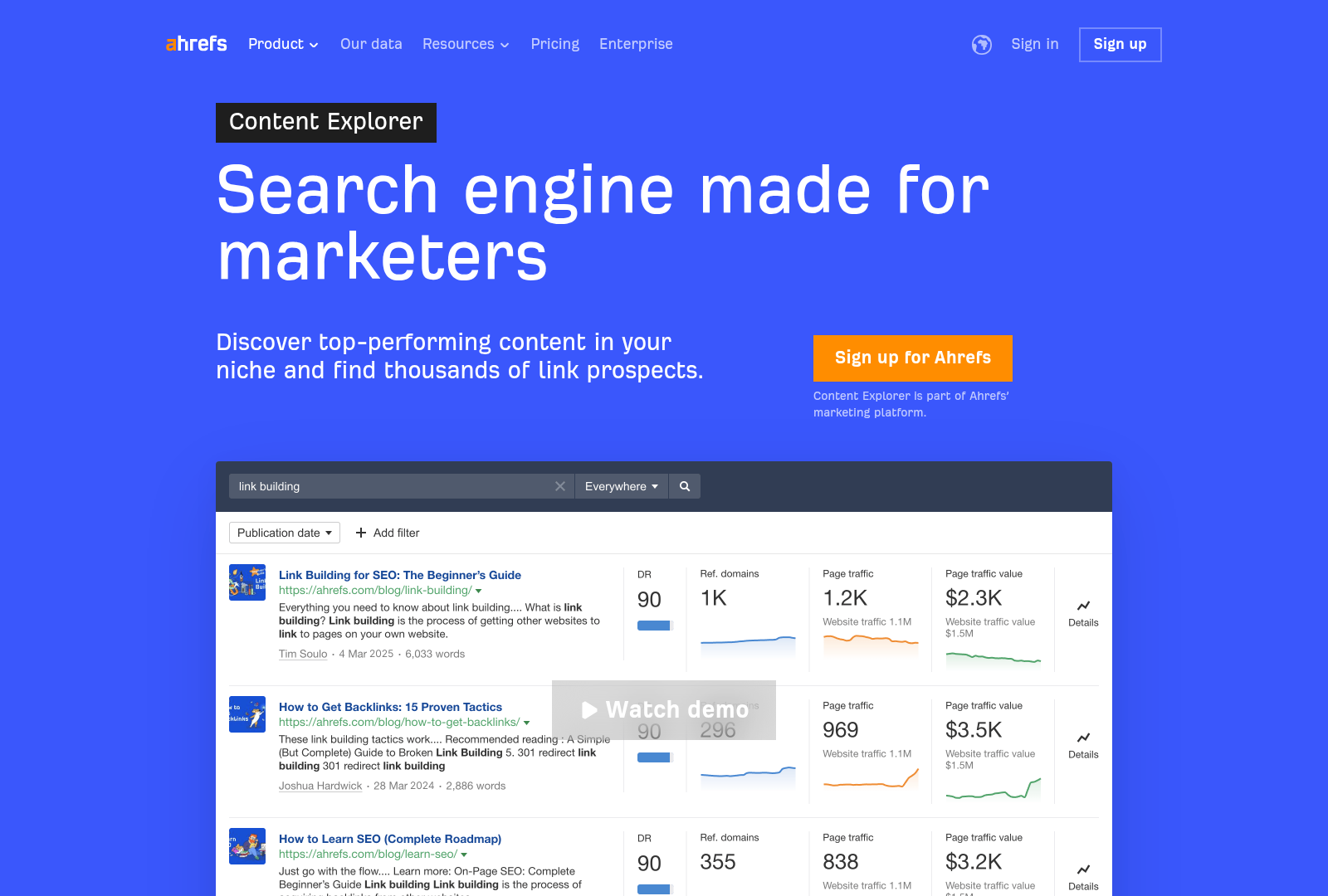
Ahrefs Content Explorer is a powerful tool for analyzing content performance and identifying keyword opportunities. As mentioned in the [Content Optimization Checklist with Ahrefs] section, it helps in finding high-traffic keywords relevant to your niche. For more advanced techniques, see the [Advanced Ahrefs Content Explorer Features and Tips] section for features like Content Gap analysis, which reveal untapped opportunities to improve your content strategy.
Content Optimization Checklist with Ahrefs
Keyword Research with Ahrefs
- Use Ahrefs Content Explorer to identify high-traffic keywords relevant to your niche. This helps prioritize topics with proven audience interest and search volume. As mentioned in the [Introduction to Ahrefs Content Explorer] section, this tool is essential for uncovering keyword opportunities.
- Analyze competitors’ top-performing content to uncover keywords they rank for but you don’t. Addressing these gaps can improve your visibility for underserved queries. See the [Advanced Ahrefs Content Explorer Features and Tips] section for more details on content gap analysis.
- Filter keywords by search intent (informational, transactional, navigational) to align content with user needs. Misaligned content often fails to convert traffic into engagement.
- Evaluate keyword difficulty scores to target opportunities where competition is lower. High-difficulty keywords may require significant time and resources to rank for.
Content Analysis and Audit
- Audit existing content for keyword density, ensuring target terms are included naturally without overstuffing. Balanced keyword usage improves readability and SEO rankings.
- Compare your content’s word count and depth to top-ranking pages. Shorter or less comprehensive content may struggle to compete for high positions.
- Identify underperforming pages with low traffic or high bounce rates using Ahrefs’ Content Explorer metrics. Revising or repurposing these pages can recover lost traffic. See the [Repurposing Content for Multi-Channel Distribution] section for techniques on repurposing content.
- Use content gap analysis to discover topics your audience searches for but you haven’t covered. Filling these gaps positions your site as a comprehensive resource.
Backlink Analysis and Building
- Analyze competitors’ backlink profiles to identify high-authority domains linking to their content. Targeting similar domains can accelerate your site’s credibility in search engines. Building on concepts from [Introduction to Ahrefs Content Explorer], this step leverages competitor data for strategic outreach.
- Monitor new backlinks acquired by competitors to uncover emerging opportunities. Outreach to these domains can replicate successful backlink strategies.
- Use Ahrefs’ backlink checker to assess the quality of your existing backlinks. Low-quality or spammy links can harm your site’s SEO performance.
- Track referral traffic from backlinks to determine which domains drive the most value. Prioritize relationships with high-traffic, relevant sources.
Final Review and Optimization
- Update on-page elements (titles, meta descriptions, headers) with primary and secondary keywords. Optimized metadata improves click-through rates from search results.
- Audit internal linking to ensure high-value pages receive traffic from your site’s other content. Strong internal linking enhances user navigation and SEO equity distribution.
- Regularly revisit Ahrefs Content Explorer for updates on keyword trends and competitor strategies. Adapting to changes in search behavior maintains long-term content relevance.
- Export and archive audit results to track progress over time. Historical data highlights the impact of optimization efforts on traffic and rankings.
Automated Content Generation with DemGen Agency
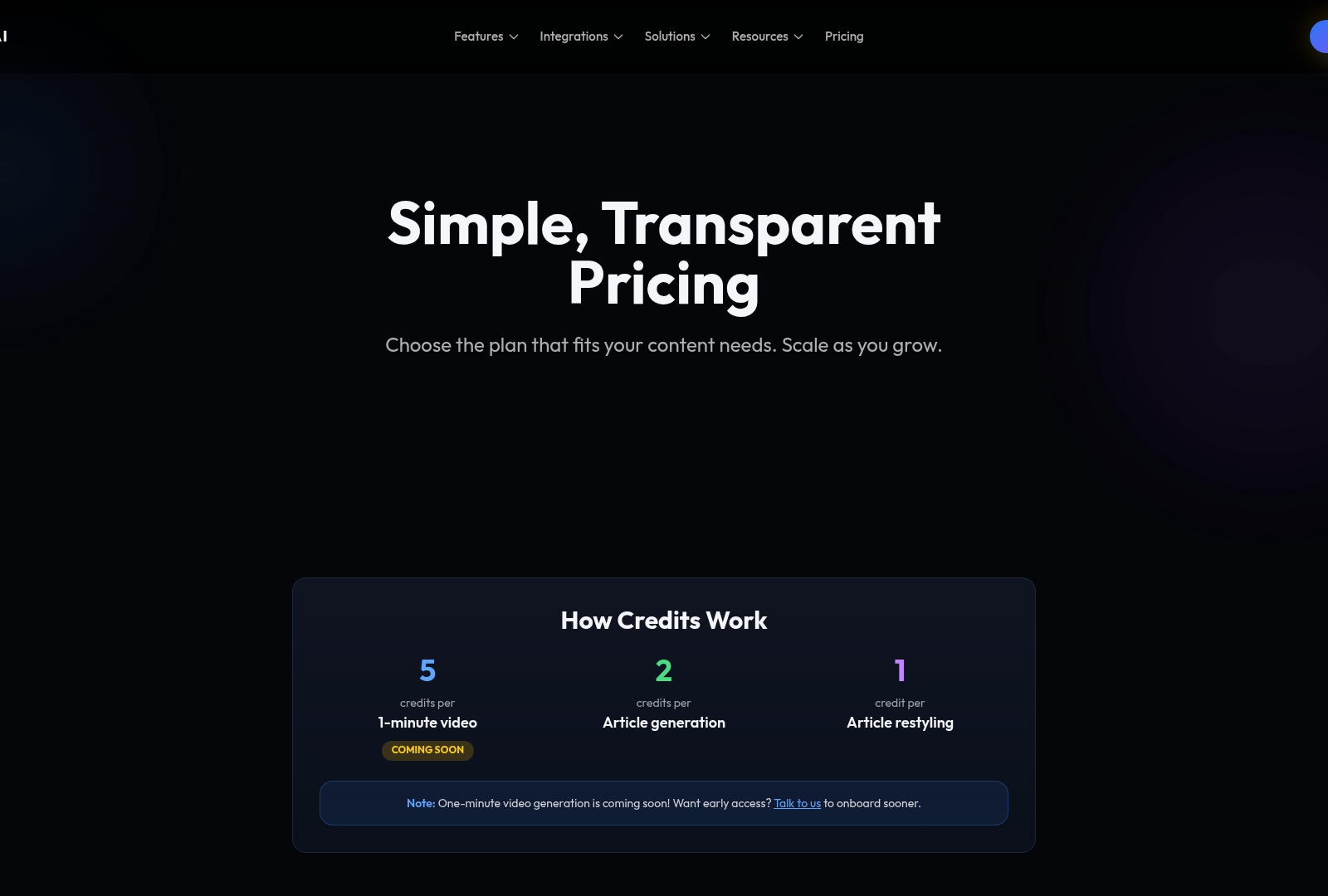
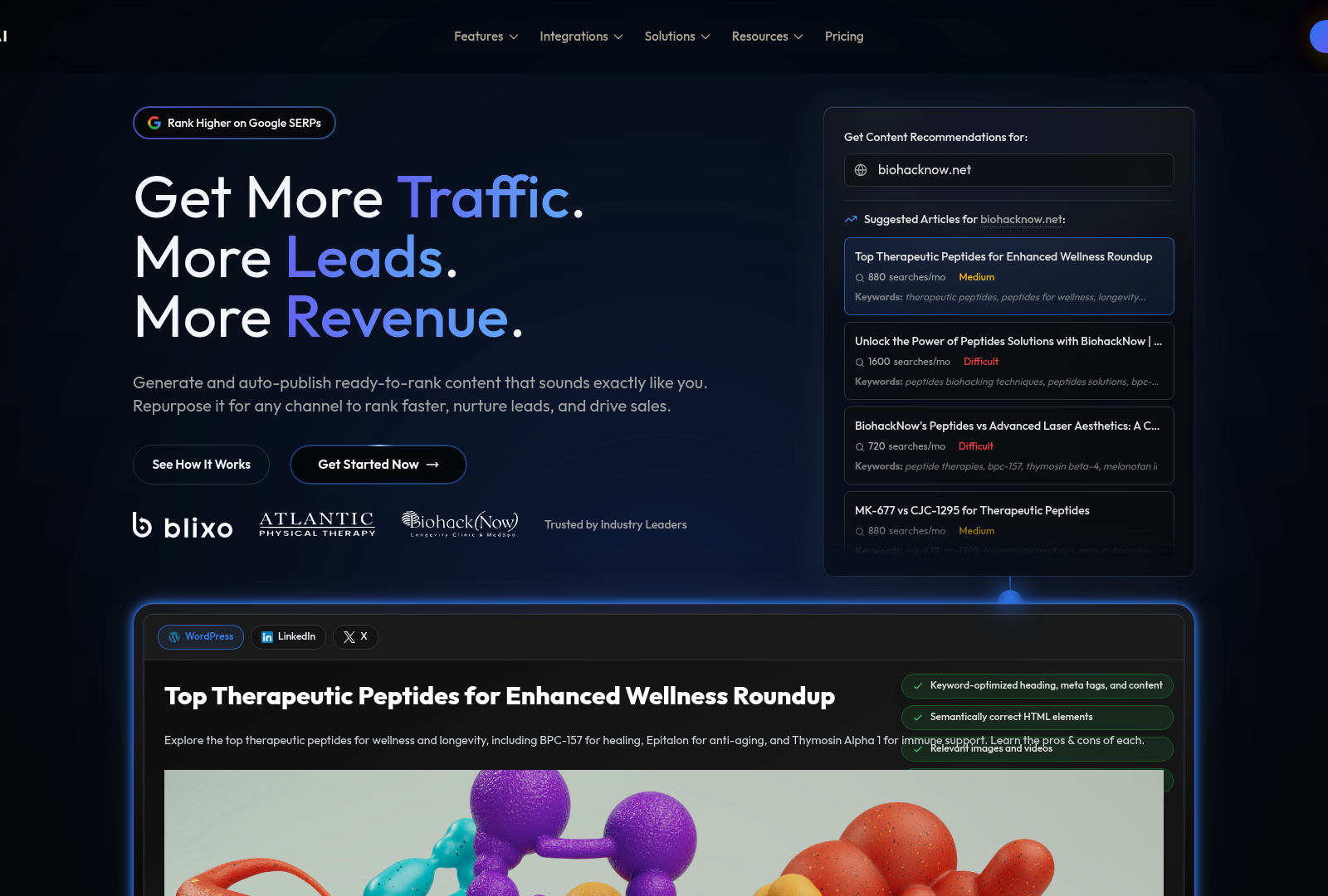
Overview of Automated Content Generation
- Understand AI-driven content creation workflows that streamline drafting, editing, and publishing tasks by leveraging natural language processing (NLP) and pre-defined templates .
- Identify use cases such as blog posts, product descriptions, and social media updates that benefit from scalable, consistent output generated by tools like DemGen Agency .
- Evaluate how automated systems reduce manual effort while maintaining brand voice and SEO alignment through structured input parameters .
Integration with Ahrefs Content Explorer
- Use Ahrefs Content Explorer to analyze competitors’ high-performing content, extracting keywords, content gaps, and topic clusters for input into DemGen’s automation workflows . As mentioned in the [Introduction to Ahrefs Content Explorer] section, this tool provides critical insights for competitive analysis.
- Import keyword data from Ahrefs’ SERP analysis to prioritize content ideas with proven search volume and low competition, ensuring relevance to target audiences .
- Sync topic research from Ahrefs’ content gap tool with DemGen’s templating system to generate drafts addressing underserved queries within a niche .
SEO Optimization Through Automation
- Automate on-page SEO elements (e.g., meta titles, headers, alt text) using Ahrefs’ keyword suggestions to align generated content with search intent . See the [Content Optimization Checklist with Ahrefs] section for more details on leveraging keyword research for content prioritization.
- Monitor content performance via Ahrefs’ backlink and traffic metrics, refining DemGen’s output strategies based on real-time SEO impact .
- Scale content production without compromising quality by integrating Ahrefs’ content scoring with DemGen’s editorial guidelines for prioritization .
Best Practices for Workflow Synergy
- Establish a feedback loop where Ahrefs’ content performance reports inform iterative improvements to DemGen’s AI training data and templates .
- Assign human reviewers to validate automated drafts against Ahrefs’ content quality benchmarks, ensuring accuracy and engagement .
- Schedule recurring Ahrefs audits to update DemGen’s keyword targets, maintaining alignment with evolving search trends and algorithm updates . Building on concepts from [Advanced Ahrefs Content Explorer Features and Tips], content gap analysis ensures keyword targets remain competitive.
Limitations and Considerations
- Acknowledge that automated systems may require manual intervention for complex topics requiring deep expertise or nuanced creativity .
- Balance volume and quality by setting thresholds for human oversight based on content type and strategic importance .
- Regularly audit generated content for originality using plagiarism detection tools to avoid duplicate content penalties .
This section highlights the strategic synergy between DemGen Agency’s automation and Ahrefs Content Explorer, emphasizing data-driven decision-making and efficiency. By aligning AI-generated output with Ahrefs’ SEO insights, teams can optimize content for discoverability while reducing time-to-publish. However, explicit technical integration details (e.g., API endpoints, workflow triggers) are not provided in available sources, necessitating further exploration of tool-specific documentation for implementation.
Repurposing Content for Multi-Channel Distribution
- Convert blog posts into social media snippets by extracting key takeaways, quotes, or infographics. This increases reach by tailoring content to platform norms. See the [Content Optimization Checklist with Ahrefs] section for more details on identifying high-traffic keywords to enhance snippet visibility.
- Transform in-depth articles into video scripts for YouTube, using text-to-speech tools or animated summaries. Visual formats often engage audiences more effectively than written content alone. Building on concepts from the [Measuring and Tracking Content Performance with DemGen Agency] section, video performance metrics can guide refinements to script pacing and structure.
- Compile related blog posts into a newsletter digest to retain audience attention and drive traffic back to the website. Newsletters also foster email list growth through consistent value delivery. As mentioned in the [Advanced Ahrefs Content Explorer Features and Tips] section, content gap analysis can help identify underrepresented topics to diversify newsletter content.
SEO Optimization and Traffic Growth Strategies
As mentioned in the Content Optimization Checklist with Ahrefs section, leveraging high-traffic keywords identified through Ahrefs Content Explorer forms a foundational step in SEO strategy. Building on concepts from the Advanced Ahrefs Content Explorer Features and Tips section, utilizing content gap analysis can further refine topic research by targeting competitor keywords. See the Repurposing Content for Multi-Channel Distribution section for strategies on extending SEO value through evergreen content reuse.
Lead Generation and Conversion Rate Optimization
Insufficient source information to generate specific strategies for lead generation and conversion rate optimization. The section requires explicit details from assigned sources to outline landing page optimization, CTA optimization techniques, or lead magnet creation processes, but no primary or available sources were provided for reference. Without verifiable data or methodology from cited materials, it is not possible to construct a compliant section under the constraints of the anti-hallucination rules. For foundational keyword research that informs landing page strategies, see the Content Optimization Checklist with Ahrefs section for more details on identifying high-traffic keywords. Additionally, building on concepts from the Measuring and Tracking Content Performance with DemGen Agency section can provide insights into monitoring conversion metrics effectively.
Measuring and Tracking Content Performance with DemGen Agency
- Integrate Ahrefs Content Explorer data with DemGen’s analytics to cross-reference backlink growth, keyword rankings, and competitor benchmarks. This combination provides a holistic view of content health. See the Content Optimization Checklist with Ahrefs section for more details on leveraging Ahrefs for keyword and competitor analysis.
- Use Ahrefs Content Explorer’s competitor analysis alongside DemGen’s metrics to uncover gaps in your content strategy. Benchmarking reveals opportunities for differentiation. Building on concepts from the Advanced Ahrefs Content Explorer Features and Tips section, content gap analysis can further refine these insights.
Advanced Ahrefs Content Explorer Features and Tips
-
Combine content gap analysis with topic clusters to build a cohesive content strategy. This approach ensures your content covers both foundational and niche topics, improving SEO coverage. See the [Content Optimization Checklist with Ahrefs] section for more details on integrating keyword research with topic clustering.
-
Export data to CSV for deeper analysis in tools like Excel or Google Sheets. This allows for trend analysis and content performance tracking beyond Ahrefs' interface. Building on concepts from the [Measuring and Tracking Content Performance with DemGen Agency] section, this data can inform multi-channel distribution and optimization strategies.
-
Compare backlink profiles of competitors to identify link-building opportunities. Look for gaps where competitors have backlinks your site lacks. As mentioned in the [Introduction to Ahrefs Content Explorer] section, understanding competitor backlinks is foundational to refining your SEO approach.
References
Frequently Asked Questions
1. How do I perform content gap analysis using Ahrefs Content Explorer?
To perform content gap analysis in Ahrefs, use the "Content Gap" tool by inputting your domain and up to three competitors' domains. This reveals keywords your competitors rank for but you don’t. Analyze these keywords for relevance to your niche and prioritize those with high search volume and low difficulty. This helps identify untapped opportunities to create or optimize content that fills gaps in your strategy.
Q: What are the best practices for filtering keywords by search intent?
A: When filtering keywords by search intent (informational, transactional, navigational), start by examining keyword phrases and top-ranking content. For example, transactional keywords often include terms like "buy" or "discount," while informational queries may use "how to" or "what is." Align your content structure with intent: informational content should be educational, transactional content should include CTAs, and navigational content should provide clear site navigation.
Q: How can I use keyword difficulty scores to prioritize my SEO efforts?
A: Keyword difficulty (KD) scores in Ahrefs rate how hard it is to rank for a keyword on a scale of 0–100. Prioritize keywords with a KD below 40 if you’re a new site or have limited authority; for established sites, aim for KD 40–60. Combine KD with search volume to balance competitiveness and traffic potential. Focus on medium-difficulty keywords first to build momentum before tackling harder targets.
Q: How do I identify underperforming content with Ahrefs Content Explorer?
A: Use Ahrefs’ Site Audit feature to filter pages by low traffic (<100 monthly visits) or high bounce rates (>70%). Cross-reference these with Content Explorer to analyze metrics like word count, backlink profile, and keyword coverage. Underperforming pages often lack depth or fail to address user intent. Prioritize revising or repurposing these pages to reclaim lost traffic.
Q: What are the key metrics to compare my content against competitors’?
A: Compare your content to competitors’ using metrics like word count (ensure your content is 20–30% longer for better ranking), backlink profile (target acquiring high-quality backlinks to match or exceed theirs), and keyword coverage (identify keywords they rank for that you’re missing). Use Ahrefs’ "Top Pages" and "Backlink Gap" tools to benchmark and strategize improvements.
Q: How can I effectively repurpose underperforming content?
A: Repurpose underperforming content by transforming it into different formats, such as turning a blog post into a video, infographic, or podcast episode. Use Ahrefs to identify related keywords and topics for expansion. For example, a low-traffic article on "SEO basics" could become a downloadable checklist or a webinar. Promote repurposed content across social media, email campaigns, and guest posts to maximize reach.
Q: What are the steps to start using Ahrefs Content Explorer for SEO?
A: Begin by signing up for an Ahrefs account and exploring the Content Explorer dashboard. Input your niche-related keywords to discover high-traffic opportunities. Use filters like keyword difficulty, search intent, and content length to narrow results. Start with competitor analysis to identify gaps, then audit your own content for optimization. Gradually integrate advanced features like Content Gap and Site Audit to refine your strategy. Regularly revisit the tool to track progress and adjust tactics.