
Effective Strategies for B2B Lead Generation on LinkedIn

Understanding LinkedIn for B2B Lead Generation
LinkedIn is uniquely positioned as a B2B lead generation platform due to its professional audience and targeted features. Over 90% of B2B marketers consider LinkedIn an essential tool for lead generation, leveraging its ability to connect with decision-makers in specific industries [1]. The platform’s user base includes over 1 billion professionals globally, with a significant portion holding senior titles, making it ideal for B2B outreach [11]. For example, 76% of LinkedIn users are involved in purchasing decisions for their organizations, and 80% of B2B leads come from LinkedIn compared to other social platforms [1]. This demographic focus allows marketers to target individuals based on job roles, industries, and company sizes, a capability absent on most consumer-focused platforms [14].
LinkedIn Demographics and B2B Marketing
LinkedIn’s audience skews toward high-intent professionals, with 57% of users actively researching B2B products or services [3]. Marketers can exploit this intent through LinkedIn’s native tools, such as Sponsored Content and InMail, which enable precise targeting of users based on skills, recent job changes, and engagement patterns [1]. For instance, LinkedIn Ads allow filtering by factors like “job function” (e.g., marketing, IT) or “seniority level” (e.g., manager, executive), ensuring campaigns reach decision-makers [10]. See the [Utilizing LinkedIn Ads for Targeted Lead Generation] section for more details on advanced targeting strategies. Additionally, LinkedIn’s analytics tools provide insights into campaign performance across the buyer’s journey, from awareness to conversion, which is critical for refining B2B strategies [3]. A study in [11] emphasizes that LinkedIn’s structured data—such as company revenue and industry—enables hyper-relevant ad delivery, a key advantage over platforms like Facebook or Twitter.
Setting Up a LinkedIn Business Page
A professional LinkedIn Company Page is foundational for B2B lead generation. According to LinkedIn Marketing Solutions, businesses with complete pages generate 5x more leads than those without [1]. Key elements include a clear headline, detailed “About” section, and a call-to-action (CTA) button (e.g., “Contact Us” or “Download Our Guide”) [9]. For example, the “About” section should highlight unique value propositions tailored to target industries, while the CTA should align with specific lead magnets like whitepapers or free trials [10]. As mentioned in the [Optimizing LinkedIn Profiles for Lead Generation] section, regular posting—ideally 3–5 times per week—keeps the audience engaged, with content formats ranging from thought leadership articles to case studies [8]. A 2025 guide in [8] recommends using LinkedIn Articles to establish authority, as they receive 8x more engagement than standard posts.
Optimizing LinkedIn Profiles for Lead Generation
Individual and company profiles must be optimized to attract and convert leads. Research in [15] shows that LinkedIn profiles with Recommendations and 500+ connections generate 35% more lead-generation opportunities. For personal profiles (e.g., sales teams), the headline should include keywords relevant to the target audience, such as “B2B SaaS Consultant | Helping Tech Companies Scale” [8]. The “Experience” section should highlight measurable achievements, while the “Recommendations” tab builds credibility through peer validation [15]. For company pages, adding a dedicated “Careers” section increases brand visibility and attracts potential clients seeking trusted partners [9]. Furthermore, [10] suggests using LinkedIn Lead Gen Forms to capture lead data directly within the platform, reducing friction compared to redirecting users to external landing pages.
Best Practices for B2B Campaigns
Effective LinkedIn campaigns require a mix of content strategies and audience segmentation. As noted in the [Creating Engaging Content for LinkedIn Lead Generation] section, user-generated content (UGC)—such as testimonials from clients—boosts authenticity. Marketers can sponsor these posts to amplify reach, as organic UGC receives 8x more engagement than paid ads alone [2]. Additionally, LinkedIn’s Dynamic Ads personalize content based on user profiles, increasing click-through rates by up to 2x [1]. For example, a SaaS company might display different value propositions to IT managers versus CFOs based on their role [10]. Regular A/B testing of ad creatives (images, videos, CTAs) is also critical, with [8] recommending testing at least three variations per campaign to identify high-performing assets. Finally, monitoring metrics like Cost Per Lead (CPL) and Conversion Rate (CVR) ensures campaigns stay aligned with ROI goals [11].
Creating Engaging Content for LinkedIn Lead Generation
Creating engaging content for LinkedIn lead generation requires a strategic approach that aligns with the platform’s professional audience and content consumption patterns. According to [2], thought leader ad campaigns—using video or image content featuring client testimonials—can effectively build trust and drive organic engagement. These campaigns leverage user-generated content, which is often perceived as more authentic than traditional ads. [10] emphasizes that LinkedIn marketing involves promoting businesses and sharing content tailored to B2B audiences, suggesting that educational posts, industry insights, and case studies resonate well. To maximize impact, content should address specific pain points of the target audience while showcasing expertise, as outlined in [11], which frames LinkedIn as a prime channel for B2B lead generation through strategic storytelling.
Content Types and Tone
LinkedIn’s professional context demands content that balances authority with approachability. [2] highlights the value of repurposing client testimonials into sponsored posts, ensuring consistency with the brand’s voice while providing social proof. For educational content, [11] recommends using long-form posts to explain complex industry trends, supported by data-driven insights to establish credibility. Visual content, such as infographics or short videos, is also critical: [10] notes that LinkedIn’s algorithm prioritizes content with high engagement, and visual elements often drive more clicks and shares. The tone should remain professional yet conversational, avoiding overly technical jargon to maintain accessibility for a broad audience. See the [Optimizing LinkedIn Profiles for Lead Generation] section for more details on aligning tone with profile optimization.
SEO-Optimized Content Strategies
While LinkedIn does not explicitly mention SEO in its platform guidelines, optimizing content for search visibility within the platform and external engines is essential. [10] suggests using keywords relevant to the target audience in post headlines and descriptions to improve discoverability. For example, including terms like “B2B SaaS solutions” or “lead generation strategies” aligns with what decision-makers search for. [11] further recommends leveraging LinkedIn’s search features by incorporating hashtags strategically—using 3–5 industry-specific tags per post to expand reach. Additionally, optimizing profile elements, such as the “About” section and headline with keywords, ensures that users searching for expertise in your niche are more likely to find your profile, as noted in [11].
Repurposing Content for LinkedIn
Repurposing existing content into LinkedIn-friendly formats saves time while maximizing reach. [10] advises transforming blog posts into carousel posts or short videos, which are more engaging on LinkedIn than static text. For instance, a case study on a successful B2B project can be broken into a series of posts highlighting key milestones, client quotes, and outcomes. [11] supports this approach, advocating for a content framework that reuses whitepapers, webinars, and podcast episodes as LinkedIn articles or live discussion prompts. Tools like Canva or Adobe Express can streamline the creation of visually appealing posts, ensuring consistency with brand guidelines while adapting content to LinkedIn’s vertical format. Building on concepts from [Integrating LinkedIn with Other Marketing Channels for Lead Generation], cross-promoting repurposed content across platforms enhances overall visibility.
Measuring Content Engagement
Tracking engagement metrics is vital to refining LinkedIn content strategies. [10] identifies key performance indicators (KPIs) such as click-through rates (CTRs), shares, and comments as indicators of content effectiveness. LinkedIn Analytics provides insights into which posts drive the most engagement, allowing marketers to double down on successful formats. [11] adds that A/B testing different headlines, visuals, and posting times can reveal audience preferences, while lead generation form submissions and website traffic from LinkedIn should be monitored to assess conversion impact. Regularly reviewing these metrics ensures content remains aligned with audience interests and business goals. See the [Measuring and Analyzing LinkedIn Lead Generation Efforts] section for detailed guidance on interpreting these metrics.
By combining thought leadership, SEO optimization, repurposed content, and rigorous engagement analysis, B2B marketers can create a LinkedIn content strategy that not only attracts leads but also nurtures them through the sales funnel. The sources consistently emphasize the importance of authenticity, data-driven adjustments, and platform-specific formatting to achieve measurable results.
Leveraging LinkedIn Groups for Lead Generation
LinkedIn Groups serve as a strategic conduit for B2B lead generation by enabling professionals to connect with niche audiences, establish thought leadership, and distribute targeted content. According to [11], joining groups aligned with your industry vertical or target audience allows businesses to expand their reach and engage with decision-makers actively seeking solutions. This approach is reinforced by [12], which emphasizes that LinkedIn Groups act as micro-communities where B2B marketers can foster trust and credibility through sustained, value-driven interactions. To maximize this, prioritize groups with active discussions and minimal spam, focusing on those where your ideal clients are likely to participate.
Finding and Joining Relevant LinkedIn Groups
To identify high-value groups, leverage LinkedIn’s advanced search filters, such as keywords, industry tags, and group size. [11] recommends targeting groups with 5,000–10,000 members, as these often balance activity levels with manageable engagement. Tools like LinkedIn’s “Suggested Groups” section or third-party research (e.g., analyzing competitors’ group memberships) can further refine this process. Once joined, avoid immediate self-promotion; instead, observe discussions to understand pain points and content preferences. [12] highlights that early participation in problem-solving threads—without overtly pushing products—builds credibility. For example, responding to a query about industry challenges with a data-backed solution can position your brand as a resource. See the [Optimizing LinkedIn Profiles for Lead Generation] section for insights on crafting professional personas that align with group engagement.
Participating in Group Discussions Strategically
Active participation in LinkedIn Groups requires a balance of listening and contributing. [11] outlines that commenting on peer posts, answering questions, and sharing insights tailored to group-specific interests are critical. For instance, if a group member asks for recommendations on project management tools, a response linking to a relevant case study or blog post (with a brief explanation of its relevance) can drive traffic and generate leads. [12] adds that consistency is key—posting 2–3 times per week sustains visibility without overwhelming members. Additionally, [8] suggests using open-ended questions (e.g., “What trends are you monitoring in X sector?”) to spark conversations and encourage others to tag colleagues, expanding your reach organically. As mentioned in the [Creating Engaging Content for LinkedIn Lead Generation] section, tailoring content to address specific pain points enhances its impact in these discussions.
Creating and Managing a LinkedIn Group
For businesses seeking deeper control over their lead generation environment, creating a custom LinkedIn Group can centralize audience engagement. [11] notes that a well-defined group with clear objectives—such as “Digital Transformation in Healthcare” or “SaaS Marketing Strategies”—attracts a targeted following. The group’s description should emphasize exclusivity and value, such as offering weekly webinars or curated resources. Once established, [12] advises setting moderation rules to maintain quality discussions and prevent spam. Regularly posting polls, hosting live Q&A sessions, and featuring guest contributors can further enhance member retention. For example, a monthly “Expert Corner” post inviting industry leaders to share insights can drive sign-ups and position your brand as a hub for knowledge exchange.
Promoting Content Through Groups
LinkedIn Groups are ideal for distributing content that aligns with the group’s focus. [11] recommends sharing blog posts, whitepapers, or infographics with a concise summary and a call-to-action (e.g., “Download the full report for actionable insights”). To avoid appearing pushy, pair content with a relevant commentary—such as summarizing key takeaways or posing a discussion question. [12] emphasizes repurposing long-form content into digestible formats, like SlideShares or LinkedIn Articles, to cater to varying member preferences. Cross-promotion across multiple groups (owned or external) amplifies visibility, while tracking metrics like click-through rates helps refine your strategy. [10] suggests A/B testing headlines and posting times to optimize engagement, ensuring content resonates with each group’s unique dynamics.
By systematically leveraging LinkedIn Groups—through thoughtful participation, strategic content sharing, and proactive community management—B2B marketers can cultivate relationships that directly translate into qualified leads. The key lies in prioritizing value over promotion, as underscored by [11] and [12], ensuring your presence in these communities feels collaborative rather than transactional.
Utilizing LinkedIn Ads for Targeted Lead Generation
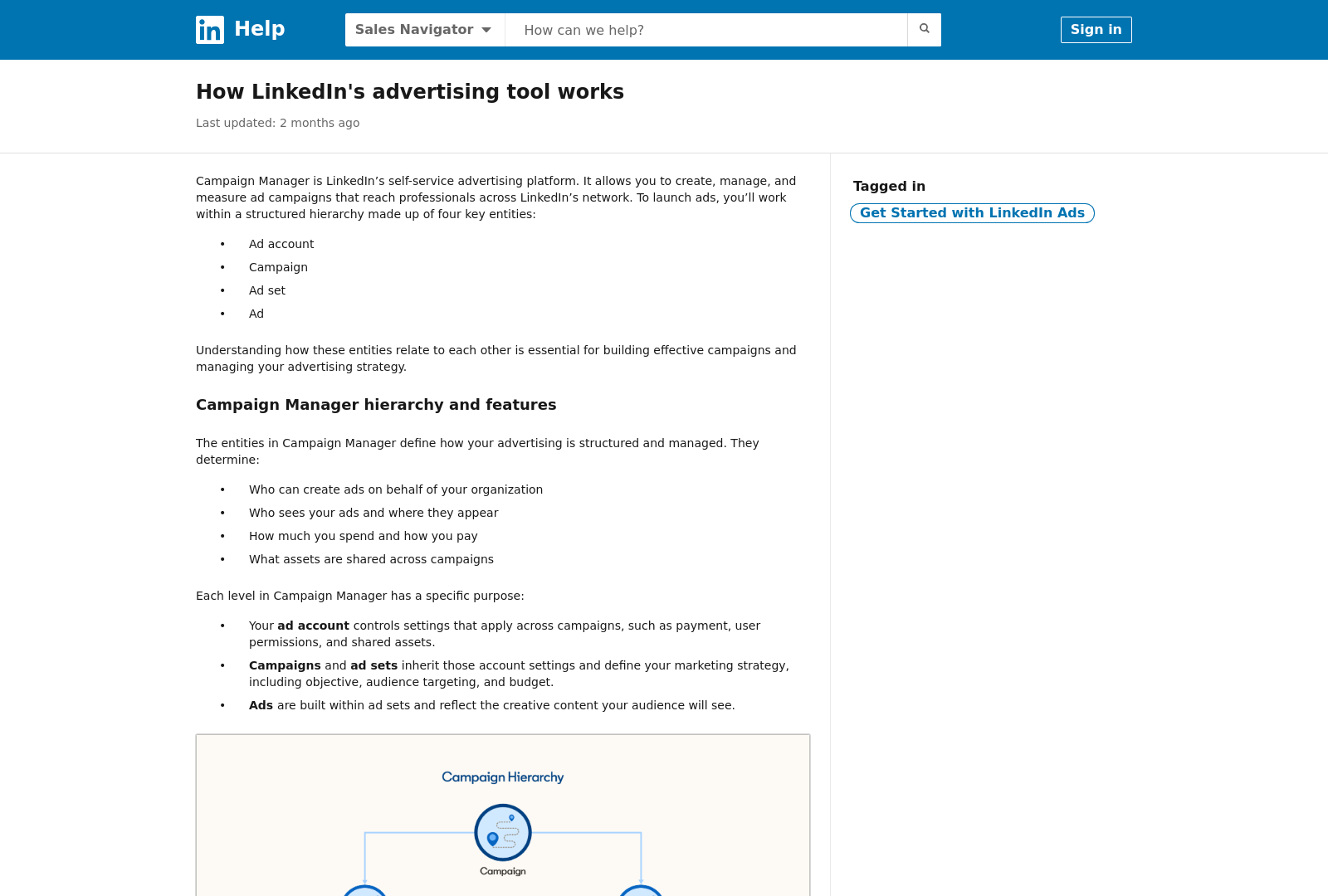
LinkedIn Ads offer a robust framework for B2B lead generation, leveraging the platform’s professional audience and advanced targeting capabilities. This section outlines actionable strategies for utilizing LinkedIn Ads effectively, drawing on insights from recent industry analyses and case studies.
Types of LinkedIn Ads
LinkedIn provides several ad formats tailored to B2B marketing objectives. A key format highlighted in recent discussions is the thought leader ad campaign, which uses video or image content to showcase client testimonials or industry expertise [2]. See the [Creating Engaging Content for LinkedIn Lead Generation] section for more details on thought leadership strategies. These campaigns often involve collaborating with satisfied clients to create organic posts that are later sponsored to amplify reach. Additionally, LinkedIn’s Sponsored Content allows businesses to promote posts, articles, or videos directly in users’ feeds, while Message Ads enable personalized, direct outreach to target audiences [1]. For B2B SaaS companies, thought leader campaigns have proven effective in building trust and credibility, as they leverage peer endorsements to reduce skepticism [2].
Targeting Options for LinkedIn Ads
LinkedIn’s targeting capabilities are a cornerstone of its B2B relevance, enabling advertisers to narrow audiences based on job titles, industries, seniority levels, and company sizes [14]. For instance, marketers can specify campaigns to target only decision-makers, such as C-suite executives or department heads, within specific sectors like healthcare or technology [3]. The platform also supports custom audiences using uploaded email lists or website visitors, and lookalike audiences to reach users similar to existing customers [11]. This level of precision ensures ads resonate with high-intent prospects, aligning with LinkedIn’s focus on measurable impact across the buyer’s journey [3].
Setting Up and Managing LinkedIn Ad Campaigns
To maximize effectiveness, LinkedIn ad campaigns should begin with clear objectives, such as generating leads, driving website traffic, or boosting brand awareness. For thought leader campaigns, the process involves interviewing clients to create authentic testimonials, which are then formatted as video or image ads and sponsored to a broader audience [2]. Campaign setup also requires defining budgets and bidding strategies—LinkedIn offers options like cost-per-click (CPC) or cost-per-impression (CPM)—with recommendations to start with smaller budgets to test messaging before scaling [12]. Regular monitoring is critical; platforms like LinkedIn Campaign Manager allow adjustments to targeting, ad creatives, and budgets in real time to optimize performance [11].
Measuring Ad Performance
LinkedIn provides detailed analytics tools to track campaign performance across key metrics, including click-through rates (CTR), conversion rates, and engagement levels [3]. For B2B marketers, tracking the full buyer journey is essential, from initial awareness to lead qualification. Tools like LinkedIn’s Conversions Tracking and Lead Gen Forms help measure how ads influence downstream actions, such as demo requests or whitepaper downloads [14]. Regularly reviewing these metrics enables data-driven refinements, such as A/B testing ad copy or reallocating budgets to high-performing segments [12]. Studies emphasize that campaigns with clear conversion tracking see up to 30% higher lead quality, underscoring the importance of aligning analytics with business goals [11]. For a deeper understanding of key metrics, refer to the [Measuring and Analyzing LinkedIn Lead Generation Efforts] section.
By combining precise targeting, strategic ad formats, and rigorous performance measurement, LinkedIn Ads can become a cornerstone of a B2B lead generation strategy. The platform’s focus on professional intent and decision-makers makes it uniquely suited for industries where purchase cycles are complex and informed by peer validation [2][3].
Optimizing LinkedIn Profiles for Lead Generation
Optimizing LinkedIn profiles for lead generation requires a strategic focus on visibility, relevance, and engagement. A complete and polished profile increases the likelihood of appearing in search results, both within LinkedIn and through external search engines. Research highlights that 87% of B2B leads originate from LinkedIn searches, emphasizing the need to refine every element of the profile [8]. Key components include a professional profile photo, a compelling headline, and a detailed summary section that incorporates industry-specific keywords [11]. For example, the headline should not only state your role but also reflect your value proposition, such as “Digital Marketing Strategist | Helping SaaS Companies Scale with Data-Driven Campaigns” [12].
Enhancing Visibility with Keywords
Searchability on LinkedIn hinges on strategic keyword placement. Profiles should include terms potential leads might search for, such as industry niches, services offered, or target audiences. Source [11] recommends auditing competitor profiles and using tools like LinkedIn’s autocomplete feature to identify high-traffic keywords. These terms should be naturally integrated into the headline, summary, and job descriptions. For instance, a B2B SaaS consultant might prioritize phrases like “cloud solutions for manufacturing” or “enterprise software implementation” [8]. Additionally, the “Featured” section can showcase case studies or articles that reinforce keyword relevance and demonstrate expertise [12]. See the [Creating Engaging Content for LinkedIn Lead Generation] section for more details on how to align keyword strategies with content creation.
Crafting a Clear Call-to-Action
A compelling call-to-action (CTA) guides prospects toward the next step, whether scheduling a consultation, downloading a whitepaper, or connecting professionally. Source [8] emphasizes that CTAs should be direct and action-oriented, such as “Book a Free Strategy Call” or “Download My Industry Report.” The LinkedIn “Contact Info” section should include a dedicated link to a lead capture form or company website, reducing friction for potential leads [11]. For business profiles, adding a “Website” link to a tailored landing page—optimized for conversions—can further streamline the lead generation process [12].
Leveraging LinkedIn’s Publishing Platform
Publishing original content on LinkedIn positions professionals as thought leaders while attracting targeted traffic. According to [12], long-form articles and industry insights generate 13x more engagement than standard posts, making them critical for lead generation. Topics should address pain points of the target audience, such as “5 Challenges in B2B SaaS Sales and How to Solve Them.” Source [11] adds that publishing consistently—ideally 2–3 articles per month—builds credibility and keeps the profile top-of-mind for decision-makers. See the [Integrating LinkedIn with Other Marketing Channels for Lead Generation] section for strategies on cross-promoting published content across platforms. Additionally, embedding links to gated resources (e.g., e-books or templates) within posts can drive traffic to lead magnets hosted on company websites [8].
Utilizing Endorsements and Recommendations
Recommendations serve as social proof, enhancing trust and authority. Source [15] notes that profiles with at least five recommendations see a 20% increase in profile views. Requesting endorsements from clients or colleagues who highlight specific skills—such as “Delivered a 30% ROI increase for a B2B marketing campaign”—adds credibility. Conversely, offering to write recommendations for peers fosters reciprocity and expands professional networks [11].
Optimizing for Mobile and Accessibility
With over 70% of LinkedIn users accessing the platform via mobile devices, profiles must be optimized for readability on smaller screens. Source [12] advises using short paragraphs, bullet points, and clear headings to ensure scannability. Avoid excessive jargon and prioritize concise, impactful statements. Additionally, alt text for profile images and accessible formatting (e.g., high-contrast fonts) improve visibility for users with disabilities while aligning with inclusive design practices [8].
By systematically addressing these elements, professionals and businesses can transform their LinkedIn profiles into dynamic lead generation tools. Each component—keywords, CTAs, content, and design—works synergistically to attract, engage, and convert prospects in the competitive B2B landscape [11][12].
Measuring and Analyzing LinkedIn Lead Generation Efforts
Measuring and analyzing LinkedIn lead generation efforts is critical for optimizing B2B strategies, as the platform allows tracking impact "across the full buying journey" [3]. Key performance indicators (KPIs) serve as the foundation for evaluation. Conversion rate, defined as the percentage of profile views that result in a lead, is a primary metric [11]. Engagement rate, including likes, comments, and shares on content, reflects audience interest and content relevance [12]. Cost per lead (CPL) measures the financial efficiency of campaigns, while lead quality—assessed by lead scoring based on job title, company size, or engagement history—indicates alignment with target accounts [13]. These KPIs, when monitored consistently, provide actionable insights into campaign effectiveness.
LinkedIn’s native analytics tools offer granular data for tracking these metrics. The LinkedIn Campaign Manager provides real-time performance reports, including impressions, clicks, and conversions, enabling marketers to assess ad performance [3]. For organic efforts, the LinkedIn Page Analytics dashboard tracks post engagement, follower growth, and website clicks [12]. See the Utilizing LinkedIn Ads for Targeted Lead Generation section for more details on Campaign Manager’s role in ad optimization. Third-party tools like those described in [5] leverage "data from thousands of outbound B2B campaigns" to refine messaging and improve response rates. These tools often integrate with LinkedIn’s API to automate lead tracking and segmentation, though specific technical details on API integration are not outlined in the sources [5]. Marketers should prioritize aligning LinkedIn metrics with CRM data to close the loop between social engagement and sales outcomes [11]. Building on concepts from the Integrating LinkedIn with Other Marketing Channels section, this alignment ensures cohesive lead tracking across platforms.
Tracking lead generation metrics requires a focus on both top-of-funnel and bottom-of-funnel activities. Top-of-funnel metrics include click-through rate (CTR) on sponsored content and profile views, which indicate initial audience interest [13]. Bottom-of-funnel metrics, such as form submissions or demo requests, measure conversion effectiveness [12]. To track these, marketers can use UTM parameters in LinkedIn ad URLs to attribute website traffic to specific campaigns [11]. Additionally, LinkedIn Lead Gen Forms allow capturing contact information directly on the platform, streamlining the lead capture process [3]. Regularly exporting this data into a spreadsheet or analytics tool enables trend analysis and identification of high-performing content or audience segments.
Adjusting strategies based on data demands iterative testing and refinement. For example, if analytics reveal low engagement on video content, marketers might pivot to shorter, more visually driven formats [12]. Similarly, if CPL exceeds benchmarks, reallocating budget to higher-performing campaigns or adjusting targeting criteria—such as refining job function or industry filters—can improve efficiency [13]. The sources emphasize that "the relentless pursuit of qualified leads" in B2B requires continuous experimentation with ad copy, CTAs, and audience segmentation [12]. A/B testing headlines, imagery, and landing pages, as described in [5], further validates assumptions and scales successful tactics. By tying adjustments to specific KPI trends, teams ensure data-driven decisions rather than speculative changes.
To institutionalize measurement, establish a cadence for reviewing metrics. Weekly dashboard checks can identify immediate issues, while monthly deep dives analyze trends and correlations between content types and lead quality [11]. Quarterly audits should assess whether LinkedIn efforts align with broader B2B goals, such as pipeline growth or account penetration [13]. Documenting these processes and sharing insights across sales and marketing teams fosters collaboration, ensuring strategies evolve based on shared data [3]. As mentioned in the Optimizing LinkedIn Profiles for Lead Generation section, maintaining a polished profile enhances visibility, which directly impacts lead generation metrics. By systematically measuring, analyzing, and adapting LinkedIn lead generation efforts, B2B organizations can maximize ROI and maintain a competitive edge in the platform’s dynamic environment.
Integrating LinkedIn with Other Marketing Channels for Lead Generation
To maximize lead generation, integrate LinkedIn with complementary marketing channels by cross-promoting content, directing traffic strategically, repurposing material across platforms, and measuring performance holistically. Begin by embedding LinkedIn posts into email campaigns to maintain brand consistency. For example, share LinkedIn articles or updates directly in newsletters, ensuring links to LinkedIn profiles or company pages are included for seamless navigation [11]. This approach leverages LinkedIn’s B2B audience while reinforcing trust through familiar content formats. Additionally, use LinkedIn’s URL shortener tool to track clicks from LinkedIn posts to external blogs or landing pages, enabling precise measurement of referral traffic [12].
Cross-Promoting Content Across Channels
Leverage LinkedIn’s content creation tools to amplify reach on other platforms. Repurpose LinkedIn articles into blog posts or case studies, adapting the tone to suit different audiences. For instance, a LinkedIn thought leadership piece can be transformed into a detailed blog with expanded data, which is then promoted on LinkedIn as a summary post with a call-to-action (CTA) to read the full article [11]. See the [Creating Engaging Content for LinkedIn Lead Generation] section for more details on developing thought leadership content. Similarly, LinkedIn videos can be shared on YouTube or Twitter, with captions linking back to LinkedIn for profile visits. This strategy ensures content creation efforts are maximized across platforms without duplication.
Using LinkedIn to Drive Traffic to Other Channels
Direct LinkedIn users to email sign-up forms or webinar registration pages by including clear CTAs in posts. For example, a LinkedIn post highlighting a recent webinar can include a link to a landing page where visitors can access the recording in exchange for contact details [12]. Building on concepts from [Optimizing LinkedIn Profiles for Lead Generation], ensure your profile includes a clear CTA to guide users toward these actions. Additionally, use LinkedIn Groups to nurture leads by sharing insights that align with blog topics, encouraging members to visit the blog for deeper analysis. This creates a feedback loop where LinkedIn serves as both a lead magnet and a referral source for other channels.
Repurposing LinkedIn Content for Other Channels
Convert LinkedIn engagement data into actionable content for email and social media. For example, extract frequently asked questions from LinkedIn comments and use them to draft email newsletters or FAQ sections on websites [11]. LinkedIn polls can also be transformed into blog headings or Twitter threads, with results shared on all platforms. Another approach is to compile a series of LinkedIn posts into an eBook or whitepaper, which is then promoted across channels as a lead generation asset [12]. Advanced B2B marketers might explore compiling such content into targeted assets, as discussed in the [Advanced Strategies for B2B Lead Generation on LinkedIn] section. This method reduces content creation overhead while maintaining a cohesive marketing message.
Measuring the Impact of Integrated Marketing Efforts
Track integrated campaigns using LinkedIn Analytics in conjunction with tools like Google Analytics. Monitor metrics such as referral traffic from LinkedIn to blogs, click-through rates (CTRs) on shared links, and lead conversion rates from cross-channel campaigns [11]. As mentioned in the [Measuring and Analyzing LinkedIn Lead Generation Efforts] section, compare the performance of LinkedIn-driven traffic against other channels to identify high-converting strategies. Additionally, use UTM parameters to segment LinkedIn-generated leads in CRM systems, allowing analysis of lead quality relative to other sources [12]. Regularly audit these metrics to refine content strategies and allocate resources to high-performing integrations.
By aligning LinkedIn with email, blogs, and social media through structured cross-promotion, traffic redirection, and performance tracking, B2B marketers can create a unified lead generation ecosystem. This integration not only amplifies reach but also provides data-driven insights to optimize each channel’s contribution to the overall pipeline.
Advanced Strategies for B2B Lead Generation on LinkedIn
Advanced B2B lead generation on LinkedIn requires leveraging specialized tools and strategies beyond basic outreach. Account-based marketing (ABM) is a cornerstone of this approach, focusing on high-value accounts through personalized content and targeted engagement. LinkedIn enables ABM by allowing marketers to identify priority accounts using firmographic filters and create custom audiences for tailored ad campaigns [6]. For example, thought leader campaigns—where satisfied clients organically share success stories—can be sponsored to amplify reach while maintaining authenticity [2]. This strategy aligns with LinkedIn’s inherent strength in mapping the B2B buying journey, as its platform offers measurable insights into account engagement across stages [3]. See the [Creating Engaging Content for LinkedIn Lead Generation] section for more details on leveraging thought leadership for organic reach.
Using LinkedIn Sales Navigator
LinkedIn Sales Navigator enhances lead generation by providing advanced search capabilities and real-time lead alerts. Its tools allow users to filter prospects by job role, industry, and seniority, ensuring outreach aligns with ideal customer profiles [3]. Agencies like Expandi and Cleverly utilize Sales Navigator to automate personalized messaging at scale, leveraging data from thousands of campaigns to refine outreach [4][5]. For instance, crafting InMail messages with hyper-personalized subject lines and references to a prospect’s recent activity increases response rates, as emphasized in LinkedIn’s best practices [8]. Sales Navigator also integrates with CRM systems, streamlining lead tracking and follow-up, which is critical for maintaining continuity in B2B sales cycles [6]. Building on concepts from [Integrating LinkedIn with Other Marketing Channels for Lead Generation], this integration ensures seamless data flow across platforms.
Leveraging LinkedIn’s Newest Features
Staying ahead in lead generation requires adopting LinkedIn’s latest innovations. Features like dynamic ads, which automatically tailor content based on user behavior, improve engagement by delivering contextually relevant messages [6]. As mentioned in the [Utilizing LinkedIn Ads for Targeted Lead Generation] section, LinkedIn’s ad features are highly customizable for B2B audiences. Additionally, LinkedIn’s enhanced analytics tools provide granular data on campaign performance, enabling marketers to optimize ad spend and content strategy in real time [14]. For example, sponsored content in the form of video testimonials or case studies—where clients discuss product benefits—has shown higher conversion rates compared to static ads [2]. These features are particularly valuable for industrial B2B companies, where decision-makers prioritize evidence-based purchasing [14].
Staying Updated on Algorithm Changes
LinkedIn’s algorithm updates directly impact content visibility and lead generation efficacy. Marketers must monitor shifts in how the platform prioritizes posts, such as increased emphasis on engagement metrics like comments and shares [8]. To adapt, brands should focus on creating thought leadership content—such as in-depth industry analyses or trend reports—that encourages interaction [12]. Tools like Only B2B and Skylead recommend scheduling posts during peak engagement hours and using keywords aligned with LinkedIn’s search trends to boost organic reach [9][10]. Additionally, A/B testing ad copy and visuals ensures campaigns remain compliant with evolving algorithmic preferences [6]. For insights on tracking impact, refer to the [Measuring and Analyzing LinkedIn Lead Generation Efforts] section.
Multi-Hop Integration for Advanced Campaigns
Combining ABM, Sales Navigator, and new features creates a layered lead generation strategy. For example, a campaign might start with ABM targeting a priority account, use Sales Navigator to identify key decision-makers within that account, and deploy dynamic ads to nurture leads [6][14]. Agencies like SalesBread employ this approach, achieving one qualified lead per day through ultra-personalized outreach sequences [7]. By cross-referencing data from LinkedIn’s analytics tools and third-party platforms, marketers can refine targeting and messaging iteratively [4][12]. This integration underscores LinkedIn’s role as a comprehensive ecosystem for B2B growth when used strategically.
References
[1] Lead Generation | LinkedIn Marketing Solutions - https://business.linkedin.com/advertise/resources/lead-generation
[2] How's lead gen on LinkedIn looking for B2B SaaS? : r/PPC - https://www.reddit.com/r/PPC/comments/1i8mtxh/hows_lead_gen_on_linkedin_looking_for_b2b_saas/
[3] What Is Lead Generation: Strategy and Best Practices for B2B ... - https://www.linkedin.com/business/marketing/blog/content-marketing/what-is-lead-generation
[4] LinkedIn Lead generation - Expandi - https://expandi.io/lead-generation/
[5] LinkedIn Lead Generation Services - From $397/mo - https://www.cleverly.co/
[6] LinkedIn Lead Generation: Advanced Strategies for 2026 - https://www.cognism.com/blog/linkedin-lead-generation
[7] SalesBread: LinkedIn Lead Generation Agency | Get 1 B2B Lead ... - https://salesbread.com/
[8] LinkedIn lead generation: Best practices and hacks for success in ... - https://sopro.io/resources/blog/linkedin-lead-generation-best-practices/
[9] Only B2B | Lead Generation & Marketing | LinkedIn - https://in.linkedin.com/company/onlyb2b
[10] LinkedIn Lead Generation: Top Strategies That Work in 2025 | Skylead - https://skylead.io/blog/linkedin-lead-generation/
[11] (PDF) Digital Marketing on LinkedIn: In-Depth Strategies for Lead ... - https://www.researchgate.net/publication/380433146_Digital_Marketing_on_LinkedIn_In-Depth_Strategies_for_Lead_Generation
[12] Digital Marketing on LinkedIn: In-Depth Strategies for Lead Generation - https://www.researchgate.net/profile/Serveh-Saeidi-2/publication/380433146_Digital_Marketing_on_LinkedIn_In-Depth_Strategies_for_Lead_Generation/links/663c87fe08aa54017aef3e42/Digital-Marketing-on-LinkedIn-In-Depth-Strategies-for-Lead-Generation.pdf
[13] (PDF) Evaluating Online Business-to-Business Demand Generation ... - https://www.researchgate.net/publication/351688570_Evaluating_Online_Business-to-Business_Demand_Generation_through_LinkedIn
[14] (PDF) LinkedIn as a key tool for targeted advertising in industrial ... - https://www.researchgate.net/publication/394381216_LinkedIn_as_a_key_tool_for_targeted_advertising_in_industrial_B2B_marketing
[15] 5: "Recommendations" section on LinkedIn profile | Download ... - https://www.researchgate.net/figure/Recommendations-section-on-LinkedIn-profile_fig4_351688570
Frequently Asked Questions
1. How can I effectively target high-intent professionals on LinkedIn beyond basic demographic filters?
To maximize targeting precision, leverage LinkedIn’s advanced segmentation tools like Job Function, Seniority Level, and Company Size. For example, filter by “IT Decision Makers” in tech companies with 500+ employees. Combine this with behavioral targeting, such as users who recently changed jobs or engaged with similar content. Additionally, use LinkedIn’s Matched Audiences to retarget website visitors or upload custom lists of prospects for personalized campaigns.
2. What types of content perform best for B2B lead generation on LinkedIn?
Thought leadership articles, case studies, and how-to guides resonate well with B2B audiences. Video content, especially short demos or testimonials, drives higher engagement. Infographics summarizing industry trends and LinkedIn Articles (long-form posts) also perform strongly. Prioritize educational or problem-solving content tailored to your audience’s pain points, as 76% of LinkedIn users research B2B solutions before making a purchase.
3. How can I measure the ROI of my LinkedIn lead generation efforts?
Track metrics like Cost Per Lead (CPL), Conversion Rate from LinkedIn traffic, and Sales-Ready Lead Volume. Use LinkedIn’s UTM parameters to attribute website conversions to specific campaigns. Compare CPL against competitors’ benchmarks (e.g., $50-$150 for B2B) and analyze engagement rates (e.g., 1.5%+ for Sponsored Content). For deeper insights, integrate LinkedIn Insights with CRM data to map leads to revenue over time.
4. Are LinkedIn Groups still worth using for B2B lead generation?
Yes, when used strategically. Join 10-15 industry-specific groups and engage by commenting on discussions, sharing valuable insights, and occasionally posting original content. Avoid overt self-promotion. For example, a SaaS company could answer technical questions in IT-focused groups to establish credibility. Lead magnets like free audits or whitepapers shared in groups can also generate warm leads.
5. What’s the best way to optimize a LinkedIn Company Page for lead generation?
Start with a clear headline (e.g., “Cloud Solutions for Mid-Sized Businesses”) and a concise “About” section highlighting your unique value proposition. Use a high-quality logo and cover image with a strong CTA (e.g., “Download Our Free ROI Calculator”). Regularly update the “What’s Happening” section with blog posts, events, and product updates. Add a Lead Gen Form to your “Contact Us” page to capture visitor information without leaving LinkedIn.
6. How can I improve my LinkedIn InMail open rates for lead generation?
Personalize InMail by mentioning the recipient’s job title or recent activity (e.g., “Hi [First Name], I noticed you joined [Industry Group]…”). Keep the subject line concise and action-oriented (e.g., “3 Tips to Boost Your [Industry] Marketing ROI”). Send messages during weekdays between 10 AM-2 PM and follow up after 3-5 days if there’s no response. A/B test different CTAs to determine what resonates (e.g., “Schedule a 15-Min Demo” vs. “Access Your Free Report”).
7. Why is thought leadership important for B2B lead generation on LinkedIn?
Thought leadership builds trust and positions your brand as an authority. LinkedIn’s algorithm prioritizes content from verified professionals and companies. Publish 1-2 long-form articles monthly on industry challenges, share data-driven insights, and engage with trending topics using LinkedIn’s “Trending Now” feature. For example, a cybersecurity firm might publish a post on “5 Emerging Threats in 2024” and tag relevant influencers to amplify reach. This strategy increases visibility to high-intent users actively searching for solutions.