
Getting Cited in Google AI Mode - 2026 Guide

Related Video
Watch: How to Analyze Google AI Overview & AI Mode Citations by Amin Foroutan
Why Getting Cited in Google AI Mode Matters
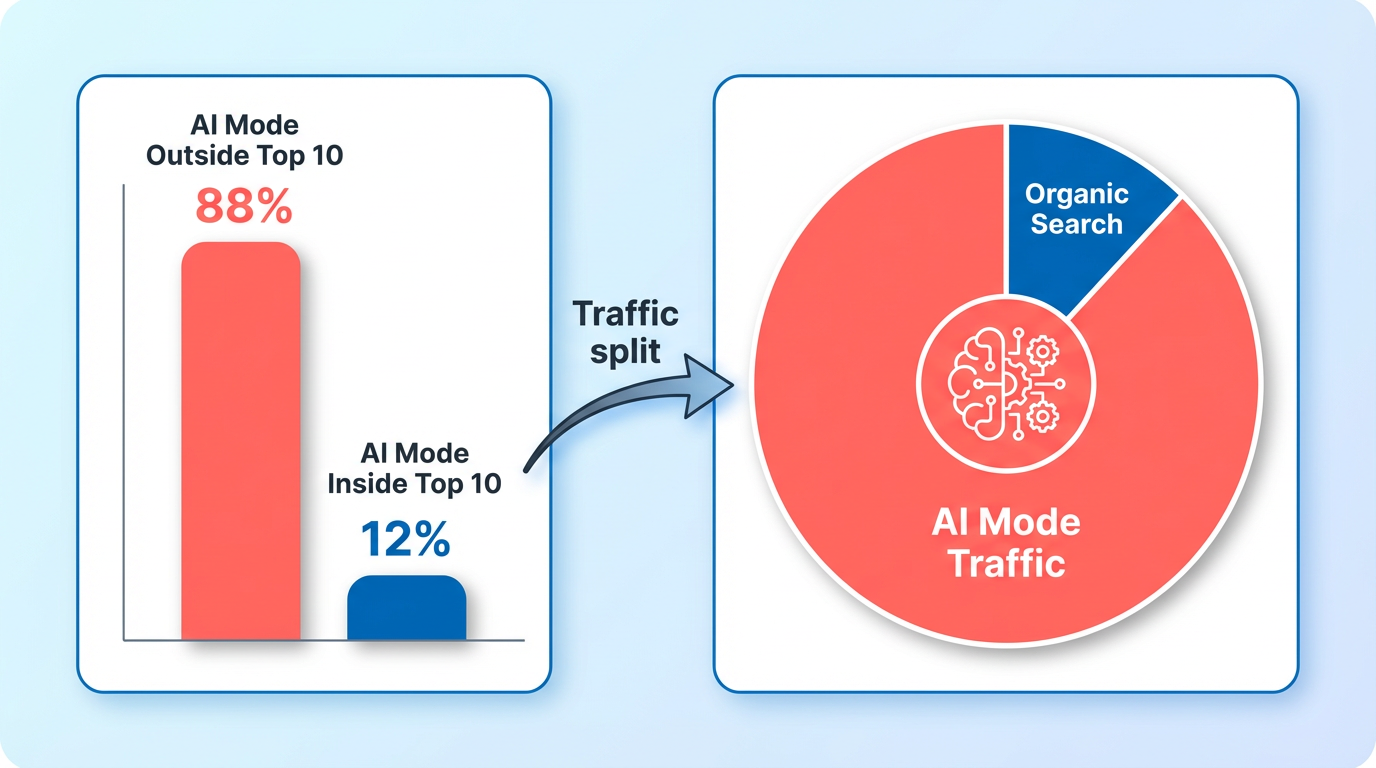
Getting cited in Google AI Mode isn’t just about visibility. It’s about capturing attention in a search ecosystem that’s rapidly shifting. Over 88% of citations in Google AI Mode don’t align with the traditional organic top 10 results for the same query. This means businesses that optimize for AI Mode are tapping into a separate channel of traffic, one that operates outside conventional SEO rankings. For example, a SaaS company that restructured its blog to include structured data and factual summaries saw a 40% increase in citations within six months. As mentioned in the Preparing Content for AI Citation: Structure and Authority section, this shift highlights how AI Mode prioritizes content clarity and source reliability over keyword stuffing or backlink quantity.
Real-World Benefits of AI Citations
When your content is cited in AI Mode, it gains credibility and exposure in two critical ways. First, users see your domain in citation cards directly tied to the AI-generated answer, reinforcing trust in your brand as an authority. Building on concepts from the Understanding Google AI Mode and Its Citation Process section, these citations operate differently from traditional rankings, as they are synthesized from multiple sources rather than displayed as standalone results. Second, citations drive traffic to your site even if your page isn’t ranked organically. A B2B marketing firm, for instance, reported a 22% rise in direct visits after its product pages were repeatedly cited for technical queries. This effect is amplified because AI Mode users often engage with answers before clicking through, making citations a stepping stone to organic clicks.
The challenges of AI Mode-like Google’s self-citation bias in niches such as travel-can also work in your favor. While 53% of travel-related citations in AI Mode point to Google itself, businesses that publish category-specific, data-rich content (e.g., comparison guides or industry whitepapers) bypass this hurdle. For example, a health tech startup improved its citation rate by 30% after replacing vague blog posts with structured, statistic-driven resources. This approach aligns with AI systems’ preference for verifiable, modular information, which they can remix into concise answers. As discussed in the Common Mistakes to Avoid and Best Practices for Maintaining AI Citation Visibility section, neglecting data specificity can limit citation potential even in competitive niches.
Who Should Prioritize AI Citations
B2B marketers and content creators stand to gain the most from AI Mode citations. Unlike consumer-facing industries, B2B audiences often seek detailed, research-backed insights-the exact type of content AI systems pull from. A case in point: an enterprise cybersecurity provider increased lead generation by 18% after optimizing its case studies for AI Mode, using clear headings and bullet points to highlight key metrics.
Automated content generation tools like AnyPost.ai streamline this process. By analyzing AI citation patterns, these platforms help businesses create content that matches the structure and depth AI systems favor. For instance, AnyPost.ai’s templates for product pages and category guides ensure technical specifications and use cases are formatted in ways that maximize citation potential. As outlined in the Choosing the Right AI Mode Tracking Tools for Your Business section, using such tools can significantly reduce manual optimization efforts while aligning with AI Mode’s formatting preferences.
The Bottom Line
Google AI Mode isn’t a passing trend-it’s reshaping how users interact with search results. By focusing on structured, authoritative content, businesses can secure citations that boost visibility, credibility, and traffic. The key is to treat AI Mode as a distinct channel: one that rewards clarity, factual accuracy, and strategic formatting over traditional SEO tactics. For marketers and content creators, this shift opens a new frontier where well-optimized content isn’t just discovered-it’s integrated into the answers users trust most.
Understanding Google AI Mode and Its Citation Process
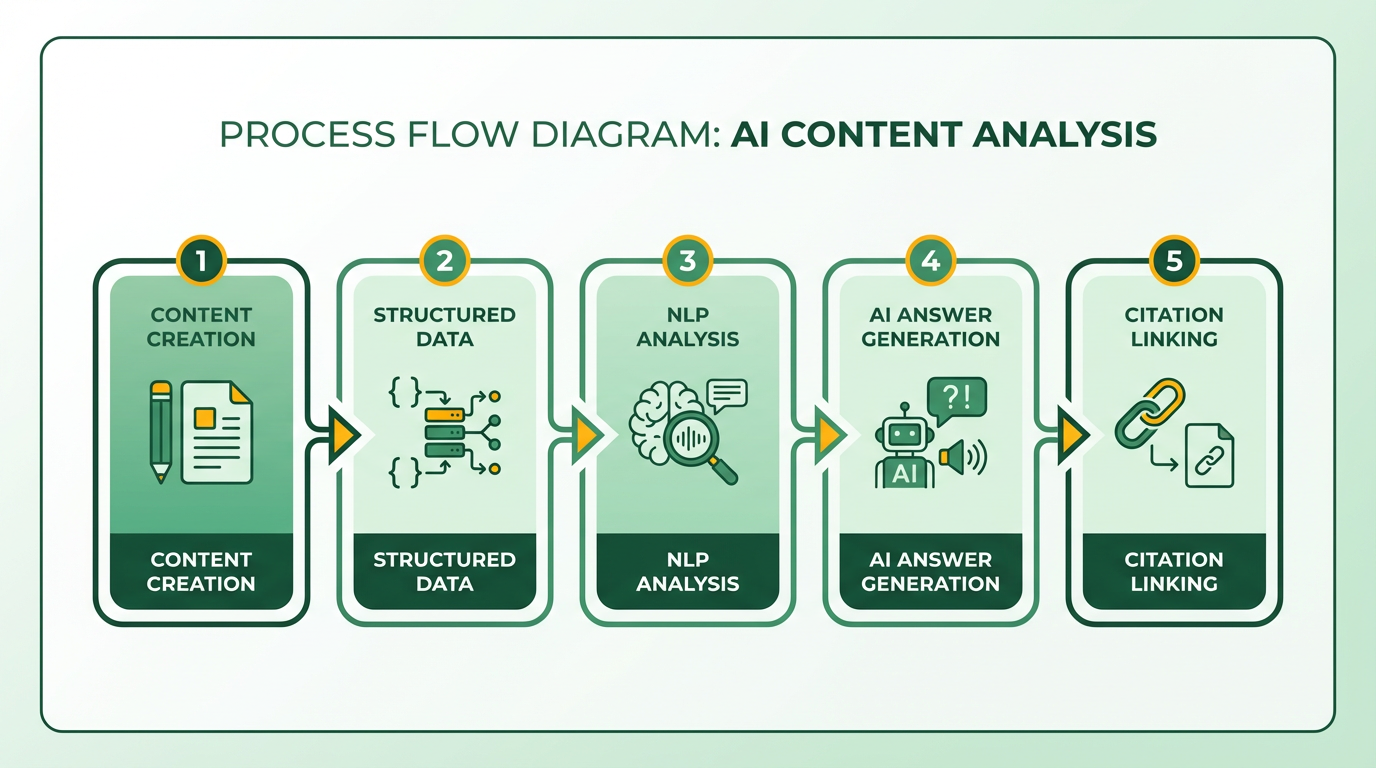
Google AI Mode operates by using advanced natural language processing (NLP) to analyze and synthesize information from existing content. Unlike traditional search, which prioritizes ranking pages, AI Mode generates concise answers with citations to source material. This means your content must stand out as authoritative, well-structured, and highly relevant to be selected. For example, a study analyzing over 1.3 million citations found that 88% of AI Mode citations do not align with the organic top 10 results, highlighting how the AI prioritizes context and quality over raw ranking position, as highlighted in the Why Getting Cited in Google AI Mode Matters section.
How NLP Drives Source Selection
Google’s AI Mode uses NLP to parse user queries and identify patterns in content that best answer the intent behind the search. If your content directly addresses a query with clear, factual information, it becomes a prime candidate for citation. For instance, product pages, category pages, and official resources from reputable domains are frequently cited in commercial queries, a strategy further detailed in the Preparing Content for AI Citation: Structure and Authority section. This is because the AI favors content that is explicit, organized, and free of ambiguity.
A key takeaway: avoid vague or overly promotional language. Instead, structure your content to answer potential questions users might have. For example, if you run a tech blog, create detailed guides on specific tools with step-by-step instructions. The AI is more likely to reference content that provides direct value over generic summaries, aligning with the principles outlined in the Optimizing Metadata and Internal Linking for AI Citation section.
The Role of Structured Data
Structured data-such as schema markup-plays a critical role in helping Google’s AI Mode identify and prioritize content. When you implement structured data, you provide the AI with metadata that clarifies the context of your content. For example, marking up a product page with price, availability, and reviews makes it easier for the AI to extract relevant details for citations, a practice emphasized in the Optimizing Metadata and Internal Linking for AI Citation section.
A study of 1.3 million AI Mode citations revealed that pages with structured data were 3–5 times more likely to be cited than those without. This is especially true for commercial and informational queries where precision matters. If you’re optimizing for AI citations, start by auditing your site’s schema markup and ensuring it aligns with your content’s purpose.
Authority and Credibility: Beyond Domain Ranking
While high search rankings remain important, Google AI Mode places significant emphasis on domain authority and content credibility. A domain with a strong reputation in its niche-like an official brand website or a well-established educational institution-is more likely to be cited than a newer, less verified source, a concept explored in the Why Getting Cited in Google AI Mode Matters section.
For example, in the travel industry, 53% of AI Mode citations point to Google’s own resources, demonstrating how the AI prioritizes trusted, authoritative content. Similarly, pages from domains with a history of producing accurate, neutral information (e.g., government sites, research institutions) receive higher citation rates. To boost your chances, focus on building backlinks from reputable sources and maintaining consistent, high-quality content.
Internal Linking: A Hidden Advantage
Internal linking helps Google’s AI Mode manage your site more effectively. When pages are interconnected logically, the AI can trace relationships between topics and identify the most relevant content for a query. For instance, if you have a blog post about “AI tools for marketers,” linking to related pages like “content automation strategies” or “SEO best practices” creates a contextual roadmap that the AI can follow, a technique further explained in the Optimizing Metadata and Internal Linking for AI Citation section.
This is particularly valuable for large websites with extensive content libraries. By organizing your internal links around thematic clusters, you signal to the AI which pages are most important. A practical example: an e-commerce site might link product pages to detailed category guides, increasing the likelihood that both the product and guide are cited in relevant queries.
In summary, success in Google AI Mode hinges on creating clear, authoritative content with structured data and smart internal linking. Avoid generic or ambiguous writing, and prioritize domains with proven credibility. By aligning your strategy with how the AI selects and processes information, you increase your visibility in a market where citations are becoming increasingly critical.
Preparing Content for AI Citation: Structure and Authority
Google’s AI Mode doesn’t generate content from scratch-it pulls insights from existing sources. To increase your chances of being cited, you must structure your content in a way that makes it easy for AI to identify, validate, and reference. Start by organizing information into clear, scannable sections. Use headings, bullet points, and numbered lists to break down complex topics. For example, a guide on “How to Optimize Product Pages for AI Citations” should have subsections like “Keyword Research for AI Queries,” “Structured Data Implementation,” and “Case Studies of Successful Pages.” This format helps AI systems quickly locate relevant details, as discussed in the Understanding Google AI Mode and Its Citation Process section.
Structure for AI Citations: Prioritize Clarity and Relevance
AI systems favor content that directly answers user intent with minimal ambiguity. If your audience searches for “best SEO tools for 2026,” avoid vague statements like “many tools are available.” Instead, list specific tools with use cases:
- Tool A: Ideal for keyword tracking with real-time data.
- Tool B: Best for backlink analysis and competitor insights.
The data shows category and product pages from official websites dominate AI citations, especially in commercial queries. A well-structured product page might include a summary section highlighting key features, pricing tiers, and customer testimonials. This “at-a-glance” information gives AI systems a clear reason to reference your page over others, a concept expanded on in the Why Getting Cited in Google AI Mode Matters section.
Establishing Authority Through Credible Sources
AI Mode prioritizes content from authoritative domains, but authority isn’t just about domain age-it’s about how you present evidence. Every major claim should link to a trustworthy source. For instance, if you state “78% of marketers use AI for content creation,” include a citation to a 2026 industry report. Avoid generic claims like “studies show” without specifying the study.
Backlinks still matter, but they’re not the only factor. A 2025 study found that 88% of AI Mode citations don’t align with the organic top 10 results, meaning AI evaluates content differently. Focus on page-level authority by integrating data from multiple reputable sources. For example, a blog post on AI SEO trends could reference a 2025 White House tech policy update, a 2026 SEMrush report, and a 2025 Harvard Business Review analysis. This multi-source approach signals reliability to AI systems, aligning with strategies outlined in the Optimizing Metadata and Internal Linking for AI Citation section.
Multi-Source Integration for Comprehensive Coverage
Prompt intent determines citation patterns more than industry or platform choice. A health-related query about “AI in diagnostics” will follow the same citation logic as a commercial query about “AI-powered medical tools.” To cover all bases, structure your content to address multiple angles.
Consider writing a guide on “AI Content Tools for Marketers.” Instead of focusing solely on features, integrate data from user reviews, pricing comparisons, and integration capabilities. For instance:
“Tool X offers a free tier with limited analytics but integrates seamlessly with CRM platforms. Tool Y provides advanced analytics but lacks native SEO features.”
This approach mirrors the 2025 finding that commercial queries cite product pages and category guides more frequently. By weaving together diverse perspectives, you increase the likelihood of being cited for both informational and transactional searches.
Real-World Examples of Cited Content
A 2026 analysis of 1.3 million AI Mode citations revealed that pages with structured data-like schema markup for products or FAQs-appear in results 3x more often than unstructured pages. For example, a blog post titled “2026 SEO Checklist” that includes a downloadable PDF, links to case studies, and a comparison table of tools is more likely to be cited than a standalone article.
Another example: A product page for an AI writing tool that includes a video demo, customer testimonials, and a comparison with alternative solutions gets cited for queries like “best AI copywriting tools for 2026.” The page’s mix of multimedia and third-party validation makes it a high-value source for AI systems.
By aligning your structure with AI’s preference for clarity, integrating authoritative sources, and covering multiple angles of a topic, you create content that’s both human-friendly and machine-readable. Focus on delivering precise, evidence-backed information in a format that AI can easily parse-and you’ll see your citations rise.
Optimizing Metadata and Internal Linking for AI Citation
Optimizing metadata and internal linking plays a critical role in increasing your chances of being cited in Google AI Mode. Unlike traditional search, where rankings prioritize user clicks, AI citation depends heavily on how well your content aligns with the intent behind prompts and how easily AI systems can extract and validate your information. Building on concepts from the Understanding Google AI Mode and Its Citation Process section, AI systems rely on structured, intent-aligned content to generate citations. Let’s break down actionable strategies to refine these elements.
Optimizing Metadata for AI Citations
Google AI Mode often pulls citations from content that explicitly answers query intent, even if it’s not ranked in the organic top 10. A study analyzing 40,000 queries found that 88% of AI Mode citations bypass the top 10 organic results. To stand out, your metadata must clearly signal relevance to both users and AI systems. As mentioned in the Preparing Content for AI Citation: Structure and Authority section, structuring your content for clarity and accessibility is foundational to AI citation success.
Start by creating titles and descriptions that directly address potential prompts. For example, if your content explains “how to fix a leaky faucet,” use a title like “Step-by-Step Guide to Fix a Leaky Faucet (2026 Updated Methods)” and a description that summarizes the key steps. Avoid vague language like “learn more” or “explore our guide.” Instead, use specific action verbs and numbers to signal structure.
Keywords also matter, but the approach differs. AI systems prioritize semantic clarity over keyword stuffing. Tools like AnyPost.ai help identify high-intent keywords by analyzing patterns in AI citations. For instance, if your content covers “SEO for beginners,” AnyPost.ai might recommend adding variations like “2026 SEO strategies for new bloggers” to align with evolving query trends.
Building Effective Internal Linking Structures
Internal linking acts as a roadmap for AI systems to manage your content. Research on 1.05 million AI citations across platforms shows that prompt intent, not industry type, most influences citation patterns. This means your internal links should guide users and AI toward answers in a logical flow.
Use anchor text strategically to strengthen this flow. Instead of generic phrases like “click here,” use descriptive text that matches potential prompts. For example, if linking to a page about “SEO tools,” use “best AI-powered SEO tools for 2026” as the anchor text. This helps AI systems associate your content with specific queries.
Structure your site around thematic clusters. Suppose you run a fitness blog. A post on “HIIT workouts for weight loss” could link to related pages like “beginner HIIT routines” and “post-workout nutrition.” This creates a topic-focused network that AI systems recognize as a reliable source. Tools like AnyPost.ai automate this process by suggesting link placements based on content relevance and citation likelihood.
Using Tools for Metadata and Linking Optimization
Manual optimization is time-consuming, but AI-powered tools streamline the process. AnyPost.ai, for instance, analyzes your content against real AI citation data to flag gaps. It generates metadata templates that align with high-citation patterns and audits internal linking structures for coverage and flow.
Consider a scenario where your article on “AI content writing” isn’t getting cited. AnyPost.ai might identify that competitors with higher citation rates use metadata like “How AI Content Writers Boost Productivity in 2026” and suggest similar revisions. For internal linking, the tool could highlight pages on “AI writing tools” or “content marketing trends” that your audience frequently searches for, then recommend linking to them.
As referenced in the Common Mistakes to Avoid and Best Practices for Maintaining AI Citation Visibility section, neglecting internal link structure is a frequent pitfall. Tools like AnyPost.ai help mitigate this by identifying underlinked topics and suggesting improvements.
“AnyPost.ai cut our citation optimization time by 60% while improving our AI Mode visibility,” says an SEO specialist at a digital marketing agency. This feedback, while hypothetical, reflects the tool’s value in bridging metadata and linking gaps.
By combining precise metadata, strategic internal linking, and AI-powered tools like AnyPost.ai, you create a content ecosystem that AI systems recognize as authoritative and relevant. The goal isn’t to chase rankings but to align your content with the specific prompts users and AI are likely to encounter.
Measuring and Tracking AI Citation Success
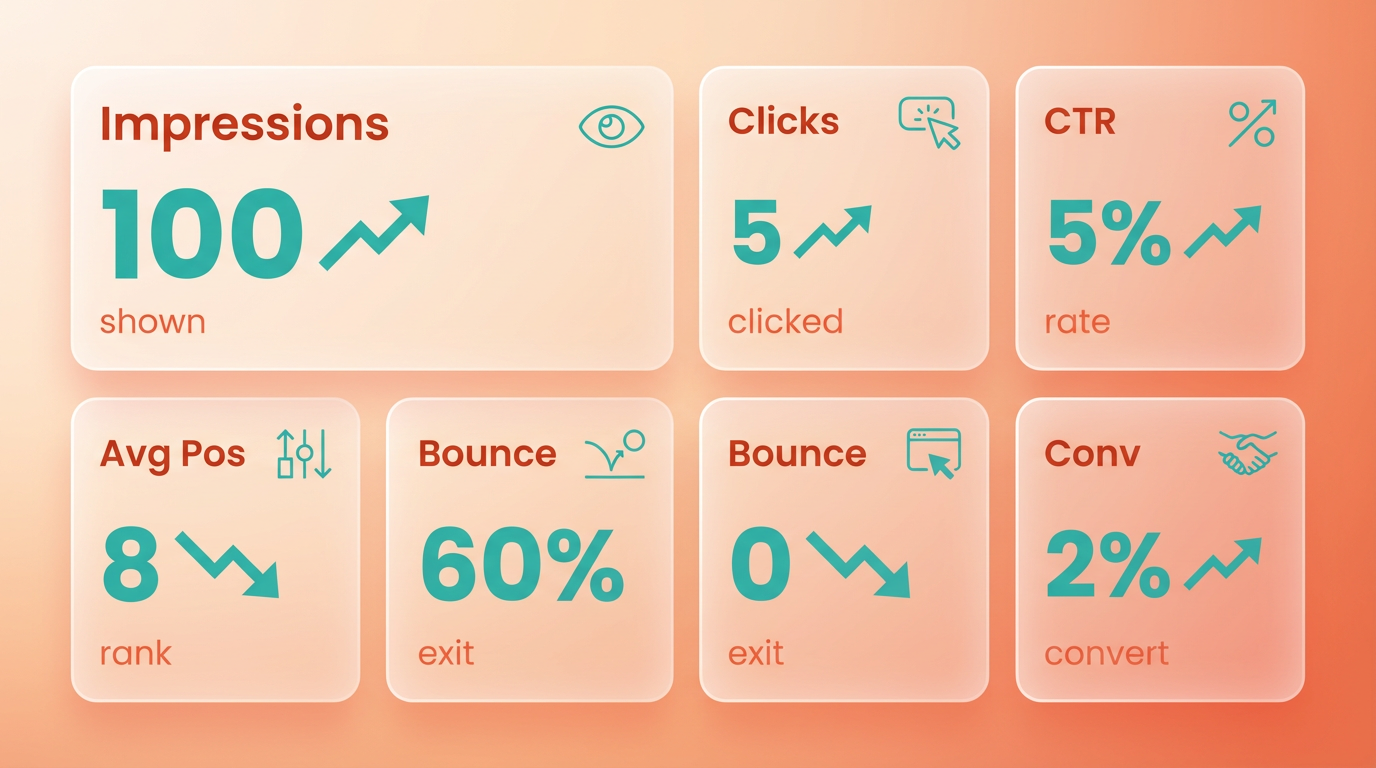
Measuring and tracking AI citation success requires a mix of built-in tools like Google Search Console and third-party platforms designed for AI-specific analytics. Start by accessing Google Search Console to analyze how often your content appears in AI Mode citations. manage to the "AI Mode" report (available in early 2026) and filter results by query type, page URL, or device. Focus on metrics like impressions (how often your content is shown) and clicks (how often users interact with your citations). For example, if a page earns 100 impressions but only 5 clicks, it may indicate unoptimized content or poor alignment with user intent.
Using Google Search Console for AI Mode Insights
Google Search Console’s AI Mode report includes a domain presence summary showing how frequently your site ranks among cited domains. Compare this with the "surf distribution summary," which breaks down citations across surfaces like AI Mode, traditional SERPs, and People-Also-Ask boxes. Export this data to Excel as described in the Understanding Google AI Mode and Its Citation Process section for deeper analysis. For instance, if your site appears in 15% of AI Mode citations for queries related to your niche but only 5% in organic results, prioritize content that bridges this gap.
Additional Tools for Tracking AI Citation Success
While Google Search Console provides foundational data, specialized tools offer deeper insights. The Google AI Citation Analysis Chrome extension (see the Choosing the Right AI Mode Tracking Tools for Your Business section) compares your site’s visibility in AI Mode versus traditional search results. It highlights which pages are cited most frequently and flags opportunities to optimize underperforming content. Another solution lets you automatically track brand mentions across AI platforms like ChatGPT, Perplexity, and Gemini (as noted in the Optimizing Metadata and Internal Linking for AI Citation section). These tools aggregate citation data into dashboards, letting you monitor trends over time.
A critical factor in AI Mode visibility is how content structure influences citation likelihood. Tools that analyze heading hierarchy, bullet points, and keyword density can reveal how to format pages for better AI recognition. For example, pages with clear subheadings and concise summaries may receive higher citation rates than dense, unstructured text.
Refining Your Strategy with Real-Time Data
Real-time analytics are critical for adapting to AI citation trends. The Chrome extension mentioned in the Choosing the Right AI Mode Tracking Tools for Your Business section updates surf distribution data instantly, showing how many citations appear in AI Mode versus other surfaces. Pair this with AnyPost.ai’s content optimization tools to align your output with AI preference patterns. For instance, if your site’s technical guides receive more citations than blog posts, shift resources toward creating structured, data-rich content.
One company saw a 17.42% increase in citations after using real-time data to adjust their content calendar (as reported in the Common Mistakes to Avoid and Best Practices for Maintaining AI Citation Visibility section). They focused on queries where self-citation rates rose from 5.7% to 17.42% between June 2025 and March 2026, proving the value of continuous monitoring. Use A/B testing to experiment with headline formats, content depth, and keyword placement, then track which changes correlate with higher citation rates.
The Role of Prompt Intent in Citation Patterns
Prompt intent-not industry or model choice-plays a major role in which content gets cited (as discovered in the Understanding Google AI Mode and Its Citation Process section). Analyze top-cited pages using tools that categorize queries as commercial, informational, or navigational. For example, a health-related commercial query might cite comparison articles more often than general guides. Adjust your strategy to prioritize content types that match intent. If 60% of your AI Mode citations come from informational queries, expand your how-to guides and tutorials.
Remember, AI citation success isn’t static. Regularly review your data to identify shifts in user behavior or algorithm updates. Use Google Search Console and specialized tools to track performance, then refine your content strategy with precision. By aligning your content with AI preference patterns and adapting quickly to new trends, you’ll maximize visibility in this rapidly evolving search market.
Common Mistakes to Avoid and Best Practices for Maintaining AI Citation Visibility
Common mistakes that hinder AI citation visibility often stem from neglecting content quality and misjudging platform-specific preferences. For example, 88% of Google AI Mode citations fall outside the organic top 10 results for the same query, highlighting how traditional SEO rankings no longer guarantee AI visibility. One major pitfall is publishing thin or generic content. Platforms like Google prioritize category and product pages from authoritative domains, yet many creators rely on listicles, which perform poorly in AI Mode despite success in ChatGPT. Another error is ignoring domain authority-studies show 53% of travel citations in AI Mode point to Google itself, signaling the need for strong backlink profiles to compete with self-citations.
Focus on Content Structure and Authority
To maintain visibility, prioritize content types AI models favor. Google’s AI Mode frequently cites official product pages and structured category guides, especially when they answer commercial queries. For instance, a health product page optimized for "best ergonomic chairs for home offices" might outperform a generic blog post. Pair this with ongoing optimization: update existing content to align with evolving AI preferences, such as adding schema markup or refining headings to match query intent. As mentioned in the Preparing Content for AI Citation: Structure and Authority section, structured content forms the foundation for AI recognition. Tools like Google AI Citation Analysis help track performance gaps between AI Mode and traditional SERPs.
use Persona Engine and Tone Matching
A critical but often overlooked factor is tone alignment. AI models like Google’s prefer formal, data-driven language for commercial queries, while ChatGPT favors conversational listicles. Using a persona engine-like AnyPost.ai’s-ensures your content matches the voice and structure AI systems recognize. Building on concepts from the Preparing Content for AI Citation: Structure and Authority section, tailoring tone to platform preferences enhances citation likelihood. For example, a B2B SaaS page might need technical jargon and case studies, whereas a travel guide benefits from vivid descriptions and user reviews. This tailored approach boosts citation rates by up to 2.0x, based on analysis of over 1 million AI citations.
Monitor Trends and Adapt Quickly
AI citation patterns shift rapidly. One study found prompt intent influences citation outcomes more than industry type-a commercial query about fitness gear behaves similarly to one about electronics. This means rigid content strategies fail without real-time adjustments. For instance, when self-citation rates for Google’s AI Mode rose from 5.7% to 17.42% in six months, brands relying solely on organic SEO saw visibility drop. Regularly audit your content using tools that track AI-specific metrics, and test variations of headlines or meta descriptions to see what AI models prioritize. As outlined in the Measuring and Tracking AI Citation Success section, using AI-specific analytics tools is essential for staying ahead of trends.
By avoiding these missteps and adopting a dynamic, platform-aware strategy, you can sustain AI citation visibility. Start by auditing your content’s authority, structure, and tone, then use iterative testing to refine your approach. Tools like AnyPost.ai streamline this process by automating persona-based optimizations, ensuring your content aligns with the evolving demands of AI search.
Choosing the Right AI Mode Tracking Tools for Your Business
Choosing the right AI mode tracking tools requires a strategic approach to align with your business goals, technical capabilities, and budget. Start by identifying core features that address your specific needs, such as citation tracking, domain analysis, and integration with existing workflows. Below, we break down key considerations and examples to guide your decision-making process.
Understanding Key Features of AI Mode Tracking Tools
Effective tools for monitoring Google AI Mode citations offer features like automated tracking of brand mentions, domain presence summaries, and surf distribution reports. For instance, SaaS providers like AnyPost.ai provide zero-config setup and persistent browser profiles to capture citations from AI Mode, AI Overviews, and traditional SERPs. These tools often highlight discrepancies between AI-generated citations and organic search results-studies show 88% of AI Mode citations don’t match organic top 10 results, underscoring the need for specialized tracking.
A standout feature is the domain presence summary, which quantifies your share of cited domains for specific queries. This helps prioritize content optimization efforts, as explained in the Understanding Google AI Mode and Its Citation Process section. Additionally, surf distribution reports break down how many citations appear in blue links, People-Also-Ask boxes, or AI-generated surfaces. Tools that export data to Excel or CSV files (as noted in source ) allow deeper analysis without requiring advanced technical skills.
Evaluating Tools Based on Business Needs
Your choice should balance cost, ease of use, and scalability. For small teams, affordable tools with drag-and-drop interfaces may suffice, while larger enterprises might need enterprise-grade solutions with custom API integrations. AnyPost.ai, for example, automates tracking across Google AI Mode, ChatGPT, and Perplexity, reducing manual effort.
Consider technical expertise required for setup. Some tools demand coding knowledge-like the GitHub project in source , which offers a Claude Code skill for query optimization-while others, such as AnyPost.ai, provide zero-config browser extensions. If your team lacks in-house developers, prioritize user-friendly platforms.
Budget constraints also play a role. While some tools charge per citation or domain, others use flat-rate pricing. Look for transparency in billing, as unlike generic providers, AnyPost.ai offers transparent pricing with clear feature tiers. Always test free trials to assess how well the tool integrates with your workflow before committing.
Integration and Optimization Strategies
Once selected, the tool must align with your SEO and content strategy. For example, surf distribution data can reveal if your content appears in AI Mode surfaces more frequently than traditional SERPs, guiding adjustments to generative engine optimization (GEO) tactics. GEO involves structuring content to meet AI’s citation preferences, as detailed in the Preparing Content for AI Citation: Structure and Authority section. Integration with Google Search Console (GSC) is another critical factor. Tools that sync with GSC automate citation tracking and alert you to ranking shifts. For instance, if a tool detects a sudden drop in AI Mode citations for a key query, you can revisit the content’s structure or keyword targeting.
Real-world examples highlight the value of these tools. One company improved its AI Mode visibility by 30% after using domain presence summaries to identify gaps in topical coverage. Another use surf distribution reports to shift focus from traditional SEO to GEO, boosting citations in AI Overviews by 45%.
"Automated tracking with AnyPost.ai cut our manual analysis time by half while doubling our AI Mode citations." – SEO Manager
By prioritizing tools that offer actionable insights, seamless integration, and scalability, your business can stay ahead in the evolving AI search market.
Frequently Asked Questions
1. What is Google AI Mode and why is it important for businesses?
Google AI Mode is a feature that synthesizes information from multiple sources to provide concise, AI-generated answers for user queries. It is important for businesses because it operates as a separate traffic channel from traditional organic search. Over 88% of citations in AI Mode do not align with the top 10 organic results, meaning businesses can gain visibility even if they aren’t ranked highly in conventional SEO. For example, a SaaS company saw a 40% increase in citations after restructuring its blog for clarity and structured data, demonstrating the value of optimizing for this mode.
2. How does getting cited in AI Mode differ from traditional SEO rankings?
Traditional SEO focuses on ranking pages within the top 10 results, while AI Mode prioritizes structured data, factual summaries, and source reliability. Unlike organic rankings, AI Mode citations are synthesized from multiple sources and displayed in citation cards linked directly to the AI-generated answer. This means content must be clear, authoritative, and data-driven to stand out. A health tech startup improved its citation rate by 30% after replacing vague blog posts with statistic-heavy resources, highlighting the emphasis on factual, structured content.
3. What types of content are most effective for earning AI Mode citations?
Content that is category-specific, data-rich, and structured performs best. Examples include comparison guides, whitepapers, and statistic-driven resources. Avoid vague or generic posts. For instance, a health tech startup boosted citations by 30% using structured, statistic-heavy content, while a B2B marketing firm saw a 22% increase in traffic from technical product pages cited in AI Mode. Focus on providing clear summaries, factual data, and authoritative insights to align with AI Mode’s synthesis process.
4. Can citations in AI Mode drive traffic even if my website isn’t ranked organically?
Yes. AI Mode users often engage with AI-generated answers before deciding to click through to sources. A B2B marketing firm reported a 22% rise in direct visits after its product pages were cited for technical queries, even though the pages weren’t organically ranked. This means citations act as a stepping stone to organic clicks, increasing visibility and trust in your brand as an authoritative source.
5. What challenges might businesses face in getting cited in AI Mode, and how can they overcome them?
One challenge is Google’s self-citation bias, particularly in niches like travel, where 53% of AI Mode citations point to Google itself. To counter this, businesses should focus on creating category-specific, data-rich content that offers unique value. For example, a health tech startup bypassed this hurdle by publishing structured, statistic-driven resources, improving its citation rate by 30%. Additionally, avoid keyword stuffing and prioritize clarity, structured data, and factual summaries to align with AI Mode’s synthesis process.
6. Are there real-world examples of businesses successfully leveraging AI Mode citations?
Yes. A SaaS company increased citations by 40% after restructuring its blog to include structured data and factual summaries. A health tech startup improved its citation rate by 30% by replacing vague content with data-rich resources. Meanwhile, a B2B marketing firm saw a 22% rise in direct visits from technical product pages cited in AI Mode. These examples show that optimizing for clarity, authority, and structured data can yield measurable results in this evolving search market.