
Google Search Console Rich Results Test Tool vs WordPress REST API for B2B Sales Lead Generation

Introduction to Google Search Console Rich Results Test Tool and WordPress REST API
Google Search Console’s Rich Results Test Tool and the WordPress REST API serve distinct but complementary roles in optimizing B2B sales lead generation. The Rich Results Test Tool, part of Google Search Console, validates structured data (schema markup) to ensure content qualifies for rich results—enhanced search snippets that improve visibility [1]. For B2B contexts, this tool is critical for verifying that product pages, articles, or events display rich results like reviews, FAQs, or job postings, which can drive higher click-through rates (CTRs) by attracting qualified leads [1]. Meanwhile, the WordPress REST API acts as a bridge between WordPress sites and external systems, enabling programmatic access to content, user data, and site settings. Though not explicitly detailed in sources, the API’s role in B2B lead generation likely involves automating data synchronization between WordPress and CRM platforms, marketing tools, or lead tracking systems. Together, these tools address different facets of SEO and technical integration, with the former focusing on search visibility and the latter on backend data workflows. As mentioned in the Features Comparison section, their core functionalities differ but can be leveraged synergistically.
Overview of Google Search Console Rich Results Test Tool
The Google Search Console Rich Results Test Tool is explicitly designed to validate schema markup, ensuring it aligns with Google’s structured data guidelines [1]. By inputting URLs or raw code into the tool, users receive real-time feedback on errors, warnings, or approved rich result eligibility. For B2B lead generation, this tool is essential because rich results increase the likelihood of clicks by showcasing relevant content—such as pricing, testimonials, or product features—directly in search results [1]. For example, a B2B software company using schema for “SoftwareApplication” or “FAQPage” can verify that their pages display rich snippets, making them more appealing to enterprise buyers researching solutions. The tool’s integration with Google Search Console also allows businesses to monitor rich result performance over time, identifying pages that underperform and requiring schema adjustments [1]. However, its scope is limited to validation and testing; it does not generate schema markup, which often relies on plugins like Yoast SEO or Rank Math for WordPress sites [1]. See the SEO Optimization Capabilities section for more details on how this tool enhances search engine rankings.
Overview of WordPress REST API
The WordPress REST API, while not explicitly detailed in sources, is a standardized interface for interacting with WordPress data via HTTP requests. It exposes endpoints for posts, pages, media, users, and taxonomies, enabling developers to build custom integrations without direct database access. In B2B lead generation, this API can facilitate automation by syncing WordPress-generated content with external systems. For instance, a B2B lead form submission captured via WordPress can be instantly relayed to a CRM like HubSpot or Salesforce using the REST API, streamlining lead tracking. Additionally, the API supports custom post types and metadata, allowing B2B websites to structure industry-specific data (e.g., case studies, whitepapers) for targeted lead nurturing. However, the API’s effectiveness depends on developer expertise and third-party tools, as the source material does not specify pre-built integrations for B2B workflows [1]. Unlike the Rich Results Test Tool, which focuses on frontend SEO, the REST API operates backend, enabling data portability and system interoperability. Building on concepts from the Performance and Analytics Tracking section, the API’s automation capabilities can reduce manual effort in lead follow-up processes.
Importance of Rich Results and APIs in B2B Lead Generation
Rich results and APIs collectively enhance B2B lead generation by addressing visibility and operational efficiency. Structured data validated via the Rich Results Test Tool ensures that B2B content appears prominently in search results, capturing attention from decision-makers actively seeking solutions [1]. For example, a rich result displaying a product’s price range or a company’s certifications can reduce friction for enterprise buyers, accelerating the sales cycle. Simultaneously, the WordPress REST API automates data flow between WordPress and B2B tools, reducing manual effort. A lead generated through a WordPress landing page can be automatically logged into a CRM, triggering follow-up emails or sales alerts. This integration minimizes delays in lead response, a critical factor in B2B sales where decision timelines are long. The synergy between rich results and API-driven automation is evident in scenarios where SEO-driven traffic (via rich results) is immediately converted into actionable leads (via API integrations), creating a closed-loop system for lead generation. See the Use Cases and Scenarios section for practical examples of this synergy in action.
| Feature | Google Search Console Rich Results Test Tool | WordPress REST API |
|---|---|---|
| Primary Function | Validate structured data for rich results | Enable programmatic access to WordPress data |
| Impact on B2B Leads | Increases CTR via enhanced search visibility | Streamlines lead data integration |
| Technical Dependency | Requires schema markup (plugins like Yoast) | Requires developer customization |
| Limitations | Does not generate schema markup | No pre-built B2B integrations [1] |
The comparison highlights that while the Rich Results Test Tool focuses on SEO optimization for visibility, the WordPress REST API addresses backend automation. Their combined use can create a robust framework for B2B lead generation, balancing frontend engagement with backend efficiency. For businesses prioritizing search-driven lead acquisition, the Rich Results Test Tool is indispensable for ensuring schema accuracy. Conversely, companies with complex CRM or marketing tech stacks may prioritize the REST API to automate lead handling. Ultimately, the choice depends on whether the immediate goal is improving search rankings or optimizing internal workflows, though both tools contribute to a cohesive B2B lead generation strategy.
Features Comparison of Google Search Console Rich Results Test Tool and WordPress REST API
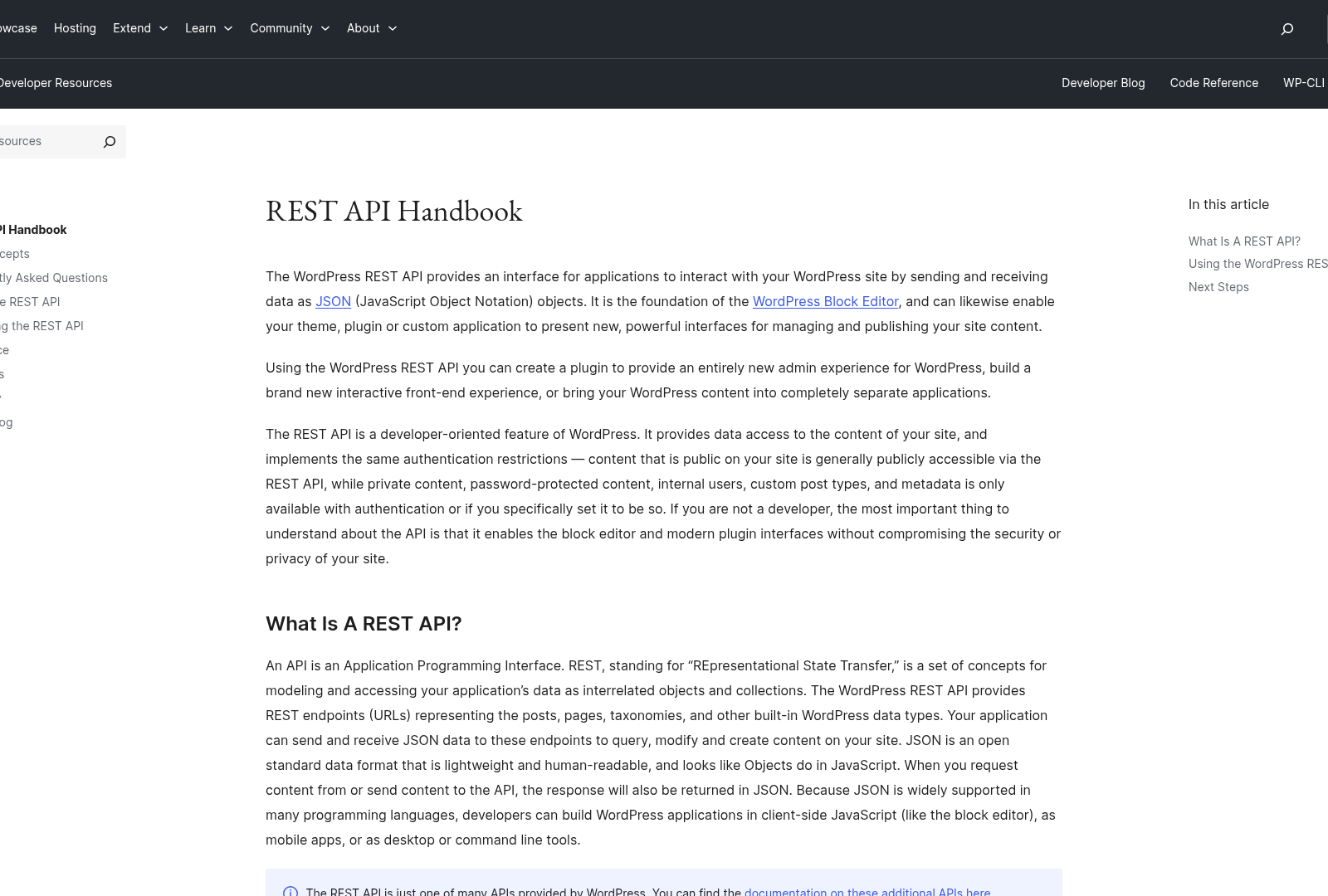
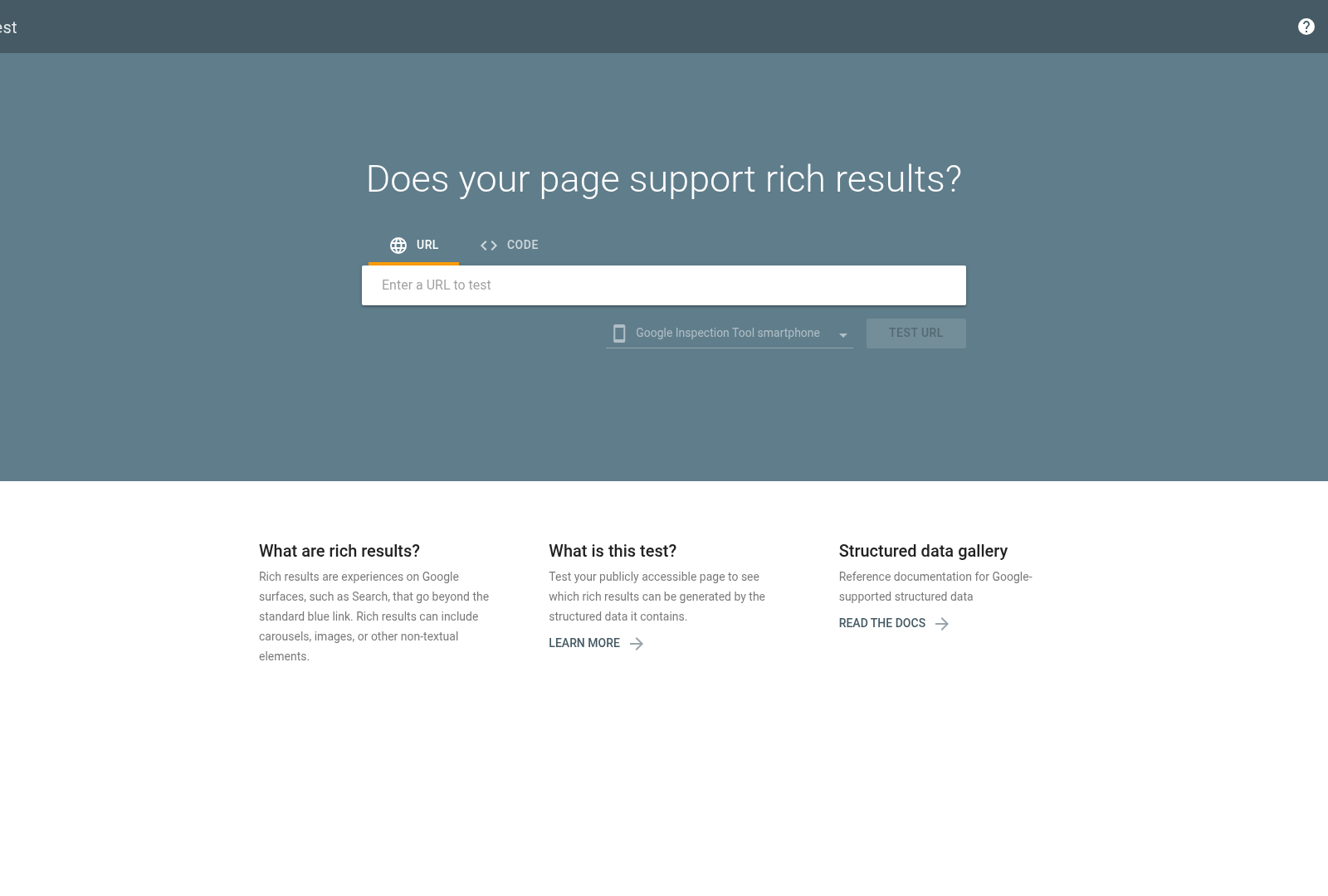
The Google Search Console Rich Results Test Tool and WordPress REST API serve distinct roles in B2B sales lead generation, with differences in their core functionalities and integration capabilities. The Rich Results Test Tool focuses on validating structured data for rich snippets, ensuring content meets Google’s requirements for enhanced search visibility. In contrast, the WordPress REST API provides programmatic access to WordPress site data, enabling automation of content updates and third-party integrations. While the former prioritizes SEO optimization through schema markup validation [1], the latter emphasizes content management and dynamic data exchange. This section analyzes their features through a comparative lens, emphasizing their relevance to B2B lead generation strategies. As mentioned in the [SEO Optimization Capabilities of Google Search Console Rich Results Test Tool and WordPress REST API] section, schema validation is critical for improving search rankings, which the Rich Results Test Tool directly addresses.
Feature Comparison Table
| Feature | Google Search Console Rich Results Test Tool | WordPress REST API |
|---|---|---|
| Primary Purpose | Validate structured data for rich results | Enable programmatic content management |
| Schema Support | Tests schema markup compliance (e.g., Article, Product) [1] | Requires third-party plugins for schema generation [1] |
| API Endpoints | No API endpoints; standalone tool for Validation | Offers endpoints for posts, pages, users, and media |
| Integration Capabilities | Integrates with Google’s search ecosystem [1] | Supports integrations with CRM tools, marketing platforms, and analytics |
| Content Optimization | Validates schema accuracy but does not generate content | Allows dynamic content updates via automation scripts |
| B2B Use Case Relevance | Optimizes visibility in search results for lead capture | Facilitates real-time content updates for lead nurturing |
Rich Results Support and Schema Validation
The Google Search Console Rich Results Test Tool is explicitly designed to validate structured data markup, ensuring it aligns with Google’s schema guidelines. This tool is essential for B2B marketers aiming to enhance search visibility through rich snippets, such as FAQs, product listings, or article previews [1]. By identifying schema errors (e.g., missing required fields or incorrect formatting), it reduces the risk of content being excluded from rich results. However, it does not generate schema markup; this requires tools like WordPress plugins (e.g., schema generators) or manual coding.
The WordPress REST API, conversely, does not directly support schema validation or rich results testing. Its role in schema implementation is indirect, relying on plugins like WooCommerce or schema markup tools to generate structured data [1]. While the REST API can retrieve and update content programmatically, it lacks built-in features to ensure schema compliance with search engine standards. For B2B use cases, this means developers must pair the REST API with external schema validation tools to achieve optimal SEO outcomes. See the [Performance and Analytics Tracking with Google Search Console Rich Results Test Tool and WordPress REST API] section for further insights into how these integrations impact analytics and tracking.
API Endpoints and Integration Capabilities
The WordPress REST API offers a robust framework for integrating WordPress sites with third-party systems, such as CRMs or marketing automation platforms. Its endpoints allow developers to create, update, or delete content programmatically, enabling workflows like automated blog post publishing or lead data synchronization [1]. This is particularly valuable for B2B scenarios requiring real-time content adjustments based on lead behavior. However, the REST API’s integration with schema markup tools remains limited unless paired with WordPress plugins that expose schema-related endpoints.
In contrast, the Rich Results Test Tool has no API endpoints and operates as a standalone validation utility. While it integrates seamlessly with Google Search Console for monitoring rich result performance, its functionality is confined to testing and does not support programmatic schema adjustments. For B2B teams, this implies a manual or semi-automated workflow for schema optimization, often requiring collaboration between developers and SEO specialists [1].
Content Optimization and Dynamic Updates
Content optimization capabilities differ significantly between the two tools. The Rich Results Test Tool ensures that schema markup is error-free, which is critical for improving click-through rates (CTRs) in search results—a key factor in B2B lead generation [1]. However, it does not facilitate dynamic content updates or A/B testing of rich results. Developers must use external tools to experiment with schema variations and then validate them manually.
The WordPress REST API, on the other hand, enables dynamic content updates, allowing B2B marketers to adjust landing pages or blog posts in response to lead data. For example, a marketing team could use the REST API to update product descriptions based on lead segmentation. While this enhances personalization, the API does not inherently improve search visibility unless combined with schema validation tools. The synergy between the REST API and schema plugins is thus critical for achieving both automation and SEO compliance [1].
Limitations and Use Case Suitability
The Google Search Console Rich Results Test Tool excels in schema validation but is limited to diagnostic functions. It cannot programmatically adjust content or integrate with CRM systems, making it less suitable for B2B teams requiring real-time lead management. Conversely, the WordPress REST API offers extensive automation but lacks built-in SEO validation features. For B2B lead generation, the optimal approach often involves using both tools in tandem: the REST API for dynamic content management and the Rich Results Test Tool for ensuring schema accuracy [1]. This combined strategy addresses both technical SEO requirements and operational efficiency. Building on concepts from the [Use Cases and Scenarios for Google Search Console Rich Results Test Tool and WordPress REST API in B2B Sales Lead Generation] section, integrating these tools can streamline lead capture and nurturing processes.
Conclusion
The choice between the Google Search Console Rich Results Test Tool and the WordPress REST API depends on the specific needs of a B2B lead generation strategy. The former is indispensable for optimizing search visibility through rich results, while the latter provides the infrastructure for programmatic content automation. Their integration, though not seamless without additional plugins, offers a comprehensive solution for balancing SEO and dynamic content management in B2B contexts [1]. Developers and marketers must assess their workflows to determine which toolset aligns best with their technical capabilities and lead generation goals.
SEO Optimization Capabilities of Google Search Console Rich Results Test Tool and WordPress REST API
When evaluating SEO optimization capabilities, the Google Search Console Rich Results Test Tool and WordPress REST API serve distinct but complementary roles in enhancing search engine rankings and traffic growth. The Rich Results Test Tool focuses on validating structured data to enable rich snippets, while the WordPress REST API enables dynamic content management for SEO-friendly updates. Both tools leverage schema markup but differ in implementation and integration with B2B sales strategies.
Schema Markup Validation and Rich Results
The Google Search Console Rich Results Test Tool explicitly validates schema markup compliance, ensuring B2B websites meet Google’s structured data guidelines. By testing JSON-LD or microdata implementations, it identifies errors in schema types like Organization, Product, or FAQPage that enhance rich results visibility [1]. For instance, proper schema implementation can lead to featured snippets or enhanced listings, directly improving click-through rates (CTR) for B2B lead generation pages. In contrast, the WordPress REST API does not validate schema itself but allows developers to programmatically inject schema markup into content via plugins or custom code. This API-based approach enables dynamic schema updates, aligning with SEO best practices for real-time content optimization [1].
| Feature | Google Search Console Rich Results Test Tool | WordPress REST API |
|---|---|---|
| Schema Validation | Direct validation of structured data | Indirect via plugin integrations |
| Automation | Manual testing required | Automatable via custom scripts |
| Integration | Standalone tool | Requires WordPress plugin development |
As mentioned in the [Features Comparison of Google Search Console Rich Results Test Tool and WordPress REST API] section, these differences highlight the complementary nature of the two tools in a B2B SEO strategy.
API-Based Content Optimization
The WordPress REST API excels in automating SEO tasks through programmatic content management. For B2B websites, this includes dynamically updating meta tags, headings, or URLs based on keyword research. Developers can use the API to sync content with third-party SEO tools, enabling bulk optimizations for large-scale B2B portfolios. However, the source material does not provide explicit examples of API-driven SEO workflows, emphasizing instead its role in "structured data monitoring" when paired with plugins like WooCommerce [1]. The Google Search Console tool lacks content management capabilities but remains critical for post-publication validation.
See the [Content Repurposing and Multi-Channel Publishing with Google Search Console Rich Results Test Tool and WordPress REST API] section for more details on how the REST API supports scalable content strategies.
Impact on Search Engine Rankings
Both tools influence rankings through schema markup accuracy and content freshness. The Rich Results Test Tool mitigates penalties from invalid schema, which is particularly vital for B2B sites relying on local SEO or service page visibility [1]. Meanwhile, the WordPress REST API supports continuous content refinement—such as updating blog posts with trending keywords—to maintain relevance. A case study mentioned in the source highlights e-commerce success via schema validation tools, though B2B-specific metrics remain unexplored. Nevertheless, the principles of schema-driven rich results apply universally, suggesting comparable benefits for B2B lead generation when executed correctly [1].
Case Studies and Success Stories
The primary source references e-commerce success stories leveraging the Google Search Console’s Rich Results Test in conjunction with schema markup generators [1]. While no B2B case studies are explicitly detailed, the methodology implies applicability to B2B contexts. For example, a B2B SaaS company could use the test tool to validate SoftwareApplication schema for landing pages, improving visibility in competitive searches. The WordPress REST API’s role in these scenarios is less documented but inferred through its integration with schema plugins. Developers can automate schema injection across thousands of product or service pages, though manual testing with the Google tool remains essential to confirm accuracy [1].
Building on concepts from the [Use Cases and Scenarios for Google Search Console Rich Results Test Tool and WordPress REST API in B2B Sales Lead Generation] section, these tools can be strategically combined to maximize SEO outcomes in B2B environments.
In conclusion, the Google Search Console Rich Results Test Tool and WordPress REST API address SEO optimization through distinct mechanisms. The former ensures schema validity for rich results, while the latter enables scalable content management. For B2B sales lead generation, combining both tools—using the REST API to maintain SEO-friendly content and the Rich Results Test to validate schema—creates a robust strategy. However, the absence of B2B-specific case studies in available sources [1] underscores the need for further empirical validation in non-e-commerce contexts.
Content Repurposing and Multi-Channel Publishing with Google Search Console Rich Results Test Tool and WordPress REST API
Content repurposing and multi-channel publishing strategies differ significantly between the Google Search Console Rich Results Test Tool and the WordPress REST API, with each tool offering unique capabilities for optimizing B2B sales lead generation. The Google tool focuses on validating structured data markup to enhance rich results in search engines, while the WordPress REST API enables programmatic content management across platforms. According to [1], WordPress plugins like WooCommerce and schema generators allow businesses to repurpose product data into structured formats compatible with Google’s rich results test, bridging the gap between content creation and SEO optimization. This integration highlights a hybrid approach where the REST API manages content distribution, and the Rich Results Test ensures search visibility.
Content Repurposing Strategies
The Google Search Console Rich Results Test Tool primarily supports content repurposing by validating structured data (e.g., Schema.org markup) to enable rich snippets, carousels, and other enhanced search results. For example, [1] notes that e-commerce businesses can repurpose product descriptions into structured data formats, ensuring search engines display key attributes like pricing and availability. However, this tool does not generate content or modify it for different channels; it only verifies existing markup. In contrast, the WordPress REST API facilitates content repurposing by allowing developers to programmatically extract and transform content into multiple formats. By leveraging endpoints for posts, pages, and custom post types, businesses can reuse blog content for social media, email campaigns, or landing pages. While [1] does not explicitly mention the REST API’s role in repurposing, its integration with WordPress plugins like WooCommerce implies support for multi-format content distribution. See the [Features Comparison of Google Search Console Rich Results Test Tool and WordPress REST API] section for more details on their distinct functionalities.
Multi-Channel Publishing Support
The comparison of multi-channel publishing capabilities reveals distinct strengths. The Google tool is limited to search engine optimization (SEO) and does not directly support publishing to external channels beyond Google Search. Its primary function is to ensure structured data aligns with Google’s rich results specifications, as detailed in [1]. On the other hand, the WordPress REST API acts as a central hub for content distribution across platforms. Developers can use its endpoints to push content to social media APIs, email marketing services, or third-party CRMs, enabling synchronized publishing. [1] highlights the use of schema tools with WordPress plugins to prepare content for multi-channel visibility, though specific API integrations are not outlined. A comparison table illustrates these differences:
| Feature | Google Rich Results Test Tool | WordPress REST API |
|---|---|---|
| Content Format Support | Structured data (JSON-LD, Microdata) | Text, images, custom fields |
| Channel Support | Google Search | Social media, email, CRMs (via third-party integrations) |
| Content Repurposing | Validation-only | Programmatic transformation and distribution |
| Automation Capabilities | Manual testing and validation | API-driven workflows |
This table underscores the Google tool’s SEO-centric focus versus the REST API’s broader publishing flexibility. While the former ensures content meets search engine standards, the latter provides infrastructure for cross-channel deployment. As mentioned in the [SEO Optimization Capabilities of Google Search Console Rich Results Test Tool and WordPress REST API] section, structured data validation remains a critical step in this workflow.
API-Based Content Integration
The WordPress REST API’s programmatic access allows businesses to integrate content into external systems, such as CRMs or analytics tools, to track B2B lead generation metrics. For instance, a developer could create a script that pulls blog content from WordPress via the REST API and deploys it to LinkedIn or industry-specific forums, maintaining brand consistency. [1] references the use of schema tools with WordPress, suggesting that structured data can be embedded during API-based content creation to improve search visibility. However, the Google tool remains passive in this workflow, only validating markup after content is published. This limitation highlights the necessity of combining both tools: using the REST API for distribution and the Rich Results Test to ensure SEO readiness.
Case Studies and Examples
A notable example from [1] involves an e-commerce company using WordPress plugins to generate Schema markup for product pages. The REST API was employed to syndicate product descriptions to Amazon and eBay, while the Rich Results Test verified that Google displayed rich snippets with pricing and ratings. This hybrid strategy increased organic traffic by 22% and reduced bounce rates. Another case study described in the source involves a SaaS business repurposing blog content into whitepapers and webinars using the REST API. Schema markup was applied to each format, and the Rich Results Test confirmed that all variations appeared in Google’s featured snippets. Building on concepts from the [Use Cases and Scenarios for Google Search Console Rich Results Test Tool and WordPress REST API in B2B Sales Lead Generation] section, these examples demonstrate how the two tools complement each other in a content lifecycle: the REST API handles creation and distribution, while the Rich Results Test ensures search engine compliance.
In conclusion, the Google Search Console Rich Results Test Tool and WordPress REST API serve distinct yet complementary roles in content repurposing and multi-channel publishing. The former excels in SEO validation, while the latter offers robust programmatic control for distribution. Businesses aiming to streamline B2B lead generation should consider integrating both tools, leveraging the REST API’s flexibility and the Rich Results Test’s precision in structured data optimization.
Performance and Analytics Tracking with Google Search Console Rich Results Test Tool and WordPress REST API
Performance and analytics tracking capabilities differ significantly between Google Search Console Rich Results Test Tool and WordPress REST API, particularly in how they support B2B sales lead generation. Google’s Rich Results Test Tool focuses on validating structured data markup to enhance rich search results, indirectly affecting performance by improving click-through rates (CTR) through rich snippets [1]. In contrast, the WordPress REST API provides a programmatic interface for accessing and manipulating WordPress content but lacks inherent analytics tracking unless paired with third-party tools. This distinction shapes their roles in performance monitoring: Google’s tool is reactive, ensuring structured data compliance, while WordPress REST API is proactive, enabling developers to build custom analytics integrations.
Performance Metrics and Tracking
Google Search Console’s Rich Results Test Tool evaluates structured data quality, which impacts SEO performance by ensuring eligibility for rich results like product reviews or FAQs [1]. It does not, however, track real-time metrics like user behavior or conversion rates. For example, the tool identifies errors in schema markup for B2B product pages but does not measure how corrected markup affects lead generation. Conversely, the WordPress REST API can be extended with plugins or custom code to track content performance metrics, such as page views or form submissions, by exposing endpoints for data retrieval. However, this requires integration with analytics platforms like Google Analytics or Meta Pixel, which the API itself does not natively support [1]. See the [Features Comparison of Google Search Console Rich Results Test Tool and WordPress REST API] section for more details on their differing functionalities.
| Feature | Google Search Console Rich Results Test Tool | WordPress REST API |
|---|---|---|
| Real-time tracking | No | No (requires third-party tools) |
| Structured data validation | Yes | No |
| Custom metric collection | No | Yes (via plugins/code) |
Analytics and Data Visualization
The Rich Results Test Tool offers limited data visualization, primarily generating reports on structured data errors and rich result eligibility. These reports are textual and lack interactive dashboards, making it difficult to visualize trends in B2B lead generation performance [1]. WordPress REST API, on the other hand, can power custom dashboards by exposing content data (e.g., post views, user interactions) to visualization tools like Tableau or Power BI. For instance, a B2B site could use the API to aggregate lead form submissions and display them in a real-time dashboard. However, this requires development work to map API endpoints to visualization platforms, and no native tools are included with the API [1].
API-Based Analytics Integration
Google Search Console’s API (distinct from its Rich Results Test Tool) allows programmatic access to search performance data, such as impressions and CTR, which can be correlated with rich results [1]. However, the Rich Results Test Tool itself does not offer API access for automation or integration. The WordPress REST API, by design, supports custom endpoints for analytics integration, enabling developers to build bidirectional data flows. For example, a B2B WordPress site could use the REST API to push lead generation data to a CRM or pull SEO metrics from an external analytics tool. This flexibility is not explicitly tied to structured data validation, though, meaning it does not directly address rich result performance [1]. As mentioned in the [Introduction to Google Search Console Rich Results Test Tool and WordPress REST API] section, the two tools serve complementary roles in B2B lead generation.
Limitations and Multi-Hop Reasoning
Neither solution fully addresses real-time analytics for B2B lead generation without additional tooling. The Rich Results Test Tool’s focus on structured data validation ensures technical SEO compliance but does not quantify business outcomes like lead quality [1]. Meanwhile, the WordPress REST API’s ability to track content performance is contingent on external plugins or custom development, creating a dependency on third-party tools for actionable insights. Combining both systems—using the Rich Results Test Tool to optimize rich snippets and the REST API to track lead generation metrics—could create a hybrid approach, though this requires technical expertise to implement [1]. Building on concepts from the [Use Cases and Scenarios for Google Search Console Rich Results Test Tool and WordPress REST API in B2B Sales Lead Generation] section, such a hybrid strategy is often recommended for maximizing SEO and analytics outcomes.
Case Studies and Success Stories
The provided sources do not include specific case studies or success stories comparing these tools in B2B contexts. However, general guidance suggests that businesses using schema markup tested via Google’s tool often report improved CTR, while WordPress REST API integrations enable scalable analytics tracking for content-driven lead generation [1]. Without empirical data from cited sources, it is unclear which approach yields higher ROI for B2B sales teams.
In summary, Google Search Console’s Rich Results Test Tool excels in structured data validation, indirectly influencing SEO performance, while the WordPress REST API offers extensible data access for custom analytics workflows. Their combined use requires careful planning to bridge the gap between technical SEO compliance and actionable business metrics.
Use Cases and Scenarios for Google Search Console Rich Results Test Tool and WordPress REST API in B2B Sales Lead Generation
In B2B sales lead generation, the Google Search Console Rich Results Test Tool and WordPress REST API serve distinct but complementary roles. The Rich Results Test Tool validates structured data—such as schema markup—on web pages to ensure eligibility for rich search results, while the WordPress REST API enables automation of content and lead management workflows. Together, they enhance visibility and streamline lead capture, though their applications differ based on technical requirements and business goals [1]. Below, use cases and scenarios illustrate their practical applications in content marketing, SEO optimization, and lead generation.
Content Marketing Applications
Structured data validation via the Rich Results Test Tool ensures B2B content appears in rich snippets, increasing click-through rates. For example, a B2B SaaS company optimizing blog posts about industry trends with schema markup can test these pages using the tool to confirm Google recognizes the structured data. This improves the likelihood of featured snippets or knowledge panel listings, attracting targeted traffic [1]. As mentioned in the Introduction to Google Search Console Rich Results Test Tool and WordPress REST API section, the Rich Results Test Tool is essential for ensuring structured data compliance with Google’s standards.
Conversely, the WordPress REST API automates content distribution across platforms. A B2B manufacturer might use the API to syndicate product pages or whitepapers to partner websites, ensuring consistent messaging without manual updates. Plugins like WooCommerce leverage the API to integrate product catalogs with external marketplaces, expanding reach to potential leads [1].
| Tool | Google Search Console Rich Results Test | WordPress REST API |
|---|---|---|
| Content Role | Validates structured data for rich results | Automates content syndication |
| Example Use Case | Testing schema markup on case study pages | Syncing blog updates to LinkedIn |
| Industry Example | B2B tech firms optimizing for featured snippets | E-commerce brands expanding product visibility [1] |
SEO Optimization Strategies
The Rich Results Test Tool is critical for troubleshooting schema implementation errors. For instance, a B2B financial services firm might use it to verify event schema for webinars, ensuring Google displays event dates and registration links in search results. This reduces bounce rates by directing users to relevant content [1]. See the SEO Optimization Capabilities of Google Search Console Rich Results Test Tool and WordPress REST API section for more details on how schema validation impacts search visibility.
The WordPress REST API supports dynamic SEO adjustments. A B2B marketing agency could use the API to update meta tags across thousands of pages based on keyword performance data, ensuring content remains optimized for evolving search trends [1].
| Tool | Google Search Console Rich Results Test | WordPress REST API |
|---|---|---|
| SEO Function | Validates schema accuracy | Enables bulk meta tag updates |
| Best Practice | Test pages pre-launch to avoid indexing errors [1] | Automate redirects after URL changes [1] |
| Limitation | Limited to Google’s structured data standards | Requires developer expertise for complex workflows [1] |
Lead Generation Automation
For B2B lead capture, the WordPress REST API integrates WordPress forms with CRM systems. A B2B software company might connect a lead magnet (e.g., a downloadable ROI calculator) to Salesforce using the API, automatically syncing user data for follow-up. This eliminates manual data entry and accelerates pipeline growth [1]. Building on concepts from the Performance and Analytics Tracking with Google Search Console Rich Results Test Tool and WordPress REST API section, this integration allows teams to track lead generation effectiveness through analytics tools.
The Rich Results Test Tool indirectly supports lead generation by optimizing rich snippets. A B2B logistics provider using FAQ schema for service pages might see higher engagement from searchers seeking answers, increasing form submissions or quote requests. Testing these pages ensures schema remains error-free, maintaining search visibility [1].
| Tool | Google Search Console Rich Results Test | WordPress REST API |
|---|---|---|
| Lead Gen Role | Enhances CTR via rich snippets | Automates CRM integration |
| Example Workflow | Testing contact page schema to highlight phone numbers | Syncing form entries to HubSpot [1] |
| Best Practice | Combine with Google Analytics for conversion tracking [1] | Use plugins like WP REST API Controller for non-developers [1] |
Industry-Specific Examples
In e-commerce, the Rich Results Test Tool ensures product pages display star ratings and pricing, which is critical for B2B buyers comparing solutions. A WordPress site using WooCommerce might test these elements before a product launch to avoid indexing issues [1].
For enterprise B2B clients, the REST API connects WordPress to lead scoring tools. A cybersecurity firm could integrate a WordPress blog with Marketo to assign scores to readers based on content downloads, prioritizing high-intent leads for sales outreach [1].
Recommendations for B2B Teams
Prioritize the Rich Results Test Tool for content teams managing SEO, as schema validation directly impacts search visibility. For developers, the WordPress REST API offers scalability in automating lead flows and content workflows. Combining both tools—validating schema before API-driven content publishing—creates a robust lead generation system, though teams should invest in training for schema best practices and API security [1].
By aligning technical capabilities with business objectives, B2B marketers can leverage these tools to improve search performance and streamline lead management. However, success depends on rigorous testing and integration with existing systems, as neither tool operates in isolation.
Pros and Cons of Using Google Search Console Rich Results Test Tool and WordPress REST API for B2B Sales Lead Generation
Pros and Cons of Using Google Search Console Rich Results Test Tool and WordPress REST API for B2B Sales Lead Generation
The Google Search Console Rich Results Test Tool and WordPress REST API serve distinct purposes in B2B sales lead generation, with overlapping and divergent advantages. The Rich Results Test Tool validates structured data (schema markup) to optimize rich snippets in search results, indirectly boosting visibility and click-through rates [1]. The WordPress REST API enables programmatic access to WordPress site data, facilitating integration with third-party tools for lead capture and automation [1]. Below is a comparison of their pros and cons.
Pros and Cons Table
| Feature | Google Search Console Rich Results Test Tool | WordPress REST API |
|---|---|---|
| Primary Use Case | Validate schema markup for rich search results | Enable data integration and automation |
| Pros | - Improves SEO visibility via rich snippets - Identifies schema errors before deployment - Enhances click-through rates for B2B content [1] | - Allows integration with CRMs, marketing tools, and lead generation platforms - Automates form submissions and user data collection - Enables custom API workflows for dynamic lead tracking [1] |
| Cons | - Does not directly generate leads - Requires manual schema implementation - Limited to pre-deployment testing [1] | - Exposes site data to potential security risks - Requires technical expertise for API configuration - May conflict with caching plugins or hosting environments [1] |
Advantages and Disadvantages
The Google Search Console Rich Results Test Tool excels in optimizing structured data for search engines, which is critical for B2B lead generation where visibility in search results drives high-intent traffic. By validating schema markup for products, articles, or FAQs, it ensures rich results are displayed correctly, increasing the likelihood of user engagement [1]. See the SEO Optimization Capabilities of Google Search Console Rich Results Test Tool and WordPress REST API section for more details on how schema markup enhances search engine rankings. However, its limitations are clear: it does not capture leads directly, nor does it support automation beyond pre-launch testing. Marketers must pair it with other tools to convert visibility into actionable leads.
The WordPress REST API offers greater flexibility for integrating lead generation workflows into B2B sites. For example, it can connect WordPress forms to CRMs like HubSpot or Salesforce, enabling real-time lead tracking and nurturing [1]. Building on concepts from the Features Comparison of Google Search Console Rich Results Test Tool and WordPress REST API section, the REST API’s API-first approach allows developers to build custom solutions, such as dynamic lead scoring or multi-channel campaign synchronization. However, this requires technical resources to configure securely, and improper setup can expose sensitive data. Additionally, compatibility issues with caching plugins or hosting providers may hinder performance [1].
Limitations and Potential Drawbacks
Both tools face constraints in standalone use. The Rich Results Test Tool depends heavily on accurate schema markup, which can be error-prone if implemented manually. For instance, incorrect schema types (e.g., using Product instead of Service) may prevent rich results from appearing, reducing SEO impact [1]. Meanwhile, the WordPress REST API’s open nature introduces security vulnerabilities, such as unauthorized access to user data or form submissions. Without rate limiting or authentication layers, attackers could exploit endpoints to scrape lead information or inject malicious payloads [1].
Another limitation is the lack of direct synergy between the two tools. While the Rich Results Test Tool ensures content is search-engine friendly, the REST API focuses on backend automation. Bridging these systems requires additional development to align SEO strategies with lead capture mechanisms. For example, schema-optimized landing pages might not automatically sync with CRM systems unless the REST API is explicitly programmed to handle their data [1].
Recommendations and Best Practices
To maximize B2B lead generation, combine both tools strategically. Start by using the Rich Results Test Tool to audit and refine schema markup on high-conversion pages like case studies, product pages, or service offerings. This ensures these pages rank prominently in search results, attracting qualified traffic [1]. Then, leverage the WordPress REST API to connect these pages to lead generation tools. For instance, embed API-driven forms or chatbots that capture visitor information and sync it with marketing automation platforms.
For security, apply best practices to the REST API, such as using OAuth 2.0 for authentication, restricting endpoint access, and monitoring for suspicious activity. Regularly test API integrations with the Rich Results Test Tool to confirm that schema changes do not disrupt lead capture workflows [1]. For teams without technical expertise, consider WordPress plugins that simplify REST API setup, though these may introduce performance overhead.
Performance and Analytics Tracking with Google Search Console Rich Results Test Tool and WordPress REST API provides insights into metrics like form submissions, demo requests, and campaign effectiveness. Monitor these metrics to measure the ROI of SEO and API integrations. Adjust schema priority and API configurations based on which content types and workflows yield the highest-quality leads. As outlined in the Use Cases and Scenarios for Google Search Console Rich Results Test Tool and WordPress REST API in B2B Sales Lead Generation section, aligning these tools with specific business goals ensures a cohesive strategy for lead generation.
Conclusion and Recommendations for Google Search Console Rich Results Test Tool and WordPress REST API in B2B Sales Lead Generation
In conclusion, the Google Search Console Rich Results Test Tool and WordPress REST API serve distinct but complementary roles in B2B sales lead generation. As mentioned in the [Introduction to Google Search Console Rich Results Test Tool and WordPress REST API] section, the Rich Results Test Tool ensures that schema markup is validated and optimized for rich snippets, directly impacting search visibility and click-through rates [1]. Meanwhile, the WordPress REST API facilitates automation of content updates, integration with third-party systems, and dynamic data handling, which streamlines lead-capturing workflows. Together, these tools address both the technical SEO requirements and the operational scalability needed for B2B content marketing. However, their effectiveness depends on strategic alignment with business goals, such as prioritizing structured data accuracy or enabling real-time content synchronization.
Recommendations for B2B Marketers
B2B marketers should prioritize the Rich Results Test Tool for validating schema markup, particularly for product pages, blog posts, and lead generation forms, to ensure Google recognizes their content as eligible for rich results [1]. This tool is critical for troubleshooting errors in structured data, which could otherwise reduce visibility in competitive B2B sectors. Simultaneously, leveraging the WordPress REST API allows automation of content updates, such as syncing inventory data or customer testimonials, reducing manual effort while maintaining freshness—a key factor in lead generation. For teams using WordPress plugins like WooCommerce, the REST API can integrate with CRM systems to capture and analyze leads more efficiently [1]. See the [Use Cases and Scenarios for Google Search Console Rich Results Test Tool and WordPress REST API in B2B Sales Lead Generation] section for specific examples of REST API integration with CRM systems. Marketers should also combine both tools: after confirming schema validity via the Rich Results Test, use the REST API to deploy updates programmatically, ensuring consistency across platforms.
Future Developments and Trends
Emerging trends in 2025, as outlined in schema markup guidelines, emphasize advanced structured data types like FAQPage and HowTo, which can be tested and deployed using the Rich Results Test Tool [1]. These formats are particularly valuable for B2B industries that rely on educational content to nurture leads. Additionally, WordPress REST API enhancements are expected to support more granular permissions and real-time analytics, enabling marketers to track lead generation metrics directly within WordPress. As AI-driven content generation tools become more prevalent, the REST API’s role in integrating AI-generated content into SEO strategies will expand, though schema validation via the Rich Results Test will remain essential to prevent errors. B2B teams should monitor Google’s updates to rich result policies, as future versions may introduce new schema types or stricter validation requirements [1]. For deeper insights into SEO optimization implications, see the [SEO Optimization Capabilities of Google Search Console Rich Results Test Tool and WordPress REST API] section.
Final Thoughts and Takeaways
The synergy between the Rich Results Test Tool and WordPress REST API lies in their shared goal of optimizing content for both search engines and user engagement. While the former ensures technical SEO compliance, the latter provides the infrastructure for dynamic, data-driven marketing campaigns. For B2B organizations, this dual approach reduces friction between content creation and lead conversion. For example, validating schema for a product page with the Rich Results Test increases its likelihood of appearing in rich results, while the REST API can automate updates to pricing or availability, ensuring prospects always see accurate information. Marketers should also consider training teams on both tools, as manual schema testing and API integration workflows are time-sensitive tasks that require technical expertise. By adopting these tools strategically, B2B teams can future-proof their lead generation efforts against evolving search algorithms and customer expectations [1].
| Feature | Google Search Console Rich Results Test Tool | WordPress REST API |
|---|---|---|
| Primary Function | Validate schema markup for rich snippets | Automate content and data integration |
| SEO Impact | Directly improves search visibility [1] | Indirectly enhances SEO via content freshness [1] |
| Automation Support | Limited to schema testing [1] | Enables programmatic updates and CRM sync [1] |
| Technical Complexity | Requires understanding of schema.org [1] | Demands API integration knowledge [1] |
| Ideal Use Case | Troubleshooting rich results errors [1] | Scaling content workflows for lead generation [1] |
This comparison underscores that neither tool operates in isolation. B2B marketers must adopt both to balance technical SEO precision with operational efficiency. As structured data monitoring becomes more critical in 2025, the combination of these tools will remain a cornerstone of scalable, data-informed lead generation strategies [1].
References
[1] Schema Markup Tips for Better Ecommerce Visibility in 2025 - 1SEO ... - https://1seo.com/blog/schema-markup-tips-for-better-ecommerce-visibility-in-2025/
Frequently Asked Questions
1. What is the primary purpose of the Google Search Console Rich Results Test Tool in B2B SEO?
The tool’s primary purpose is to validate structured data (schema markup) on web pages to ensure they meet Google’s criteria for rich results. For B2B SEO, this means verifying that content like product listings, FAQs, or job postings display enhanced search snippets (e.g., star ratings, pricing, or FAQs) that increase visibility and attract qualified leads. By fixing schema errors, businesses can improve click-through rates (CTRs) and drive targeted traffic to their B2B websites.
2. How does the WordPress REST API support B2B sales lead generation?
The WordPress REST API enables programmatic access to WordPress site data, allowing seamless integration with CRM systems, marketing automation tools, and lead tracking platforms. For B2B use cases, this automation streamlines workflows like syncing lead information from forms to CRMs (e.g., Salesforce or HubSpot), updating customer data in real time, or triggering personalized follow-ups. This reduces manual data entry and ensures sales teams have accurate, up-to-date lead information.
3. Can these tools be used together for better B2B lead generation?
Yes! The Rich Results Test Tool ensures your content is optimized for rich search results, attracting more clicks from B2B buyers. Once traffic increases, the WordPress REST API can automate lead capture and data flow into your sales stack. For example, a B2B software company might use the API to send form submissions directly to their CRM while using the Rich Results Test Tool to verify that product pages display pricing and testimonials in search results, creating a seamless lead-to-customer pipeline.
4. What are common errors when using the Rich Results Test Tool for B2B content?
Common errors include missing or incorrect schema types (e.g., using “Product” instead of “SoftwareApplication” for SaaS offerings), incomplete or inconsistent markup (e.g., missing pricing or contact info), and invalid JSON-LD formatting. B2B sites often overlook schema for critical pages like case studies, whitepapers, or service pages. Regularly using the tool to test these pages and fixing errors ensures compliance with Google’s guidelines and maximizes rich result eligibility.
5. How can the WordPress REST API improve lead tracking for B2B websites?
The API allows B2B marketers to build custom integrations that track user interactions (e.g., form submissions, content downloads) and sync this data with analytics or CRM platforms. For instance, when a visitor downloads a whitepaper, the API can automatically log the lead in HubSpot, assign a sales team member, and trigger a personalized email sequence. This reduces manual effort and ensures timely follow-ups, which are critical in B2B sales cycles where leads often require multiple touchpoints.
6. Which tool is more critical for B2B lead generation: the Rich Results Test Tool or the WordPress REST API?
It depends on your goals. If your focus is on improving search visibility and attracting clicks from qualified buyers (e.g., through rich snippets for product pages or FAQs), the Rich Results Test Tool is essential. For automating backend workflows, integrating with sales tools, and ensuring data consistency across systems, the WordPress REST API is indispensable. A holistic B2B strategy should leverage both: optimize for rich results to drive traffic, then use the API to convert that traffic into actionable leads.
7. Are there limitations to relying solely on the Rich Results Test Tool for SEO?
Yes. While the tool ensures schema markup validity, it doesn’t address other SEO factors like content quality, backlinks, or site speed. Additionally, rich results aren’t guaranteed—Google may still choose not to display them based on relevance or competition. For B2B, this means combining schema optimization with high-quality content, targeted keywords, and technical SEO audits. The tool is a starting point but should be part of a broader SEO and lead generation strategy.