
How to Generate B2B Leads on LinkedIn Efficiently

Related Video
Watch: How to Use LinkedIn Sales Navigator For Lead Generation (2025 Update) by Sell Better
Section 1: Introduction to LinkedIn Lead Generation
LinkedIn has emerged as a critical platform for B2B lead generation, outperforming other social media channels in effectiveness. A 2020 study found LinkedIn to be 277% more effective for lead generation than Facebook, highlighting its dominance in reaching decision-makers and professionals in targeted industries [3]. This effectiveness stems from LinkedIn’s inherently professional audience, where users actively engage with content related to business growth, industry trends, and product solutions [10]. Additionally, research shows that the platform’s content strategy—such as tutorials, case studies, and thought leadership posts—directly influences B2B customer engagement and sales revenue [11]. These factors position LinkedIn as a cornerstone for B2B marketers aiming to generate high-quality leads.
Benefits of LinkedIn for B2B Lead Generation
The platform’s advantages for B2B lead generation are multifaceted. First, LinkedIn’s user base includes a higher proportion of professionals in roles that align with B2B purchasing decisions, such as executives, managers, and procurement teams [3]. This demographic ensures that marketing efforts are directed toward individuals with authority and budget responsibility. Second, LinkedIn’s advanced search and filtering capabilities, particularly through tools like Sales Navigator [9], enable marketers to identify and target leads based on criteria like company size, industry, and job function. See the [Advanced Strategies for LinkedIn Lead Generation] section for more details on leveraging Sales Navigator and other advanced tools. Third, the platform supports a variety of content formats—ranging from articles to videos—that foster trust and credibility, key drivers of lead conversion [10]. Finally, LinkedIn’s integration with automation tools, such as CRM systems, streamlines follow-up processes and scales outreach efforts [6]. See the [Integrating LinkedIn with Other Channels for Lead Generation] section for strategies on integrating LinkedIn with automation tools.
Common Challenges in LinkedIn Lead Generation
Despite its strengths, generating leads on LinkedIn presents unique challenges. One major hurdle is the time required to manually research, engage with, and nurture leads. Without automation tools, sales teams may struggle to maintain consistent outreach across large prospect lists [6]. Another challenge is standing out in a crowded feed, where even high-quality content can be overlooked without strategic optimization [5]. For instance, studies show that generic Inmail messages often receive low open rates, emphasizing the need for personalized communication [7]. See the [Using LinkedIn Advertising for Lead Generation] section for an in-depth look at optimizing Inmail and other outreach methods. Additionally, managing content effectively is critical: poorly curated posts or inconsistent messaging can reduce engagement and hinder lead generation efforts [11]. Addressing these challenges requires a combination of platform-specific strategies and technological tools.
LinkedIn’s Services for Lead Generation
LinkedIn offers several built-in services and tools to aid in lead generation. Sales Navigator, a premium feature, provides advanced lead search, account targeting, and real-time alerts for prospect activity [9]. This tool is particularly useful for identifying decision-makers and tracking their interactions with company content. LinkedIn Ads allows for highly targeted advertising, enabling marketers to reach users based on job titles, industries, and behaviors [8]. See the [Using LinkedIn Advertising for Lead Generation] section for more details on LinkedIn Ads. For direct outreach, Inmail remains a core channel, though its success depends on personalization and timing [7]. To enhance efficiency, many teams integrate LinkedIn with automation platforms that synchronize data with CRMs and streamline follow-up workflows [6]. Together, these services create a robust ecosystem for B2B lead generation when leveraged strategically.
By understanding LinkedIn’s benefits, challenges, and available tools, B2B marketers can develop a targeted approach to lead generation. The next section will explore actionable strategies for optimizing these efforts.
Section 2: Optimizing Your LinkedIn Profile for Lead Generation
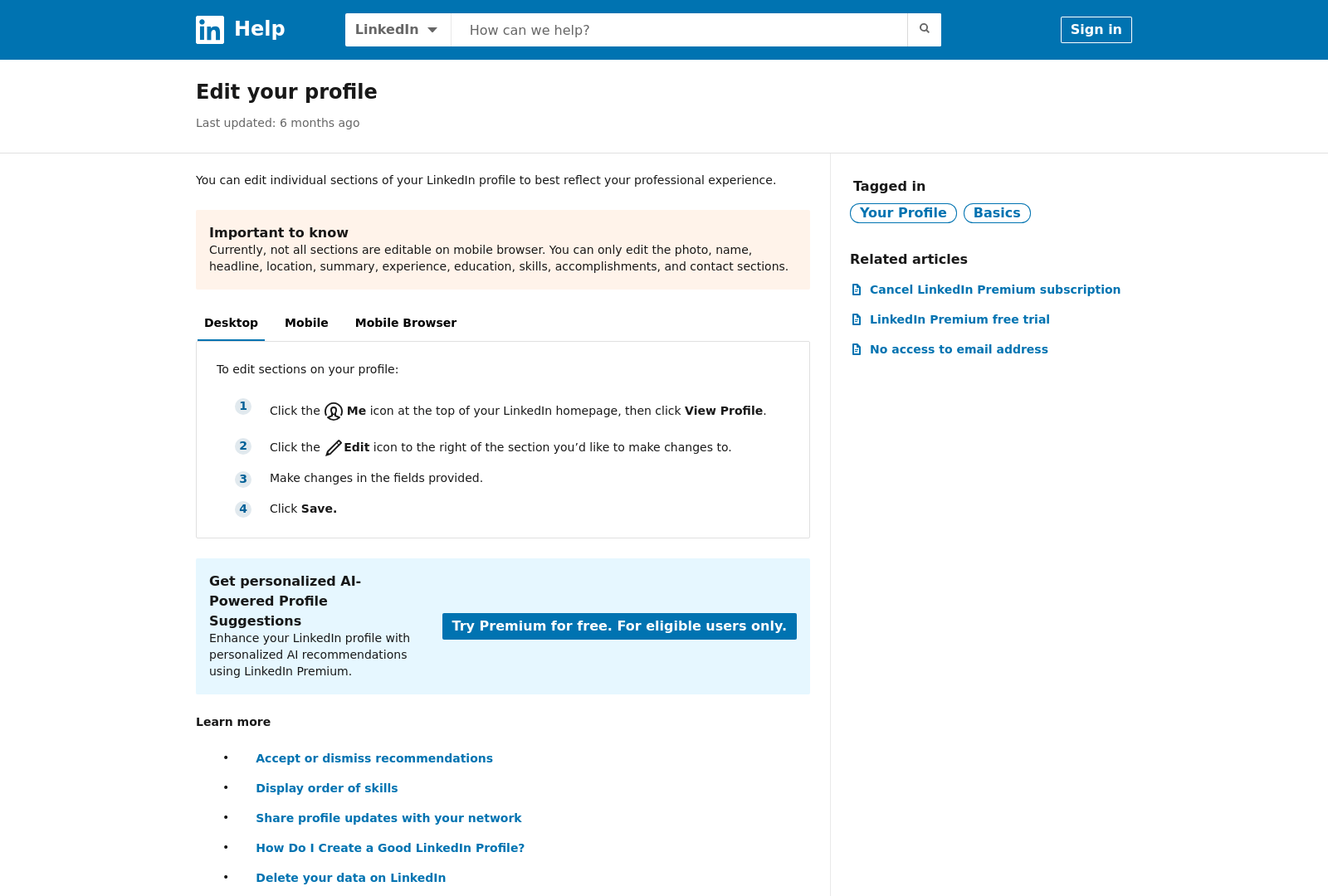
Optimizing your LinkedIn profile for lead generation starts with ensuring it is complete and up-to-date, as a polished profile significantly enhances visibility and credibility. Research shows LinkedIn is 277% more effective than Facebook for lead generation [3], but this requires leveraging the platform strategically. As mentioned in the Introduction to LinkedIn Lead Generation section, this statistic highlights the importance of strategic optimization. A complete profile includes a professional photo, detailed headline, and a summary section that clearly communicates your value proposition. For example, B2B marketers recommend using a high-quality profile picture and a background image that reflects your brand or company [5]. Additionally, filling out all sections—such as experience, skills, and endorsements—ensures your profile appears in relevant search results, both for potential leads and recruiters [5]. Leaving sections blank can reduce your profile’s searchability and deter engagement, making completeness a foundational step for lead generation success.
Strategic use of keywords and hashtags further enhances profile discoverability. LinkedIn’s search algorithm prioritizes profiles and content that align with user queries, so incorporating industry-specific keywords into your headline, summary, and experience sections is critical [5]. For instance, if your business offers SaaS solutions, terms like “cloud-based project management” or “B2B SaaS consulting” should appear naturally in your profile. Hashtags, when used appropriately, can expand your reach to niche audiences. While no source explicitly outlines a formula for hashtag selection, B2B marketers emphasize researching trending and industry-specific hashtags to align with target audiences [5]. Overusing or misusing hashtags, however, can appear spammy, so focus on 2–3 relevant tags per post or profile section. This approach ensures your profile surfaces in searches while maintaining professionalism [5].
Highlighting company services and expertise through content and media is another key strategy. LinkedIn users are 10 times more likely to be contacted by salespeople they already follow [9], underscoring the importance of showcasing your offerings proactively. Use the “Featured” section of your profile to upload case studies, whitepapers, or videos that demonstrate your expertise [5]. See the Creating Engaging Content for LinkedIn Lead Generation section for more details on how to develop such materials. For example, if your company provides cybersecurity services, uploading a video explaining common threats and solutions can position your team as thought leaders. Additionally, regular posting—whether tips, industry insights, or client testimonials—keeps your audience engaged and reinforces your authority [11]. While no source specifies a required posting frequency, consistency is emphasized across B2B lead generation frameworks [5]. Pairing these efforts with LinkedIn Sales Navigator can refine targeting, allowing you to share content with prospects who match specific criteria [9]. This combination of curated content and targeted engagement turns passive followers into active leads.
Finally, optimizing your profile extends to leveraging LinkedIn’s tools for automation and analytics. While automation tools like LinkedIn Sales Navigator streamline lead identification and outreach [6], your profile itself must act as a magnet for these leads. Building on concepts from Advanced Strategies for LinkedIn Lead Generation, integrating these tools can enhance your outreach efforts. Ensure your headline includes action-oriented language, such as “Helping Companies Scale with Data-Driven Marketing,” to immediately convey your role [5]. The “About” section should narrate your professional journey while tying it to the problems you solve for clients. Including metrics—such as “Increased client revenue by 40% through lead generation strategies”—adds social proof and credibility [5]. Regularly updating these sections with recent achievements or certifications keeps your profile dynamic. Though no source explicitly states an update schedule, frequent refreshes align with best practices for maintaining relevance in fast-evolving industries [11]. By combining these elements, your LinkedIn profile becomes a strategic asset, attracting high-quality B2B leads organically.
Section 3: Creating Engaging Content for LinkedIn Lead Generation
Content plays a pivotal role in LinkedIn lead generation, with specific formats and strategies driving higher engagement and conversions. Research indicates that educational and thought leadership-driven content performs exceptionally well on LinkedIn. For B2B audiences, tutorials, how-to guides, and case studies are particularly effective, as they address pain points and demonstrate expertise [10]. Additionally, structured content such as listicles, data-driven reports, and short-form videos increases visibility by leveraging LinkedIn’s algorithm favoring informative and actionable posts [11]. A study on B2B customer engagement found that firms using LinkedIn to share industry insights and solution-focused content saw measurable improvements in lead quality and sales revenue [11].
Types of Content That Perform Well on LinkedIn
To maximize engagement, prioritize content that balances educational value with SEO optimization. Tutorials and how-to guides, such as step-by-step processes for solving common industry challenges, are highly shareable and position your brand as a resource [10]. Case studies and client success stories further build credibility by showcasing real-world results [10]. Thought leadership articles that comment on industry trends or predict future shifts also attract high-intent leads seeking authoritative guidance [5]. For visual appeal, LinkedIn recommends using carousels for data-heavy topics or short videos to explain complex concepts [11]. Notably, the platform’s algorithm prioritizes content that sparks discussion, so incorporating questions or polls into posts can boost organic reach [11].
Tips for Creating Engaging and SEO-Optimized Content
Crafting SEO-optimized content requires intentional keyword placement and formatting. Start by identifying high-traffic keywords relevant to your B2B niche using LinkedIn’s search bar or third-party tools, then integrate these terms naturally into headlines and the first 100 words of your post [10]. Break lengthy articles into scannable sections using subheadings and bullet points, as LinkedIn users often skim content before engaging [11]. For maximum visibility, include alt text for images and video descriptions to improve searchability [6]. Additionally, leveraging LinkedIn’s native features—such as tagging industry leaders in posts or linking to relevant articles—boosts credibility and drives traffic [7]. See the [Section 2: Optimizing Your LinkedIn Profile for Lead Generation] section for more details on how profile SEO principles align with content strategy.
Benefits of Automated Content Generation Tools
Automated tools streamline content creation while maintaining consistency and SEO alignment. Tools like those outlined in [6] enable sales teams to generate drafts based on predefined templates, reducing manual effort while ensuring brand messaging remains cohesive. These platforms often integrate with CRM systems, allowing teams to align content with lead nurturing workflows and track engagement metrics in real time [6]. For instance, automation can help schedule posts during peak hours for target demographics, a strategy shown to increase click-through rates by 30% in B2B contexts [6]. As mentioned in the [Section 6: Measuring and Optimizing LinkedIn Lead Generation Efforts] section, tracking these metrics is essential for refining your strategy. Furthermore, AI-driven tools suggest industry-specific keywords and content gaps, optimizing posts for both search engines and LinkedIn’s algorithm [6]. While automation saves time, it’s critical to retain a human touch—reviewing and personalizing generated content ensures it resonates with your audience [11].
By combining high-performing content formats, SEO best practices, and automation tools, B2B marketers can create a scalable LinkedIn lead generation strategy. The synergy between educational value and technical optimization not only attracts leads but also nurtures them through the sales funnel [10][11].
Section 4: Leveraging LinkedIn Groups for Lead Generation
Finding and Joining Relevant LinkedIn Groups
To leverage LinkedIn groups for lead generation, start by identifying groups aligned with your target audience’s interests and industry. Use LinkedIn’s search bar to look for groups using keywords related to your niche, such as “B2B SaaS marketing” or “enterprise sales strategies” [5]. Filter results by group size and activity level, prioritizing those with regular discussions to maximize engagement opportunities [5]. Additionally, tools like LinkedIn Sales Navigator can help identify groups frequented by decision-makers in your target market, enhancing the relevance of your participation [9]. See the [Section 8: Advanced Strategies for LinkedIn Lead Generation] section for more details on leveraging LinkedIn Sales Navigator as an advanced tool. Once identified, request membership by highlighting your expertise in the application message to increase approval rates [12].
Participating in Discussions and Sharing Valuable Content
Active participation in group discussions is critical for establishing credibility. Respond to posts by providing actionable insights, asking open-ended questions, and referencing specific details from the conversation to demonstrate thought leadership [5]. For example, if a member asks about challenges in B2B lead nurturing, share case studies or strategies from your experience while crediting others’ contributions to foster collaboration [5]. Regularly share valuable content, such as whitepapers, industry reports, or blog posts, to position yourself as a resource [11]. However, avoid overtly promotional posts; instead, focus on educational or solution-oriented content to build trust [5]. Monitor trending topics within the group using LinkedIn’s “Top Posts” feature to align your contributions with what resonates most with members [12].
Establishing Thought Leadership and Building Relationships
Consistent engagement in groups helps establish thought leadership. Publish original content, such as polls or brief analyses, to spark discussions and showcase your expertise [11]. For instance, a poll asking members to vote on their top challenges in B2B lead generation can generate insights while positioning you as a facilitator of industry conversations [5]. See the [Section 3: Creating Engaging Content for LinkedIn Lead Generation] section for strategies on crafting educational and thought leadership-driven content. Directly message members who engage with your posts to deepen relationships, but ensure these interactions feel organic and not transactional [7]. Over time, these connections can transition into sales opportunities, particularly when combined with LinkedIn InMail outreach to nurture leads further [7]. Track which groups yield the highest-quality interactions using LinkedIn Analytics, and refine your strategy to focus on high-performing communities [12].
Automating and Scaling Group Engagement
While manual engagement is essential, automation tools can streamline repetitive tasks. Use LinkedIn automation platforms to schedule posts, track group activity, and receive alerts for relevant discussions [6]. However, avoid over-automating comments or messages, as personalized interactions are more likely to foster trust [6]. Pair automation with manual follow-ups, such as thanking members for their insights or sharing additional resources based on their needs [5]. This hybrid approach ensures scalability without compromising the authenticity required for long-term lead generation success [12]. Building on concepts from [Section 8: Advanced Strategies for LinkedIn Lead Generation], AI-powered tools can further enhance automation by improving outreach accuracy and efficiency.
Section 5: Using LinkedIn Advertising for Lead Generation
Types of LinkedIn Ads
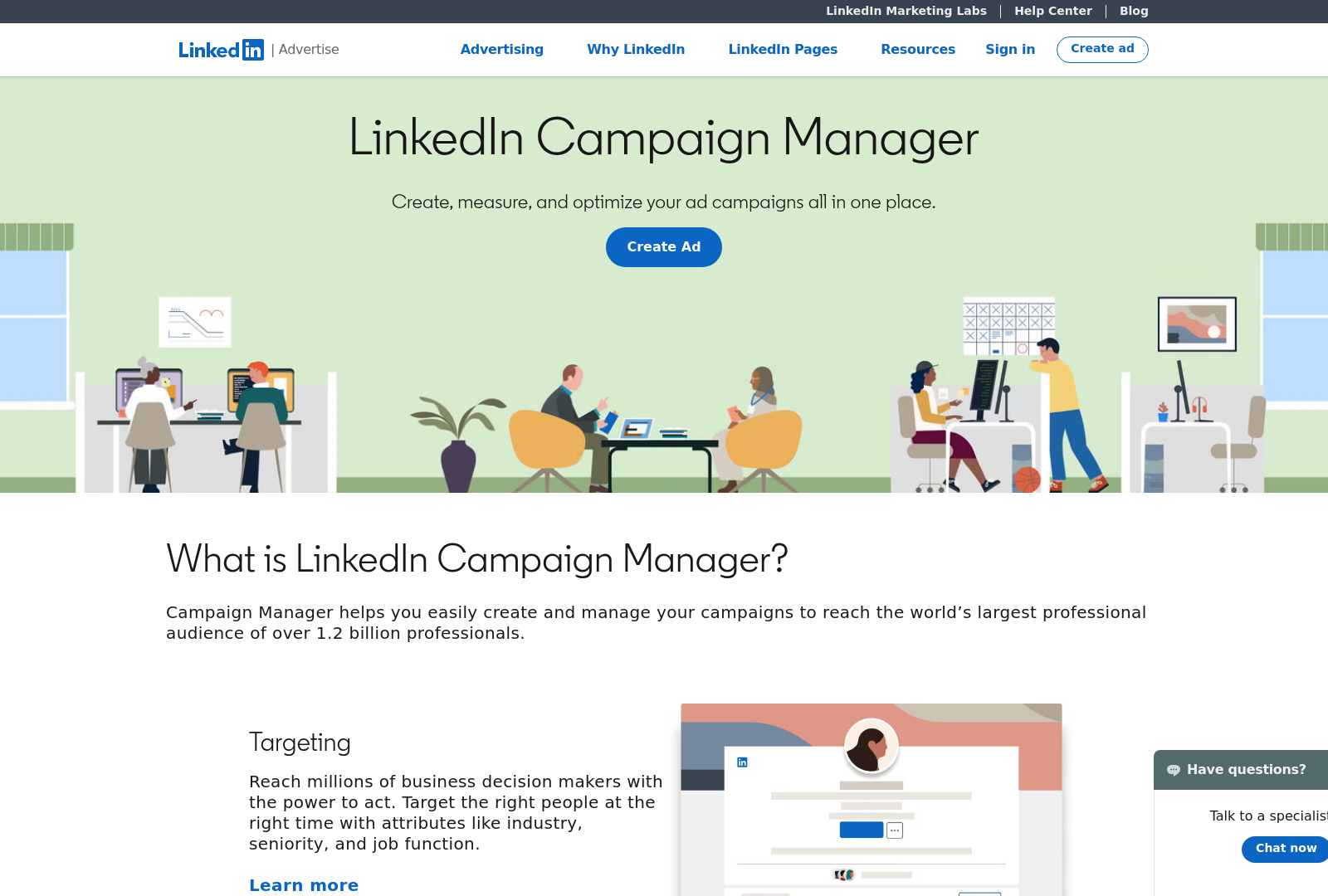
LinkedIn offers three primary ad formats for B2B lead generation: Sponsored Content, Message Ads (InMail), and Dynamic Ads, each designed to reach different stages of the buyer’s journey [8]. Sponsored Content appears in users’ feeds as native posts, often promoting articles, videos, or carousel content. These ads are ideal for brand awareness and driving traffic to LinkedIn Pages or external websites [8]. Message Ads, also known as Sponsored InMail, deliver personalized messages directly to users’ inboxes, making them effective for direct engagement with high-intent prospects [8]. Dynamic Ads automatically tailor visuals and copy based on users’ profile data, such as job titles or company sizes, to create a more relevant experience [8]. For example, a SaaS company might use Dynamic Ads to highlight different pricing tiers depending on the viewer’s industry or company size [8].
Targeting Options and Effective Use
LinkedIn’s targeting capabilities allow advertisers to narrow audiences based on job titles, industries, company sizes, seniority levels, skills, and even user behaviors [8]. For instance, a B2B tech firm targeting CTOs in the healthcare sector can specify “CTO” as the job title, “Healthcare” as the industry, and “1000+ employees” as the company size to focus on enterprise decision-makers [8]. Retargeting is another powerful feature, enabling ads to reach users who visited a company’s website or engaged with previous LinkedIn content [8]. Combining multiple targeting criteria—such as job function (e.g., “Marketing”) and location (e.g., “North America”)—helps refine audiences while avoiding overly broad segments that dilute ad effectiveness [8]. Marketers should also leverage custom audiences by uploading email lists or website traffic data to re-engage existing leads or customers [8]. See the [Section 1] section for more details on how LinkedIn’s platform supports lead generation through tailored targeting.
Best Practices for Creating Effective Campaigns
To maximize ROI, LinkedIn ad campaigns should prioritize clear, action-oriented CTAs like “Download the Report” or “Schedule a Demo,” which reduce friction for prospects [8]. Visuals should align with brand guidelines but avoid clutter; high-quality images or short videos tend to outperform static graphics [8]. A/B testing is critical for optimizing performance—test variations in headlines, visuals, and CTAs to identify what resonates most with target audiences [8]. For example, a case study from a SaaS company showed that testing different value propositions (e.g., “Reduce Costs by 30%” vs. “Boost Efficiency with AI”) led to a 40% increase in click-through rates [8].
Another key practice is monitoring campaign metrics such as cost per click (CPC), conversion rates, and engagement rates to refine strategies iteratively [8]. As mentioned in the [Section 6] section, tracking these KPIs ensures continuous optimization of LinkedIn lead generation efforts. Tools like LinkedIn Campaign Manager provide real-time analytics to track these KPIs [8]. However, marketers should be cautious about relying solely on LinkedIn Sales Navigator for lead data, as some users report encountering outdated or unreachable contacts [1]. To mitigate this, pair LinkedIn Ads with verified lead generation tools or follow-up automation to ensure contact information remains current [1]. Finally, align ad messaging with the buyer’s journey stage—educational content for awareness-stage audiences and solution-focused messaging for decision-makers [8]. See the [Section 3] section for strategies on creating content that aligns with each stage of the buyer’s journey.
By leveraging LinkedIn’s ad formats, precise targeting, and data-driven optimization techniques, B2B marketers can efficiently generate high-quality leads while minimizing wasted spend [8].
Section 6: Measuring and Optimizing LinkedIn Lead Generation Efforts
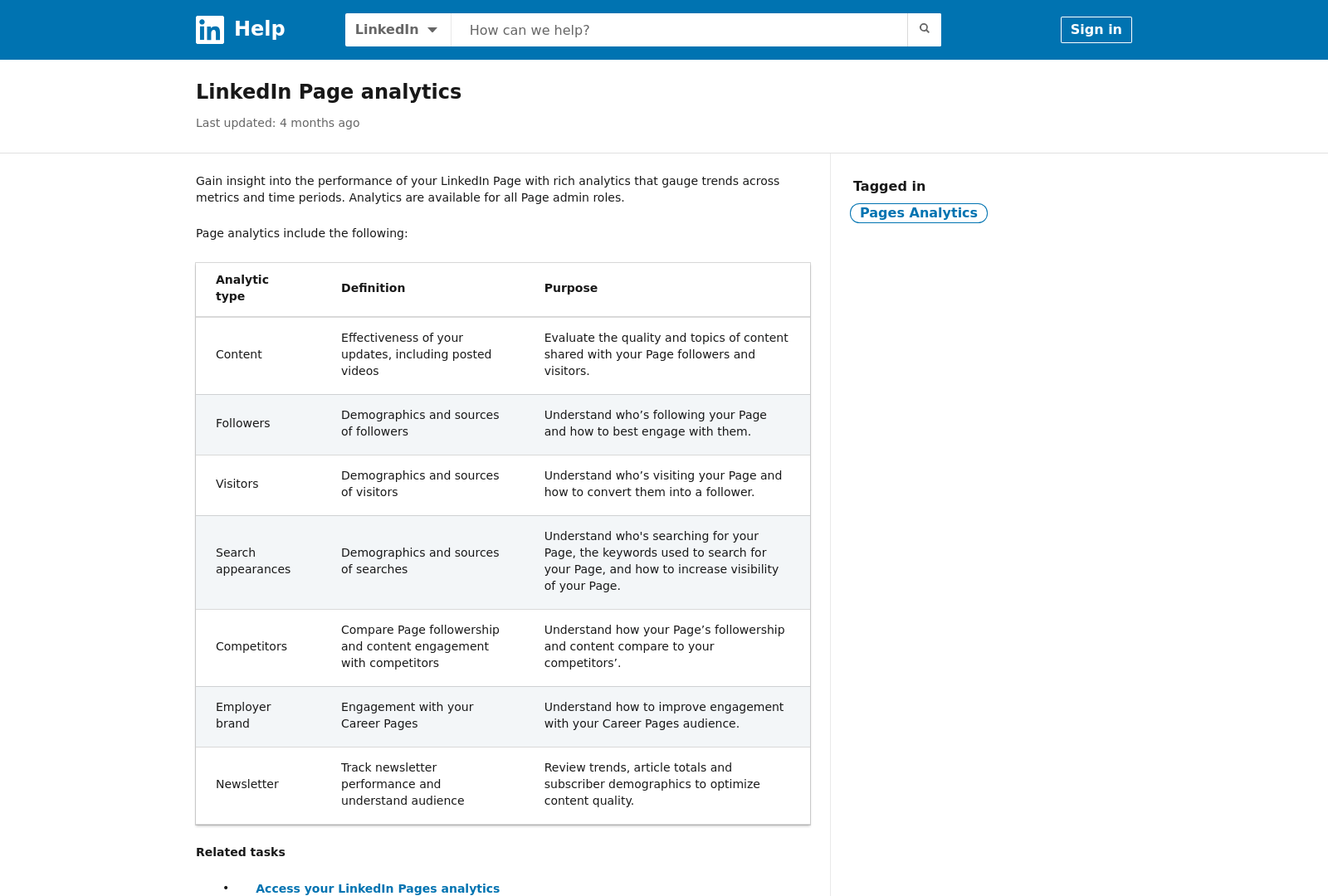
Measuring and optimizing LinkedIn lead generation efforts is critical to ensuring a high return on investment. Tracking performance allows businesses to identify which strategies drive engagement, refine their sales funnel, and allocate resources effectively. According to B2B marketers, creating and refining a funnel is essential for guiding leads toward conversion by addressing their needs [5]. Simultaneously, studies show that LinkedIn content directly influences B2B customer engagement and revenue, making it imperative to monitor content performance [11]. Without systematic measurement, teams risk investing in outdated or ineffective tactics, such as relying on databases with outdated contact information [1].
Using Analytics Tools and Setting Up Conversion Tracking
LinkedIn provides native analytics tools for tracking campaign performance, including metrics like profile views, post engagement, and click-through rates. For deeper insights, third-party tools like Oktopost and LinkedIn Sales Navigator integration offer advanced analytics, such as lead scoring and audience segmentation [5][6]. To track conversions, businesses should integrate LinkedIn with CRM platforms like Salesforce or HubSpot. This allows teams to map LinkedIn interactions—such as profile visits or Inmail responses—to specific stages in the sales pipeline [6]. See the [Integrating LinkedIn with Other Channels for Lead Generation] section for more details on CRM integration strategies.
Setting up conversion tracking requires defining clear goals, such as demo requests, whitepaper downloads, or newsletter signups. For LinkedIn Ads, UTM parameters can be appended to URLs to track traffic sources in Google Analytics, enabling teams to measure campaign ROI [8]. As mentioned in the [Using LinkedIn Advertising for Lead Generation] section, B2B marketers also recommend tracking Inmail open and response rates to gauge the effectiveness of direct outreach [7]. For example, if Inmail response rates drop below 15%, it may signal the need to refine messaging or target more relevant prospects [7].
Optimizing Campaigns for Better Results
Optimization begins with analyzing performance data to identify high-performing content and audience segments. If LinkedIn posts with industry-specific case studies generate higher engagement than generic promotional content, teams should prioritize similar formats [11]. Funnel refinement is another key step: by reviewing drop-off points in the conversion process, marketers can eliminate bottlenecks, such as lengthy lead capture forms or unclear calls-to-action [5].
Automation tools further enhance optimization by streamlining follow-ups and A/B testing. For instance, LinkedIn automation platforms allow teams to send personalized messages to multiple leads simultaneously while tracking which subject lines or greetings yield higher response rates [6]. Building on concepts from the [Advanced Strategies for LinkedIn Lead Generation] section, A/B testing different ad creatives—such as video versus static images—can reveal which formats resonate best with target audiences [8].
Regularly reviewing analytics also helps adjust targeting criteria. If a campaign targeting mid-market companies underperforms compared to enterprise-focused efforts, reallocating budget to higher-converting segments improves efficiency [5]. Sales teams using CRM-integrated tools can cross-reference LinkedIn activity with sales outcomes, ensuring outreach aligns with buyer intent [6]. For example, if a prospect frequently engages with content about cybersecurity, tailoring follow-up messaging to address their specific pain points increases conversion likelihood [11].
Limitations and Best Practices
While analytics provide actionable insights, limitations exist. Some tools may lack granular data on lead quality, as noted by users who found LinkedIn Sales Navigator contacts to be outdated [1]. To mitigate this, businesses should supplement LinkedIn data with verification tools or manual validation. Additionally, over-automating outreach can reduce personalization, leading to lower engagement [6]. Balancing automation with human input—such as manually following up with high-potential leads—ensures a more authentic connection [7].
In summary, measuring LinkedIn lead generation requires a combination of native and third-party analytics, CRM integration, and iterative optimization. By consistently evaluating performance metrics and refining strategies, B2B marketers can maximize their LinkedIn efforts while avoiding common pitfalls like outdated data or impersonal outreach [1][5][6].
Section 7: Integrating LinkedIn with Other Channels for Lead Generation
Integrating LinkedIn with complementary marketing channels like email newsletters, Twitter, YouTube, and blogs creates a cohesive ecosystem for B2B lead generation. By aligning these platforms, businesses can amplify their reach, reinforce messaging, and capture leads at different stages of the buyer’s journey. As mentioned in the [Introduction to LinkedIn Lead Generation] section, LinkedIn is 277% more effective than Facebook for lead generation in B2B contexts, making it a critical pillar in a cross-channel strategy [3]. Pairing LinkedIn with other channels ensures that high-intent leads identified on LinkedIn can be nurtured through targeted content and follow-ups elsewhere.
Benefits of Integration
A key advantage of integrating LinkedIn with other channels is the ability to leverage LinkedIn’s lead-scoring capabilities alongside email marketing automation. For example, tools like Apollo.io and LinkedIn Sales Navigator allow teams to sync lead data with CRM systems, enabling personalized follow-ups via email or direct Inmail. See the [Advanced Strategies for LinkedIn Lead Generation] section for more details on these tools [2]. Cold email campaigns can also complement LinkedIn outreach by delivering tailored messages to prospects who engaged with LinkedIn content [4]. This dual approach increases the likelihood of conversion by providing multiple touchpoints. Additionally, cross-channel integration reduces reliance on a single platform, mitigating risks if one channel’s performance fluctuates.
Repurposing Content Across Channels
Content created for LinkedIn can be strategically repurposed to maximize efficiency. Blog posts based on LinkedIn thought leadership articles, as discussed in the [Creating Engaging Content for LinkedIn Lead Generation] section, can drive traffic to company websites while reinforcing authority [10]. Similarly, LinkedIn videos can be trimmed and shared on YouTube for longer-form engagement or split into shorter clips for Twitter [6]. Email newsletters can highlight LinkedIn success stories or invite recipients to connect on LinkedIn for additional insights [10]. This approach ensures consistent messaging while reducing the time spent creating new content for each platform. Automation tools like those listed in [6] streamline this process by scheduling posts and tracking engagement metrics across channels.
Building a Cohesive Cross-Channel Strategy
To align LinkedIn with other channels, businesses should first define a unified lead generation goal. For example, LinkedIn can be used to identify decision-makers, while Twitter and YouTube engage broader audiences with educational content [10]. Once leads are captured through LinkedIn Inmail or Sales Navigator, email workflows can nurture them with case studies or blog links [7]. A GTM tool stack that integrates LinkedIn with CRMs and email platforms is essential for tracking lead interactions and optimizing campaigns [2]. Key tactics include:
- Synchronized Campaigns: Launch LinkedIn ads alongside blog posts or YouTube videos to drive traffic between platforms.
- Consistent Branding: Use identical visuals, tone, and hashtags across LinkedIn, Twitter, and email to reinforce recognition.
- Lead Handoffs: Direct LinkedIn prospects to follow-up emails or webinars hosted on other channels for deeper engagement [4].
By combining LinkedIn’s B2B targeting strengths with the scalability of email, Twitter, and YouTube, businesses can create a robust lead generation system. This integration not only improves efficiency but also ensures that no potential lead is overlooked across the digital landscape.
Section 8: Advanced Strategies for LinkedIn Lead Generation
Subsection: AI-Powered Tools for Lead Generation
Advanced LinkedIn lead generation relies on AI-powered tools to streamline outreach and improve accuracy. Tools like Apollo.io, LinkedIn Sales Navigator, Clay, and Ocean are recommended for building a GTM tool stack, as they automate lead discovery, verification, and segmentation [2]. These platforms integrate with CRMs to manage LinkedIn outreach efficiently, ensuring follow-ups are timely and personalized [6]. For example, Sales Navigator allows users to set up saved searches and alerts for high-intent leads, reducing manual effort [12]. See the [Section 7] section for more details on CRM integration and multi-channel coordination. Sources note that traditional databases often contain outdated or unreliable contacts, emphasizing the need for AI-driven validation to ensure lead quality [1]. By combining automation with human judgment, teams can prioritize leads with higher conversion potential while avoiding dead ends [2].
Subsection: Employee Advocacy and Thought Leadership
While explicit mentions of employee advocacy are limited in the sources, leveraging individual professional profiles aligns with LinkedIn’s B2B lead generation principles. Employees can amplify company content by sharing insights, case studies, or thought leadership articles, indirectly supporting lead generation [5]. For strategies on creating value-driven content, see the [Section 3] section. For instance, publishing tutorials or how-to guides on LinkedIn’s platform not only educates leads but also positions employees as subject-matter experts [10]. This strategy mirrors the concept of employee advocacy, where personal networks contribute to brand visibility and trust. Though no source directly addresses structured employee advocacy programs, the emphasis on creating value-driven content suggests that empowering employees to share company achievements or industry perspectives can organically attract qualified leads [5].
Subsection: Utilizing LinkedIn’s Publishing Platform
LinkedIn’s publishing platform is a critical tool for establishing thought leadership and nurturing leads. By creating tutorials, case studies, or industry analyses, B2B marketers address audience pain points and guide prospects through the sales funnel [5]. For insights on crafting engaging content, see the [Section 3] section. High-quality content published directly on LinkedIn increases credibility, as it appears in search results and feeds, expanding reach beyond the company’s immediate network [10]. For example, a SaaS company might publish a case study demonstrating how its software solved a client’s operational inefficiencies, subtly positioning itself as a solution to similar challenges [5]. Additionally, publishing thought leadership aligns with LinkedIn’s algorithm, which prioritizes engaging, original content [3]. While the platform itself is a free tool, integrating it with Sales Navigator or CRM systems enables teams to track engagement metrics and identify leads actively interacting with content [12].
Subsection: Combining Strategies for Maximum Impact
Multi-hop reasoning reveals that AI tools, employee-driven content, and LinkedIn’s publishing platform work synergistically. For instance, AI-powered tools like Apollo.io can identify leads who engage with company-published content, allowing teams to prioritize outreach to high-intent prospects [2]. See the [Section 5] section for more on leveraging LinkedIn Sales Navigator for lead identification. Simultaneously, employees sharing these same articles reinforces brand authority and extends reach into their personal networks [5]. Automation tools further enhance this process by scheduling Inmails or connection requests tailored to the interests of leads identified through analytics [6]. A cohesive strategy might involve:
- Publishing a thought leadership article on LinkedIn [10].
- Using Sales Navigator to find leads who viewed the article [12].
- Sending personalized Inmails via automated workflows [6].
- Encouraging employees to reshare the article, increasing its visibility [5].
This layered approach maximizes efficiency by reducing manual effort while maintaining a human touch, a balance noted as critical in B2B outreach [4].
References
[1] What tools do you use to get verified B2B leads efficiently? : r/SaaS - https://www.reddit.com/r/SaaS/comments/1ne4f8d/what_tools_do_you_use_to_get_verified_b2b_leads/
[2] How to Build a GTM Tool Stack for Efficiency - LinkedIn - https://www.linkedin.com/posts/digiarpit_good-gtm-teams-send-more-emails-great-gtm-activity-7366016064045887488-gQs7
[3] LinkedIn 277% More Effective for Lead Generation Than Facebook ... - https://blog.hubspot.com/blog/tabid/6307/bid/30030/linkedin-277-more-effective-for-lead-generation-than-facebook-twitter-new-data.aspx
[4] Cold email vs LinkedIn: How to use both effectively | Kirke Männik ... - https://www.linkedin.com/posts/kirkemannik_cold-email-vs-linkedin-stop-youre-treating-activity-7339973977378832384-mm-W
[5] 8 Tips by B2B Marketers for LinkedIn Lead Generation - Oktopost - https://www.oktopost.com/blog/8-tips-b2b-marketers-linkedin-lead-generation/
[6] Top LinkedIn Automation Tools for 2025 - https://www.joinvalley.co/blog/linkedin-automation-tools
[7] Five ways to generate leads with LinkedIn Inmails - Master it! - https://www.oktopost.com/blog/5-ways-generate-leads-linkedin-inmail/
[8] LinkedIn Ads Made Easy: The Complete Beginners Guide To ... - https://www.youtube.com/watch?v=7CmjcKV_I_I
[9] LinkedIn Sales Navigator MASTERCLASS - Tutorial, Tips, Tricks ... - https://www.youtube.com/watch?v=8vnfIsGc2_g
[10] How to Generate Leads with Social Media Marketing? - https://www.linkedin.com/pulse/how-generate-leads-social-media-marketing-dignizant-technologies-vmw3e
[11] Managing the content of LinkedIn posts: Influence on B2B customer ... - https://www.researchgate.net/publication/365150757_Managing_the_content_of_LinkedIn_posts_Influence_on_B2B_customer_engagement_and_sales
[12] How to Use LinkedIn Sales Navigator For Lead Generation (2025 Update) by Sell Better - https://www.youtube.com/watch?v=3Y7sW7ob3hY
Frequently Asked Questions
1. How can I effectively use LinkedIn Sales Navigator to find high-quality B2B leads?
LinkedIn Sales Navigator enhances lead targeting by allowing advanced filters like job title, industry, company size, and seniority. To maximize its potential:
- Use Boolean Search: Combine keywords and filters (e.g., "CEO OR CFO" AND "SaaS") to narrow results.
- Leverage Lead Recommendations: Sales Navigator suggests leads based on your activity and saved searches.
- Set Up Saved Searches: Automate alerts for new leads matching your criteria (e.g., "Healthcare" + "Procurement Manager").
- Engage with Lead Insights: Analyze lead behavior (e.g., who viewed your profile) to prioritize high-interest prospects.
- Export and Segment: Integrate leads with CRM tools for personalized follow-ups. For deeper strategies, refer to the [Advanced Strategies for LinkedIn Lead Generation] section.
2. What types of content perform best for B2B lead generation on LinkedIn?
High-performing B2B content on LinkedIn includes:
- Case Studies: Showcase real-world success stories with metrics (e.g., "How XYZ Company Increased Revenue by 40% with Our Solution").
- How-To Guides & Tutorials: Address pain points with actionable steps (e.g., "5 Steps to Optimize Your Sales Funnel").
- Thought Leadership Posts: Share industry insights or predictions (e.g., "The Future of AI in B2B Marketing").
- Employee Advocacy: Encourage team members to post industry-related content to expand reach.
- Polls & Questions: Engage audiences by asking for opinions (e.g., "Which challenge is most critical for your business? A) Cost B) Time C) Scalability").
Content should balance educational value with a subtle call-to-action (CTA), such as "Download our free whitepaper on [topic]."
3. How do I overcome the time constraints associated with manual lead research on LinkedIn?
Automate and streamline processes with these strategies:
- Use LinkedIn Sales Navigator: Automate lead filtering and set alerts for new prospects.
- Leverage CRM Integration: Tools like HubSpot or Salesforce sync LinkedIn leads for centralized tracking and follow-ups.
- Batch Content Creation: Plan posts, comments, and messages in advance using a content calendar.
- Repurpose Content: Turn blog posts into LinkedIn articles or videos to save time.
- Outsource to Virtual Assistants: Delegate tasks like comment engagement or lead qualification.
By combining automation with focused daily check-ins (e.g., 30 minutes/day), you can maintain productivity without burnout.
4. Can LinkedIn be integrated with CRM tools to streamline lead nurturing?
Yes, LinkedIn integrates seamlessly with CRM platforms like HubSpot, Salesforce, and Zoho to:
- Track Engagement: Automatically log interactions (e.g., LinkedIn messages, profile views) in your CRM.
- Segment Leads: Use LinkedIn data (e.g., job role, company size) to create targeted nurturing campaigns.
- Schedule Follow-Ups: Set reminders for personalized outreach based on lead behavior.
- Analyze Performance: Measure which LinkedIn content or outreach efforts drive the most conversions.
For example, HubSpot’s LinkedIn integration allows you to see if a lead viewed your LinkedIn post before your email campaign. Ensure your CRM supports LinkedIn’s API for real-time data syncing.
5. What are the best practices for targeting specific industries or job roles on LinkedIn?
To target niche industries or roles effectively:
- Customize Your Profile: Optimize your LinkedIn headline and summary with keywords relevant to your target industry (e.g., "B2B SaaS Sales for Healthcare Companies").
- Join Industry Groups: Participate in groups like "Healthcare IT Professionals" to connect with decision-makers.
- Use Boolean Filters: Search for leads with specific job titles (e.g., "IT Director" AND "Healthcare") or industries ("Nonprofit" AND "Fundraising Manager").
- Tailor Content: Share industry-specific insights, such as "How Nonprofits Can Use AI for Donor Retention."
- Leverage Sales Navigator: Filter leads by industry and job function to target only relevant prospects.
Personalization is key—research each lead’s company to reference their specific challenges in outreach.
6. How can I measure the ROI of my LinkedIn lead generation efforts?
Track these metrics to evaluate ROI:
- Lead-to-Deal Conversion Rate: Compare LinkedIn-generated leads to total sales.
- Cost Per Lead (CPL): Divide your LinkedIn ad spend or Sales Navigator subscription cost by the number of qualified leads.
- Engagement Rates: Monitor likes, shares, and comments on content to gauge audience interest.
- Website Traffic: Use UTM parameters to track LinkedIn traffic to landing pages or case study downloads.
- Customer Acquisition Cost (CAC): Calculate how much it costs to acquire a customer from LinkedIn vs. other channels.
Tools like LinkedIn Analytics, Google Analytics, and CRM reporting provide these insights. For example, if your CPL is $100 and average deal size is $5,000, your ROI is 50:1.
7. What common mistakes should I avoid when generating B2B leads on LinkedIn?
Avoid these pitfalls to improve success:
- Generic Outreach: Personalize messages by mentioning the lead’s company or role (e.g., "I noticed [Company] recently expanded its SaaS division—how are you addressing security challenges?").
- Over-Automation: Use automation but maintain a human touch—avoid templated messages that feel spammy.
- Ignoring Content Quality: Prioritize depth over frequency. A weekly in-depth article performs better than daily low-quality posts.
- Neglecting Engagement: Respond to comments and messages promptly to build trust.
- Focusing Only on Sales: Build relationships by sharing value (e.g., industry news) before pitching.
By balancing strategy with authenticity, you’ll foster long-term relationships and higher conversion rates.