
How to Optimize Lead Generation for any Companies using SEO

Related Video
Watch: The Best SEO Strategies for 2025 by Exposure Ninja
Understanding Lead Generation and SEO
Lead generation refers to the process of attracting and converting prospects into potential customers for a business. In B2B marketing, this involves identifying companies or professionals with specific needs and guiding them through the sales funnel using targeted strategies. SEO plays a critical role in this process by ensuring that businesses appear in search results when prospects actively seek solutions, increasing the likelihood of conversion [1]. According to multiple sources, SEO-driven lead generation focuses on capturing high-intent traffic—users already researching products or services similar to what a business offers [7]. This approach contrasts with broader marketing tactics, as it targets individuals at the decision-making stage, making it particularly effective for B2B companies with longer sales cycles [2].
SEO, or search engine optimization, is the practice of improving a website’s visibility in organic search engine results. This involves optimizing content, technical elements, and backlink profiles to align with search engine algorithms and user intent. As noted in [6], maintaining high rankings requires ongoing efforts such as content updates, keyword targeting, and technical optimization. The significance of SEO lies in its ability to drive consistent, targeted traffic without the need for paid advertising. For example, optimizing Google Business Profiles and local search elements can directly enhance visibility for businesses targeting regional markets [2]. By prioritizing SEO, companies can establish authority in their niche and reduce reliance on volatile paid ad platforms [6].
The intersection of SEO and lead generation is rooted in their shared goal of connecting businesses with qualified prospects. SEO enhances lead generation by ensuring that content marketed to prospects is discoverable by search engines. For instance, creating SEO-optimized blog posts and gated assets (like reports or case studies) attracts users searching for industry-specific solutions [8]. When combined with clear calls-to-action, these strategies transform organic traffic into measurable leads [12]. See the Keyword Research and Planning for Lead Generation section for more details on aligning content with user intent and high-intent keywords. Additionally, SEO’s emphasis on keyword research allows businesses to align their content with the exact phrases prospects use, increasing relevance and engagement [9]. This synergy is particularly valuable for B2B companies, where decision-makers often conduct extensive online research before committing to a purchase [7].
The target audience for this guide is assumed to have a foundational understanding of SEO concepts such as keywords, on-page optimization, and content marketing. However, they may lack advanced expertise in implementing SEO strategies specifically for lead generation. This aligns with the structure of onboarding guides like [11], which assume familiarity with basic SEO but provide step-by-step instructions for execution. Readers are expected to understand the difference between organic and paid search but may need guidance on leveraging SEO for measurable business outcomes [5]. The guide will bridge this gap by focusing on actionable steps, such as optimizing landing pages for conversions and using technical SEO to improve site performance [9].
A critical component of this guide involves the integration of a SaaS platform designed to streamline SEO-driven lead generation. Building on concepts from the Advanced SEO Strategies for Lead Generation section, these platforms offer tools for keyword research, competitor analysis, and content optimization, enabling businesses to execute SEO campaigns efficiently. For example, [11] outlines how SaaS onboarding processes include SEO setup and lead generation workflows, emphasizing automation and data-driven adjustments. By leveraging such platforms, businesses can scale their efforts while maintaining focus on creating high-quality, audience-centric content [12].
In summary, understanding the fundamentals of lead generation and SEO is essential for businesses aiming to maximize their digital marketing impact. By aligning SEO practices with lead generation goals—such as optimizing for high-intent keywords and creating conversion-focused content—companies can attract and retain prospects more effectively. The following sections of this guide will delve into specific strategies, including content creation, technical SEO optimizations, and performance tracking, all supported by the tools and insights provided by the SaaS platform [5][9]. This structured approach ensures that businesses of all sizes can harness SEO’s potential to drive sustainable growth.
Keyword Research and Planning for Lead Generation
Keyword research is the foundation of SEO-driven lead generation, enabling businesses to align their content with the search intent of potential customers. Effective keyword research identifies terms and phrases that high-intent users actively search for, allowing companies to optimize their websites to capture these leads [3]. By understanding the specific queries audiences use, businesses can position themselves as solutions to problems, increasing visibility in competitive markets [7]. For example, geo-targeted keywords help localize SEO efforts, ensuring that businesses attract leads from relevant geographic regions by optimizing content and Google Business Profiles [3]. This alignment between user intent and content is critical for converting organic traffic into actionable leads [9]. As mentioned in the Understanding Lead Generation and SEO section, this process directly supports the broader goals of attracting and converting prospects.
Tools and Techniques for Conducting Keyword Research
Several strategies and tools support structured keyword research for lead generation. While specific tools like keyword planners or competitive analysis platforms are not named in the sources, the process typically involves analyzing search volume, competition, and commercial intent [7]. Businesses should evaluate keywords based on their relevance to their offerings and the likelihood of driving conversions [10]. For instance, examining direct intent keywords—terms users search for when ready to make a purchase—can guide the optimization of landing pages and service pages [10]. As outlined in the On-Page Optimization for Lead Generation section, optimizing these pages for specific intents is essential for capturing leads effectively [3]. Additionally, leveraging competitor insights by analyzing their high-performing content provides a roadmap for identifying gaps and opportunities [3]. This iterative process ensures that keyword strategies evolve with market demands and search engine algorithms [7].
Identifying and Prioritizing Keywords for Lead Generation
Prioritizing keywords requires categorizing them by intent and business goals. High-intent keywords, such as "[service name] near me" or "best [product] for [need]," indicate users at the decision-making stage of their buyer journey [3]. These should be prioritized over informational keywords, which may not immediately translate to leads but can support brand awareness [7]. Businesses should also balance short-tail and long-tail keywords: while short-tail terms have higher search volumes, long-tail keywords often yield higher conversion rates due to their specificity [9]. For example, a plumbing company might target "emergency plumber services" (short-tail) alongside "24/7 emergency plumbing repair in [city]" (long-tail) to capture both broad and hyper-localized traffic [3]. Prioritization frameworks, such as scoring keywords by search volume, competition, and alignment with sales funnel stages, ensure resources are allocated efficiently [10].
Understanding Long-Tail Keywords and Targeting Specific Audiences
Long-tail keywords play a pivotal role in lead generation by reducing competition and attracting highly targeted traffic. These multi-word phrases align with niche audience needs, such as "affordable SEO services for small businesses" or "industrial HVAC maintenance contractors in Texas" [7]. Their specificity lowers the cost-per-click in paid campaigns and improves organic rankings due to less competition [9]. When incorporated into content, long-tail keywords signal to search engines that a website addresses precise user queries, enhancing relevance and authority [3]. For example, a software company targeting manufacturers might use "ERP software for automotive parts suppliers" to reach an audience with a clear purchasing intent [7]. By mapping long-tail keywords to customer pain points, businesses can create content that directly addresses their audience’s needs [10].
Incorporating Keyword Research into Content Creation
Once keywords are identified and prioritized, integrating them into content requires strategic alignment with user intent and business objectives. Blog posts, service pages, and landing pages should be optimized for both high-intent and informational keywords to guide users through the sales funnel [8]. For instance, a blog post targeting "how to choose a digital marketing agency" can address informational intent while subtly promoting the company’s expertise in lead generation [10]. See the Content Repurposing for Multi-Channel Lead Generation section for more details on extending high-quality content across platforms to maximize SEO-driven lead generation [8]. Landing pages optimized for direct intent keywords—such as "book a free SEO consultation"—should include clear calls-to-action (CTAs) to convert traffic into leads [10]. Additionally, long-form content that comprehensively covers industry topics, such as "The Ultimate Guide to Manufacturing SEO," can rank for multiple related keywords, establishing thought leadership and driving sustained traffic [8]. Regular audits ensure keyword strategies remain aligned with evolving search trends and business goals [7].
On-Page Optimization for Lead Generation
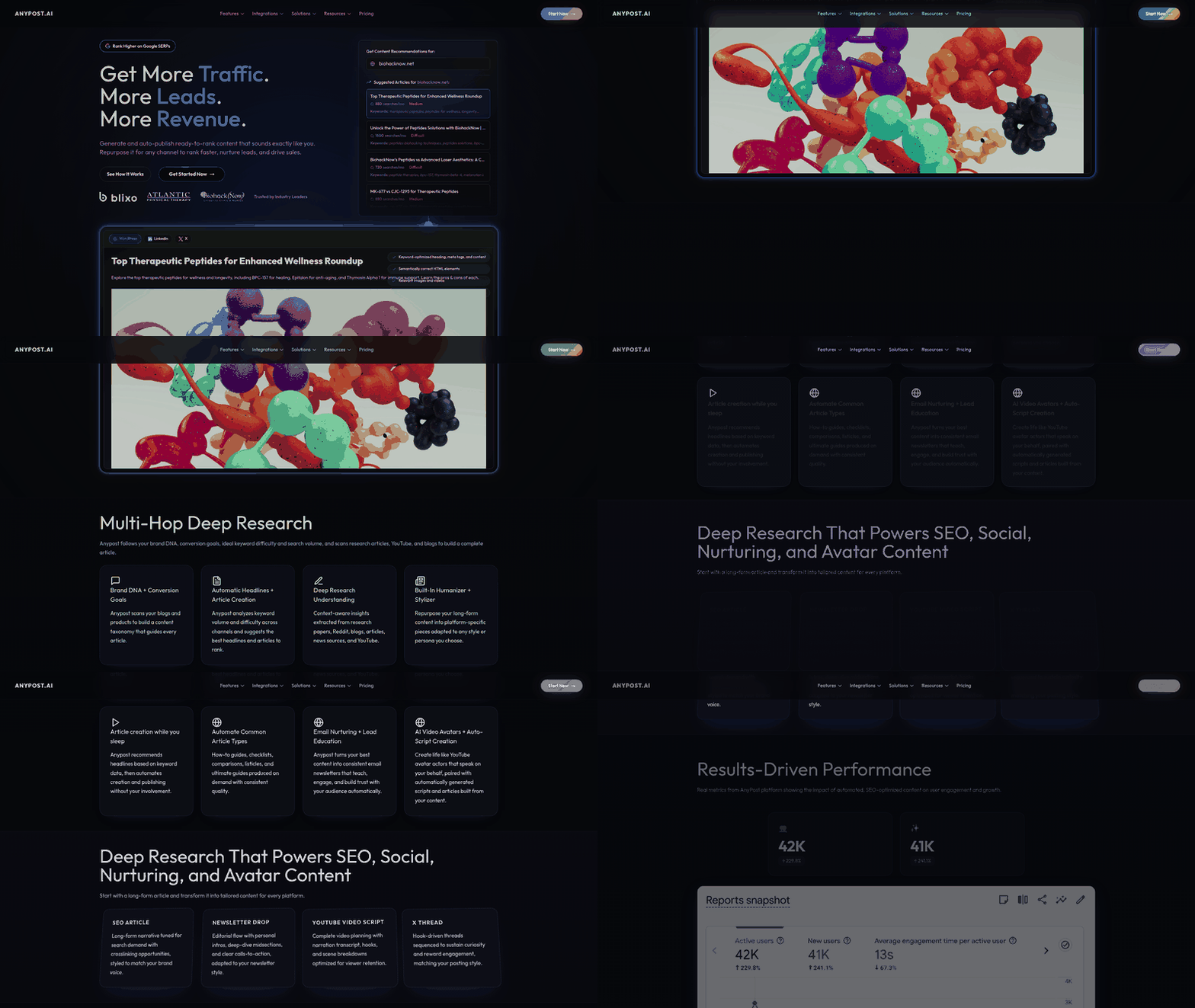
To optimize lead generation through on-page SEO, businesses must focus on structuring their websites and content to align with user intent and search engine algorithms. A foundational step is optimizing website architecture to ensure clarity and accessibility. This includes organizing pages around high-intent keywords, as emphasized in [7], which highlights the importance of targeting direct intent keywords to attract qualified leads. See the Keyword Research and Planning for Lead Generation section for more details on identifying and leveraging high-intent keywords. Additionally, [10] recommends creating long-form, in-depth content to address user queries comprehensively, which improves rankings and establishes authority. For example, manufacturers can use detailed product guides and case studies to position themselves as industry experts [12].
Best Practices for Meta Tags, Headings, and Internal Linking
Meta tags, headings, and internal linking play critical roles in guiding both users and search engines. Meta titles and descriptions should incorporate target keywords while clearly communicating page value, as noted in [3] and [7]. For instance, using geo-targeted keywords in meta tags can improve local lead generation efforts [3]. Headings (H1, H2, etc.) must follow a logical hierarchy and include relevant keywords to enhance content scannability [8]. Internal linking, as outlined in [7], helps distribute page authority and keeps users engaged by connecting related content. A blog post about "SEO for lead generation" might link to a dedicated landing page for a downloadable lead magnet, improving conversion pathways [11].
Content Creation Strategies for Lead Generation
Content remains a cornerstone of on-page optimization. Blogs, landing pages, and gated assets (e.g., whitepapers, webinars) should be tailored to user intent and optimized for search. [8] emphasizes building a blog with SEO-optimized posts to attract organic traffic and nurture leads over time. Landing pages, in particular, require focused messaging and clear CTAs, as highlighted in [10], which recommends aligning them with high-converting, direct intent keywords. For example, a SaaS company might create a landing page targeting "free CRM software" to capture email addresses from prospects [7]. Additionally, [12] suggests using SEO techniques to optimize content for search engines while ensuring it serves as a lead magnet, such as offering a report in exchange for contact details.
Technical SEO Considerations
Technical SEO elements like page speed and mobile responsiveness directly impact lead generation. Search engines prioritize fast-loading, mobile-friendly websites, which also improve user experience and reduce bounce rates [7]. Tools like Google PageSpeed Insights can identify performance bottlenecks, and optimizing images, leveraging caching, and minimizing code bloat are actionable steps [10]. Mobile optimization is equally critical, as [3] notes that geo-targeted keywords often come from mobile searches, requiring responsive design to accommodate smaller screens. Regularly auditing technical SEO, as recommended in [6], ensures ongoing alignment with evolving algorithms and user expectations. See the Measuring and Optimizing Lead Generation Efforts section for insights on tracking technical SEO performance.
Role of Automated Content Generation
Automated tools can streamline on-page optimization while maintaining quality. [11] provides an example of using automated workflows to set up blogs and optimize content for SEO, reducing manual effort in keyword research and formatting. Building on concepts from the Advanced SEO Strategies for Lead Generation section, automation should complement—not replace—manual oversight. For instance, AI-generated content drafts can be refined by human writers to ensure brand voice and relevance, as suggested in [10]. Automated tools can also assist in tracking keyword performance and updating existing content to maintain rankings, a practice highlighted in [6] as essential for sustaining SEO-driven lead generation.
By integrating these strategies, businesses can create a robust on-page SEO framework that drives targeted traffic and converts visitors into leads. Each element—content quality, technical performance, and strategic optimization—contributes to a cohesive lead generation system, supported by continuous analysis and adaptation [9].
Link Building and Off-Page SEO for Lead Generation
Link building and off-page SEO are critical components of SEO-driven lead generation, as they enhance a website’s authority, visibility, and trustworthiness in the eyes of search engines and users. High-quality backlinks act as endorsements, signaling to search engines that a website provides valuable content, which can improve rankings and drive targeted traffic [7]. For lead generation, this means attracting users actively seeking solutions, increasing the likelihood of conversions [9]. Effective link-building strategies, such as guest blogging and resource page optimization, directly contribute to this process by expanding a brand’s reach and establishing industry authority [7]. See the [Keyword Research and Planning for Lead Generation] section for more details on aligning content with user intent through keyword strategies.
Strategies for Link Building: Guest Blogging and Resource Pages
Guest blogging remains a proven method for acquiring backlinks while positioning a brand as an expert in its niche. By contributing informative, keyword-optimized content to authoritative websites, businesses can earn dofollow links that boost domain authority and drive referral traffic [7]. For example, publishing a guest post on a platform with high domain rating ensures exposure to an engaged audience and increases the chances of lead generation [9]. Additionally, creating comprehensive resource pages on a company’s own website—such as guides, toolkits, or industry reports—can attract backlinks from other websites seeking to reference reliable information [7]. These resources should be structured with clear headings, actionable insights, and shareable data to maximize their appeal to external linkers [9]. Building on concepts from the [Content Repurposing for Multi-Channel Lead Generation] section, repurposing these resources into blog posts, videos, or social media content can further amplify their reach and link potential.
Social Media’s Role in Off-Page SEO and Lead Generation
While social media signals do not directly influence search engine rankings, they play a significant role in amplifying content visibility and driving traffic to websites. Sharing blog posts, whitepapers, and case studies on platforms like LinkedIn, Twitter, and Facebook increases the likelihood of these assets being discovered and linked to by other websites [7]. Social media also facilitates engagement with industry communities, enabling businesses to build relationships that may lead to collaborative opportunities or organic backlinks [9]. For instance, actively participating in Twitter spaces or LinkedIn groups related to your industry can position your brand as a thought leader, indirectly supporting link-building efforts [7].
Influencer Marketing and Partnerships for Link Building
Collaborating with influencers and industry partners can generate high-quality backlinks while expanding a brand’s audience reach. Influencers with established credibility often have websites or blogs that can feature sponsored content, interviews, or product reviews, all of which provide opportunities for backlinks [7]. Similarly, partnerships with complementary businesses—such as co-created webinars or joint research studies—can result in cross-promotion and reciprocal linking [9]. These strategies not only enhance SEO but also align with lead-generation goals by tapping into the trusted networks of influencers and partners [7].
Measuring the Effectiveness of Link-Building Efforts
To evaluate the success of link-building campaigns, businesses should track metrics such as referral traffic, domain authority, and the correlation between backlinks and keyword rankings [6]. Tools like Ahrefs, SEMrush, or Moz allow users to monitor the quantity and quality of acquired backlinks, identifying opportunities for improvement [7]. Additionally, analyzing the conversion rates of traffic from linked domains helps determine which strategies yield the highest-quality leads [9]. As mentioned in the [Measuring and Optimizing Lead Generation Efforts] section, regular audits of backlink profiles are essential to disavow harmful or spammy links that could negatively impact SEO performance [6]. By consistently refining link-building tactics based on data-driven insights, companies can sustain long-term lead-generation success [7].
In summary, link building and off-page SEO require a strategic, data-informed approach to maximize lead-generation outcomes. By combining guest blogging, resource page optimization, social media engagement, influencer collaborations, and performance tracking, businesses can strengthen their SEO foundations and attract high-intent prospects [7][9].
Content Repurposing for Multi-Channel Lead Generation
Content repurposing is a strategic approach that extends the lifecycle of high-quality content by adapting it for different channels, maximizing SEO-driven lead generation efforts. By transforming a single piece of content—such as a blog post, whitepaper, or video—into multiple formats, businesses can reach diverse audiences while maintaining consistency in messaging. For example, a long-form SEO-optimized blog post [8] can be repurposed into Twitter threads [13], newsletter summaries [12], and YouTube scripts [10], ensuring that the core value of the original content is leveraged across platforms. This method reduces creation time, expands audience engagement, and aligns with SEO best practices by reinforcing keyword relevance across search-optimized assets [10]. As mentioned in the [Understanding Lead Generation and SEO] section, this approach enhances the alignment between content and user intent, a critical factor in effective lead generation.
Repurposing Strategies for Key Channels
To optimize lead generation, businesses must tailor content to the unique requirements of each channel. For Twitter, concise, high-impact snippets from longer articles work best, paired with hashtags and links to the original content for SEO referral traffic [13]. Newsletters, on the other hand, benefit from in-depth summaries of blog posts or case studies, often used as lead magnets to collect email addresses [12]. For YouTube, explanatory videos derived from blog content—such as step-by-step guides or interviews—can attract viewers searching for tutorial-based content, which complements SEO efforts by increasing time-on-site metrics [10]. These strategies ensure that the same foundational content serves multiple purposes, from direct lead capture to brand visibility.
Optimizing Content for Channel-Specific Audiences
Each platform demands adjustments to content format and tone. Twitter requires brevity and urgency, often using polls or questions to engage users while linking back to primary SEO content [13]. Newsletters need a more personalized approach, such as segmenting email lists to deliver targeted repurposed content based on user behavior [12]. For YouTube, structuring videos with timestamps and captions improves accessibility and searchability, aligning with SEO practices that prioritize user experience [10]. These optimizations ensure that repurposed content not only reaches but also resonates with the intended audience, driving higher conversion rates.
Measuring ROI Across Channels
Tracking the effectiveness of repurposed content requires metrics tailored to each channel. For Twitter, engagement rates and click-throughs to the original blog post indicate SEO-driven traffic success [13]. Newsletter performance is measured by open rates, click-through rates, and lead form submissions, providing insights into the effectiveness of gated content [12]. YouTube analytics focus on watch time, retention rates, and keyword rankings for video titles, reflecting how well repurposed content supports SEO goals [10]. See the [Measuring and Optimizing Lead Generation Efforts] section for more details on interpreting these metrics to refine lead generation strategies. By aggregating these metrics, businesses can identify high-performing channels and reallocate resources to maximize lead generation efficiency.
This multi-channel approach to content repurposing, grounded in SEO principles, enables companies to amplify their reach without compromising quality. By systematically adapting content to fit the strengths of each platform, businesses can maintain a cohesive lead generation strategy while adhering to search engine optimization best practices. Building on concepts from the [On-Page Optimization for Lead Generation] section, optimizing repurposed content for specific platforms ensures alignment with both user intent and search engine algorithms.
Measuring and Optimizing Lead Generation Efforts
Measuring and optimizing lead generation efforts is critical to ensuring SEO strategies effectively drive high-quality leads. Key metrics for evaluating success include organic traffic growth, conversion rates, and cost per lead, as these directly reflect the efficiency of SEO-driven lead generation [7]. Additional metrics such as bounce rate and average time on site provide insights into user engagement, indicating whether landing pages and content align with searcher intent [9]. Lead quality metrics, such as the percentage of form submissions or demo requests that meet predefined business criteria, further validate the effectiveness of SEO in attracting high-intent audiences [4]. By tracking these metrics consistently, businesses can identify trends and pinpoint areas for improvement.
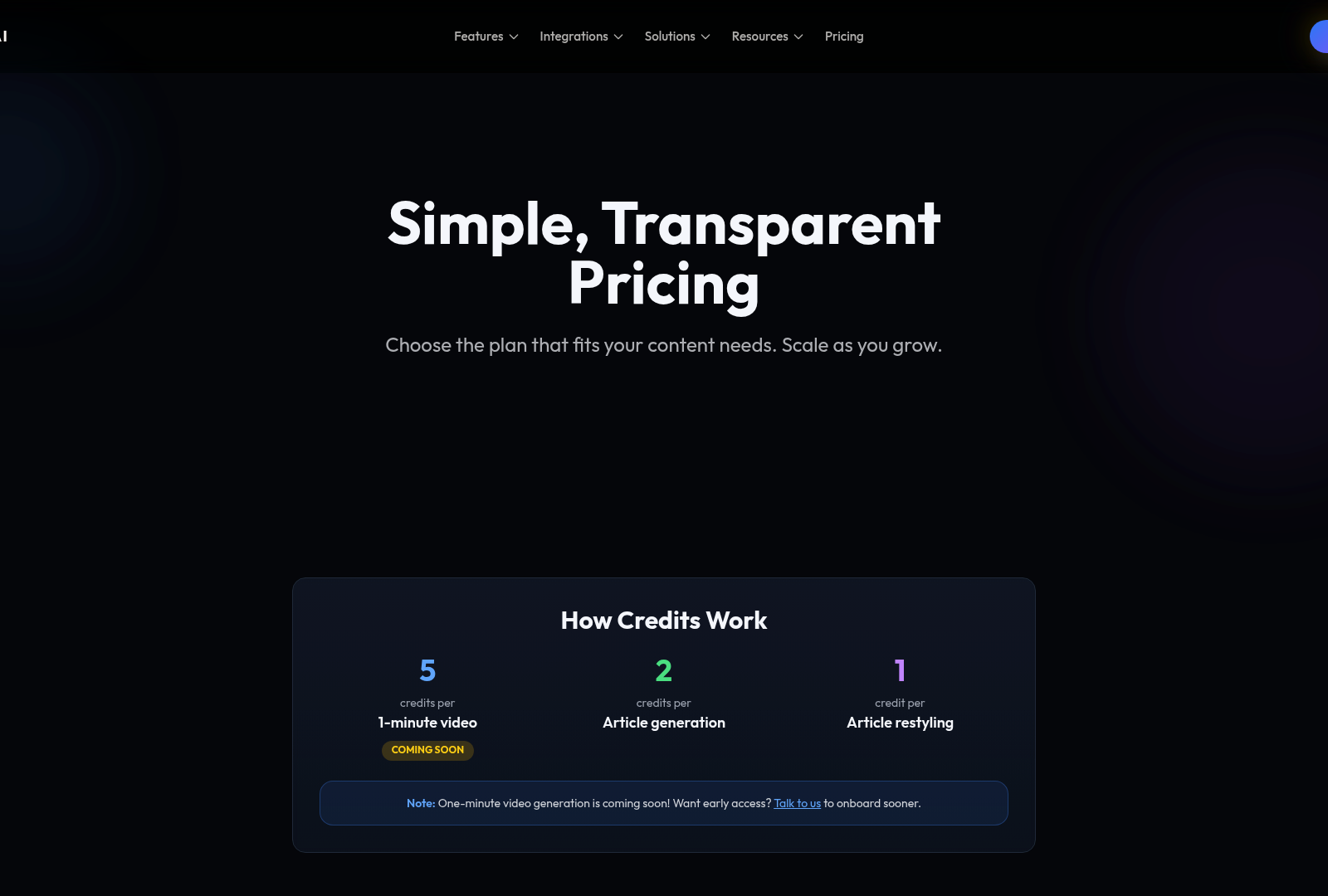
To track these metrics, tools and platforms focused on data-driven optimization are essential. Services like OpenMoves emphasize analyzing website performance to identify improvement areas, leveraging real-time analytics to refine SEO strategies with pinpoint accuracy [4]. Google Analytics and Search Console serve as foundational tools for monitoring organic traffic, keyword rankings, and user behavior patterns [7]. For deeper insights, businesses can integrate third-party SEO platforms that aggregate data on backlink profiles, content performance, and competitor benchmarks. These tools enable teams to quantify the impact of technical SEO optimizations, such as site speed improvements or mobile responsiveness, on lead generation outcomes [6]. See the Link Building and Off-Page SEO for Lead Generation section for more details on backlink profile analysis.
A/B testing plays a pivotal role in optimizing lead generation campaigns by comparing variations of web elements to determine what resonates most with audiences. For example, testing different headline structures, call-to-action (CTA) phrasing, or landing page layouts can reveal which iterations drive higher conversion rates [7]. Source [6] highlights that maintaining high rankings in search engines requires ongoing A/B testing of content updates and technical optimizations, such as meta tags or internal linking strategies. Building on concepts from the On-Page Optimization for Lead Generation section, testing these elements ensures alignment with both user intent and algorithmic requirements. By systematically testing hypotheses—like the effectiveness of long-form versus short-form content—businesses can align their SEO tactics with user preferences [9]. Real-time analytics further enhance A/B testing by providing immediate feedback, allowing teams to pause underperforming variations and scale successful ones rapidly [4].
Real-time analytics are indispensable for dynamic lead generation optimization, as they enable teams to respond to performance fluctuations swiftly. Source [4] notes that data-driven optimization relies on real-time tracking to adjust SEO strategies, ensuring alignment with evolving user behavior and market conditions. For instance, monitoring sudden drops in organic traffic or spikes in bounce rates can signal technical issues, content gaps, or shifts in search intent that require immediate action [9]. Tools that track real-time conversion data also help identify which keywords or landing pages are generating the most qualified leads, allowing for rapid resource reallocation. This agility ensures that SEO efforts remain responsive to competitive pressures and algorithm updates [7].
Using data to inform future lead generation strategies involves analyzing historical performance to guide long-term decisions. By reviewing metrics like month-over-month changes in organic traffic or lead source attribution, businesses can prioritize SEO initiatives that deliver the highest ROI [4]. For example, if data reveals that blog content targeting a specific keyword cluster consistently generates leads, future efforts can scale similar topics while deprioritizing underperforming areas [7]. As mentioned in the Keyword Research and Planning for Lead Generation section, identifying high-performing keywords is foundational to this process. Additionally, cross-referencing lead generation data with competitor analyses—such as identifying gaps in backlink profiles or content depth—can uncover untapped opportunities [9]. This iterative approach, grounded in measurable outcomes, ensures SEO strategies evolve in tandem with business goals rather than relying on assumptions.
Finally, integrating these insights into a continuous improvement cycle is essential. Regularly scheduled reviews of lead generation metrics—such as weekly or monthly performance dashboards—help maintain accountability and transparency across teams [6]. By combining A/B testing results, real-time analytics, and historical data, businesses can refine their SEO tactics to maximize lead volume and quality over time [7]. The ultimate goal is to create a feedback loop where data directly informs adjustments, ensuring SEO remains a scalable and adaptable component of the broader marketing strategy [9].
Advanced SEO Strategies for Lead Generation
Advanced SEO strategies for lead generation extend beyond foundational tactics by leveraging emerging technologies and data-driven methodologies. These approaches focus on capturing high-intent traffic through optimized content, enhanced technical execution, and alignment with evolving search engine algorithms. For instance, voice search optimization requires tailoring content to conversational queries, as users increasingly rely on voice-activated devices for research [7]. Similarly, entity-based SEO emphasizes contextual relevance by linking brands to industry-specific topics, improving visibility in semantic search results [9]. By integrating these advanced techniques, companies can position themselves as authoritative resources, directly influencing lead generation outcomes.
Optimizing for Voice Search and Local Intent
Voice search optimization demands a shift toward long-tail keywords and question-based content, reflecting how users phrase spoken queries. Research indicates that voice searches often prioritize local intent, requiring businesses to incorporate geo-targeted keywords (e.g., "best SEO services in Chicago") to attract nearby leads [3]. Structuring content to answer common questions—such as through FAQ sections or how-to guides—improves alignment with voice search algorithms, which favor concise, direct responses [7]. Additionally, optimizing for featured snippets increases the likelihood of being selected as the top voice search result, as these snippets are frequently read aloud by virtual assistants [9]. For B2B lead generation, integrating voice search strategies with local SEO can capture users seeking immediate solutions, such as "SEO agencies near me" [3]. See the On-Page Optimization for Lead Generation section for more details on aligning content with user intent.
Entity-Based SEO for Brand Authority
Entity-based SEO strengthens lead generation by establishing a brand as a trusted entity within its niche. This strategy involves creating content around core industry topics (entities) and interlinking pages to demonstrate topical authority. For example, a manufacturing company might develop in-depth guides on "industrial automation trends" and link them to product pages, signaling relevance to both search engines and users [9]. Search engines like Google use entity recognition to understand contextual relationships, making it critical to consistently reference industry-specific entities in content [7]. Additionally, building backlinks from authoritative domains referencing these entities reinforces credibility, as highlighted in strategies for technical SEO [3]. By aligning content with entities, brands can dominate search results for complex queries, attracting high-intent leads. Building on concepts from the On-Page Optimization for Lead Generation section, interlinking pages enhances topical authority and user navigation.
Implementing Schema Markup for Rich Results
Schema markup enhances search engine visibility by providing structured data that powers rich snippets, such as reviews, FAQs, and event listings. These enhanced results stand out in search engine results pages (SERPs), increasing click-through rates (CTRs) and driving more qualified traffic [7]. For lead generation, implementing FAQ schema on landing pages can directly address user concerns, such as "How to choose an SEO agency," while How-To schemas can guide prospects through decision-making processes [9]. Tools like Google’s Structured Data Markup Helper simplify schema implementation, ensuring technical accuracy [14]. When combined with geo-targeted content, schema markup also supports local lead generation by displaying business hours, contact details, and customer ratings prominently in search results [3]. As mentioned in the On-Page Optimization for Lead Generation section, technical execution plays a critical role in maximizing schema’s impact.
Staying Ahead of SEO Trends for Sustained Growth
Continuous adaptation to SEO trends is essential for maintaining a competitive edge in lead generation. Emerging practices such as AI-driven content optimization and E-E-A-T (Experience, Expertise, Authoritativeness, Trustworthiness) guidelines require ongoing adjustments to content strategies [14]. For example, leveraging AI tools to analyze search intent and generate topic clusters ensures content remains aligned with user needs [9]. Monitoring algorithm updates, such as Google’s focus on page experience and mobile-first indexing, also prevents declines in organic traffic [7]. Proactive experimentation with video SEO—such as optimizing YouTube metadata for lead magnets—can further diversify traffic sources [14]. Building on concepts from the Keyword Research and Planning for Lead Generation section, AI-driven tools refine keyword targeting to stay ahead of evolving search behaviors. By prioritizing agility and data-driven decision-making, businesses can future-proof their SEO efforts and sustain lead generation growth.
Putting it All Together: Comprehensive Lead Generation Strategy
To build a cohesive lead generation strategy using SEO, businesses must integrate the core principles outlined in prior sections while adapting them to their unique goals. B2B companies, in particular, benefit from SEO by attracting high-intent visitors through optimized content and targeted keywords [1]. A foundational step is reviewing key takeaways: optimizing Google Business Profiles for local visibility [2], leveraging geo-targeted keywords to refine audience reach [3], and creating long-form, high-quality content that addresses user intent [10]. These strategies collectively enhance search engine visibility, ensuring companies connect with users actively seeking their services or products [7].
Creating a Tailored Strategy with SEO and Content Marketing
A successful strategy begins by aligning SEO techniques with content marketing to generate and nurture leads. For instance, manufacturers can use SEO-optimized reports as gated assets to collect leads while improving search rankings [12]. See the [Content Repurposing for Multi-Channel Lead Generation] section for more details on leveraging existing content for lead generation. Simultaneously, businesses should prioritize content that solves specific audience pain points, as this approach increases engagement and conversion rates [13]. By auditing existing content for keyword gaps and updating it with relevant, high-intent terms, companies can sustain their visibility in competitive markets [6]. Additionally, integrating video and blog content—optimized for both search engines and user preferences—creates a multifaceted lead generation funnel [14].
Continuous Monitoring and Strategic Adjustments
SEO lead generation is not a one-time effort but a dynamic process requiring ongoing optimization. Businesses must analyze website performance metrics, such as bounce rates and conversion tracking, to identify underperforming areas [6]. For insights on measuring these metrics, refer to the [Measuring and Optimizing Lead Generation Efforts] section. Tools like Semrush or Ahrefs can automate this process, providing data-driven insights to refine keyword targeting and backlink strategies [14]. If geo-targeted content fails to attract local leads, companies should reassess their keyword selection or local citation consistency [3]. Regular audits ensure that technical SEO elements—like site speed and mobile responsiveness—remain aligned with evolving search engine algorithms [9].
The Role of SaaS Platforms in Streamlining Efforts
SaaS platforms play a critical role in scaling lead generation by automating repetitive tasks and centralizing analytics. Data-driven SaaS tools, such as those offered by OpenMoves, enable businesses to pinpoint underperforming pages and prioritize improvements with precision [4]. Building on concepts from [Advanced SEO Strategies for Lead Generation], these tools enhance automation by streamlining content scheduling and competitor analysis. Additionally, integrating video and blog content—optimized for both search engines and user preferences—creates a multifaceted lead generation funnel [14].
Future Trends in SEO and Lead Generation
As search engines prioritize user experience and AI-driven personalization, businesses must adapt their strategies to stay ahead. Emerging trends, such as voice search optimization and AI-generated content, will require companies to focus on conversational keywords and real-time data integration [14]. Additionally, the rise of hyper-local SEO means businesses must refine their geo-targeted strategies as outlined in the [Keyword Research and Planning for Lead Generation] section. While paid ads remain a viable short-term solution, the long-term sustainability of lead generation hinges on a balanced approach that combines SEO with continuous innovation [6].
By synthesizing these elements—strategic content creation, data-driven adjustments, and SaaS-enabled automation—companies can build a resilient lead generation framework. The future of SEO demands agility, emphasizing the need to monitor trends, experiment with new formats, and maintain a customer-centric focus. When executed cohesively, these efforts transform SEO from a passive visibility tool into an active driver of business growth [7].
References
[1] How to Use SEO for Lead Generation | Nutshell - https://www.nutshell.com/marketing/resources/is-seo-effective-for-lead-generation
[2] SEO Lead Generation: Here's What You Need to Know - https://www.abstraktmg.com/what-is-seo-lead-generation/
[3] How to Use SEO for Lead Generation? 10 Effective Strategies - https://seoprofy.com/blog/seo-for-lead-generation/
[4] Lead Generation SEO Services | Lead-Gen Search Engine ... - https://openmoves.com/seo/lead-generation-services/
[5] Lead Generation SEO Services - https://www.seobrand.com/our-services/lead-generation-seo-services/
[6] SEO Lead Generation Services vs. Paid Ads: What's Best? - https://www.campaigncreators.com/blog/a-bts-look-into-seo-lead-generation-services-vs.-paid-ads
[7] How to Use SEO for Lead Generation: Ultimate Guide - https://www.woorank.com/en/blog/how-to-use-seo-for-lead-generation-ultimate-guide
[8] 7 SEO lead generation tips to grow your business | Keap - https://keap.com/small-business-automation-blog/marketing/seo/7-seo-lead-generation-tips-to-grow-your-business
[9] SEO Lead Generation: Proven Strategies to Drive Leads - https://www.triario.co/en/blog/seo-lead-generation-tips-for-expanding-your-business
[10] SEO is easy. The EXACT process we use to scale our clients' SEO ... - https://www.reddit.com/r/startups/comments/hqgahk/seo_is_easy_the_exact_process_we_use_to_scale_our/
[11] (Sample) Inblog Onboarding Guide: Setup, SEO, and Lead Generation - https://www.stnasung.com/inblog-onboarding-guide-setup-seo-and-lead-generation-44813
[12] The Ultimate Guide to Content Marketing For Manufacturers - https://www.yodelpop.com/en-us/blog/content-marketing-for-manufacturers
[13] Lead generation strategies to start attracting business and drive ... - https://blog.hubspot.com/marketing/beginner-inbound-lead-generation-guide-ht
[14] The Best SEO Strategies for 2025 by Exposure Ninja - https://www.youtube.com/watch?v=ax9f1l7BH2s
Frequently Asked Questions
1. How does SEO specifically contribute to lead generation compared to other marketing strategies?
SEO contributes to lead generation by attracting high-intent traffic—users actively searching for solutions your business offers. Unlike broader marketing tactics, SEO targets individuals at the decision-making stage, making it particularly effective for B2B companies with longer sales cycles. By optimizing content for keywords aligned with user intent (e.g., “how to fix [problem]” or “best [solution] for [industry]”), SEO ensures your content is discoverable when prospects are ready to engage. This reduces reliance on paid ads and builds long-term visibility through organic trust and authority.
2. What are the most effective keyword research strategies for optimizing lead generation?
Focus on high-intent keywords such as “solutions for [problem],” “[industry] software reviews,” or “[product/service] pricing.” Use tools like Ahrefs, SEMrush, or Google Keyword Planner to identify gaps in competitors’ content and prioritize keywords with commercial intent. Long-tail keywords (e.g., “cloud-based CRM for small businesses”) are ideal for targeting niche audiences. Additionally, analyze search intent by evaluating top-ranking pages for your target keywords to ensure your content aligns with what users are seeking (e.g., tutorials, comparisons, or case studies).
3. How can businesses optimize their content to convert organic traffic into leads?
Optimize content by embedding clear calls-to-action (CTAs) such as free trials, downloadable guides, or consultation requests. Use gated assets (e.g., whitepapers, templates) to capture email addresses. Structure content to address user intent by solving problems step-by-step, including FAQs, and linking to related resources. For example, a blog post about “SEO for E-commerce” could end with a CTA like “Download our free SEO checklist for online stores.” Also, ensure pages load quickly (technical SEO) and are mobile-friendly to reduce bounce rates.
4. What technical SEO practices are most critical for lead generation?
Technical SEO ensures your site is crawlable and ranks well. Key practices include:
- Site Speed Optimization: Compress images and leverage caching to improve load times—Google prioritizes fast sites.
- Mobile Responsiveness: Ensure your site adapts to all devices, as mobile searches now exceed desktop.
- Secure Hosting (HTTPS): Google favors secure sites, which builds trust with users.
- Clean URL Structures: Use descriptive URLs (e.g., example.com/seo-for-businesses) for clarity and keyword relevance.
- Schema Markup: Implement structured data to enhance search listings with rich snippets (e.g., ratings, pricing) that attract clicks.
5. How does local SEO help businesses generate leads in specific geographic markets?
Local SEO targets users searching for services in their area (e.g., “plumbers in Dallas” or “SEO agencies near me”). Optimize your Google Business Profile with accurate NAP (name, address, phone number) details, high-quality photos, and customer reviews. Include local keywords in content (e.g., “best SEO services in Austin”) and create location-specific pages (e.g., example.com/locations/austin). Encourage local citations by listing on directories like Yellow Pages or industry-specific platforms. This builds trust and increases visibility for hyper-targeted audiences.
6. How can B2B companies adapt SEO strategies for lead generation?
B2B lead generation via SEO requires deeper, educational content to guide prospects through long sales cycles. Focus on:
- Inbound Blogging: Publish in-depth guides, case studies, and industry reports addressing complex challenges.
- Account-Based SEO: Target keywords specific to decision-makers (e.g., “IT director tools for enterprise security”).
- Lead Magnets: Offer gated resources like whitepapers or ROI calculators to capture contact information.
- Thought Leadership: Position experts as authorities through guest posts, webinars, and LinkedIn content.
- SEO for LinkedIn: Optimize company profiles with keywords and links to thought leadership to attract B2B traffic.
7. What metrics should businesses track to measure the success of SEO-driven lead generation?
Track these metrics to evaluate SEO’s impact on leads:
- Organic Traffic Growth: Use Google Analytics to monitor increases in site visits from search engines.
- Conversion Rates: Measure how many organic visitors complete desired actions (e.g., form submissions, demo requests).
- Cost Per Lead (CPL): Compare SEO-driven CPL to paid ads to assess cost-effectiveness.
- Keyword Rankings: Track progress for high-intent keywords using tools like Moz or Serpstat.
- Lead Quality: Analyze how many SEO-generated leads progress through the sales pipeline (e.g., demo sign-ups, contract closures).
A/B testing CTAs and landing pages can further refine lead generation performance.