
How to Optimize SEO Analysis Software Efficiently

Related Video
Watch: Best SEO Tools For 2025 #SEO #SEOtools #googlerankings by Kate Smoothy (SEO Specialist)
Understanding SEO Analysis Software
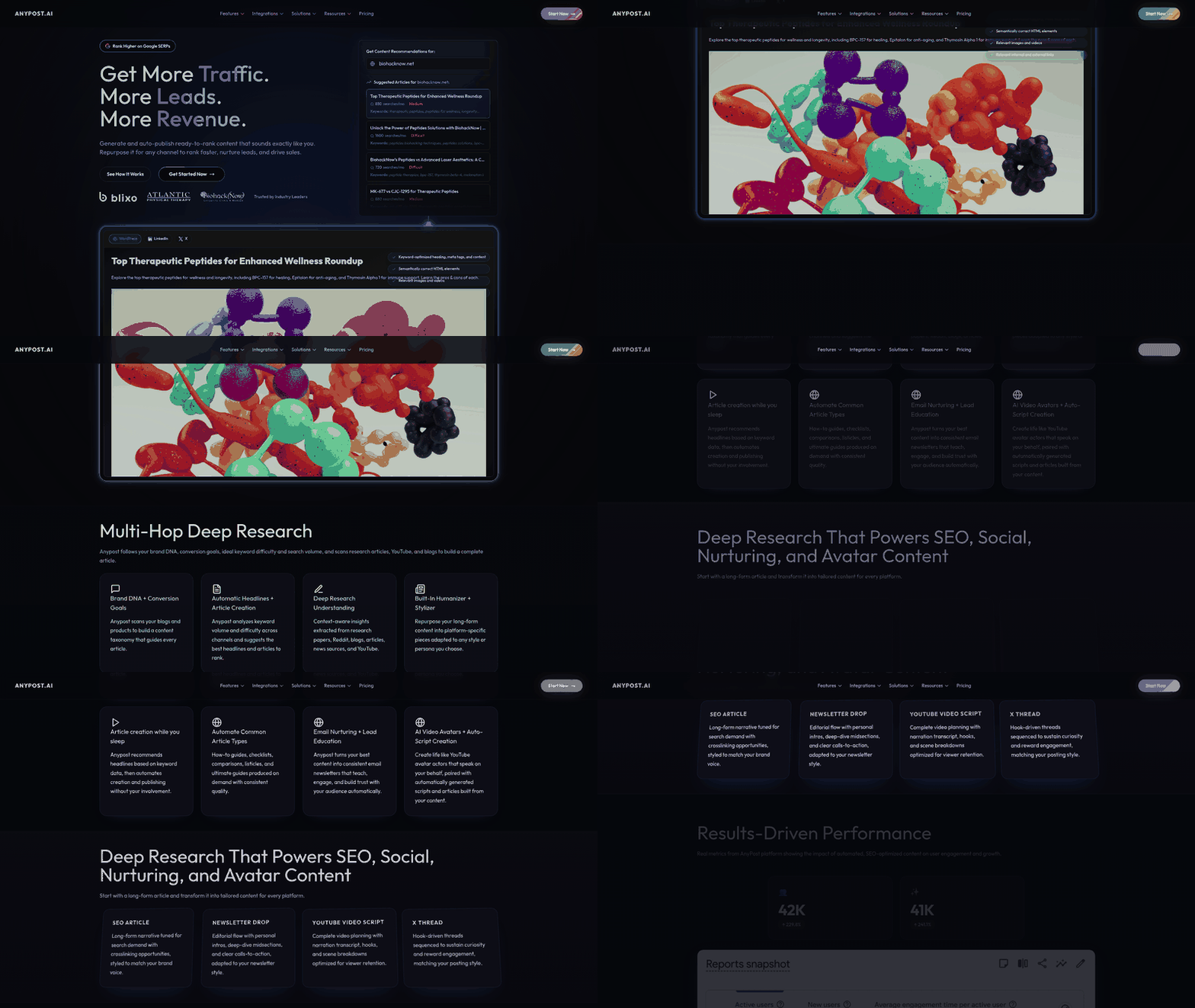
SEO analysis software is a specialized toolset designed to streamline content creation and optimization for search engine visibility. It enables users to produce content that ranks on Google and garners citations from AI models like ChatGPT and Perplexity by integrating real-time SEO and GEO (Google’s Generative AI Optimization) strategies [1]. These tools combine keyword research, content audits, and competitive analysis to align content with both traditional search algorithms and emerging AI-driven search trends [2]. Unlike generic writing tools, SEO analysis software focuses on actionable insights such as keyword placement, content structure, and semantic relevance, ensuring alignment with platform-specific ranking criteria [1]. By automating data-intensive tasks, these tools reduce the time required to identify high-potential topics and optimize existing content [2].
Key Benefits of SEO Analysis Software
The primary advantage of SEO analysis software is its ability to accelerate content ranking. For instance, Frase.io claims to help users rank 10x faster by automating tasks like competitor analysis and content gap identification [1]. As mentioned in the [Setting Up SEO Analysis Software for Efficiency] section, selecting tools like Frase.io ensures alignment with real-time SEO and GEO optimization workflows. This efficiency is critical in competitive niches where timely publication can determine visibility. Additionally, these tools enhance keyword research by analyzing search volume, competition, and user intent, enabling data-driven topic selection [2]. For example, Semrush, highlighted in the 2025 SEO tools video, offers AI-powered keyword suggestions that adapt to evolving search patterns [2]. Another benefit is real-time optimization: tools like Frase.io provide instant feedback on content quality, including readability scores, keyword density, and backlink recommendations [1]. This reduces the need for manual revisions and ensures content meets both human and algorithmic standards. Finally, SEO analysis software supports GEO by optimizing content for AI-generated responses, a growing priority as platforms like Google prioritize AI-citable sources [1]. Building on concepts from [Advanced SEO Trends and Techniques for Optimization], this integration reflects the shift toward AI-driven content strategies.
Common Features of SEO Analysis Software
Modern SEO analysis tools share core functionalities that address end-to-end content marketing workflows. A foundational feature is keyword research and analysis, which includes identifying high-intent keywords, tracking their performance, and mapping them to user queries [2]. Tools like Semrush integrate AI to predict keyword trends, while Frase.io emphasizes semantic keyword clusters to improve topical relevance [1]. Another critical feature is content creation assistance, where AI generates outlines, drafts, and optimizations based on target keywords and competitor benchmarks [1]. For example, Frase.io’s AI suggests content structure and highlights gaps compared to top-ranking pages [1].
A third feature is real-time SEO scoring, which evaluates content for on-page SEO factors such as meta tags, header optimization, and internal linking [1]. This functionality is paired with GEO optimization, ensuring content is structured to be cited by AI models by emphasizing factual accuracy and structured data [1]. The 2025 SEO tools video further emphasizes the integration of AI content writing, where tools like Frase.io and Semrush collaborate to refine drafts, check plagiarism, and suggest improvements for engagement and searchability [2]. These features collectively reduce reliance on guesswork, replacing it with actionable, data-backed strategies.
Limitations and Considerations
While SEO analysis software offers significant advantages, its effectiveness depends on the quality of input data and the specificity of use cases. For example, tools like Frase.io focus heavily on content creation but may not address technical SEO issues such as site speed or mobile responsiveness [1]. Similarly, the 2025 SEO tools video highlights AI-driven keyword research but does not elaborate on how these tools handle regional search trends or multilingual optimization [2]. Users must also balance automation with human oversight, as over-reliance on AI can lead to generic content that fails to engage audiences [2]. See the [Common Mistakes to Avoid When Using SEO Analysis Software] section for more details on balancing automation with manual audits. To maximize ROI, teams should combine SEO analysis software with manual audits and periodic updates to adapt to algorithmic changes.
By understanding the definition, benefits, and features of SEO analysis software, marketers can strategically select tools that align with their content goals. The next section will explore actionable steps to optimize these tools for maximum efficiency.
Setting Up SEO Analysis Software for Efficiency
Setting Up SEO Analysis Software for Efficiency begins with selecting the right tools to align with your SEO goals. As mentioned in the [Understanding SEO Analysis Software] section, these tools enable users to produce content that ranks on Google and garners visibility. According to [1], Frase.io is designed for real-time SEO and GEO optimization, enabling users to create content that ranks on Google and is cited by AI models like ChatGPT and Perplexity. For keyword research and AI-driven content writing, [2] recommends Semrush as a top tool in 2025. When evaluating software, prioritize platforms that integrate AI capabilities for content creation and competitive analysis, as highlighted by both [1] and [2]. Ensure the chosen tool supports your specific needs, such as on-page SEO, backlink tracking, or local search optimization, before proceeding to configuration.
Configuring Software Settings for Targeted Analysis
Once the software is selected, configure its settings to reflect your SEO objectives. Building on concepts from [Optimizing Content with SEO Analysis Software], [1] emphasizes setting up project parameters, such as target keywords and content topics, to enable Frase.io’s real-time optimization features. For instance, inputting competitor URLs allows the tool to analyze their content structure and suggest improvements. While [2] does not specify technical settings for Semrush, it underscores the importance of defining keyword research parameters, such as location and search intent, to refine data accuracy. Avoid overcomplicating workflows by enabling only the features relevant to your goals, such as GEO optimization for local SEO or AI content scoring for quality assessment [1]. Regularly review and update these settings as search algorithms evolve, ensuring the software adapts to new ranking factors without manual intervention.
Integrating with Marketing Tools for Streamlined Workflows
Integration with other marketing tools enhances the efficiency of SEO analysis software. See the [Repurposing Content for Multi-Channel Distribution] section for more details on how linking SEO tools with CMS platforms automates updates based on SEO insights. [1] explicitly states that Frase.io integrates with AI writing assistants, allowing users to generate and optimize content within a single platform. For example, draft content can be auto-scored for SEO relevance and rewritten using AI suggestions, reducing the need for separate tools. [2] recommends pairing keyword research tools like Semrush with content management systems (CMS) to automate updates based on SEO insights. While specific API details are not provided in the sources, the integration workflow typically involves linking accounts via API keys or built-in connectors, as implied by [1]’s mention of seamless AI collaboration. Additionally, connect SEO tools with analytics platforms like Google Analytics to track traffic improvements post-optimization, though [2] notes that this step requires manual configuration outside the scope of the tools themselves.
Limitations and Best Practices
Despite the benefits, the sources do not provide detailed instructions for advanced configurations, such as custom API calls or third-party integrations beyond AI writing tools [1][2]. Users should consult platform-specific documentation for granular settings, as [1] and [2] focus on high-level workflows rather than technical implementation. To maximize efficiency, start with the core features outlined in [1] and [2], such as Frase.io’s real-time SEO scoring or Semrush’s keyword gap analysis, before exploring advanced options. Regularly audit software performance by comparing its recommendations with actual search rankings, as both sources stress that no tool is infallible without human oversight. By combining the AI-driven insights of Frase.io [1] with the keyword research strengths of Semrush [2], teams can create a robust SEO strategy that adapts to algorithmic changes and competitor tactics.
Final Validation and Testing
Before full deployment, validate the setup by running test projects to ensure the software meets expectations. [1] suggests using Frase.io to analyze a sample blog post, checking if the tool identifies relevant keywords and proposes competitive content improvements. For Semrush users, [2] implies testing keyword research accuracy by comparing results with manual Google Trends analysis. Address any discrepancies by recalibrating settings, such as adjusting location parameters for GEO-based tools [1]. Finally, document the setup process for future reference, noting which configurations improved efficiency and which required troubleshooting. This iterative approach ensures the SEO analysis software remains a dynamic asset rather than a static tool.
Optimizing Content with SEO Analysis Software
Optimizing Content with SEO Analysis Software begins with leveraging tools like Frase.io and Semrush to conduct data-driven keyword research. These platforms enable users to identify high-potential keywords by analyzing search volume, competition, and user intent [1][2]. For instance, Frase.io’s AI-powered interface provides real-time insights into keyword difficulty and content gaps, helping writers prioritize topics that align with audience needs while avoiding oversaturated niches [1]. Similarly, the video on best SEO tools for 2025 highlights Semrush as a key solution for keyword research, emphasizing its ability to track trends and predict search behavior shifts [2]. By cross-referencing these tools, content creators can build a robust foundation for their SEO strategy. See the [Understanding SEO Analysis Software] section for more details on how these tools function.
Keyword Research Using SEO Analysis Software
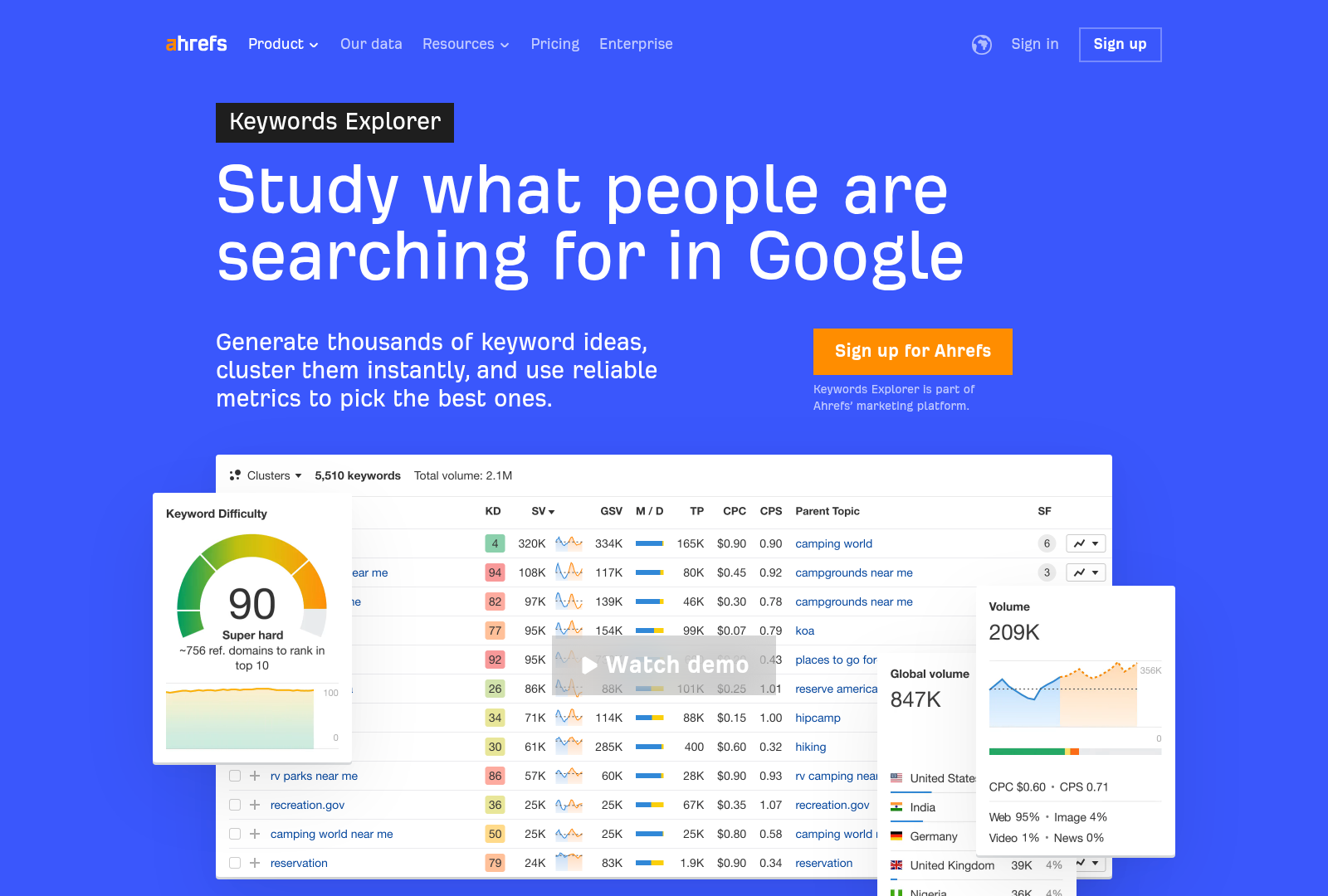
To execute effective keyword research, start by inputting seed keywords into Frase.io or Semrush to generate a list of related terms. Frase.io’s “Intent Analysis” feature categorizes keywords into transactional, informational, or navigational intent, ensuring content aligns with user goals [1]. The video recommends using Semrush’s AI-driven content writing tools to draft outlines based on these keywords, integrating long-tail phrases naturally into the structure [2]. For example, if targeting “SEO analysis software,” the tools might suggest subtopics like “how to choose SEO tools” or “free SEO audit tools,” which can be expanded into blog sections. Both sources stress the importance of evaluating keyword competition levels—Frase.io’s “Content Templates” and Semrush’s “Keyword Magic Tool” [2] help users compare metrics like domain authority and backlink profiles to prioritize low-competition opportunities. Building on concepts from [Setting Up SEO Analysis Software for Efficiency], selecting the right tools upfront streamlines this process.
Content Creation Strategies Powered by SEO Tools
Once keywords are identified, SEO analysis software streamlines content creation by providing actionable templates and AI-generated drafts. Frase.io’s AI writer synthesizes top-ranking content from competitors, highlighting common themes and suggesting original angles to avoid duplication [1]. This ensures the final output balances uniqueness with SEO best practices. The video further advocates for using Semrush’s AI writer to automate initial drafting, particularly for lengthy content like guides or case studies [2]. For instance, inputting a primary keyword into Semrush generates a content outline with recommended subheadings, word counts, and keyword placement suggestions.
Both tools emphasize structuring content to meet AI search expectations. Frase.io’s GEO (Google Experience Optimization) feature ensures content is formatted to perform well in AI summaries, which increasingly influence visibility [1]. This includes using clear, concise paragraphs and answering common user questions upfront. The video notes that AI content tools like Semrush also integrate with platforms such as Surfer SEO (implied as a complementary tool in the 2025 toolchain) to analyze on-page elements like header tags and internal linking, though specific integration details are not outlined in the source [2].
Optimization Techniques for Better Rankings
Post-draft optimization involves refining content using real-time feedback from SEO analysis software. Frase.io allows users to upload drafts for immediate SEO scoring, flagging issues like keyword stuffing, poor readability, or missing meta tags [1]. The video underscores the role of on-page SEO tools in optimizing title tags, meta descriptions, and image alt text—critical factors for both Google and AI-driven search engines [2]. For example, Semrush’s “On-Page SEO Checker” might suggest increasing keyword density for a primary term or restructuring headers to improve hierarchy.
Another technique is leveraging Frase.io’s GEO mode to adapt content for AI citation networks. By analyzing how tools like ChatGPT or Perplexity summarize web content, writers can adjust their tone and structure to increase the likelihood of being cited in AI-generated answers [1]. The video aligns with this approach, advocating for modular content creation where each section addresses a standalone query, making it easier for AI systems to extract and reference [2]. For instance, breaking down a 1,500-word blog into 10–15 bullet points or FAQs can enhance scannability for both human readers and AI algorithms.
By integrating these steps—keyword research, AI-assisted drafting, and real-time optimization—SEO analysis software transforms content creation into a strategic, data-backed process. Both Frase.io and the tools highlighted in the 2025 video emphasize that success hinges on combining technical SEO metrics with adaptability to evolving search trends [1][2]. As mentioned in [Advanced SEO Trends and Techniques for Optimization], AI-powered tools are increasingly essential for staying competitive in modern SEO.
Repurposing Content for Multi-Channel Distribution
Repurposing content for multi-channel distribution enhances SEO efficiency by extending the reach of high-performing content while reducing redundant creation efforts. When SEO analysis software identifies top-performing blog posts, videos, or landing pages, these assets can be strategically adapted for platforms like social media, email newsletters, and YouTube. As mentioned in the [Understanding SEO Analysis Software] section, these tools are critical for identifying content that drives engagement. For instance, Frase.io emphasizes using AI-driven SEO tools to analyze content performance metrics, which informs decisions on which content to repurpose [1]. This data-driven approach ensures that efforts are focused on content with proven engagement potential.
Benefits of Repurposing Content
Repurposing content optimizes resource allocation by transforming existing assets into multiple formats. For example, a comprehensive blog post can be distilled into social media snippets, turned into a YouTube video script, or formatted as an email newsletter. This strategy reduces the need to create entirely new content from scratch, saving time while maintaining consistency in messaging. Additionally, SEO analysis software like the tools highlighted in the Best SEO Tools For 2025 video can track how repurposed content performs across platforms, enabling teams to refine their strategies iteratively [2]. By reusing high-performing content, organizations also reinforce their SEO efforts through cross-channel backlinks and shared keywords. See the [Optimizing Content with SEO Analysis Software] section for more details on leveraging tools like Frase.io to align repurposed content with keyword strategies.
Strategies for Repurposing Content
To maximize SEO impact, repurposing should align with audience preferences and platform-specific formats. For example, long-form blog posts can be split into shorter segments for LinkedIn or Twitter, while data-rich articles can be visualized as infographics for Pinterest. SEO tools can analyze audience behavior to determine which content types resonate most, guiding the repurposing process [1]. A practical strategy involves using video content as the foundation for repurposing: a YouTube video can be trimmed into Instagram Reels, transcribed into a blog post, and excerpted for podcast scripts. The Best SEO Tools For 2025 video underscores the importance of using tools that support content format conversion, ensuring seamless adaptation without compromising quality [2].
Tools for Automating Content Repurposing
Automation tools streamline repurposing by converting content into platform-specific formats. While the sources do not explicitly list dedicated repurposing tools, SEO software like Frase.io integrates AI to suggest content variations based on performance data, which indirectly supports automation [1]. Building on concepts from the [Setting Up SEO Analysis Software for Efficiency] section, teams can select tools that align with their repurposing goals, such as content schedulers and analytics platforms, to automate distribution across channels once content is repurposed [2]. For example, a content calendar feature might schedule social media posts or newsletters, reducing manual oversight. However, the sources do not provide specific API calls or technical workflows for automation, so teams must rely on existing SEO software capabilities or third-party integrations to implement these strategies.
By leveraging SEO analysis software to identify high-performing content and pairing it with strategic repurposing, organizations can amplify their digital presence while maintaining SEO alignment. The integration of automation tools further ensures that content distribution remains efficient, even as the volume of repurposed assets grows. This approach not only conserves resources but also strengthens SEO outcomes by maintaining consistent keyword usage and backlink strategies across channels.
Analyzing and Tracking Performance with SEO Analysis Software
Analyzing and tracking performance with SEO analysis software is essential for refining content strategies and ensuring measurable improvements in search engine visibility. By leveraging tools like Frase.io and platforms highlighted in the "Best SEO Tools For 2025" video [2], marketers can monitor critical metrics such as keyword rankings, organic traffic, backlink quality, and user engagement. These metrics provide insights into how well content aligns with search intent and competitor benchmarks [1]. For example, Frase.io emphasizes tracking keyword rankings to identify gaps between existing content and high-performing competitors, enabling targeted optimizations [1]. Similarly, the 2025 video underscores the importance of analyzing organic traffic trends to assess the impact of content updates over time [2]. As mentioned in the [Setting Up SEO Analysis Software for Efficiency] section, selecting the right tools ensures accurate and actionable data collection from the start [1].
Metrics to Track Using SEO Analysis Software
To evaluate SEO performance effectively, focus on the following metrics:
- Keyword rankings: Monitor position changes for target keywords to gauge content visibility [1].
- Organic traffic: Measure fluctuations in website visits from search engines to evaluate content effectiveness [2].
- Backlink profile: Assess the quantity and authority of referring domains to identify link-building opportunities [2].
- Bounce rate and dwell time: Analyze user engagement metrics to determine content relevance and readability [1].
- Conversion rates: Track goal completions (e.g., form submissions, downloads) to link SEO efforts to business outcomes [2].
Frase.io explicitly highlights the role of keyword rankings in identifying content gaps, such as competitors outranking your pages for high-intent terms [1]. The 2025 video adds that tracking organic traffic trends helps differentiate between short-term ranking spikes and sustainable growth [2]. For instance, a sudden drop in traffic could signal algorithmic penalties or technical issues requiring immediate attention [2].
Analyzing and Interpreting Data
SEO analysis software simplifies data interpretation by aggregating metrics into actionable insights. Frase.io uses AI-driven content analysis to compare your pages against top-ranking competitors, highlighting areas for improvement such as missing keywords or suboptimal content structure [1]. The process involves:
- Benchmarking: Set performance baselines using historical data or competitor metrics [1].
- Trend identification: Use line graphs or heatmaps to spot patterns, such as seasonal traffic variations or declining keyword relevance [2].
- Content gap analysis: Leverage tools to uncover keywords competitors rank for but are absent from your content [1].
The 2025 video emphasizes the need to cross-reference metrics, such as correlating high bounce rates with low dwell time to pinpoint underperforming pages [2]. For example, if a page ranks well but has a high bounce rate, it may indicate mismatched content or poor user experience [2]. See the [Optimizing Content with SEO Analysis Software] section for more details on addressing these issues through structured content improvements [1].
Using Data to Improve Content Marketing Strategies
Data-driven adjustments ensure SEO efforts align with user needs and business goals. Start by prioritizing high-impact opportunities:
- Optimize underperforming content: Update pages with low traffic or poor rankings by incorporating targeted keywords and improving readability [1].
- Refine keyword strategies: Shift focus to high-volume, low-competition keywords identified through gap analysis [1].
- Enhance user experience: Reduce bounce rates by restructuring content, adding internal links, or improving CTAs [2].
The 2025 video recommends creating monthly performance reports to share with stakeholders, using visualizations like traffic heatmaps or keyword ranking progress bars [2]. Frase.io complements this by offering collaboration features, allowing teams to assign tasks based on data findings [1]. For instance, if analysis reveals a competitor’s page ranks for "SEO tools for 2025," your team can create a comparative guide to capture that audience [1]. As noted in the [Common Mistakes to Avoid When Using SEO Analysis Software] section, misconfiguring software settings can distort metrics, making accurate interpretation challenging .
By integrating these practices, SEO analysis software becomes a dynamic tool for continuous improvement. Regularly revisiting metrics ensures strategies evolve with search trends and user behavior, maintaining a competitive edge in content marketing.
Advanced SEO Trends and Techniques for Optimization
AI-Powered SEO Trends
AI-powered SEO leverages artificial intelligence to streamline content creation, keyword research, and on-page optimization. Tools like Frase.io enable real-time SEO and GEO (Google Enhanced Optimization) by analyzing search intent and generating content tailored for both human readers and AI-driven search engines like Google’s MUM or AI chatbots such as ChatGPT [1]. For instance, Frase’s AI helps identify high-performing keywords, outlines content structures, and even drafts copy that aligns with semantic search patterns [1]. Pairing this with AI content writing tools, as highlighted in the 2025 SEO tools video, allows marketers to produce scalable, high-quality content while reducing manual effort [2]. Additionally, AI-driven tools automate competitor analysis, tracking metrics like backlink profiles and content gaps, which are critical for staying ahead in competitive niches [1]. As mentioned in the [Optimizing Content with SEO Analysis Software] section, leveraging AI for keyword research and content structuring enhances alignment with search intent and technical requirements .

Voice Search Optimization Techniques
Voice search optimization focuses on adapting content for conversational queries and featured snippets. While the provided sources do not explicitly outline voice search strategies, they emphasize the importance of natural language and semantic SEO, which align with voice search principles [1]. For example, Frase.io’s real-time SEO tools help optimize content for long-tail keywords and question-based phrases (e.g., “How to fix a leaky faucet?”), commonly used in voice searches [1]. The 2025 SEO tools video also suggests that AI-powered content writing can enhance voice search readiness by structuring answers to match how users phrase spoken queries [2]. To leverage this trend, ensure your content answers specific questions concisely and targets local search terms, as voice searches often prioritize location-based results.
Technical SEO Strategies for Better Rankings
Technical SEO remains foundational for improving rankings, with a focus on site performance, crawlability, and mobile optimization. The 2025 SEO tools video recommends using Semrush for keyword research and site audits, which identify technical issues like broken links, slow page speeds, or missing meta tags [2]. Frase.io complements this by integrating technical SEO strategies into content workflows, such as optimizing headers, image alt text, and internal linking structures [1]. For example, its GEO features analyze how well content aligns with Google’s technical requirements, including mobile responsiveness and structured data implementation [1]. As detailed in the [Setting Up SEO Analysis Software for Efficiency] section, selecting tools like Semrush and Frase.io ensures robust technical SEO foundations through accurate site audits and configuration . Additionally, tools like Semrush help monitor technical metrics (e.g., Core Web Vitals) to ensure compliance with Google’s evolving algorithms [2]. By combining these tools, websites can address technical barriers that hinder search engine crawlers and user experience.
Integrating AI and Technical SEO for Maximum Impact
To maximize SEO efficiency, integrate AI-powered tools with technical SEO practices. Frase.io’s AI can generate content optimized for both search engines and user intent, while technical SEO tools like Semrush ensure the site’s infrastructure supports high rankings [1][2]. For example, use AI to draft content based on keyword research from Semrush, then validate technical elements (e.g., meta descriptions, site speed) to meet best practices [1][2]. This synergy, as discussed in the [Optimizing Content with SEO Analysis Software] section, allows for data-driven decisions, such as prioritizing high-traffic keywords while maintaining a technically sound site . Regularly update AI-generated content using tools like Frase to reflect algorithmic changes, and use technical SEO audits to resolve backend issues that could dilute rankings [1][2].
Limitations and Future Considerations
While the sources highlight advanced SEO trends, they do not delve into specific methodologies for voice search or advanced technical tactics like schema markup implementation. Users should supplement these tools with additional research on niche strategies, such as optimizing for Google’s featured snippets or leveraging Core Web Vitals fully. Furthermore, the rapid evolution of AI in SEO means staying updated with tool updates (e.g., Frase’s GEO features) is essential to maintain competitive advantage [1]. For now, the cited tools provide actionable steps to enhance SEO workflows but may require pairing with industry-specific best practices for optimal results.
Common Mistakes to Avoid When Using SEO Analysis Software
One of the most frequent errors users make is misconfiguring SEO analysis software settings, which can lead to inaccurate data or missed opportunities. For example, failing to input the correct website URL or selecting the wrong regional settings can distort keyword rankings and traffic estimates [1]. Additionally, neglecting to adjust crawl budget parameters may cause the tool to prioritize irrelevant pages or overlook critical content [2]. Users should also verify that integration settings—such as Google Analytics or Search Console connections—are properly configured to ensure comprehensive data collection [1]. A common oversight is ignoring software-specific guidelines, such as Frase.io’s recommendation to align content scoring models with target search engines [1]. See the [Setting Up SEO Analysis Software for Efficiency] section for more details on configuring these integrations. Without meticulous setup, even high-quality tools may produce misleading insights.
Another critical mistake is overlooking essential metrics that the software provides. Many users focus exclusively on keyword rankings while neglecting technical SEO factors like broken links, site speed, or mobile responsiveness [2]. For instance, Frase.io emphasizes the importance of analyzing content gaps alongside keyword performance to identify untapped opportunities [1]. See the [Optimizing Content with SEO Analysis Software] section for strategies on leveraging content gaps. Similarly, ignoring backlink profiles or content quality scores can hinder efforts to improve domain authority [2]. Users must also avoid cherry-picking data; for example, dismissing low-volume keywords that collectively drive significant traffic is a common pitfall [1]. Regularly exporting and cross-referencing reports from multiple tools—such as comparing Frase.io’s content analysis with other platforms’ technical audits [1]—can help ensure a holistic view of SEO health.
SEO analysis software evolves alongside search engine algorithms, making it crucial to stay current with tool updates and industry trends. A frequent error is using outdated software versions that lack support for new ranking factors, such as Google’s emphasis on E-E-A-T (Experience, Expertise, Authority, Trustworthiness) [2]. The 2025 SEO tools video highlights how neglecting to adopt AI-driven features—like content optimization suggestions or semantic keyword analysis—can leave competitors ahead [2]. Users should also update their strategies to reflect changes in user intent, such as the rise of voice search or local search queries [1]. For geo-targeting best practices, refer to the [Setting Up SEO Analysis Software for Efficiency] section. Failing to adapt to these shifts risks relying on obsolete data and tactics.
Many SEO practitioners underutilize competitive benchmarking features in their analysis software. The 2025 SEO tools video stresses that ignoring competitors’ backlink strategies or content structures limits opportunities to outperform them [2]. Frase.io provides a specific example: users often skip analyzing competitors’ high-performing pages for keyword clusters or content formats that could inform their own strategies [1]. See the [Analyzing and Tracking Performance with SEO Analysis Software] section for methods on tracking domain-level metrics. Additionally, failing to monitor competitors’ recent changes—such as new landing pages or optimized meta tags—can result in missed insights [1]. To avoid this, the video suggests scheduling regular competitor audits using tools that track domain-level metrics, such as traffic trends or SERP position shifts over time [2]. This proactive approach ensures that SEO efforts remain competitive.
While SEO analysis software automates many tasks, over-reliance on its outputs without manual verification can lead to errors. The 2025 SEO tools video warns that automated tools may misinterpret nuanced content quality signals, such as user engagement or contextual relevance [2]. Frase.io advises cross-checking AI-generated keyword suggestions with manual research to avoid targeting low-intent or irrelevant search terms [1]. Building on concepts from the [Optimizing Content with SEO Analysis Software] section, users should validate technical SEO recommendations—like redirect fixes or image optimization—through manual site audits [1]. Furthermore, the video highlights that algorithmic updates, such as Google’s Core Web Vitals, require human judgment to prioritize fixes effectively [2]. Balancing automation with critical thinking ensures that SEO strategies remain both data-driven and adaptable.
Future-Proofing SEO Analysis Software for Long-Term Success
Staying Updated with Trends and Updates
To future-proof SEO analysis software, prioritize tools that integrate real-time updates and adapt to emerging trends. Platforms like Frase.io emphasize real-time SEO and GEO (Google’s E-E-A-T) optimization, ensuring content aligns with current search engine priorities, including AI-driven ranking factors [1]. Additionally, staying informed about tools highlighted for 2025—such as Semrush AI for keyword research and content creation—ensures alignment with evolving best practices [2]. Regularly audit your software stack to replace outdated tools with those offering advanced features, such as AI-powered content generation that ranks on Google and gets cited by AI models like ChatGPT [1]. Subscribing to updates from trusted SEO tool providers and participating in industry webinars can further help identify shifts in user intent and algorithmic priorities. See the [Understanding SEO Analysis Software] section for more details on the foundational role of these tools in SEO workflows.
Adapting to Algorithm Changes
Algorithm updates demand SEO software capable of rapid adjustments. Frase.io’s focus on real-time optimization allows users to tweak content strategies immediately in response to changes, such as Google’s evolving emphasis on experience, expertise, authority, and trust (E-E-A-T) [1]. Tools recommended in 2025 SEO guides, like Semrush AI, also prioritize adaptability by automating keyword research and content creation workflows to meet new ranking criteria [2]. For example, if Google introduces a core update prioritizing user engagement metrics, software with built-in analytics for tracking bounce rates and dwell time becomes critical. Cross-referencing data from multiple tools—such as combining Frase’s GEO insights with Semrush’s keyword trends—enables a layered approach to algorithm resilience. Building on concepts from [Optimizing Content with SEO Analysis Software], this multi-tool strategy ensures content remains aligned with both technical and user-focused ranking factors.
Challenges and Mitigation Strategies
Despite proactive measures, challenges like API deprecations or sudden algorithm shifts may arise. Frase.io mitigates this by offering flexible integration options, allowing users to switch data sources without overhauling workflows [1]. The 2025 SEO tools video underscores the value of platforms with frequent feature updates, such as automated content rewrites to address Google’s core updates [2]. To address resource constraints, prioritize tools with scalable pricing models and user-friendly interfaces, reducing the time required for training. As mentioned in [Common Mistakes to Avoid When Using SEO Analysis Software], misconfiguring software settings can exacerbate these challenges, making proactive configuration and testing essential for long-term stability.
References
[1] Frase.io: Rank on Google & AI Search 10x Faster with SEO + GEO - https://frase.io/
[2] Best SEO Tools For 2025 #SEO #SEOtools #googlerankings by Kate Smoothy (SEO Specialist) - https://www.youtube.com/watch?v=adQhWdS5h90
Frequently Asked Questions
1. What is the difference between SEO analysis software and generic content tools?
SEO analysis software specializes in actionable insights like keyword placement, semantic relevance, and competitive analysis to align content with search algorithms and AI-driven trends (e.g., Google’s GEO). Generic tools, such as basic AI writing assistants, lack these features and focus only on grammar or formatting. For example, Frase.io provides real-time competitor keyword analysis, while tools like Grammarly do not address SEO metrics like content gaps or backlink opportunities.
2. How do I choose the right SEO analysis software for my niche?
Prioritize tools that align with your niche’s technical requirements and goals. For example:
- Competitive markets: Use Frase.io or Surfer SEO for in-depth competitor content gap analysis.
- E-commerce: Tools like Ahrefs or SEMrush offer robust keyword research and backlink tracking.
- AI-driven trends: Opt for platforms integrating GEO (Google’s Generative AI Optimization), such as AnyPost.ai, to adapt to AI content trends.
Always test free trials to evaluate features like real-time feedback, scalability, and integration with your workflow.
3. Can SEO analysis software optimize existing content automatically?
Yes, advanced tools like Semrush or Frase.io automate content optimization by:
- Conducting audits for keyword density, readability, and semantic relevance.
- Suggesting edits based on competitor benchmarks (e.g., adding missing keywords).
- Providing AI-generated content summaries to improve structure.
For instance, Frase.io’s “Content Optimization” feature highlights underperforming sections and recommends fixes, reducing manual revisions by up to 70%.
4. How does AI enhance SEO analysis software’s effectiveness?
AI in SEO tools enables predictive analytics, semantic understanding, and rapid data processing. For example:
- Keyword suggestions: AI identifies rising keywords (e.g., Semrush’s “Content SEO Checker” uses machine learning to predict high-traffic terms).
- Content quality scoring: Tools like Clearscope use AI to assess how well your content matches top-ranking articles.
- GEO alignment: Platforms like AnyPost.ai adjust content to meet Google’s AI-driven ranking factors, such as entity recognition and context-aware optimization.
5. What role does competitor analysis play in SEO software?
Competitor analysis is critical for identifying opportunities and gaps. SEO tools like Ahrefs or Ubersuggest enable you to:
- Extract competitors’ top-ranking keywords and backlink strategies.
- Analyze content structure (e.g., word count, subheadings) to replicate successful formats.
- Track changes in competitors’ SEO tactics over time.
This data helps you craft content that outperforms rivals, such as targeting low-competition long-tail keywords or improving content depth.
6. How can SEO analysis software improve local SEO efforts?
Tools like Google Business Insights or BrightLocal integrate local SEO features, such as:
- Location-based keyword research (e.g., “best pizza in [City]”).
- Review monitoring to manage local reputation.
- Google Maps optimization for citations and NAP (Name, Address, Phone) consistency.
For niche businesses, combining these tools with GEO-focused software ensures visibility in both organic and AI-curated local search results.
7. How do SEO tools stay updated with algorithm changes?
Leading SEO platforms use real-time data feeds and AI to adapt:
- Automated alerts: Tools like Moz notify users of major algorithm updates (e.g., Google’s Spam Update).
- Adaptive algorithms: AI models within tools (e.g., Frase.io’s “AI Content Researcher”) retrain on new ranking signals, such as Core Web Vitals or E-E-A-T shifts.
- Community insights: Platforms like SEMrush aggregate industry trends to predict how algorithm changes might impact specific niches.
Regularly updating your toolset ensures your strategies remain compliant with the latest search engine priorities.