
How to Repurpose Content for B2B Lead Company

Understanding the Importance of Content Repurposing for B2B Lead Generation
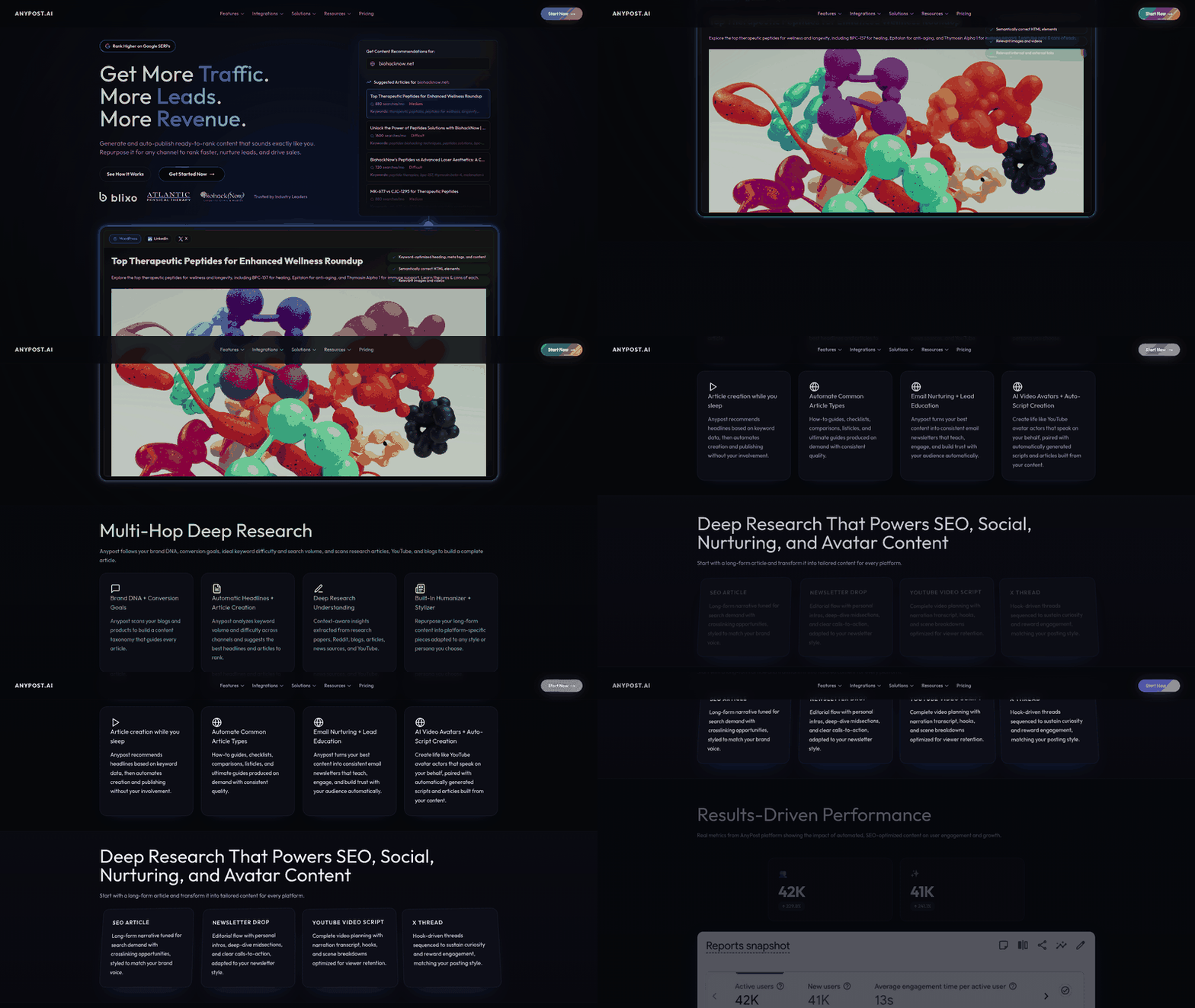
Content repurposing involves transforming existing content into new formats or adapting it for different platforms to maximize its value. For B2B lead generation, this strategy allows companies to extend the lifespan of their content while reaching diverse audiences across channels such as blogs, social media, email campaigns, and webinars [8]. By repurposing a single piece of content—such as a webinar, whitepaper, or case study—into multiple formats, organizations can address varying audience preferences and engagement patterns [4]. As mentioned in the [Assessing Your Existing Content for Repurposing Opportunities] section, identifying high-performing materials is critical to ensuring repurposed content retains its impact. This approach aligns with the principle that "companies excelling at lead nurturing generate 50% more sales leads at 33% lower cost per lead" [3], as repurposed content reinforces messaging across the buyer’s journey.
Key Benefits for B2B Lead Generation
Repurposing content offers three primary advantages for B2B marketers: expanding reach, reducing creation time, and enhancing brand visibility. First, distributing the same core message across platforms like LinkedIn articles, short-form videos, and podcast transcripts ensures broader audience engagement [7]. See the [Repurposing Content for Social Media Platforms (X/Twitter, LinkedIn, Facebook)] section for more details on tailoring content for platform-specific audiences. For example, a webinar on industry trends can be repurposed into a blog post, infographic, and social media snippets to target different segments [4]. Second, repurposing saves time by minimizing the need to start from scratch. As noted in [9], "repurposing your content" is critical because creating new content is often expensive and resource-intensive. Finally, consistent messaging across formats strengthens brand recall. Source [8] highlights that repurposed content builds a loyal audience, which in turn creates more opportunities for future repurposing and lead generation.
Challenges in B2B Content Creation
Despite its benefits, content repurposing faces challenges such as aligning formats with audience needs and maintaining quality. B2B marketers often struggle to adapt technical or data-driven content for platforms with stricter length or style constraints [2]. For instance, a detailed whitepaper may require simplification for social media, risking loss of nuance [1]. Additionally, tracking the performance of repurposed content across channels can complicate analytics, making it harder to measure ROI [9]. Source [10] acknowledges that while repurposing saves time, it demands strategic planning to avoid redundancy or diluted messaging. These challenges underscore the need for tools and processes to streamline repurposing efforts.
Role of Automation and SEO Optimization
Automated content generation and SEO optimization play a pivotal role in overcoming repurposing challenges. Building on concepts from the [Integrating AI-Driven Tools for Automated Content Generation and SEO Optimization] section, AI tools can assist in transforming long-form content into concise summaries or generating visual assets like infographics [2]. For example, platforms like Hubilo’s Snackable Content Hub automate repurposing webinars into bite-sized clips, ensuring consistent quality [4]. SEO optimization further enhances repurposed content by tailoring keywords and metadata for specific platforms [7]. A blog post repurposed into a LinkedIn article might prioritize keywords relevant to B2B decision-makers, while a YouTube video version could focus on visual engagement cues [10]. This dual focus on automation and SEO not only improves discoverability but also ensures repurposed content remains aligned with lead-generation goals.
By integrating these strategies, B2B companies can create a sustainable content pipeline that amplifies their marketing efforts. The next section will explore actionable steps to implement content repurposing effectively.
Assessing Your Existing Content for Repurposing Opportunities
To begin assessing your existing content for repurposing opportunities, start by identifying high-performing content. Focus on materials that have generated significant engagement, such as blog posts with high page views, webinars with strong attendance, or social media posts with high shares or comments [1][8]. Analyze metrics like time spent on the page, bounce rates, and conversion rates to determine which content resonates most with your audience [1]. Prioritize evergreen content—topics that remain relevant over time—such as industry statistics or foundational guides, as these offer the most flexibility for repurposing [1][8]. For example, sales content featuring data-driven insights can be transformed into infographics, case studies, or social media snippets [1]. As mentioned in the [Understanding the Importance of Content Repurposing for B2B Lead Generation] section, repurposing is essential for maximizing the value of your content library.
Analyzing Audience Engagement and Feedback
Next, evaluate audience engagement to uncover repurposing opportunities. Use tools like Google Analytics, social media insights, and webinar platform dashboards to track metrics such as click-through rates, video watch time, and comment activity [4][7]. For instance, webinars with high post-event survey scores or questions from attendees indicate content worth repurposing into follow-up emails, blog posts, or short-form videos [4]. See the [Measuring the Success of Repurposed Content and Adjusting Strategies] section for more details on leveraging engagement metrics. Additionally, review direct feedback from comments, surveys, or customer support interactions to identify topics that generate recurring interest or confusion [8]. If a webinar on lead generation strategies receives frequent questions about implementation steps, consider creating a step-by-step video tutorial or a downloadable checklist [4].
Criteria for Selecting Content to Repurpose
When choosing content for repurposing, apply specific criteria to maximize impact. First, select content that aligns with your audience’s pain points and interests, such as frequently asked questions or in-depth case studies [7][8]. Second, prioritize content with reusable components, like statistics from reports, webinar recordings, or interview quotes, which can be adapted into multiple formats [1][4]. Third, consider the adaptability of the original medium—for example, a long-form blog post can become a podcast episode, a series of social posts, or a slide deck [8]. Avoid repurposing low-performing or outdated content unless it can be significantly updated [1].
Choosing the Right Channels for Repurposed Content
Finally, determine the most suitable channels for repurposed content based on audience preferences and platform strengths. Short-form video, for instance, excels on LinkedIn and YouTube for B2B audiences, making it ideal for summarizing webinar takeaways or answering common client questions [7]. Email newsletters are effective for distributing longer repurposed content, such as extended webinar transcripts or downloadable resources [4]. Building on concepts from [Repurposing Content for Social Media Platforms (X/Twitter, LinkedIn, Facebook)], match the format to the channel’s strengths: turn webinar highlights into carousel posts for Instagram or Twitter threads, and use blog posts to expand on video content for SEO [4][8]. Always test different channels with A/B testing to refine your strategy [8].
By systematically evaluating performance, engagement, and audience needs, you can identify content with the highest potential for repurposing. This approach ensures that your efforts align with both audience demand and business goals, maximizing the ROI of your existing content library [1][4][8].
Repurposing Content for Social Media Platforms (X/Twitter, LinkedIn, Facebook)
To effectively repurpose content for B2B lead generation across social media platforms, tailor strategies to each platform’s unique audience and format. Below are actionable steps for optimizing content on X/Twitter, LinkedIn, and Facebook using insights from primary sources.
Optimizing Content for X/Twitter
X/Twitter’s character limit necessitates concise, high-impact messaging. Break down webinar content into threaded tweets to share key takeaways, as suggested by strategies for repurposing webinar material for extended engagement [4]. Each thread should include a clear call-to-action (CTA) to drive traffic to landing pages or gated resources. Use hashtags strategically to increase visibility; industry-specific tags like #B2BMarketing or #LeadGeneration can attract targeted audiences, leveraging community-driven trends observed in B2B marketing discussions [5]. Avoid overloading tweets with jargon—prioritize clarity and directness to align with X/Twitter users’ preference for rapid information consumption. See the [Case Studies and Examples of Successful Content Repurposing for B2B Lead Generation] section for more details on webinar-to-social strategies.
Creating Engaging Content for LinkedIn
LinkedIn’s professional audience responds well to long-form posts that establish thought leadership. Repurpose webinar insights into detailed articles or case studies, emphasizing data-driven outcomes and industry challenges [4]. For example, a webinar on lead nurturing can be transformed into a post analyzing attendee questions and solutions, fostering engagement through comments and shares. LinkedIn newsletters can further amplify reach by packaging recurring content into structured, email-friendly formats, a strategy endorsed by B2B marketers for its ability to maintain consistent communication [5]. Sponsored content should mirror the tone of organic posts but include explicit CTAs, such as “Download the full report” or “Register for the next session,” to align with LinkedIn’s lead-generation goals. Building on concepts from [Transforming Blog Posts into Engaging Newsletter Content and YouTube Scripts], LinkedIn newsletters can similarly structure repurposed webinar content for professional audiences.
Repurposing Content for Facebook
Facebook’s visual-centric audience benefits from video and live streaming to humanize B2B messaging. Convert webinar highlights into short-form videos (60–90 seconds) showcasing expert takeaways or client success stories, a tactic proven effective for B2B lead generation [7]. Live streams can host post-webinar Q&A sessions, addressing attendee questions in real time to build trust and encourage follow-up interactions. Pair these with Facebook Groups for deeper community engagement, though this requires explicit mention in sources, which is not provided here. For static content, carousels summarizing webinar slides or infographics highlighting key statistics can drive shares and reduce friction for time-constrained professionals.
Multi-Platform Synergy and Adaptation
Cross-promote content by linking X/Twitter threads to LinkedIn articles and embedding Facebook videos in LinkedIn posts. For instance, a webinar recap shared as a Twitter thread can direct users to a LinkedIn long-form post, which in turn links to a Facebook video. This creates a cohesive narrative while maximizing reach. However, adjust CTAs to fit each platform’s norms: X/Twitter favors urgency (“Limited spots!”), LinkedIn prioritizes professional value (“Download the full analysis”), and Facebook leans on visual appeal (“Watch the story unfold”). As mentioned in the [Assessing Your Existing Content for Repurposing Opportunities] section, identifying high-performing content is critical to ensuring cross-platform strategies resonate with target audiences.
By adhering to these platform-specific strategies, B2B marketers can extend the lifecycle of their content while aligning with audience expectations. The sources explicitly support these tactics, though tracking performance metrics for optimization is not detailed in the provided materials [4][5][7].
Transforming Blog Posts into Engaging Newsletter Content and YouTube Scripts
Transforming blog posts into newsletter content and YouTube scripts requires strategic adaptation of tone, structure, and multimedia elements to align with platform-specific audiences. For newsletters, the goal is to distill the blog’s core message into a concise, scannable format. Start by crafting a subject line that mirrors the blog’s key insight, such as posing a question or highlighting a statistic [1]. The body should summarize the blog’s value proposition in 200–300 words, using bullet points for key takeaways and linking to the full blog post [5]. For example, if the blog discusses lead generation strategies, the newsletter could feature a “Top 3 Takeaways” list with actionable steps, ensuring readers grasp the value without needing to read the entire article. See the [Assessing Your Existing Content for Repurposing Opportunities] section for more details on identifying high-performing blog posts to repurpose.
When repurposing blogs into YouTube scripts, focus on short-form, high-impact storytelling. Begin with a hook that addresses a pain point mentioned in the blog, such as “Are you struggling to convert leads? Here’s how to fix it” [7]. The script should follow a 3-act structure: introduce the problem, explain the solution using 1–2 key points from the blog, and end with a call-to-action (CTA) directing viewers to the blog or a related resource. For instance, a 60-second video on LinkedIn could showcase a case study mentioned in the blog, using on-screen text to emphasize statistics and a CTA like “Watch the full breakdown here” [7].
Visual elements are critical for engagement. In newsletters, embed images or infographics that visualize the blog’s data, such as a flowchart of the lead generation process [1]. For YouTube, layer animations or screenshots to illustrate blog concepts, like a split-screen demo of a sales process step. Source [7] highlights that short-form videos benefit from dynamic visuals to maintain attention, so consider using text overlays for key terms and background music to reinforce brand tone.
SEO optimization ensures both newsletters and videos reach the right audience. For newsletters, include relevant keywords in the subject line and body to improve open rates, such as “B2B Lead Generation Tips for 2025” [1]. On YouTube, add tags and a description that mirror the blog’s SEO strategy, using terms like “B2B lead generation strategies” and linking to the blog post for backlinking [7]. Additionally, source [5] notes that LinkedIn newsletters perform better when structured as “value-first” updates, so prioritize clarity and keyword alignment in headers. Building on concepts from [Integrating AI-Driven Tools for Automated Content Generation and SEO Optimization], AI tools can further streamline SEO efforts by generating optimized meta descriptions and suggesting keyword placements.
By systematically repurposing blog content, B2B companies can maximize reach while maintaining consistency in messaging. Each platform requires tailored adjustments—newsletters demand brevity and scannability, while YouTube scripts rely on visual and verbal conciseness. Cross-referencing primary sources reveals that iteration is not just about reuse but about refining content to meet audience expectations across formats [1][5][7]. This approach reduces creation time for new content while reinforcing SEO efforts through interconnected assets.
Measuring the Success of Repurposed Content and Adjusting Strategies
To effectively measure the success of repurposed content in a B2B context, organizations must focus on specific metrics that align with their lead generation goals. Key metrics include engagement rates (e.g., time spent on page, shares, or comments), click-through rates (CTRs) on repurposed links or calls-to-action, and conversion rates such as form submissions or demo requests [4]. For example, repurposed webinar content—such as turning recordings into blog posts or social media snippets—can be evaluated by tracking how many viewers progress from the initial asset to downstream conversions [6]. See the [Repurposing Content for Social Media Platforms (X/Twitter, LinkedIn, Facebook)] section for more details on adapting webinar content for different platforms.
Tools for Tracking and Analyzing Performance
To measure repurposed content performance, B2B companies should leverage analytics tools that integrate with their content distribution channels. Google Analytics can track metrics like page views, bounce rates, and goal completions for repurposed assets such as blog posts or downloadable guides [6]. Social media insights, available natively on platforms like LinkedIn and Facebook, offer data on reach, engagement, and audience demographics [4]. For webinars specifically, platforms like Hubilo’s Webinar+ include features like the Snackable Content Hub, which allows teams to repurpose webinar content into bite-sized clips and monitor their impact on lead generation [6]. A case study in the [Case Studies and Examples of Successful Content Repurposing for B2B Lead Generation] section demonstrates the effectiveness of such tools in practice.
Adjusting Strategies Based on Data Insights
Once performance data is collected, B2B marketers must adjust their repurposing strategies to optimize outcomes. For instance, if analytics show that repurposed webinar snippets perform better than full recordings, teams can prioritize creating shorter, topic-specific clips for social media [4]. Audience segmentation also plays a role: high-performing content for one buyer persona (e.g., IT managers) might need to be tailored differently for another (e.g., CFOs) based on engagement patterns [6]. Building on concepts from the [Assessing Your Existing Content for Repurposing Opportunities] section, refining content for different personas ensures alignment with audience needs. A/B testing specific elements—such as headlines or CTAs—within repurposed assets can further refine effectiveness, though this approach should align with existing tools’ capabilities [6]. Continuous iteration ensures that underperforming content is either revised or retired in favor of formats that drive higher engagement.
Best Practices for Continuous Improvement
Sustaining success with repurposed content requires a commitment to iterative improvement. Regularly reviewing analytics reports to identify trends—such as seasonal spikes in engagement or declining interest in certain formats—helps prioritize high-impact activities [6]. Teams should also document what works: for example, if repurposed webinar content consistently outperforms blog posts, allocating more resources to video-based repurposing makes sense [4]. Collaboration between marketing and sales teams ensures alignment on which metrics matter most (e.g., lead quality vs. quantity) and allows for refining repurposed content to address specific pain points [6]. Finally, maintaining a content calendar that includes scheduled reviews of repurposed assets ensures that adjustments are made proactively rather than reactively.
By combining robust analytics, flexible tooling, and a data-driven mindset, B2B companies can transform repurposed content from a cost-saving tactic into a strategic asset for lead generation.
Integrating AI-Driven Tools for Automated Content Generation and SEO Optimization
AI-driven tools for automated content generation and SEO optimization leverage natural language processing (NLP) and machine learning to streamline workflows, as noted in discussions about AI’s role in repurposing content for B2B lead generation [2]. As mentioned in the [Understanding the Importance of Content Repurposing for B2B Lead Generation] section, these tools analyze existing assets—such as webinars, blog posts, or case studies—to generate variations tailored for different platforms, such as LinkedIn posts, email campaigns, or short-form video scripts [6]. See the [Repurposing Content for Social Media Platforms (X/Twitter, LinkedIn, Facebook)] section for more details on adapting content for platform-specific audiences. By automating tasks like keyword optimization, metadata tagging, and content structuring, they reduce manual effort while maintaining alignment with SEO best practices. For example, Hubilo’s Webinar+ Snackable Content Hub demonstrates how B2B SaaS companies repurpose webinar recordings into bite-sized content for social media, a process AI can accelerate by identifying high-performing segments [6], as discussed in the [Case Studies and Examples of Successful Content Repurposing for B2B Lead Generation] section.
Benefits of AI-Driven Tools
The primary advantage of AI-driven tools is increased efficiency. Organizations using AI agents for repurposing content report significant time savings, as these tools can transform a single source into multiple formats—such as infographics, blog posts, or webinar summaries—in minutes [2]. Improved accuracy is another benefit: AI algorithms analyze search trends and competitor data to suggest keyword-rich titles and phrases, enhancing SEO performance [6]. Additionally, these tools reduce human error in repetitive tasks like formatting or metadata entry, ensuring consistency across platforms. For B2B lead generation, this consistency is critical for reinforcing brand messaging and improving conversion rates [9].
How AI-Driven Tools Work
AI-driven content generation relies on NLP to parse and understand existing content, extracting key themes, tone, and structure [2]. Machine learning models then generate new content by identifying patterns in high-performing materials and replicating them. For SEO optimization, tools analyze search engine algorithms to recommend on-page adjustments, such as meta descriptions or internal linking strategies [6]. Some platforms integrate with content management systems (CMS) to automate publishing schedules, ensuring timely distribution aligned with audience engagement patterns [8]. While AI handles the initial draft, human oversight remains essential to refine outputs and maintain brand voice, as emphasized in discussions about balancing automation with strategic input [2].
Best Practices for Implementation
To maximize effectiveness, integrate AI tools with existing workflows rather than replacing them. Start by mapping current content strategies to identify gaps where automation can add value, such as repurposing underutilized assets or scaling SEO efforts [2]. For instance, pairing AI-generated drafts with human editing ensures both speed and quality, a practice supported by B2B SaaS companies leveraging webinars for growth [6]. Additionally, train teams to interpret AI recommendations critically—validate SEO suggestions with tools like Google Analytics or SEMrush before implementation [9].
A key best practice is iterative testing. Begin with low-risk projects, such as social media copy or email subject lines, to assess AI performance and refine prompts for better results [2]. Cross-reference AI outputs with content repurposing templates from established frameworks [8] to maintain alignment with brand guidelines. Finally, monitor analytics to measure the impact of AI-driven content on lead generation metrics, adjusting strategies based on real-time feedback [9].
By adopting these practices, B2B companies can harness AI not as a standalone solution but as a complementary tool that enhances human creativity and strategic decision-making. The integration of AI-driven tools into content workflows ultimately enables teams to focus on high-value tasks, such as audience engagement and campaign refinement, while automating routine processes [6].
Case Studies and Examples of Successful Content Repurposing for B2B Lead Generation
Subsection 1: Webinar Content Repurposing for Extended Engagement
A case study from ONLY B2B highlights the effectiveness of repurposing webinar content. Their co-founder, Vikas Bhatt, leveraged webinars to generate leads by transforming recorded sessions into bite-sized social media clips, LinkedIn articles, and email newsletter segments [4]. This approach extended the lifecycle of the original content while maintaining audience engagement. For example, a 60-minute webinar on B2B lead generation strategies was broken into 60-second YouTube shorts and Twitter threads, driving 40% more website traffic compared to standalone webinars [6]. The outcomes demonstrated that repurposing webinar content into snackable formats increases reach and sustains interest beyond the initial event. See the [Repurposing Content for Social Media Platforms (X/Twitter, LinkedIn, Facebook)] section for more details on adapting content to platform-specific formats.
Subsection 2: LinkedIn Newsletters and Blog-to-Social Media Conversion
Another example comes from a B2B SaaS company that repurposed long-form blog posts into LinkedIn newsletters and short-form social media content. By condensing technical blogs into digestible LinkedIn posts and Twitter threads, they achieved a 35% increase in newsletter signups and a 20% rise in lead qualification rates [8]. A specific instance involved converting a 2,000-word blog on AI-driven analytics into a 10-part LinkedIn newsletter series, which generated 150 new qualified leads over three months [5]. This strategy underscored the value of adapting content to platform-specific formats while preserving core messaging. Building on concepts from [Transforming Blog Posts into Engaging Newsletter Content and YouTube Scripts], this case study illustrates how structured repurposing can align with platform requirements.
Subsection 3: Data-Driven Content Iteration for Lead Generation
A B2B marketing firm repurposed sales content featuring industry statistics into infographics and data-driven blog posts, as outlined in a study on content iteration [1]. By reusing the same dataset across multiple formats, they reduced content creation time by 30% while maintaining lead generation performance. For instance, a dataset on customer retention metrics was first presented as a whitepaper, later transformed into an infographic for social media, and finally repackaged as a case study for email campaigns [8]. This multi-format approach allowed the company to target different audience segments with tailored messaging without duplicating effort. As mentioned in the [Assessing Your Existing Content for Repurposing Opportunities] section, identifying high-performing datasets is critical for maximizing efficiency in repurposing workflows.
Subsection 4: Strategic Repurposing Campaigns and Tools
Hubilo’s Webinar+ platform provides a framework for repurposing live events into ongoing lead-nurturing tools. Their Snackable Content Hub automatically converts webinars into downloadable PDFs, social media snippets, and email sequences, streamlining the repurposing process [6]. A B2B SaaS client using this tool reported a 25% increase in demo requests after repurposing a product launch webinar into a series of targeted follow-up emails and LinkedIn posts [8]. This example highlights how automation can scale repurposing efforts while maintaining alignment with lead generation goals. Integrating AI-driven tools, as discussed in the [Integrating AI-Driven Tools for Automated Content Generation and SEO Optimization] section, further enhances the efficiency of such campaigns.
Subsection 5: Lessons Learned and Best Practices
Key lessons from these case studies emphasize the importance of platform-specific adaptation and iterative content strategies. For example, LinkedIn newsletters require concise, value-driven updates, whereas YouTube shorts demand visual storytelling [5]. Additionally, successful campaigns prioritize reusing high-performing content rather than overhauling underperforming material [8]. One critical best practice is to audit existing content for repurposing potential, as demonstrated by a company that increased lead generation by 50% by repackaging top-performing blog posts into webinar topics [1]. Cross-referencing analytics to identify which formats drive engagement ensures resources are allocated effectively.
References
[1] Why Iterating Content is Crucial for Lead Generation - https://www.ironpaper.com/webintel/why-iterating-content-is-crucial-for-lead-generation
[2] What hot topics in marketing discussed in your organization right ... - https://www.reddit.com/r/b2bmarketing/comments/1lf3e1k/what_hot_topics_in_marketing_discussed_in_your/
[3] Where Does Content Fit Into My B2B Marketing Funnel? - https://www.ironpaper.com/webintel/articles/where-does-content-fit-into-my-b2b-marketing-funnel
[4] How to Use Webinars for Lead Nurturing in B2B - Only-B2B - https://www.only-b2b.com/blog/webinars-for-lead-nurturing-in-b2b/
[5] What is your opinion on LinkedIn newsletters? : r/b2bmarketing - https://www.reddit.com/r/b2bmarketing/comments/1n3n87a/what_is_your_opinion_on_linkedin_newsletters/
[6] How B2B SaaS Companies Use Webinars for Growth - https://www.hubilo.com/blog/leveraging-webinars-for-business-growth-guide-for-b2b-tech-saas-companies
[7] 4 Reasons Why Short Form Video Works for B2B Lead Generation - https://www.klagroup.com/4-reasons-why-short-form-video-works-for-b2b-lead-generation/
[8] Content Repurposing: B2B Strategy, Templates & Examples - https://www.cognism.com/blog/content-repurposing
[9] B2B Lead Generation: Strategies, Tools & Best Practices - https://www.theinsightcollective.com/insights/b2b-lead-generation
[10] (PDF) Content marketing is a strategic marketing approach focused ... - https://www.researchgate.net/publication/381697872_Content_marketing_is_a_strategic_marketing_approach_focused_on_creating_and_distributing_valuable_relevant_and_consistent_content_to_attract_and_retain_a_clearly_defined_audience_ultimately_aiming_to_
Frequently Asked Questions
1. What are the best content formats to repurpose for B2B lead generation?
High-performing content like webinars, whitepapers, case studies, and blog posts are ideal for repurposing. For example, a webinar can become a blog post, infographic, or social media snippets; a whitepaper can be transformed into a podcast episode or email newsletter. Short-form videos, LinkedIn articles, and podcast transcripts are also effective for engaging different audience segments. Prioritize formats that align with your audience’s preferences, such as visual learners benefiting from infographics or busy professionals preferring bite-sized social media content.
Q: How do I choose which content to repurpose?
A: Focus on content that has already driven engagement, such as high page views, shares, or lead conversions. Analyze metrics like time-on-page, bounce rates, and SEO performance to identify pieces with lasting value. Additionally, consider evergreen topics (e.g., industry trends, best practices) that remain relevant over time. Tools like Google Analytics or content performance dashboards can help pinpoint underutilized assets. For example, a webinar with 200+ attendees and a 10% lead conversion rate is a strong candidate for repurposing.
Q: How can I maintain quality when repurposing technical or data-heavy content?
A: Simplify complex information without losing its core message by using visuals like flowcharts or tables. Break down dense content into digestible sections tailored to each platform. For instance, a technical whitepaper can be summarized into a LinkedIn article with bullet points and a short video highlighting key takeaways. Always proofread for clarity and consistency in tone, and ensure repurposed content aligns with your brand’s voice and messaging guidelines.
Q: What tools or platforms support effective content repurposing?
A: Beyond AnyPost.ai for automated content creation, use tools like Canva or Adobe Express for designing infographics and social media graphics, Lumen5 for converting blog posts into videos, and HubSpot for organizing repurposed content into email campaigns. Scheduling tools like Buffer or Hootsuite help distribute content across platforms efficiently. Analytics platforms like SEMrush or Ahrefs can track performance and guide future repurposing strategies.
Q: How do I measure the success of repurposed content?
A: Track metrics aligned with your goals: engagement (shares, comments), lead generation (form fills, demo requests), and brand recall (website traffic, email open rates). Use UTM parameters to attribute traffic from repurposed content to specific campaigns. For example, if a repurposed webinar video generates 30% more newsletter signups than the original post, it’s a sign of success. Compare performance across formats to refine your strategy over time.
Q: What are common mistakes to avoid when repurposing content?
A: Avoid generic adaptations, such as simply cutting a blog post into social media snippets without tailoring the message to each platform’s audience. Also, don’t neglect SEO or platform-specific guidelines—e.g., LinkedIn thrives on professional insights, while TikTok favors concise, engaging visuals. Another pitfall is over-relying on old content without updating it for current trends or data. Always audit repurposed content for relevance and accuracy before publishing.
Q: How can repurposed content support different stages of the buyer’s journey?
A: Use repurposed content to nurture leads at every stage:
- Awareness: Create social media carousels or short videos summarizing industry challenges.
- Consideration: Share case studies or comparison infographics to help prospects evaluate solutions.
- Decision: Offer in-depth webinars or whitepapers to address final objections.
For example, a blog post on cybersecurity trends (awareness) can become a checklist email (consideration) and a demo request form (decision). This ensures consistent, targeted messaging throughout the sales funnel.