
How to Turbocharge SEO with Best Automation Tools

Related Video
Watch: Turbocharge Shopify Traffic with AutoPilotSEO! by AutoPilotSEO
Understanding the Basics of SEO Automation
SEO automation refers to the use of artificial intelligence (AI) and software tools to streamline repetitive search engine optimization (SEO) tasks, such as keyword research, content creation, performance tracking, and technical audits. By automating these processes, businesses can focus on strategic decision-making while tools handle data-heavy operations [1]. For example, platforms like SEO King leverage AI to uncover "hidden SEO threats" and generate content, reducing manual effort [1]. Similarly, ContentBot emphasizes "AI-driven content automation" to accelerate workflows, ensuring teams produce optimized material at scale [5]. This approach not only saves time but also aligns with evolving search algorithms by enabling real-time adjustments to SEO strategies [8]. As mentioned in the [Choosing the Right Automation Tools for SEO] section, selecting the appropriate tools like these is critical for effective automation.
Benefits of SEO Automation
The primary advantage of SEO automation is its ability to enhance efficiency while maintaining—or even improving—content quality. Automated tools eliminate the need for manual keyword analysis, allowing marketers to prioritize high-impact tasks. Marketing 360® highlights that integrating a dedicated AI-powered content marketer into workflows increases productivity, as the system generates ideas, drafts content, and suggests optimizations [2]. Additionally, platforms like AutoPilotSEO demonstrate measurable results by boosting Shopify store traffic through automated on-page SEO and backlink strategies [9].
Another critical benefit is scalability. Manual SEO processes often struggle to keep pace with large websites or dynamic content demands. Automation tools, however, handle bulk optimizations seamlessly. For instance, DealerOn’s solutions turbocharge dealership online presences by managing SEO and SEM campaigns across multiple platforms, ensuring consistent visibility [4]. Furthermore, SEO automation reduces human error in technical SEO tasks, such as meta tag optimization or site speed improvements, which are critical for search engine rankings [1].
Cost-effectiveness is another significant advantage. By automating tasks like competitor analysis and performance tracking, businesses minimize reliance on expensive manual audits. ContentBot, for example, offers workflows that cut down daily operational costs while maintaining content quality through AI-driven suggestions [5]. See the [Leveraging AI and Machine Learning in SEO Automation] section for more details on how AI-driven suggestions enhance efficiency. Similarly, WordPress plugins leveraging AI for SEO streamline on-page optimizations, reducing the need for specialized expertise [8]. These tools democratize access to advanced SEO strategies, enabling small businesses to compete with larger enterprises.
Current Trends in SEO Automation
A major trend in SEO automation is the integration of AI for predictive analytics and content personalization. Modern tools analyze user behavior patterns to forecast search trends, allowing marketers to create proactive content strategies. For example, AI-driven platforms like SEO King use machine learning to adapt to algorithm updates, ensuring sustained visibility in competitive niches [1]. Similarly, WordPress implementations now incorporate AI to suggest real-time optimizations during content creation, blending SEO best practices with editorial workflows [8].
Another emerging trend is the rise of cross-platform automation solutions. Tools like AutoPilotSEO exemplify this by combining Shopify-specific SEO with e-commerce data to optimize product pages automatically [9]. Building on concepts from [Choosing the Right Automation Tools for SEO], cross-platform tools integrate specialized functionalities to address niche industry needs. Meanwhile, platforms such as Marketing 360® integrate SEO automation with CRM and email marketing, creating unified customer journey optimizations [2]. This convergence reflects a shift toward holistic digital marketing ecosystems where SEO is no longer siloed but interlinked with broader business goals.
Real-time analytics and reporting are also gaining prominence. Instead of waiting for monthly performance reviews, automation tools provide instant insights into traffic fluctuations, keyword rankings, and competitor tactics. DealerOn’s systems, for instance, offer dealership clients live dashboards to monitor SEO health and adjust campaigns dynamically [4]. Such capabilities empower businesses to respond swiftly to market changes, maintaining a competitive edge in saturated industries.
In summary, SEO automation is reshaping how organizations approach digital visibility. By combining AI-driven efficiency, scalability, and cross-platform integration, these tools address both immediate operational challenges and long-term strategic goals. As trends like predictive analytics and real-time optimization continue to evolve, adopting SEO automation becomes not just beneficial but essential for staying relevant in a rapidly changing digital landscape.
Choosing the Right Automation Tools for SEO

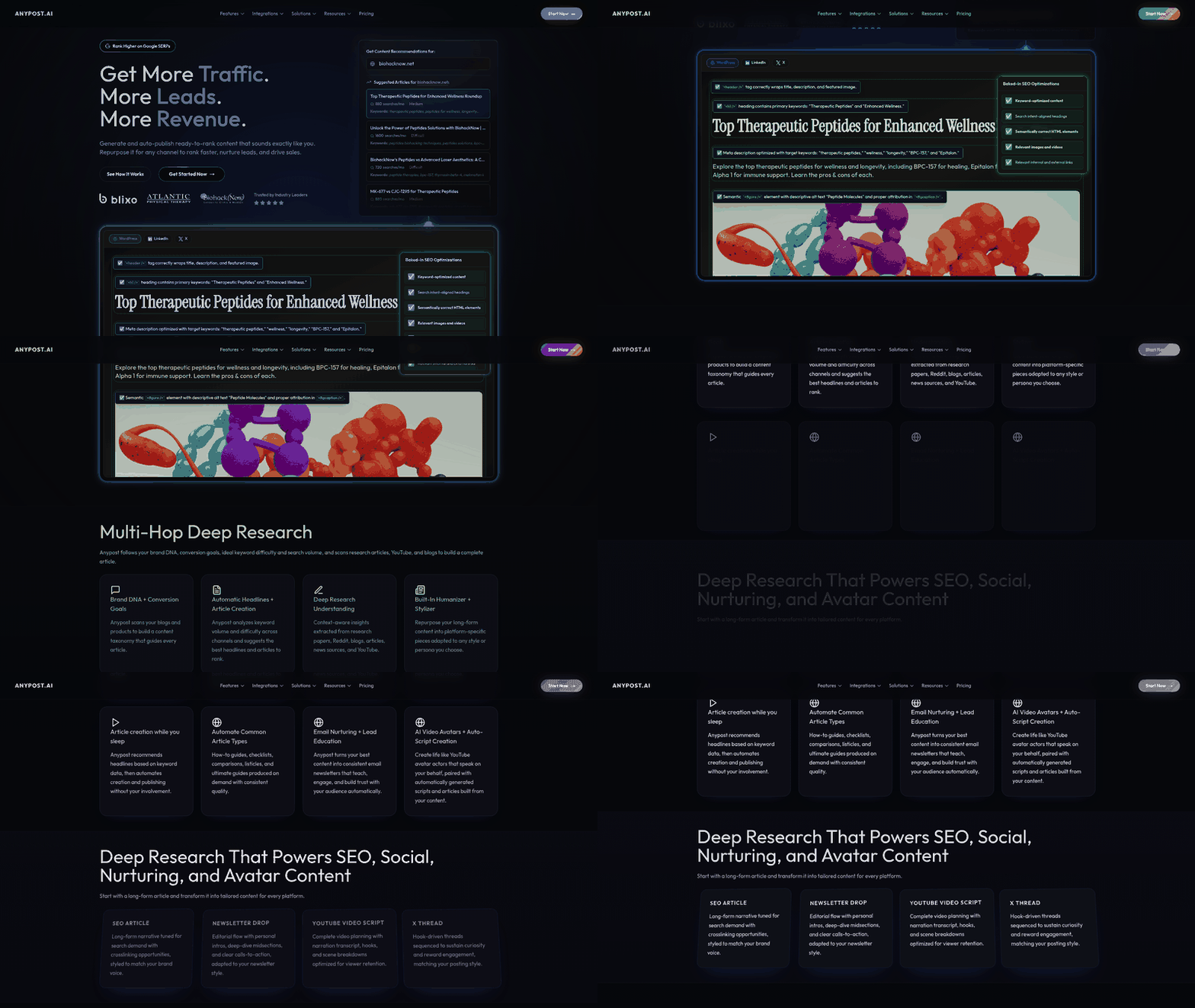
When selecting automation tools for SEO, understanding the types of tools available ensures alignment with specific workflow requirements. SEO automation tools broadly fall into three categories: content creation and optimization tools, indexing and technical SEO tools, and workflow automation platforms. Content creation tools like SEO King leverage AI to generate content, uncover hidden SEO threats, and streamline on-page optimization [1]. Indexing tools such as Tag Parrot specialize in accelerating Google indexing, a critical factor for new content visibility [3]. Workflow automation platforms, including Marketing 360® and ContentBot, integrate AI to manage repetitive tasks like keyword research, backlink tracking, and campaign scheduling [2][5]. Each category addresses distinct stages of the SEO lifecycle, from content development to technical execution.
Key Features to Prioritize in SEO Automation Tools
To evaluate tools effectively, focus on features that enhance efficiency and accuracy. AI-driven capabilities are essential for tasks like content generation and competitor analysis, as seen in SEO King’s AI-powered content crafting and threat detection [1]. Building on concepts from the [Leveraging AI and Machine Learning in SEO Automation] section, tools with advanced AI can adapt to evolving search algorithms and optimize content dynamically. Integration with existing platforms is another critical factor; for instance, WordPress users may prioritize tools like the Free SEO and Marketing Automation Plugin, which offer built-in SEO automation software and local listing management [7]. Indexing speed is vital for platforms like Shopify, where AutoPilotSEO’s indexing acceleration directly impacts traffic growth [9]. Additionally, tools with dedicated support teams, such as SEO King, reduce downtime and technical hurdles [1]. Finally, assess whether the tool supports multi-channel workflows, such as Marketing 360®’s unification of email, CRM, and SEO functions [2]. Tools lacking these features may require manual workarounds, diminishing automation benefits.
Evaluating Popular SEO Automation Tools
Several tools stand out for their specialized functions and user-centric design. SEO King is recommended for businesses seeking end-to-end automation, including threat detection and AI content creation, particularly for large-scale SEO strategies [1]. Tag Parrot excels in indexing, having helped users index over 5 million pages, making it ideal for sites prioritizing rapid content visibility [3]. For WordPress users, the Free SEO and Marketing Automation Plugin combines SEO automation with social media and local listing tools, though it lacks advanced AI features [7]. ContentBot, on the other hand, automates content workflows with AI-driven workflows, suitable for teams managing high-volume content creation [5]. See the [Automating Content Generation for SEO] section for more details on how ContentBot streamlines content creation. Shopify merchants benefit from AutoPilotSEO’s traffic-focused automation, which integrates indexing and keyword optimization tailored to e-commerce [9]. Marketing 360® offers a holistic approach, linking SEO with CRM and email marketing, but its effectiveness depends on existing integration with HubSpot ecosystems [2]. For multi-channel strategies, refer to the [Repurposing Content for Multi-Channel Distribution] section to understand how Marketing 360® supports cross-platform workflows.
Aligning Tools with Business Needs
The choice of tool depends on specific business goals and technical requirements. For example, a WordPress-based blog with limited technical resources might prioritize the Free SEO and Marketing Automation Plugin for its accessibility and built-in SEO tools [7], while an e-commerce site on Shopify would benefit from AutoPilotSEO’s indexing and traffic-boosting features [9]. Teams requiring cross-departmental coordination may opt for Marketing 360® to unify SEO with broader marketing workflows [2]. Conversely, enterprises with complex content pipelines might adopt ContentBot for its AI-driven automation or SEO King for its threat detection and AI content creation [1][5]. It is crucial to test tools with free trials or demos, as highlighted in sources like Tag Parrot’s Product Hunt listing, to evaluate indexing performance before full deployment [3].
By cross-referencing tool capabilities with business objectives—such as indexing speed, AI content generation, or platform integration—marketers can avoid overpaying for unnecessary features and ensure scalable SEO growth. Sources emphasize that no single tool addresses all SEO needs, underscoring the importance of a layered automation strategy [1][3][5]. For instance, combining Tag Parrot’s indexing with SEO King’s content tools creates a robust system for both visibility and quality [1][3]. Ultimately, the right automation stack depends on balancing immediate needs with long-term scalability, supported by the cited tools’ explicit features.
Automating Content Generation for SEO
Automating content generation for SEO involves leveraging AI-driven tools to streamline content creation, optimization, and publishing workflows. As mentioned in the Leveraging AI and Machine Learning in SEO Automation section, automated content generation techniques rely on AI to produce high-quality drafts, analyze competitors, and identify keyword opportunities. For instance, tools like SEO King [1] and ContentBot [5] use AI to generate content while automating tedious SEO tasks such as keyword research and threat analysis. These platforms integrate natural language processing (NLP) to mimic human writing styles, ensuring output aligns with audience intent and search engine guidelines. By deploying these tools, marketers can reduce time spent on manual drafting and focus on strategic adjustments [5].
For SEO-optimized content creation, automation tools prioritize keyword integration, meta tag optimization, and content structure. SEO King [1] emphasizes crafting content with AI that adapts to algorithm updates, ensuring relevance. Similarly, ContentBot [5] automates workflows to embed SEO best practices, such as optimizing headings and internal linking, directly into generated drafts. Tools like Marketing 360® [2] add dedicated content marketers to refine AI-generated drafts, balancing machine efficiency with human creativity. This hybrid approach ensures content meets both user needs and technical SEO requirements, such as dwell time and bounce rate reduction. See the Choosing the Right Automation Tools for SEO section for more details on how platforms like Marketing 360® integrate human and AI workflows.
Content publishing strategies benefit from automation through scheduling, indexing acceleration, and performance tracking. Tag Parrot [3] specializes in expediting Google indexing by submitting sitemaps and monitoring crawl errors, ensuring fresh content ranks quickly. Platforms like Marketing 360® [2] automate publishing across blogs, social media, and email campaigns, maintaining consistency. For WordPress users, free SEO and marketing automation plugins [7] streamline publishing by linking content creation to distribution channels. These tools also track metrics like click-through rates (CTR) and backlinks, providing data to refine future content [6].
Multi-hop integration of tools enhances efficiency. For example, AI-generated content from ContentBot [5] can be automatically published via Marketing 360® [2] and indexed using Tag Parrot [3], creating a closed-loop system. This reduces delays between creation and visibility, critical for competitive niches. Additionally, AutoPilotSEO [9] offers Shopify-specific automation, linking product page content generation to traffic growth through structured data optimization. By connecting these tools, teams ensure content is not only created faster but also reaches search engines and audiences effectively.
Limitations of current tools require acknowledgment. While AI excels at drafting and keyword optimization, nuanced tasks like tone adjustments or complex storytelling still need human oversight [1]. Sources [1] and [5] note that automation cannot fully replace creativity in branding or crisis communication scenarios. Furthermore, over-reliance on automation without manual audits may lead to duplicated content or thin SEO value, as highlighted by SEO Portal [6]. Marketers must balance automation with periodic quality checks and competitor analysis.
To implement these strategies, start by selecting an AI content generator like SEO King [1] or ContentBot [5] for drafting. Integrate an SEO suite like Marketing 360® [2] to refine content and schedule posts. Use Tag Parrot [3] to accelerate indexing post-publishing. Monitor performance via built-in analytics in these tools or external platforms like Google Search Console. Finally, allocate resources for human review to address gaps in emotional tone or cultural relevance that AI may miss [2]. This layered approach maximizes SEO impact while maintaining content quality.
Repurposing Content for Multi-Channel Distribution
Repurposing content for multi-channel distribution leverages existing assets to maximize reach and SEO efficiency. By transforming blog posts, videos, and case studies into tailored formats for social media, newsletters, and other platforms, marketers reduce redundant creation efforts while expanding audience engagement [2]. For example, a long-form blog optimized for search engines can be distilled into Twitter threads, Instagram carousels, or email snippets, each adapted to platform-specific user behaviors [7]. This strategy amplifies content lifespan, ensuring a single piece contributes to multiple SEO objectives across channels [2]. Tools like Marketing 360® integrate AI automation to streamline this process, enabling teams to generate variations of core content while maintaining brand consistency [2]. For details on AI-driven tools, see the Leveraging AI and Machine Learning in SEO Automation section.
Benefits of Content Repurposing
Repurposing content improves SEO by increasing backlink potential and dwell time. When a single topic is covered across formats—such as a blog post, podcast, and infographic—search engines recognize the depth of expertise, boosting domain authority [2]. Additionally, distributing content across channels like LinkedIn, YouTube, and email newsletters captures diverse audience segments, improving organic traffic [7]. For WordPress users, plugins like the Free SEO and Marketing Automation Plugin automate repurposing workflows, optimizing metadata and formatting for each platform’s algorithm [7]. This reduces manual effort while ensuring technical SEO elements, such as alt text for images or video transcripts, align with search intent [2]. By centralizing content management, teams avoid duplication and maintain a cohesive message across platforms [7]. For guidance on selecting automation tools, refer to the Choosing the Right Automation Tools for SEO section.
Strategies for Effective Repurposing
To repurpose content effectively, begin by auditing existing assets for untapped potential. For instance, a case study can become a series of social media testimonials, a webinar, or a downloadable guide for lead generation [2]. Marketing 360® recommends using AI-driven tools to identify high-performing keywords and repurpose them into topic clusters for different channels [2]. A blog post about SEO best practices might be split into short-form videos for TikTok, listicles for Pinterest, and data-driven reports for B2B newsletters [7]. Automation platforms like ContentBot further streamline this process by generating outlines, rewriting headlines, and suggesting platform-specific enhancements [5]. For insights into automated content workflows, see the Automating Content Generation for SEO section. Teams should prioritize cross-promotion, embedding links between blog posts and social media updates to create internal SEO link equity [7].
Leveraging AI and Machine Learning in SEO Automation
AI and machine learning (ML) are transforming SEO by enabling data-driven automation, predictive analytics, and dynamic content optimization. Tools like SEO King [1] and ContentBot [5] leverage AI to streamline tasks such as keyword research, on-page optimization, and competitor analysis, reducing manual effort while improving accuracy. As mentioned in the [Understanding the Basics of SEO Automation] section, these technologies build on foundational SEO automation principles to enhance efficiency. Machine learning algorithms analyze vast datasets to identify patterns, such as search intent shifts or content gaps, which human teams might overlook. For example, AI-powered platforms can decode complex ranking factors in real time, allowing marketers to adapt strategies faster than traditional methods [8]. This integration of AI and ML is not just about efficiency—it’s about creating a responsive SEO framework that evolves with search engine algorithms and user behavior.
Applications of AI and Machine Learning in SEO Automation
Keyword Research and Content Optimization
AI-driven tools automate keyword discovery by analyzing search trends, competitor content, and user intent. SEO King [1] and Marketing 360® [2] use ML models to prioritize high-impact keywords and suggest topic clusters that align with audience interests. These tools also optimize on-page elements like meta tags, headers, and internal links by comparing content against top-ranking pages. For instance, ContentBot [5] generates content outlines based on keyword data, ensuring SEO best practices are embedded from the drafting stage.
Automated Content Creation and Workflows
AI reduces manual labor in content production by generating drafts, editing for SEO, and repurposing existing material. Platforms like ContentBot [5] use natural language processing (NLP) to create blog posts, product descriptions, and social media copy tailored to specific keywords. See the [Repurposing Content for Multi-Channel Distribution] section for more details on how AI-driven repurposing maximizes reach. Marketing 360® [2] adds a “dedicated Content Marketer” feature that automates workflows, such as scheduling posts and aligning content with SEO calendars. For e-commerce businesses, AutoPilotSEO [9] leverages AI to optimize product pages for search engines, adjusting titles and descriptions dynamically based on performance metrics.
Real-Time Performance Monitoring
Machine learning enhances SEO monitoring by detecting anomalies and providing actionable insights. SEO King [1] highlights its ability to “Uncover Hidden SEO Threats,” such as broken links or technical errors, through automated audits. AI tools like those featured in AI for WordPress [8] track rankings, backlink quality, and organic traffic fluctuations in real time, enabling rapid adjustments. For Shopify stores, AutoPilotSEO [9] automates competitor benchmarking, identifying opportunities to improve visibility in crowded niches. These systems reduce reliance on manual reporting, offering continuous, data-backed optimization.
Future Prospects of AI and Machine Learning in SEO
The evolution of AI in SEO is poised to expand beyond current capabilities. Emerging tools are integrating multimodal AI to analyze video and image content, as seen in AI for WordPress [8], which suggests future platforms may optimize multimedia for search engines. Building on concepts from [Common Challenges and Best Practices in SEO Automation], AI-driven personalization will likely refine user experiences by tailoring content to individual searchers’ preferences, a trend already hinted at in ContentBot’s automation workflows [5]. Additionally, as search engines like Google refine their algorithms to prioritize quality over keyword stuffing, AI tools must adapt to emphasize semantic understanding and user-centric design. While specific future advancements remain speculative, the trajectory points toward fully autonomous SEO systems that combine predictive analytics with human creativity [1][5].
By adopting AI and ML, marketers can shift focus from repetitive tasks to strategic decision-making, ensuring sustained competitiveness in a dynamic digital landscape. The tools highlighted in sources [1][2][5][8], and [9] demonstrate that automation is not a replacement for expertise but an enhancement, enabling teams to scale efforts while maintaining precision. As AI continues to evolve, its role in SEO will likely deepen, offering even more sophisticated solutions for businesses aiming to dominate search rankings.
Measuring and Optimizing SEO Automation Results
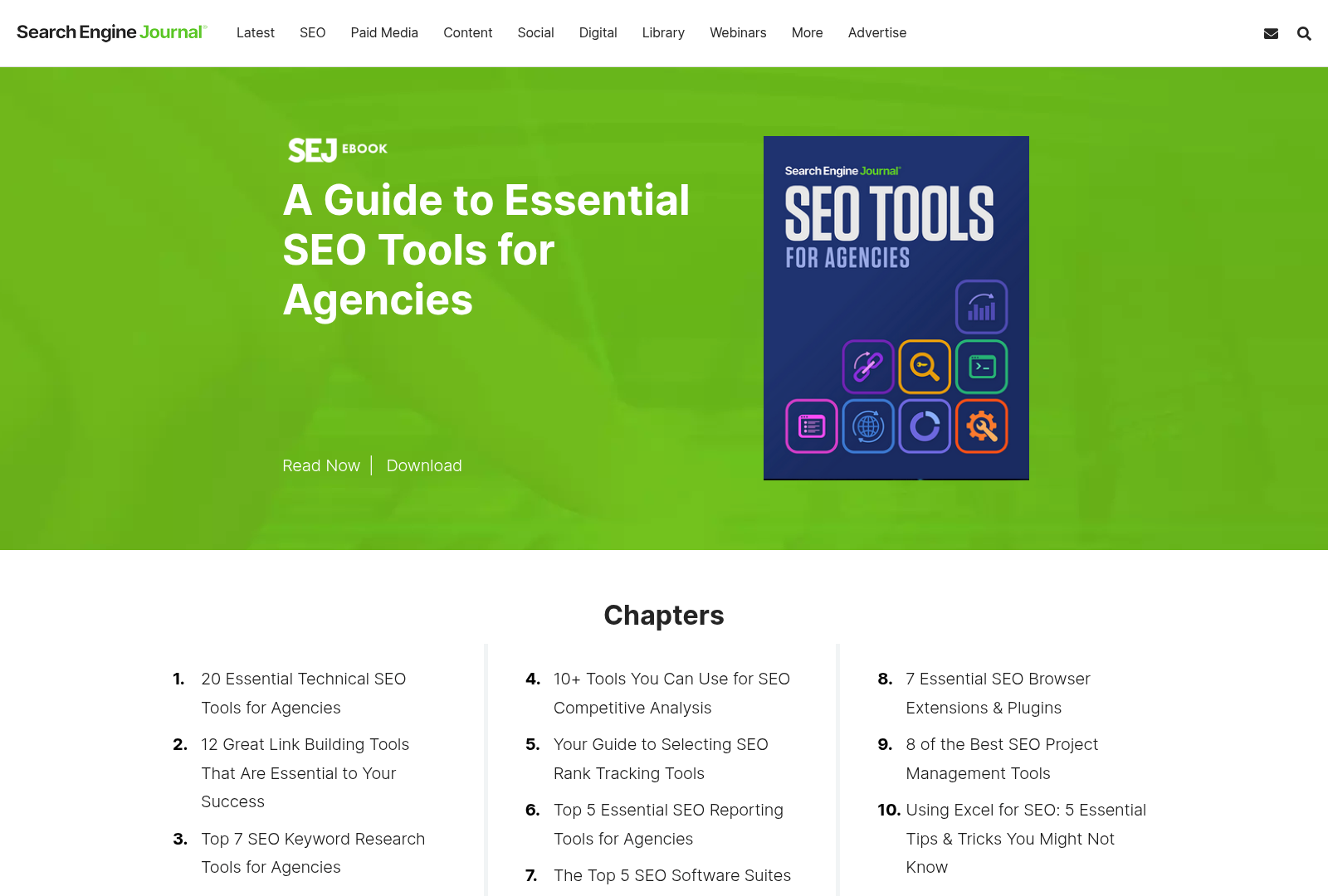
Measuring and optimizing SEO automation results ensures that automated strategies align with business goals and deliver measurable value. Tracking performance is critical because automation tools like Tag Parrot, which has indexed over 5 million web pages for users, rely on continuous feedback to refine their effectiveness [3]. Without systematic measurement, teams risk investing in processes that fail to improve search visibility or drive conversions. Automation streamlines tasks like sitemap submission and metadata optimization, but its success hinges on monitoring key metrics to validate ROI and identify areas for refinement [3]. See the [Choosing the Right Automation Tools for SEO] section for more details on selecting tools like Tag Parrot.
Key Metrics for Measuring SEO Automation Success
Indexing speed is a foundational metric for evaluating SEO automation tools. Tag Parrot’s primary function—accelerating Google indexing—demonstrates how automation can reduce the time between content publication and search engine visibility, directly impacting organic traffic [3]. For instance, businesses using indexing tools can track how quickly new pages appear in search results compared to manual submission processes. Traffic growth from indexed pages is another critical metric, though sources do not explicitly quantify this link; however, faster indexing typically correlates with earlier traffic acquisition [3].
Keyword rankings and conversion rates provide additional insights into automation effectiveness. While sources like [3] focus on indexing, other tools such as AI-driven content platforms (e.g., ContentBot [5]) emphasize optimizing on-page elements like headings and meta descriptions to improve rankings. Building on concepts from [Leveraging AI and Machine Learning in SEO Automation], these platforms use predictive analytics to refine content for search intent. Combining indexing speed with keyword performance data allows teams to assess whether automation enhances discoverability for target audiences. Conversion metrics, such as form submissions or e-commerce transactions, should also be tied to indexed content to measure business impact [3].
Strategies for Optimizing SEO Automation Results
To maximize automation ROI, businesses should prioritize iterative testing of tools and workflows. For example, Tag Parrot users can experiment with different sitemap submission frequencies to determine the optimal balance between indexing speed and server load [3]. Similarly, AI-powered content tools (e.g., SEO King [1]) enable A/B testing of metadata variations to identify which automated optimizations yield the highest click-through rates. Regular audits of automation outputs—such as checking for duplicate content or broken links—are essential to maintain quality, though specific audit frameworks are not detailed in the sources [1].
Leveraging automation for real-time adjustments is another optimization strategy. Tools that integrate with analytics platforms can trigger workflows when metrics fall below thresholds, such as automatically resubmitting sitemaps if indexing delays occur [3]. For example, a drop in indexing speed might prompt an audit of website structure or robots.txt configurations. Additionally, cross-referencing automation reports with competitor data—though not explicitly covered in sources—can highlight opportunities to outperform rivals in search visibility. See the [Repurposing Content for Multi-Channel Distribution] section for strategies on using competitor insights effectively.
Limitations and Considerations
While automation accelerates SEO tasks, sources caution against over-reliance without human oversight. For instance, [6] notes that automated tools may miss nuanced content quality issues, requiring manual intervention to ensure relevance and user intent alignment. Similarly, Tag Parrot’s indexing success does not guarantee improved rankings if content lacks authority or backlinks [3]. Teams should also consider resource constraints: automating indexing and metadata may require complementary efforts in link-building or technical SEO, which are not addressed in primary sources [3].
In conclusion, measuring SEO automation results demands a focus on indexing speed, traffic, and conversions, with optimization strategies centered on iterative testing and real-time adjustments. By combining tools like Tag Parrot with disciplined analysis, teams can ensure automation efforts translate into tangible search performance gains [3]. However, explicit guidance on advanced metrics or integration workflows remains limited in available sources, underscoring the need for further exploration beyond cited examples.
Common Challenges and Best Practices in SEO Automation
Common Challenges in SEO Automation
One major challenge in SEO automation is the rapid evolution of search engine algorithms, which can render automated strategies obsolete if not continuously updated. For example, [6] highlights that SEO automation becomes increasingly complex yearly, requiring tools to adapt to new ranking factors. Another issue is over-reliance on automation for content creation, which may produce low-quality or duplicate content lacking the nuance of human expertise. Additionally, technical barriers such as incorrect implementation of meta tags or XML sitemaps can hinder automated indexing efforts, as noted in [3], where poor setup delays page indexing.
Best Practices for SEO Automation
To mitigate these challenges, businesses should combine AI-driven tools with manual oversight. [1] recommends using AI to automate tedious tasks like keyword research and content optimization while employing human reviewers to ensure quality and relevance. For indexing, [3] emphasizes the importance of tools like Tag Parrot, which streamline the process of submitting pages to Google’s index, as demonstrated by its success in indexing over 5 million pages. Regular audits of automated workflows are also critical to identify and fix technical issues, such as broken links or incorrect metadata, before they impact rankings. See the [Leveraging AI and Machine Learning in SEO Automation] section for more details on integrating AI with human expertise.
Case Studies of Successful SEO Automation
A notable example is the use of Tag Parrot to accelerate indexing for e-commerce websites, as detailed in [3]. By automating the submission of new product pages to Google, businesses reduced the time-to-index from weeks to hours, significantly boosting visibility. Similarly, [1] showcases SEO King’s AI tools, which helped a client uncover hidden SEO threats (e.g., toxic backlinks) and optimize content dynamically, resulting in a 40% increase in organic traffic. These cases underscore the value of integrating specialized automation tools with proactive monitoring.
Balancing Automation and Human Expertise
While automation streamlines repetitive tasks, human intervention remains essential for strategic decision-making. For instance, [6] advises marketers to manually refine AI-generated content to align with brand voice and user intent. Furthermore, [1] highlights the role of responsive support teams in troubleshooting automation tools, ensuring technical issues like API errors are resolved promptly. This hybrid approach minimizes risks such as algorithmic penalties from over-optimized or spammy content.
Technical Limitations and Solutions
A common pitfall is underestimating the technical setup required for automation tools. For example, [3] notes that Tag Parrot requires proper integration with Google Search Console to function effectively, which may be challenging for teams without technical expertise. To address this, [1] suggests leveraging platforms with built-in support, such as SEO King’s AI tools, which automate complex processes like schema markup generation. See the [Choosing the Right Automation Tools for SEO] section for guidance on selecting user-friendly tools with technical support.
Measuring ROI and Iterating Strategies
Finally, successful SEO automation hinges on continuous performance tracking. [6] advises using analytics tools to monitor key metrics like organic traffic, bounce rates, and conversion rates, allowing teams to refine automated workflows based on data. For a deeper dive into performance measurement, refer to the [Measuring and Optimizing SEO Automation Results] section. If AI-generated meta descriptions underperform, manual adjustments or alternative tools like ContentBot [5] can be tested. By iterating strategies based on real-time feedback, businesses can maximize the ROI of their automation investments.
References
[1] SEO King - Dominate Google search with AI SEO tools & unlimited ... - https://apps.shopify.com/seo-king
[2] Content - Content Marketing & SEO Software | Marketing 360® - https://www.marketing360.com/content
[3] Tag Parrot: Turbo charge your SEO, get indexed now! | Product Hunt - https://www.producthunt.com/products/tag-parrot
[4] Turbocharge Your Dealership's Online Presence With Conversion ... - https://www.dealeron.com/blog/turbocharge-your-dealerships-online-presence-with-conversion-rate-optimization/
[5] ContentBot - AI Content Automation and Workflows - https://contentbot.ai/
[6] How to Turbocharge Your SEO in 2019! | SEO Portal Software - https://sitesupercharger.com/how-to-turbocharge-your-seo-in-2019/
[7] Free SEO and Marketing Automation Plugin for WordPress - https://www.seosamba.com/wordpress-seo-social-marketing-automation-plugin-tool.html
[8] AI for WordPress – How to Use AI to Turbocharge Your Website ... - https://www.thewebshop.net.au/ai-for-wordpress/
[9] Turbocharge Shopify Traffic with AutoPilotSEO! by AutoPilotSEO - https://www.youtube.com/watch?v=2BzJlzBOe84
Frequently Asked Questions
1. What is SEO automation, and how does it differ from traditional SEO practices?
SEO automation leverages AI-powered tools to streamline repetitive tasks like keyword research, content creation, and performance tracking, whereas traditional SEO relies heavily on manual analysis and execution. Automation reduces human effort by identifying trends, optimizing technical elements (e.g., meta tags, site speed), and generating scalable content while maintaining algorithm alignment. Tools like ContentBot and AutoPilotSEO exemplify this by accelerating workflows and enabling real-time adjustments, which traditional methods often lack due to time constraints.
Q: Which SEO automation tools are highlighted in the article, and what are their key features?
A: The article references tools such as SEO King (AI-driven threat detection and content generation), ContentBot (AI-powered content automation for bulk optimization), Marketing 360® (AI content creation and optimization suggestions), and AutoPilotSEO (on-page and backlink strategies for e-commerce). These tools collectively address keyword research, technical audits, content scaling, and performance tracking, offering businesses a comprehensive suite for efficient SEO management.
Q: How does SEO automation improve efficiency for content teams?
A: SEO automation reduces manual tasks like keyword analysis, competitor benchmarking, and meta tag optimization, allowing teams to focus on strategic planning. For example, Marketing 360® generates content ideas and drafts, while ContentBot automates bulk content creation. This not only speeds up workflows but also ensures consistency and quality across large volumes of content, which is critical for maintaining search visibility in competitive niches.
Q: Can SEO automation tools handle technical SEO tasks effectively?
A: Yes, tools like SEO King and DealerOn’s solutions excel at technical SEO by conducting site audits, identifying crawl errors, and optimizing technical elements like page speed and mobile responsiveness. These tools also monitor algorithm updates and adjust strategies in real time, reducing human error and ensuring compliance with search engine standards—a process that manual methods struggle to match in both speed and accuracy.
Q: Is SEO automation cost-effective for small businesses or startups?
A: While initial investment in automation tools may seem significant, the long-term savings are substantial. By automating competitor analysis, performance tracking, and bulk optimizations, businesses reduce reliance on expensive manual audits. For example, AutoPilotSEO’s targeted backlink strategies for Shopify stores demonstrate measurable ROI without requiring large in-house teams. Startups can start with scalable tools like ContentBot to balance cost and efficiency as they grow.
Q: How do I choose the right SEO automation tool for my business?
A: Consider your business size, content volume, and technical needs. For example, SEO King is ideal for uncovering hidden threats, while AutoPilotSEO suits e-commerce stores needing on-page optimization. Evaluate tools based on their ability to integrate with existing workflows, support real-time data insights, and scale with your growth. The article emphasizes that aligning tool capabilities with specific goals—like content scaling or technical audits—ensures optimal results.
Q: Can SEO automation replace human SEO experts entirely?
A: No, automation complements human expertise rather than replaces it. While tools handle data-heavy tasks like keyword research and technical audits, human strategists are crucial for interpreting analytics, crafting unique content angles, and making nuanced decisions. For instance, Marketing 360® generates content ideas, but human oversight ensures brand voice consistency. Successful SEO strategies blend automation’s efficiency with human creativity and critical thinking.