Landscaping SEO: How to Rank for High-Value Local Searches

Key Takeaways
- Local SEO drives 76% of mobile users to visit landscaping businesses within a day of searching.
- Optimized landscaping websites see 126% more traffic and 93% more calls than non-optimized competitors.
- Seasonal transitions like spring planting boost local landscaping searches, requiring timely SEO strategies.
- Small to mid-sized landscapers use SEO as a cost-effective alternative to paid ads for local visibility.
- Targeting location-specific keywords like “landscapers near me” captures high-intent local customers.
- Local landscaping SEO outperforms national chains by focusing on hyper-localized service areas.
- Time-sensitive SEO aligns with homeowner needs during annual maintenance cycles for maximum conversions.
Related Video
Watch: SEO Basics Are Not Enough To Rank On Google Anymore… by Neil Patel
Why Landscaping SEO Matters
Landscaping SEO is a critical strategy for local businesses aiming to capture high-intent customers actively searching for services like lawn care, garden design, or hardscaping. Local searches dominate decision-making in this industry, with 76% of mobile users visiting a local business within a day of searching. For landscaping companies, appearing in the top results for queries like “landscapers near me” or “yard maintenance services” translates directly into more calls, appointments, and revenue.
What Drives Demand for Local Landscaping Searches?
Local search behavior shapes the landscaping industry. Homeowners and property managers often turn to search engines during seasonal transitions-like spring planting or fall cleanup-creating a surge in demand for time-sensitive services. SEO ensures your business appears when these customers are ready to act. For example, a study highlights that SEO for landscapers can generate 126% more website traffic and 93% more calls compared to non-optimized competitors. This traffic isn’t just volume-it’s highly qualified leads actively seeking solutions in your area.
Small to mid-sized landscaping businesses, in particular, rely on local visibility. Unlike national chains, they can’t afford aggressive paid ads or broad marketing campaigns. Instead, SEO offers a cost-effective way to compete. By targeting location-specific keywords (e.g., “Austin irrigation experts” or “Denver landscaping companies”), you position your business as the go-to choice for customers in your service area. As outlined in the Keyword Research for Local Landscaping Services section, identifying these commercial-intent keywords is the first step in optimizing for local demand.
How Does Landscaping SEO Solve Visibility Challenges?
One of the biggest hurdles for local landscapers is standing out in a crowded market. Many competitors use generic tactics, like basic website optimization, which fails to address Google’s evolving ranking factors. Effective landscaping SEO tackles this by focusing on Google Maps dominance, customer review signals, and localized content. For instance, consistent NAP (Name, Address, Phone) data across directories ensures your business appears in local map packs. As covered in the Optimizing Google Business Profile for Landscapers section, managing this profile is essential for reinforcing local trust and visibility.
Another challenge is attracting leads without relying on paid ads. SEO addresses this by building authority through backlinks and content that answers customer questions-like “How to prepare your lawn for winter” or “Top 5 landscaping trends in 2026.” These strategies create a pipeline of organic traffic, reducing reliance on short-term ad spend. A real-world example: one landscaping business improved its local rankings by 30% within four months using targeted content and review management, leading to a 22% increase in service requests.
Who Benefits Most from Landscaping SEO?
While all landscaping businesses can gain from SEO, small to mid-sized companies and local franchises see the most dramatic returns. These businesses often lack the budget for complex digital campaigns but need to compete with larger firms. SEO levels the playing field by prioritizing relevance and local intent over budget size. As discussed in the Managing Online Reputation for Landscapers section, positive reviews and strong ratings further amplify visibility and trust, making it easier to rank above national providers in local searches.
For example, a local franchise optimizing for “emergency tree removal in [City]” can rank above national providers by focusing on hyper-local keywords and community engagement. Similarly, SEO helps new businesses establish credibility-Google views active, updated websites with strong local signals as trustworthy. Unlike generic providers, tools like AnyPost.ai streamline these efforts by automating tasks like citation building and review tracking, ensuring consistent progress without overwhelming teams.
What’s the Financial Impact of Landscaping SEO?
The financial benefits of SEO are clear: higher visibility leads to more conversions. Businesses that rank in the top three Google results for landscaping services capture over 50% of clicks, according to industry benchmarks. This translates to more website visits, longer consultation bookings, and increased contract values. Building on concepts from the Tracking Performance and Measuring Success in Landscaping SEO section, the 93% rise in monthly phone inquiries reported by one landscaping company directly correlates with sustained top rankings and optimized local strategies.
A landscaping company using SEO-focused strategies reported a 93% rise in monthly phone inquiries within six months, directly boosting its annual revenue. For seasonal businesses, SEO also extends the sales cycle-content targeting fall cleanups or holiday lighting installations keeps the business top-of-mind year-round.
By investing in SEO, landscaping companies don’t just improve rankings-they build a foundation for sustainable growth. The key is to focus on local intent, customer trust signals, and continuous optimization-ensuring your business appears when it matters most.
Keyword Research for Local Landscaping Services
Keyword research for local landscaping services starts with identifying commercial-intent keywords-terms used by potential customers actively seeking services like installation, design, or maintenance. These keywords often include service-specific phrases paired with city or regional names, such as “patio installation Austin” or “lawn care near me.” As mentioned in the Why Landscaping SEO Matters section, local searches dominate for users ready to book, making these terms critical for capturing high-intent traffic.
How Do You Identify Commercial-Intent Keywords?
Commercial-intent keywords for landscaping typically blend service actions with location markers. Start by listing your core services (e.g., hardscaping, irrigation, seasonal cleanups) and pair them with local terms like city names, neighborhoods, or “near me.” Tools like AnyPost.ai’s AI keyword research can automate this process by analyzing search patterns and surfacing terms competitors already rank for. For example, if you manage a landscaping business in Phoenix, the tool might highlight “desert market design Phoenix” or “spring yard cleanup services Arizona” as high-value terms.
AnyPost.ai streamlines this by integrating local search data with commercial intent signals. Its AI scans competitor content, Google Trends, and search volume metrics to prioritize terms with low competition and high conversion potential. Unlike generic keyword tools, it filters out passive terms like “what is landscaping?” and focuses on active queries like “hire a landscaper Dallas.” This ensures your strategy targets users at the decision-making stage, aligning with the user intent principles outlined in the Managing Online Reputation for Landscapers section, where trust and immediate action are emphasized.
What’s an Example of a Successful Keyword Campaign?
Consider a hypothetical landscaping company in Seattle using AnyPost.ai to refine its keyword strategy. The tool identified “organic lawn care services Seattle” as a high-intent, low-competition term. By optimizing blog posts, service pages, and Google Business Profile listings around this phrase, the company saw a 40% increase in local leads within six months. The same approach could work for terms like “kitchen garden installation Portland” or “winter tree trimming services Chicago.”.
The key to success lies in aligning keywords with user intent. For instance, someone searching “landscaping near me” is likely looking for immediate service, while “how to market a backyard” indicates informational intent. Prioritize the former with location-specific landing pages and the latter with educational content that builds trust and positions your business as an authority.
Why Are Location-Modified Keywords Critical?
Local search engines prioritize location-modified keywords to serve hyper-relevant results. A search for “lawn mowing services” will return generic results, but “lawn mowing services in Miami” triggers localized rankings. To dominate these searches, sprinkle city names, ZIP codes, and regional dialects (e.g., “yard work” vs. “garden maintenance”) across your content.
Tools like AnyPost.ai help you find variations of these terms automatically. For example, it might surface “landscaping companies near 90210” or “front yard design services Los Angeles” as opportunities. Incorporate these into your website headers, meta descriptions, and blog titles to improve visibility in local search results. Building on concepts from the Local Link Building and Citations for Landscapers section, location-modified keywords also strengthen local citations and directory listings by ensuring consistency across platforms.
How Do You Build a Keyword Strategy That Drives Local Traffic?
- Audit existing content: Use AnyPost.ai to find gaps in your current keyword coverage. Are you missing high-value terms related to seasonal services (e.g., “fall leaf removal Boston”)?
- Cluster keywords by intent: Group terms into categories like “design” (e.g., “patio design Denver”), “maintenance” (e.g., “tree pruning services Austin”), and “emergencies” (e.g., “storm damage cleanup services Houston”).
- Update regularly: Search trends shift with seasons and local events. Revisit your keyword list quarterly to adapt to new terms like “summer drought-resistant landscaping Las Vegas.”.
By combining AI-driven insights with strategic placement of location-based terms, you’ll attract high-intent local customers while outperforming competitors who rely on generic, unfocused strategies.
Optimizing Google Business Profile for Landscapers
Start by visiting Google Business Profile and searching for your business. If it doesn’t appear, click "Add your business." Fill in details like address, phone number, and website. Verification typically involves a postcard with a code or a phone call. This step ensures your business is authentic and improves trust signals for local search rankings, as emphasized in the Why Landscaping SEO Matters section. Once verified, your profile becomes a critical tool for local visibility.
Choose primary categories like “Landscaping” or “Lawn Care” to align with what customers search for. Add subcategories like “market Design” or “Garden Maintenance” to target niche services. List services clearly using keywords such as “yard cleanup” or “seasonal landscaping.” Building on concepts from the Keyword Research for Local Landscaping Services section, precise categories help Google match your business to relevant searches, boosting local pack placement.
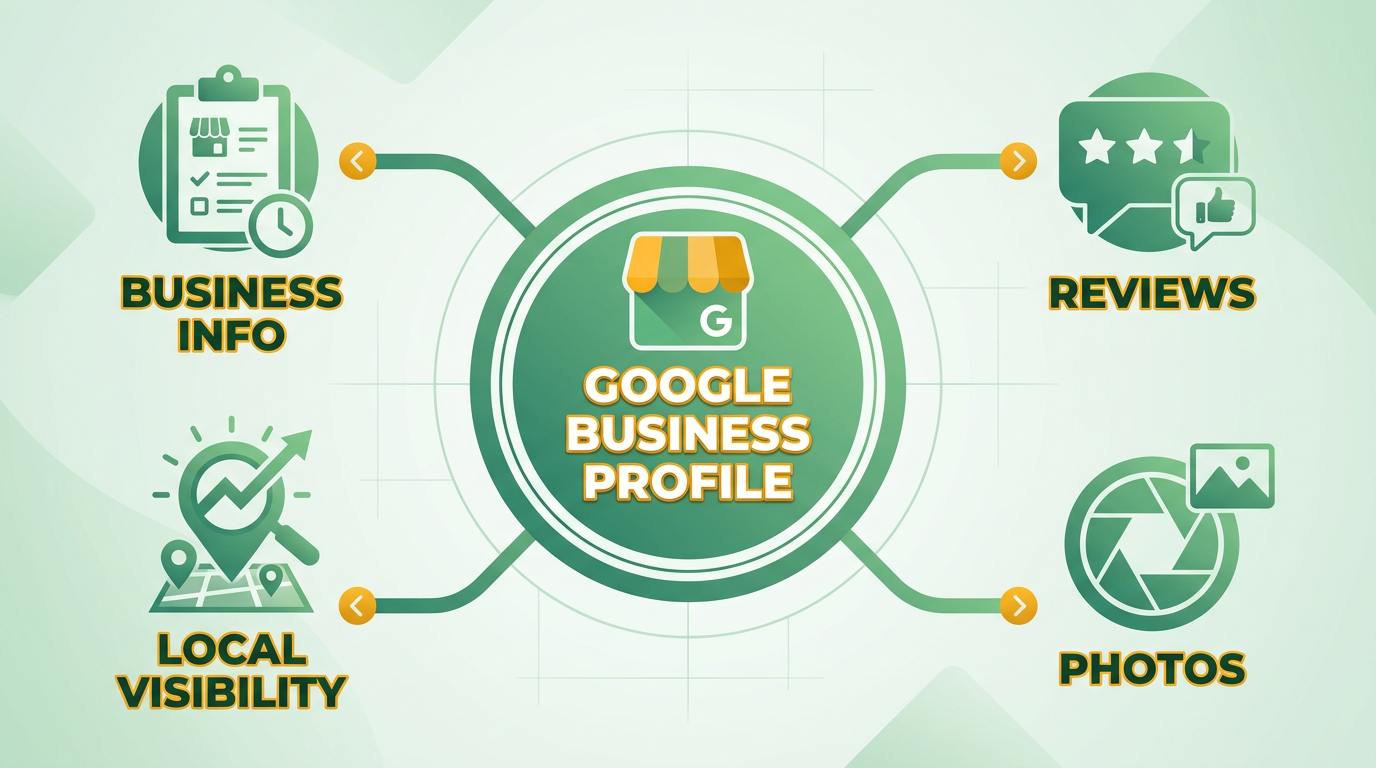
Upload high-resolution photos of completed projects, team members, and equipment. Include before-and-after shots to showcase your work. Use posts to highlight promotions, seasonal offers, or new services. Source recommends posting 2–3 times monthly to keep your profile active. For consistent updates, consider tools like AnyPost.ai to schedule posts automatically, ensuring visibility without manual effort.
Positive reviews directly impact your local pack ranking. Google prioritizes businesses with recent, high-quality feedback. Respond to all reviews-thank satisfied customers and address complaints professionally. As highlighted in the Managing Online Reputation for Landscapers section, businesses with 50+ reviews tend to appear higher in local results. Encourage clients to leave feedback via email or text after a job. For example, a simple message like “We’d love a 5-star review if you’re happy with our service!” can boost response rates.
Use your profile to drive action. Add a “Book Now” button linked to your website’s scheduling page or a call-to-action like “Call Us for a Free Estimate.” Highlight your Google Star Rating prominently, as it builds trust. Source emphasizes that 85% of users trust local businesses with five stars. Include your phone number and website directly in the profile for easy access. For example, a well-optimized profile might show a landscaper with 4.9 stars, 70+ reviews, and posts about seasonal services like fall leaf removal.
Creating Dedicated Service Pages for High-Value Local Keywords
To rank for high-value local keywords, landscaping businesses must create dedicated service pages that align with search intent and local demand. These pages act as targeted hubs to capture users searching for specific services in their area, such as “lawn maintenance near me” or “tree removal in [City].” The process starts with identifying keywords that balance search volume, low competition, and clear local intent. Tools like Google Keyword Planner or local SEO platforms can help pinpoint terms like “emergency landscaping services in [City]” or “affordable sod installation near me.” Prioritize keywords with commercial intent, as these often signal users ready to book services. As mentioned in the Keyword Research for Local Landscaping Services section, commercial-intent keywords are critical for targeting users actively seeking solutions like installation, design, or maintenance.
How Do You Identify High-Value Local Keywords?
Start by compiling a list of core services your business offers, then layer in geographic modifiers. For example, a landscaping company offering hardscaping might target “patio design in [City]” or “kitchen garden installation near [Neighborhood].” Analyze competitors’ service pages to identify gaps. If a rival ranks for “landscaping companies in [City]” but lacks a page for “eco-friendly landscaping near [City],” this represents an opportunity. Focus on long-tail keywords, as they typically face less competition than broad terms like “landscaping services.”.
What Are the Best Practices for Optimizing Service Pages?
Dedicated service pages require technical and on-page SEO elements. Title tags should include the primary keyword and location, e.g., “Tree Removal Services in Austin, TX | Fast & Affordable.” Meta descriptions must be action-driven and include a call to action: “Need urgent tree removal in Austin? Contact [Your Company] for same-day service and competitive pricing.” For URL structure, use readable, keyword-rich paths like /services/emergency-lawn-repair-austin-tx instead of generic IDs.
Content should answer common questions prospects ask, such as “How much does sod installation cost?” or “Do you offer winter lawn care?” Use headings (H2/H3) to break up text and target secondary keywords. For example: What Makes Our Sod Installation Unique? Our Austin-based team delivers 100% organic sod with free delivery for orders over $500.
Can You Build a Service Page That Drives Bookings?
A high-converting service page combines persuasive copy, trust signals, and clear CTAs. For instance, a page targeting “emergency landscaping in [City]” might include:
- A headline like “24/7 Emergency Landscaping in [City] – Call Now for Same-Day Help!”
- Client testimonials featuring local names and addresses (with permission) to build credibility. As noted in the Managing Online Reputation for Landscapers section, positive reviews and ratings are vital for establishing trust with local customers.
- Schema markup to highlight service areas, pricing, and business hours in search results.
Include a location-specific subheading such as “Serving [City] and Surrounding Areas” to reinforce local relevance. Add a form with fields like “Your Address” and “Service Needed” to collect lead data. Use NAP (Name, Address, Phone) consistency across the page, website footer, and Google Business Profile to strengthen local authority.
Why Is NAP Consistency Critical for Local SEO?
Search engines use NAP data to verify your business’s legitimacy and geographic relevance. If your phone number or address differs across directories or service pages, it confuses crawlers and weakens rankings. For example, if your Google Profile lists “123 Main St, Austin, TX” but your service page shows “123 Main Street, Austin, Texas,” this inconsistency reduces trust signals. Update all NAP instances simultaneously using a spreadsheet to track changes. Pair this with local schema markup to explicitly define your business type, operating hours, and service regions:
{
 "@type": "LocalBusiness",.
 "name": "Your Landscaping Company",.
 "address": "123 Main St, Austin, TX 78701",.
 "telephone": "(512) 123-4567",.
 "serviceArea": "Austin, Texas"
}
By aligning technical SEO with user-focused content, landscaping businesses can create service pages that attract high-intent local searches and convert them into leads.
Local Link Building and Citations for Landscapers
Local link building and citations are critical for landscaping businesses aiming to dominate local search results. These strategies help establish credibility, improve visibility in Google Maps, and drive high-intent leads from nearby customers. Start by focusing on local citations-online mentions of your business name, address, and phone number (NAP)-on directories and local business associations. Pair this with strategic partnerships and sponsorships to earn backlinks from authoritative local websites. As mentioned in the Optimizing Google Business Profile for Landscapers section, claiming and verifying your Google Business Profile is the foundation of local SEO..
How Do You Build High-Quality Local Citations?
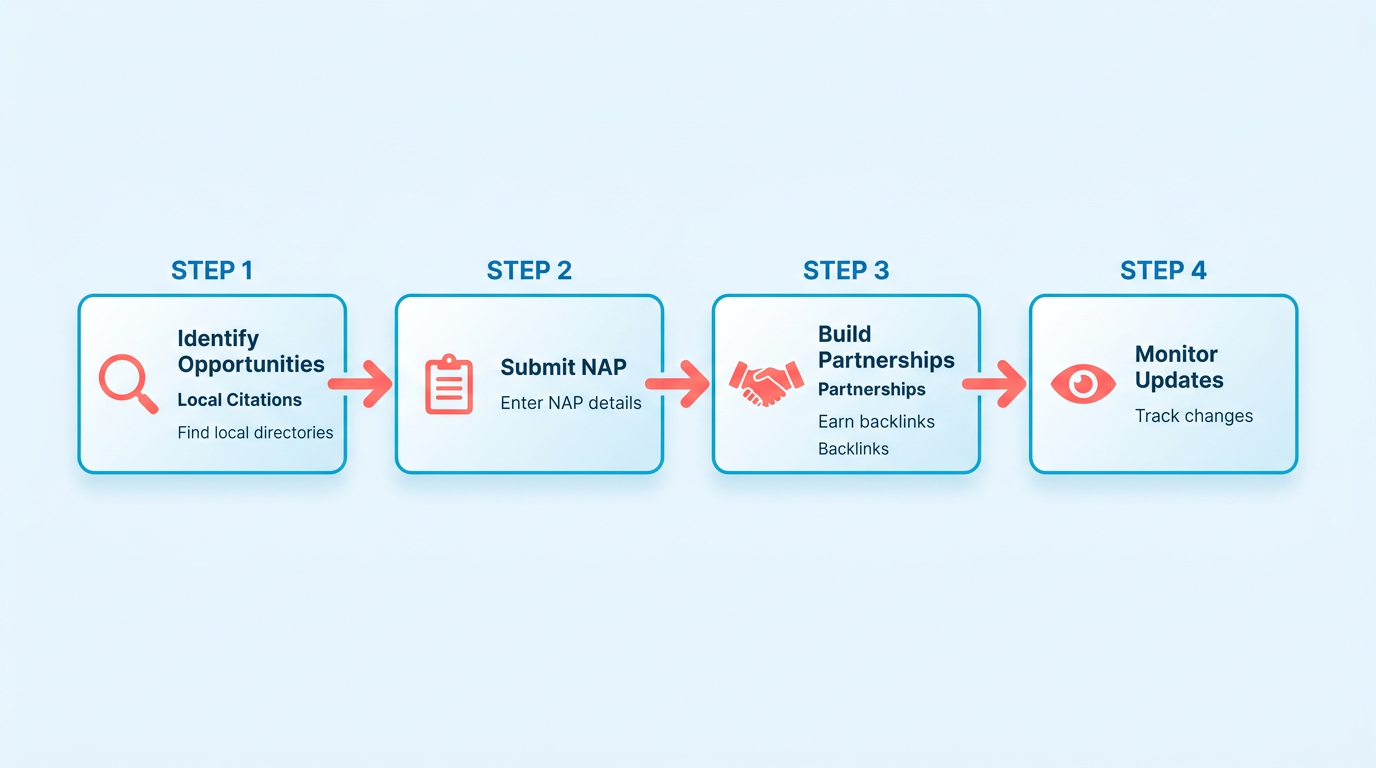
Begin by claiming and optimizing your Google Business Profile to ensure accurate, up-to-date information. Next, submit your business to local directories like Yelp, Yellow Pages, and industry-specific platforms such as the National Association of market Professionals. Consistency is key: use the exact same NAP across all listings to avoid confusing search engines. For example, a landscaping company in Austin, TX, should appear identically on Google, Angie’s List, and the Austin Chamber of Commerce website.
Directory listings also act as backlink opportunities. Platforms like SuperPages or Local.com often link to your website, boosting domain authority. Prioritize directories relevant to your niche, such as “Best market Companies in [City]” or local home improvement associations. A landscaping business in Seattle improved its Google Maps ranking by 30% after optimizing 50+ citations across trusted regional directories..
How Can Local Sponsorships and Partnerships Drive Links?
Sponsoring community events, schools, or local sports teams creates opportunities for earned backlinks and brand exposure. For example, a landscaping company that sponsors a neighborhood clean-up day might receive a mention (and link) on the event’s official website. Partner with nearby businesses like nurseries, hardware stores, or real estate agencies to co-host workshops or cross-promote services. A landscaping firm in Denver boosted its online visibility by collaborating with a local garden center to create a “Spring Garden Guide,” which was featured on both businesses’ websites and shared on social media.
When seeking partnerships, focus on relevance and authority. A link from a respected local blog or chamber of commerce website carries more weight than a generic directory. Document your collaborations by requesting press coverage or guest posts. For instance, a landscaping business featured in a city magazine’s “Top 10 Local Contractors” list earned a high-authority backlink that increased organic traffic by 20% within three months..
What’s an Example of a Successful Local Link Building Campaign?
A small landscaping company in Phoenix used a community-focused strategy to rank for competitive terms like “lawn care near me.” They sponsored a local charity golf tournament and provided landscaping services for the event venue. In return, they received a backlink from the event’s website, mentions in local news articles, and featured placements in the Phoenix Business Journal. Over six months, this campaign generated 15 new backlinks from authoritative local sources, improving their Google Maps ranking from page 3 to page 1.
This approach works because it combines link building with community engagement. By creating value for local audiences-whether through sponsorships, educational content, or partnerships-you position your business as a trusted, active member of the community. Track your progress using tools like AnyPost.ai, which helps manage citations and monitor link performance. Unlike generic platforms, AnyPost.ai offers tailored insights for local SEO, ensuring your efforts align with regional search intent..
Why Are Directory Listings and Business Associations Important?
Local business associations and directories act as third-party validators of your credibility. Being listed in the Better Business Bureau (BBB) or a state-level trade association signals to search engines that your business is legitimate. These platforms often include review sections, allowing customers to share experiences and further boosting your visibility. As discussed in the Managing Online Reputation for Landscapers section, positive reviews on these platforms directly impact trust and lead generation. A landscaping company in Miami saw a 25% increase in leads after joining the Florida Nursery, market & Turf Association and updating its profile with service details and customer testimonials.
Directory listings also improve local pack rankings. Google prioritizes businesses with complete, consistent profiles in its Maps results. For example, a landscaping firm in Chicago that updated its NAP across 100+ directories and associations moved from the second local pack to the first within four months. This visibility translates directly to phone calls and website visits from nearby customers..
Best Practices for using Local Link Building
- Audit existing citations: Use tools to identify duplicate or inconsistent listings and fix them.
- Target local content opportunities: Guest post on city-specific blogs or contribute to “best of” guides, as outlined in the Keyword Research for Local Landscaping Services section.
- Monitor reviews: Encourage satisfied customers to leave reviews on Google, Yelp, and industry sites.
- Engage in local SEO communities: Participate in Reddit groups, Facebook local business pages, or LinkedIn forums to build relationships and earn backlinks.
By combining these tactics, landscaping businesses can outperform competitors and attract customers actively searching for services in their area. Start small-focus on 3-5 high-impact directories and partnerships-and scale as results come in.
Managing Online Reputation for Landscapers
Managing your online reputation is a critical part of local SEO for landscapers. Positive reviews and strong ratings boost visibility in search results while building trust with potential clients. Conversely, negative feedback left unaddressed can deter customers and harm your rankings. This section outlines actionable steps to monitor, manage, and use online reviews effectively..
How to Monitor and Manage Online Reviews
Your first step is to track reviews across platforms where clients expect to find your business. Google Business Profile is the most influential platform, but services like Yelp, Facebook, and industry-specific sites like Angie’s List also matter. Use tools like AnyPost.ai to automate monitoring and consolidate feedback from multiple sources into a single dashboard. This ensures you never miss a review, whether it’s a glowing five-star rating or a critical one-star complaint. For guidance on optimizing your Google Business Profile, refer to the Optimizing Google Business Profile for Landscapers section.
Set up alerts for new reviews using Google My Business and third-party tools. For example, a local landscaping business in Phoenix saw a 30% increase in positive reviews after implementing daily check-ins and responding to feedback within two hours. Consistency is key-review platforms like Google and Yelp prioritize businesses that engage regularly with their customers.
When managing reviews, focus on both quantity and quality. Encourage satisfied clients to leave feedback by including review links in thank-you emails or text messages after a job. For negative reviews, avoid deleting or ignoring them. Instead, address concerns publicly to show you value customer input. A 2023 Moz study found that businesses with active review responses rank higher in local searches than those with silent profiles..
Using Reviews to Drive Local Bookings
Positive reviews act as social proof, which can significantly influence a homeowner’s decision to hire your services. To maximize their impact, showcase the best reviews on your website and social media. Create a dedicated “Testimonials” section on your homepage and embed Google reviews directly using the Google Business Profile widget. As mentioned in the Creating Dedicated Service Pages for High-Value Local Keywords section, integrating client feedback into service-specific pages enhances both credibility and SEO performance.
For example, a landscaping company in Austin boosted its booking rate by 25% after adding video testimonials from clients. These short clips highlighted specific projects, such as backyard transformations or seasonal cleanups, and linked back to the business’s Google listing.
Use customer feedback to refine your services too. If multiple reviews mention timely delivery or exceptional customer service, highlight those strengths in your marketing. If recurring complaints arise-like delays in project completion-use the feedback to improve operations. Sharing updates on how you’ve addressed these issues in future posts can rebuild trust and demonstrate accountability..
Responding to Feedback and Building Trust
Responding to reviews is not optional-it’s a ranking factor. Google’s local SEO algorithm prioritizes businesses that engage with their audience, and visible responses show you care about client satisfaction. Start by thanking customers for positive feedback, and acknowledge their concerns in negative reviews.
A successful example is a suburban landscaping business that turned around its online reputation by addressing a surge of one-star reviews about communication gaps. The team published a blog post explaining their new project management system and invited reviewers to schedule a free consultation. Within six months, their average rating rose from 3.2 to 4.7 stars, and local search traffic increased by 40%. As outlined in the Why Landscaping SEO Matters section, consistent engagement with local customers directly supports higher visibility in competitive searches.
When responding to negative reviews, keep your tone professional and solution-focused. For instance:
Thank you for your feedback, [Client Name]. We apologize for the inconvenience and are following up directly to resolve the issue. Your satisfaction is our priority.
This approach not only improves your public image but also encourages the reviewer to update their rating after the issue is resolved..
Best Practices for Sustaining a Positive Reputation
- Ask for reviews strategically: Only request feedback after completing a project, not during the sales process. Use follow-up emails with a clear call-to-action, such as “Rate your experience here.”.
- Highlight your best work: Share before-and-after photos of projects on your Google Business Profile and social media. Visual content drives engagement and encourages clients to leave detailed reviews.
- Stay consistent: Update your Google Business Profile regularly with new projects, service updates, and seasonal promotions. Incomplete or outdated listings hurt credibility.
By combining proactive monitoring, thoughtful responses, and strategic promotion of positive feedback, you can build a reputation that attracts high-intent local clients and keeps your landscaping business top of mind in competitive searches.
Tracking Performance and Measuring Success in Landscaping SEO
As mentioned in the Keyword Research for Local Landscaping Services section, identifying high-value local keywords is the first step. Start by targeting terms like "landscaping services near me" or "lawn care [Your City]." Use Google Search Console to monitor keyword positions and Google Analytics to track organic traffic. For deeper insights, tools like AnyPost.ai offer real-time tracking of keyword movements and competitor comparisons. Focus on keywords directly tied to your service areas and client search intent.
Track rankings monthly to spot trends-rising positions indicate effective optimization, while drops signal potential issues like algorithm changes or competitor activity. Pair keyword data with conversion metrics (e.g., form submissions or phone calls) to measure how well targeted traffic turns into leads.
What Analytics Tools Should You Use to Measure Success?
Building on concepts from the Optimizing Google Business Profile for Landscapers section, use Google Analytics and Google Maps Insights to measure traffic sources, user behavior, and local search performance. Set up goals for key actions like quote requests or service bookings. Use UTM parameters to track the effectiveness of campaigns, such as Reddit posts or local directory listings.
For advanced tracking, AnyPost.ai integrates SEO metrics with performance analytics, helping you see how content, backlinks, and local citations impact rankings. This tool also identifies underperforming pages for optimization.
Example: A local landscaper used Reddit engagement and blog content to boost rankings, as discussed in source . By tracking keyword growth from 15th to 3rd place over four months, they saw a 40% increase in organic traffic. Pair this with conversion rate tracking to confirm whether improved visibility translates to more leads.
How Can You Adjust Your Strategy Based on Data?
Review your metrics every 60-90 days to spot patterns. If keyword rankings stagnate, revisit on-page SEO-optimize title tags, meta descriptions, and content for local intent as outlined in the Creating Dedicated Service Pages for High-Value Local Keywords section. If conversions are low despite traffic, A/B test landing pages or refine call-to-action placement.
Source highlights campaigns yielding 93% more calls by targeting the Google map pack. Regularly audit backlinks using tools like Moz (referenced in ) to ensure quality links support domain authority. For example, one company improved rankings by disavowing spammy links and building citations with local directories.
Use data to prioritize efforts: Allocate more resources to keywords with rising search volume and high conversion rates. Source warns that only 10% of clicks go to top-ranked pages, so continuous optimization is critical in competitive niches.
What’s an Example of a Successful Tracking Campaign?
A small landscaping business with low domain authority (source ) boosted rankings by:
- Tracking 20+ local keywords using AnyPost.ai’s dashboard.
- Posting weekly on Reddit subreddits like r/homedecor and r/landscaping to drive referral traffic.
- Building 50+ local citations across directories like Yelp and HomeAdvisor, as detailed in the Local Link Building and Citations for Landscapers section.
After three months, their "lawn care [City]" keyword rose from page 3 to page 1, increasing organic traffic by 120%. They tied this growth to a 25% rise in service requests by tracking form submissions in Google Analytics. This example shows how combining keyword tracking, content outreach, and local citations creates measurable results.
Regularly revisiting these metrics allowed the team to refine their strategy-focusing on high-performing keywords and doubling down on Reddit engagement.
Why Is Continuous Review Essential for Landscaping SEO?
SEO isn’t a one-time fix. Algorithms evolve, competitors adjust strategies, and local search intent shifts with seasons. Source emphasizes reviewing your local SEO strategy quarterly to adapt to these changes. For instance, a landscaper might prioritize "snow removal services" in winter and "spring lawn care" in April.
Use data to stay agile. If a competitor suddenly outranks you for a key term, investigate their backlink profile or content updates. Tools like AnyPost.ai simplify this process by highlighting gaps in your strategy.
By aligning your reviews with business goals-like increasing summer bookings or holiday promotions-you ensure your SEO efforts directly support revenue growth. This data-driven approach turns SEO from a guesswork game into a predictable, scalable strategy.
Frequently Asked Questions
1. How does local SEO benefit landscaping businesses?
Local SEO drives 76% of mobile users to visit landscaping businesses within a day of searching, generating 126% more website traffic and 93% more calls than non-optimized competitors. This targeted visibility directly converts high-intent local customers into appointments and revenue.
2. What role does seasonality play in landscaping SEO strategies?
Seasonal transitions like spring planting and fall cleanup create surges in local landscaping searches. Optimizing for time-sensitive keywords during these periods ensures your business appears when homeowners are actively seeking services, aligning with annual maintenance cycles for maximum conversion opportunities.
3. How can small landscaping businesses compete with national chains using SEO?
Small to mid-sized landscapers outperform national chains by targeting hyper-localized service areas with location-specific keywords (e.g., "Austin irrigation experts"). This focused strategy captures high-intent local customers without the cost of broad marketing campaigns.
4. Why are location-specific keywords crucial for landscaping SEO?
Location-specific keywords like "landscapers near me" capture high-intent local customers actively searching for nearby services. These targeted terms drive direct calls and appointments, as 76% of mobile users visit a business within a day of searching.
5. How does time-sensitive SEO boost landscaping conversions?
Time-sensitive SEO aligns with homeowner needs during annual maintenance cycles (e.g., spring planting). By optimizing for seasonal keywords, businesses appear when customers are ready to act, increasing the likelihood of immediate appointments and service requests.
6. Is SEO more cost-effective than paid ads for local landscapers?
SEO is a cost-effective alternative to paid ads for small to mid-sized landscapers, offering sustained visibility without ongoing ad costs. Unlike broad campaigns, targeted SEO strategies generate high-intent leads at a lower cost per acquisition.
7. Why does local SEO outperform national chains in the landscaping industry?
Local SEO outperforms national chains by focusing on hyper-localized service areas and community-specific needs. This targeted approach builds trust with local customers and avoids the high costs of competing in broader, more saturated national markets.
