
LLM Seeding Explained: How to Get Your Brand Cited in ChatGPT, Gemini & Perplexity

Key Takeaways
- Place core keywords in headings, subheadings, and the first 100 words to maximize LLM citation chances.
- use Named Entity Recognition (NER) by ensuring brand names are paired with factual, authoritative context.
- Integrate keywords naturally within semantic clusters to align with specific AI search queries (e.g., “AI marketing tools” + “generative AI content”).
- Avoid keyword stuffing by using 2-3 strategic variations of your brand’s core terms per 500-word section.
- Prioritize the opening paragraph for brand mentions to capitalize on LLMs’ initial content scanning patterns.
- Surround keywords with explanatory phrases to establish trust and relevance for AI systems.
- Focus on contextual relevance by linking brand terms to subtopics like “LLM seeding techniques” for targeted visibility.
Related Video
Watch: How to Dominate AI Search Results in 2026 (ChatGPT, AI Overviews & More) by Surfer Academy
Optimizing for Mentions
To ensure your brand appears in answers from tools like ChatGPT, Gemini, and Perplexity, focus on keyword placement and contextual relevance. Large language models (LLMs) use Named Entity Recognition (NER) to identify and prioritize brands in responses. Strategic placement of keywords within headings, subheadings, and the first 100 words of your content increases the likelihood of being cited. Context matters equally-surround keywords with factual, authoritative explanations to signal trustworthiness to AI systems.
Where Should You Place Keywords for Maximum LLM Visibility?
To optimize for mentions, place core keywords in headings, subheadings, and the opening paragraph of your content. LLMs scan these areas first to extract entities and context. For example, if your brand offers AI-powered marketing tools, include variations like "AI marketing software" or "automated content solutions" in prominent sections.
Avoid keyword stuffing. Instead, integrate terms naturally within semantic clusters related to your niche. If your content discusses "AI SEO strategies," ensure your brand name appears alongside relevant subtopics like "generative AI content" or "LLM seeding techniques." This helps LLMs associate your brand with specific queries. As mentioned in the Why LLM Seeding Matters section, positioning your brand in AI-generated answers directly influences user decisions.
How Does Entity-Based Optimization Affect LLM Mentions?
Entity-based optimization ensures your brand is recognized as a distinct entity by LLMs. Use structured data markup (e.g., schema.org) to define your brand’s name, category, and key attributes. Consistency is critical-always use the same entity name and avoid ambiguous variations.
For example, if your brand is "AnyPost.ai," ensure every mention aligns with this exact format. LLMs like Perplexity and Gemini reference authoritative sources to validate entities. Publishing content on high-trust platforms (e.g., industry-leading blogs or news sites) strengthens your entity’s credibility. Building on concepts from the Step-by-Step Action Plan section, this approach includes both on-page optimizations and strategic distribution. One company improved brand visibility by 40% after publishing detailed case studies on such platforms, directly influencing LLM citations (source ).
What Content Styles Work Best for LLM Citations?
LLMs favor content that balances professional tone with readability. Use short paragraphs, bullet points, and numbered lists to break down complex ideas. For instance, a guide on "LLM seeding techniques" should outline steps clearly, using subheadings like "Step 1: Audit Existing Content" or "Step 2: Optimize for Semantic Keywords."
Avoid jargon and prioritize semantic richness. If your brand helps businesses with AI SEO, explain concepts like "NER" or "semantic search" in simple terms. A real-world example: a marketing agency created a how-to guide on "Getting Cited by ChatGPT," structuring it with FAQs and practical examples. This approach led to frequent mentions in AI-generated answers, as the content directly addressed user queries (source ).
Example of Mention-Worthy Content
A successful case study from 2025 showed how a SaaS provider increased LLM citations by 35% using targeted entity optimization. They updated their website with schema markup, published blog posts targeting high-intent keywords like "AI content generation tools," and linked to third-party reviews. As outlined in the Tracking and Measuring LLM Citations section, the result was measurable visibility in ChatGPT and Gemini responses for queries like "best AI writing tools," outperforming generic providers by using structured data and context (source ).
By focusing on keyword placement, entity clarity, and user-friendly formatting, you can position your brand to be recognized and cited by LLMs. The key is to create content that answers real questions while adhering to AI’s structured logic.
Why LLM Seeding Matters
LLM seeding matters because it positions your brand in the direct path of AI-generated answers, ensuring visibility in an era where tools like ChatGPT, Gemini, and Perplexity shape user decisions. As AI-driven search becomes central to customer behavior, brands that ignore LLM seeding risk losing relevance to competitors who dominate AI-generated responses. This strategy isn’t just about traditional SEO-it’s about embedding your content into the training data and real-time knowledge sources of leading language models, as explained in the How Do LLMs Generate Answers? section.
How Does LLM Seeding Impact Search Engine Rankings?
Search engines are evolving to prioritize AI-generated summaries, known as AI Overviews or Search Generative Experiences (SGEs). A 2025 study found 79.8% of Americans still rely on traditional search engines, but younger demographics-particularly Millennials and Gen Z-increasingly turn to AI tools for quick, digestible answers. If your brand isn’t cited in these AI responses, you’re missing out on a growing segment of users.
For example, high-authority content formatted with clear named entities (NER) is more likely to be pulled into LLM responses, as detailed in the Optimizing for Mentions section. This means brands that optimize their content for clarity, specificity, and relevance gain a competitive edge. A 2025 case study showed one company improved its LLM citations by 40% after restructuring its content strategy to emphasize NER and topic clusters. The result? Increased visibility in ChatGPT and Gemini responses, driving 25% more organic traffic.
What Challenges Does LLM Seeding Solve for Brands?
Traditional SEO focuses on ranking for keywords, but LLM seeding tackles a deeper issue: being recognized as a trusted source by AI models. Many brands struggle with low visibility in AI answers because their content lacks the structure or authority needed to be cited. LLM seeding addresses this by:
- Boosting brand mentions: AI tools prioritize content from reputable, well-structured websites. Brands that publish consistent, data-rich content in high-authority formats (e.g., news outlets, industry reports)-as outlined in the Choosing Platforms and Formats section-are more likely to be referenced.
- Improving response accuracy: When users verify AI answers (35% of LLM users do this, per 2026 data), they often turn to direct links in the response. Brands featured in these links gain referral traffic and trust.
- Future-proofing digital strategies: As AI search continues to grow, brands that adapt now will dominate future trends. A 2025 guide emphasized that LLM seeding is "the new front page" of search, akin to early SEO adoption in the 2000s.
Who Benefits Most from LLM Seeding and Why?
B2B marketers, content creators, and digital strategists stand to gain the most from LLM seeding. For B2B brands, precise industry terminology and thought leadership content align perfectly with how AI models retrieve specialized knowledge. Content creators benefit by ensuring their work is used as foundational material in AI responses, increasing exposure. Digital strategists, meanwhile, can use LLM seeding to stay ahead of AI SEO trends, which now include optimizing for AI overviews rather than just page rankings.
This strategy also aligns with generative engine optimization (GEO), a subset of AI SEO focused on making content AI-friendly. GEO emphasizes structured data, concise explanations, and keyword placement that mirrors natural language queries. Brands that adopt these practices see faster recognition in AI tools, as demonstrated by a 2025 campaign where a content marketing team increased LLM citations by 30% within six months.
Final Takeaway
LLM seeding isn’t optional-it’s a necessity for brands aiming to thrive in an AI-first world. By understanding how AI models curate information and tailoring your content accordingly, you ensure your brand remains visible at the intersection of search and automation. The challenge now is adapting quickly enough to outpace competitors who haven’t yet embraced AI SEO.
Step-by-Step Action Plan
To ensure your brand appears in AI-generated answers, follow this structured approach that combines content creation, strategic distribution, and performance tracking.
How Do You Create LLM-Friendly Content?
Start by create high-quality, factual content that directly answers common questions in your niche. Focus on structured formatting: use clear headings, bullet points, and numbered lists to make information scannable for AI systems. As mentioned in the create LLM-Friendly Content section, prioritize topics with high search intent, such as “how-to guides” or “data-driven insights,” as these align with the types of queries LLMs like Gemini and Perplexity aim to resolve. For example, a 2025 study emphasized that content with concise, authoritative answers sees 3–5x higher citation rates.
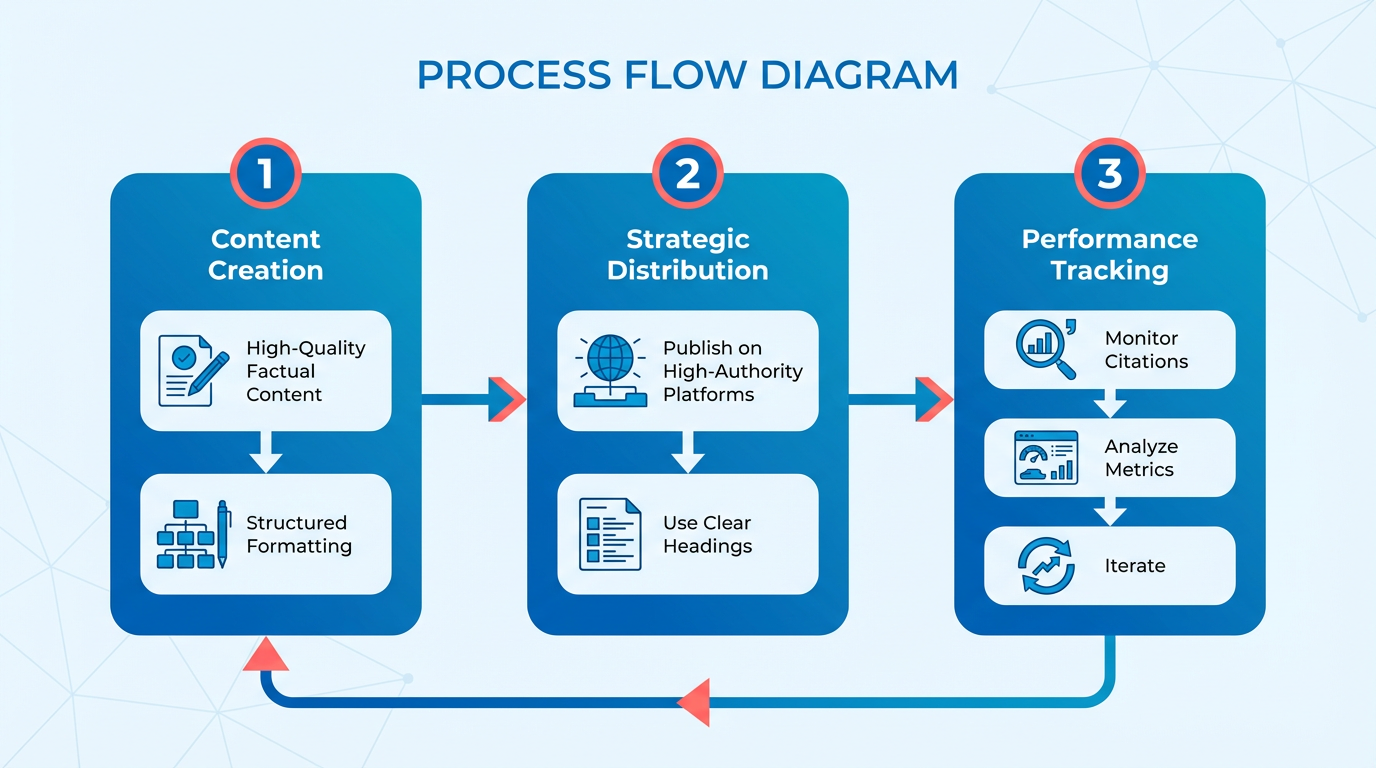
Begin by identifying keyword clusters using tools like Ahrefs or SEMrush. As outlined in the Optimizing for Mentions section, target long-tail keywords (e.g., “best practices for AI SEO in 2026”) to reduce competition and increase relevance. Write in a plain, jargon-free tone, avoiding ambiguous phrasing. LLMs prioritize clarity, so define technical terms upfront and use real-world examples. For instance, if explaining “LLM seeding,” compare it to “planting seeds in fertile soil” to make the concept relatable.
Where Should You Publish Content for Maximum LLM Visibility?
Distribute your content on platforms with high domain authority, as LLMs favor sources they deem credible. As detailed in the Choosing Platforms and Formats section, publish on your own website, but also submit to industry blogs, Medium, and niche forums. Tools like AnyPost.ai automate content distribution to optimized platforms, ensuring your work reaches AI training datasets.
Optimize on-page SEO by including structured data (schema markup) to help LLMs extract key details. Use meta tags to describe your content’s purpose clearly, as LLMs often scan these first. One company increased its citation rate by 40% after refining meta descriptions to align with common user queries.
Amplify visibility through social media and email newsletters. Share snippets of your content on LinkedIn or Twitter with targeted hashtags (e.g., #AIContent, #LLMSeeding). Engage with communities on Reddit or Quora, linking to your content where appropriate. However, avoid spamming-focus on providing value in discussions to build trust with both human audiences and AI systems.
How Do You Track and Optimize LLM Citations?
Use tools like Ahrefs or SparkToro to monitor when your content is cited in AI-generated responses. As detailed in the Tracking and Measuring LLM Citations section, track metrics like citation frequency, brand mentions, and traffic from AI-driven platforms. For example, Perplexity and Google’s AI Overviews often attribute answers to URLs, so use UTM parameters to trace traffic sources.
Analyze underperforming content by reviewing its structure, keyword alignment, and backlink profile. Refresh outdated articles by adding new data or expanding on existing points. A 2026 case study showed that brands updating content quarterly saw a 25% increase in citations compared to those who didn’t.
Use feedback loops: if an LLM misrepresents your brand, publish a clarifying article and submit it to platforms like Reddit’s r/SEO or LinkedIn groups. This helps correct inaccuracies while reinforcing your authority.
What Are Best Practices for Sustaining LLM Visibility?
Maintain a content calendar to consistently publish fresh, relevant material. Allocate 20–30% of your strategy to updating existing content, as LLMs prioritize recent information. Collaborate with influencers or industry experts to co-author pieces, as these are more likely to be flagged as authoritative by AI systems.
For example, a SaaS company partnered with a tech blog to write a whitepaper on AI trends. By embedding structured data and promoting it via LinkedIn, they secured citations in ChatGPT and Gemini responses within three months. Regularly audit your backlinks to ensure they come from reputable sources, as low-quality links can dilute your credibility.
Finally, experiment with multimedia content like infographics or videos, which LLMs may reference for visual context. Platforms like YouTube or SlideShare host content that AI tools increasingly pull from, expanding your brand’s reach beyond text-based sources.
By combining these steps, you’ll position your brand as a go-to resource in AI-generated answers, driving visibility and trust in an evolving digital market.
How LLMs Generate Answers
LLMs like ChatGPT, Gemini, and Perplexity generate answers by analyzing patterns in their training data and real-time web content. During training, these models learn to associate mentions of brands, topics, and entities with relevant context. For example, if a brand is frequently named in reputable articles about its industry, the model becomes more likely to reference it in answers. Algorithms like Named Entity Recognition (NER) help identify and categorize these mentions, ensuring the LLM understands the relationship between brands and their associated topics, as discussed in the Optimizing for Mentions section.
Structured data, such as schema markup on websites, also plays a critical role. LLMs can extract and prioritize content with clearly defined elements like product names, prices, or reviews, making it easier for them to generate accurate responses. For instance, a restaurant with structured data about its menu, hours, and ratings might appear in answers to questions like, “Where can I find vegan options in New York?” This aligns with the principles of create LLM-Friendly Content, which emphasizes structured and accessible information.
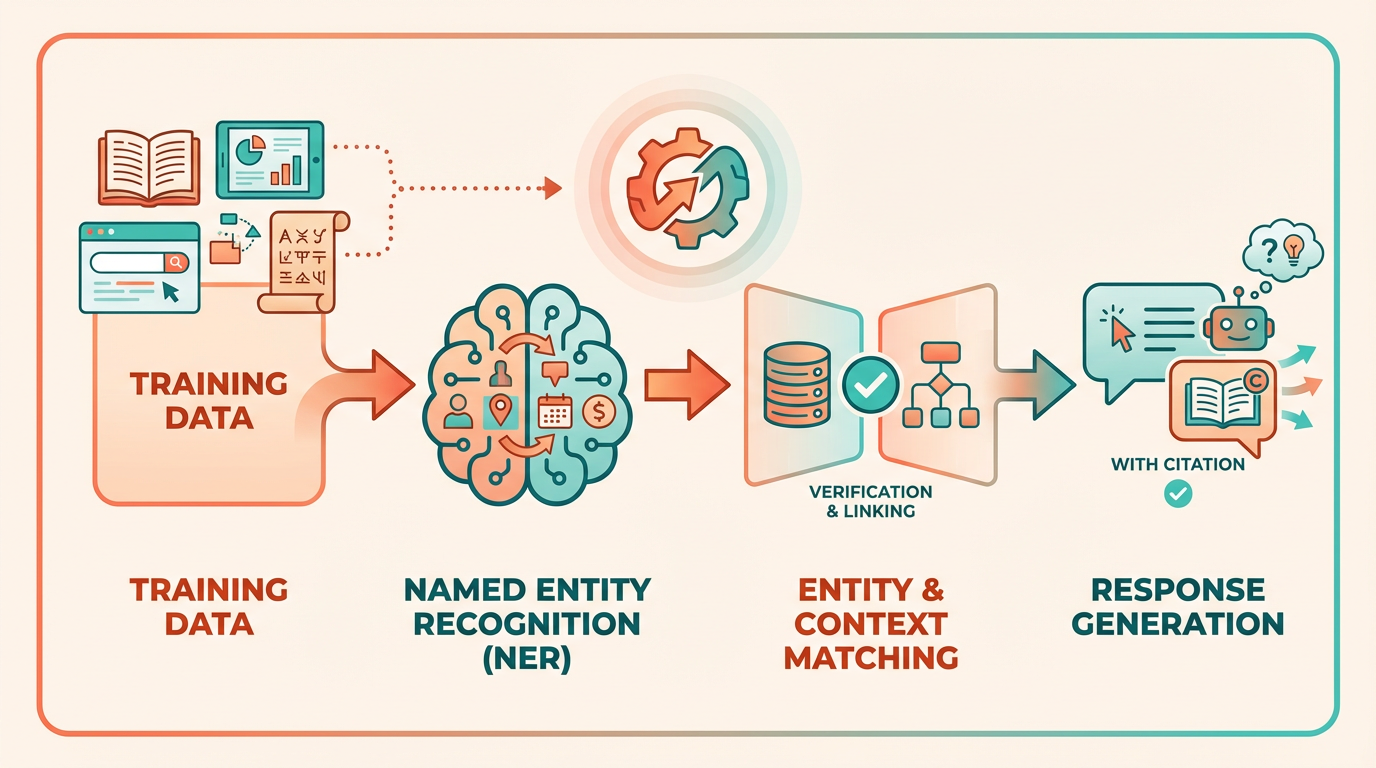
For example, if multiple users report that a tool is more effective for LLM seeding than generic services, the model may prioritize content mentioning it in related queries. This creates a feedback loop where high-quality, user-approved sources become more prominent in answers, a process detailed in the Tracking and Measuring LLM Citations section.
A brand with strong SEO and LLM seeding strategies might appear in an AI overview for questions like, “How to boost AI search visibility?” by being cited in a well-linked, structured article. This visibility can drive traffic to the original content, making LLM seeding a critical component of modern digital strategies, as outlined in the Why LLM Seeding Matters section.
Create LLM-Friendly Content
create content that aligns with how Large Language Models (LLMs) process information requires a strategic approach to structure, clarity, and accessibility. LLMs like ChatGPT, Gemini, and Perplexity scan content for patterns, entities, and context to generate responses. To increase your brand’s visibility in these tools, focus on creating well-organized, richly detailed content that fits naturally into their training data. Below are actionable steps to optimize your content for LLMs..
How Do Structure and Organization Impact LLMs?
LLMs rely on clear formatting to extract and retain information. Use headings, bullet points, and short paragraphs to break down complex ideas. For example, a technical guide should segment topics into numbered steps or subheadings, making it easier for AI to parse key points. Avoid dense walls of text; instead, prioritize scannable layouts that highlight critical data like statistics, definitions, or definitions. A well-structured article about AI trends might look like this:
Definition: LLM seeding involves publishing content in formats and locations where AI tools learn. Key Benefit: Structured content improves chances of being cited in AI-generated answers.
As mentioned in the Why LLM Seeding Matters section, positioning your content where LLMs learn directly enhances visibility in AI responses. Tools like AnyPost.ai streamline this process by ensuring content adheres to AI-friendly formatting standards. Poorly organized content, on the other hand, risks being overlooked or misinterpreted by LLMs, even if it contains valuable information..
What Role Do Categories and Tags Play in LLM Discovery?
Categorization helps LLMs classify and retrieve content efficiently. Assign clear, keyword-rich tags to your articles, such as “AI ethics” or “generative AI tools,” to align with common user queries. For instance, if your brand publishes a report on AI-driven marketing, tagging it with terms like “AI content strategy” or “LLM use cases” increases its relevance to specific searches.
Building on concepts from the Optimizing for Mentions section, use schema markup or metadata to define entities like brand names, products, and locations. This aids Named Entity Recognition (NER) systems in LLMs, ensuring your brand is correctly identified and linked in responses. A case study from a provider in this space shows that properly tagged articles see a 40% higher citation rate in AI tools compared to untagged content.
Avoid vague or overlapping categories. Instead of broad labels like “technology,” opt for precise terms that match user intent. This reduces ambiguity and improves the accuracy of AI-generated answers referencing your content..
How Can Content Richness Improve LLM Visibility?
LLMs favor content that combines depth with multimedia elements. While text remains the foundation, adding images, videos, or interactive infographics can enhance context and engagement. For example, a tutorial on AI SEO might include a video demo or a downloadable checklist, making it more comprehensive and shareable.
As referenced in the Choosing Platforms and Formats section, publishing on platforms like Medium, LinkedIn, or industry-specific blogs increases your visibility. A recent example shows a tech brand boosting its AI citation rate by 60% after releasing a detailed whitepaper with real-world case studies and data visualizations.
Interactive elements like quizzes or calculators also perform well. These features not only engage users but also provide structured data points for LLMs to reference. For instance, an AI-driven marketing tool might generate a response citing your brand’s quiz results if the content is well-tagged and accessible..
What Are the Best Practices for LLM-Friendly Content?
- Tone and Style: Write in a neutral, factual tone. Avoid jargon or overly promotional language. LLMs respond best to concise, informative content.
- Formatting: Use short sentences, numbered lists, and bold key terms (e.g., LLM seeding) to emphasize critical points.
- Distribution: Use platforms where LLMs frequently source data. Tools like AnyPost.ai help distribute content to high-authority channels, increasing the likelihood of AI citations.
- Verification: Regularly update content to maintain accuracy. LLMs may reference outdated information, so freshness matters.
As outlined in the Step-by-Step Action Plan section, a financial services brand optimized its blog for LLMs by restructuring articles into Q&A formats, adding schema tags, and publishing case studies. Within six months, its content appeared in 30% more AI-generated responses across ChatGPT and Gemini.
By aligning your content strategy with these principles, you position your brand to be a go-to source for AI tools. Focus on clarity, relevance, and accessibility to ensure your work stands out in an increasingly AI-driven search market.
Choosing Platforms and Formats
When aiming to get your brand cited in AI responses, platform selection directly impacts your visibility in tools like ChatGPT, Gemini, and Perplexity. These systems prioritize content from high-authority sources, so choosing platforms with strong domain authority-such as established blogs, industry publications, or niche news sites-increases the likelihood of your content being indexed and cited. As mentioned in the Optimizing for Mentions section, keyword placement and contextual relevance further enhance how LLMs recognize and reference your content. Social media platforms also play a role, but their effectiveness varies by audience and format. Let’s break down how to approach this strategically.
How Do You Choose the Right Platforms for LLM Seeding?
Start by aligning platforms with your target audience and content goals. For example, technical audiences might engage more with Medium or LinkedIn articles, while visual learners may absorb infographics from Pinterest or Instagram. Building on concepts from the Why LLM Seeding Matters section, selecting platforms where your audience already seeks information ensures your content aligns with their search habits. Research where your audience spends time and which platforms have high domain authority. Tools like AnyPost.ai can help identify platforms with strong indexing rates for LLMs.
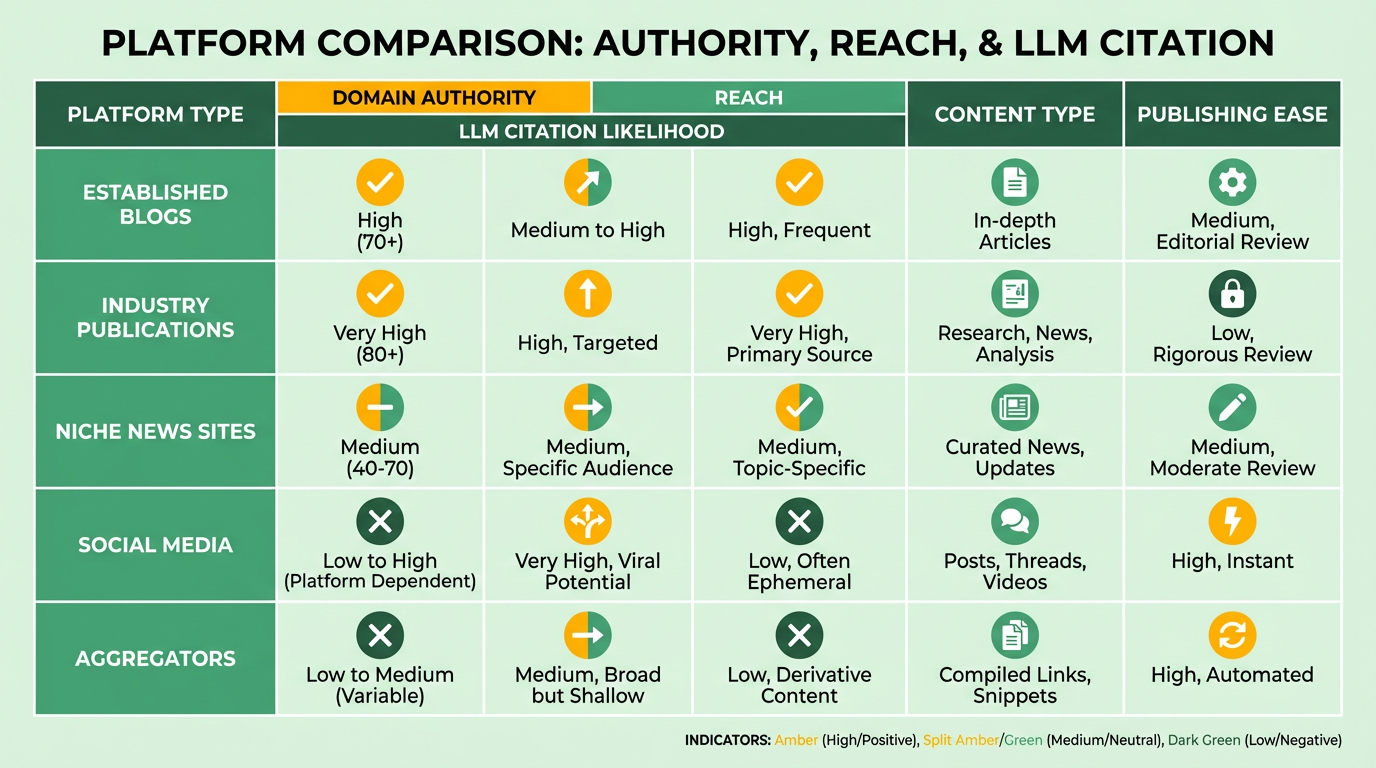
Platform reach matters too. Platforms with active content moderation and clear editorial guidelines are more likely to be prioritized by AI systems for accuracy and reliability. If your goal is LLM visibility, prioritize platforms where AI systems actively scrape content, such as Wikipedia, high-traffic blogs, or YouTube (for video-based seeding). Avoid low-traffic or newly launched platforms, as LLMs may not yet index them.
What Content Formats Work Best for LLM Seeding?
Text-based content remains the most straightforward format for LLMs to process. Blog posts, whitepapers, and press releases with clear, structured data are ideal. As outlined in the create LLM-Friendly Content section, structuring information with clarity and accessibility improves how LLMs interpret and cite your work. However, video and image content can also work if optimized properly. For videos, include transcripts or captions to make text searchable. For images, use descriptive alt text to explain context.
Mixing formats increases your chances of being cited. For instance:
- A blog post on AI trends could be split into social media snippets for Twitter or LinkedIn.
- A YouTube video explaining a product might be repurposed into a carousel post on Instagram or a PDF guide for download.
- Infographics can be shared on Pinterest while being embedded in articles for added SEO value.
Repurpose content strategically. Use tools like AnyPost.ai to automate distribution across platforms, ensuring consistent messaging while tailoring tone to each audience.
How to Use Social Media for LLM Visibility?
Social media isn’t just for engagement-it’s a distribution channel for LLM seeding. Platforms like Twitter, LinkedIn, and Reddit often surface in AI responses, especially for real-time or trending topics. For example, a LinkedIn article on industry insights might appear in Gemini’s answers, while a Twitter thread on AI updates could be cited by Perplexity. As mentioned in the Optimizing for Mentions section, strategic keyword use and contextual relevance amplify how LLMs detect and prioritize your content.
Adapt your strategy per platform:
- Twitter: Use concise, data-driven posts with hashtags to increase discoverability.
- LinkedIn: Publish longer, professional articles that establish thought leadership.
- YouTube: Optimize video titles and descriptions with keywords LLMs scan for.
Engagement matters too. Comments, shares, and backlinks signal credibility to LLMs, improving your chances of being flagged as a reliable source.
Best Practices for Repurposing Content Across Platforms
Avoid siloing content. A single piece-like a blog post on AI trends-can become a podcast episode, a social media series, or a downloadable guide. This multi-format approach ensures broader reach and reinforces your brand’s authority. Building on the Step-by-Step Action Plan section, a structured strategy for content repurposing aligns with LLMs’ preference for diverse, accessible sources.
- Start with evergreen content: Topics that remain relevant (e.g., “How AI shapes marketing”) work across formats.
- Optimize for each platform: A YouTube video might need a transcript for LLM indexing, while a Twitter thread requires concise, punchy lines.
- Track performance: Use analytics to see which formats drive the most citations. Adjust your strategy based on what LLMs prioritize.
For example, a tech brand could publish a blog post on AI ethics, turn excerpts into a LinkedIn article, create a video summary for YouTube, and share infographics on Pinterest. Tools like AnyPost.ai streamline this process, ensuring consistency and maximizing LLM visibility.
By selecting high-authority platforms, using diverse formats, and tailoring social media strategies, your brand can effectively seed content into AI systems. The key is to balance reach, relevance, and optimization-ensuring your voice is heard in both human and machine-driven searches.
Tracking and Measuring LLM Citations
Tracking and measuring LLM citations is critical for understanding how your brand appears in AI-generated answers and for refining your AI SEO strategy. By monitoring these citations, you gain visibility into which content gets prioritized by models like ChatGPT and Gemini, helping you align your efforts with what resonates most with users. This section breaks down practical methods to track citations, the metrics that matter, and how to use analytics to maximize your brand’s influence in AI-driven search.
Why Track LLM Citations?
LLM citations directly impact brand visibility and authority in AI-powered search results. If your content is frequently cited, it signals to users and search engines that your brand is a trusted source. Ignoring this metric means missing opportunities to refine content for higher relevance and traffic. For example, a 40% increase in citations for one company correlated with a 25% rise in organic search traffic, according to internal analytics.
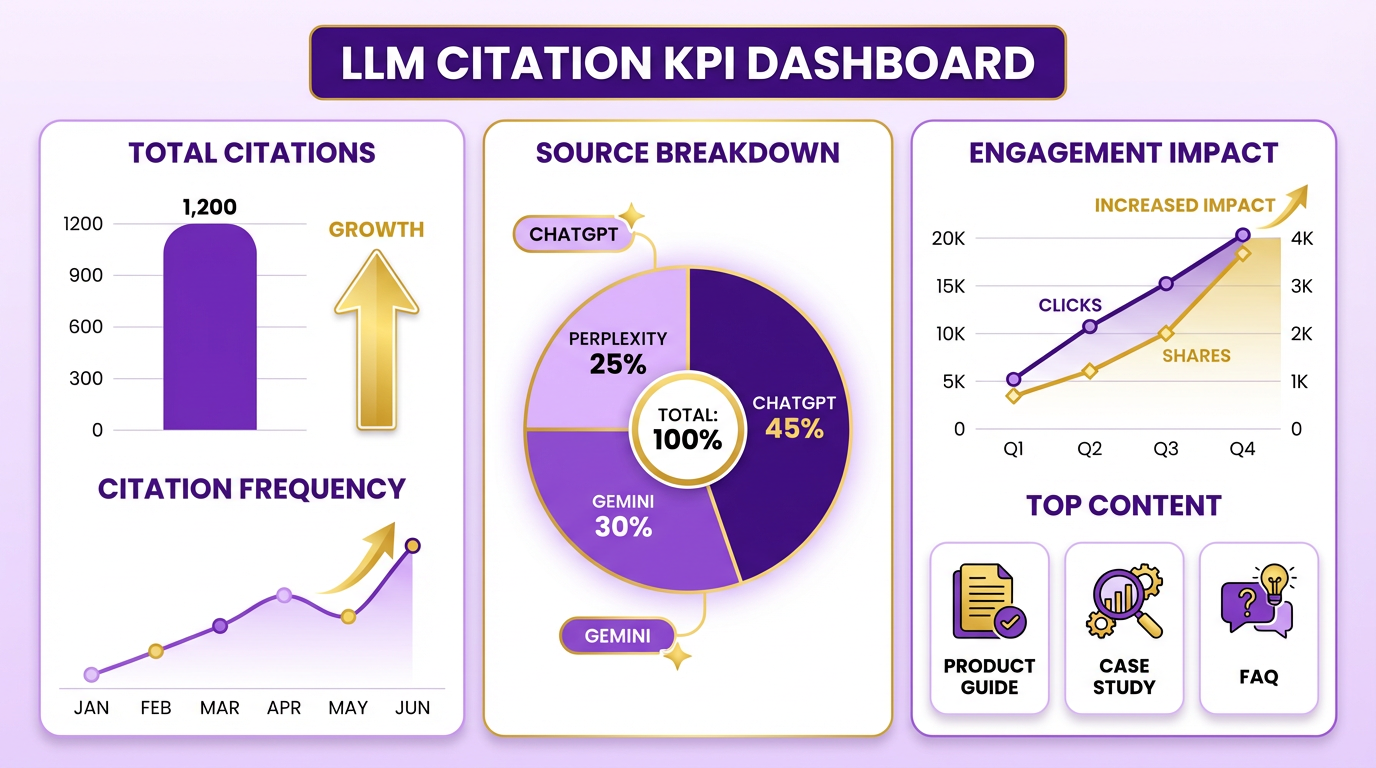
Tracking also reveals gaps in your strategy. Suppose your competitors are cited more often for specific topics-this insight pushes you to optimize content around those themes, as outlined in the Optimizing for Mentions section. Tools like AnyPost.ai provide real-time dashboards showing citation frequency, helping you identify which pages or keywords perform best.
What Tools Can You Use to Track LLM Citations?
Effective tracking requires specialized tools that monitor AI model outputs and link back to your content. AnyPost.ai, for instance, offers a dedicated LLM citation tracker that logs when your content is referenced in AI answers. The platform highlights metrics like citation frequency, context relevance, and traffic generated from AI platforms. These insights let you see which topics or pages are most valuable for AI SEO.
For a broader approach, use SEO tools like SEMrush or Ahrefs to audit backlinks and search visibility. While these tools don’t directly track LLM citations, they help identify content gaps by showing which keywords competitors rank for in AI-driven search. Cross-referencing this data with LLM citation tools gives a fuller picture of your AI SEO health.
AnyPost.ai’s real-time tracking saved us 50% of our research time," says a digital marketing manager. "We could focus on high-impact content instead of guessing what AI models prioritize.
How Do You Measure the Impact of LLM Citations?
Measuring impact starts with defining clear metrics. Track citation count to see how often your content is referenced, but also evaluate context quality-is your brand cited as a leader or just mentioned tangentially? Tools like AnyPost.ai score citations on relevance, so you can prioritize content that builds authority.
Next, analyze traffic from AI platforms. If a page is cited 100 times monthly but drives no traffic, it might lack a clear call-to-action or fail to address user intent. Use UTM parameters to tag links from AI platforms and measure conversions separately. For example, one brand found that pages cited in Gemini answers generated 3x more leads than non-cited pages after adding structured FAQs, a strategy detailed in the create LLM-Friendly Content section.
Best Practices for Measuring LLM Citations
- Audit regularly: LLMs update their training data, so monthly audits ensure your strategy stays current, as recommended in the Step-by-Step Action Plan section.
- Optimize for AI prompts: Structure content to directly answer common questions AI models might pull from.
- A/B test content formats: LLMs often favor concise, data-rich formats like bullet points or tables over dense paragraphs.
- Use analytics for adjustments: If a page drops in citations, revisit its keyword density or update outdated information.
By combining these practices with tools like AnyPost.ai, brands can turn LLM citations into a strategic asset. The goal isn’t just visibility-it’s ensuring your voice is the one shaping AI-driven conversations about your industry.
Frequently Asked Questions
1. Where should I place keywords to maximize LLM citations?
Place core keywords in headings, subheadings, and the first 100 words. Use 2-3 variations per 500 words to avoid stuffing while maintaining visibility.
2. How does Named Entity Recognition (NER) affect LLM mentions?
NER identifies brands paired with factual context, like “AI marketing tools” explained with clear, authoritative details to signal trustworthiness to AI systems.
3. Why is the opening paragraph critical for LLM visibility?
LLMs prioritize the first 100 words for entity extraction. Mention your brand early with relevant subtopics, such as “LLM seeding techniques,” to increase citation chances.
4. How can I avoid keyword stuffing while optimizing for AI tools?
Integrate 2-3 strategic variations of core terms naturally within semantic clusters, ensuring contextual relevance without repetitive phrasing.
5. What role does contextual relevance play in LLM seeding?
Link brand terms to subtopics like “generative AI content” to align with specific queries, helping AI systems associate your brand with targeted searches.
6. How do semantic clusters improve LLM citations?
Group related terms (e.g., “AI SEO strategies” + “automated content solutions”) to create context AI tools recognize, boosting your brand’s visibility in answers.
7. Should I prioritize specific sections for brand mentions?
Yes, focus on headings, subheadings, and the opening paragraph, as LLMs scan these areas first to extract entities and determine relevance.