
Master B2B Corporate Lead Generation Strategies

Related Video
Watch: 7 Keys to Lead Generation & Sales Prospecting for Business Development and B2B Sales by Patrick Dang
Section 1: Understanding B2B Corporate Lead Generation
Definition of B2B Lead Generation
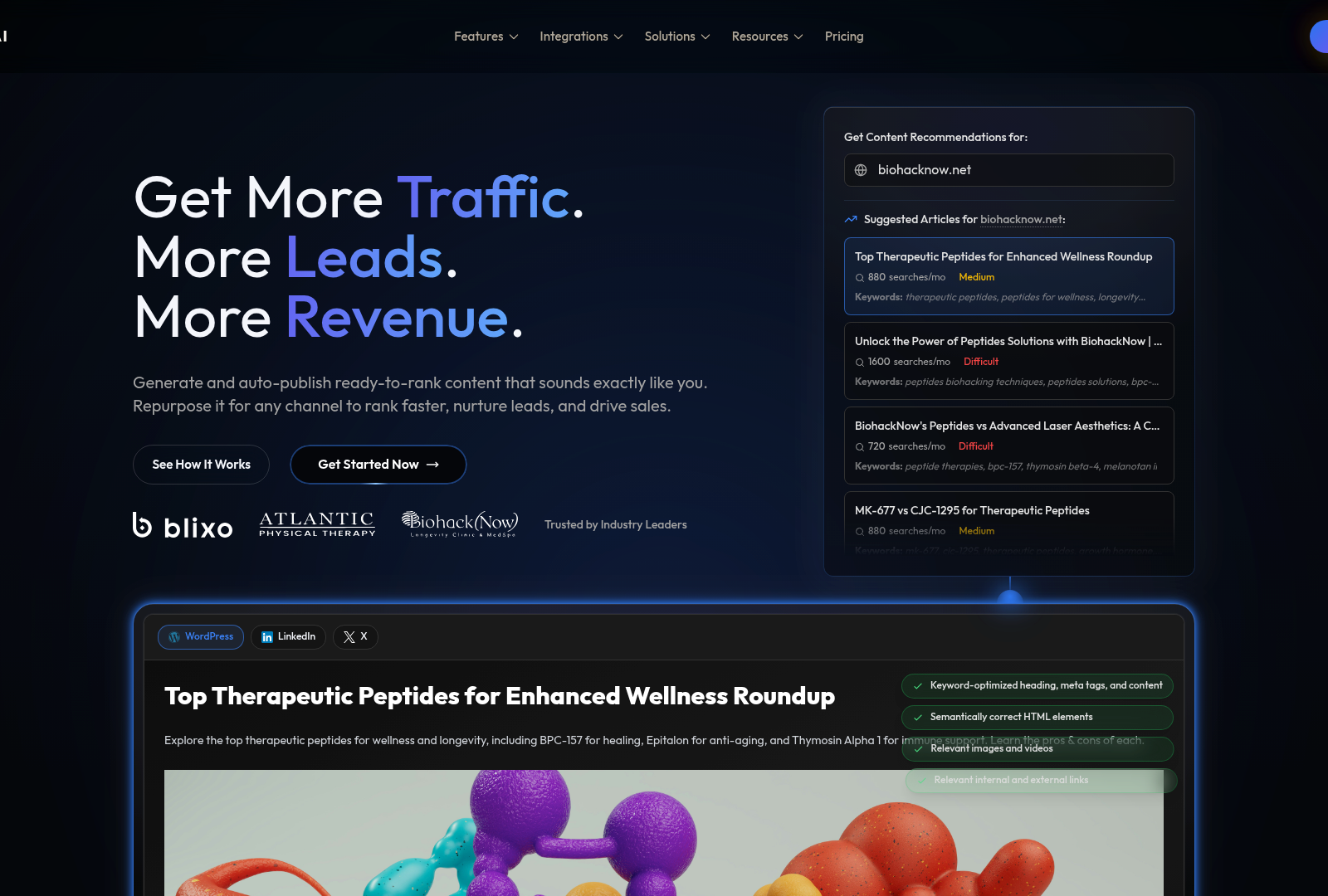
B2B lead generation is the process of identifying potential buyers for a product or service and encouraging them to take action, such as making a purchase or requesting more information [2]. Specifically in business-to-business (B2B) contexts, this involves acquiring contact details, job titles, and other data to create targeted outreach [6]. The process is distinct from B2C lead generation due to the complexity of decision-making in corporate settings, where multiple stakeholders often influence purchasing decisions [7]. Effective strategies focus on nurturing relationships through tailored content and data-driven approaches, as highlighted by companies struggling to optimize their efforts [1]. The ultimate goal is to move prospects through the sales funnel by aligning lead generation activities with the buyer’s journey [10].
Importance of B2B Lead Generation in Sales Funnel Success
Lead generation is critical to B2B sales because it lays the foundation for converting prospects into customers. High-quality leads reduce sales effort, minimize churn, and lower customer acquisition costs by streamlining the sales process [4]. For software companies and other B2B firms, consistent lead generation ensures a steady pipeline of opportunities, directly impacting revenue growth [1]. Without a robust strategy, businesses risk gaps in their sales funnel, making it harder to meet revenue targets [10]. Additionally, lead generation supports long-term brand visibility and market penetration, as recurring campaigns keep the company top-of-mind for decision-makers [8]. By prioritizing lead generation, organizations can align their marketing and sales teams around shared objectives, improving overall efficiency [6].
Common Challenges in B2B Lead Generation
Despite its importance, B2B lead generation faces significant hurdles. Many companies report struggles with outdated tactics or misaligned strategies, leading to low conversion rates [1]. A primary challenge is acquiring accurate and up-to-date prospect data, as incomplete or incorrect information hampers targeting efforts [7]. Another issue is bridging the gap between lead generation and sales, where marketing-generated leads may not align with the sales team’s priorities [10]. Additionally, the extended decision-making process in B2B environments requires sustained engagement, which is difficult to maintain without personalized content [8]. For strategies to create personalized content, see the Leveraging Automated Content Generation for Lead Generation section [11]. Budget constraints and competition further complicate efforts, as businesses must allocate resources effectively to outperform rivals [4]. Overcoming these challenges demands a strategic approach that integrates data analytics, automation, and continuous optimization [12].
Role of Content Marketing in Effective Lead Generation
Content marketing is a cornerstone of B2B lead generation, serving as a tool to attract, engage, and convert prospects. By addressing pain points through blogs, whitepapers, and case studies, businesses can position themselves as thought leaders and build trust with potential customers [8]. For instance, creating content that solves specific industry problems helps capture leads by offering value in exchange for contact information [7]. Personalized content, such as targeted email campaigns or LinkedIn articles, further enhances relevance and increases conversion rates [11]. However, successful content marketing requires a lead scoring system to prioritize high-value prospects and allocate resources efficiently [8]. See the Measuring and Tracking Lead Generation Performance section for more details on lead scoring systems [6]. Companies must also ensure their content aligns with the buyer’s journey, providing educational, consideration, and decision-stage materials to guide leads toward conversion [10]. When executed well, content marketing reduces reliance on interruptive tactics and fosters organic growth [9].
Best Practices for Overcoming Lead Generation Challenges
To address common obstacles, B2B firms should adopt proven best practices. First, leveraging data analytics to refine targeting ensures efforts are focused on high-intent prospects [4]. Tools like CRM platforms and lead scoring systems help identify and prioritize leads based on behavior and engagement metrics [12]. Second, integrating multi-channel strategies—such as combining email marketing with social media outreach—increases visibility and reach [13]. For strategies on repurposing content across different channels, see the Repurposing Content for Different Channels and Lead Generation section [13]. Third, continuous A/B testing of messaging and formats improves campaign performance over time [7]. Finally, fostering collaboration between marketing and sales teams ensures alignment in lead definitions and follow-up processes [6]. By implementing these practices, businesses can enhance their lead generation outcomes and drive sustainable growth [10].
Section 2: Content Marketing Strategies for Lead Generation
Content marketing is a cornerstone of B2B lead generation, requiring a strategic approach to content creation, distribution, and optimization. Effective strategies begin with selecting the right types of content to address audience pain points and establish authority. Blog posts, whitepapers, case studies, and webinars are commonly used to provide value and capture leads through gated downloads or sign-ups [7]. Additionally, Q&A sessions on platforms like Reddit and Quora help build credibility by positioning companies as thought leaders while directly engaging potential buyers [3]. Interactive content, such as assessments or calculators, further enhances engagement by offering personalized insights [9]. The goal is to align content with the buyer’s journey, ensuring it addresses specific challenges at each stage [8].
Types of Content for Lead Generation
B2B audiences often prefer educational and solution-oriented content that reduces decision-making friction. Whitepapers and case studies, for instance, provide in-depth analysis and real-world examples, making them effective for nurturing leads [7]. Blog posts optimized for long-tail keywords can attract targeted traffic and serve as entry points for lead capture forms [2]. Webinars and video content, particularly those addressing industry-specific challenges, foster deeper engagement and trust [10]. Surveys and polls are also valuable, as they generate user-generated insights while highlighting a company’s expertise [3]. For technical audiences, resource guides and implementation checklists offer actionable steps, reinforcing authority and practicality [5].
Content Channels for B2B Lead Generation
Distributing content through the right channels ensures visibility among target decision-makers. LinkedIn remains a critical platform for B2B lead generation due to its professional audience and advanced targeting options [5]. Regularly publishing thought leadership articles, participating in industry groups, and leveraging LinkedIn Ads can amplify reach [11]. Email marketing, particularly through segmented newsletters and automated drip campaigns, delivers personalized content directly to prospects [8]. For community-driven engagement, Reddit and Quora allow brands to participate in relevant discussions and share expertise without overt promotion [3]. Paid search ads, especially when aligned with high-intent keywords like “B2B software solutions,” drive traffic to lead capture pages [5]. A multichannel approach, combining owned, earned, and paid media, ensures comprehensive coverage [13].
SEO Optimization for Lead Generation
Search engine optimization (SEO) is essential for ensuring content reaches the right audience organically. Content should prioritize solving specific pain points, as this aligns with user search intent and improves relevance [8]. Keyword research tools help identify terms with high commercial intent, such as “B2B lead generation strategies,” which can be incorporated into blog titles and meta descriptions [2]. On-page SEO techniques, including optimizing headers, image alt texts, and internal linking, enhance search visibility [10]. Technical SEO audits address site speed, mobile responsiveness, and crawl errors to maintain a competitive edge [10]. Additionally, structured data markup can improve rich snippet visibility, increasing click-through rates to lead generation assets like whitepapers [7]. See the [Section 4] section for more details on keyword research and advanced SEO techniques.
Repurposing Content for Different Channels
Maximizing the value of existing content reduces production costs while expanding reach. A webinar, for example, can be edited into a shorter video for LinkedIn, transcribed into a blog post, and distilled into social media snippets for platforms like Twitter [9]. Case studies can be transformed into infographic summaries for visual learners or adapted into customer testimonial videos [7]. Blog posts can be repurposed as email newsletter segments or slide decks for industry events [3]. By adapting content formats to suit channel-specific preferences—such as using LinkedIn for long-form articles and Twitter for punchy takeaways—brands maintain consistency while broadening engagement [11]. Building on concepts from [Section 5], tools like Canva or Adobe Express streamline this process, enabling rapid creation of repurposed assets [9].
Section 3: Leveraging Automated Content Generation for Lead Generation
Benefits of Automated Content Generation
Automated content generation tools streamline B2B lead generation by enabling rapid creation of scalable, data-driven content. These tools leverage templates, AI-driven insights, and pre-written frameworks to produce blog posts, whitepapers, case studies, and social media content tailored to target audiences [10]. One major benefit is time efficiency—automated systems reduce manual effort, allowing marketing teams to focus on strategy and relationship-building [5]. Additionally, they ensure consistency in messaging across channels, reinforcing brand identity while maintaining alignment with lead nurturing goals [7]. For instance, platforms like HubSpot and Marketo integrate automation to generate personalized content at scale, improving engagement rates by up to 30% in some B2B sectors [10]. As mentioned in the [Section 2] section, personalization is a critical component of effective B2B content marketing.
Limitations of Automated Content Generation
Despite its advantages, automated content generation has notable limitations. AI-generated content may lack the nuanced creativity and industry-specific expertise required for high-stakes B2B audiences, potentially leading to generic or formulaic outputs [9]. Over-reliance on automation without human oversight can result in misaligned messaging or errors in technical details, undermining credibility [10]. Furthermore, automated tools often struggle with contextual depth—such as adapting tone for niche markets or addressing complex pain points—requiring manual intervention for refinement [5]. For example, a 2025 study noted that 42% of B2B marketers reported quality issues with AI-generated content, particularly in regulated industries like healthcare or finance [10].
Best Practices for Using Automated Content Generation Tools
To maximize effectiveness, businesses should adopt a hybrid approach, pairing automation with human expertise. Start by defining clear use cases, such as generating draft outlines, repurposing existing content, or automating low-creativity tasks like social media updates [7]. Use templates to guide AI tools, ensuring outputs align with brand guidelines and regulatory requirements [10]. For instance, [5] recommends training AI models on internal content libraries to improve accuracy and relevance. Regularly audit generated content for quality, and implement a review workflow where subject-matter experts validate technical details. Additionally, A/B testing should be conducted to measure performance against manually created content, refining prompts and parameters over time [9]. See the [Section 6] section for more details on measuring and optimizing lead generation performance through A/B testing.
Integration with Other Marketing Tools
Automated content generation tools function optimally when integrated with broader marketing ecosystems. Connect these platforms with CRM systems like Salesforce or HubSpot to sync lead data, enabling hyper-personalized content based on user behavior and demographics [10]. For example, integrating AI content tools with email marketing platforms allows dynamic insertion of lead-specific details into newsletters or follow-up sequences [7]. Analytics tools such as Google Analytics or Adobe Analytics should also be linked to track engagement metrics, identifying high-performing content patterns [5]. Automation workflows can further synchronize with SEO tools like Ahrefs or SEMrush to optimize content for search visibility, ensuring generated assets align with keyword strategies [9]. Building on concepts from [Section 4], SEO integration is critical for maximizing organic reach and lead generation.
Balancing Automation with Strategic Human Input
While automation accelerates content production, strategic human input remains critical. Assign dedicated teams to curate training datasets for AI models, ensuring outputs reflect organizational values and industry standards [10]. Collaborate between marketing and sales teams to align content themes with buyer journey stages, addressing gaps identified in lead qualification processes [5]. For instance, sales feedback can highlight underperforming content areas, guiding refinements in automated workflows [9]. Finally, maintain a repository of human-edited content to serve as benchmarks for AI models, fostering continuous improvement in quality and relevance [10].
Section 4: Optimizing Content for SEO and Lead Generation
Effective SEO begins with identifying the right keywords to attract high-intent B2B buyers. As mentioned in the Understanding B2B Corporate Lead Generation section, this process starts by leveraging tools like Google Keyword Planner, SEMrush, or Ahrefs to uncover terms your target audience searches for [9]. Focus on long-tail keywords—specific phrases with lower competition, such as “B2B lead generation software for SaaS companies”—to capture niche audiences further along the buying journey [10]. Prioritize keywords with commercial intent, such as “buy,” “pricing,” or “compare,” which indicate a prospect is closer to making a decision [9]. Additionally, analyze competitors’ content to identify gaps and opportunities, using tools like SpyFu or SimilarWeb to reverse-engineer their top-performing keywords [10]. Incorporate these insights into your content strategy to align with what prospects are actively seeking, increasing the likelihood of driving qualified traffic [9].
Once keywords are identified, optimize content elements to improve search engine rankings and user engagement. Start by strategically placing primary keywords in high-impact areas: title tags, meta descriptions, headers (H1, H2, H3), and the first 100 words of body content [10]. Use headers to break up text and make it scannable, ensuring each section addresses a specific sub-topic relevant to the main keyword [9]. Optimize images by adding descriptive file names and alt text that include relevant keywords, which also enhances accessibility [10]. Internal linking is another critical tactic—connect related pages within your website to distribute authority and guide users to additional resources [9]. For example, a blog post about “B2B lead generation strategies” could link to a case study or product page, creating a seamless user journey while boosting SEO [10]. To explore how repurposed content can enhance internal linking strategies, see the Repurposing Content for Different Channels and Lead Generation section.
Building high-quality backlinks remains a cornerstone of SEO-driven lead generation. Guest blogging on industry-relevant websites is an effective method to earn authoritative links while positioning your brand as an expert [9]. For instance, publishing a thought leadership piece on a third-party B2B tech blog can drive referral traffic and improve domain authority [10]. Another approach is to create link-worthy assets, such as whitepapers, infographics, or data-driven reports, which other websites are more likely to reference [9]. Outreach tools like Hunter.io or LinkedIn Sales Navigator can help identify contact points for personalized outreach [10]. Additionally, leveraging partnerships with complementary businesses—such as co-hosting webinars or appearing on podcasts—can generate backlinks and expand your reach [9]. Always prioritize relevance and authority when pursuing backlinks, as links from high-trust domains (e.g., .edu or .gov sites) carry more weight in search algorithms [10].
To refine your SEO and lead generation efforts, implement robust tracking and analytics. Use Google Analytics to monitor organic traffic trends, bounce rates, and conversion rates for specific landing pages [10]. Set up goals (e.g., form submissions, demo requests) to quantify how SEO contributes to lead generation [9]. Tools like Search Console provide insights into keyword rankings, click-through rates (CTR), and technical issues like broken links or crawl errors [10]. A/B test meta titles and descriptions to improve CTR, using data from tools like Optimizely or Google Optimize [9]. For deeper analysis, track the customer journey with UTM parameters to see how organic traffic interacts with other channels, such as email or paid ads [10]. Regularly audit your SEO performance using platforms like Screaming Frog or BrightEdge to identify underperforming content and adjust strategies accordingly [9]. For an in-depth look at measuring lead generation success, refer to the Measuring and Tracking Lead Generation Performance section. By continuously measuring and iterating, you can align SEO efforts with business objectives and maximize ROI [10]. Building on concepts from the Implementing a Comprehensive Lead Generation Strategy section, a structured approach ensures these SEO techniques integrate seamlessly into broader lead generation goals.
Section 5: Repurposing Content for Different Channels and Lead Generation
Repurposing content is a critical strategy for amplifying the reach and impact of B2B lead generation efforts. By adapting existing content for different channels—such as social media, email newsletters, and YouTube—businesses can maximize efficiency while maintaining consistent messaging. As mentioned in the Leveraging Automated Content Generation section, repurposing reduces content creation costs by up to 60% and increases audience engagement across platforms [9]. Additionally, multichannel distribution strengthens brand visibility, which is essential for B2B audiences who often engage with content through diverse touchpoints [13]. For example, a single blog post can be transformed into a LinkedIn article, a YouTube video script, or a series of Twitter threads, ensuring the core message reaches different segments of the target audience [10].
Strategies for Repurposing Content
Effective repurposing begins with identifying high-performing content and mapping it to the strengths of each channel. A Q&A format, such as those conducted on Reddit or Quora, can be repurposed into a webinar or podcast episode, leveraging the credibility built from direct audience interaction. See the Content Marketing Strategies section for more details on selecting and adapting content formats [3]. Similarly, webinar recordings can be edited into shorter YouTube videos or social media clips to maintain viewer interest [10]. For email newsletters, case studies or whitepapers can be summarized into digestible bullet points with links to the full resource, encouraging downloads and lead captures [9]. Strategic repurposing also involves tailoring content tone and format to align with platform conventions, such as using concise, visually driven posts for LinkedIn and Instagram versus detailed, research-backed articles for industry blogs [11].
Best Practices for Channel-Specific Optimization
Each channel requires distinct adjustments to optimize engagement and lead generation. On LinkedIn, professional audiences respond well to thought leadership pieces, such as infographics summarizing industry trends or carousel posts breaking down complex concepts [11]. For YouTube, repurposing long-form content into vertical videos with clear CTAs—like subscribing or visiting a landing page—can improve click-through rates (CTRs) and viewer retention [10]. Email newsletters benefit from personalized subject lines and segmented content, where repurposed blog insights are paired with targeted offers, such as free trials or consultations [9]. Social media platforms like Twitter and LinkedIn demand frequent, bite-sized updates; tools like Canva can streamline the creation of visually consistent posts from existing content [13].
Measuring the Effectiveness of Repurposed Content
To evaluate the success of repurposed content, businesses must track metrics specific to each channel and lead generation objective. Key performance indicators (KPIs) include engagement rates (likes, shares, comments), conversion rates (form fills, downloads), and CTRs for email campaigns [9]. Building on concepts from the Measuring and Tracking Lead Generation Performance section, analytics tools like Google Analytics or CRM software can trace how repurposed assets contribute to lead scoring and pipeline progression [10]. For example, a LinkedIn article repurposed from a webinar might generate 30% more leads than the original post, highlighting the value of cross-platform adaptation [11]. A/B testing variations of repurposed content—such as different headlines or CTAs—can further refine strategies and identify high-performing formats [9]. Regularly auditing these metrics ensures resources are allocated to the most effective repurposed assets, sustaining momentum in lead generation efforts.
By systematically repurposing content across channels, B2B marketers can extend the lifecycle of their content while addressing the unique preferences of their audience. Combining strategic adaptation with rigorous measurement ensures that every piece of content contributes meaningfully to lead generation goals.
Section 6: Measuring and Tracking Lead Generation Performance
Measuring and tracking lead generation performance is critical to refining B2B strategies and ensuring alignment with business goals. Key metrics and KPIs provide actionable insights into campaign effectiveness, enabling teams to identify strengths and weaknesses. Conversion rate, defined as the percentage of leads that progress to the next stage in the sales funnel, is a foundational metric [8]. Another critical KPI is the lead-to-customer ratio, which measures how many leads ultimately convert into paying customers, highlighting the efficiency of nurturing efforts [10]. Cost per lead (CPL), calculated by dividing total campaign spend by the number of leads generated, helps assess budget allocation effectiveness [8]. Engagement metrics, such as email open rates or website bounce rates, further reveal how well content resonates with target audiences [11]. By tracking these metrics, teams can pinpoint underperforming strategies and reallocate resources to high-impact activities [9]. For instance, a high CPL may signal the need to refine targeting or improve landing page relevance [10].
Leveraging Analytics Tools for Performance Insights
Analytics tools are indispensable for aggregating and interpreting lead generation data. Platforms like LinkedIn’s analytics suite, discussed in [11], allow B2B marketers to evaluate engagement patterns and refine demand-generation tactics. Salesforce’s lead scoring system [8], which assigns values to leads based on behavior and demographics, enables teams to prioritize high-potential prospects and track their progression through the sales cycle. Integrating tools like Google Analytics or CRM platforms provides a unified view of lead sources, conversion paths, and revenue attribution [10]. For example, tracking referral sources via UTM parameters can clarify which channels (e.g., social media, email campaigns) drive the most qualified leads [9]. Advanced tools also support A/B testing of content variations, such as subject lines or call-to-action buttons, to optimize engagement [11]. Regularly exporting and analyzing this data ensures teams stay agile, adapting strategies in real time to shifting market dynamics [10]. See the [Section 5] section for more details on how repurposing content can affect engagement metrics.
Tracking and Measuring Campaign Effectiveness
Effective tracking requires aligning metrics with specific campaign objectives. For instance, if the goal is to boost webinar sign-ups, tracking metrics like click-through rates (CTRs) and registration completion rates becomes essential [9]. Source [10] emphasizes the importance of monitoring the “lead-to-opportunity” timeline, which measures how quickly leads transition into sales-qualified opportunities, revealing bottlenecks in the process. Teams should also assess lead quality by evaluating whether generated leads meet predefined criteria, such as company size or industry [8]. Tools like lead scoring systems [8] automate this evaluation, flagging prospects who exhibit high-intent behaviors like downloading gated content or engaging with multiple touchpoints. Cross-referencing these scores with CRM data ensures a holistic view of campaign success [11]. Periodic reporting—weekly or monthly dashboards—keeps stakeholders informed and facilitates data-driven decision-making [10].
Optimizing Campaigns Based on Data-Driven Insights
Optimization begins with identifying trends in performance data. For example, if analytics reveal that video content drives higher engagement than blog posts, reallocating resources to video production can amplify results [9]. Building on concepts from [Section 2], which emphasizes creating content that aligns with audience preferences, teams should test new messaging based on feedback from high-scoring leads. Additionally, adjusting lead scoring thresholds [8] ensures sales teams focus on the most promising prospects, reducing wasted effort. Budget optimization is another key area: campaigns with a high CPL but low conversion rates may require revising targeting criteria or adjusting ad creatives [10]. Source [11] underscores the role of continuous experimentation, such as testing different LinkedIn ad formats, to uncover what resonates with B2B audiences. By institutionalizing a feedback loop between analytics and strategy, organizations can sustainably improve lead generation outcomes [10].
Limitations and Considerations
While data provides clarity, it is not without limitations. Sources [8] and [11] caution against over-reliance on isolated metrics, as they may not capture the full customer journey. For instance, a lead with a low score might later become a high-value client, highlighting the need for contextual analysis. Teams should also account for external factors like market saturation or economic shifts that may skew performance data [10]. Regular audits of tracking mechanisms—ensuring UTM parameters are correctly configured or CRM data is clean—are essential to avoid misinterpretation [9]. Finally, balancing quantitative insights with qualitative feedback from sales teams provides a more nuanced understanding of lead quality [8].
By systematically measuring performance, integrating analytics tools, and iterating on data, B2B marketers can transform lead generation from a guessing game into a strategic, results-driven process [9][10]. Building on concepts from [Section 8], which outlines the implementation of lead scoring systems as part of a comprehensive strategy, organizations can further refine their approaches.
Section 7: Advanced Lead Generation Strategies and Trends
AI and machine learning are transforming B2B lead generation by enabling data-driven decision-making and automation. These technologies analyze vast datasets to identify high-potential leads, predict buyer behavior, and optimize outreach timing [4]. For example, machine learning algorithms can segment leads based on engagement patterns, such as website visits or email interactions, allowing teams to prioritize accounts with the highest conversion likelihood [10]. AI also automates repetitive tasks like lead scoring and follow-up emails, reducing manual effort while improving consistency [4]. However, challenges include ensuring data quality and avoiding over-reliance on automation, which may lack the nuance of human judgment [12]. As noted in the 2026 strategies, integrating AI with CRM systems is critical for real-time lead insights [4]. See the Leveraging Automated Content Generation for Lead Generation section for more details on how AI streamlines processes.
Account-based marketing (ABM) has emerged as a powerful strategy for targeting high-value accounts with tailored approaches. Unlike traditional lead generation, ABM focuses on specific companies rather than broad audiences, using personalized content and multi-channel campaigns to engage decision-makers [5]. For instance, B2B marketers leverage ABM to create customized case studies or demo requests aligned with a target account’s industry challenges [10]. This approach increases conversion rates by addressing the unique pain points of each account [7]. However, ABM requires significant resources, including detailed account research and cross-functional collaboration between sales and marketing teams [10]. Source [4] highlights that ABM success hinges on aligning sales and marketing goals to avoid miscommunication and wasted effort. Building on concepts from the Content Marketing Strategies for Lead Generation section, ABM relies heavily on creating content that resonates with target accounts.
Personalization and customization are now essential for effective lead generation, driven by advancements in data analytics and customer insights. Modern B2B marketers use dynamic content tools to deliver personalized emails, landing pages, and social media ads based on a lead’s role, company size, or browsing history [9]. For example, a SaaS company might send different messaging to a finance director versus an IT manager, emphasizing cost savings or technical features [7]. Source [4] emphasizes that hyper-personalization reduces churn by fostering stronger relationships, but it requires robust data governance to avoid privacy violations. Additionally, balancing automation with human touchpoints—such as personalized video messages—can enhance trust without overwhelming teams [9]. As mentioned in the Measuring and Tracking Lead Generation Performance section, personalization efforts must be continuously evaluated to ensure ROI and alignment with business goals.
Section 8: Implementing a Comprehensive Lead Generation Strategy
Implementing a comprehensive B2B lead generation strategy requires a structured approach that integrates the insights and techniques outlined in this article. The first step is aligning sales and marketing teams to ensure cohesive execution. Misalignment between these departments often leads to inefficiencies, as highlighted by a software company’s struggles with lead generation [1]. To address this, teams should establish shared goals, such as defining “qualified leads” and aligning on metrics like conversion rates [4]. Regular cross-departmental meetings and collaborative tools, such as shared CRMs, can bridge communication gaps and streamline lead handoffs [6]. By aligning on priorities, teams reduce redundant efforts and focus on strategies that directly support sales objectives [10]. As mentioned in the [Section 1] section, understanding the foundational principles of B2B lead generation is critical for contextualizing these alignment efforts.
Creating a lead generation plan and budget involves selecting targeted tactics and allocating resources effectively. Begin by identifying high-impact strategies such as content marketing, LinkedIn engagement, and well-timed Google Ads campaigns [5]. A 2026 guide emphasizes the importance of budgeting for multichannel efforts, including paid advertising, content creation, and event sponsorships [4]. For example, allocating a portion of the budget to platforms like Reddit and Quora for Q&A participation can enhance credibility and attract qualified leads [3]. See the [Section 2] section for more details on how content marketing strategies can be tailored to drive lead generation. Additionally, a lead scoring system—where marketing and sales agree on criteria like engagement level and firmographics—ensures resources are focused on the most promising prospects [8]. Budgets should also account for analytics tools to track campaign performance and adjust spending dynamically [10].
Execution and tracking of a lead generation campaign demand precision and continuous monitoring. Start by deploying tactics such as targeted LinkedIn campaigns, gated content downloads, and personalized outreach via email or social media [5]. For instance, creating thought leadership content that addresses industry pain points can drive organic engagement while capturing lead information [7]. Concurrently, track key performance indicators (KPIs) like lead-to-opportunity conversion rates, cost per lead, and engagement metrics across channels [13]. Tools like Google Analytics and CRM dashboards provide real-time data to assess campaign effectiveness. Regular reviews of these metrics enable teams to identify underperforming tactics and reallocate resources swiftly [9]. A case study in source [3] demonstrates how structured Q&A participation on platforms like Reddit not only builds brand authority but also generates measurable leads when paired with follow-up strategies. Building on concepts from [Section 6], measuring and tracking lead generation performance is essential for refining tactics and ensuring alignment with business goals.
Optimizing and refining the lead generation strategy is an iterative process that relies on data-driven adjustments. A/B testing different content formats, CTAs, and audience segments can reveal what resonates most with target buyers [9]. For example, source [4] notes that refining ad copy and targeting based on initial performance data reduces sales effort and lowers customer acquisition costs. Additionally, leveraging social CRM tools to analyze interactions on LinkedIn or other platforms can uncover insights into prospect behavior, enabling more personalized follow-ups [12]. Teams should also conduct quarterly reviews to assess alignment with business goals, incorporating feedback from sales representatives about lead quality and conversion challenges [6]. By integrating these insights, organizations can adapt their strategies to evolving market conditions and buyer preferences [10].
Finally, a successful lead generation strategy requires ongoing collaboration and adaptability. Source [13] emphasizes the role of multichannel mechanisms, such as combining email marketing with webinars or industry events, to maximize reach. Teams should prioritize tactics that align with their audience’s digital habits—such as video content for younger demographics or whitepapers for decision-makers in established industries [7]. Budget flexibility is also critical; reallocating funds to high-performing channels or emerging opportunities ensures sustained momentum [4]. By fostering a culture of experimentation and learning, B2B companies can transform lead generation from a reactive process into a proactive, scalable growth driver [5].
References
[1] We're struggling with our B2B lead generation strategies. We've tried ... - https://www.reddit.com/r/LeadGeneration/comments/1foblv8/were_struggling_with_our_b2b_lead_generation/
[2] What is B2B lead generation? 15 proven strategies for growth - https://www.zendesk.com/blog/b2b-lead-gen/
[3] Favorite B2B lead generation strategies? : r/SEO - https://www.reddit.com/r/SEO/comments/176nrrh/favorite_b2b_lead_generation_strategies/
[4] 9 Tips to Boost B2B Lead Generation in 2026 - https://www.dealfront.com/blog/tips-to-generate-b2b-leads
[5] 10 Expert-Approved B2B Lead Generation Strategies - https://www.wordstream.com/blog/ws/2019/10/17/b2b-lead-generation
[6] B2B Sales Strategy: A 2026 Top Guide to Success | Leadfeeder - https://www.leadfeeder.com/blog/b2b-lead-generation-strategies-and-tactics/
[7] 37 B2B Lead Generation Strategies that Work | Sendoso - https://www.sendoso.com/demand-generation/b2b-lead-generation-strategies
[8] What is Lead Generation? Guide & Best Practices | Salesforce - https://www.salesforce.com/marketing/lead-generation-guide/
[9] 59 B2B Lead Generation Ideas to Steal | Sendoso - https://www.sendoso.com/demand-generation/b2b-lead-gerneration-ideas
[10] B2B Lead Generation Strategies for 2025 - Ultimate Guide - https://www.callboxinc.com/lead-generation/b2b-lead-generation-strategies-guide/
[11] (PDF) Digital Marketing on LinkedIn: In-Depth Strategies for Lead ... - https://www.researchgate.net/publication/380433146_Digital_Marketing_on_LinkedIn_In-Depth_Strategies_for_Lead_Generation
[12] (PDF) The role of social CRM and its potential impact on lead ... - https://www.researchgate.net/publication/264837125_The_role_of_social_CRM_and_its_potential_impact_on_lead_generation_in_business-to-business_marketing
[13] (PDF) Lead generation strategy as a multichannel mechanism of ... - https://www.researchgate.net/publication/311575642_Lead_generation_strategy_as_a_multichannel_mechanism_of_growth_of_a_modern_enterprise
[14] 7 Keys to Lead Generation & Sales Prospecting for Business Development and B2B Sales by Patrick Dang - https://www.youtube.com/watch?v=fFzJ-cq5VOg
Frequently Asked Questions
1. What are the most effective B2B lead generation strategies for generating high-quality leads?
Effective strategies include account-based marketing (ABM), data-driven targeting, and personalized content marketing. ABM focuses on high-value accounts with tailored outreach, such as personalized emails or LinkedIn campaigns. Data-driven targeting leverages CRM tools and analytics to identify prospects with the highest conversion potential. Personalized content, like industry-specific whitepapers or case studies, builds trust and positions your brand as an authority. Additionally, SEO-optimized blog content and webinars can attract leads organically by addressing pain points in their buyer’s journey.
2. How can businesses overcome outdated or ineffective lead generation tactics?
Start by auditing your current strategy to identify gaps, such as generic outreach or untargeted ads. Replace outdated methods with AI-driven lead scoring tools to prioritize high-intent prospects and automation platforms (e.g., HubSpot or Marketo) to streamline follow-ups. Focus on value-driven content (e.g., free trials, demos, or expert consultations) instead of pushy sales pitches. Also, integrate social selling by engaging prospects on LinkedIn or Twitter with insights tailored to their industry challenges. Regularly test and refine strategies using A/B testing to ensure adaptability in a competitive market.
3. What tools or platforms are essential for modern B2B lead generation?
Key tools include CRM systems (Salesforce or Pipedrive) for tracking leads, marketing automation platforms (HubSpot or Marketo) for nurturing pipelines, and LinkedIn Sales Navigator for prospecting. SEO tools like Ahrefs or SEMrush help identify keywords to attract organic traffic. Lead generation software (e.g., Leadfeeder) can track website visitors and generate contact details. For data-driven insights, use Google Analytics to monitor campaign performance and Salesforce Einstein to predict lead behavior.
4. What types of content work best for nurturing B2B leads through the sales funnel?
Content should align with each stage of the buyer’s journey:
- Top of the funnel: Educational blogs, infographics, and webinars to build awareness.
- Middle of the funnel: Case studies, whitepapers, and comparison guides to reduce friction.
- Bottom of the funnel: Product demos, free trials, and ROI calculators to drive conversions.
Interactive content like quizzes or assessments also boosts engagement. Ensure all content is actionable and addresses specific pain points (e.g., “How to Reduce IT Costs by 30% in 6 Months”).
5. How do you measure the success of a B2B lead generation campaign?
Track metrics like conversion rates, cost per lead (CPL), and sales-qualified lead (SQL) ratios. Use CRM data to monitor how many leads progress through the sales funnel. For content performance, analyze website traffic, email open rates, and time spent on landing pages. Tools like Google Analytics and UTM parameters help attribute conversions to specific campaigns. Additionally, Net Promoter Score (NPS) surveys can gauge lead satisfaction and likelihood to recommend your product.
6. How can businesses effectively nurture leads after initial contact?
Implement personalized follow-up sequences via email or LinkedIn, using tools like Outreach or Mailchimp to automate timing and messaging. Segment leads based on behavior (e.g., website visits, content downloads) and send targeted resources. For example, if a lead downloads a whitepaper on cybersecurity, follow up with a video case study on how another company reduced risks. Use retargeting ads to re-engage inactive leads and sales enablement tools (e.g., Gong or Chorus) to equip teams with insights from past interactions.
7. What role does alignment between sales and marketing teams play in successful lead generation?
Alignment ensures consistent messaging and shared goals. Sales teams provide insights into lead pain points, which marketing can address in content. Use shared KPIs (e.g., lead-to-close rate) and weekly sync-ups to bridge gaps. Tools like Salesforce or HubSpot allow both teams to track lead progress in real time. A lead scoring system (e.g., assigning points for website activity or email engagement) helps prioritize high-intent leads, reducing friction in the handoff from marketing to sales.