
Maximizing ROI: Outsourced Lead Gen Strategies Revealed

Related Video
Watch: Alex Hormozi's Lead Generation Strategy for 2025 by Instantly
Section 1: Introduction to Outsourced Lead Gen
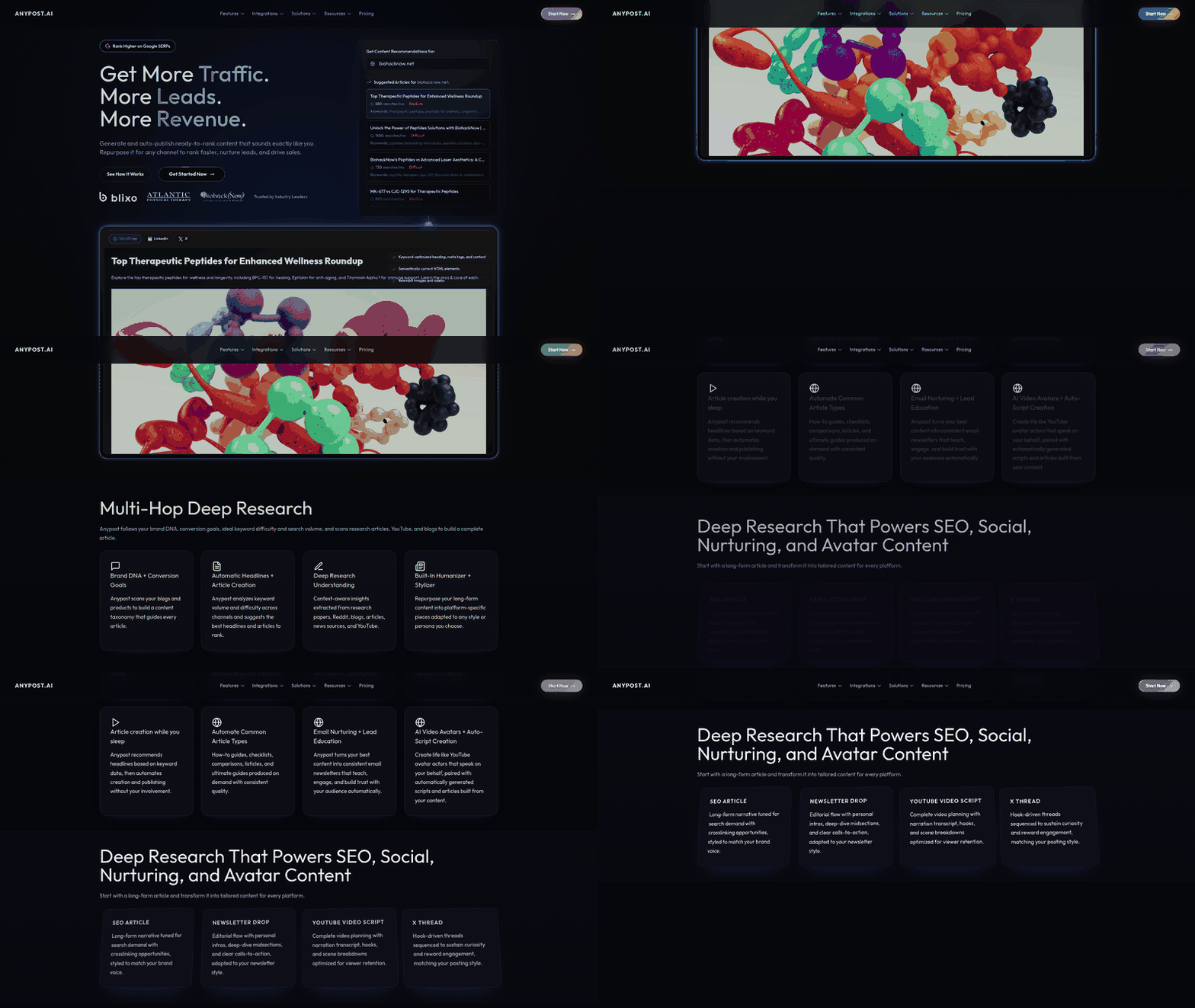
Outsourced lead generation refers to the practice of delegating the responsibility of identifying, nurturing, and converting potential customers to specialized third-party agencies. This approach allows businesses, particularly in the SaaS industry, to focus on core operations while leveraging external expertise to drive growth [1]. By outsourcing, companies gain access to teams equipped with tools and strategies tailored to generate high-quality leads efficiently [7]. For instance, outsourced lead generation agencies often employ localized strategies, such as French-speaking sales experts in France, to align with regional market demands without the overhead of building an in-house team [5]. The core value lies in scaling outreach efforts while maintaining cost efficiency, a critical factor in competitive B2B markets [3].
Strategic Benefits for SaaS Companies
SaaS businesses face unique challenges in lead generation due to the technical complexity of their products and the need for long-term customer relationships. Outsourced lead generation addresses these challenges by providing scalable, data-driven solutions. For example, outsourcing enables SaaS companies to access specialized knowledge in areas like account-based marketing (ABM) and targeted email campaigns, which are proven to improve conversion rates [1]. Additionally, outsourcing reduces time-to-market for lead generation initiatives, as agencies can deploy pre-built systems and workflows immediately [3]. This agility is particularly valuable in fast-evolving industries where speed and adaptability determine ROI [5]. Furthermore, by outsourcing, companies avoid the costs associated with hiring, training, and retaining in-house lead generation teams, redirecting resources toward product development and customer success [9].
Automated Content Generation and SEO Optimization
Modern outsourced lead generation integrates automated content generation and SEO optimization to maximize efficiency and reach. Automated tools streamline the creation of blog posts, case studies, and social media content tailored to target audiences, reducing manual effort while maintaining consistency [3]. For example, AI-driven platforms can analyze buyer personas and generate personalized content at scale, ensuring relevance across multiple channels [11]. See the [Strategies for Automated Content Generation] section for more details on AI-powered tools that enhance this process. Simultaneously, SEO optimization plays a pivotal role in driving organic traffic by aligning content with search intent and improving keyword rankings. Building on concepts from the [Leveraging Multi-Source Content Integration] section, outsourced agencies often combine these strategies to create a flywheel effect, where high-quality content attracts leads and SEO ensures sustained visibility [3]. This synergy not only improves lead volume but also enhances lead quality by targeting users actively seeking solutions [11].
Challenges in B2B Lead Generation Outsourcing
Despite its advantages, outsourcing lead generation presents challenges for B2B marketers and content creators. One major hurdle is ensuring alignment between the agency’s strategies and the company’s brand voice and values. Miscommunication can lead to inconsistent messaging, undermining trust with prospects [2]. Another challenge is maintaining control over data privacy and compliance, particularly with regulations like GDPR. Agencies must demonstrate robust data-handling protocols to mitigate risks [4]. Additionally, measuring ROI remains complex due to the multi-touch nature of B2B sales cycles. As mentioned in the [Measuring and Optimizing Lead Gen Success] section, marketers must rely on metrics like cost per lead (CPL) and conversion rates to evaluate success, often requiring advanced analytics tools [6]. Finally, selecting the right agency is critical; providers with limited experience in SaaS or niche industries may struggle to deliver targeted results [7]. These challenges underscore the need for rigorous vendor evaluation and ongoing collaboration to refine strategies [9].
By understanding these dynamics, businesses can strategically implement outsourced lead generation to enhance ROI while navigating potential pitfalls. The next section will explore actionable strategies for selecting and managing outsourcing partners effectively.
Section 2: Understanding Your Target Audience
Importance of Audience Understanding
Understanding your target audience is foundational to maximizing ROI in outsourced lead generation. Without precise audience insights, campaigns risk misalignment with buyer needs, leading to wasted resources and suboptimal conversion rates [3]. Audience analysis enables businesses to prioritize high-intent leads, a strategy emphasized in B2B lead generation frameworks [2]. For instance, identifying decision-makers within target industries—such as procurement managers in manufacturing—allows for tailored outreach that aligns with their pain points and goals [5]. Sources highlight that audience segmentation, a core component of multichannel lead generation strategies, directly correlates with improved ROI by reducing noise and focusing efforts on qualified prospects [11]. See the [Multi-Channel Synergy in Audience-Centric Strategies] section for more details on cross-channel alignment.
Creating Buyer Personas Using Persona Engines
Buyer personas serve as actionable representations of ideal customers, guiding content creation and outreach tactics. Persona engines, tools that synthesize demographic, behavioral, and psychographic data, streamline this process by generating detailed profiles [12]. These engines aggregate data from CRM systems, website analytics, and social media interactions to map buyer journeys [3]. For example, a persona engine might identify that 70% of leads in a SaaS niche prefer video content over whitepapers, a insight critical for content planning [12]. By leveraging AI-driven persona engines, businesses can ensure their messaging resonates with specific audience segments, a practice linked to higher engagement rates in outsourced lead gen models [7]. As mentioned in the [Leveraging Multi-Source Content Integration] section, integrating CRM and website analytics enhances persona accuracy.
Tone Matching for Effective Content Creation
Tone matching—aligning communication style with audience preferences—reduces friction in lead generation. Research indicates that mismatched tone can lower conversion rates by up to 40%, as audiences disengage from messaging that feels inauthentic [3]. Persona engines often include tone-of-voice analysis, identifying whether a target audience responds better to formal, technical language or casual, relatable phrasing [12]. For instance, B2B leads in regulated industries may require a professional tone emphasizing compliance, while startup audiences might prefer a more innovative and agile voice [2]. Integrating tone insights into scripts for lead generation call centers further enhances alignment, as demonstrated by case studies showing a 25% increase in qualified leads post-implementation [4]. Building on concepts from the [Optimizing Lead Gen with Real-Time Analytics] section, tone adjustments can be dynamically refined based on engagement data.
Analyzing Audience Behavior and Preferences
Audience behavior analysis involves tracking digital footprints, such as website visits, email engagement, and social media interactions, to predict lead readiness. Tools like lead scoring models, mentioned in outsourcing guides, quantify behavior (e.g., time spent on pricing pages) to prioritize high-potential leads [6]. Behavioral data also reveals content preferences: 68% of B2B buyers in 2025 prefer interactive content like quizzes over static brochures [3]. Outsourced teams use these insights to refine outreach timing and channels, such as shifting focus from LinkedIn to industry forums if data shows stronger engagement there [9]. Continuous analysis ensures strategies adapt to evolving preferences, a necessity in dynamic markets like France’s B2B sector, where real-time adjustments drive measurable ROI [5].
Multi-Channel Synergy in Audience-Centric Strategies
Effective audience understanding requires integrating insights across channels. For example, persona engines might reveal that a segment prefers email over social media, prompting outsourced teams to allocate more resources to email campaigns [12]. Cross-channel analysis also uncovers behavioral patterns, such as leads who engage with webinar content being 3x more likely to convert after personalized follow-ups [11]. By synchronizing data from CRM platforms, social listening tools, and call center logs, businesses create a unified view of the audience, reducing redundancies and boosting efficiency [7]. This synergy is particularly critical in AI-augmented lead gen, where real-time data processing enables dynamic adjustments to messaging and targeting [3]. As discussed in the [Leveraging Multi-Source Content Integration] section, consolidating audience data across platforms enhances strategic precision.
Limitations and Mitigation Strategies
While persona engines and behavioral analytics offer robust insights, gaps persist. For instance, engines may lack contextual data on niche markets, limiting their accuracy [12]. Additionally, over-reliance on historical behavior can overlook emerging audience trends [6]. To mitigate these risks, experts recommend supplementing automated tools with manual audits and A/B testing [2]. For example, testing two versions of a sales script—based on persona-derived tones—can validate which resonates better with evolving preferences [4]. Cross-referencing with third-party market research, as outlined in outsourcing best practices, further strengthens audience models [10]. Acknowledging these limitations ensures strategies remain agile and data-driven. See the [Measuring and Optimizing Lead Gen Success] section for more on A/B testing and optimization frameworks.
Section 3: Strategies for Automated Content Generation
AI-powered tools streamline content creation by leveraging machine learning to generate drafts, refine messaging, and analyze audience preferences. These tools reduce manual effort while maintaining consistency in tone and style, enabling teams to produce high-quality content at scale [3]. For example, AI can automate the creation of blog posts, social media updates, and email campaigns by analyzing data from past successful content to identify patterns and optimize new outputs [3]. Additionally, platforms like AI-driven copywriters can assist in crafting personalized messages tailored to specific buyer personas, enhancing engagement and conversion rates [3]. However, it is critical to validate AI-generated output for accuracy and brand alignment, as these tools may occasionally produce generic or contextually inappropriate content [3].
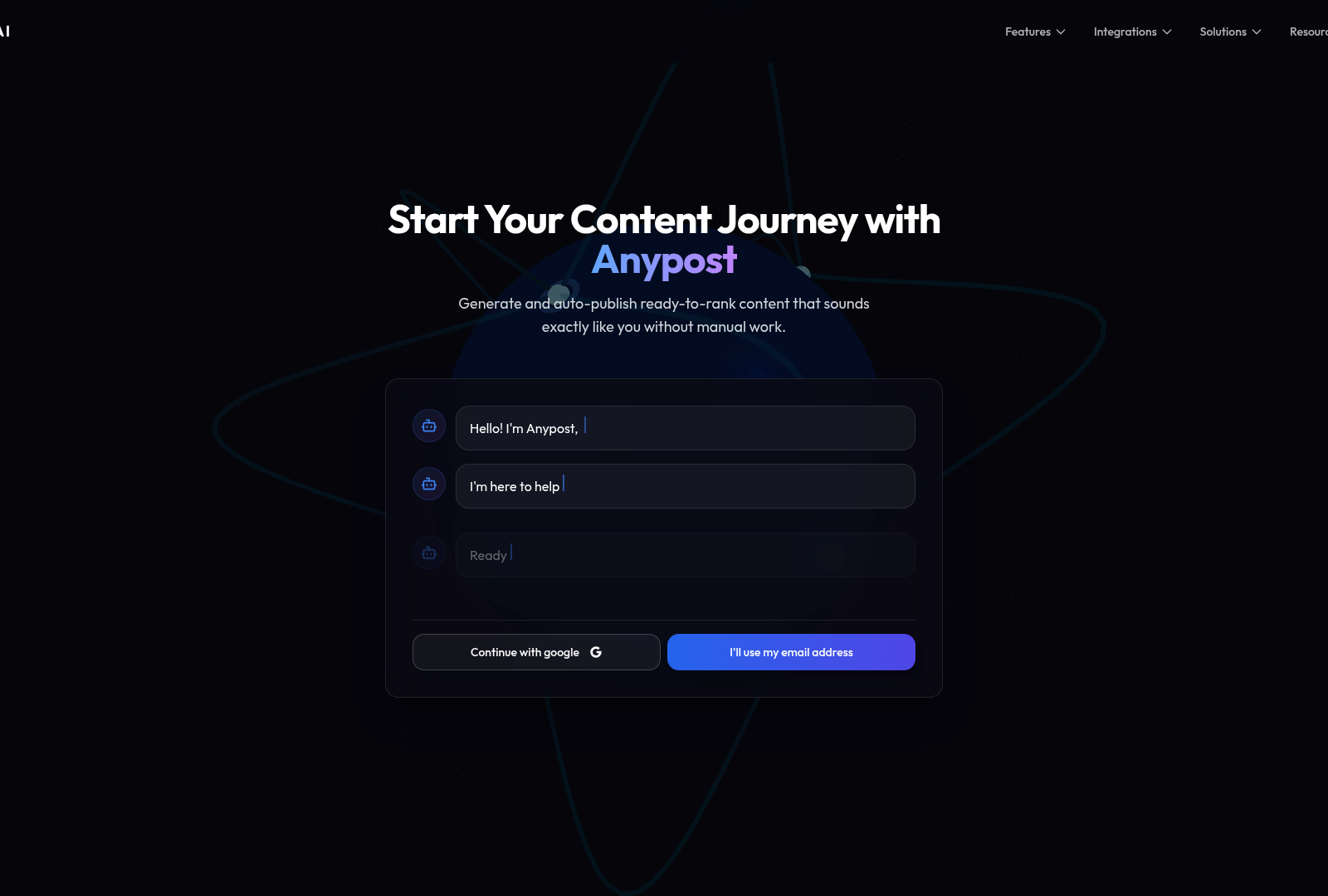
SEO-optimized publishing ensures that automated content ranks higher in search engine results, driving organic traffic and improving lead generation ROI. AI tools can integrate keyword research, meta tag optimization, and content structure analysis to align outputs with search intent [3]. For instance, AI-powered SEO platforms can identify high-potential keywords and suggest their natural incorporation into headlines, subheadings, and body text [3]. This process not only enhances visibility but also aligns content with the needs of target audiences, as outlined in multichannel lead generation strategies [11]. See [Section 2] for more details on understanding target audiences. Furthermore, regular audits of SEO performance using analytics tools help refine content strategies over time, ensuring sustained relevance in competitive markets [3].
Repurposing content across channels maximizes the value of automated outputs while maintaining a cohesive brand presence. A single blog post, for example, can be transformed into a Twitter thread, a newsletter summary, and a YouTube video script, each optimized for the platform’s unique audience and format [3]. Tools like AI summarizers can extract key points from long-form content to create concise social media posts, while video generation platforms can automate the creation of visual assets for YouTube [3]. This approach aligns with [Section 6], which provides strategies on repurposing content for maximum ROI. To avoid diluting the message, teams should maintain a centralized content repository to track variations and ensure consistency [3].
Effective automated content generation requires a structured approach to creation, review, and distribution. First, establish clear guidelines for AI tools, including brand voice, compliance standards, and audience-specific directives, to ensure outputs meet business objectives [3]. Second, implement a tiered review process where human editors validate AI-generated drafts for factual accuracy, creativity, and emotional resonance [3]. Third, leverage analytics to track engagement metrics across channels and refine content strategies iteratively, as recommended in outsourcing frameworks for B2B growth [5]. This aligns with the principles of outsourced lead generation discussed in [Section 1]. Finally, prioritize content freshness by scheduling automated updates for time-sensitive topics, such as industry trends or promotional campaigns, to maintain relevance [3]. By combining automation with strategic oversight, businesses can achieve scalable, high-impact lead generation without compromising quality [3].
Section 4: Leveraging Multi-Source Content Integration
Leveraging multi-source content integration is a critical component of modern lead generation strategies, enabling businesses to consolidate audience insights, amplify reach, and refine targeting. According to [11], a multichannel approach to lead generation acts as a "mechanism of ... proven strategies to maximize marketing ROI," emphasizing the value of combining content from diverse platforms. By integrating data from social media, blogs, email campaigns, and other digital touchpoints, organizations can create a holistic view of buyer behavior. This synthesis not only reduces fragmentation but also ensures messaging consistency, a factor highlighted in [2] as essential for B2B lead generation success. For example, aligning blog content with social media narratives allows for reinforced brand positioning, while analytics from each channel can identify high-performing topics to prioritize in future campaigns.
Using Analytics Tools for Performance Tracking
Analytics tools are indispensable for evaluating the effectiveness of multi-source content integration. [6] outlines the use of a Lead Generation ROI Calculator to quantify returns from disparate channels, enabling teams to allocate resources to top-performing assets. Tools like Google Analytics, social media insights dashboards, and CRM analytics (as referenced in [3]) provide granular data on engagement metrics such as click-through rates, conversion funnels, and audience retention. For instance, tracking social media referral traffic alongside blog analytics reveals which content formats drive the most qualified leads. [11] further stresses the importance of cross-channel performance tracking to "validate the effectiveness of [lead generation] campaigns," ensuring that underperforming sources are optimized or replaced. By centralizing analytics through platforms like HubSpot or Salesforce, businesses can automate reporting and identify trends that inform real-time adjustments. See the [Section 5] section for more details on how real-time analytics can further refine these strategies.
Integrating Content from Social Media, Blogs, and Other Channels
A successful multi-source strategy requires seamless integration of content across platforms. [11] notes that social media serves as a "harness" for amplifying blog content, while email campaigns can repurpose social media posts to nurture leads. For example, a blog post on industry trends can be distilled into LinkedIn articles, Twitter threads, and Instagram infographics, each tailored to the platform’s audience. [12] emphasizes the role of video content in 2025 strategies, suggesting that repurposing webinar recordings or customer testimonials across YouTube and TikTok can expand reach. As mentioned in [Section 6], repurposing content is a critical strategy for maximizing ROI in outsourced lead generation, extending the lifecycle of high-performing assets while reducing creation costs. Additionally, [5] highlights case studies from B2B companies in France that combine SEO-optimized blog content with targeted LinkedIn ads to generate high-quality leads. This cross-channel synergy ensures that content creation efforts are maximized, reducing redundancy while increasing visibility.
Creating a Unified Content Strategy
A unified content strategy is the backbone of multi-source integration, ensuring coherence across all outreach efforts. [7] argues that outsourcing marketing functions—such as content creation or social media management—requires strict alignment with overarching brand goals. This alignment is achieved by mapping content themes to customer journey stages, as outlined in [11], where lead generation campaigns are structured around awareness, consideration, and decision phases. For instance, social media might target awareness through educational posts, while gated blog content addresses decision-stage queries. Building on concepts from [Section 3], AI-driven tools can analyze content performance data to suggest optimizations, such as adjusting keyword density or A/B testing subject lines. By centralizing content governance through a shared editorial calendar and KPI framework, teams can maintain consistency even when working with external vendors or agencies.
Key Considerations for Implementation
To implement multi-source integration effectively, businesses must address technical and operational challenges. [11] recommends establishing a centralized content repository to streamline asset management, while [9] warns that outsourced lead generation teams require clear guidelines on brand voice and compliance standards. For analytics, [6] advocates for integrating tools like UTM parameter tracking with CRM systems to trace lead sources accurately. However, as noted in [4], fragmented data silos can hinder performance tracking—resolving this requires adopting a single-source-of-truth platform for reporting. Finally, [10] underscores the importance of vendor selection when outsourcing content creation, advising businesses to partner with agencies that demonstrate expertise in multi-channel coordination.
By systematically integrating content from multiple sources and leveraging analytics for continuous improvement, organizations can transform fragmented lead generation efforts into a cohesive, high-ROI strategy. The synergy between social media, blogs, and other channels, combined with unified analytics and governance, ensures that every piece of content contributes meaningfully to pipeline growth.
Section 5: Optimizing Lead Gen with Real-Time Analytics
Real-time analytics serve as a critical component in refining lead generation strategies by enabling immediate adjustments to campaigns. As noted in [2], a higher conversion rate directly correlates with improved lead quality and more effective strategies, but achieving this requires continuous monitoring of user interactions. Real-time data allows businesses to identify underperforming channels or content quickly, ensuring resources are reallocated efficiently. For example, if a landing page experiences a sudden drop in engagement, teams can address technical issues or adjust messaging before significant revenue loss occurs [6]. This proactive approach minimizes wasted spend and maximizes the impact of outbound efforts, such as those outlined in [4] for call centers. By integrating real-time analytics into lead generation workflows, companies align their tactics with measurable outcomes, ensuring alignment with ROI goals [3].
Analytics tools provide granular insights into website traffic sources, user behavior, and engagement patterns. Metrics such as bounce rates, session duration, and click-through rates (CTRs) help identify which content resonates with target audiences [6]. For instance, tracking traffic from paid ads versus organic search reveals which channels drive the highest-quality leads, enabling prioritization of budget allocation [2]. Tools that segment data by device type or geographic location further refine targeting strategies, as highlighted in [5] for B2B growth in France. See the [Leveraging Multi-Source Content Integration] section for more details on how multi-source strategies can further enhance these targeting efforts. Additionally, real-time dashboards allow teams to observe spikes or dips in traffic, correlating them with external factors like marketing campaigns or competitor activity [6]. This level of visibility ensures that lead generation efforts remain agile, adapting to shifting user preferences without relying on outdated batch data [2].
Conversion rate analysis is pivotal in determining the effectiveness of lead generation content. As emphasized in [6], tracking conversion rates across different touchpoints—such as email campaigns, landing pages, and social media—identifies bottlenecks in the funnel. For example, a low conversion rate on a lead capture form may indicate unclear value propositions or excessive friction in the submission process. By A/B testing variations of headlines, call-to-action buttons, or form lengths, teams can iteratively improve performance based on real-time feedback [2]. This iterative process aligns with the principles of multichannel lead generation strategies discussed in [11], where coordinated messaging across platforms enhances overall conversion efficiency. Furthermore, correlating conversion data with demographic insights—such as job titles or industry verticals—enables hyper-personalized content, a tactic shown to boost ROI in [3]. As mentioned in the [Understanding Your Target Audience] section, precise audience insights are foundational to maximizing the impact of such personalization.
To leverage real-time analytics effectively, businesses must adopt structured decision-making frameworks. First, establish clear KPIs aligned with business objectives, such as cost per lead (CPL) or customer acquisition cost (CAC), as outlined in [6]. Regularly compare these metrics against industry benchmarks to assess performance relative to competitors [2]. Second, implement automated alerts for significant deviations in key metrics, allowing rapid intervention. For example, a sudden decline in email open rates could signal deliverability issues or content misalignment with audience interests [6]. Third, foster cross-department collaboration between marketing, sales, and analytics teams to ensure data insights translate into actionable strategies [4]. Finally, document and review analytics workflows periodically to refine methodologies, as evolving market conditions may necessitate shifts in focus—such as prioritizing video content over static assets, as suggested in [12]. By embedding these practices, organizations transform raw data into strategic advantages, sustaining long-term growth in competitive markets [3]. See the [Repurposing Content for Maximum ROI] section for how evolving content formats can complement these analytics-driven strategies.
Section 6: Repurposing Content for Maximum ROI
Repurposing content is a critical strategy for maximizing ROI in outsourced lead generation, as it extends the lifecycle of high-performing assets while reducing creation costs. According to the Complete Guide to Outsourcing Lead Generation in B2B [2], businesses that repurpose content see higher conversion rates due to consistent messaging across touchpoints. This approach involves transforming long-form blog posts into social media snippets, webinar recordings into YouTube videos, or email newsletters into downloadable guides. By leveraging existing content, companies can focus their resources on refining distribution strategies rather than producing new material from scratch [6].
Repurposing Strategies for Channel-Specific Distribution
Different channels require tailored formats to engage audiences effectively. For instance, Twitter demands concise, attention-grabbing headlines and links to blog posts or landing pages, while YouTube thrives on in-depth video content such as tutorials or customer testimonials. Newsletters, as highlighted in [6], are ideal for curating a mix of repurposed blog insights, case studies, and promotional offers to nurture leads over time. Blogs, on the other hand, serve as a central hub for long-form content that can later be segmented into social media posts or email sequences. The multichannel mechanism of lead generation, discussed in [11], emphasizes that no single platform dominates; instead, a diversified approach ensures broader reach and higher lead quality.
Creating a Content Calendar for Consistent Publishing
A structured content calendar is essential to avoid redundancy and maintain consistency. The Complete Guide to Outsourcing Lead Generation in B2B [2] recommends mapping out repurposing workflows in advance, such as scheduling Twitter threads on Mondays, newsletter distributions on Fridays, and YouTube uploads every Tuesday. This calendar should align with lead generation campaigns, ensuring that repurposed content supports specific stages of the buyer’s journey. Building on concepts from [Section 2], understanding audience insights is crucial for tailoring content to each stage effectively. For example, a blog post on "AI in B2B Marketing" can be split into a 10-part Twitter thread for awareness, a 30-minute YouTube explainer for consideration, and a downloadable whitepaper for decision-stage leads [6].
Measuring the Effectiveness of Repurposed Content
To evaluate ROI, businesses must track metrics like conversion rates, click-through rates (CTRs), and engagement levels across platforms. The Lead Generation ROI Calculator [6] provides a framework for assigning values to repurposed assets, such as calculating how many newsletter subscribers convert into sales-qualified leads. See the [Section 7] section for more details on tracking metrics like conversion rates and CTRs to evaluate lead generation success. Additionally, A/B testing different formats—e.g., comparing a text-based blog post to its video counterpart—can reveal which media resonates most with target audiences [2]. By analyzing these metrics, teams can reallocate resources to high-performing channels and refine underperforming ones without overhauling the content itself [2].
Cross-Platform Synergy and Optimization
Repurposing isn’t just about recycling; it’s about creating synergy between platforms. Leveraging multi-source content integration, as discussed in [Section 4], allows cross-promotion between platforms to amplify reach and reinforce brand authority. For example, a YouTube video’s transcript can inform a blog post, which then feeds into a Twitter campaign. The Lead Generation Strategy for 2025 [12] highlights that cross-promotion—such as embedding YouTube videos in blog posts or linking Twitter threads to newsletters—amplifies reach and reinforces brand authority. Furthermore, analytics tools integrated with content calendars (as outlined in [6]) enable real-time adjustments, such as boosting a viral Twitter thread into a paid ad or expanding a popular blog topic into a webinar series.
By systematically repurposing content and aligning it with measurable goals, businesses can reduce lead generation costs while maintaining a cohesive brand presence. The key is to treat content as a flexible asset, not a static deliverable, and to use data from each channel to inform iterative improvements [2]. This approach not only maximizes ROI but also ensures that every piece of content contributes to multiple stages of the sales funnel.
Section 7: Measuring and Optimizing Lead Gen Success
Measuring and optimizing lead generation success is critical to ensuring outsourced strategies deliver maximum ROI. Without consistent tracking, businesses risk investing in ineffective tactics or missing opportunities to refine campaigns. Key performance indicators (KPIs) such as conversion rates, cost per lead (CPL), and return on investment (ROI) provide actionable insights into campaign effectiveness [2]. For example, a higher conversion rate indicates better-quality leads and more efficient targeting, directly impacting sales outcomes [2]. By aligning KPIs with business goals, companies can identify strengths and weaknesses in their lead gen workflows, enabling data-driven adjustments [6].
Core KPIs for Evaluating Lead Generation Performance
To assess success, focus on metrics that directly correlate with revenue and efficiency. Conversion rates measure the percentage of leads that progress to desired actions, such as demo requests or purchases [2]. ROI calculations, which compare revenue generated to campaign costs, offer a holistic view of profitability [6]. For instance, if a campaign costs $5,000 and generates $20,000 in revenue, the ROI is 300%—a benchmark for comparing strategies [6]. Other critical KPIs include CPL, which reveals cost efficiency, and lead-to-customer rate, which tracks how many leads convert into paying customers [2]. Regularly reviewing these metrics ensures alignment with objectives like market expansion or customer retention [3]. See the [Optimizing Lead Gen with Real-Time Analytics] section for more details on how real-time data enhances KPI tracking.
Adjusting Strategies Based on Data Insights
Data-driven adjustments are essential for maintaining competitive edge in dynamic markets. If KPIs reveal declining conversion rates, businesses can refine targeting criteria or revamp messaging to better resonate with audiences [1]. For example, A/B testing subject lines in email campaigns or ad copy can uncover what drives higher engagement [6]. Outsourced lead gen providers often leverage AI tools to analyze patterns in user behavior, enabling real-time optimizations such as adjusting bid strategies in paid search campaigns [3]. By iterating on underperforming tactics—like reallocating budget from low-CPL channels to high-ROI platforms—companies maximize their lead generation output [9].
Best Practices for Continuous Optimization
Sustained success requires a structured approach to testing, learning, and scaling. First, establish a baseline for each KPI to track progress over time. For instance, if the current CPL is $50, aim to reduce it by 10% within three months through improved targeting [6]. Second, adopt a multichannel strategy to diversify lead sources, reducing dependency on a single platform and mitigating risks [11]. Building on concepts from [Leveraging Multi-Source Content Integration], diversification extends to content channels as well as lead generation tactics. Third, collaborate closely with outsourced teams to ensure transparency in data sharing, allowing joint analysis of campaign performance [1]. Finally, conduct quarterly reviews to assess long-term trends, such as seasonal fluctuations in lead quality, and adjust strategies accordingly [3].
Leveraging Outsourced Expertise for Optimization
Outsourced lead generation teams bring specialized tools and methodologies to enhance optimization efforts. Many providers use predictive analytics to forecast which leads are most likely to convert, prioritizing high-value prospects [3]. For example, AI-driven scoring models can segment leads based on engagement history, enabling sales teams to focus on the most promising opportunities [11]. As mentioned in the [Strategies for Automated Content Generation] section, AI tools further refine targeting by analyzing audience preferences. Additionally, outsourced agencies often have access to industry benchmarks, allowing them to compare client performance against market standards and identify gaps [9]. By outsourcing data analysis and strategy refinement, businesses can concentrate on core operations while ensuring lead gen initiatives evolve with market demands [1].
In conclusion, measuring and optimizing lead gen success hinges on rigorous KPI tracking, agile strategy adjustments, and leveraging external expertise. By integrating these practices, companies can transform lead generation from a cost center into a scalable revenue driver [2]. Continuous improvement, fueled by actionable data, ensures campaigns remain effective in an ever-changing business landscape [6].
Section 8: Advanced Lead Gen Strategies for Growth Leaders
Growth leaders seeking to maximize ROI must leverage advanced lead generation strategies that integrate AI-powered tools, predictive analytics, and cross-functional alignment. According to [3], AI is a cornerstone of 2025 lead generation, enabling hyper-targeted outreach by analyzing behavioral patterns and intent data. For instance, AI tools can automate personalized email campaigns, reducing manual effort while increasing conversion rates. When paired with outsourcing, as highlighted in [10], these tools allow businesses to scale outreach without proportional cost increases. As mentioned in the [Section 1] section, outsourcing enables companies to focus on strategic oversight while delegating execution to specialized teams. A case in point is Alex Hormozi’s 2025 strategy, which uses AI-driven systems across 16 companies to generate millions in annual revenue [12]. By adopting similar frameworks, growth leaders can prioritize automation while maintaining strategic oversight.
Predictive analytics further enhances lead generation by forecasting success based on historical data and market trends. [6] emphasizes using predictive models to identify high-potential leads, reducing guesswork in resource allocation. For example, machine learning algorithms can score leads based on engagement metrics, ensuring sales teams focus on opportunities with the highest conversion likelihood. [3] adds that predictive analytics optimizes budget distribution across channels, such as reallocating funds from underperforming social media campaigns to high-yield outbound strategies. Growth leaders should integrate these tools with CRM systems, as outlined in [11], to create dynamic pipelines that adapt in real time to shifting market conditions. See the [Section 5] section for more details on leveraging real-time analytics to refine campaign adjustments.
Aligning sales and marketing teams is critical for executing advanced lead gen strategies effectively. [4] reveals that misalignment costs companies up to 15% of revenue, but call centers that synchronize both teams see a 30% ROI boost. This requires shared KPIs, such as lead-to-close ratios, and regular cross-departmental reviews of campaign performance. [5] highlights how outsourced teams in France achieve alignment by embedding local sales experts directly into marketing workflows, ensuring messaging resonates with regional B2B audiences. Building on concepts from [Section 2], understanding regional nuances is essential for crafting targeted strategies. Growth leaders should adopt this model by fostering joint ownership of lead generation goals, as recommended in [11], to eliminate silos and create cohesive customer journeys.
Best practices for optimizing lead gen efforts include rigorous ROI tracking and vendor selection. [6] provides a step-by-step ROI calculator that factors in cost-per-lead, conversion rates, and lifetime value—metrics growth leaders must monitor to refine strategies. For outsourcing, [10] advises prioritizing agencies with transparent reporting and case studies proving industry-specific expertise. [5] reinforces this by showcasing how French B2B companies achieve 20%+ ROI by outsourcing to teams with localized market knowledge. Finally, [3] warns against over-reliance on a single channel, advocating for multichannel campaigns that blend AI-driven ads, outbound calls, and content marketing to maximize reach while minimizing risk. Growth leaders should also refer to the [Section 7] section to track and optimize their lead gen success using established KPIs. By combining these tactics, growth leaders can build resilient lead generation systems that scale with business demands.
References
[1] 8 Reasons Why Outsourced Lead Generation is Trending in 2025 - https://martal.ca/how-outsourcing-lead-generation-leads-to-better-roi/
[2] Complete Guide to Outsourcing Lead Generation in B2B - https://www.linkedin.com/pulse/complete-guide-outsourcing-lead-generation-b2b-pipeful-kdtpe
[3] Benefits of Lead Generation in 2025: AI, Outsourcing & ROI - https://martal.ca/benefits-of-lead-generation-lb/
[4] Lead Generation Call Centers: Secrets to Maximizing ROI & Best ... - https://www.intelemark.com/blog/lead-generation-call-centers-secrets-to-maximizing-roi-best-practices/
[5] Outsourced lead generation France: real ROI for B2B growth - https://www.massoninternational.com/blog/outsourced-lead-generation-france-roi
[6] Lead Generation ROI Calculator, Strategies, & More - https://www.abstraktmg.com/lead-generation-roi/
[7] Outsourcing Marketing: 4 Proven Strategies for Business Growth - https://www.callboxinc.com/apac/outsourcing-marketing-guide/
[8] Outsourced Lead Generation I TaskDrive - https://taskdrive.com/lead-generation/all-about-outsourced-lead-generationboosting-roi-with-qualified-leads/
[9] Outsourced Lead Generation: How Much It Costs and What to Expect - https://www.massoninternational.com/blog/outsourced-lead-generation-how-much-does-it-cost
[10] Our Top 23 Best Lead Generation Companies in 2026 - https://www.dealfront.com/blog/lead-generation-companies
[11] (PDF) Lead generation strategy as a multichannel mechanism of ... - https://www.researchgate.net/publication/311575642_Lead_generation_strategy_as_a_multichannel_mechanism_of_growth_of_a_modern_enterprise
[12] Alex Hormozi's Lead Generation Strategy for 2025 by Instantly - https://www.youtube.com/watch?v=oZ18-kMrmKw
Frequently Asked Questions
1. What are the key benefits of outsourcing lead generation for SaaS companies?
Outsourcing leads to cost savings by avoiding hiring/training expenses, access to specialized expertise (e.g., account-based marketing, targeted email campaigns), and faster deployment of strategies using pre-built systems. It also allows SaaS companies to focus on product development while leveraging localized teams (e.g., French-speaking sales experts in France) to adapt to regional markets. Additionally, automation tools streamline content creation and SEO, enhancing efficiency and scalability.
2. How do outsourced lead generation agencies handle different markets, such as localized strategies?
Agencies deploy region-specific teams (e.g., language-speaking experts) to align with local market demands, ensuring cultural relevance and trust. They also use data-driven insights to tailor messaging and channels for each region. For example, a French team might prioritize LinkedIn outreach for B2B SaaS, while an Asian market team might leverage WeChat for engagement. This localization avoids the high costs of building in-house teams across multiple regions.
3. What automated tools do outsourced lead gen agencies use for content and SEO optimization?
Agencies often employ AI-powered tools like Copy.ai or Jasper for content generation, SEMrush or Ahrefs for SEO analysis, and platforms like HubSpot or Marketo for email automation. These tools streamline tasks such as blog creation, keyword optimization, and campaign tracking, enabling rapid content scaling and real-time performance adjustments to boost lead quality and conversion rates.
4. How can companies measure the ROI of outsourced lead generation efforts?
Track metrics like cost per lead (CPL), conversion rates, and customer lifetime value (LTV) to evaluate effectiveness. Compare these against benchmarks from in-house campaigns or industry averages. Tools like Google Analytics or CRM dashboards can segment leads by source to identify high-performing strategies. Additionally, A/B testing creatives and messaging can refine ROI by isolating what drives conversions.
5. Are there industries where outsourcing lead generation is more effective?
While SaaS benefits greatly due to technical complexity and long-term customer relationships, industries like healthcare, fintech, and B2B manufacturing also thrive. Outsourcing is ideal for sectors requiring niche expertise (e.g., HIPAA compliance in healthcare) or rapid scaling during growth phases. Agencies with vertical-specific experience can navigate regulatory challenges and market nuances, ensuring higher lead quality and compliance.
6. What factors should businesses consider when choosing an outsourced lead generation partner?
Prioritize agencies with proven experience in your industry, transparent reporting, and flexible scalability. Evaluate their use of technology (e.g., CRM integration, automation tools) and ask for case studies or references. Communication clarity and alignment with your brand’s values are critical—look for partners who offer regular updates and are adaptable to market changes. Avoid vendors with vague strategies or limited customization options.
7. How does outsourcing compare to in-house lead generation in terms of cost?
Outsourcing typically reduces upfront costs by eliminating expenses for hiring, training, and software. Agencies operate on performance-based models (e.g., pay-per-lead), aligning costs with results. In contrast, in-house teams require fixed salaries and ongoing investment in tools. However, in-house may be cost-effective for businesses with stable, large-scale lead needs. A hybrid approach—outsourcing for growth phases and in-house for core operations—often balances cost and control optimally.