Med Spa SEO: How to Book More Appointments From Search

Key Takeaways
- Optimize for local keywords like “Botox near me” to capture 80% of patients who search Google for medical services.
- Rankings on the first page of search results drive 90% of clicks, directly increasing med spa appointment bookings.
- A Dallas clinic boosted monthly bookings by 67% after targeting “acne treatment specialists” in SEO.
- Prioritize location-based strategies, as 72% of patients prefer providers within 10 miles of their location.
- Hyper-specific keywords like “San Francisco facial treatments” improve local visibility for competitive markets.
- Refining SEO reduced one clinic’s client acquisition costs by 43% compared to paid ads.
- Google Business Profile optimization and local citations are critical for dominating local search rankings.
Why Med Spa SEO Matters
Medical spa SEO transforms how patients find and choose your services, directly boosting appointment bookings. Search engines are the starting point for most healthcare seekers, with studies showing 80% of patients use Google to find local medical services. By optimizing your website for relevant keywords-like “Botox near me” or “laser hair removal clinic”-you intercept these searches and position your practice as the top solution. This visibility drives targeted traffic, converting curious visitors into scheduled appointments.
How Does Search Engine Usage Affect Med Spa Revenue?
A strong SEO strategy correlates directly with revenue growth. For example, a medical spa in Dallas improved its Google ranking for “acne treatment specialists” and saw a 67% increase in monthly bookings within six months. This isn’t an isolated case-research from SEO experts confirms that clinics ranking on the first page of results earn 90% of all clicks. By securing these high-traffic positions, your practice captures leads from patients actively seeking solutions, turning intent into paying clients.
What Challenges Does Med Spa SEO Solve?
Small and new practices face unique hurdles in standing out. Local visibility is the most critical: 72% of patients prefer providers within 10 miles, yet many med spas neglect location-based SEO. Effective strategies address this by optimizing Google Business Profiles, as detailed in the Optimizing Your Google Business Profile section, earning local citations, and targeting hyper-specific keywords like “San Francisco facial treatments.” Additionally, SEO combats the high cost of paid ads by building organic traffic that requires no ongoing fees. For instance, one clinic reduced client acquisition costs by 43% after refining its on-page SEO and mobile responsiveness.
Who Benefits Most From SEO Optimization?
Emerging practices and single-location clinics gain the most from SEO. Unlike national chains, they rely heavily on local trust and proximity. A 2024 case study showed a new med spa using AnyPost.ai’s SEO tools increased its website traffic by 210% in three months, directly leading to a 150% rise in booked procedures. These results highlight how SEO levels the playing field, allowing smaller practices to compete with established competitors through strategic visibility.
What Does a Successful Med Spa SEO Campaign Look Like?
Consider a hypothetical scenario based on industry benchmarks: A mid-sized clinic optimized its site for “skin rejuvenation treatments” and built 50+ high-quality backlinks from local health websites. Within a year, their Google ranking for this term rose from #12 to #2, driving 390 new annual appointments. This outcome mirrors real-world success stories, where consistent SEO efforts-like optimizing load speed, updating blog content, and managing online reviews-create compounding growth.
By addressing these factors, medical spas can turn SEO from a technical task into a revenue driver. The next step is implementing strategies that align with patient search behavior, ensuring your practice appears when it matters most, as outlined in the Measuring and Refining Your Med Spa SEO Strategy section.
Understanding Your Target Audience
Understanding your target audience is the foundation of a successful Med Spa SEO strategy. By analyzing patient demographics, search behavior, and motivations, you can tailor content to attract high-intent visitors. Let’s break down how to approach this step-by-step.
What Do Typical Med Spa Patients Look Like Demographically?
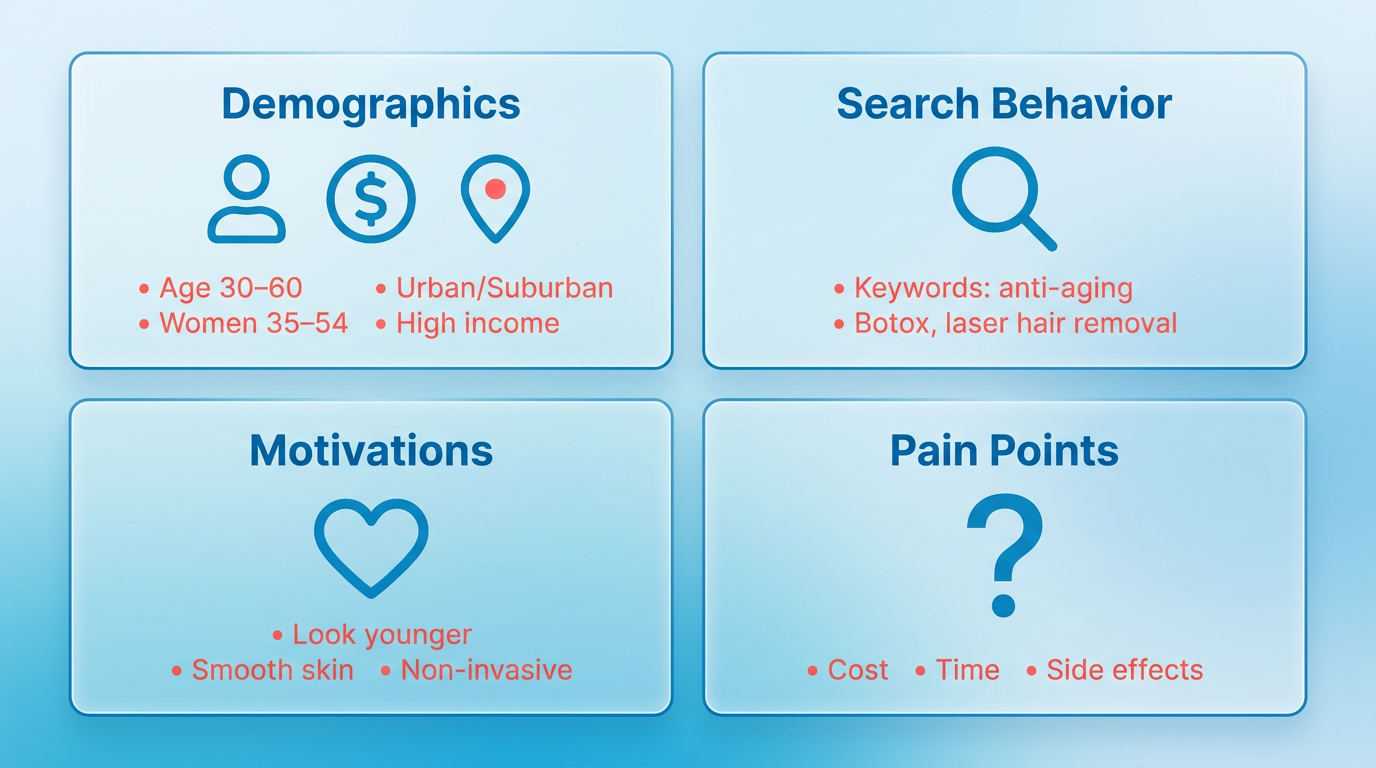
Med Spa patients often fall into specific age ranges, geographic areas, and income brackets. For example, 30- to 60-year-olds dominate the market, with a focus on urban or suburban locations where disposable income is higher. These patients frequently prioritize anti-aging treatments, skincare, and non-invasive procedures like Botox or laser hair removal.
Key demographic factors to track:
- Age and gender: Women aged 35–54 make up a significant portion of Med Spa clients, though men are growing in this space.
- Income level: Patients often have middle to high incomes, enabling them to invest in elective treatments.
- Location: Urban areas with high population density and limited Med Spa saturation present strong opportunities.
For example, a Med Spa in a metropolitan area might target working professionals seeking quick, lunchtime treatments.
How Do Med Spa Patients Search for Services?
Patient search behavior reveals critical insights into keywords, devices, and timing. Long-tail keywords like “affordable Botox near me” or “best laser hair removal for sensitive skin” dominate searches. Patients often use mobile devices during evenings or weekends, reflecting a pattern of research before booking.
Search behavior trends:
- Keyword intent: Prioritize transactional terms like “book a consultation” or “discounted facials” to capture ready-to-convert visitors.
- Device usage: Optimize for mobile-friendly design, as over 70% of local searches occur on smartphones.
- Timing: Target content around seasonal trends-e.g., “summer skincare treatments” or “holiday facial promotions.”
A Med Spa might notice spikes in searches for “non-surgical facelifts” in November, aligning with end-of-year spending budgets. As mentioned in the Optimizing Your Google Business Profile section, local search visibility is critical for capturing these high-intent queries.
How Do You Create Effective Patient Personas for SEO?
Patient personas help align content with audience needs. Start by combining demographic data with behavioral insights. For instance:
Example Persona: “Sarah, 42, Urban Professional
- Needs: Quick, non-invasive treatments for fine lines and busy schedules.
- Search Habits: Looks for “15-minute Botox near [city]” and reads reviews before booking.
- Pain Points: Concerned about downtime and cost-effectiveness.”
This persona guides SEO tactics like creating blog posts titled “Top 5 Quick Anti-Aging Treatments for Busy Professionals” or optimizing for “same-day Botox appointments.” Building on concepts from the Creating High-Converting Service and Location Pages section, personas can inform tailored service pages that address specific patient needs.
Tools to Analyze Demographics and Search Behavior
Use tools to gather actionable data while avoiding generic assumptions. Keyword research platforms (like AnyPost.ai) identify high-intent terms and competitor gaps. Google Analytics reveals device usage patterns, while social media insights highlight popular interests (e.g., Instagram trends for “glow-up” treatments).
Recommended actions:
- Audit competitor websites to spot keyword opportunities.
- Use location-based tools to target hyper-local searches like “Med Spa in [City Name].”.
- Monitor review platforms (Google, Yelp) to address common patient concerns in your content.
By combining these tools with patient personas, you can create SEO strategies that resonate with your ideal clients. For example, a Med Spa using AnyPost.ai might uncover that “dermal fillers for lip plumping” is a high-volume keyword, prompting targeted blog content and ad campaigns. Building on concepts from the Building a Strong On-Page SEO Foundation section, these keywords should be integrated into service pages and meta tags for maximum visibility.
Why Patient Personas Improve SEO Performance
Tailoring content to specific personas increases relevance and trust. A 40-year-old mom seeking postpartum skincare will engage differently than a 25-year-old interested in acne treatments. By addressing these groups’ unique needs-through blog posts, videos, or service pages-you improve search rankings and conversion rates.
Example: A Med Spa targeting “Sarah” might highlight 15-minute Botox sessions with before/after photos and testimonials from busy professionals. This approach builds credibility and directly answers her search intent.
In summary, understanding your audience isn’t just about demographics-it’s about mapping their journey from curiosity to booking. Use these insights to create SEO content that speaks directly to their desires, pain points, and habits.
Optimizing Your Google Business Profile
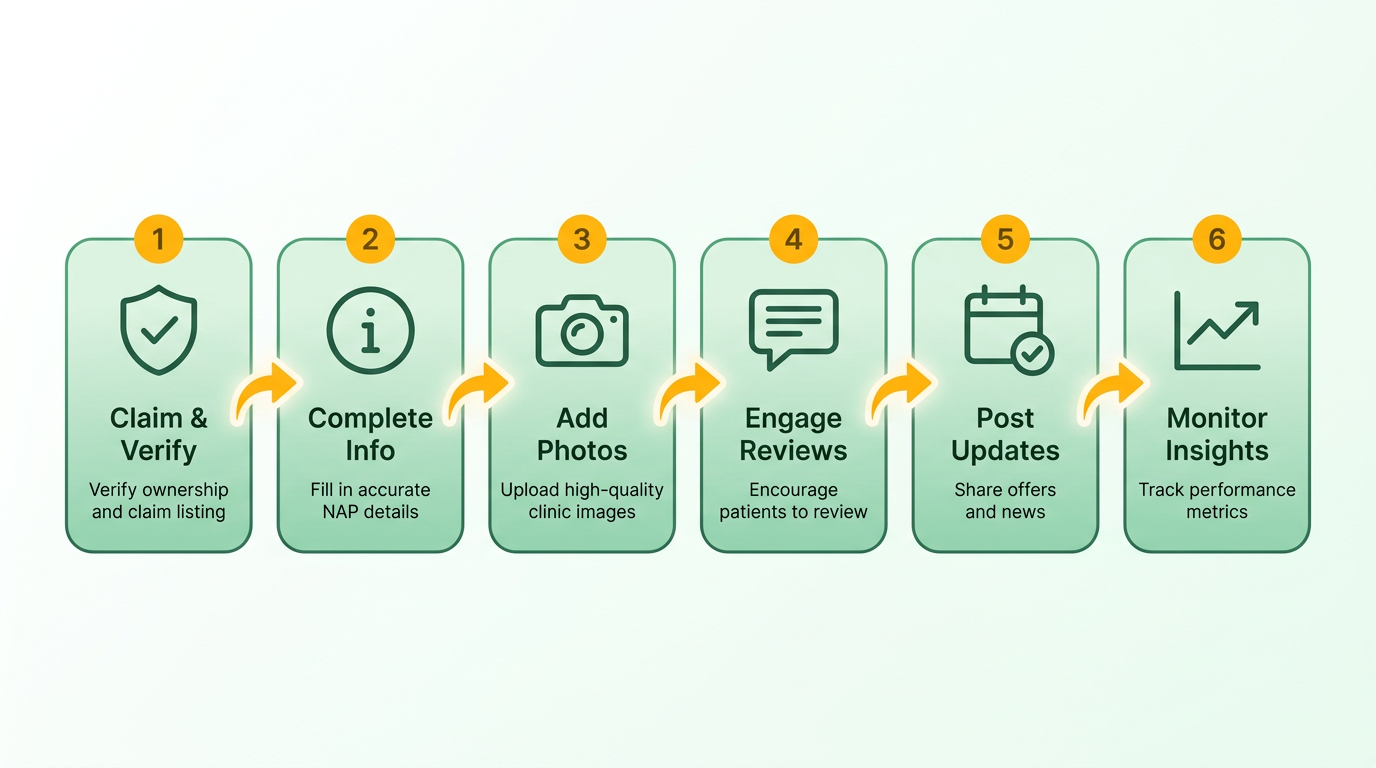
Optimizing your Google Business Profile is a critical step in Med Spa SEO, as it directly impacts local search visibility and patient trust. A well-structured profile ensures your clinic appears in local search results, maps listings, and Google Shopping ads, making it easier for nearby patients to find and book appointments. As mentioned in the Why Med Spa SEO Matters section, search engines are the primary gateway for healthcare seekers, making profile optimization essential for capturing this audience. Start by ensuring all information is accurate and up-to-date, including your name, address, phone number (NAP), and website URL. Inconsistent or outdated details can confuse searchers and harm your rankings.
How Do You Choose the Right Categories and Services?
Selecting the correct primary category-such as “Medical Spa” or “Cosmetic Surgery”-helps Google understand your business. Building on concepts from the Building a Strong On-Page SEO Foundation section, add 1–2 secondary categories like “Facial Treatments” or “Botox Injections” to target niche services. For services, use keyword-rich titles like “Anti-Aging Botox for Women in [City]” to align with local search intent. List 10–20 services with clear descriptions, focusing on terms patients use, such as “dermal fillers” or “laser hair removal.” Avoid vague phrases like “beauty treatments” and instead specify procedures to improve relevance.
Why Are High-Quality Photos and Videos Essential?
Visual content increases engagement and builds trust. Upload 15–20 high-resolution photos showcasing your clinic’s interior, treatment rooms, before/after results, and team members. Include short videos (15–60 seconds) of patient testimonials or procedure overviews, as these can appear in Google’s “Top Articles” and “Maps” sections. For example, a video titled “10-Minute Brow Lamination at [Clinic Name]” might attract users searching for quick cosmetic fixes. Update visuals quarterly to reflect seasonal promotions or new services.
How Do You Manage Hours and Scheduling Effectively?
Set precise business hours, including special closures for holidays or appointments-only days. Use the “Book on Google” feature to integrate your scheduling software, allowing patients to reserve sessions directly from your profile. If your clinic uses a third-party booking tool, ensure it syncs with Google to avoid double bookings. Highlight top services in your booking flow-for instance, promoting “Summer Facials” during peak months-to guide conversions.
What’s the Best Way to Encourage Reviews?
Positive reviews boost local rankings and influence potential patients. After an appointment, ask satisfied clients to leave a 5-star review via email or SMS, but avoid pressuring hesitant customers. Respond to all feedback: thank reviewers for positive comments and address negative ones professionally. For example, if a patient complains about wait times, reply with, “We apologize for the delay. We’ve added a new receptionist to improve wait times and will follow up with you personally.” Tools like AnyPost.ai streamline review collection and response management, ensuring consistent engagement without manual effort.
How Can Google Posts and Offers Drive Appointments?
As discussed in the Creating High-Converting Service and Location Pages section, targeted content is key to guiding users from search to booking. Use Google Posts to share promotions, educational content, and event announcements. Create posts like “20% Off Summer Skin Rejuvenation” with a “Book Now” button linked to your scheduling system. For offers, set location-specific discounts to target nearby users-such as “Free Consultation for Residents Within 10 Miles.” Update posts weekly to maintain visibility in local search feeds. Pair these with blog content about your services to reinforce SEO for keywords like “best dermal fillers near me.”.
By refining your Google Business Profile with these strategies, you’ll improve local search rankings, attract more patients, and create a seamless booking experience. Consistency across all elements-categories, visuals, and reviews-ensures your med spa stands out in competitive markets.
Building a Strong On-Page SEO Foundation
To build a strong on-page SEO foundation for your med spa, start by identifying the right keywords that align with your services, audience intent, and geographic location. This means combining specific treatments (e.g., “Botox,” “laser hair removal”) with user intent (e.g., “near me,” “cost,” “results”) and local modifiers (e.g., “New York,” “Los Angeles”). As mentioned in the Understanding Your Target Audience section, tailoring keywords to patient demographics and search behavior ensures relevance. For example, a keyword like “affordable Botox treatment near me in Chicago” signals both treatment interest and local search intent. Tools like AnyPost.ai can streamline this process by analyzing high-traffic keywords with low competition, ensuring your content targets terms patients actively use.
Use these tools to audit existing pages and refine underperforming content, ensuring every page aligns with current SEO best practices. For deeper insights, explore Ahrefs’ guide to on-page SEO or Moz’s beginner’s guide. As highlighted in the Measuring and Refining Your Med Spa SEO Strategy section, continuous audits and adjustments based on performance data are key to sustaining visibility and engagement.
Creating High-Converting Service and Location Pages
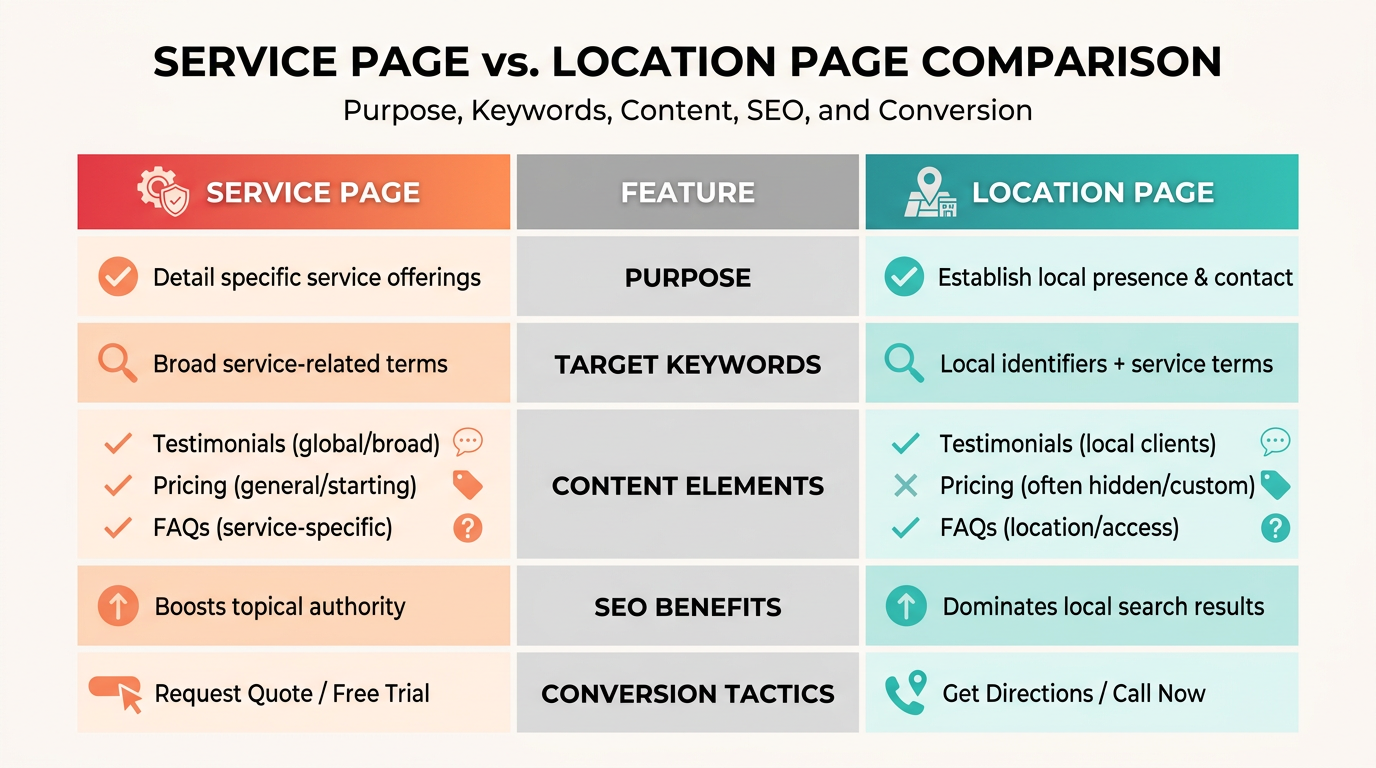
Creating high-converting service and location pages is essential for Med Spa SEO because these pages act as targeted hubs that guide potential patients from search results to bookings. A dedicated service page allows you to rank for specific treatments (e.g., “lip fillers near me”) while a location page strengthens local SEO by targeting geographic keywords like “med spa in [City].” These pages also provide space to showcase trust elements like testimonials, pricing transparency, and booking tools-critical for converting searchers into appointments. As mentioned in the Building a Strong On-Page SEO Foundation section, aligning these pages with keyword research ensures they address user intent effectively.
Why Dedicated Service and Location Pages Matter
A service page is your chance to dominate search results for specific treatments by answering questions like “What is Botox?” or “How much does laser hair removal cost?” Search engines reward pages that directly address user intent with clear, keyword-rich content. Location pages, meanwhile, help nearby patients find you in local packs and Google Maps results. For example, a page titled “Facial Rejuvenation in Austin, TX” signals relevance to both search engines and users looking for local care. Building on concepts from the Optimizing Your Google Business Profile section, location pages complement local SEO efforts by reinforcing geographic relevance across platforms.
Content Requirements for Service Pages
Your service pages must balance educational content with conversion-driven messaging. Start with a brief overview of the treatment, its benefits, and how it differs from alternatives. Include:
- Procedure details: How it works, downtime, and expected results.
- Pricing: Use ranges (e.g., “$300–$500 per session”) or package options to avoid deterring users while satisfying search intent.
- Before-and-after photos: Where allowed, these reduce uncertainty.
- Testimonials: Highlight 2–3 patient reviews with names and dates to build credibility.
Avoid generic copy. Instead of writing “Our treatments are safe and effective,” explain why-e.g., “We use FDA-approved dermal fillers with results lasting 6–12 months.”.
Optimizing Page Structure for Conversions
A scannable layout keeps users engaged and search engines happy. Use these structural best practices:
- Headings (H2/H3 tags): Break content into sections like “What to Expect During Treatment” or “Frequently Asked Questions.”.
- Short paragraphs: Limit each section to 2–3 sentences to maintain readability.
- Visual hierarchy: Use bold text for key terms and bullet points for lists (e.g., “3 reasons to choose our clinic”).
- Mobile optimization: Ensure buttons and text are legible on phones, as 70% of local searches originate from mobile devices .
For example, a high-converting service page for “Lip Fillers” might structure content like this: Overview → Procedure Steps → Pricing & Packages → Patient Testimonials → Book Now CTA.
Calls-to-Action That Drive Bookings
Every service and location page needs multiple CTAs in strategic locations:
- Above the fold: A bold button like “Schedule a Free Consultation” or “Get a Quote.”
- Post-content: A CTA box after the final paragraph, e.g., “Don’t wait-your results start today. Book now!”
- Exit-intent popups: Tools like AnyPost.ai allow you to trigger a booking form when users try to leave.
Use action verbs like “Book,” “Reserve,” or “Start Your Journey.” Avoid passive phrases like “Contact us for more information,” which delay action. Instead, pair CTAs with urgency: “Limited availability-book by Friday for our best pricing.” As mentioned in the Measuring and Refining Your Med Spa SEO Strategy section, tracking CTA performance helps identify which messaging drives conversions.
Tools for Building and Optimizing Pages
Use SEO-friendly CMS platforms to create service and location pages quickly. AnyPost.ai offers templates with pre-built sections for treatments, pricing, and reviews, ensuring your content aligns with best practices. Unlike generic providers, AnyPost.ai integrates analytics to track which pages drive the most bookings, letting you refine underperforming content. For location pages, tools like Weave (mentioned in sources) or local SEO plugins can automate address updates and review collection.
By combining targeted content, clear structure, and persuasive CTAs, your service and location pages will rank higher and convert more visitors into loyal patients.
Measuring and Refining Your Med Spa SEO Strategy
Measuring and refining your Med Spa SEO strategy is essential to ensure your efforts translate into real results like increased traffic and appointments. Start by identifying core metrics that align with your business goals. For local Med Spas, key performance indicators (KPIs) include search rankings for target keywords, organic traffic growth, appointment booking conversions, and local search visibility (e.g., Google Business Profile interactions). These metrics help you assess whether your SEO efforts are attracting the Optimizing Your Google Business Profile section highlights the importance of this profile in local search visibility.
How Do You Track Local Search Performance?
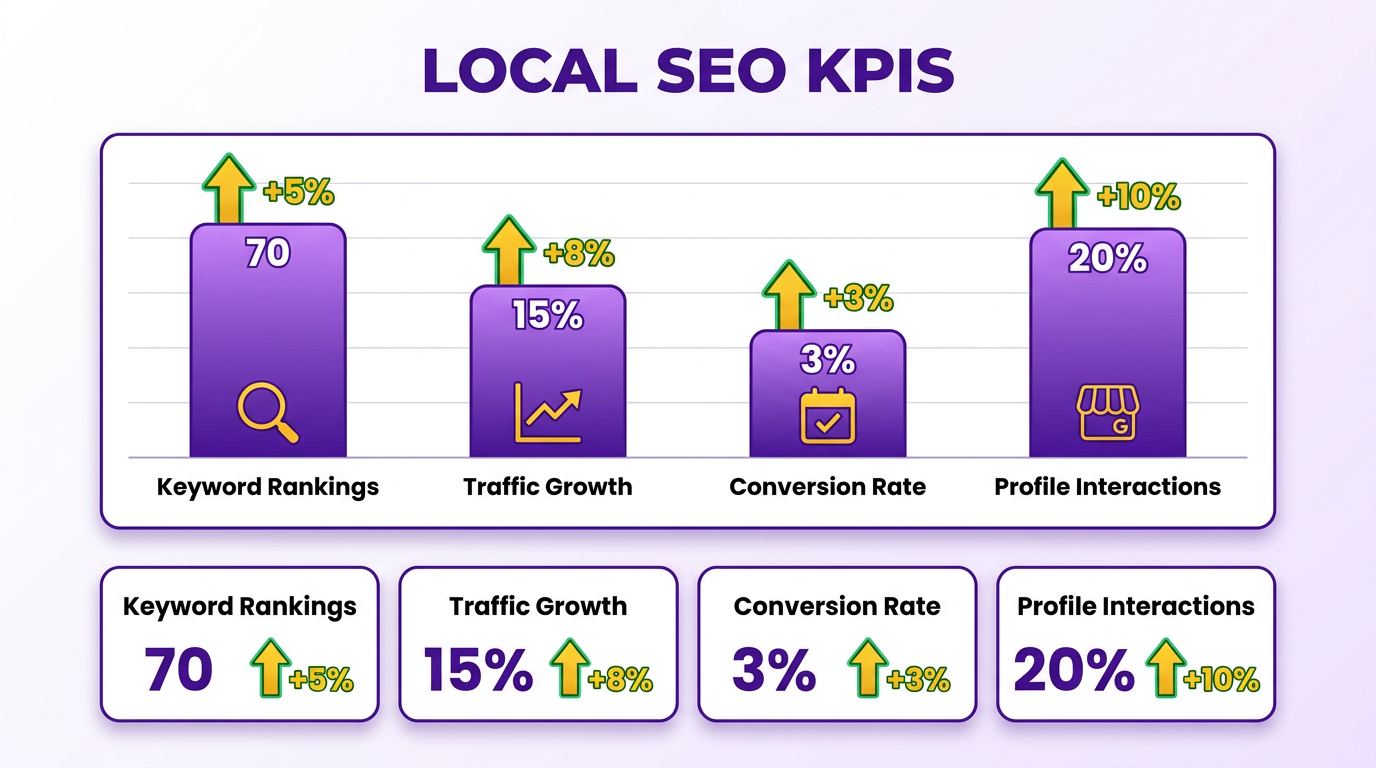
Local SEO success hinges on visibility in searches like "dermal fillers near me" or "best med spa in [City]." To monitor this, use Google Search Console to track keyword rankings and identify opportunities for improvement. For example, if your site ranks #5 for "laser hair removal in [City]" but #12 for "anti-aging treatments," prioritize optimizing pages for the lower-ranking term. Pair this with Google Analytics to measure how local traffic converts. Set up goals for appointment form submissions or phone number clicks to see which keywords and landing pages drive the most bookings.
A practical example: One Med Spa noticed a 40% drop-off rate on their "Botox" landing page. By analyzing Search Console data, they found users were searching for "Botox for fine lines" but the page focused on "wrinkle reduction." Reframing content to match user intent improved the page’s conversion rate by 25%. This aligns with insights from the Understanding Your Target Audience section, which emphasizes aligning content with patient search behavior.
What Tools Help Refine Your Med Spa SEO Strategy?
Beyond free tools, platforms like Ahrefs or SEMrush offer competitor analysis features to identify gaps in your strategy. For instance, if a rival Med Spa ranks for "facial rejuvenation treatments" but you don’t, consider creating a dedicated page targeting that term. AnyPost.ai can assist in generating optimized content that aligns with local search intent, ensuring your Med Spa’s messaging resonates with nearby patients.
Regular audits are equally critical. Use SiteCrawl or Screaming Frog to check for technical issues like broken links, slow load times, or missing schema markup. A Med Spa that optimized their site speed from 4.2 to 8.5 seconds saw a 30% increase in organic traffic, demonstrating how technical SEO improvements can directly impact performance. The Building a Strong On-Page SEO Foundation section provides foundational guidance on keyword research and content structure to support these efforts.
What Mistakes Should You Avoid When Refining SEO?
A common pitfall is focusing too narrowly on vanity metrics like total traffic while ignoring conversion rates. For example, a Med Spa might boost traffic by targeting "cosmetic procedures" but see no increase in bookings if the page lacks clear calls-to-action. Another mistake is neglecting mobile optimization-over 60% of Med Spa searches occur on mobile devices, and slow mobile performance can lead to high bounce rates.
Avoid the trap of keyword stuffing, which can harm rankings. Instead, use natural keyword integration that guides users toward decisions. For instance, a page about "lip fillers" should include related terms like "natural lip augmentation" or "cost of lip injections," reflecting how patients actually search.
Finally, don’t overlook the power of patient reviews. A Med Spa with 4.8 stars on Google is twice as likely to appear in the top three local results as one with 3.5 stars. Encourage satisfied clients to leave reviews and respond professionally to negative feedback-this builds trust and signals credibility to search engines.
By consistently tracking metrics, using analytics tools, and refining your approach based on data, your Med Spa can maintain a competitive edge in a crowded market. Remember, SEO is an ongoing process-what works today may need adjustment tomorrow. Stay agile, test new strategies, and focus on delivering value to your audience.
Frequently Asked Questions
1. Why is local SEO critical for medical spas?
Local SEO captures 72% of patients who prioritize providers within 10 miles. Optimizing for location-based keywords like “Botox near me” ensures visibility in hyper-local searches, directly driving nearby appointment bookings.
2. What keywords should medical spas target?
Focus on hyper-specific keywords like “San Francisco facial treatments” or service + location phrases. These attract 80% of patients searching for local medical services and improve competitive market visibility.
3. How does first-page ranking affect med spa bookings?
Rankings on the first search results page drive 90% of clicks. A Dallas clinic saw a 67% rise in monthly bookings after securing top positions for “acne treatment specialists.”
4. Can SEO reduce client acquisition costs?
Yes—refining SEO cut one clinic’s client acquisition costs by 43% compared to paid ads. Organic traffic grows sustainably without ongoing fees, boosting profitability over time.
5. How to optimize Google Business Profile?
Claim and verify your listing, add high-quality photos, and ensure consistent NAP (name, address, phone number) across directories. This builds local trust and dominates search rankings for 72% of nearby patients.
6. What’s the ROI timeline for SEO improvements?
Results vary, but a Dallas med spa achieved 67% more bookings in six months. Consistent SEO efforts typically show measurable growth within 4–6 months, with long-term compounding benefits.
7. How do citations impact local visibility?
Local citations—mentions of your business on external sites—boost search rankings. 72% of patients trust cited businesses more, increasing appointment bookings from locally verified providers.
