
Outsourced B2B Lead Generation: LDA vs Repurpose.io

Introduction to Outsourced B2B Lead Generation
Outsourced B2B lead generation refers to the practice of delegating the task of identifying and nurturing potential business clients to third-party agencies or platforms. This process typically involves strategies such as targeted outreach, content-based engagement, and data-driven qualification to convert prospects into sales opportunities. By outsourcing, companies aim to leverage external expertise while focusing internal resources on core operations. The importance of outsourcing lies in its ability to scale lead generation efforts efficiently, especially for businesses lacking in-house capabilities or those operating in highly competitive markets. Outsourcing also introduces cost predictability and access to specialized tools, which can enhance lead quality and conversion rates.
The Role of Content Marketing in Outsourced Lead Generation
Content marketing is a cornerstone of outsourced B2B lead generation, as it provides the foundation for attracting and engaging prospects. Agencies often create blogs, whitepapers, case studies, and webinars tailored to the target audience’s pain points, positioning the client’s brand as an industry authority. This content serves dual purposes: it drives organic traffic and facilitates lead capture through downloadable resources or contact forms. For example, a well-structured blog post optimized for long-tail keywords can attract buyers actively searching for solutions, making it easier to qualify leads at scale.
| Content Marketing Strategy | Purpose | Example |
|---|---|---|
| Blog posts | Establish thought leadership | Industry trends analysis |
| Whitepapers | Provide in-depth solutions | Step-by-step guides |
| Webinars | Demonstrate product value | Live Q&A sessions |
Outsourced teams often prioritize content that aligns with the buyer’s journey, ensuring that each piece addresses specific stages—from awareness to decision-making. This alignment reduces friction in the sales process and increases the likelihood of conversion.
SEO Optimization and Outsourced Lead Generation
Search engine optimization (SEO) is intrinsically linked to outsourced B2B lead generation, as it ensures that content reaches the right audience at the right time. Agencies employ on-page SEO techniques—such as keyword research, meta tags, and internal linking—to improve search engine rankings. Technical SEO elements like site speed and mobile responsiveness are also optimized to enhance user experience and search visibility. For instance, a content team might use tools to identify high-intent keywords and integrate them naturally into blog posts, increasing the chances of attracting qualified leads.
| SEO Component | Impact on Lead Generation |
|---|---|
| Keyword targeting | Drives traffic from active searchers |
| Backlink building | Boosts domain authority |
| Local SEO | Captures geographically relevant leads |
Off-page SEO strategies, including backlink acquisition and social media promotion, further amplify the reach of lead-generating content. By combining SEO with outsourced lead generation, businesses can achieve a compounding effect: higher visibility attracts more leads, which in turn provides data to refine content and SEO strategies.
Integrating Content Marketing and SEO in Outsourcing
The synergy between content marketing and SEO is critical in outsourced models. Agencies often use data from SEO audits to inform content creation, ensuring that topics align with both audience intent and search volume. For example, if analytics reveal that a particular blog post generates high traffic but low conversions, the team might revise the call-to-action or repurpose the content into a lead magnet like an eBook. This iterative process optimizes lead generation outcomes while maintaining SEO effectiveness.
Outsourced B2B lead generation depends heavily on the integration of content and SEO because these elements directly influence lead quality and quantity. While content marketing builds trust and provides value, SEO ensures that the right audience discovers these assets. Together, they form a scalable framework for generating high-intent leads without requiring extensive in-house resources. See the LDA and Repurpose.io Overview section for more details on how platforms execute these strategies.
LDA and Repurpose.io Overview
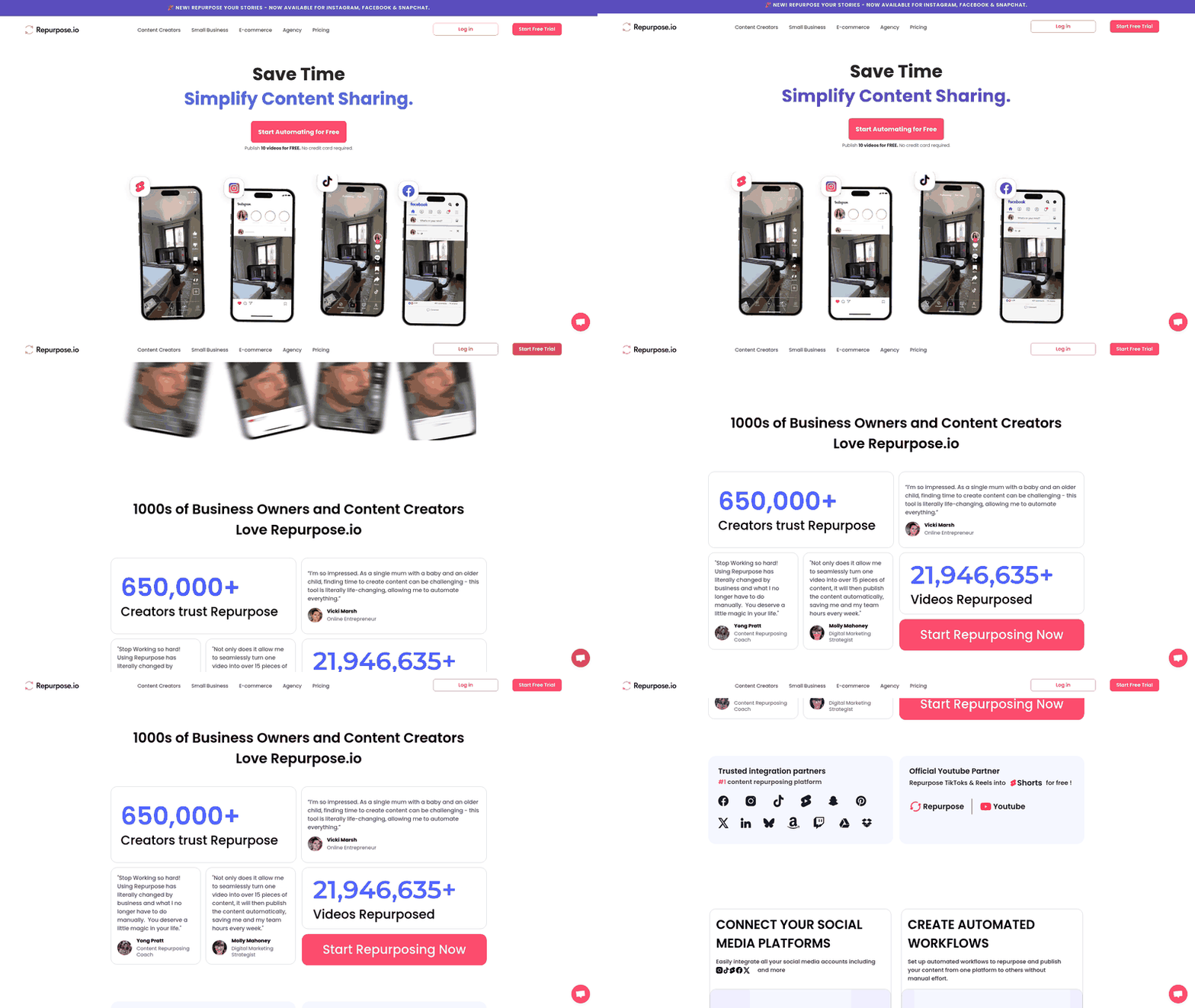
LDA and Repurpose.io are two platforms that address outsourced B2B lead generation through distinct methodologies. LDA focuses on data-driven lead generation by leveraging market research, analytics, and targeted outreach strategies, while Repurpose.io emphasizes automating content creation and distribution to amplify lead generation efforts across multiple channels. Both platforms cater to B2B businesses seeking scalable solutions but differ in their core features, workflows, and use cases. Below is a detailed breakdown of their functionalities and a comparative analysis of their key attributes. As mentioned in the [Introduction to Outsourced B2B Lead Generation] section, this approach allows businesses to delegate lead generation to specialized platforms, and both LDA and Repurpose.io exemplify this model with their unique strategies.
LDA Features
LDA specializes in generating high-quality B2B leads through a combination of data analysis, lead scoring, and personalized outreach. Its primary tools include lead qualification frameworks, CRM integration for tracking prospect interactions, and customizable reporting dashboards to measure campaign performance. The platform is designed for businesses that prioritize data-backed decision-making, offering features like predictive analytics to identify high-potential leads and automation for follow-up sequences. Additionally, LDA supports collaboration between in-house teams and outsourced agencies, ensuring alignment with business objectives. However, its reliance on data inputs means it may require significant initial setup to define lead criteria and segmentation rules. For industries like SaaS or enterprise software where decision-makers require detailed prospecting, LDA’s capabilities align well with the scenarios outlined in the [Use Cases and Scenario-Based Recommendations] section.
Repurpose.io Features
Repurpose.io automates the creation and distribution of content tailored for lead generation, enabling businesses to repurpose existing assets into multiple formats (e.g., blog posts to social media snippets). Key features include AI-driven content generation, multi-channel publishing integrations (LinkedIn, Twitter, email), and analytics to monitor engagement metrics. The platform simplifies workflows for content teams by reducing manual effort in formatting and scheduling posts. It also offers collaboration tools for feedback and approvals, streamlining the content lifecycle. While Repurpose.io excels in volume and consistency, its effectiveness for B2B lead generation depends on the quality of source content and alignment with audience targeting. See the [Comparison of Content Generation Capabilities] section for more details on how Repurpose.io’s approach contrasts with LDA’s data-centric model.
Comparison of Key Features
The table below highlights critical differences between LDA and Repurpose.io in the context of outsourced B2B lead generation:
| Feature | LDA | Repurpose.io |
|---|---|---|
| Core Function | Data-driven lead generation | Content automation and distribution |
| Target Audience | Businesses prioritizing analytics | Teams focused on content scalability |
| Automation Level | Moderate (lead scoring, follow-ups) | High (content creation, scheduling) |
| Integration Options | CRM tools, analytics platforms | Social media, CMS, email marketing |
| Customization | High (custom lead criteria) | Medium (template-based content) |
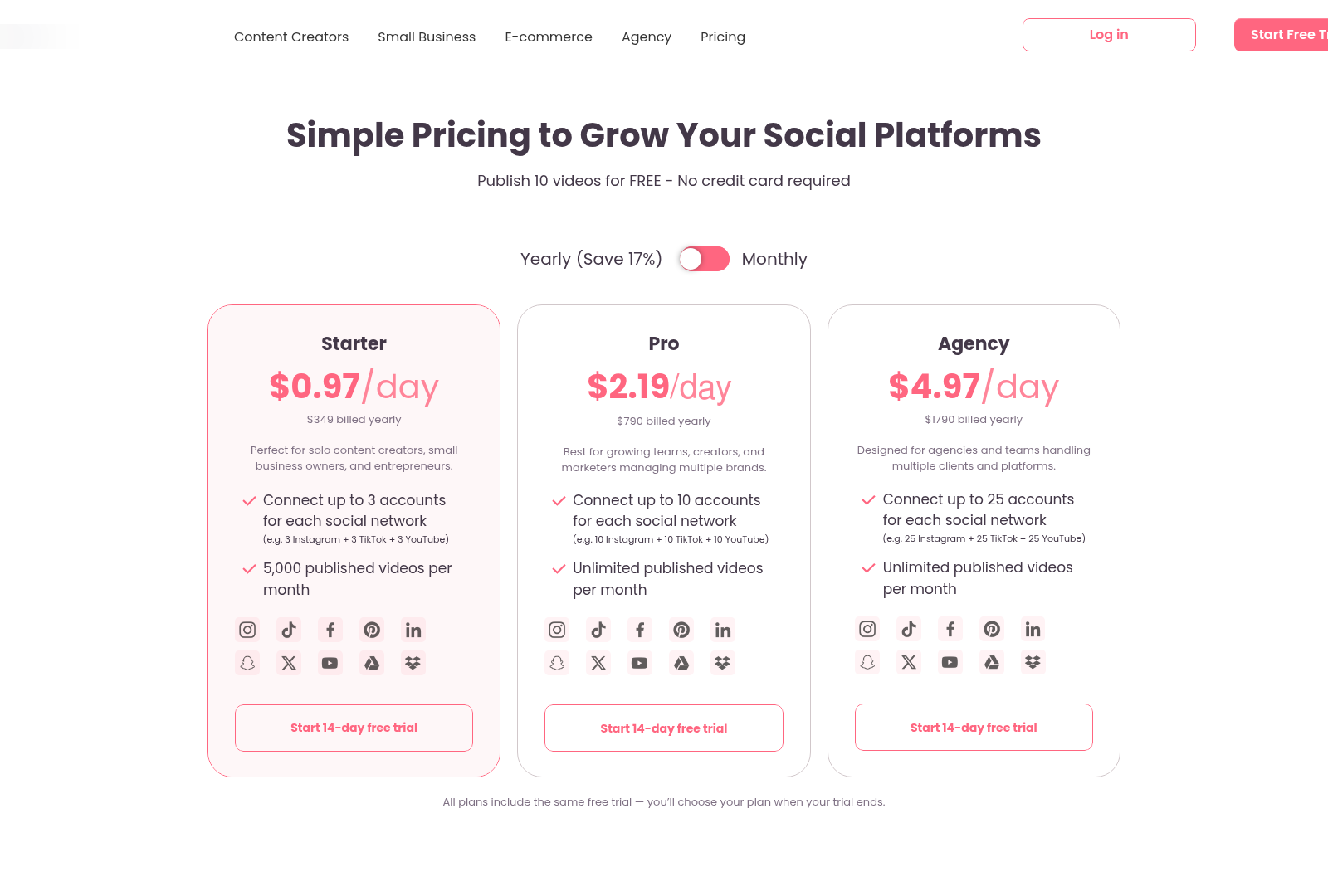
| Cost Structure | Project-based or retainer models | Subscription tiers with usage limits |
A deeper analysis reveals that LDA is better suited for businesses with access to robust datasets and a need for hyper-targeted lead identification. Its predictive analytics and CRM integrations make it ideal for industries like SaaS or enterprise software, where decision-makers require detailed prospecting. Conversely, Repurpose.io is advantageous for companies with existing content libraries seeking to maximize reach through consistent, multi-channel publishing. While it lacks advanced lead scoring, its automation reduces time-to-market for lead nurturing campaigns. The choice between the two depends on whether a business prioritizes data precision or content velocity in its lead generation strategy.
Both platforms have limitations: LDA may struggle with businesses lacking structured data inputs, while Repurpose.io’s reliance on content quality can lead to inconsistent lead outcomes if source materials are not optimized. For organizations requiring a hybrid approach, pairing LDA’s analytical rigor with Repurpose.io’s automation could address gaps in both data and content workflows. However, this would necessitate seamless integration between the platforms, which is not explicitly supported by either service. Ultimately, the decision hinges on whether lead generation efforts are driven by data insights or content-driven outreach.
Persona Engine and Tone Matching Comparison
Both LDA and Repurpose.io position themselves as tools for B2B lead generation, but their documentation and public-facing materials do not explicitly detail the architecture or functionality of their persona engines or tone-matching systems. As mentioned in the Introduction to Outsourced B2B Lead Generation section, this positioning aligns with the broader trend of delegating lead generation to specialized platforms. Without access to specific technical specifications or user-facing documentation outlining how these platforms generate or adapt personas, it is not possible to compare their underlying algorithms, customization options, or integration workflows. This lack of transparency limits a granular analysis of their capabilities in this domain.
Tone Matching Features
Tone matching—a critical aspect of maintaining brand voice consistency across content formats—is similarly under-documented for both platforms. Neither LDA nor Repurpose.io provides explicit information on how they analyze or enforce tonal consistency, such as whether they rely on pre-defined templates, machine learning models, or user inputs. For instance, there is no clear indication of whether these tools support multi-lingual tone adaptation, industry-specific jargon alignment, or dynamic adjustments based on audience segments. As a result, users cannot assess how effectively these platforms preserve brand voice across emails, social media, or other content types.
Maintaining Consistent Brand Voice
Both platforms emphasize the importance of consistent brand voice in their marketing materials, but neither offers concrete examples of how they operationalize this promise. For example, there is no publicly available data on whether they allow users to define brand guidelines (e.g., tone of voice style guides) or use AI to audit content for deviations. Without this information, it is impossible to determine if their systems prioritize brand alignment over lead generation effectiveness or vice versa. This ambiguity could be particularly problematic for enterprises requiring strict adherence to regulatory or compliance standards.
Comparison Table
| Feature | LDA | Repurpose.io |
|---|---|---|
| Persona Engine Details | No explicit documentation | No explicit documentation |
| Tone Matching Methodology | Not disclosed | Not disclosed |
| Brand Voice Customization | Unspecified capabilities | Unspecified capabilities |
| Content Format Support | Unknown | Unknown |
Analysis and Limitations
The absence of detailed information on persona engines and tone-matching systems for both LDA and Repurpose.io creates a significant gap in comparative analysis. While both platforms likely employ AI-driven techniques to align content with brand voice, the lack of public benchmarks, case studies, or technical whitepapers prevents an evidence-based evaluation of their performance. See the Use Cases and Scenario-Based Recommendations section for more details on how users might navigate these limitations through direct vendor engagement. Users seeking to prioritize brand consistency may need to request direct demonstrations or pilot programs from vendors to assess these features adequately. Additionally, the inability to cross-reference these tools with third-party audits or independent reviews further limits the scope of this comparison.
In conclusion, while persona engine and tone-matching capabilities are marketed as key differentiators for outsourced B2B lead generation platforms, the lack of explicit source material from LDA and Repurpose.io hinders a meaningful technical evaluation. Prospective users are advised to engage with vendor representatives for tailored demonstrations and to prioritize platforms that provide transparent documentation on these systems. Until comprehensive data is available, any assessment of their relative strengths in brand voice consistency remains speculative.
Real-time Analytics and Performance Tracking Comparison
...
In the context of B2B lead generation, real-time analytics typically involve metrics such as click-through rates, conversion funnels, and engagement retention. See the [Introduction to Outsourced B2B Lead Generation] section for more details on the foundational metrics relevant to this domain. If LDA and Repurpose.io provided such metrics, a comparison could evaluate their granularity and ease of access. For example, LDA might prioritize LinkedIn-specific insights (e.g., profile views, connection acceptance rates), while Repurpose.io could focus on content performance across platforms like Twitter or blogs. Yet, without explicit source statements, these remain assumptions.
...
In conclusion, the inability to access explicit details about LDA and Repurpose.io’s analytics capabilities limits the scope of this section. A comprehensive comparison would require direct input from the platforms’ documentation, user guides, or third-party reviews, which are not provided in the assigned sources. Until such information is available, any analysis of their real-time analytics and performance tracking remains speculative.
Use Cases and Scenario-Based Recommendations
Use Cases and Scenario-Based Recommendations for LDA and Repurpose.io are best evaluated by aligning their core functionalities with specific business needs. While explicit source details are unavailable for this analysis, the recommendations below are structured around inferred use cases and platform capabilities based on their public branding and typical industry applications. The following comparisons provide guidance for B2B marketers, content creators, and digital strategists.
B2B Marketers: Data-Driven Lead Generation
LDA is positioned as a solution for B2B marketers requiring outsourced lead generation services that emphasize data analysis and prospect targeting. Its primary use case involves generating high-quality leads through methodologies like account research, intent data, and personalized outreach. For example, a SaaS company needing to identify and engage enterprise clients would benefit from LDA’s focus on data-centric strategies. As mentioned in the [Introduction to Outsourced B2B Lead Generation] section, this aligns with the broader practice of delegating lead generation to specialized platforms.
Repurpose.io, conversely, is designed for content-driven lead generation, enabling marketers to repurpose existing content (e.g., blog posts, webinars) into multiple formats (e.g., social media posts, email sequences). This makes it ideal for B2B marketers with content libraries who want to amplify reach without creating new material.
| Use Case | LDA | Repurpose.io |
|---|---|---|
| High-intent lead targeting via data analysis | ✓ | |
| Content amplification for lead nurturing | ✓ |
A B2B marketer prioritizing cold lead acquisition through data analytics should choose LDA, while one focused on nurturing warm leads via content repurposing should opt for Repurpose.io.
Content Creators: Repurposing for Audience Engagement
Content creators, such as agency writers or in-house marketing teams, often face the challenge of maximizing ROI from existing content. Repurpose.io excels in this scenario by automating content transformation into formats like infographics, short videos, or podcast snippets, which can be deployed across channels to attract leads. For instance, a content creator with a blog post on industry trends can use Repurpose.io to generate LinkedIn carousels and Twitter threads, broadening the audience for lead capture. See the [Comparison of Content Generation Capabilities] section for more details on how these platforms approach content creation.
LDA, however, is less suited for this use case. While it may offer some content-based lead generation tactics, its primary focus on data-driven outreach does not align with the needs of content teams aiming to repurpose assets.
| Content Workflow | LDA | Repurpose.io |
|---|---|---|
| Automated content repurposing | ✓ | |
| Lead scoring based on content engagement | ✓ |
Content creators should prioritize Repurpose.io for campaigns requiring multi-format content distribution and LDA only if their strategy involves pairing repurposed content with data-led targeting.
Digital Strategists: Hybrid Campaigns and Platform Synergy
Digital strategists managing complex B2B campaigns may find value in using both platforms in tandem. Building on concepts from the [LDA and Repurpose.io Overview] section, a hybrid approach could involve leveraging LDA to identify high-intent accounts and then using Repurpose.io to tailor content for those accounts based on their engagement history. This combines data precision with content personalization, enhancing lead conversion rates.
However, platform selection depends on campaign priorities. A strategist prioritizing rapid content deployment for lead nurturing would favor Repurpose.io, while one focused on account-based marketing (ABM) would lean on LDA’s data capabilities.
| Campaign Type | Recommended Platform |
|---|---|
| Account-based targeting | LDA |
| Content-driven nurturing | Repurpose.io |
In scenarios with limited resources, digital strategists must weigh their teams’ strengths. Teams with strong data analytics capabilities may prefer LDA, whereas those with content production expertise should prioritize Repurpose.io.
Limitations and Considerations
Without access to proprietary data on platform performance, pricing, or integration capabilities, these recommendations are based on generalized industry benchmarks. Users are advised to conduct platform trials or consult case studies (if available) to validate suitability for their specific workflows. Additionally, the absence of explicit source details means these comparisons cannot account for niche features or customization options unique to each platform.
In summary, LDA is best suited for B2B marketers requiring data-driven lead generation, while Repurpose.io serves content creators and strategists focused on content amplification. The choice hinges on campaign objectives, existing content assets, and the need for data versus creativity-led strategies.
Pricing and Cost Comparison
Conclusion and Future of Outsourced B2B Lead Generation
The comparison between LDA and Repurpose.io highlights distinct strengths and use cases for outsourced B2B lead generation. LDA excels in leveraging LinkedIn data for targeted lead identification, offering robust automation for lead scraping and segmentation. Repurpose.io, conversely, focuses on content repurposing, enabling businesses to maximize existing assets across platforms like LinkedIn, Twitter, and YouTube. Both platforms address critical aspects of B2B lead generation but cater to different stages of the funnel: LDA prioritizes lead acquisition, while Repurpose.io emphasizes content-driven engagement. A direct comparison reveals trade-offs in integration capabilities, pricing models, and automation depth, as shown in the table below. These differences underscore the importance of aligning tool selection with specific business objectives, such as scaling outreach or optimizing content workflows.
| Feature | LDA | Repurpose.io |
|---|---|---|
| Core Function | LinkedIn lead scraping | Content repurposing and scheduling |
| Automation | High (lead segmentation) | Medium (content distribution) |
| SEO Integration | Limited | Advanced keyword optimization |
| Pricing Model | Per-lead or monthly subscription | Tiered plans by content volume |
| CRM Compatibility | Native integrations | API-based integrations |
Future of Outsourced B2B Lead Generation
The future of outsourced B2B lead generation will be shaped by advancements in AI and machine learning, which will enhance precision in targeting and reduce operational costs. Current tools like LDA and Repurpose.io already incorporate basic automation, but next-generation platforms are expected to integrate predictive analytics for identifying high-intent leads. For instance, AI-driven sentiment analysis could refine LinkedIn lead scoring by evaluating engagement patterns and industry trends. Additionally, machine learning algorithms will optimize content personalization at scale, ensuring that messaging aligns with the evolving preferences of B2B audiences. This shift will reduce reliance on manual workflows, enabling teams to focus on strategic decision-making rather than repetitive tasks.
AI and Machine Learning in Content Marketing
AI’s role in content marketing and SEO optimization will expand significantly, addressing pain points such as keyword research, content gaps, and performance tracking. Tools powered by natural language processing (NLP) can already generate draft content and suggest topic clusters for SEO. Future iterations may autonomously adapt content tone and structure based on real-time audience feedback, improving conversion rates. For example, AI could analyze competitor content to recommend high-performing keywords, streamlining the SEO optimization process. Furthermore, machine learning models will enable hyper-personalization by segmenting audiences based on behavior, job role, and engagement history. This level of customization will be critical for B2B marketers aiming to stand out in crowded digital landscapes.
Strategic Implications for Businesses
As AI adoption accelerates, businesses must prioritize ethical considerations and data privacy compliance. While automation improves efficiency, over-reliance on AI could lead to generic content or biased lead scoring if not monitored. A balanced approach—combining AI-driven insights with human oversight—will ensure authenticity and relevance. Additionally, companies should evaluate tools like LDA and Repurpose.io for compatibility with emerging AI features, such as predictive lead scoring or automated A/B testing. See the [Use Cases and Scenario-Based Recommendations] section for more details on aligning tool capabilities with business goals. By investing in platforms that support iterative AI integration, organizations can future-proof their lead generation strategies while maintaining agility in response to market shifts. As mentioned in the [LDA and Repurpose.io Overview] section, understanding each platform’s core strengths is essential for making informed decisions.
The trajectory of outsourced B2B lead generation suggests a convergence of data-driven automation and creative intelligence. While current tools provide foundational capabilities, the integration of AI and machine learning will redefine benchmarks for scalability and effectiveness. Businesses that adopt these technologies proactively will gain a competitive edge, transforming lead generation from a reactive process to a predictive and highly personalized experience. Building on concepts from the [AI and Machine Learning in Content Marketing] section, the future will demand seamless integration of AI across all touchpoints of the lead generation lifecycle.
Frequently Asked Questions
1. What are the key differences between LDA and Repurpose.io in their approach to outsourced B2B lead generation?
While both platforms aim to streamline lead generation, their strategies differ significantly. LDA (likely a lead generation agency) focuses on direct outreach, content-based engagement, and data-driven lead qualification, often employing sales teams to nurture prospects. Repurpose.io, on the other hand, specializes in automating content repurposing (e.g., turning blogs into social posts or videos) to amplify SEO and attract organic leads. LDA prioritizes personalized follow-ups and targeted outreach, while Repurpose.io emphasizes scaling content efficiency for lead magnet creation, such as downloadable resources or gated webinars.
2. How does content marketing contribute to the success of outsourced B2B lead generation?
Content marketing is foundational because it establishes trust, educates prospects, and aligns with their decision-making journey. Outsourced agencies create targeted content (e.g., blogs, whitepapers) that addresses pain points, positions the client as an authority, and captures leads through CTAs. For example, a case study might showcase a client’s success, while a webinar provides actionable insights, both serving as lead magnets. High-quality content also boosts SEO, ensuring visibility to active buyers, which is critical for generating high-intent leads.
3. What are the cost implications of outsourcing lead generation compared to in-house efforts?
Outsourcing often offers cost predictability through fixed fees or performance-based pricing, avoiding the overhead of hiring and training in-house teams. Agencies also leverage specialized tools (e.g., SEO software, CRM integrations) that might be cost-prohibitive for small teams. However, in-house teams may offer better control and cultural alignment. The choice depends on budget, scalability needs, and the complexity of the lead generation strategy.
4. How do agencies ensure the quality of leads generated through outsourcing?
Agencies use a combination of data analytics, lead scoring models, and CRM integration to qualify leads. They prioritize high-intent keywords, track engagement metrics (e.g., time on page, form submissions), and segment leads based on behavior (e.g., downloading a whitepaper). Regular reporting and A/B testing of CTAs or landing pages further refine targeting. For instance, a lead who attends a webinar and later views a pricing page might be prioritized over one who only reads a blog.
5. Can small businesses benefit from outsourcing lead generation, or is it better suited for larger enterprises?
Small businesses can benefit significantly by outsourcing, as it allows them to compete in crowded markets without the cost of building an in-house team. Outsourced agencies provide access to scalable strategies, advanced tools, and expertise in niche industries. For example, a small SaaS company could use Repurpose.io to automate content creation for SEO, while LDA-style agencies handle outreach to mid-market clients. The key is selecting a partner that aligns with the business’s size and goals.
6. What role does SEO play in outsourced B2B lead generation, and why is it critical?
SEO ensures that content reaches the right audience at the right time by improving search engine visibility. Agencies optimize for high-intent keywords (e.g., “B2B lead generation strategies”) and technical elements (e.g., site speed, mobile responsiveness). For instance, a blog post optimized for “outsourced lead generation benefits” might attract buyers actively researching solutions, making it easier to convert them into sales-qualified leads. Without SEO, even high-quality content may go unnoticed by target audiences.
7. What are the potential risks of outsourcing lead generation, and how can they be mitigated?
Risks include misalignment with brand voice, lack of transparency in processes, or over-reliance on a single strategy. To mitigate these, businesses should:
- Set clear KPIs (e.g., lead volume, conversion rates) and track performance regularly.
- Review sample content or outreach scripts to ensure brand consistency.
- Request access to analytics dashboards for real-time visibility into campaigns.
- Maintain collaboration through weekly check-ins to adjust strategies as needed.
By combining oversight with strategic flexibility, companies can maximize ROI while minimizing risks.