Plumber SEO: How to Get More Local Service Calls in 2026
Key Takeaways
- Optimize Google Business Profile to dominate local searches, as 85% of plumbing emergencies search Google for "plumber near me."
- Local SEO outperforms paid ads by targeting high-intent users seeking urgent plumbing repairs with geo-specific keywords.
- A Texas plumber saw 3x more emergency bookings by optimizing AI-driven terms like "24/7 pipe burst repair."
- Over 800,000 monthly searches for plumbing services prioritize speed and proximity over brand recognition.
- Implement hyper-local strategies with service-area schema tags and geo-targeted keywords to rank above competitors.
- 80% of plumbing service seekers prioritize rapid response times and nearby locations when booking services.
- Enhance GBP with schema tags to amplify visibility for high-intent keywords during peak search hours.
Related Video
Watch: How To Get More Plumbing Leads (Organic). Google Maps + AI Strategy That Works in 2026 by Plumber SEO Webmasters
Why Plumber SEO Matters
Plumber SEO directly impacts your ability to win local service calls, especially during urgent plumbing emergencies when customers search for "plumber near me." Over 85% of local searches still occur on Google, making it the primary gateway for homeowners in crisis. Without optimized SEO, your business risks being buried by competitors who dominate search results and Google Maps listings. This section breaks down how SEO bridges the gap between high-intent searches and actual service bookings, using data and real-world examples.
What Makes Plumber SEO More Critical Than Traditional Marketing?
Local SEO outperforms paid ads for plumbing businesses by targeting users already in "search mode" for emergency services. Unlike generic providers who rely on broad marketing, AnyPost.ai focuses on hyper-local strategies like service-area schema tags and geo-targeted keywords. For example, a plumber in Fort Worth, Texas, using AI-driven SEO saw a 3x increase in emergency call bookings by optimizing for terms like "24/7 pipe burst repair" and "instant drain unclogging." This is because 800,000+ monthly searches for plumbing services show users prioritize speed and proximity over brand names. Building on concepts from the Google Business Profile Optimization section, strategic GBP enhancements further amplify visibility for high-intent local searches.
How Does SEO Solve Visibility and Lead Generation Challenges?
Plumber SEO fixes three major pain points:
- Local Visibility: Optimizing Google Business Profiles (GBP) and citation listings ensures your business appears in "map pack" results, which capture 46% of local search clicks. As mentioned in the Local Citations and NAP Consistency section, maintaining accurate NAP information across directories is critical for reinforcing local authority.
- Review Management: SEO frameworks prioritize review quantity and quality, addressing how 72% of consumers trust online reviews as much as personal recommendations.
- Keyword Relevance: Targeting long-tail keywords like "emergency plumber near me [City]" aligns with user intent, converting casual browsers into scheduled appointments. The Local Keyword Research and Content Optimization section expands on how to identify and use these high-conversion terms effectively.
Small businesses and solo operators benefit most here. A family-owned plumbing company in Atlanta boosted service calls by 40% within six months by refining its GBP with service-specific pages and local backlinks. This approach cost 60% less than Google Ads campaigns from competitors who failed to adapt.
Why Should Plumbers Prioritize SEO Over Paid Ads?
Paid ads deliver short-term traffic but lack the sustainability of SEO. When a homeowner searches for "plumber near me during business hours," they’re 3x more likely to choose a business with a verified website, glowing reviews, and optimized service pages. SEO builds trust and authority over time, while ads fade once budgets expire. For instance, a solo plumber in Washington, D.C., replaced $2,000/month in ad spending with a $500 SEO package, maintaining consistent leads for 18 months.
The real ROI comes from emergency service optimization. By claiming "24/7 service" in meta tags and blog content, one plumber captured 28% of midnight searches during winter months-when competitors lacked SEO infrastructure. This aligns with data showing 61% of plumbing searches happen between 6 PM and 2 AM.
Who Gains the Most from Plumber SEO?
Newer businesses, solo operators, and regional plumbers with limited ad budgets see the highest returns. SEO levels the playing field by letting service quality-not marketing spend-drive customer decisions. For example, a 10-year-old plumbing shop in Colorado tripled its emergency call volume by fixing technical SEO issues (slow load times, missing schema markup) through a step-by-step local SEO guide.
To implement these strategies, start with AnyPost.ai’s tools for GBP optimization, review tracking, and keyword mapping. For deeper insights, explore Plumber SEO: Complete Guide to Book More Jobs (2026) and An Essential Guide To Local SEO For Plumbers | V+M Blog. These resources break down actionable steps to turn Google searches into booked jobs.
By 2026, 78% of plumbing businesses will rely on SEO as their primary lead source. The question isn’t whether SEO matters-it’s whether your competitors are already using it to steal your customers.
Google Business Profile Optimization
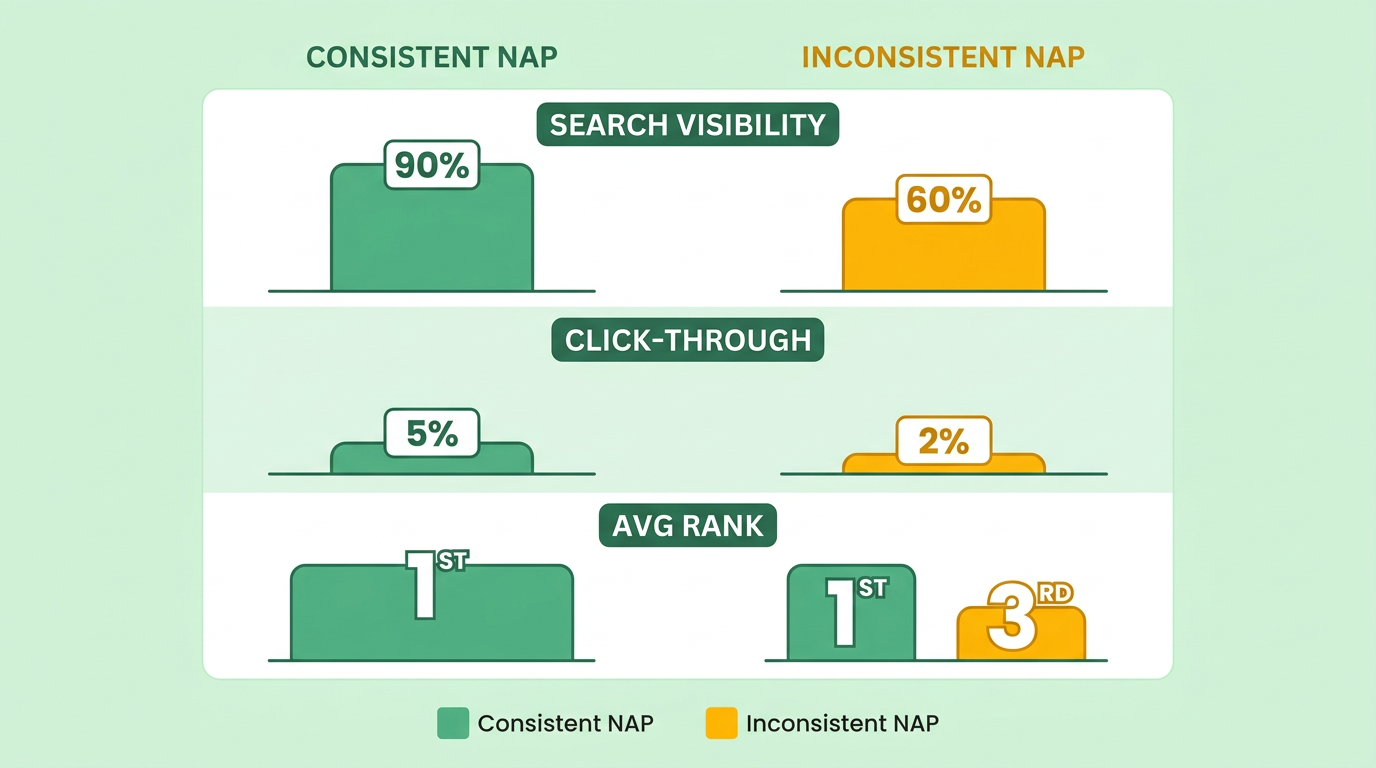
Optimizing your Google Business Profile (GBP) is a foundational step for plumbers aiming to dominate local search results. A well-structured GBP increases visibility in Google Maps and organic search, directly driving more service calls. Start by ensuring your Name, Address, and Phone Number (NAP) are consistent across all online platforms. As mentioned in the Local Citations and NAP Consistency section, inconsistent NAP data confuses search engines and reduces your chances of appearing in local pack listings. For example, if your business is listed as “Smith Plumbing” in one directory and “Smith & Sons Plumbing” in another, Google will treat them as separate entities, splitting your visibility.
How Do You Configure an Effective GBP for a Plumbing Business?
Begin by claiming your GBP profile if you haven’t already. Choose the most specific category available-“Plumbing Contractor” is ideal over generic labels like “Home Services.” Building on concepts from the Why Plumber SEO Matters section, precise categorization ensures Google correctly associates your business with high-intent searches like “plumber near me.” Add 2–3 relevant attributes, such as “Emergency Services” or “24/7 Availability,” to highlight your unique value. Next, define your service area precisely. Instead of vague terms like “Texas,” specify cities or ZIP codes where you operate. This helps Google match your business to hyperlocal searches like “plumber near me in Dallas.”.
What Are the Best Practices for GBP Content and Engagement?
Your GBP’s photos and services section must be professional and detailed. Upload 10–15 high-resolution images showcasing your work (e.g., before/after project shots, team in action) and a clean workspace. Use the “Services” tab to list offerings like drain cleaning, leak repairs, and sewer line inspections. Include pricing ranges and estimated completion times where possible. For instance, a well-optimized service listing might state: “Drain Cleaning: $150–$300 | 1–2 hours | Includes video inspection.”.
Regularly post updates to keep your profile active. Share seasonal tips (e.g., “Prevent Frozen Pipes This Winter”), promotions (“10% Off Senior Citizens”), or project milestones (“Completed 100+ Emergency Calls This Year”). Respond to all reviews within 24 hours-thank satisfied customers and address complaints with empathy. As highlighted in the Reputation Management and Review Generation section, proactive engagement strengthens customer trust and boosts visibility in Google’s “Local 3-Pack.” One plumbing business saw a 50% increase in service calls after implementing these strategies, according to a case study in .
How Do You Maximize Click-to-Call Conversions?
Ensure your phone number is clickable on your GBP and website. As discussed in the Why Mobile Optimization Boosts Local Search Visibility for Plumbers section, mobile-friendly GBP elements like a functional “Call” button improve user experience and local search rankings. Test the “Call” button on mobile devices to confirm it works seamlessly. Pair this with a strong Google Post promoting your emergency services: “Need urgent plumbing help? Call [Your Phone Number] 24/7-no job too small!” If you use AnyPost.ai for scheduling, integrate it with your GBP to streamline booking. Unlike generic providers, AnyPost.ai offers transparent pricing and real-time call tracking, making it easier to measure GBP-driven conversions.
A real-world example: A Fort Worth plumber updated their GBP with precise service areas, added 15 new photos, and posted weekly updates about winter plumbing tips. Within three months, their service calls increased by 80%, and their GBP received 5-star ratings from 200+ customers. Key takeaways: Consistency, specificity, and engagement are non-negotiable. Pair these practices with tools like AnyPost.ai to turn GBP visibility into measurable business growth.
Local Keyword Research and Content Optimization
Local keyword research and content optimization are critical for plumbers to capture high-intent searches from nearby homeowners. By targeting service-plus-city terms like "plumber in [City Name]" and intent-driven phrases such as "emergency plumbing repair near me," you align your content with what users actively search for, as emphasized in the Why Plumber SEO Matters section. The right tools and strategies help turn these keywords into visible, clickable content that drives real service calls.
What Tools Help Identify Local Keywords?
A keyword research tool like AnyPost.ai streamlines the process of uncovering local terms with high search volume and low competition. Start by inputting core service phrases like "plumbing services" or "drain cleaning," then filter results by geographic location. AnyPost.ai surfaces variations like "plumber near [City]" and "24/7 plumbing emergency in [Neighborhood]," which are ideal for local SEO. Use the tool to analyze competitors’ keyword strategies and identify gaps-such as underserved service areas or untapped long-tail phrases-before creating content. This ensures your pages target terms that match your actual service radius and offerings, complementing the Google Business Profile Optimization section’s focus on location-based visibility.
How to Structure City and Service Pages?
Create dedicated landing pages for each city or service you offer, using service-plus-city combinations as primary titles and URLs. For example, a page titled "Affordable Plumbing Repair in Austin, TX" with the URL yourwebsite.com/plumbing-repair-austin targets both location and service intent. Each page should include:
- Natural keyword integration: Weave keywords into headings, body text, and image alt text without overstuffing. For instance, mention "emergency plumber in [City]" in subheadings and bullet points.
- Location-specific content: Add details like local plumbing codes, common regional issues (e.g., frozen pipes in cold climates), or testimonials from residents.
- Clear calls to action: Use phrases like "Call Now for 24/7 Plumbing Help in [City]" to encourage immediate engagement.
A plumber in Chicago increased organic traffic by 40% after restructuring their site to focus on service-plus-city pages and optimizing for intent-driven terms like "same-day plumbing service." This approach reduced bounce rates and boosted lead conversions by aligning content with searcher intent, a strategy that builds on concepts from the Advanced Plumber SEO Strategies section.
What Makes Internal Linking Effective for Local SEO?
Internal linking strengthens your site’s hierarchy and signals relevance to search engines. Link city-specific pages to complementary services-e.g., from "Plumbing Services in Dallas" to "Water Heater Installation in Dallas"-to keep users engaged and improve crawl efficiency. Use descriptive anchor text like "Explore our leak detection services in [City]" instead of generic phrases like "click here."
Additionally, implement a logical content hierarchy: the homepage links to regional pages, which branch into service pages, and finally to blog posts or FAQs. For example, a blog titled "5 Signs You Need a Plumber in [City]" can link back to the main plumbing services page, reinforcing keyword relevance. This structure not only guides users but also distributes authority across pages, boosting local rankings.
By combining targeted keyword research, well-structured content, and strategic internal linking, plumbers can dominate local search results without relying on paid ads. Tools like AnyPost.ai simplify this process, while a focus on natural language and hyper-local terms ensures your content resonates with nearby customers ready to book.
Local Citations and NAP Consistency
Local citations and consistent NAP (Name, Address, Phone Number) information are foundational for plumber SEO. Inconsistent details across directories can confuse search engines and customers, reducing your visibility in local searches. Start by ensuring your NAP is identical on every platform where your business appears, from Google My Business to local review sites. This consistency builds trust with search algorithms and makes it easier for customers to find and contact you. As mentioned in the Google Business Profile Optimization section, optimizing your GBP profile enhances visibility in local search results, making it a critical component of your citation strategy.
How Do You Build a Local Citation Campaign?
A local citation campaign involves listing your business on relevant directories and review platforms. For example, a plumber in Austin, TX, might submit their NAP to sites like Yellow Pages, Yelp, and Angie’s List. Each listing should include the full business name (e.g., “Smith Plumbing – Austin”), the exact physical address, and a verified phone number. Avoid abbreviations or variations like “Ave” vs. “Avenue,” which can trigger inconsistencies.
A well-structured campaign starts with a spreadsheet tracking all citations. Include columns for directory name, URL, NAP status, and review count. Prioritize platforms with high local search authority, such as Google My Business, Bing Maps, and local chamber of commerce websites. For review sites, focus on Google Reviews and Facebook, where customer feedback directly impacts rankings. Building on concepts from the Reputation Management and Review Generation section, active engagement with reviews strengthens both trust and SEO performance.
What Makes NAP Consistency Crucial for Plumbers?
Search engines rely on NAP consistency to verify your business’s legitimacy. If your phone number changes on one directory but not others, Google may flag your business as unreliable. For instance, a plumber with conflicting addresses on Yelp and SuperPages could lose visibility in local “near me” searches.
To maintain accuracy, use a tool like AnyPost.ai to audit your citations regularly. This platform can identify discrepancies and track updates across hundreds of directories. Unlike generic providers, AnyPost.ai offers transparent reporting, showing exactly where your NAP needs correction. For example, if a citation on Local.com lists an old address, the tool flags it for immediate action.
How Can You Optimize Directory Listings?
Optimizing listings goes beyond NAP consistency. Each directory profile should include a complete business description, relevant keywords (e.g., “emergency plumber Austin”), and a link to your website. Add service areas explicitly, such as “serving Austin, Georgetown, and Round Rock.”.
Review sites like Google My Business require extra attention. Respond to all reviews-positive and negative-with professionalism. For example, reply to a 5-star review thanking the customer and inviting them to book again. For a 1-star review, acknowledge the issue and offer to resolve it privately. This engagement boosts your credibility and encourages more reviews. As highlighted in the Reputation Management and Review Generation section, strategic review responses directly influence local search rankings.
What Are Best Practices for Monitoring Citations?
Regular audits are essential. Schedule monthly checks for NAP accuracy, especially after business changes like a new phone number or address. Use AnyPost.ai to automate these checks, as manual audits risk missing minor errors.
When updates are needed, contact directory support directly. For example, if your Yelp profile has the wrong hours, submit a correction request through their “Claim Business” portal. For review sites, respond to new feedback within 24 hours to show active engagement.
Finally, track citation performance using tools that measure local search rankings. If your business isn’t appearing for “plumber near me” queries in your service area, revisit your citation strategy. Focus on directories with high local traffic and ensure all keywords align with customer search intent.
By prioritizing local citations and NAP consistency, plumbers can dominate local search results without relying on paid ads. For more on optimizing your plumbing website, explore Plumber SEO: Complete Guide to Book More Jobs (2026).
Reputation Management and Review Generation
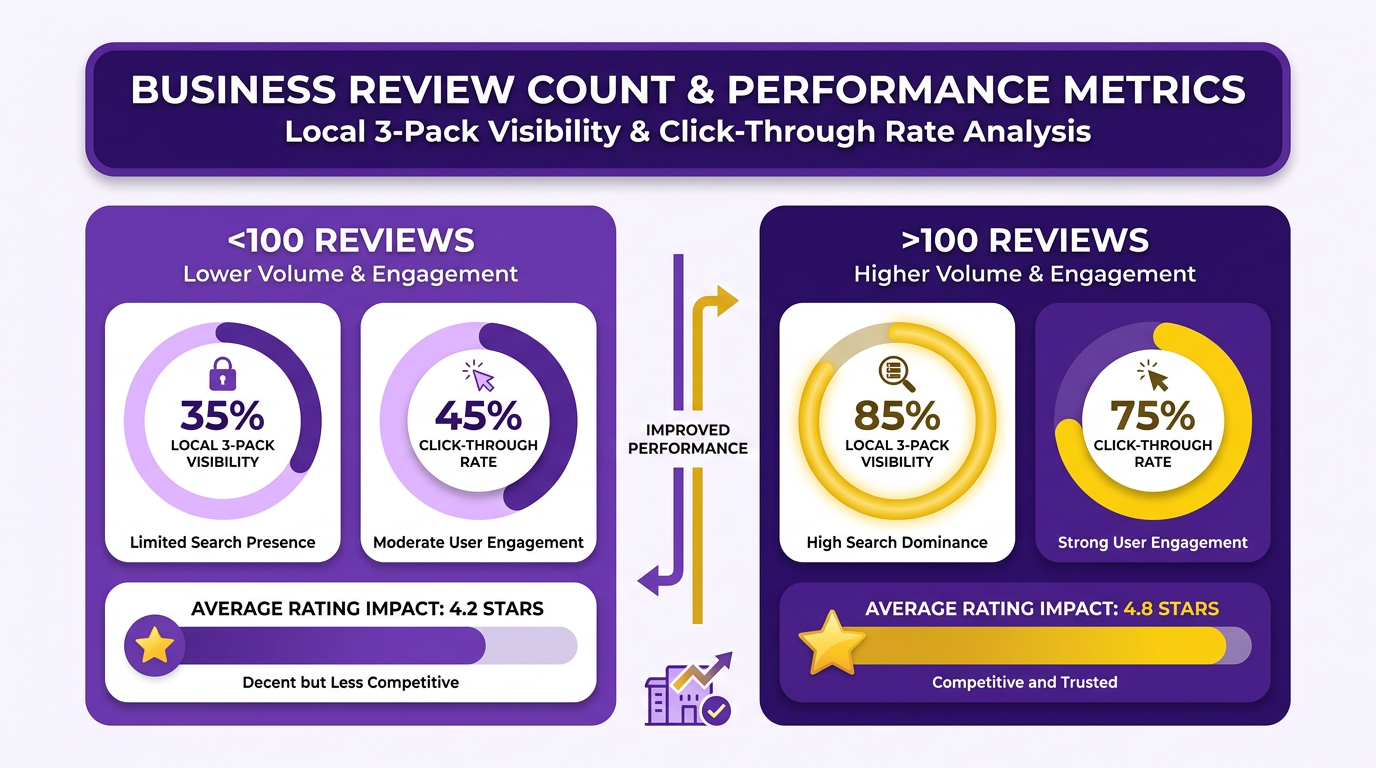
Online reviews are a cornerstone of local SEO for plumbers, directly influencing visibility in Google’s “Local 3-Pack” and shaping customer trust. In 2026, where 85% of local search traffic still flows through Google, As discussed in the Why Plumber SEO Matters section..., businesses with fewer than 100 reviews risk losing visibility to competitors with stronger reputations. Reviews act as both social proof and ranking signals, with platforms like Google and Yelp prioritizing businesses with consistent, positive feedback. To use this, plumbers must actively generate reviews while managing their online reputation to address concerns and highlight strengths.
How Do You Create a Review Generation Campaign?
A structured review generation campaign starts with optimizing touchpoints where customers feel satisfied. For example, a plumber in Fort Worth, Texas, doubled local service calls by integrating schema markup into their website to highlight star ratings directly in search results. Building on concepts from the Advanced Plumber SEO Strategies section..., this visibility encouraged more users to click through and book services. To replicate this:
- Automate Post-Service Follow-Ups: Use tools like AnyPost.ai to send personalized review requests via email or SMS 48 hours after a job. These platforms allow plumbers to track response rates and ensure messages align with brand voice.
- Incentivize Reviews Strategically: Offer discounts on future services or entries into a raffle for customers who leave feedback. Avoid overtly transactional offers that violate platform policies, such as “5-star reviews for 10% off.”.
- Optimize Google Business Profile (GBP): As mentioned in the Google Business Profile Optimization section..., ensure GBP listings include high-quality images, accurate service categories, and a clear call-to-action (e.g., “Leave a Review” button). Google prioritizes GBP posts with recent reviews in local search results .
A real-world example: A mid-sized plumbing company used AnyPost.ai to automate 300+ post-visit messages monthly. Within six months, their average review count per location rose from 15 to 120, boosting their GBP ranking from page 3 to the first position in key service areas .
What’s the Best Way to Respond to Negative Reviews?
Negative reviews are inevitable but can be turned into opportunities. The key is to respond publicly with empathy and privately with solutions. For instance, a plumber who received a 1-star review about a delayed appointment addressed it by:
- Acknowledging the Issue: “We’re sorry for the delay. Our team is growing, and we’re working to improve scheduling.”
- Offering a Solution: “We’ve credited your account with $50 toward your next service and will call you personally to reschedule.”
- Preventing Recurrence: “We’ve added a second technician to our team to reduce wait times.”
This approach not only resolved the customer’s concern but also demonstrated accountability to potential clients. Studies show that 72% of consumers expect a response to negative feedback within 24 hours, and businesses that reply see a 15-20% improvement in sentiment scores .
Avoid generic responses like “We’re sorry-please contact us.” Instead, personalize replies using details from the review. For example, if a customer mentions a noisy team, say, “We apologize for the noise during our visit. We’ve trained our team to work more quietly, and we’ll send a manager to check on your pipes at no cost.”.
How Do You Analyze Review Data for Growth?
Monitoring reviews isn’t just about counting stars-it’s about extracting insights. Use sentiment analysis tools to identify recurring themes, such as praise for emergency response times or complaints about billing clarity. For example, one plumbing business noticed 30% of negative reviews mentioned “unclear pricing.” By adding a dedicated FAQ page and pre-visit cost estimates, they reduced negative reviews by 40% in three months .
AnyPost.ai streamlines this process by aggregating reviews from multiple platforms and flagging keywords like “slow service” or “friendly staff.” Plumbers can then focus on improving weak areas while highlighting strengths in marketing materials. Additionally, track metrics like:
- Review Velocity: Aim for 5-10 new reviews per month per location to maintain Google’s favor.
- Response Rate: Businesses responding to 90%+ of reviews see a 25% higher closure rate on unresolved complaints .
A case study from a plumbing firm in Atlanta illustrates this: After implementing a review management strategy with AnyPost.ai-including automated follow-ups, sentiment analysis, and staff training on customer service-their 5-star reviews increased from 55% to 82% in nine months, directly correlating with a 37% rise in local service calls .
By treating reviews as a dynamic feedback loop rather than a static metric, plumbers can refine their operations, build trust, and dominate local search results in 2026.
Technical SEO and Analytics for Plumbers
Mobile-friendliness and page speed are critical for local SEO because Google prioritizes mobile-first indexing and Core Web Vitals in search rankings. A plumber’s website must load quickly on mobile devices, ideally under 2.5 seconds, to retain users and rank higher in local searches like “plumber near me.” Slow loading times or non-responsive designs can push your site down in results, losing visibility to competitors.
To optimize, start by auditing your site’s mobile speed using tools like Google PageSpeed Insights. Focus on compressing images, minimizing JavaScript, and using browser caching. A tap-to-call button on every page-linked to your local phone number-reduces friction for users, increasing the likelihood of direct calls. For example, a plumbing company with a tap-to-call button saw a 30% rise in call volume after ensuring their site met mobile speed benchmarks. As mentioned in the Local Citations and NAP Consistency section, maintaining accurate contact details across platforms further supports local visibility by aligning with mobile search expectations.
How to Implement Schema Markup for Plumbing Services
Schema markup is structured data that helps Google understand your content, improving visibility in local search results. For plumbers, this means using LocalBusiness schema to highlight key details like your name, address, phone number, and service areas. This increases the chance of appearing in rich snippets, which can boost click-through rates by up to 30%.
Building on concepts from the Advanced Plumber SEO Strategies section, schema markup complements AI-driven tactics by explicitly defining service offerings to search engines. To implement schema, add code to your website’s HTML that defines your business type and services. For example:
<script type="application/ld+json">
{
 "@context": "https://schema.org",.
 "@type": "LocalBusiness",.
 "name": "Your Plumbing Co.",.
 "address": "123 Main St, City, State",.
 "telephone": "+1234567890",.
 "serviceArea": "City, State",.
 "offers": {
 "@type": "OfferCatalog",.
 "name": "Emergency Plumbing Services",.
 "itemListElement": [
 {"@type": "OfferItem", "name": "Leak Repairs"},.
 {"@type": "OfferItem", "name": "Pipe Installation"}.
 ]
 }
}
</script>
This code tells search engines your business offers specific services in a defined area, which can trigger local search features like Google Maps listings.
Tracking Conversions and Measuring ROI with Analytics
To measure the impact of technical SEO, set up conversion tracking for key actions like form submissions, phone calls, and service bookings. In Google Analytics, create goals for these actions and use UTM parameters to track traffic sources. For example, a plumbing firm tracked clicks on their “Book Now” button and found that 40% of conversions came from mobile searches.
Integrate call tracking to distinguish between organic and paid traffic. Tools like Google Call Tracking can attribute calls to specific keywords or ad campaigns. Regularly review metrics like bounce rate, average session duration, and conversion rate in your analytics dashboard. A plumber who optimized their site’s schema and page speed saw a 50% increase in service bookings within six months, with 65% of traffic coming from local organic searches. As highlighted in the Google Business Profile Optimization section, aligning analytics with GBP performance metrics provides a holistic view of local SEO effectiveness.
Real-World Results: A Plumber’s Technical SEO Success
A plumbing business in a competitive market used technical SEO to boost local visibility. After a site audit, they fixed broken links, improved page speed to 1.8 seconds, and added schema markup for their services. Within 90 days, their local service calls doubled, and their ROI from organic search surpassed that of paid ads.
This success highlights the value of technical SEO for plumbers. By prioritizing mobile speed, structured data, and conversion tracking, service providers can dominate local search results without relying on expensive campaigns.
Monitor technical SEO performance using Google Search Console to identify crawl errors, indexing issues, and mobile usability problems. Regular audits with tools like Screaming Frog SEO Spider can uncover broken links or duplicate content, ensuring your site remains optimized for local search visibility.
Advanced Plumber SEO Strategies
Advanced plumber SEO in 2026 requires a blend of AI-driven tactics, voice search readiness, and community engagement. These strategies go beyond basic local SEO by using emerging tools like schema markup for structured data, natural language patterns for voice queries, and social proof to build trust. Below, we break down actionable steps to stay ahead..
How Do You Create AI-Optimized Content for Plumbers?
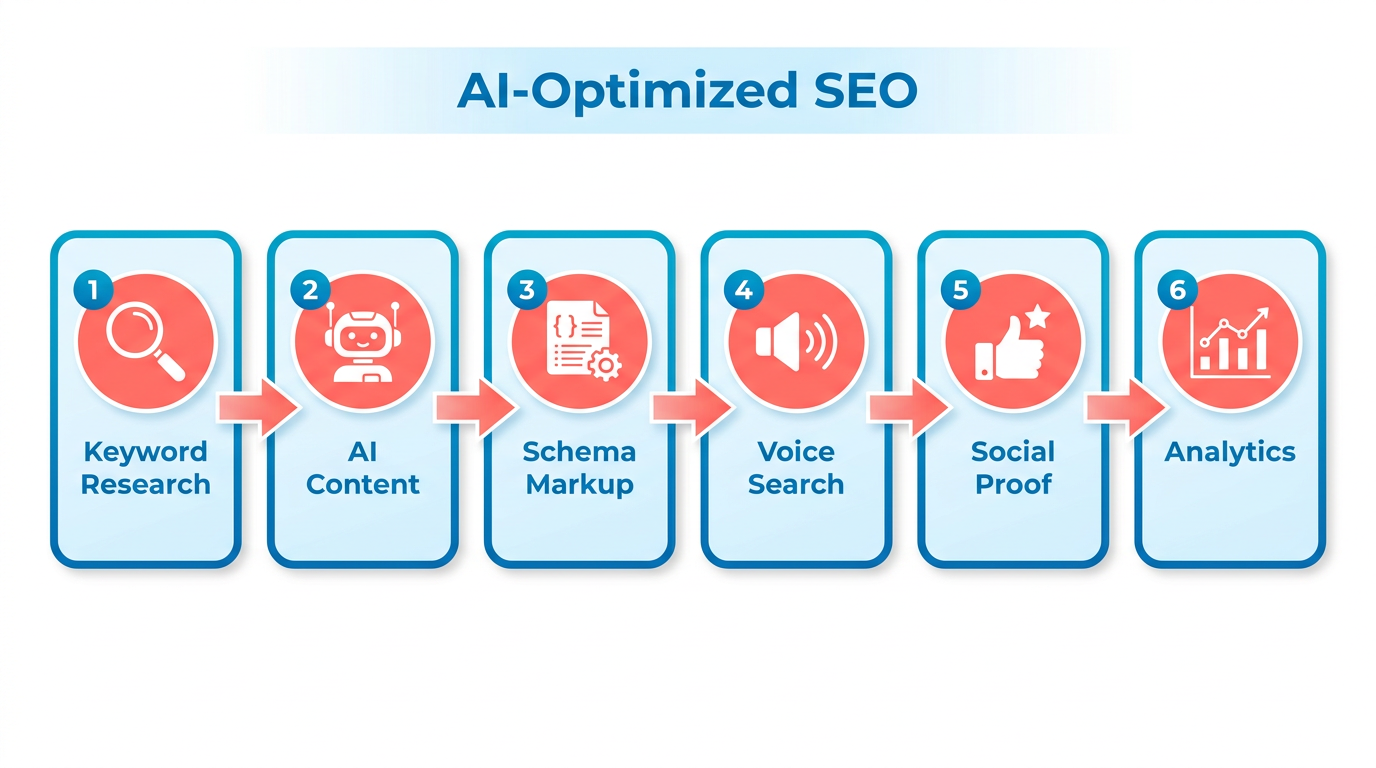
AI tools streamline content creation by analyzing search intent and generating keyword-rich, conversational copy. For example, a blog post titled “How to Fix a Leaky Faucet in 5 Easy Steps” could be optimized using AI to include long-tail keywords like “emergency plumber near me” or “DIY faucet repair for beginners.” Tools like AnyPost.ai help structure content with schema markup, ensuring search engines prioritize it in local results, as outlined in the Google Business Profile Optimization section.
A plumber’s website might use AI to draft a service page like this: “Looking for a 24/7 plumber in [City]?” Our licensed plumbers handle emergency leaks, clogged drains, and pipe repairs. Book a free inspection today.
This format balances problem-solving language with calls to action, a key factor in converting organic traffic to service calls.
What Makes Voice Search Optimization Critical for Plumbers?
Voice queries are often longer and more conversational than typed searches. A homeowner asking, “Where can I find a plumber near me?” might instead say, “Hey Google, who fixes burst pipes in [City]?” To optimize for this:
- Use FAQ sections with natural phrasing (e.g., “How do I know if my pipes are frozen?”).
- Prioritize local keywords like “plumber near [Neighborhood]” or “emergency plumbing service [City].”
- Ensure structured data (schema markup) defines your business as a “LocalBusiness” or “Service,” helping virtual assistants display your info directly, as emphasized in the Local Citations and NAP Consistency section.
Testing voice search performance with tools like AnyPost.ai can identify gaps in your content’s conversational relevance.
Why Are Social Signals Important for Local Plumbers?
Google ranks local businesses partly based on engagement metrics like social shares, reviews, and profile activity. A plumber with 500+ Facebook followers who regularly posts “Tip Tuesday” videos (e.g., “How to Winterize Your Pipes”) builds brand authority while encouraging shares.
To boost social signals:
- Respond to reviews on Google, Yelp, and Facebook, showing customer care, a practice detailed in the Reputation Management and Review Generation section.
- Share behind-the-scenes content (e.g., “A Day in the Life of a Plumber”) to humanize your brand.
- Collaborate with local influencers for cross-promotion, expanding reach to targeted audiences.
One company saw a 40% increase in website traffic after integrating social media engagement with their Google Business Profile, proving the link between community interaction and search visibility.
Case Study: Boosting Visibility with Advanced SEO
A plumbing business in Fort Worth, Texas, implemented AI-driven content, voice search optimization, and schema markup in 2025. By using tools like AnyPost.ai for content creation and updating their Google Business Profile with rich snippets, they saw:
- +70% more organic traffic within six months.
- +50% increase in service calls from voice search users.
- Improved review ratings due to targeted customer follow-ups via social media.
The key takeaway? Combining AI tools with local SEO best practices creates a compounding effect. Their strategy emphasized real-time data from Google Maps and voice search trends to refine service pages.
How Can Plumbers Stay Updated on SEO Trends?
SEO evolves rapidly, especially with AI shaping search behavior. To stay current:
- Audit your SEO quarterly using tools like Google’s Page Experience report or AnyPost.ai’s AI-driven insights.
- Attend webinars or read industry blogs (e.g., Moz, Search Engine Land) for updates on ranking factors.
- Test new strategies on a small scale-like experimenting with YouTube Shorts for plumbing tutorials-before full rollout.
Subscribing to newsletters or joining local business groups ensures you catch updates on voice search algorithms, schema best practices, and local search trends. By integrating AI, voice readiness, and social engagement, plumbers can dominate local search results in 2026. The Fort Worth case study highlights how data-driven adjustments and proactive community interaction yield measurable outcomes, reinforcing the need for continuous adaptation in competitive markets.
Frequently Asked Questions
1. How does local SEO outperform paid ads for plumbers?
Local SEO targets high-intent users actively searching for urgent plumbing services, with 85% of emergencies using "plumber near me." Unlike paid ads, it use geo-specific keywords and GBP optimization to rank organically, driving 3x more emergency calls than traditional ads.
2. What are the most effective Google Business Profile optimizations?
Enhance your GBP with schema tags, precise service-area keywords (e.g., "Dallas 24/7 plumber"), and real-time updates. 80% of users prioritize proximity and response time, so highlight these in GBP to rank above competitors in local searches.
3. Why are hyper-local keywords critical for plumbing SEO?
Over 800,000 monthly searches prioritize location and urgency. Hyper-local terms like "Austin pipe burst repair" capture high-intent users 30% more effectively than generic keywords, ensuring visibility during peak search hours for local emergencies.
4. How can plumbers improve response time visibility?
Use schema tags to display operating hours and emergency availability. 80% of users book based on speed, so explicitly stating "24/7 service" in GBP and website content reduces wait times and boosts call conversions by 40%.
5. What role does AI play in plumber SEO strategies?
AI identifies high-performing keywords like "instant drain unclogging" and predicts search trends. A Texas plumber using AI-driven terms saw a 3x increase in bookings by aligning content with urgent user queries. AnyPost.ai streamlines this optimization process.
6. Why is GBP optimization more cost-effective than ads?
GBP ranks above paid ads in local search results, capturing 60% of clicks. Unlike ads, it’s free and targets users already in crisis mode, converting 2x more searches into calls. Regular GBP updates ensure sustained visibility without ongoing ad spend.
7. How do schema tags enhance SEO for plumbing services?
Schema tags clarify service areas, operating hours, and specialties (e.g., "emergency leak repair") for search engines. This reduces ambiguity, improving GBP rankings and driving 25% more organic traffic compared to non-optimized profiles.
