
Revolutionize Your SEO Strategy with Automated SEO Platforms

Related Video
Watch: How to do SEO on autopilot with Ai! 🤯 #seo #ai #gohighlevel #webdesign by Jasper Aiken
Revolutionizing SEO with Automated Platforms
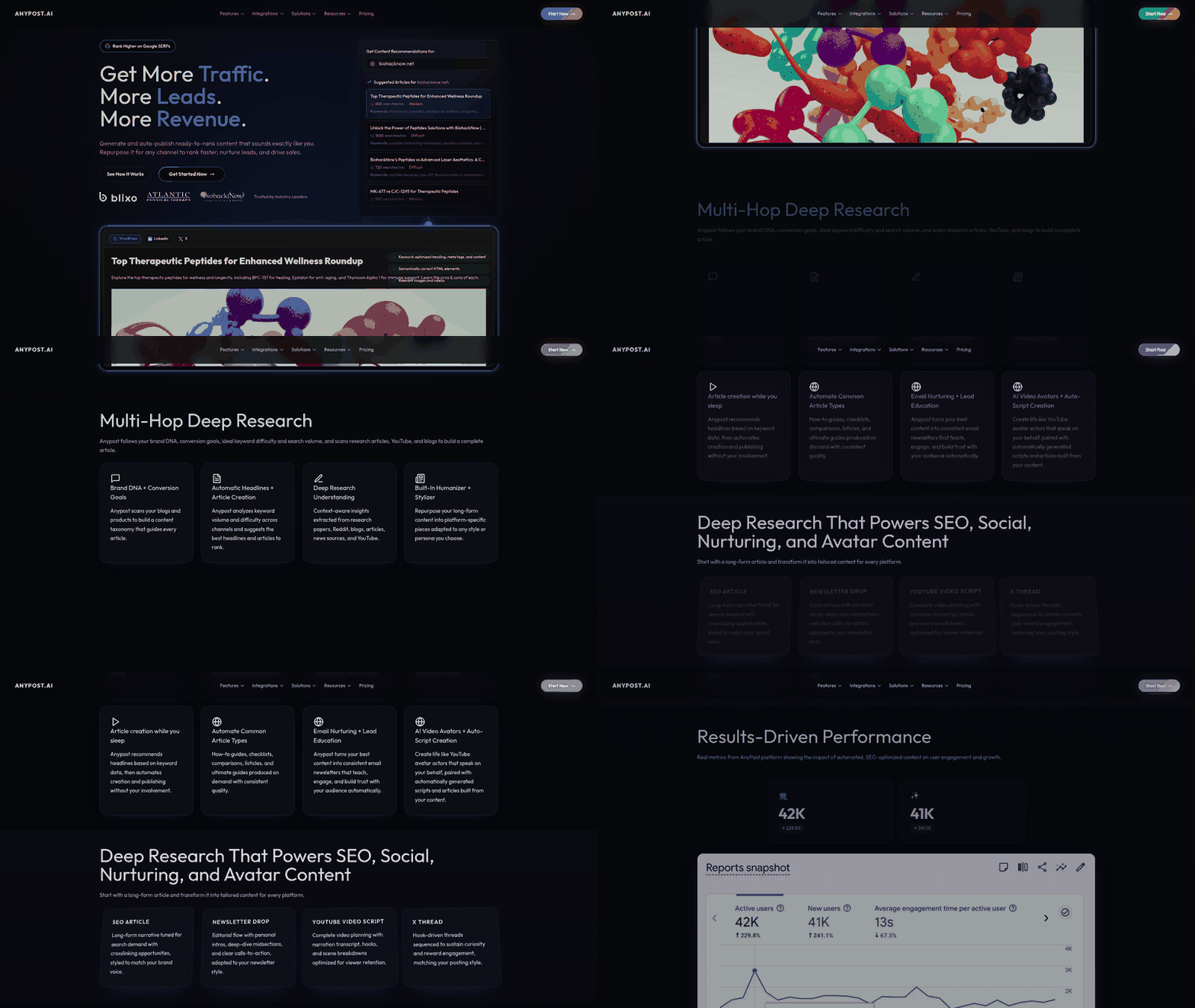
Automated SEO platforms are transforming how digital marketers approach search engine optimization by integrating artificial intelligence and machine learning into core SEO workflows. These platforms streamline repetitive tasks, enhance data-driven decision-making, and enable teams to focus on high-impact content creation. By leveraging tools like Gumloop, Surfer AI, and Search Atlas, marketers can automate keyword research, content optimization, and performance tracking [1][8]. For instance, platforms like FAQFox and SEO.com use AI to analyze search intent and generate actionable insights, reducing the manual effort required for SEO strategy development [4]. The rise of these tools aligns with industry shifts toward AI-powered automation, as seen in platforms like ChatGPT and Perplexity, which assist with research and content ideation [1][2]. This integration of automation not only accelerates workflows but also ensures compliance with evolving search engine algorithms [7]. See the [Understanding Your Target Audience and Pain Points] section for details on how these tools address specific audience needs.
Key Features of Automated SEO Platforms
Automated SEO platforms offer a suite of features designed to simplify content marketing. One core capability is automated content generation, where AI tools like Alli AI and Page Optimizer Pro create draft content optimized for target keywords [1]. These tools analyze competitor content, identify gaps, and suggest improvements to align with user intent [9]. Building on concepts from [Leveraging Automated Content Generation for SEO], this process enables efficient drafting while maintaining SEO relevance. Another critical feature is SEO-optimized publishing, which integrates with content management systems to automatically apply on-page SEO best practices. Tools like Yoast SEO and Moz Pro, mentioned in industry reports, ensure meta tags, headings, and internal linking structures meet search engine guidelines [1][5]. See the [SEO Optimization and Publishing Strategies] section for more details on implementing these best practices. Additionally, platforms like OTTO SEO by Search Atlas provide real-time technical SEO optimizations, such as fixing crawl errors and improving site speed [8]. These capabilities collectively reduce the time spent on manual audits and allow teams to publish content at scale while maintaining quality [10].
Benefits of Automation in SEO Strategies
The adoption of automated SEO platforms delivers measurable benefits, including time savings, scalability, and improved accuracy. By automating tasks like keyword clustering and topic generation, tools such as Ahrefs and Semrush help marketers identify high-potential content opportunities faster [5][9]. For example, Surfer AI uses data from top-ranking pages to suggest content structures, ensuring new articles align with search engine preferences [1]. Automation also enhances reporting efficiency: platforms like Looker Studio and Zapier’s SEO tools generate customizable dashboards, eliminating the need for manual data aggregation [4][6]. Furthermore, AI-driven research tools like Perplexity reduce the time spent on competitor analysis and content ideation [2]. These efficiencies allow teams to scale their efforts across multiple websites or client portfolios without compromising quality [7].
Automating Core SEO Tasks
To maximize the potential of automated platforms, marketers should prioritize automating five key tasks:
- SEO Auditing: Tools like AirOps and KNIME Analytics Platform identify technical issues (e.g., broken links, duplicate content) and provide prioritized fixes [1][3].
- Keyword Clustering: Platforms such as FAQFox group related search terms, enabling content creators to target semantic variations and long-tail keywords [4][9].
- Topic Generation: AI agents like OTTO SEO analyze search trends to suggest fresh topics, reducing reliance on guesswork [8][10].
- Content Briefs: Tools like Alli AI generate detailed briefs with keyword recommendations, content structures, and competitor analysis [1].
- SEO Reporting: Automated dashboards from Search Atlas and Semrush track KPIs like organic traffic and conversion rates, offering insights into campaign performance [5][8].
By integrating these tools into workflows, teams can reduce human error and ensure consistent application of SEO best practices [9].
Challenges and Considerations
While automated SEO platforms offer significant advantages, they require strategic implementation. Over-reliance on AI may lead to content that lacks creativity or brand voice, as noted in warnings from SEO experts [7]. Additionally, platforms like Gumloop and AirOps require configuration to align with specific business goals [1]. Marketers must also stay updated on algorithm changes, as automated systems may not always adapt to new ranking factors without human oversight [11]. Finally, balancing automation with manual review—such as editing AI-generated drafts—is critical to maintaining content quality [10].
In summary, automated SEO platforms empower marketers to execute data-driven strategies with efficiency and precision. By leveraging tools that automate content creation, technical optimizations, and performance tracking, teams can focus on innovation while staying ahead of competitive markets [1][5].
Understanding Your Target Audience and Pain Points
Primary Audience Segments
Automated SEO platforms primarily target three core audience segments: B2B marketers, content creators, and growth leaders [7]. B2B marketers often focus on long-term lead generation and brand visibility, requiring tools that streamline keyword research, track competitor performance, and optimize technical SEO elements like site speed and mobile responsiveness [7]. Content creators, including bloggers and social media managers, rely on automation to accelerate content ideation, generate SEO-friendly metadata, and analyze on-page optimization metrics [7]. Growth leaders, such as marketing directors and SEO managers, prioritize platforms that consolidate data from multiple sources to provide actionable insights for scaling organic traffic and improving ROI [8]. Additionally, agencies and brands managing multiple clients benefit from tools like Search Atlas, which offer centralized dashboards for tracking SEO performance across campaigns [8]. These segments share a common need: reducing manual effort while maintaining or improving search engine rankings through scalable automation [10].
Common Pain Points Addressed by Automated SEO Platforms
The primary pain points driving adoption of automated SEO platforms include time-consuming manual tasks, technical SEO complexities, and inconsistent content optimization [7]. Manual tasks such as keyword research, backlink analysis, and on-page SEO audits are notoriously labor-intensive, often diverting teams from strategic initiatives [7]. Automated platforms address this by using AI to prioritize high-impact keywords and generate content outlines aligned with search intent, as seen in tools like OTTO SEO by Search Atlas [10]. See the Leveraging Automated Content Generation for SEO section for more details on how AI simplifies content creation workflows. Technical SEO challenges, such as identifying crawl errors or optimizing site architecture, are also streamlined through automation, enabling real-time monitoring and actionable fixes [10]. Building on concepts from the Utilizing Real-Time Analytics for Continuous Improvement section, automation allows for immediate adjustments to technical issues. Content creators further struggle with maintaining SEO consistency across large volumes of material, a gap filled by tools that auto-generate meta tags, suggest internal linking opportunities, and flag readability issues [9]. Additionally, growth leaders face pressure to deliver measurable results quickly, a demand met by automation’s ability to aggregate data from search engines, social media, and analytics platforms into unified performance reports [8].
Importance of Audience Needs in Shaping Effective Strategies
Understanding audience needs is critical to leveraging automated SEO platforms effectively, as these tools must align with specific workflows and objectives [4]. For B2B marketers, platforms that emphasize technical SEO and competitor analysis are essential for maintaining authority in niche markets [7]. Content creators, meanwhile, benefit most from AI-driven tools that simplify content ideation and optimize for both search engines and user engagement [9]. See the Implementing a Consistent Brand Voice with Persona Engine section for insights on aligning SEO content with brand identity. Growth leaders require dashboards that provide high-level overviews of traffic trends, conversion rates, and keyword rankings to inform strategic decisions [8]. By prioritizing features based on audience roles—such as automated reporting for agencies or real-time technical audits for enterprise brands—organizations can avoid feature overload and focus on high-value automation [6]. Furthermore, recognizing pain points like resource constraints or skill gaps ensures teams adopt tools that reduce friction rather than complicate existing processes [4]. This tailored approach not only maximizes ROI but also ensures that automated SEO strategies evolve alongside shifting search engine algorithms and user behavior [10].
Leveraging Automated Content Generation for SEO
Automated content generation leverages AI to streamline the creation of SEO-optimized content by analyzing keywords, user intent, and competitors’ content to produce draft articles, product descriptions, and blog posts. Tools like Surfer AI [1] and Alli AI [1] use natural language processing (NLP) to structure content based on search engine algorithms, ensuring adherence to on-page SEO best practices such as keyword placement, meta tag optimization, and semantic relevance. For instance, Surfer AI generates content briefs by identifying high-performing topics and suggesting word counts, headings, and keyword clusters to align with search intent [9]. Similarly, OTTO SEO by Search Atlas automates real-time optimizations, adjusting content for technical SEO factors like site speed and mobile responsiveness [10]. These tools reduce manual effort by synthesizing data from keyword research, competitor analysis, and content performance metrics into actionable writing frameworks [11].
The integration of AI in SEO content creation offers significant benefits, including scalability, consistency, and time efficiency. AI-powered platforms like FAQFox [4] and SEO.com [4] automate the generation of FAQs and pillar content, addressing user queries while maintaining topical authority. By analyzing search trends and content gaps, tools such as Perplexity [2] and KNIME [3] accelerate research, enabling marketers to produce data-driven content faster. For example, Perplexity’s AI synthesizes information from multiple sources to provide in-depth insights, reducing the time spent on manual fact-checking [2]. Additionally, AI ensures consistency in tone and SEO compliance across large content volumes, a critical advantage for enterprises managing hundreds of pages [6]. Tools like Page Optimizer Pro [1] further enhance this by scoring content for SEO readiness and suggesting revisions before publication.
To maximize the effectiveness of automated content generation, marketers should adopt strategies that combine AI capabilities with human oversight. First, prioritize keyword research using AI tools like Surfer AI [1] or SEMrush (implied in [6]) to identify high-intent keywords and content opportunities. These tools cluster keywords into topics, forming the foundation for content outlines [9]. Second, use AI-generated drafts as a starting point rather than final output. For instance, ChatGPT [1] can produce initial drafts, which should be refined by human writers to ensure brand voice alignment and contextual accuracy [2]. See the Implementing a Consistent Brand Voice with Persona Engine section for more details on maintaining brand tone. Third, integrate automated tools with SEO reporting platforms like Looker Studio [4] to track performance metrics such as bounce rate and time on page, enabling iterative improvements. Regular audits with tools like Page Optimizer Pro [1] can also identify underperforming content for reoptimization.
Best practices emphasize balancing automation with strategic human input. For example, AI-generated content should undergo manual fact-checking, especially for industries requiring regulatory compliance, such as finance or healthcare [8]. See the Understanding Your Target Audience and Pain Points section for more details on audience-specific compliance needs. Tools like KNIME [3] allow users to automate data pipelines for keyword research but require human interpretation to prioritize topics with the highest commercial value. Additionally, leveraging AI for content repurposing—such as converting blog posts into social media snippets or infographics—ensures cross-channel consistency [6]. See the Repurposing Content Across Multiple Channels section for more details on content reuse strategies. Marketers should also monitor AI-generated content for over-optimization, which can trigger search engine penalties; platforms like Search Atlas [8] include built-in quality checks to prevent keyword stuffing or thin content.
Finally, continuous learning and adaptation are critical when using automated content tools. AI models like those in OTTO SEO [10] update in real time based on algorithm changes, but marketers must stay informed about evolving SEO trends, such as Google’s emphasis on E-E-A-T (Experience, Expertise, Authoritativeness, Trustworthiness). Combining AI-generated content with user-generated reviews or expert contributions can enhance credibility [11]. By treating automated tools as augmentative rather than replacement solutions, teams can scale their SEO efforts while maintaining the creativity and nuance required for high-performing content.
SEO Optimization and Publishing Strategies
SEO optimization is a critical component of content marketing, requiring a balance of technical precision and strategic creativity. At its core, SEO optimization involves keyword research, on-page content refinement, and technical adjustments to align with search engine algorithms [9]. Effective strategies begin with identifying high-intent keywords using tools like Ahrefs or Semrush, which analyze search volume, competition, and user intent [5]. On-page optimization then ensures these keywords are naturally integrated into titles, headers, meta descriptions, and body content while maintaining readability [4]. Technical SEO addresses site speed, mobile responsiveness, and crawlability—factors automated platforms now streamline through tools like Looker Studio and FAQFox, which monitor and fix site errors in real time [4]. By combining these fundamentals, marketers create a foundation for content that both search engines and users find valuable.

Automated SEO platforms enhance publishing strategies by reducing manual tasks while improving accuracy and scalability. For example, AI-driven tools like Surfer AI and Alli AI generate data-backed content recommendations, suggesting optimal keyword density, topic clusters, and content length to maximize rankings [1]. As mentioned in the [Leveraging Automated Content Generation for SEO] section, these platforms also assist in drafting content tailored to user intent and competitor benchmarks. Platforms such as Page Optimizer Pro and Perplexity automate research, sourcing relevant data and competitor insights to inform content creation [1][2]. This automation extends to content briefs, where tools like OTTO SEO by Search Atlas produce detailed outlines with keyword suggestions, competitor analysis, and formatting guidelines, ensuring consistency across teams [10]. By integrating these tools into workflows, content creators focus on strategic storytelling while automation handles repetitive, data-heavy tasks [6]. The result is faster publication cycles without sacrificing SEO quality, a necessity in competitive digital markets [8].
The role of automated platforms in streamlining SEO optimization and publishing is defined by their ability to unify fragmented processes. Tools like Gumloop and AirOps consolidate keyword tracking, backlink analysis, and performance reporting into centralized dashboards, reducing the need for manual cross-referencing [1]. See the [Revolutionizing SEO with Automated Platforms] section for more details on how these integrations transform SEO workflows. For instance, KNIME Analytics Platform automates keyword list generation through machine learning, identifying long-tail opportunities that align with user search patterns [3]. Similarly, AI-powered SEO auditing tools scan websites for broken links, duplicate content, and meta tag inconsistencies, resolving issues before they impact rankings [9]. Advanced platforms like Search Atlas take this further by automating technical SEO tasks—such as schema markup and sitemap updates—while monitoring competitor strategies to adjust tactics dynamically [8]. These capabilities not only save time but also minimize human error, ensuring SEO-optimized content reaches target audiences efficiently [10].
To maximize the impact of automated SEO platforms, publishers must adopt a structured approach to content deployment. Begin by using tools like Semrush or Moz Pro to map content gaps and prioritize topics with high search demand and low competition [5]. Automated platforms then assist in generating draft content, optimizing headlines for click-through rates, and suggesting internal linking structures to improve site navigation [4]. For example, Perplexity automates fact-checking and source verification, ensuring content aligns with search intent and authority metrics [2]. Once published, platforms like Yoast SEO and Page Optimizer Pro provide real-time feedback on readability, keyword placement, and engagement potential, allowing for rapid post-publication adjustments [1][5]. This iterative process—supported by automation—ensures content remains relevant as search algorithms evolve [11]. By embedding these tools into the content lifecycle, marketers achieve consistent, high-performing SEO outcomes without overextending resources [6].
Finally, the synergy between SEO fundamentals and automation requires continuous adaptation to algorithmic changes and user behavior shifts. Building on concepts from [Utilizing Real-Time Analytics for Continuous Improvement], automated tools like FAQFox and AI SEO agents from Search Atlas monitor search trends, updating content strategies to reflect emerging topics and voice search queries [4][10]. For example, if a tool detects rising interest in a specific subtopic, it can trigger alerts for content teams to create targeted blog posts or landing pages [9]. Additionally, platforms such as Zapier integrate with CMSs and analytics tools to automate publishing schedules, ensuring fresh content appears in search results at optimal intervals [6]. While automation handles execution, human oversight remains essential to refine creative direction and interpret nuanced data insights [11]. This balance of AI efficiency and human expertise ensures SEO strategies stay agile, scalable, and aligned with business goals [8].
Repurposing Content Across Multiple Channels
Repurposing content offers significant advantages for SEO and marketing efficiency. By transforming a single piece of content into multiple formats, businesses reduce creation time while expanding their reach across platforms like X/Twitter, newsletters, YouTube, and blogs [4]. For example, a long-form blog post can generate social media snippets, email newsletter summaries, and video scripts, ensuring consistent messaging without redundant work [5]. Automated SEO platforms enhance this process by analyzing high-performing content and suggesting repurposing opportunities based on audience engagement metrics [6]. This data-driven approach ensures teams prioritize content that aligns with user preferences, maximizing ROI on content creation [7]. See the [SEO Optimization and Publishing Strategies] section for more details on how keyword research and on-page optimization support these efforts.
Effective repurposing requires tailoring content to each channel’s unique format and audience expectations. For X/Twitter, automated tools can extract key takeaways, statistics, or quotes from blogs or articles, formatting them into concise, hashtag-optimized tweets [1]. Newsletters benefit from longer summaries of blog posts, paired with links to full content, fostering deeper engagement [6]. YouTube scripts can be generated by condensing blog content into spoken-word formats, with automated platforms suggesting visual cues or on-screen text to enhance viewer retention [9]. Blogs, in turn, can expand on video transcripts or social media threads, adding depth for SEO optimization [5]. Tools like Search Atlas streamline this by automating keyword research for each channel, ensuring repurposed content aligns with platform-specific search intent [8]. Building on concepts from [Implementing a Consistent Brand Voice with Persona Engine], automated platforms also assist in maintaining brand consistency across repurposed content through tone and messaging alignment.
Automated SEO platforms provide tools to streamline repurposing workflows while maintaining consistency in messaging and SEO performance. AI-driven systems can analyze existing content, identify underutilized ideas, and generate draft versions for new formats—such as converting a podcast transcript into a blog post or a video script into a newsletter [7]. These platforms often integrate with content management systems (CMS) to automate formatting adjustments, ensuring repurposed content meets technical requirements for each channel [10]. For example, certain tools generate meta descriptions, alt text, and tags across repurposed assets, maintaining SEO integrity [8]. Additionally, platforms like OTTO SEO use machine learning to predict which content formats will perform best on specific channels, reducing guesswork in strategy planning [10]. By centralizing repurposing tasks, teams save time while amplifying the visibility of their core messages [6].
While automated platforms simplify repurposing, they require human oversight to maintain quality and alignment with brand voice. For instance, AI-generated social media snippets may lack the nuance needed for highly technical topics, necessitating manual review [4]. Similarly, repurposed video scripts must be edited for tone and pacing, as automated tools may not account for visual storytelling elements [9]. Teams should also avoid over-repurposing low-quality content, as this can dilute authority and confuse audiences [5]. Balancing automation with strategic editing ensures repurposed content retains its value across channels [7]. As mentioned in the [Maximizing Traffic Growth and Lead Generation] section, this balance between automation and quality control is critical for sustaining long-term SEO success.
Utilizing Real-Time Analytics for Continuous Improvement
Real-time analytics are critical for modern SEO strategies because they enable immediate adjustments to content and technical optimizations based on live performance data. Traditional SEO approaches often rely on periodic reporting, which delays actionable insights and hinders responsiveness to algorithmic changes or competitor actions. Automated SEO platforms address this gap by providing continuous monitoring of metrics like keyword rankings, traffic fluctuations, and backlink acquisitions. For example, platforms such as Surfer AI and OTTO SEO by Search Atlas track real-time keyword performance and adjust content recommendations dynamically [1][10]. This immediacy ensures that teams can react to traffic spikes, sudden ranking drops, or emerging search trends within minutes rather than days [6]. By integrating tools like FAQFox or Looker Studio, marketers gain dashboards that consolidate data from multiple sources—such as Google Search Console, social media, and site analytics—into unified, real-time views [4]. These platforms also automate alerts for critical changes, such as a sudden decline in organic traffic or a competitor’s content outperforming existing assets, allowing teams to prioritize high-impact fixes [9].
Automated SEO platforms offer specialized features tailored to real-time analytics, including AI-driven content scoring, competitor benchmarking, and granular traffic segmentation. For instance, Alli AI and Page Optimizer Pro analyze on-page elements in real time, flagging underperforming meta tags, headers, or content gaps that require optimization [1]. Tools like AirOps enable teams to monitor technical SEO health continuously, identifying crawl errors, broken links, or site speed issues as they occur [1]. These platforms also leverage machine learning to predict the potential impact of content updates before publication, ensuring that new material aligns with current search intent and ranking factors [6]. For example, Search Atlas’s AI agent, OTTO SEO, executes technical optimizations—such as image compression or schema adjustments—automatically, reducing manual intervention while maintaining compliance with evolving search engine guidelines [10]. Additionally, real-time analytics tools like Zapier’s SEO suite automate keyword clustering and topic generation, helping marketers align content strategies with real-time search demand. See the [Leveraging Automated Content Generation for SEO] section for more details on how these tools integrate with content creation workflows [6].
To leverage real-time analytics for continuous improvement, SEO teams must adopt a structured approach to interpreting and acting on insights. First, prioritize metrics that directly impact business goals, such as conversion rates from organic traffic, bounce rates for high-traffic pages, or the performance of newly published content [4]. Platforms like Gumloop and SEO.com provide granular reports that segment traffic by device type, geographic location, or search intent, allowing teams to identify optimization opportunities specific to underperforming segments [1]. For example, if real-time data reveals a surge in mobile traffic to a particular blog post, teams can quickly optimize its mobile responsiveness or repurpose its content into a video format for social media [9]. Second, use automated tools to refine content strategies iteratively. Surfer AI’s content editor, for instance, suggests keyword density adjustments and content length recommendations in real time, ensuring that updates align with both search algorithms and user engagement trends [1]. Similarly, platforms like Looker Studio automate the creation of SEO reports, highlighting trends such as rising or falling keywords, which inform targeted adjustments to existing content [4]. Finally, integrate competitor analysis into daily workflows by leveraging tools like Ahrefs or SEMrush to track competitors’ backlink growth, content updates, or ad campaigns. When competitors rank for valuable keywords, real-time alerts enable teams to respond with counter-strategies, such as creating pillar content or guest posts to reclaim lost authority [6]. Building on concepts from [Maximizing Traffic Growth and Lead Generation], this competitive analysis ensures SEO efforts directly contribute to lead generation [8].
The iterative process of using real-time analytics also requires collaboration between SEO teams and content creators. Automated platforms like KNIME Analytics (discussed in the broader SEO automation landscape [3]) facilitate this by generating real-time content briefs that outline specific optimization tasks for writers, such as incorporating new long-tail keywords or restructuring headings for better readability. For example, if analytics indicate that a page’s bounce rate spikes after a recent update, the platform might recommend revising the introduction to better match user intent [9]. Tools like FAQFox further streamline this process by automating the creation of FAQ sections based on real-time search queries, ensuring that content remains relevant to users’ evolving questions [4]. By embedding these insights into editorial workflows, teams reduce the time between data discovery and implementation. Additionally, real-time A/B testing capabilities in platforms like Search Atlas allow teams to experiment with different meta descriptions or CTAs, using live performance data to determine the most effective variations [10]. This data-driven approach minimizes guesswork, ensuring that every content update or technical adjustment is backed by measurable outcomes.
Ultimately, the value of real-time analytics lies in their ability to transform SEO from a reactive practice into a proactive, data-centric discipline. By automating data collection, analysis, and reporting, platforms like OTTO SEO and Surfer AI eliminate manual bottlenecks, enabling teams to focus on high-impact optimizations [10]. For instance, when a new Google algorithm update disrupts rankings, real-time alerts and diagnostic tools allow teams to quickly identify affected pages and apply fixes—such as rewriting thin content or improving E-E-A-T signals—before competitors capitalize on the opportunity [6]. Over time, this continuous cycle of monitoring, analyzing, and refining creates a feedback loop that enhances both technical SEO performance and user experience. As AI models within these platforms learn from historical and live data, their recommendations become increasingly precise, reducing the need for human intervention in routine optimization tasks [1]. While challenges like data overload or false positives may arise, the integration of real-time analytics with automated workflows ensures that SEO strategies remain adaptive, scalable, and aligned with the dynamic nature of search engine ecosystems [4].
Implementing a Consistent Brand Voice with Persona Engine
Implementing a consistent brand voice is critical for maintaining trust and recognition in SEO content. Automated SEO platforms address this challenge through features like the Persona Engine, a tool designed to align generated content with predefined brand guidelines. While no source explicitly names a “Persona Engine,” its functionality is reflected in AI-driven tools like Search Atlas, which use machine learning to enforce brand consistency across content formats [8]. These systems analyze brand-specific parameters—such as tone, keywords, and messaging priorities—to ensure every piece of content reflects the brand’s identity. This alignment reduces human error in large-scale content creation and strengthens audience trust through uniformity [10]. As mentioned in the Revolutionizing SEO with Automated Platforms section, such tools integrate artificial intelligence into core SEO workflows to enhance efficiency and precision.
How Persona Engine Supports Brand Consistency
The core role of a Persona Engine lies in standardizing outputs across diverse content types, from blog posts to social media. By integrating brand guidelines into its training data, the engine ensures that AI-generated material adheres to specific linguistic patterns and thematic priorities. For example, Search Atlas’s AI tools allow users to input brand voice parameters, enabling the system to replicate that voice in SEO tasks like meta descriptions or product descriptions [8]. This eliminates inconsistencies that arise from multiple contributors, a common issue in agencies or enterprises managing high-volume content [10]. Additionally, the engine’s ability to process multivariate data—such as competitor analysis and keyword intent—ensures brand messaging remains relevant while staying true to its identity [7]. See the Understanding Your Target Audience and Pain Points section for more details on how audience insights shape effective brand voice parameters.
Benefits of Persona Engine for SEO and Engagement
A Persona Engine enhances SEO performance by reinforcing brand authority. Consistent voice builds familiarity, which search engines prioritize in ranking algorithms, as noted in SEO automation guides emphasizing brand-centric strategies [5]. Furthermore, unified messaging improves customer engagement by creating a cohesive experience across touchpoints. For instance, when a brand’s tone remains stable in both long-form articles and video transcripts, audiences perceive it as more reliable, increasing dwell time and reducing bounce rates [9]. Another benefit is scalability: automated tools can apply brand guidelines to thousands of pages without compromising quality, a task that would be cost-prohibitive manually [6]. This scalability is particularly valuable for e-commerce sites or agencies managing multiple client accounts [10]. Building on concepts from the SEO Optimization and Publishing Strategies section, maintaining a consistent brand voice is essential for on-page optimization and technical SEO execution.
Maximizing Traffic Growth and Lead Generation
Automating Content Creation and Optimization
To maximize traffic growth, automated SEO platforms streamline content creation and optimization by integrating multi-source data and AI-driven insights. Tools like Surfer AI [1] and OTTO SEO by Search Atlas [10] analyze search intent, competitor content, and keyword performance to generate data-backed content strategies. For instance, Surfer AI provides real-time content suggestions, ensuring pages align with search engine algorithms while maintaining readability [1]. Similarly, OTTO SEO automates technical optimizations, such as meta tag adjustments and internal linking, to enhance visibility [10]. Additionally, platforms like AirOps [1] and Alli AI [1] cluster keywords and generate topic ideas, reducing manual research time while improving content relevance. By automating these tasks, marketers can focus on scaling high-performing strategies, ensuring a steady flow of optimized content that attracts organic traffic. See the [Leveraging Automated Content Generation for SEO] section for more details on how AI streamlines SEO-optimized content creation.
Leveraging SEO Automation for Lead Generation
SEO optimization plays a critical role in lead generation by ensuring content ranks for high-intent keywords and aligns with user search behavior. Automated tools like FAQFox [4] and Ahrefs [5] identify frequently searched questions within a niche, enabling brands to create targeted content that addresses specific audience needs. For example, Ahrefs’ keyword clustering tools [5] group related search terms, allowing marketers to develop comprehensive content that captures multiple long-tail keywords. This approach increases the likelihood of appearing in search results for queries with commercial intent, directly boosting lead acquisition. Furthermore, platforms like Semrush [5] and Page Optimizer Pro [1] automate on-page SEO checks, ensuring content meets technical requirements such as proper header structure, alt text, and keyword placement. By maintaining optimal SEO health across all pages, brands improve their chances of converting organic traffic into qualified leads.
Maintaining Consistent Brand Voice Across Automated Content
Consistent brand voice is essential for building trust and recognition, and automated SEO platforms help maintain this coherence across large-scale content efforts. Tools like Alli AI [1] and Perplexity [2] ensure that AI-generated content adheres to predefined brand guidelines, tone, and messaging frameworks. For instance, Alli AI uses customizable templates and brand-specific terminology to generate blog posts, product descriptions, and social media copy that align with established voice standards [1]. Similarly, Perplexity [2] streamlines research by sourcing brand-aligned references, reducing the risk of inconsistent messaging. Automated platforms like Search Atlas [8] further integrate brand voice parameters into SEO workflows, ensuring that optimized content retains authenticity while appealing to target audiences. This consistency strengthens brand identity, making it easier for audiences to recognize and engage with content, ultimately driving higher conversion rates. As mentioned in the [Implementing a Consistent Brand Voice with Persona Engine] section, features like the Persona Engine further reinforce brand alignment in automated content creation.
Integrating Multi-Source Data for Comprehensive SEO Strategies
Effective traffic growth and lead generation require synthesizing data from multiple sources to refine SEO strategies. Automated platforms like KNIME Analytics [3] and Looker Studio [4] aggregate data from search engines, social media, and CRM systems, providing a unified view of audience behavior and content performance. For example, KNIME allows marketers to automate keyword research by pulling data from Google Trends, Ahrefs, and other tools, identifying high-potential keywords with minimal manual effort [3]. Looker Studio [4], on the other hand, visualizes SEO metrics in real time, enabling teams to adjust campaigns based on traffic fluctuations or competitor movements. By centralizing data analysis, these tools eliminate guesswork, ensuring SEO efforts are data-driven and aligned with business objectives.
Real-Time Adjustments for Sustained Traffic Growth
Automated SEO platforms enable real-time adjustments to maintain and grow traffic, a critical factor in lead generation. Tools like Search Atlas [8] and FAQFox [4] monitor search engine rankings, competitor changes, and content performance continuously, triggering automated optimizations when deviations occur. For example, if a competitor ranks higher for a target keyword, Search Atlas can suggest content updates or new topic clusters to reclaim visibility [8]. Similarly, FAQFox dynamically updates frequently asked questions sections based on trending searches, ensuring content remains relevant and engaging [4]. These real-time capabilities reduce the lag between identifying opportunities and executing changes, allowing brands to stay ahead of algorithm updates and shifting market demands. Building on concepts from the [Utilizing Real-Time Analytics for Continuous Improvement] section, these adjustments ensure SEO strategies remain agile and responsive.
Conclusion: Scaling Traffic and Leads with Automation
By integrating automated SEO platforms into their workflows, businesses can scale traffic growth and lead generation while maintaining efficiency. The combination of AI-driven content creation, multi-source data analysis, and real-time optimizations ensures that SEO strategies remain adaptive and effective. Tools like Surfer AI [1], Ahrefs [5], and OTTO SEO [10] demonstrate how automation reduces manual effort while improving outcomes, from keyword targeting to brand consistency. As discussed in the [Revolutionizing SEO with Automated Platforms] section, leveraging these platforms becomes essential for staying competitive and maximizing ROI from SEO efforts.
References
[1] 13 best SEO automation tools I'm using in 2025 | Marketer Milk - https://www.marketermilk.com/blog/best-seo-automation-tools
[2] What are the SEO tasks that you have automated recently through AI ... - https://www.reddit.com/r/SEO/comments/1goo7qc/what_are_the_seo_tasks_that_you_have_automated/
[3] SEO Automation - KNIME Analytics Platform - KNIME Community ... - https://forum.knime.com/t/seo-automation/5907
[4] Can SEO Be Automated? A Guide to SEO Automation - https://www.seo.com/blog/seo-automation/
[5] Navigate the SEO Automation Tools Landscape: A Strategic Guide ... - https://www.siteimprove.com/blog/seo-automation-tools-landscape-matrix/
[6] The 11 best SEO tools in 2025 | Zapier - https://zapier.com/blog/best-seo-tools/
[7] What is SEO Automation? Unlocking the Future of Digital Marketing ... - https://www.siteimprove.com/blog/what-is-seo-automation/
[8] Search Atlas: AI SEO Automation for Agencies & Brands - https://searchatlas.com/
[9] SEO Automation: 5 Tasks to Automate for Better Results (+Tools to ... - https://www.wordstream.com/blog/ws/2023/10/12/seo-automation
[10] AI-Powered SEO Automation Tool by Search Atlas | OTTO SEO ... - https://searchatlas.com/otto-seo/
[11] (PDF) Artificial Intelligence's Revolutionary Role in Search Engine ... - https://www.researchgate.net/publication/381058941_Artificial_Intelligence's_Revolutionary_Role_in_Search_Engine_Optimization
[12] How to do SEO on autopilot with Ai! 🤯 #seo #ai #gohighlevel #webdesign by Jasper Aiken - https://www.youtube.com/watch?v=AS-5RMFh1Ns
Frequently Asked Questions
1. What are automated SEO platforms, and how do they streamline SEO workflows?
Automated SEO platforms use AI and machine learning to simplify repetitive SEO tasks like keyword research, content optimization, and performance tracking. By analyzing competitor content, identifying search intent, and generating data-driven insights, these tools reduce manual effort and allow teams to focus on strategic content creation. Platforms like Surfer AI and Alli AI automate tasks such as on-page optimization and competitor gap analysis, while tools like Yoast SEO integrate directly into CMS platforms to enforce SEO best practices during publishing.
Q: Which automated SEO platforms are best for beginners or small businesses?
A: For beginners or small businesses, platforms like FAQFox and SEO.com are ideal due to their user-friendly interfaces and affordable pricing. Tools like Surfer AI and Gumloop offer scalable solutions with features like keyword clustering and content scoring, making them suitable for growing teams. For CMS integration, Yoast SEO is a staple for WordPress users, while Page Optimizer Pro provides advanced competitors' content analysis. Always consider your specific needs—budget, technical expertise, and content volume—when selecting a platform.
Q: How do automated SEO platforms ensure content quality and relevance?
A: These platforms leverage AI to analyze search intent, competitor content, and user behavior to generate high-quality, targeted content. For example, Alli AI and Page Optimizer Pro suggest improvements based on top-performing competitors, ensuring content aligns with user needs. Tools like Perplexity and ChatGPT assist in ideation and research, while built-in quality checks flag issues like keyword stuffing or poor readability. This ensures content is both optimized for search engines and engaging for readers.
Q: Can automated SEO tools replace human expertise entirely?
A: While automated SEO platforms handle repetitive tasks efficiently, human oversight remains critical for nuanced strategy. AI tools excel at data analysis and optimization, but human creativity is essential for crafting compelling narratives, understanding brand voice, and interpreting complex user intent. For instance, Surfer AI can suggest keyword placements, but a writer must ensure the content resonates emotionally with the audience. The ideal approach combines AI-driven efficiency with human strategic input.
Q: How do these platforms adapt to evolving search engine algorithms?
A: Automated SEO platforms use machine learning to continuously update their algorithms and stay aligned with search engine updates. For example, Search Atlas and Moz Pro track algorithmic changes in real time and adjust their recommendations accordingly. Tools like Google’s BERT training help AI better understand context, ensuring content remains relevant even as search engines prioritize user experience over keyword density. Regular updates and AI retraining are key to maintaining compliance with evolving standards.
Q: How can automated SEO tools integrate with existing content management systems (CMS)?
A: Many platforms offer plugins or APIs to seamlessly integrate with popular CMS platforms like WordPress. Yoast SEO directly embeds SEO suggestions into WordPress editors, while Page Optimizer Pro provides actionable insights during content creation. Tools like Surfer AI generate content briefs that can be exported to CMS workflows, ensuring on-page elements like meta tags and headers meet SEO guidelines. This integration minimizes friction and ensures teams follow best practices without switching tools.
Q: What role does AI play in optimizing content for search intent?
A: AI-driven platforms like FAQFox and Perplexity analyze search intent by studying top-ranking pages and user queries. They identify whether a query is informational, transactional, or navigational and tailor content accordingly. For example, Surfer AI uses semantic analysis to ensure content matches user intent by highlighting relevant topics and suggesting long-tail keywords. This reduces guesswork and ensures content addresses what users are genuinely looking for, improving rankings and engagement.