
Saas Content Marketing with GPT‑4 Turbo SEO

Related Video
Watch: How This Free Content Marketing Strategy Generated 50 MILLION 💰?! by Jason Fleagle
Section 1: Introduction to SaaS Content Marketing with GPT-4 Turbo SEO
SaaS content marketing involves creating and distributing targeted content to attract, engage, and convert audiences within the software-as-a-service industry. This strategy combines educational blog posts, case studies, whitepapers, and other formats to establish thought leadership while driving organic traffic through SEO [7]. As the demand for scalable, high-quality content grows, tools like GPT-4 Turbo SEO are revolutionizing how SaaS companies produce and optimize content. By leveraging advanced language models and automation, marketers can streamline workflows, reduce manual effort, and align content with evolving search algorithms [3]. As mentioned in the [Section 2] section, traditional methods often struggle to keep pace with the volume and complexity of modern SEO demands, creating a need for AI-driven solutions like GPT-4 Turbo. This section explores the integration of GPT-4 Turbo into SaaS content marketing, emphasizing its role in accelerating content creation, enhancing SEO performance, and consolidating multi-source insights into cohesive strategies.
Defining SaaS Content Marketing and Its Strategic Role
SaaS content marketing focuses on addressing audience pain points while showcasing product value through consistent, data-driven narratives. It encompasses on-page SEO, technical content development, and audience segmentation tailored to B2B and B2C software markets [1]. For example, Siege Media highlights that SaaS marketing success relies on technical SEO, digital PR, and content marketing to build authority and drive conversions [7]. The process requires balancing educational value with keyword optimization to meet both user intent and algorithmic requirements. However, traditional methods often struggle to keep pace with the volume and complexity of modern SEO demands, creating a need for AI-driven solutions like GPT-4 Turbo.
GPT-4 Turbo SEO: Core Features for Content Engineering
GPT-4 Turbo, a key component of AI-powered content engineering, offers features that directly address SaaS marketing challenges. Content Engineering methodologies emphasize scaling content production using tools like GPT-4 Turbo, which supports longer context windows and faster response times compared to earlier models [3]. This enables marketers to generate comprehensive blog posts, optimize meta tags, and draft sales collateral with minimal manual intervention. Writerap, an AI content generator with built-in SEO optimization, integrates GPT-4 Turbo to produce search-friendly content aligned with user intent and keyword rankings [6]. See the [Section 3] section for more details on how these tools streamline automated content workflows. Additionally, platforms like Gumloop allow marketers to connect GPT-4 with custom prompts, refining outputs for niche SaaS industries such as fintech or healthcare [5]. These capabilities reduce reliance on repetitive human workflows while maintaining tonal consistency across brands.
Benefits of Automated Content Generation and SEO Optimization
Automated content generation using GPT-4 Turbo delivers measurable efficiency gains for SaaS marketers. By reducing drafting time, AI tools like Writerap enable teams to focus on strategic tasks such as audience analysis and campaign refinement [6]. Building on concepts from [Section 6], this shift allows marketers to prioritize data-driven decision-making and real-time performance tracking. For instance, Jake Ward’s LinkedIn post workflow demonstrates how AI can structure engaging social content while adhering to SEO best practices for SaaS and lifestyle brands [8]. Automation also ensures consistency in keyword placement and meta descriptions, which are critical for improving search visibility [3]. Furthermore, AI-driven SEO tools analyze competitor content and search trends to suggest optimizations, such as incorporating long-tail keywords or adjusting content length [9]. Despite concerns about AI content quality, platforms like Agility Writer validate its effectiveness by using GPT-4 for title generation and GPT-3.5 for body text, achieving results comparable to human writers [4].
Multi-Source Integration and Future-Proofing SEO Strategies
The integration of GPT-4 Turbo with multiple data sources enhances the precision of SaaS content marketing. By pulling insights from competitor analyses, customer feedback, and industry reports, AI models generate content that resonates with both search engines and target audiences [5]. This multi-source approach aligns with The Ultimate AI SEO Playbook, which emphasizes leveraging AI to adapt to Google’s increasing reliance on AI Overviews—prioritizing content-rich, blog-style pages over transactional snippets [9]. For SaaS businesses, this means AI-generated content must balance keyword density with natural readability to avoid penalties while maximizing visibility. Tools like SurferSEO and AirOps further refine this process by combining GPT-4 Turbo with real-time analytics, ensuring campaigns stay ahead of algorithmic shifts [3]. As 2025 progresses, adopting these automated workflows becomes not just advantageous but essential for maintaining competitive SEO performance [5].
Section 2: Understanding the Pain Points of Traditional Content Marketing
Traditional content marketing for SaaS brands faces significant challenges rooted in inefficiency and complexity. One of the most pressing issues is the time-intensive nature of content creation. Writing, editing, and publishing content manually requires extensive research, drafting, and iteration. For example, B2B SaaS content specialists like Pansy Thakuria [1] emphasize the labor required to produce high-quality, industry-specific material, which often delays time-to-market. Without automation, teams struggle to scale output, leading to bottlenecks in content pipelines. Tools like Writerap [6], which integrates GPT-4 Turbo for rapid content generation, highlight how AI addresses these delays, but traditional workflows remain slow and resource-heavy. As mentioned in the [Leveraging GPT-4 Turbo SEO for Automated Content Generation] section, AI-driven workflows offer a scalable alternative to these manual processes.
The Burden of SEO Optimization
SEO optimization is another critical pain point. Traditional methods demand meticulous keyword research, on-page adjustments, and performance tracking to ensure visibility in search engine results. The Ultimate AI SEO Playbook [9] notes that over 13% of Google results now prioritize AI-generated, content-rich pages, raising the stakes for marketers relying on outdated tactics. Manual SEO optimization is not only time-consuming but also error-prone, as it requires constant updates to align with evolving algorithms. AI tools like Gumloop [5] streamline this process by automating keyword analysis and content refinement, yet many SaaS brands lack the infrastructure to leverage such advancements, leaving their content vulnerable to low search rankings. See the [Optimizing Content with SEO Trends and AI-Driven Insights] section for more details on how AI-driven tools adapt to modern SEO demands.
Challenges in Maintaining Brand Consistency
Maintaining a consistent brand voice across diverse content formats further complicates traditional marketing. SaaS companies often rely on multiple writers or agencies, increasing the risk of tonal inconsistencies that dilute brand identity. Content Engineering strategies [3] highlight how AI-driven automation ensures uniformity by applying predefined brand guidelines during content generation. However, without these systems, teams must manually review and adjust content, which is inefficient and prone to human error. The 14 Best SaaS Marketing Agencies [10] list underscores the growing reliance on external experts to manage brand consistency, reflecting the difficulty in-house teams face when scaling content without AI support. Building on concepts from [Implementing a Comprehensive SaaS Content Marketing Strategy], AI-powered workflows can integrate brand guidelines seamlessly into automated content production.
Section 3: Leveraging GPT-4 Turbo SEO for Automated Content Generation
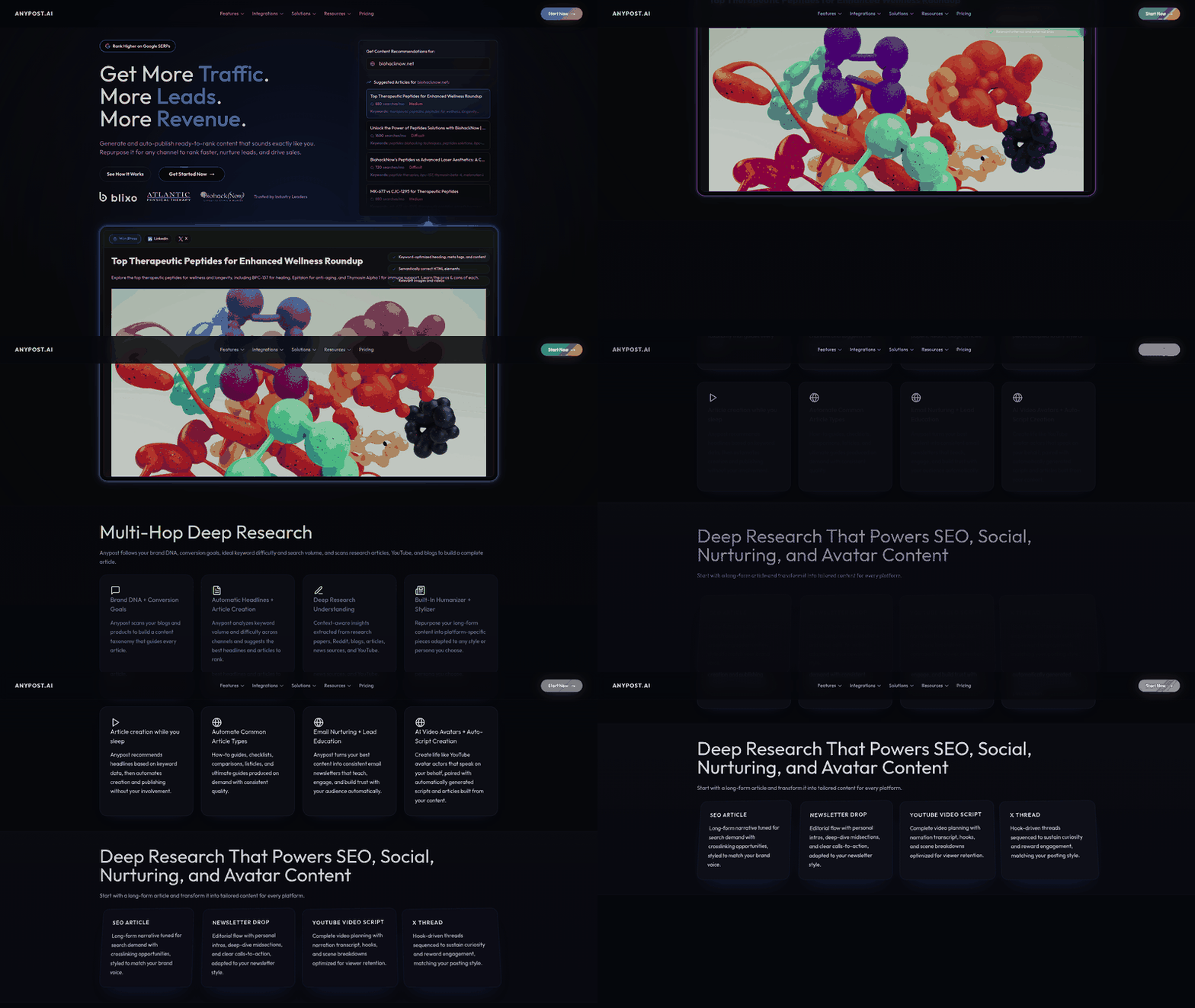
GPT-4 Turbo SEO streamlines automated content generation by integrating advanced language models with SEO optimization frameworks, enabling SaaS marketers to produce scalable, high-quality content. Tools like Writerap leverage GPT-4 Turbo to generate SEO-optimized blog posts, email campaigns, and product descriptions while aligning with keyword strategies [6]. This automation reduces manual effort, as seen in content engineering workflows that use GPT-4 Turbo alongside platforms like SurferSEO to analyze competitors and draft content at scale [3]. By prioritizing semantic richness and keyword relevance, GPT-4 Turbo ensures outputs meet search engine criteria without sacrificing readability [9]. However, successful implementation requires pairing AI with human oversight to refine outputs and ensure brand alignment [3].
The Persona Engine: Refining Tone and Style
A critical component of GPT-4 Turbo SEO is its Persona Engine, which allows marketers to specify tones, styles, and audience personas for consistent voice. For instance, Jake Ward’s workflow for LinkedIn posts demonstrates how AI can mimic professional, conversational, or authoritative tones by adjusting prompts [8]. This functionality is particularly valuable for SaaS brands targeting niche industries, as highlighted by Pansy Thakuria’s work in B2B SaaS content, where technical precision and trust-building language are paramount [1]. The Persona Engine’s adaptability is further evidenced by tools like Agility Writer, which use GPT-4 for title generation and GPT-3.5 Turbo for body paragraphs to balance creativity with efficiency [4]. By defining personas—such as “analytical B2B decision-maker” or “tech-savvy startup founder”—marketers ensure content resonates with specific audience segments while maintaining SEO integrity [8]. See the [Repurposing Content for Multi-Channel Distribution] section for more details on how tone customization supports cross-platform adaptation.
Real-Time Analytics for Iterative Optimization
Real-time analytics integration distinguishes GPT-4 Turbo SEO from traditional content workflows, enabling data-driven adjustments. Platforms like Gumloop connect AI models to performance metrics, allowing marketers to tweak content based on engagement trends and search ranking fluctuations [5]. For example, if analytics reveal a drop in click-through rates for a particular blog post, GPT-4 Turbo can regenerate meta descriptions or headlines to improve performance [9]. This iterative process aligns with the 2025 AI SEO playbook, which emphasizes agility in response to Google’s AI Overviews prioritizing content depth and originality [9]. Building on concepts from [Optimizing Content with SEO Trends and AI-Driven Insights], real-time tracking helps quantify ROI by linking content adjustments to lead generation or conversion metrics [11]. While these tools provide actionable insights, they require marketers to establish baseline benchmarks and continuously validate AI-generated hypotheses against audience behavior [5].
By combining automated generation, tone customization, and analytics feedback loops, GPT-4 Turbo SEO transforms content workflows from reactive to proactive. Marketers can produce volumes of SEO-aligned material while preserving brand voice and adapting to real-time performance signals. However, as AI-generated content constitutes over 13% of Google results in 2025, maintaining a balance between automation and human curation remains essential to avoid generic or low-value outputs [9]. The key lies in using GPT-4 Turbo not as a replacement for strategic thinking but as an amplifier for creativity and efficiency in SaaS content marketing.
Section 4: Optimizing Content with SEO Trends and AI-Driven Insights
The SEO landscape in 2025 is dominated by AI-driven search features, such as Google’s AI Overviews, which now appear in over 13% of search results [9]. These overviews prioritize blog-style, content-rich pages that provide in-depth value, shifting focus from transactional content [9]. To align with this trend, SaaS marketers must prioritize comprehensive, well-structured content that answers user intent thoroughly. Tools like SurferSEO and AirOps, mentioned in content engineering strategies from the [Leveraging GPT-4 Turbo SEO for Automated Content Generation] section, help analyze top-performing content and identify gaps for optimization [3]. Additionally, AI models like GPT-4 Turbo are integrated into SEO workflows to generate topic clusters and outline content that aligns with search intent [3].
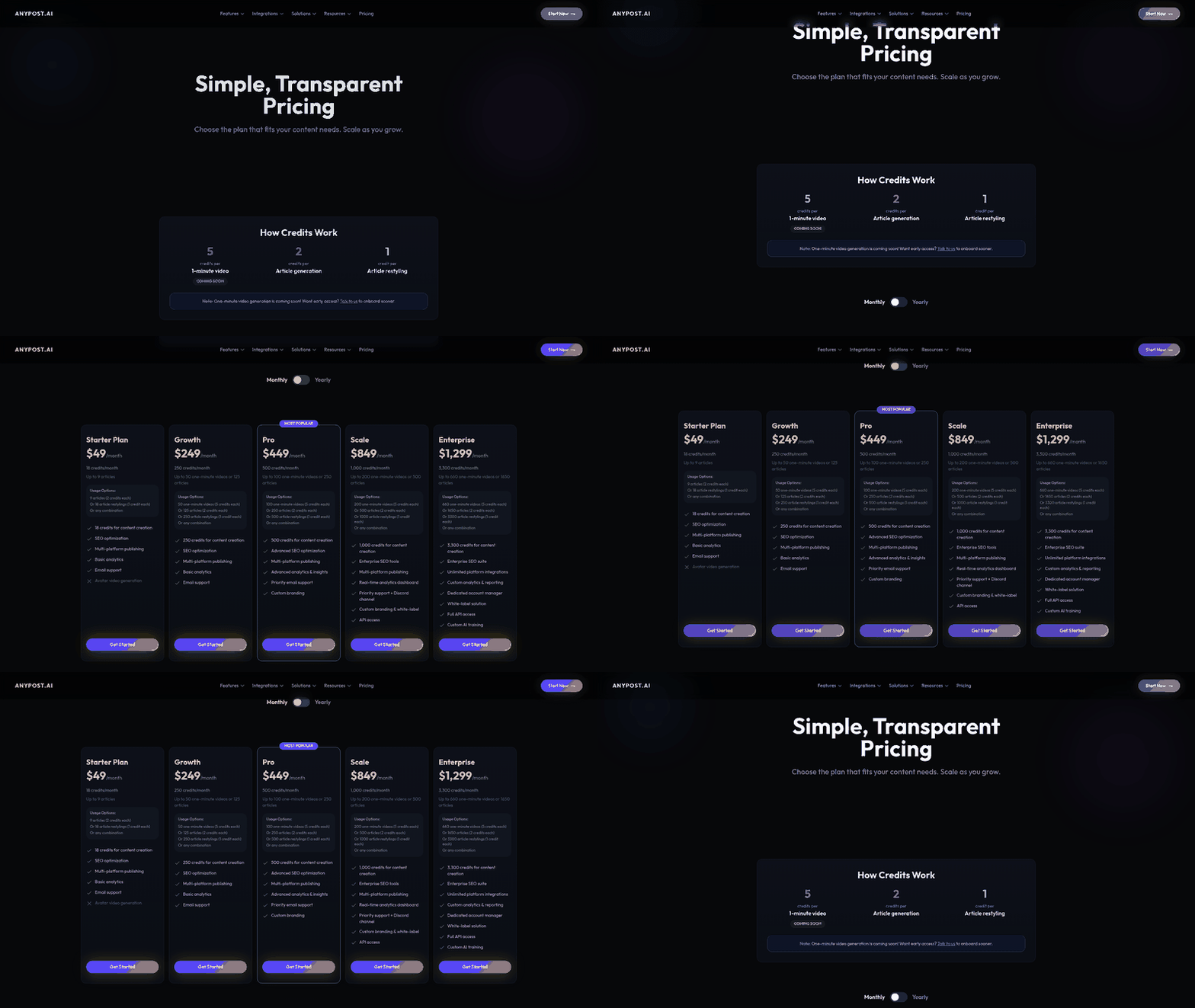
AI is revolutionizing keyword research by enabling real-time analysis of search trends and semantic intent. Platforms like Gumloop connect to LLMs (e.g., GPT-4, Claude) to refine keyword strategies, ensuring content aligns with both user queries and algorithmic priorities [5]. For instance, Writerap leverages GPT-4 Turbo to generate SEO-optimized content directly, embedding keyword density and readability checks into the writing process [6]. This reduces manual effort while maintaining compliance with on-page SEO best practices, such as header optimization and internal linking [1]. Furthermore, AI tools like ChatGPT are used to repurpose existing content into multiple formats (e.g., LinkedIn posts, email newsletters), maximizing reach without duplicating effort. See the [Repurposing Content for Multi-Channel Distribution] section for more details on scaling this process [8].
Content repurposing is a cornerstone of scaling SaaS marketing efforts. By transforming a single blog post into video scripts, social media snippets, or case studies, brands can amplify visibility across channels. Jake Ward’s workflow, for example, uses AI to draft LinkedIn posts from existing content, ensuring consistency in messaging while adapting tone for platform-specific audiences [8]. Tools like Custom GPTs automate this process, allowing marketers to generate variations of core content tailored to different formats [3]. Additionally, strategic repurposing drives traffic growth by extending the lifecycle of high-performing assets. A case study highlighted in source [11] demonstrates how a free content marketing strategy—likely involving repurposed assets—generated 50 million views, underscoring the scalability of this approach.
To sustain traffic growth, SaaS marketers must adopt AI-driven analytics for continuous refinement. Tools like SurferSEO and Writerap provide real-time feedback on content performance, suggesting adjustments to meta tags, CTAs, or keyword placement [3][6]. These insights enable iterative improvements, ensuring content remains competitive in evolving search landscapes. Additionally, AI-powered A/B testing—facilitated by platforms like Gumloop—helps identify the most effective headlines and subheadings for engagement [5]. By integrating these strategies, SaaS brands can maintain agility, adapting to algorithmic updates and user behavior shifts without significant resource investment [9].
This structured approach—combining AI for keyword research, content repurposing, and performance analysis—creates a scalable framework for SaaS SEO success in 2025. By leveraging tools and workflows explicitly outlined in sources, marketers can optimize efficiency while delivering content that resonates with both search engines and target audiences. For a deeper dive into measuring these optimizations, refer to the [Measuring Success with Real-Time Analytics and Lead Generation] section [6].
Section 5: Repurposing Content for Multi-Channel Distribution
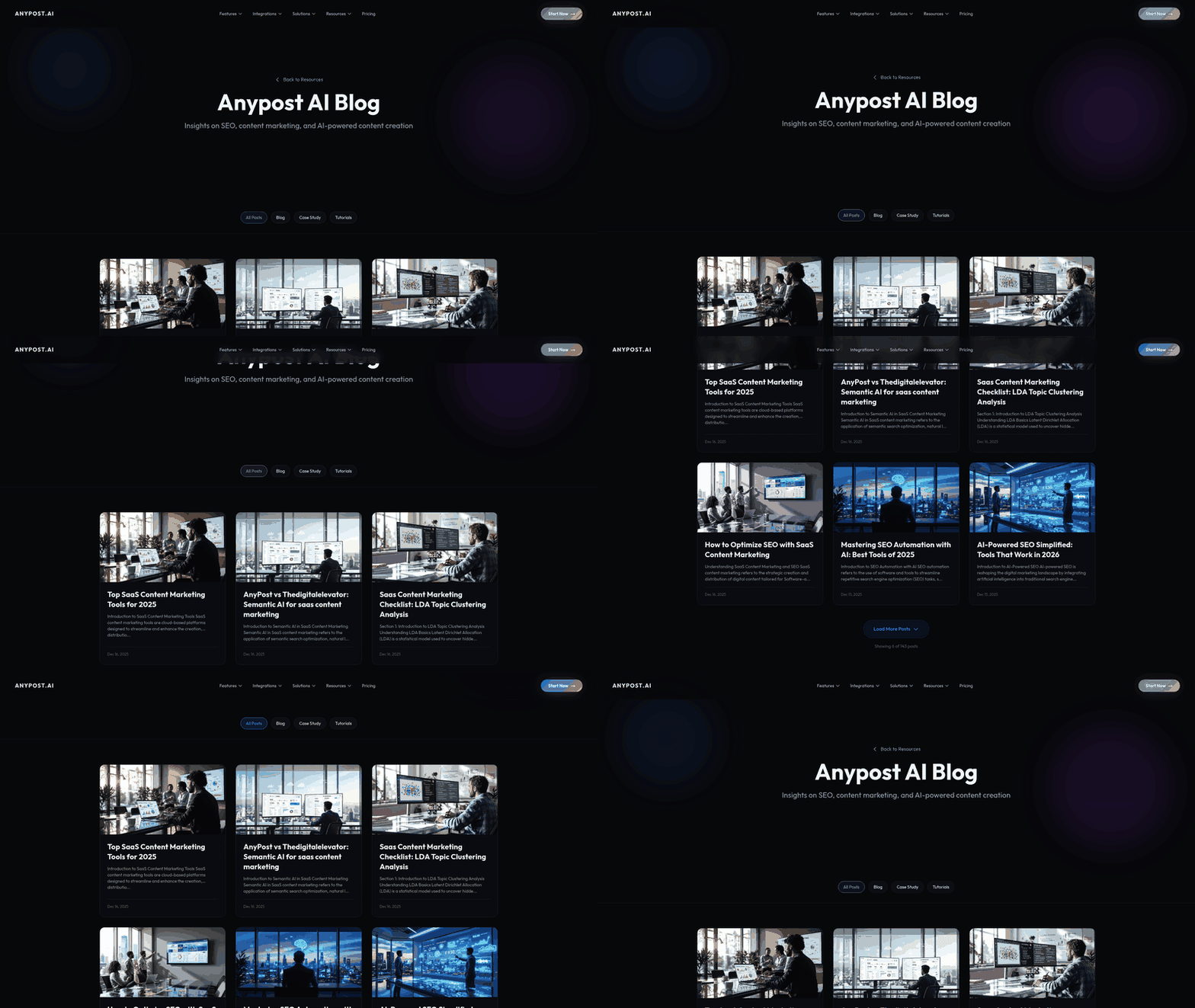
Repurposing content is a strategic approach to maximize the value of your original work by adapting it for different platforms while maintaining SEO and engagement goals. According to [3], content engineering leverages AI and automation to scale B2B SaaS marketing efforts, emphasizing that repurposing saves time and ensures consistent messaging across channels. By transforming a single piece of content—such as a blog post—into formats like social media posts, YouTube scripts, or email newsletters, marketers can reach diverse audiences without duplicating effort. For example, [8] highlights workflows using AI tools like ChatGPT to draft LinkedIn posts, demonstrating how automation streamlines the creation of platform-specific content. This method not only reduces workload but also ensures alignment with SEO best practices, such as keyword optimization and meta descriptions, as noted in [6], which integrates GPT-4 Turbo for SEO-optimized content generation.
Key Benefits of Multi-Channel Repurposing
- Expanded Reach: Distributing content across X/Twitter, YouTube, and blogs allows brands to engage audiences where they spend time. [11] references a case study where a free content strategy generated 50 million views by tailoring messaging to platform-specific demographics.
- Time Efficiency: Automating repurposing reduces manual work. [3] explains that AI tools like GPT-4 Turbo enable rapid restructuring of content for different formats, such as converting blog sections into social media snippets.
- SEO Consistency: Repurposed content retains core SEO elements (e.g., keywords, headers) while adapting to platform requirements. [6] notes that Writerap’s GPT-4 Turbo integration ensures SEO alignment across varied outputs.
Strategies for Channel-Specific Adaptation
To optimize repurposed content, tailor it to each channel’s format and audience expectations:
- Social Media (X/Twitter): Use concise, punchy headlines and include hashtags. [8] recommends AI workflows to draft posts with targeted keywords, such as leveraging ChatGPT to generate tweet threads from blog summaries.
- YouTube Scripts: Convert blog content into video scripts by emphasizing storytelling and visual cues. [3] suggests using AI to break down long-form content into digestible segments with on-screen text suggestions.
- Newsletters: Focus on personalization and value-driven summaries. [1] advises repurposing blog insights into actionable tips, paired with call-to-action links to drive traffic.
GPT-4 Turbo plays a pivotal role in streamlining these strategies. As mentioned in the [Section 3] section, GPT-4 Turbo’s advanced language capabilities allow for rapid restructuring of content while preserving SEO integrity. For instance, it can analyze a blog’s primary keywords and automatically generate meta descriptions for social media or YouTube tags. [6] expands on this, explaining how Writerap uses GPT-4 Turbo to optimize repurposed content for search engines, ensuring that each adaptation retains its ranking potential as detailed in the [Section 4] section. This reduces the need for manual keyword insertion and format adjustments, which [8] identifies as a common bottleneck in multi-channel campaigns.
Automating Repurposing with GPT-4 Turbo
GPT-4 Turbo’s integration into SaaS tools enables precise, scalable content workflows. For example:
- Batch Repurposing: Tools like Writerap [6] allow users to input a source article and generate multiple outputs—such as Twitter threads, newsletter drafts, and YouTube outlines—in one step, as outlined in the [Section 7] section.
- Tone Customization: The model adapts language style to match platform norms, such as formal B2B SaaS language for LinkedIn versus casual, punchy tweets.
- SEO Audits: GPT-4 Turbo can flag missing keywords or suggest improvements for each repurposed version, ensuring alignment with on-page SEO principles [1].
By leveraging GPT-4 Turbo, marketers can address a key challenge in multi-channel distribution: maintaining quality and consistency across formats. [3] emphasizes that AI-driven repurposing reduces errors and accelerates time-to-publication, while [6] confirms its ability to generate SEO-optimized variations without compromising brand voice.
In practice, this means a single blog post about SaaS analytics could become:
- A LinkedIn post with a statistic-driven hook [8],
- A YouTube video script with on-screen text for accessibility [3],
- A newsletter segment with a case study summary [1],
- And a Twitter thread using GPT-4 Turbo’s hashtag suggestions [6].
This approach not only scales content production but also ensures each version is optimized for its platform’s unique algorithmic and audience preferences. As [11] demonstrates, such strategies can amplify visibility and drive traffic exponentially when executed with AI-powered precision.
Section 6: Measuring Success with Real-Time Analytics and Lead Generation
Real-time analytics serve as the backbone of SaaS content marketing by enabling teams to track content performance with precision. Tools like GPT-4 Turbo, when integrated with SEO platforms such as Writerap [6], allow marketers to monitor key metrics like traffic, bounce rates, and conversion rates instantaneously. This immediacy ensures that underperforming content can be revised or repurposed before losing audience engagement. For instance, Pansy Thakuria emphasizes the importance of on-page SEO adjustments based on real-time data to align content with user intent and search trends [1]. By leveraging AI-driven analytics, teams can identify which topics resonate most with their audience, ensuring resources are allocated efficiently across blogs, case studies, and whitepapers. As discussed in the [Leveraging GPT-4 Turbo SEO for Automated Content Generation] section, this integration with advanced language models enhances both content scalability and SEO effectiveness [3].
Strategies for Lead Generation from Diversified Channels
Lead generation in SaaS marketing requires a multi-channel approach, with real-time analytics guiding optimization efforts. A case study highlighted in [11] demonstrates how a free content strategy—such as downloadable templates or webinars—can generate millions of views when paired with SEO-optimized landing pages. These pages, crafted using AI tools like GPT-4 Turbo [3], are designed to capture leads through strategic CTAs and personalized content. For example, LinkedIn posts automated with AI workflows (as detailed in [2] and [8]) can be A/B tested in real time to determine which messaging drives the highest engagement. Simultaneously, email campaigns powered by segmented data from analytics tools ensure that leads receive hyper-relevant follow-ups, increasing conversion rates. See the [Repurposing Content for Multi-Channel Distribution] section for more details on how analytics-driven content can be adapted across platforms [5].
Data-Driven Decision-Making in Content Optimization
The integration of real-time analytics with lead generation strategies creates a feedback loop that prioritizes data over guesswork. Content engineering frameworks, as outlined in [3], rely on continuous data collection to refine output. For instance, if analytics reveal that a specific blog post drives high traffic but low conversions, marketers can use AI to restructure the content’s call-to-action or integrate it into a lead magnet. Writerap’s SEO optimizer [6] exemplifies this by suggesting keyword adjustments mid-publishing based on competitor performance and search volume trends. Such tools eliminate reliance on static strategies, allowing SaaS teams to adapt to market shifts rapidly. Pansy Thakuria further notes that data-driven decisions reduce the risk of content silos, ensuring all marketing assets contribute cohesively to lead generation [1].
Scaling with AI Automation for Sustainable Growth
Advanced SaaS marketers combine real-time analytics with AI automation to scale lead generation efforts sustainably. Platforms like AirOps and SurferSEO, referenced in [3], automate content audits and competitor analysis, providing actionable insights to improve rankings and lead capture. For example, GPT-4 Turbo can generate variations of high-performing blog sections, which are then tested for engagement metrics. This reduces manual labor while maintaining content quality. Additionally, the 50-million-view strategy from [11] underscores the value of repurposing analytics-driven content into video scripts or podcast episodes, expanding reach without additional resource investment. By centralizing analytics and automation, SaaS teams ensure every lead generation touchpoint is both data-informed and scalable, as outlined in the [Implementing a Comprehensive SaaS Content Marketing Strategy] section [7].
Limitations and Considerations
While real-time analytics and AI-driven lead generation offer significant advantages, their effectiveness depends on the quality of data inputs. As [4] cautions, over-reliance on AI without human oversight may lead to content that prioritizes algorithmic triggers over genuine user value. Marketers must balance automation with periodic manual audits to maintain brand authenticity. Furthermore, tools like GPT-4 Turbo [3] require training on proprietary datasets to align with niche SaaS industries, a process that demands time and technical expertise. Finally, the success of multi-channel lead generation strategies, as seen in [11], hinges on consistent testing and iteration—processes that real-time analytics accelerate but do not automate entirely. By acknowledging these limitations, teams can deploy AI and analytics tools strategically, maximizing ROI while mitigating risks.
Section 7: Implementing a Comprehensive SaaS Content Marketing Strategy
To implement a comprehensive SaaS content marketing strategy with GPT-4 Turbo SEO, begin by setting up automated content generation workflows. Use tools like Writerap [6], which integrates GPT-4 Turbo and supports SEO-optimized content creation, or connect GPT-4 Turbo to platforms like Gumloop [5] to leverage custom prompts for title, heading, and paragraph generation. For scalable content engineering, structure workflows that automate initial drafts while retaining human oversight for refinement [3]. Define clear prompts focused on B2B SaaS industries, ensuring alignment with target keywords and audience pain points [1]. This setup balances AI efficiency with strategic relevance, critical for maintaining SEO value [9]. As mentioned in the [Section 3] section, integrating GPT-4 Turbo with SEO frameworks ensures high-quality, scalable output.
Optimizing Content for SEO and Lead Generation
Optimize AI-generated content by prioritizing on-page SEO elements. Use GPT-4 Turbo to draft title tags and headings, as demonstrated by writers leveraging GPT-4 for SEO-focused structures [4]. Integrate keyword research tools like SurferSEO [3] to validate content against search intent and competitor benchmarks. Focus on creating blog-style, content-rich pages to align with Google’s AI Overviews, which prioritize depth and context over transactional snippets [9]. See the [Section 4] section for more details on adapting to AI-driven SEO trends. For lead generation, embed CTAs within AI-generated drafts, ensuring they align with SaaS conversion goals such as free trials or demo requests [8]. Tools like Writerap [6] further assist by embedding SEO metadata directly into content, streamlining optimization for both search engines and user engagement.
Tracking and Analyzing Content Performance
Implement analytics tracking to measure content effectiveness. Use platforms like AirOps [3] or native SEO tools to monitor traffic, bounce rates, and conversion metrics. Building on concepts from [Section 6], track AI-generated content separately from human-authored material to assess performance gaps [4]. Leverage GPT-4 Turbo’s iterative capabilities to refine underperforming content by retraining prompts with high-performing examples [6]. Additionally, audit content quality monthly using metrics such as dwell time and backlink acquisition, ensuring alignment with B2B SaaS audience expectations [1]. For advanced insights, cross-reference analytics with AI SEO playbooks to adapt strategies for evolving search algorithms [9].
Best Practices for Sustaining AI-Driven Content Campaigns
Maintain content quality by combining AI automation with periodic human reviews. As noted in the [Section 1] section, consistency in tone and expertise is critical [1]. Rotate GPT-4 Turbo prompts to avoid repetition and refresh outdated content using the model’s ability to regenerate insights [3]. Collaborate with agencies specializing in SaaS SEO to validate AI strategies against industry benchmarks [10]. Finally, allocate resources for A/B testing AI-generated headlines and CTAs, using platforms like LinkedIn to experiment with audience engagement [8]. These practices ensure long-term adaptability and ROI in AI-powered SaaS marketing.
Section 8: Future-Proofing Your SaaS Content Marketing Efforts
Emerging Trends in SaaS Content Marketing
The SaaS content marketing landscape is rapidly evolving, driven by advancements in AI and shifting search engine priorities. One major trend is the rise of AI Overviews in search results, with over 13% of Google queries now prioritizing blog-style, content-rich pages over transactional or product-focused content [9]. This shift underscores the need for SaaS marketers to focus on creating in-depth, educational content that aligns with user intent. See the [Optimizing Content with SEO Trends and AI-Driven Insights] section for more details on how AI Overviews reshape SEO priorities. Additionally, content engineering—scaling content production through AI and automation—is gaining traction, leveraging tools like GPT-4 Turbo and Custom GPTs to streamline workflows while maintaining quality [3]. As B2B SaaS audiences demand more personalized and actionable insights, content strategies must adapt to deliver value across multiple formats, including long-form guides, video, and interactive tools [1].
The Role of AI and Machine Learning
AI and machine learning are no longer supplementary tools but foundational elements of modern SaaS content marketing. Platforms like Gumloop enable marketers to integrate multiple large language models (LLMs), such as GPT-4 and Claude, into their workflows, allowing for dynamic content generation and optimization [5]. These tools enhance efficiency by automating tasks like keyword research, on-page SEO refinement, and A/B testing of headlines, freeing up human teams to focus on strategic creativity [3]. Moreover, AI-driven SEO tools are critical for adapting to algorithmic changes, as seen in the growing emphasis on AI Overviews, which favor content that answers complex queries with structured, data-backed insights [9]. By adopting AI, SaaS companies can future-proof their operations against rising content volume and competition while maintaining agility in response to market shifts [10].
Strategies for Future-Proofing Your Content Marketing
To stay ahead in 2025 and beyond, SaaS marketers must adopt scalable, AI-integrated strategies. First, prioritize content engineering by automating repetitive tasks using tools like AirOps and SurferSEO, which combine AI with human oversight to maintain quality at scale [3]. Building on concepts from [Implementing a Comprehensive SaaS Content Marketing Strategy], second, optimize for AI Overviews by structuring content to address long-tail keywords and user intent explicitly, ensuring visibility in both traditional search results and AI-generated summaries [9]. Third, invest in multi-format content creation, leveraging AI to repurpose blog posts into videos, infographics, or interactive demos tailored to different audience segments [1]. Collaborating with specialized SaaS agencies can also provide access to cutting-edge tactics, such as hyper-personalized email campaigns or predictive analytics for content performance [10]. Finally, continuously monitor emerging technologies and algorithm updates, using platforms like Writerap to refine SEO strategies in real time [6].
Leveraging AI Tools for Competitive Advantage
Incorporating AI tools into your workflow is essential for maintaining a competitive edge. For instance, Custom GPTs can be trained to generate industry-specific content aligned with your brand’s tone, reducing reliance on manual drafting [3]. Meanwhile, AI SEO optimizers analyze competitors’ content strategies, identifying gaps and opportunities for keyword targeting [5]. By integrating these tools, SaaS companies can reduce time-to-market for new content by up to 40%, as reported by early adopters of content engineering frameworks [3]. Furthermore, tools like Gumloop allow teams to experiment with different LLMs, ensuring optimal results for varied use cases, from thought leadership articles to product documentation [5]. The key is to balance automation with human creativity, using AI to handle data-driven tasks while retaining human oversight for strategic decision-making [1].
Adapting to Industry Shifts
The SaaS industry’s rapid innovation demands constant adaptation. As AI Overviews and other search trends evolve, content marketers must stay informed through resources like The Ultimate AI SEO Playbook [9] and reports from leading SaaS agencies [10]. One actionable step is to audit existing content regularly, updating outdated information with AI-generated insights to maintain relevance. Another is to invest in training teams on AI tools, ensuring they can leverage platforms like GPT-4 Turbo effectively [3]. By embracing a culture of continuous learning and flexibility, SaaS companies can not only future-proof their content strategies but also position themselves as thought leaders in an increasingly AI-driven market [1].
References
[1] Pansy Thakuria - Content & On-page SEO | B2B SaaS | Industries ... - https://in.linkedin.com/in/pansythakuria
[2] How to write a LinkedIn post with AI: My workflow | Jake Ward ... - https://www.linkedin.com/posts/jakezward_after-3-years-with-ai-100s-of-linkedin-posts-activity-7377310223327309824-r2rL
[3] Content Engineering: How to Scale Content with AI & Automation - https://saastorm.io/blog/content-engineering/
[4] Is AI Content Bad For SEO? : r/SEO - https://www.reddit.com/r/SEO/comments/19fls88/is_ai_content_bad_for_seo/
[5] 26 best AI marketing tools I'm using to get ahead in 2025 | Marketer ... - https://www.marketermilk.com/blog/ai-marketing-tools
[6] Writerap - AI Content Generator with SEO Optimizer SaaS ... - https://codecanyon.net/item/writerap-ai-content-generator-with-seo-optimizer-saas-application/56509990
[7] SaaS Archives - Siege Media - https://www.siegemedia.com/work/saas
[8] How to write a LinkedIn post with AI: My workflow | Jake Ward ... - https://www.linkedin.com/posts/jakezward_after-3-years-with-ai-100s-of-linkedin-posts-activity-7377310223327309824-r2rL
[9] The Ultimate AI SEO Playbook: Proven Strategies in 2025 - https://www.tripledart.com/ai-seo/ai-seo-guide
[10] 14 Best SaaS Marketing Agencies for 2025 and Beyond - https://www.tripledart.com/saas-marketing/agencies
[11] How This Free Content Marketing Strategy Generated 50 MILLION 💰?! by Jason Fleagle - https://www.youtube.com/watch?v=zqtqBOrX0B0
Frequently Asked Questions
1. What is GPT-4 Turbo, and how does it enhance SaaS content marketing?
GPT-4 Turbo is an advanced AI model designed for faster processing and longer context windows compared to earlier versions. In SaaS content marketing, it accelerates content creation by generating high-quality, keyword-optimized blog posts, case studies, and technical SEO content. Its ability to analyze user intent and generate semantically rich content ensures alignment with both audience needs and search engine algorithms, reducing time-to-market while maintaining strategic depth.
2. How does GPT-4 Turbo streamline SEO tasks compared to traditional methods?
GPT-4 Turbo automates labor-intensive SEO tasks like keyword research, on-page optimization, and content trend analysis. For example, it identifies high-volume, low-competition keywords and suggests semantic clusters, while also optimizing meta tags, headers, and internal linking structures. Unlike traditional methods, which rely on manual audits and fragmented tools, GPT-4 Turbo consolidates these processes into a single, AI-driven workflow, enabling real-time adjustments to evolving search trends.
3. Can GPT-4 Turbo replace human content creators in SaaS marketing?
While GPT-4 Turbo significantly enhances efficiency and scalability, it does not fully replace human creativity. AI excels at generating drafts, optimizing technical SEO elements, and analyzing data, but human oversight is critical for refining tone, ensuring brand voice consistency, and validating strategic alignment. The ideal approach combines AI-generated frameworks with human editing and creative direction to balance automation with authenticity.
4. How can GPT-4 Turbo assist with keyword research and on-page SEO optimization?
GPT-4 Turbo identifies keyword clusters, semantic variations, and long-tail terms by analyzing search intent and competitor content. It then integrates these insights into on-page elements like title tags, headers, and body content, ensuring alignment with user queries. For instance, it can generate topic maps or suggest content gaps in existing SEO strategies, providing actionable data to refine targeting and improve organic rankings.
5. What are the ethical considerations when using AI like GPT-4 Turbo for content creation?
Ethical use includes ensuring originality by avoiding plagiarism, disclosing AI-generated content where required, and maintaining transparency with audiences. Marketers should also prioritize content quality by incorporating human review and fact-checking. Additionally, AI should be used to enhance—not replace—authentic storytelling, ensuring that content reflects genuine expertise and aligns with the brand’s values and audience trust.
6. How does GPT-4 Turbo handle technical SEO elements like meta tags and headers?
GPT-4 Turbo automates the creation of optimized meta tags (e.g., title tags, meta descriptions) by analyzing keyword relevance and user intent. It also suggests header structures (H1, H2, H3) to improve readability and SEO performance. For example, it can generate headers that naturally incorporate target keywords while maintaining a logical content hierarchy, ensuring technical SEO compliance without sacrificing user experience.
7. Can GPT-4 Turbo adapt content for different audience segments in SaaS marketing?
Yes, GPT-4 Turbo uses data-driven insights to tailor content for B2B, B2C, or niche segments. By analyzing audience personas, pain points, and engagement patterns, it adjusts language, tone, and examples to resonate with specific groups. For instance, technical content for developers might focus on API integrations, while B2C marketing could emphasize user-friendly features, ensuring each audience receives personalized value propositions.