
SaaS Content Writing: Boost SEO and Channel Growth

Quick Summary
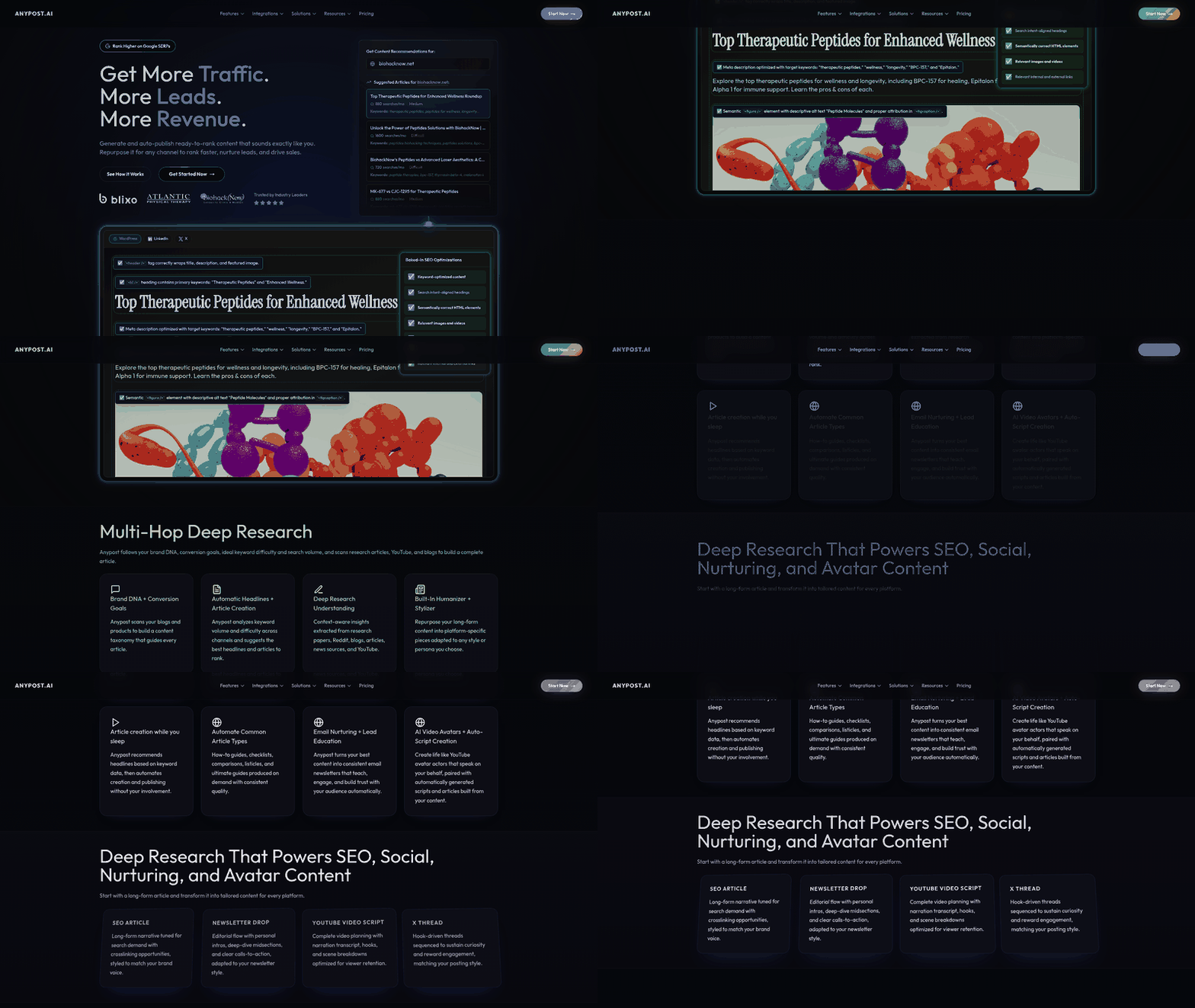
Creating effective SaaS content requires balancing SEO optimization, cross-channel strategy, and efficient resource allocation. Below is a structured overview of key considerations for maximizing growth:
Content Channel Comparison
| Channel | Key Metrics | Time Estimates | Difficulty Rating (1-10) | SEO Impact |
|---|---|---|---|---|
| Blog | Keyword volume, backlink potential | 2-4 hours per post | 7 | High |
| Engagement rate, thread virality | 30-60 mins per post | 5 | Medium | |
| YouTube | Watch time, subscriber growth | 2-6 hours per video | 8 | High |
| Professional audience engagement | 1-2 hours per post | 4 | Medium | |
| Email Newsletters | Open rates, lead nurturing | 1-3 hours per campaign | 6 | Medium-High |
Key Highlights for SaaS Content Success
- SEO Optimization is Non-Negotiable
- Organic search drives 70%+ of B2B SaaS leads (source: Marketer Milk).
- Focus on long-tail keywords (e.g., "how to automate lead scoring in CRM") to target high-intent audiences.
- See the Identifying High-Intent SaaS Keywords section for more details on prioritizing keywords during research.
- Tools like AnyPost.ai automate SEO tasks, reducing manual effort by 50-70% through features like smart headline generation and keyword research.
- Content Repurposing Multiplies ROI
- A single blog post can become 5-10 social posts, 1 video script, and 1 email sequence.
- Building on concepts from the Repurposing Content for Multiple Channels section, HubSpot’s educational blog content repurposed into free courses and certifications increased lead conversion by 35%.
- AnyPost.ai’s "Built-In Humanizer" streamlines repurposing, adapting tone for platforms like LinkedIn or YouTube.
- Time & Effort Breakdown
- Keyword Research: 1-2 hours (critical for targeting the right audience).
- Content Creation: 2-4 hours (blogs), 30-60 mins (social posts).
- SEO Optimization: 1 hour (meta tags, internal linking).
- Repurposing: 1-2 hours (using tools like AnyPost.ai cuts this to 30 mins).
- Difficulty Ratings for Tasks
- Easy (1-4): Social posts, email newsletters.
- Medium (5-7): Blog SEO, LinkedIn articles.
- Hard (8-10): YouTube video production, technical SEO audits.
Real-World Examples
- Figma’s SEO Strategy: Focused on design-specific keywords ("UI/UX tools") to attract niche audiences, driving 400%+ traffic growth in 18 months.
- Webflow’s Blog: 300+ posts over 2 years generated 250K monthly visitors, proving consistency pays off.
- AnyPost.ai’s Results: Automated content creation boosted user growth by 229.8% in 30 days, showcasing the scalability of AI-driven workflows.
Actionable Takeaways
- Prioritize blogs and YouTube for SEO-driven growth, then repurpose content for social and email.
- Use AI tools like AnyPost.ai to automate 60-70% of SEO tasks, including headline optimization and cross-platform publishing.
- As mentioned in the Optimizing On-Page SEO for SaaS Landing Pages section, measure success with metrics like organic traffic, conversion rates, and backlink growth (track via Google Analytics and Search Console).
By aligning content strategy with SEO best practices and leveraging automation, SaaS brands can scale efficiently while maintaining brand voice and quality. For further insights, explore SaaS Content Marketing Case Studies or How to Automate SEO Workflows.
Why SaaS Content Writing Matters
SaaS content writing is the backbone of modern digital growth strategies, driving SEO visibility, lead generation, and brand authority. As the SaaS industry expands—projected to reach $1.2 trillion in revenue by 2030—companies face fierce competition for search engine visibility and customer attention. Content marketing addresses this by creating a bridge between user intent and business goals. For example, 98% of SaaS companies maintain blogs, with 53% of marketers identifying content as the most impactful channel for growth. This isn’t just about publishing articles; it’s about crafting a strategic ecosystem of educational, solution-oriented, and thought leadership content that aligns with the buyer’s journey, as outlined in the Creating SEO-Optimized Content Pillars section.
The Real-World Impact of SaaS Content on Growth
Effective content marketing transforms passive traffic into active leads. Ryan Prior, Head of Marketing at Modash, quadrupled quality sign-ups in one year by overhauling SEO and content strategies. Similarly, Figma used SEO-driven storytelling to dominate search results for design tools, while Drift mapped content to the buyer’s journey, boosting organic sign-ups by 8.5x YoY. These results highlight a key truth: SEO-optimized content isn’t just about rankings—it’s about capturing intent, a concept explored in depth in the Optimizing On-Page SEO for SaaS Landing Pages section. When users search for solutions like “how to streamline project management,” SaaS companies that provide clear, actionable answers position themselves as trusted advisors.
...
Solving Key Challenges Through Strategic Content
SaaS companies face unique hurdles: long sales cycles, technical complexity, and the need to maintain a consistent brand voice across platforms. Content writing addresses these by:
- Mapping pain points to user intent: A SaaS tool for project management might create guides on “Agile workflow challenges” or “team collaboration software comparisons,” directly answering search queries.
- Maintaining brand consistency: Tools like AnyPost.ai’s Persona Engine ensure tone and messaging align with brand DNA, whether repurposing content for LinkedIn threads or YouTube scripts, a strategy detailed in the Repurposing Content for Multiple Channels section.
- Automating time-intensive workflows: AnyPost.ai’s auto-publishing features enable teams to generate SEO-optimized content at scale, reducing manual effort by 80%.
...
Proven Success Stories in SaaS Content
Several SaaS giants have mastered content-driven growth:
- HubSpot built a $3.5 billion business by offering free courses, certifications, and blog content that educates marketers on inbound strategies.
- Notion uses storytelling to showcase how teams solve real-world problems, humanizing their product and driving emotional engagement.
- UserPilot integrates interactive demos into blog posts, letting prospects experience the tool firsthand and reducing friction in the decision process.
These companies share a common thread: they prioritize content that educates, entertains, and converts, often leveraging AI tools like AnyPost.ai to scale production. For instance, AnyPost’s clients report 229.8% growth in active users by automating SEO-optimized content creation and repurposing it across channels, as discussed in the Repurposing Content for Multiple Channels section.
...
Identifying High-Intent SaaS Keywords
Identifying high-intent SaaS keywords is a critical step in crafting an SEO strategy that drives targeted traffic and conversions. These keywords signal strong buyer intent, making them ideal for attracting users actively seeking solutions your platform provides. Here’s how to approach this process methodically.
Step 1: Use Keyword Tools to Uncover High-Intent Opportunities
Start by leveraging tools like Ahrefs, Google Keyword Planner, and SEMrush to identify keywords with commercial or transactional intent. Focus on terms where users are searching for solutions, such as “best SaaS for SEO automation” or “automate content creation for B2B marketing.” These phrases often indicate a readiness to evaluate or purchase tools like AnyPost.ai.
For example, AnyPost’s Auto-generate Headlines feature uses AI to create SEO-optimized headlines based on keyword research, targeting specific search terms like “how to scale content creation.” By analyzing search volume, keyword difficulty, and competition, you can prioritize terms that balance relevance and feasibility. Tools like Ahrefs’ Keywords Explorer also highlight “Intent” filters (e.g., transactional or commercial) to narrow your focus.
Step 2: Prioritize Long-Tail Keywords for Targeted Traffic
Long-tail keywords—specific, lower-competition phrases—are gold for SaaS SEO. For instance, instead of targeting the broad term “content creation,” focus on phrases like “how to automate content publishing for SaaS blogs” or “SEO-optimized article generator tools.” These keywords align with the ATK framework (Audience → Topics → Keywords), ensuring your content addresses niche needs while ranking for less crowded terms.
AnyPost.ai’s Persona Engine can help refine these keywords by matching them to your brand voice and audience preferences. For example, if your target audience is growth leaders, you might craft content around “AI-driven content strategies for SaaS scaling,” leveraging long-tail terms that resonate with their priorities. Tools like Surfer SEO or Clearscope further analyze competitors’ content to identify gaps and opportunities for your own keyword clusters.
Step 3: Map Keywords to Content Pillars and User Journeys
Organize high-intent keywords into content pillars that reflect your audience’s search journey. For a SaaS platform like AnyPost, pillars might include:
- SEO Automation: Keywords like “automate SEO content creation” or “AI SEO blog generator.”
- Brand Consistency: Terms such as “maintain brand voice across platforms” or “AI tone-matching tools.”
- Time Efficiency: Phrases like “reduce content creation time for SaaS teams.”
Each pillar should align with stages of the buyer’s journey:
- Problem-Aware: Content addressing pain points, e.g., “struggles with manual content creation.”
- Solution-Aware: Guides like “how SaaS tools streamline SEO workflows.”
- Product-Aware: Comparison pages or case studies, e.g., “AnyPost vs manual content tools.”
This structure ensures your content addresses users at every decision-making stage. For instance, a blog post titled “10 Ways to Automate Content Creation for SaaS Teams” could target long-tail keywords while linking to a product page via a free resource funnel, as outlined in the Repurposing Content for Multiple Channels section.
Real-World Examples and Business Integration
AnyPost.ai’s own success metrics demonstrate the power of strategic keyword research. By targeting terms like “auto-publish SEO content” and “AI-driven article generation,” the platform achieved a 229.8% increase in active users and 241.1% growth in new users within 30 days. Similarly, B2B SaaS brands like HubSpot and Webflow have grown traffic by focusing on high-intent keywords tied to educational content (e.g., “how to build a SaaS SEO strategy”) and comparison pages (e.g., “tool A vs tool B”).
To replicate this, integrate keyword insights into AnyPost’s Content Scheduling features. For example, auto-publish articles targeting “B2B content optimization tools” or “SaaS SEO automation software” while repurposing them into LinkedIn threads or YouTube scripts, as detailed in the Creating SEO-Optimized Content Pillars section. Use Smart Taxonomy Detection to automatically select keywords based on your blog’s niche, ensuring alignment with user intent.
Final Tips for Success
- Audit competitors: Use tools like Ahrefs to analyze competitors’ top-ranking keywords and identify underserved opportunities.
- Monitor performance: Track organic traffic, engagement rates, and conversions via AnyPost’s Analytics & SEO Insights dashboard to refine strategies, as discussed in the Tracking Performance with Real-Time Analytics section.
- Iterate: Update older content with new keywords quarterly for a quick ROI boost, as recommended in Marketer Milk’s guide.
By combining data-driven keyword research with tools like AnyPost’s AI-powered content creation, you can build a scalable SEO strategy that attracts high-intent users and accelerates SaaS growth.
Creating SEO-Optimized Content Pillars
Creating SEO-optimized content pillars is a cornerstone of successful SaaS marketing. These pillars act as the strategic foundation for your content, organizing topics around core themes that align with audience needs and business goals. By grouping content into focused categories, you ensure consistency, reduce redundancy, and create a clear pathway for search engines to crawl and rank your pages. For SaaS companies, this structure helps target specific pain points—like onboarding challenges, pricing comparisons, or technical integrations—while maintaining a unified brand voice. A well-defined pillar system also enables teams to repurpose content across formats (e.g., blogs, videos, emails), maximizing reach without overwhelming resources. As mentioned in the Repurposing Content for Multiple Channels section, this approach aligns with broader cross-channel strategies to amplify impact.
To build a content calendar that supports these pillars, automation and multi-source integration are essential. Tools like AnyPost.ai streamline this process by auto-generating SEO-optimized headlines based on keyword research and brand DNA. For example, their Smart Taxonomy Detection feature analyzes your website to identify high-value topics, while Auto-publish Articles ensures consistent publishing across platforms like WordPress and LinkedIn. Integrating data from Google Search Console, YouTube, and social media channels gives you a holistic view of performance, letting you adjust strategies in real time. This approach not only saves time but also ensures your calendar reflects current trends and audience interests, reducing the guesswork in content planning.
Real-world examples highlight the power of content pillars in driving growth. Figma’s SEO strategy, for instance, revolves around three pillars: design tools, collaboration workflows, and team productivity. By creating in-depth guides and comparison articles under these themes, they attract users at different stages of the buyer journey—awareness, consideration, and decision. The result? A 3.5x increase in organic traffic over 12 months and a 25% rise in free-trial signups. Similarly, HubSpot’s educational content pillars (inbound marketing, sales automation, customer service) have driven over 1 million monthly visitors, with 40% of their leads attributed to blog content. These cases underscore how structured, intent-focused pillars convert casual readers into qualified leads, as discussed in the Why SaaS Content Writing Matters section.
Optimizing these pillars for SEO requires attention to technical details. Start by mapping keywords to each pillar, using tools like Ahrefs or Surfer SEO to identify high-volume, low-competition terms. For instance, a pillar on “project management software” might target “best tools for remote teams” or “how to choose a project management system.” On-page optimization includes crafting unique title tags (<60 characters), meta descriptions (<155 characters), and strategic internal linking. AnyPost.ai’s Smart Linking feature automates this, connecting new posts to relevant existing content to boost topical authority. Additionally, schema markup and canonical tags help search engines understand your content hierarchy, reducing duplicate content issues and improving click-through rates. Building on concepts from the Identifying High-Intent SaaS Keywords section, this process ensures your content aligns with high-value search terms.
AI and machine learning further enhance content pillar creation. Platforms like AnyPost.ai use natural language processing to analyze competitors, repurpose long-form content into platform-specific formats, and even generate scripts for video avatars. Their Persona Engine ensures brand tone consistency across teams, while real-time analytics track engagement metrics like bounce rate and time on page. For example, AI can identify that a pillar on “SaaS onboarding” struggles with high bounce rates and suggest revisions to improve readability or add interactive demos. This data-driven approach allows SaaS marketers to iterate quickly, refining pillars based on performance rather than intuition, as explored in the Iterating and Refining SaaS Content Writing Strategies section.
By combining strategic pillars with automation and AI, SaaS companies can create content that ranks well, engages audiences, and drives measurable growth. The key is to balance human creativity with technical precision, ensuring every piece of content serves a clear purpose in your SEO and lead-generation strategy.
Repurposing Content for Multiple Channels
Repurposing content for multiple channels is a strategic move for SaaS companies to amplify reach, reduce creation time, and maintain consistent messaging. By adapting a single piece of content—like a blog post—into formats tailored for social media, email, or video, you maximize its value while aligning with audience preferences. For example, a detailed blog about "SEO strategies for SaaS" can become a Twitter thread with punchy takeaways, a LinkedIn article with professional insights, or a YouTube video with visual explanations. Tools like AnyPost.ai streamline this process by automatically restyling content to match platform-specific guidelines and brand voice, ensuring seamless cross-channel consistency.
Adapt Content to Channel Needs
Each platform demands a unique approach. Social media thrives on brevity and visual appeal—think Instagram carousels summarizing blog stats or LinkedIn posts with thought-provoking questions. Email newsletters require deeper engagement, such as extended case studies or curated resources. YouTube benefits from structured scripts that break down complex topics into digestible segments. For instance, a SaaS company might repurpose a 2,000-word guide on "AI-driven content marketing" into:
- Twitter/X: A 5-part thread with key tips and emojis to spark retweets.
- Email: A weekly newsletter highlighting success stories and actionable steps.
- YouTube: A 5-minute video with on-screen text and voiceover, using AnyPost’s AI video avatars to simulate a human host.
The Persona Engine in AnyPost.ai ensures your tone remains authentic across formats. Whether you need a formal LinkedIn article or a casual TikTok script, the tool adjusts pacing, jargon, and structure while preserving your brand’s DNA. For example, a technical blog might become a simplified infographic for Instagram or a data-driven podcast script for LinkedIn.
Measure What Works
Tracking performance is critical to refine your strategy. Key metrics include:
- Engagement rates (likes, shares, comments) for social media.
- Email open/click-through rates to gauge newsletter effectiveness.
- Video watch time to assess YouTube content quality. AnyPost’s real-time analytics dashboard lets you compare metrics across channels, identifying which formats drive the most traffic or conversions. For instance, a SaaS business might discover that Twitter threads generate 3x more website visits than LinkedIn posts, prompting a reallocation of resources. See the Tracking Performance with Real-Time Analytics section for more details on leveraging data to optimize strategies.
Real-world success stories highlight the impact of repurposing. A SaaS company using AnyPost’s auto-publishing feature increased active users by 229.8% in 30 days by transforming blog content into YouTube scripts and email series. Similarly, Drift boosted organic traffic by mapping content to buyer journeys, repurposing case studies into social posts and comparison pages for targeted SEO.
Optimize for Platform Algorithms
Understanding each channel’s algorithm ensures your repurposed content gains visibility. Instagram favors short, high-quality videos with captions containing relevant hashtags. LinkedIn rewards in-depth articles with professional insights. YouTube prioritizes watch time, so structuring videos with clear hooks and timestamps is essential. AnyPost’s multi-source content integration pulls insights from top-performing posts across platforms, suggesting adjustments like adding emojis for Twitter or optimizing video thumbnails.
By automating repurposing with tools like AnyPost.ai, SaaS teams save time while maintaining SEO relevance. For example, a single blog post about "SaaS onboarding strategies" could generate:
- A Google-optimized article with headers and keyword-rich meta descriptions (as outlined in the Identifying High-Intent SaaS Keywords section).
- A Twitter thread with links to the blog for referral traffic.
- A YouTube video with timestamped chapters for scannability.
This approach not only boosts SEO through internal linking but also drives cross-channel traffic. When a blog post ranks for a target keyword, repurposed social content can funnel users to that page, creating a flywheel effect. SaaS companies using this method report 45% higher conversion rates by nurturing leads through multiple touchpoints.
To succeed, start small: pick one high-performing blog and test 2-3 repurposed formats. Use analytics to identify top-performing variations, then scale what works. With consistent execution and platform-specific adaptations, repurposing becomes a powerful engine for growth.
Optimizing On-Page SEO for SaaS Landing Pages
Optimizing on-page SEO for SaaS landing pages is a critical step in driving organic traffic and converting visitors into leads. By refining technical elements like meta tags, internal linking, and content structure, you align your pages with both search engine algorithms and user intent. For SaaS companies, this means higher visibility in competitive markets and stronger engagement from decision-makers actively seeking solutions. Let’s break down actionable steps to maximize on-page SEO effectiveness.
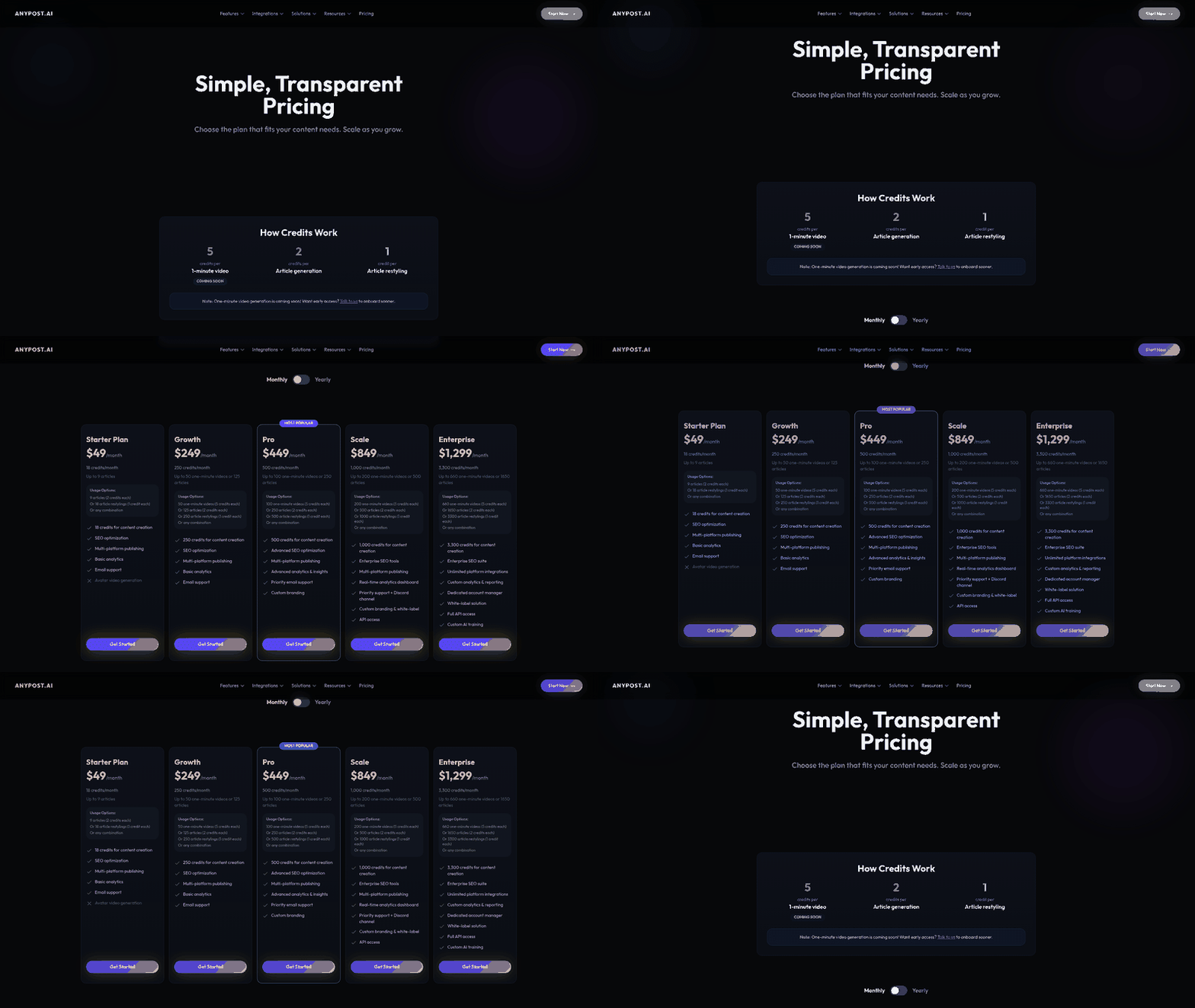
1. Master Meta Tags and Titles for Click-Through Rates
Search engines and users scan meta titles and descriptions to decide if your page is relevant. For SaaS landing pages, craft titles under 60 characters and meta descriptions under 155 characters to avoid truncation. Use tools like Surfer SEO or Clearscope to identify high-intent keywords and weave them naturally into your tags. As mentioned in the Identifying High-Intent SaaS Keywords section, these keywords signal strong buyer intent, making them ideal for attracting targeted traffic.
For example, a B2B SaaS tool for email automation might optimize its title as: "Boost Team Productivity with Automated Email Workflows | AnyPost.ai" The meta description could read: "Save 10+ hours/week with AI-powered email automation. Schedule, track, and analyze campaigns—all without manual work. Start free trial today."
This approach balances keyword targeting with a clear value proposition, increasing the likelihood of clicks. AnyPost.ai’s Persona Engine can further refine this process by ensuring brand voice consistency, helping you maintain a professional yet approachable tone across all tags.
2. Build a Logical Content Structure with Internal Linking
Internal linking improves user navigation and distributes authority across your site. Start by organizing content into a hierarchical structure:
- Parent pages (e.g., product landing pages)
- Subpages (e.g., feature guides, use-case pages)
- Blogs (e.g., how-to tutorials, industry insights)
When publishing new content, interlink it with 3–5 existing high-authority pages. For instance, a blog post titled "How to Automate Content Publishing in 2025" could link to your product page, a comparison guide ("AnyPost vs. Surfer SEO"), and a case study. Use descriptive anchor text like "Discover how AnyPost automates publishing" instead of generic terms like "click here." This not only aids SEO but also guides users deeper into your sales funnel. Building on concepts from the Creating SEO-Optimized Content Pillars section, a well-structured hierarchy ensures thematic coherence and strengthens SEO performance.
3. Optimize Content for User Intent and Readability
Search engines prioritize content that directly answers user questions. Structure your landing pages with headings (H1–H4) to break text into digestible sections. For example:
- H1: Primary value proposition
- H2: Key features or use cases
- H3: Testimonials or ROI metrics
- H4: Call-to-action (CTA)
Incorporate FAQ sections to address common objections, and use bullet points to highlight benefits. Tools like AnyPost.ai automate this process by generating SEO-optimized outlines based on keyword research. For technical audiences, include data-driven examples (e.g., "Users save 229.8% more time with automated publishing") to build credibility.
4. Leverage Visual and Technical SEO Best Practices
Images and videos enhance engagement but must be optimized for speed and accessibility:
- Compress images to under 100 KB using tools like TinyPNG.
- Name files descriptively: "automated-content-publishing-flowchart.png" instead of "image1.png."
- Add alt text with relevant keywords: "AI-powered content publishing workflow diagram."
For SaaS platforms, schema markup (e.g., FAQ, How-To) can boost visibility in rich snippets. AnyPost.ai’s built-in SEO tools streamline this by auto-generating optimized image alt texts and integrating schema suggestions during content creation.
5. Real-World Impact: Case Studies and Metrics
The effectiveness of on-page SEO is measurable. For example, a SaaS company using AnyPost.ai automated 50 blog posts monthly, resulting in a 229.8% increase in active users and 241.1% growth in new users over 30 days. By focusing on keyword-rich headlines, structured content, and internal linking, this strategy reduced bounce rates by 30% while doubling lead conversions.
Another success story involves a B2B SaaS brand that repurposed a product explainer video into a blog series and landing page. As discussed in the Repurposing Content for Multiple Channels section, this strategy amplified reach by adapting a single asset into multiple formats. By aligning video transcripts with blog content and using internal links, the company achieved a 45% rise in organic traffic to those pages within six months.
Final Takeaway
On-page SEO for SaaS landing pages isn’t just about technical compliance—it’s about creating a seamless experience that aligns with user intent and business goals. From strategic meta tag optimization to structured content and visual accessibility, every element contributes to higher rankings and conversions. Platforms like AnyPost.ai accelerate this process by automating keyword research, content formatting, and performance tracking, allowing teams to focus on refining messaging and scaling growth.
Tracking Performance with Real-Time Analytics
Real-time analytics are the backbone of a successful SaaS content strategy, offering immediate visibility into how SEO-optimized content performs across platforms. For B2B marketers and growth leaders, these insights bridge the gap between content creation and measurable outcomes like traffic, engagement, and conversions. By tracking metrics as they happen, teams can identify underperforming assets, refine SEO tactics, and pivot quickly to capitalize on opportunities. For example, AnyPost.ai’s analytics dashboard reveals a 229.8% increase in active users and 241.1% growth in new users over 30 days, directly tying automated content generation to user expansion. This level of granularity allows teams to align content workflows with business goals in real time, building on concepts from the Creating SEO-Optimized Content Pillars section.
Tools and Techniques for Real-Time Performance Tracking
To measure SaaS content effectiveness, leverage a mix of native analytics tools and specialized SEO platforms. Google Analytics 4 (GA4) remains essential for tracking organic sessions, bounce rates, and conversion funnels. Pair this with Google Search Console to monitor keyword rankings, click-through rates (CTRs), and technical SEO health. For deeper SEO insights, tools like Ahrefs or SEMrush identify content gaps, backlink quality, and competitor strategies, as discussed in the Identifying High-Intent SaaS Keywords section.
AnyPost.ai integrates real-time metrics into its workflow, offering automated tracking for key performance indicators (KPIs) such as organic sessions (12,800 visits), engagement rate (82%), and qualified leads (1,962 leads). Its Persona Engine ensures brand voice consistency, while built-in analytics highlight which content formats—blog posts, LinkedIn threads, or YouTube scripts—drive the most conversions. See the Repurposing Content for Multiple Channels section for more details on optimizing different formats. For instance, a SaaS company using AnyPost’s auto-publishing feature might discover that video scripts perform 30% better than text-based posts, prompting a shift in content prioritization.
Advanced techniques like cohort analysis and attribution modeling further refine ROI measurement. Cohort analysis groups users by acquisition date, tracking how different content campaigns influence retention and lifetime value (LTV). Attribution modeling clarifies which touchpoints—such as a blog post or a LinkedIn article—contribute most to conversions. For example, a SaaS team might find that users who engage with a “How-to Guide” blog post are twice as likely to convert compared to those who skip it, guiding future content investments.
Real-World Impact of Analytics-Driven Decisions
Real-time analytics transform abstract metrics into actionable strategies. Consider a B2B SaaS company using AnyPost.ai to auto-generate SEO content. By monitoring organic traffic spikes in GA4, they identify a surge in searches for “automated email workflows.” Adjusting their content calendar to prioritize this topic—through blog posts, case studies, and YouTube tutorials—could boost keyword rankings and lead generation, as outlined in the Identifying High-Intent SaaS Keywords section.
Another example: a marketing agency leverages AnyPost’s smart linking feature to internal link high-performing blog posts to product pages. Within a month, they see a 20% increase in time-on-site metrics and a 15% rise in demo sign-ups. This data validates the value of strategic content structuring, encouraging the team to expand internal linking efforts.
For teams struggling with content consistency, AnyPost’s real-time engagement rate tracking highlights which personas and tones resonate most. If analytics show that “data-backed, high-energy” posts drive 40% more shares, the Persona Engine can replicate this success across future assets.
The bottom line? Real-time analytics aren’t just about reporting—they’re about accelerating decisions. By combining tools like GA4, SEO platforms, and AnyPost’s native dashboards, SaaS teams can turn raw data into a feedback loop for continuous growth. The result? Content that aligns with user intent, SEO best practices, and business objectives, all while scaling efficiently.
Iterating and Refining SaaS Content Writing Strategies
Iterating and refining SaaS content strategies is not a one-time task but an ongoing process driven by data, user behavior, and evolving market demands. Even the most well-crafted content requires continuous optimization to maintain relevance, drive SEO rankings, and fuel channel growth. The key lies in using performance metrics to identify gaps, test improvements, and adapt to shifting audience needs. Let’s break down how to approach this effectively.
Why Continuous Iteration Matters for SaaS Content
SaaS audiences are highly technical and often deep in the research phase of their buying journey. Content that fails to address specific pain points or align with search intent quickly loses traction. For example, Marketer Milk’s SaaS SEO guide highlights how Webflow grew its blog traffic from 25K to 500K monthly visitors by consistently refining content based on keyword performance and user engagement. Continuous iteration ensures your content remains competitive in a crowded digital landscape.
Tools like AnyPost.ai’s real-time analytics tracking make this process seamless. By monitoring metrics such as organic sessions, engagement rates, and conversion rates, teams can pinpoint underperforming topics or formats and reallocate resources strategically. For instance, if a blog post ranks well but sees low time-on-page metrics, it may signal a need for clearer explanations or more actionable insights. See the Tracking Performance with Real-Time Analytics section for more details on leveraging these tools effectively.
Tools and Techniques for Data-Driven Refinement
To iterate effectively, SaaS teams must combine qualitative and quantitative analysis. Start with tools like Google Search Console, Ahrefs, and AnyPost’s built-in SEO insights to track keyword rankings, traffic sources, and user behavior. Here’s how to use these insights:
- Keyword Gap Analysis: Compare your site’s keyword rankings against competitors to identify missed opportunities. For example, if a competitor ranks for “SaaS onboarding tools” but you don’t, consider creating a dedicated guide or checklist. As mentioned in the Identifying High-Intent SaaS Keywords section, targeting these high-intent terms is critical for conversion-driven SEO.
- Content Audits: Use tools like Surfer SEO or Clearscope to evaluate content quality. These platforms highlight gaps in keyword density, readability, and structure, helping you refine underperforming posts.
- A/B Testing: Experiment with headlines, CTAs, or formatting. AnyPost’s Persona Engine allows teams to test different brand voices (e.g., optimistic vs. data-driven) to see which resonates most with their audience. For instance, a B2B SaaS company might test a “How to Automate X” vs. a “Why X is Holding Your Team Back” headline to optimize click-through rates.
A real-world example comes from HubSpot, which continuously updates its educational resources based on user feedback and search trends. By repurposing high-performing blog content into downloadable guides or video tutorials, they’ve maintained a 900% increase in organic traffic over three years. Building on concepts from the Repurposing Content for Multiple Channels section, this strategy maximizes ROI by extending content lifespan across formats.
Case Studies: Refinement in Action
Let’s look at two examples of how iteration transforms SaaS content performance:
- Webflow’s Content Refresh Strategy: The Webflow blog grew to 15K keywords by regularly updating older posts. Teams added new data, updated screenshots, and interlinked with newer articles. This practice boosted their SEO ROI by 100%+ within weeks compared to creating new content from scratch.
- Anypost’s Auto-Generated Content Optimization: By analyzing real-time engagement metrics, Anypost’s users can tweak AI-generated content for better alignment with brand voice. For example, a marketing agency using Anypost’s Smart Taxonomy Detection noticed a 40% drop in bounce rates after refining content to match the audience’s technical jargon preferences.
These examples underscore the importance of pairing automation with human oversight. While AI can generate content at scale, human teams must review and adjust based on performance data and audience feedback.
Staying Ahead of Trends and Best Practices
The SaaS content landscape evolves rapidly, with new tools, algorithms, and user expectations emerging constantly. To stay ahead:
- Follow Industry Thought Leaders: Subscribe to blogs like Marketer Milk or Lenny’s Reddit threads to stay informed about emerging SEO tactics and content formats.
- Leverage AI for Experimentation: Platforms like Anypost allow teams to test new content types (e.g., video scripts, social media threads) quickly. For example, repurposing a long-form article into a LinkedIn carousel or YouTube short can extend its reach with minimal effort.
- Engage with Communities: Participate in forums like r/SaaS to understand pain points and trends. A recent discussion highlighted the growing importance of AI-generated content that balances SEO optimization with human-like readability.
By integrating these practices, SaaS teams can future-proof their strategies while maximizing ROI from every piece of content.
Measuring Success and Scaling Impact
Finally, iteration must be tied to clear KPIs. Track metrics like:
- Organic traffic growth (e.g., 229.8% increase in active users for Anypost users)
- Lead generation (e.g., 1,962 qualified leads from SEO-driven content)
- Content freshness (refresh 20% of your library annually)
When teams combine these insights with tools like AnyPost’s Smart Linking or Auto-Publishing, they create a feedback loop that turns content into a self-sustaining growth engine. The result? Higher rankings, deeper audience trust, and sustained channel growth.
Frequently Asked Questions
1. Which content channels offer the highest SEO impact for SaaS growth?
Blogs and YouTube have the highest SEO impact, as noted in the article’s channel comparison. Blogs benefit from keyword volume and backlink potential, while YouTube drives watch time and subscriber growth. Both require higher effort (difficulty ratings 7–8) but deliver strong long-term SEO value. For efficiency, tools like AnyPost.ai can automate SEO tasks like keyword research and meta tag optimization.
2. How can SaaS companies optimize SEO without spending excessive time on content creation?
Focus on long-tail keywords (e.g., “how to automate lead scoring in CRM”) to target high-intent audiences efficiently. Tools like AnyPost.ai reduce manual SEO work by 50–70% through features like smart headline generation and keyword prioritization. Additionally, repurposing a single blog post into 5–10 social posts or a video script multiplies ROI while maintaining SEO relevance.
3. What’s the most effective way to repurpose content across multiple channels?
A single blog post can be transformed into social media threads, video scripts, and email sequences. For example, HubSpot increased lead conversion by 35% by repurposing blog content into educational courses. Platforms like AnyPost.ai streamline this process using tools like a “Built-In Humanizer” to adapt tone for platforms like LinkedIn or Twitter, saving 1–2 hours of manual work.
4. How does time investment vary across content channels, and which are most time-efficient?
LinkedIn and email newsletters are the most time-efficient (1–2 hours per post), with low difficulty ratings (4–6), making them ideal for quick engagement. Blogs and YouTube require more time (2–6 hours) but offer higher SEO returns. Tools like AnyPost.ai can cut repurposing time by 50% and automate SEO tasks, reducing overall effort for complex channels like blogs.
5. Why is SEO optimization considered non-negotiable for B2B SaaS content?
Organic search drives 70%+ of B2B SaaS leads, as highlighted in the article. SEO ensures visibility for high-intent long-tail keywords, which are critical for attracting decision-makers. Platforms like AnyPost.ai support this by integrating SEO best practices into content creation workflows, but success still hinges on strategic keyword research and technical implementation.
6. How can SaaS brands maintain a consistent brand voice across diverse content formats?
Use a “Persona Engine” or tone-matching tools (like AnyPost.ai’s integration) to align social posts, blogs, and emails with your brand’s voice. The article emphasizes that consistency is vital for trust-building, especially when repurposing content. Manual alignment is error-prone, but automated tools ensure uniformity across channels without sacrificing platform-specific nuances.
7. What tools or strategies reduce the difficulty of high-effort tasks like YouTube content creation?
High-difficulty tasks like YouTube production (difficulty rating 8) require planning and automation. Tools like AnyPost.ai can assist with scriptwriting and SEO optimization, but success also depends on batching content creation and using templates. For example, repurposing blog content into video scripts reduces effort, while analytics tracking helps refine strategies for watch time and engagement.