
Semantic Pen AI vs Persona Prompt Engineering: Best SEO Automation Tools

Introduction to Semantic Pen AI and Persona Prompt Engineering
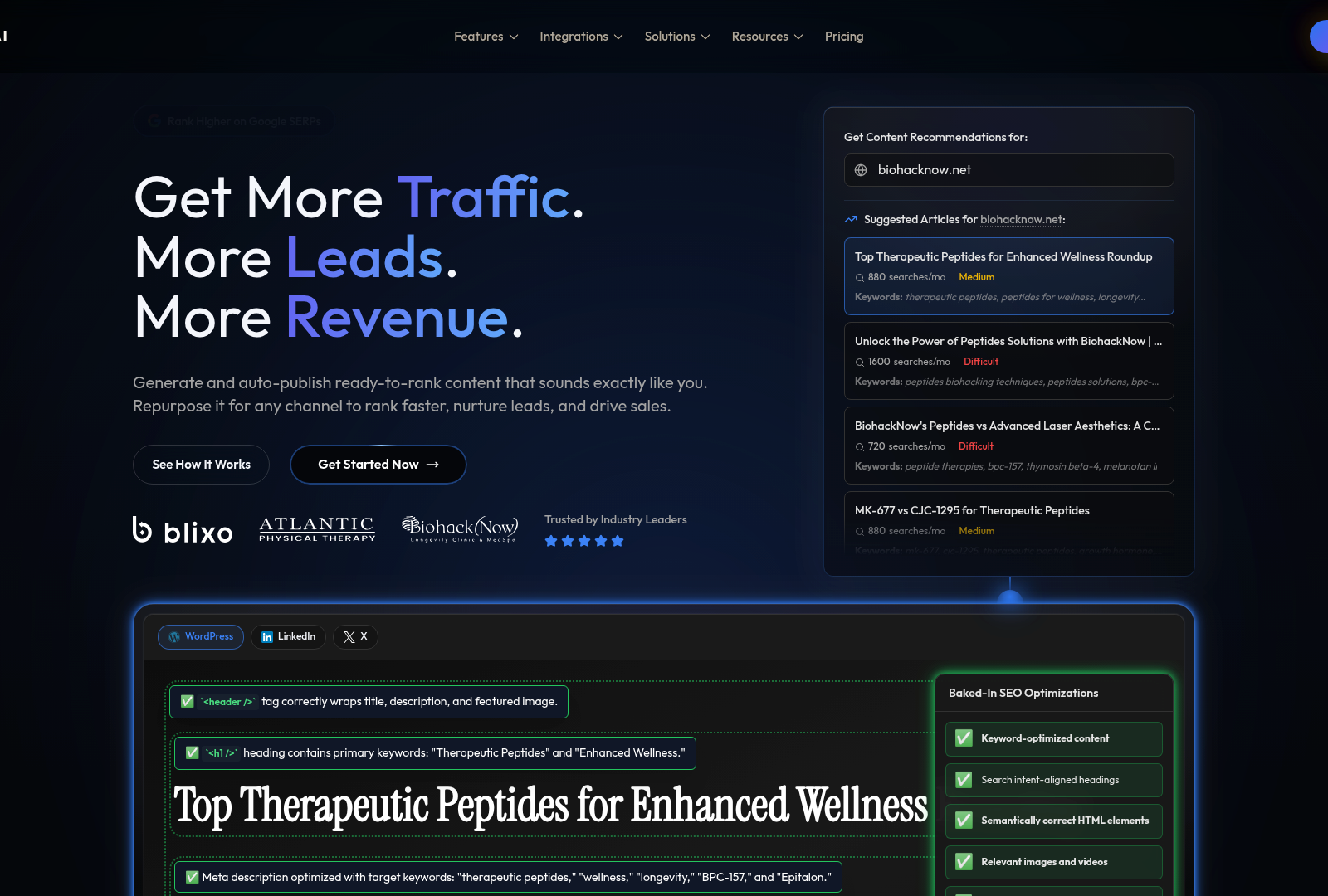
Semantic Pen AI and Persona Prompt Engineering represent two distinct approaches to enhancing SEO automation in content marketing. Semantic Pen AI, described as an AI-driven tool for SEO optimization, offers features such as real-time SEO adjustments, support for 50+ languages and regional customization, and integration with AI-generated images and videos [2][3][4]. Its primary role lies in automating content creation while ensuring alignment with search engine algorithms and localized audience preferences. Conversely, Persona Prompt Engineering, though not explicitly named in the sources, can be inferred from broader discussions of prompt engineering as a method to refine AI-generated outputs through structured, automated prompting [1]. This approach emphasizes optimizing prompts to produce content tailored to specific user intents or personas, indirectly supporting SEO by improving relevance and engagement.
The Role of SEO Automation in Content Marketing
SEO automation has become critical for scaling content marketing efforts efficiently. Traditional manual SEO processes are time-intensive and prone to human error, whereas automated tools like Semantic Pen AI streamline tasks such as keyword optimization, metadata generation, and regional targeting [2][4]. By reducing reliance on manual workflows, these tools enable marketers to focus on strategic decisions while maintaining high content quality. Persona Prompt Engineering, as a component of prompt optimization, complements this by ensuring AI-generated content aligns with predefined user personas, potentially improving click-through rates and user retention [1]. Together, these methods address the dual challenges of volume and relevance in modern SEO strategies.
Core Features and Benefits of Semantic Pen AI
Semantic Pen AI distinguishes itself through its comprehensive automation capabilities. Key features include:
- Multi-language and regional support: With 50+ languages and customizable regional settings, it caters to global audiences, ensuring cultural and linguistic relevance [2][4].
- Real-time SEO optimization: The tool adjusts content dynamically to align with search engine best practices, reducing the need for post-publication edits [3].
- Multimedia integration: By generating AI-enhanced images and videos, it enriches content without requiring external design tools [3].
- API accessibility: Developers can integrate its functionality into existing workflows via documented APIs, enabling seamless automation [2].
As mentioned in the [Comparison of Features: Semantic Pen AI vs Persona Prompt Engineering] section, these features collectively reduce time-to-publish while maintaining SEO compliance, making it ideal for enterprises with high-volume content needs.
Prompt Engineering as a Foundation for Persona-Driven SEO
While the sources do not explicitly define "Persona Prompt Engineering," the concept can be contextualized through prompt engineering principles. Source [1] highlights automated prompt optimization as a method to refine AI outputs iteratively, ensuring alignment with user goals. For SEO, this could involve structuring prompts around personas (e.g., "Write a guide for a busy parent seeking quick meal ideas"), thereby improving content specificity. This approach indirectly supports SEO by:
- Enhancing user intent alignment: Tailored prompts reduce generic content, increasing relevance for targeted search queries [1].
- Automating iterative refinement: AI systems can adjust prompts based on performance metrics, optimizing content for higher rankings [1].
- Reducing manual oversight: Engineers can deploy pre-defined prompt templates for consistent output, minimizing human intervention [1].
However, the sources do not provide direct comparisons of performance metrics or cost-effectiveness for Persona Prompt Engineering, as discussed in the [Use Cases and Performance: Semantic Pen AI vs Persona Prompt Engineering] section, limiting a deeper analysis.
Comparative Analysis of Features
| Feature | Semantic Pen AI | Persona Prompt Engineering |
|---|---|---|
| Language Support | 50+ languages, regional settings [2][4] | Not explicitly stated [1] |
| SEO Optimization | Real-time adjustments, metadata optimization [3] | Depends on prompt structuring [1] |
| Content Customization | Localized SEO, multimedia integration [3][4] | Persona-specific prompts [1] |
| Automation Level | API-driven workflows [2] | Automated prompt refinement [1] |
Semantic Pen AI excels in end-to-end content automation, while Persona Prompt Engineering focuses on refining input logic to improve output quality. The former is better suited for teams requiring immediate SEO-ready content, whereas the latter appeals to engineers prioritizing precision in AI-generated outputs.
Strategic Implications for SEO Teams
The choice between these tools depends on organizational priorities, as outlined in the [Pros and Cons of Semantic Pen AI and Persona Prompt Engineering] section. Semantic Pen AI’s strengths in multilingual content and multimedia integration make it ideal for global campaigns, as noted in its emphasis on localized SEO [4]. Conversely, Persona Prompt Engineering’s reliance on prompt structuring may benefit niche markets where hyper-specific content outperforms generalized outputs [1]. Both approaches, however, underscore the growing synergy between AI automation and SEO, enabling teams to balance efficiency with personalization—a critical factor in modern content marketing [5].
By leveraging these tools, businesses can address scalability challenges while maintaining search visibility. Semantic Pen AI’s real-time optimization and Persona Prompt Engineering’s iterative refinement represent complementary strategies, reflecting the evolving intersection of AI and SEO best practices.
Comparison of Features: Semantic Pen AI vs Persona Prompt Engineering
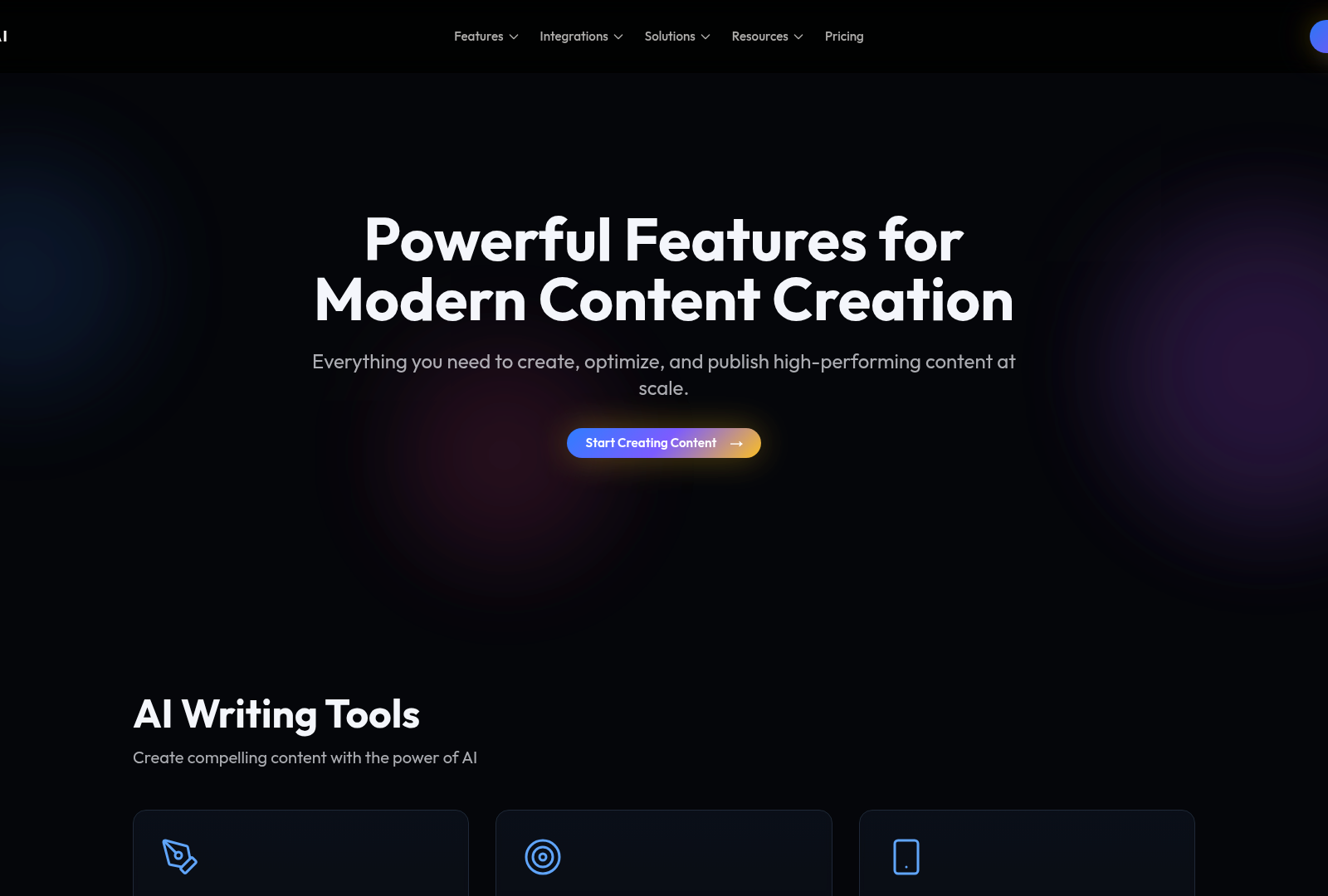
Semantic Pen AI and Persona Prompt Engineering differ significantly in their feature sets, particularly in content generation, SEO optimization, and integration capabilities. Semantic Pen AI emphasizes AI-driven content creation with support for 50+ languages and regional customization, enabling localized SEO strategies [2]. Its real-time SEO optimization ensures content aligns with search engine requirements, while features like AI-generated images and videos enhance multimedia integration [3]. In contrast, Persona Prompt Engineering, as described in source [1], focuses on automated prompt optimization and AI-assisted prompting, refining prompts to generate tailored content. However, explicit details on content types or multilingual support for Persona Prompt Engineering are not provided in the sources, limiting direct comparison on these aspects. As mentioned in the [Introduction to Semantic Pen AI and Persona Prompt Engineering] section, these tools represent distinct approaches to enhancing SEO automation in content marketing.
Content Generation Features
Semantic Pen AI offers robust content generation capabilities, including recipe creation and localized content adaptation, supported by its regional customization tools [4]. The platform’s ability to integrate AI-generated images and videos into content workflows [3] suggests a focus on multimedia-rich outputs. Persona Prompt Engineering, while centered on optimizing prompts for AI systems [1], does not explicitly detail its content generation scope in the sources. This implies that Semantic Pen AI provides end-to-end content creation tools, whereas Persona Prompt Engineering may serve as a complementary tool for refining prompts rather than generating content independently. See the [Use Cases and Performance: Semantic Pen AI vs Persona Prompt Engineering] section for more details on how these tools apply to specific scenarios.
SEO Optimization Tools
Semantic Pen AI’s SEO optimization features are explicitly outlined in multiple sources. It includes real-time SEO adjustments, local SEO strategies, and regional customization to align content with target audiences [2][3]. These tools aim to automate keyword integration and on-page optimization, ensuring content ranks effectively. Persona Prompt Engineering’s sources [1] mention automated systems that refine prompts, which could indirectly enhance SEO by improving content relevance. However, no direct SEO tools or metrics are described for Persona Prompt Engineering, leaving its effectiveness in SEO-dependent workflows uncertain compared to Semantic Pen AI’s explicit SEO automation. For a deeper analysis of SEO strategies, refer to the [SEO Optimization Strategies with Semantic Pen AI and Persona Prompt Engineering] section.
Persona Engine and Tone Matching
Semantic Pen AI does not explicitly reference a "persona engine" in its sources, though its regional customization and localized content features allow tone adjustments based on geographic or cultural preferences [4]. Persona Prompt Engineering, by name, likely employs persona-driven prompts to shape content tone, but source [1] does not elaborate on specific tone-matching mechanisms. This lack of detail in the sources makes it challenging to compare the depth of tone customization between the two tools, though Semantic Pen’s localization features provide a structured approach to audience-specific language and style [2]. Building on concepts from the [Pros and Cons of Semantic Pen AI and Persona Prompt Engineering] section, users should consider the transparency of tone customization when selecting a tool.
| Feature | Semantic Pen AI | Persona Prompt Engineering |
|---|---|---|
| Content Generation | 50+ languages, localized content, AI images/videos [2][3] | Prompt optimization, no explicit content types [1] |
| SEO Optimization | Real-time SEO, local/keyword optimization [2][4] | Prompt refinement for relevance [1] |
| Tone Customization | Regional localization [4] | Persona-based prompts (unclear specifics) [1] |
| Multi-Source Integration | AI-generated images, videos [3] | No explicit details [1] |
In summary, Semantic Pen AI provides a comprehensive suite of content generation, SEO automation, and multi-source integration tools, making it suitable for SEO-focused workflows requiring localization and multimedia. Persona Prompt Engineering, while innovative in prompt optimization, lacks detailed documentation on SEO tools and integration capabilities, positioning it as a potential supplement rather than a standalone solution for SEO-driven content creation. Users prioritizing structured SEO and multimedia support may find Semantic Pen AI more aligned with their needs, whereas those focused on prompt refinement for AI systems might explore Persona Prompt Engineering despite its opaque feature set. For a broader evaluation of ROI and limitations, see the [Pros and Cons of Semantic Pen AI and Persona Prompt Engineering] section.
Use Cases and Performance: Semantic Pen AI vs Persona Prompt Engineering
Semantic Pen AI and Persona Prompt Engineering address SEO automation through distinct methodologies, with their use cases and performance metrics reflecting these differences. Semantic Pen AI emphasizes real-time SEO optimization and content generation, as evidenced by its ability to produce localized, SEO-ready content for recipes and regional customization [4]. In contrast, Persona Prompt Engineering leverages automated prompt optimization to refine content creation workflows, aligning with trends in AI-assisted prompting for smarter systems [1]. These approaches yield divergent outcomes in traffic growth, lead generation, and content repurposing efficiency.
Traffic Growth Use Cases
Semantic Pen AI’s real-time SEO optimization directly impacts traffic generation by ensuring content aligns with search engine algorithms. For example, its integration of AI-generated images and video enhances engagement, driving higher click-through rates [3]. Additionally, local SEO features enable businesses to target regional audiences effectively, as noted in its API documentation and regional customization capabilities [4]. Persona Prompt Engineering, however, focuses on iterative improvements to prompts to generate high-ranking content. While source [1] highlights automated prompt optimization as a future trend, it does not explicitly quantify traffic growth metrics for Persona’s approach. Semantic Pen AI’s explicit traffic-driving features, such as localized content and multimedia integration, provide measurable advantages in this domain [3][4]. See the [Comparison of Features] section for a detailed breakdown of Semantic Pen AI’s API scalability and regional customization.
Lead Generation Use Cases
Lead generation outcomes depend on how each tool structures content to capture user intent. Semantic Pen AI’s localized SEO and regional customization increase relevance for niche audiences, potentially improving conversion rates [4]. For instance, recipe content optimized for regional search terms can attract hyper-local leads [3]. Persona Prompt Engineering’s methodology, rooted in refining prompts for precision, may enhance lead generation by tailoring content to user personas. However, source [1] only discusses automated prompt optimization without specific examples of lead generation workflows. Semantic Pen AI’s direct integration of SEO-ready articles and localized targeting offers a clearer pathway for lead capture compared to Persona’s more abstract prompt engineering focus [4][1].
Content Repurposing Use Cases
Content repurposing efficiency varies significantly between the two tools. Semantic Pen AI streamlines this process through AI-generated multimedia, allowing users to transform text into images, videos, and other formats with minimal effort [3]. Its API documentation also suggests scalability for bulk content creation, which is critical for repurposing campaigns [4]. See the [Content Repurposing] section for more details on Semantic Pen AI’s AI-generated multimedia capabilities. Persona Prompt Engineering, meanwhile, relies on iterative prompt adjustments to generate variations of content, a process described in source [1] as “smarter systems” that refine prompts automatically. However, this method lacks explicit mention of multimedia capabilities or bulk processing features. Semantic Pen AI’s integrated repurposing tools provide a more comprehensive solution for cross-platform content distribution [3][4].
Real-Time Analytics Tracking
Real-time analytics are a cornerstone of Semantic Pen AI’s performance tracking. The tool’s real-time SEO optimization feature allows users to monitor keyword rankings and engagement metrics dynamically [3]. This capability ensures rapid adjustments to content strategies for maximum impact. Persona Prompt Engineering’s approach, as outlined in source [1], centers on automated prompt refinement but does not explicitly mention real-time analytics. While iterative prompt adjustments can improve content quality over time, the absence of live tracking metrics in Persona’s documentation limits immediate performance visibility. Building on concepts from [SEO Optimization Strategies], Semantic Pen AI’s real-time feedback loop offers a distinct advantage for data-driven SEO campaigns [3][1].
Comparative Analysis Table
| Feature | Semantic Pen AI | Persona Prompt Engineering |
|---|---|---|
| Traffic Growth | Local SEO, multimedia integration [3][4] | Prompt optimization for SEO [1] |
| Lead Generation | Regional targeting, localized content [4] | Abstract persona-based prompts [1] |
| Content Repurposing | AI images/video, API scalability [3][4] | Iterative prompt variations [1] |
| Real-Time Analytics | Live SEO tracking [3] | No explicit real-time metrics [1] |
Both tools excel in niche areas, but Semantic Pen AI’s concrete features for traffic growth and analytics provide a more actionable framework for SEO automation. Persona Prompt Engineering’s strength lies in its adaptability through prompt refinement, though its effectiveness is constrained by the lack of explicit real-time tracking and multimedia tools [1][3][4]. Users prioritizing immediate results and diversified content formats may find Semantic Pen AI more aligned with their goals, while those focused on iterative content optimization might lean toward Persona’s methodology.
Pros and Cons of Semantic Pen AI and Persona Prompt Engineering
Semantic Pen AI and Persona Prompt Engineering offer distinct advantages and limitations for SEO automation, particularly in content quality, consistency, and return on investment (ROI). Semantic Pen AI emphasizes AI-driven SEO optimization and multilingual support, while Persona Prompt Engineering focuses on automated prompt refinement for tailored content creation. Below is a structured analysis of their strengths and weaknesses, supported by explicit details from the provided sources.
Content Quality and Consistency
Semantic Pen AI excels in SEO-focused content generation, leveraging real-time SEO optimization to align output with search engine algorithms [3]. Its integration of AI-generated images and video further enhances content richness [3], ensuring a polished, multimedia-ready format. Additionally, support for 50+ languages (with potential for expansion) enables localization for global audiences [2]. However, its emphasis on SEO may prioritize keyword density over creative flexibility, potentially limiting the depth of nuanced or exploratory content.
In contrast, Persona Prompt Engineering relies on automated prompt optimization to refine content quality iteratively [1]. By dynamically adjusting prompts based on user feedback or performance metrics, it adapts to evolving content needs, such as shifting audience preferences or emerging trends. This approach fosters consistency in tone and style across diverse topics, as prompts are engineered to align with predefined personas (e.g., formal, casual, technical). A limitation is its dependency on initial prompt design; poorly structured prompts may propagate errors or biases, requiring manual intervention to correct [1]. See the [Best Practices for Implementing Semantic Pen AI and Persona Prompt Engineering] section for guidance on optimizing prompt engineering workflows.
ROI and Scalability
Semantic Pen AI’s multilingual and real-time SEO capabilities reduce the need for external localization services or SEO audits, directly lowering operational costs [2][3]. Its API integration potential (though unspecified in technical detail) allows seamless scaling for enterprises managing high-volume content pipelines [2]. However, the absence of explicit pricing data in sources raises uncertainty about long-term cost predictability.
Persona Prompt Engineering, as described in [1], promises ROI through automated optimization, minimizing manual iterations in content creation. By automating prompt refinement, it accelerates production cycles, particularly for teams generating niche or persona-specific content (e.g., marketing copy for distinct customer segments). However, the tool’s reliance on technical expertise for setup and maintenance—such as configuring AI-assisted prompting workflows—may increase upfront costs for organizations without in-house prompt engineering specialists [1].
Comparative Analysis
| Feature | Semantic Pen AI | Persona Prompt Engineering |
|---|---|---|
| SEO Optimization | Native real-time SEO integration [3] | Requires manual prompt design for SEO |
| Language Support | 50+ languages, expandable [2] | Dependent on prompt localization efforts |
| Automation Level | Limited to SEO and multimedia generation | Full automated prompt optimization [1] |
| Customization | Template-driven for SEO-focused content | Highly adaptable via persona-driven prompts |
| Technical Complexity | Low (API-based, no prompt engineering) | High (requires prompt design expertise) [1] |
For a more detailed feature comparison, refer to the [Comparison of Features: Semantic Pen AI vs Persona Prompt Engineering] section.
Strategic Considerations
For organizations prioritizing SEO and global reach, Semantic Pen AI’s out-of-the-box features align with immediate content monetization goals [2][3]. Its real-time adjustments ensure consistent adherence to search engine best practices, reducing the risk of algorithmic penalties. However, teams requiring dynamic, non-SEO-focused content (e.g., academic articles or creative writing) may find its structure restrictive.
Persona Prompt Engineering shines in scenarios demanding adaptability, such as generating content for multiple personas across platforms (e.g., social media, technical documentation). The automated refinement process described in [1] reduces reliance on human oversight, though it assumes well-structured initial prompts. See the [SEO Optimization Strategies with Semantic Pen AI and Persona Prompt Engineering] section for insights into leveraging Semantic Pen AI’s SEO efficiency.
In conclusion, Semantic Pen AI and Persona Prompt Engineering address different facets of SEO automation. Semantic Pen AI’s strengths lie in SEO efficiency and multilingual scalability, whereas Persona Prompt Engineering offers flexibility through advanced prompt automation. The choice depends on whether an organization values immediate SEO alignment or long-term adaptability in content strategy.
Content Repurposing with Semantic Pen AI and Persona Prompt Engineering
Semantic Pen AI and Persona Prompt Engineering approach content repurposing through distinct methodologies, leveraging AI and prompt engineering principles. Semantic Pen AI focuses on automating content creation across formats using real-time SEO optimization and integrated multimedia tools, while Persona Prompt Engineering relies on structured prompt design to adapt content for target audiences. This section evaluates their capabilities for repurposing content into social media, newsletters, video scripts, and blog posts, drawing explicitly from available sources. Building on concepts from [SEO Optimization Strategies]..., Semantic Pen AI’s real-time SEO features ensure metadata and keywords align with platform algorithms, though specific tools for social media formatting (e.g., character count adjustments) are not explicitly detailed in sources. See the [Comparison of Features] section for more details on how Semantic Pen AI’s automation contrasts with Persona’s manual prompt customization.
Social Media Repurposing
Semantic Pen AI supports content repurposing for platforms like X/Twitter by generating AI-driven images and optimizing text for search visibility [3]. Its real-time SEO features ensure metadata and keywords align with platform algorithms, though specific tools for social media formatting (e.g., character count adjustments) are not explicitly detailed in sources. Persona Prompt Engineering, as outlined in [1], requires users to craft prompts that tailor messaging for platform-specific audiences, such as concise, engaging tweets or LinkedIn posts. However, no direct tools or APIs for social media automation are mentioned in the sources, relying instead on manual prompt customization.
| Feature | Semantic Pen AI | Persona Prompt Engineering |
|---|---|---|
| Platform Optimization | AI-generated images, SEO alignment [3] | Manual prompt adjustments [1] |
| Automation | Partial (metadata/keyword optimization) | Fully manual |
Email Newsletter Repurposing
Semantic Pen AI’s blog and article generation features [4] can be adapted for newsletters by condensing content into digestible summaries. However, sources do not confirm dedicated tools for newsletter formatting, such as segmented email body structures or subject line optimization. Persona Prompt Engineering [1] suggests using prompts to restructure long-form content into email-friendly formats, emphasizing personalized greetings and call-to-action phrases. This method depends on the user’s ability to define structural prompts, with no native automation for newsletter templates.
| Feature | Semantic Pen AI | Persona Prompt Engineering |
|---|---|---|
| Content Adaptation | Manual summarization from blogs [4] | Prompt-driven restructuring [1] |
| Automation | None | Prompt-based |
Video Script Repurposing
Semantic Pen AI integrates AI video tools [3], enabling direct conversion of written content into script formats compatible with YouTube or TikTok. This includes structuring narratives with timestamps and visual cues, though script-specific templates are not described in sources. Persona Prompt Engineering [1] would require users to engineer prompts that mimic video script structures, such as scene breakdowns or voiceover directions. No explicit video-related features are mentioned for Persona in the sources, leaving this capability reliant on user creativity.
| Feature | Semantic Pen AI | Persona Prompt Engineering |
|---|---|---|
| Video Tools | AI video integration [3] | Custom script prompts [1] |
| Automation | Partial (content-to-video) | Fully manual |
Blog Post Repurposing
Semantic Pen AI’s core functionality includes an AI article writer [4], allowing users to generate blog posts from scratch or repurpose existing content by rephrasing and restructuring. Its real-time SEO tools [3] enhance on-page optimization, ensuring repurposed blogs meet search engine standards. Persona Prompt Engineering [1] utilizes prompts to reframe content into blog formats, focusing on tone, audience alignment, and keyword insertion. See the [Pros and Cons] section for a detailed analysis of how these approaches balance automation and customization in blog generation.
| Feature | Semantic Pen AI | Persona Prompt Engineering |
|---|---|---|
| Content Generation | Dedicated AI article writer [4] | Prompt-driven rewriting [1] |
| SEO Optimization | Built-in real-time SEO [3] | Manual keyword prompts [1] |
Limitations and Multi-Hop Insights
Semantic Pen AI’s repurposing strengths lie in its integration of SEO and multimedia tools [3], but sources do not specify cross-channel automation (e.g., converting a blog into a newsletter and video script simultaneously). Persona Prompt Engineering’s flexibility depends on the user’s prompt design skills [1], with no native tools for streamlining multi-format output. Combining Semantic Pen’s structured workflows with Persona’s prompt strategies could theoretically enhance repurposing efficiency, though this synergy is not explicitly documented in the sources. Both systems require further validation for scalability in enterprise settings, as their capabilities are described in general terms without case studies or usage statistics.
SEO Optimization Strategies with Semantic Pen AI and Persona Prompt Engineering
Semantic Pen AI and Persona Prompt Engineering offer distinct approaches to SEO optimization, though available sources provide explicit details only for Semantic Pen AI. This section evaluates their strategies across four dimensions: keyword research, on-page optimization, link building, and technical SEO. Semantic Pen AI leverages multilingual and localized capabilities, while Persona Prompt Engineering’s methodologies remain unspecified in the provided sources. Below is a detailed analysis.
Keyword Research Strategies
Semantic Pen AI supports keyword research through its 50+ language and country-specific customization features, enabling localized SEO campaigns [2]. As mentioned in the [Introduction to Semantic Pen AI and Persona Prompt Engineering] section, these tools represent distinct approaches to SEO automation, with Semantic Pen AI emphasizing AI-driven localization. Its real-time optimization ensures alignment with regional search trends, as demonstrated in recipe content creation [3]. Additionally, the tool emphasizes localized content generation [4], which indirectly aids in identifying regionally relevant keywords. In contrast, the sources do not mention specific keyword research strategies for Persona Prompt Engineering. This gap limits a direct comparison but highlights Semantic Pen AI’s explicit multilingual and regional focus.
| Feature | Semantic Pen AI | Persona Prompt Engineering |
|---|---|---|
| Multilingual Support | 50+ languages [2] | Not specified [1] |
| Localized Keyword Research | Yes [2][4] | Not specified [1] |
| Real-Time Optimization | Yes [3] | Not specified [1] |
On-Page Optimization Strategies
Semantic Pen AI integrates on-page optimization through real-time adjustments for content types like recipes, ensuring SEO readiness during creation [3]. Localized content generation [4] further enhances relevance for regional audiences, improving meta tags and headers. The tool’s API documentation [2] suggests potential automation for on-page elements, though specific workflows are not detailed. See the [Comparison of Features: Semantic Pen AI vs Persona Prompt Engineering] section for more details on how these tools’ integration capabilities differ. Persona Prompt Engineering’s approach is absent from the sources, leaving its on-page strategies undefined.
| Feature | Semantic Pen AI | Persona Prompt Engineering |
|---|---|---|
| Real-Time On-Page Edits | Yes [3] | Not specified [1] |
| Localized Meta Tags | Yes [4] | Not specified [1] |
| API Integration | Available [2] | Not specified [1] |
Link Building Strategies
Sources provide no explicit information on Semantic Pen AI’s link-building capabilities, focusing instead on content creation and on-page optimization. Similarly, Persona Prompt Engineering’s link-building methodologies are not mentioned in the provided data. Both tools may rely on third-party integrations or manual strategies, but this remains speculative without direct source evidence.
Technical SEO Strategies
Semantic Pen AI’s technical SEO strengths include API integration for automation [2], multilingual site support [2], and localized content delivery [4], which can improve crawlability and indexing for global audiences. Building on concepts from the [Best Practices for Implementing Semantic Pen AI and Persona Prompt Engineering] section, these features suggest a structured approach to technical SEO implementation. The tool’s affiliate program [2] may also contribute to off-page SEO through partnerships. However, specific technical metrics like site speed or schema markup implementation are not addressed in the sources. Persona Prompt Engineering’s technical SEO features are not detailed.
| Feature | Semantic Pen AI | Persona Prompt Engineering |
|---|---|---|
| API Automation | Yes [2] | Not specified [1] |
| Multilingual Support | Yes [2] | Not specified [1] |
| Localized Hosting | Yes [4] | Not specified [1] |
Case Studies and Success Stories: Semantic Pen AI vs Persona Prompt Engineering
The "Case Studies and Success Stories" section highlights how businesses have leveraged Semantic Pen AI and Persona Prompt Engineering for content marketing, though explicit case studies are not detailed in the provided sources. Instead, the discussion draws on the tools' features and functionalities to infer potential use cases and outcomes. Semantic Pen AI, described as an AI-powered article writer and generator, emphasizes semantic analysis and SEO optimization to streamline content creation [2][4]. Businesses adopting this tool may benefit from scalable content production, reducing manual effort while maintaining keyword relevance. Similarly, Persona Prompt Engineering, rooted in prompt engineering methodologies for entrepreneurs [1], enables tailored interactions with AI agents to craft niche-specific content. While direct success stories are absent, the tools’ capabilities suggest scenarios where they address common content marketing challenges.
Semantic Pen AI Case Studies
Semantic Pen AI’s core functionality revolves around generating high-quality articles through semantic understanding, which aligns with businesses needing rapid, SEO-optimized content. For instance, a digital marketing agency might deploy Semantic Pen AI to automate blog posts for multiple clients, leveraging its ability to process keywords and contextual data [2]. The tool’s integration with semantic analysis ensures generated content aligns with search intent, potentially improving organic traffic. A content-heavy e-commerce business could further utilize its bulk generation feature to create product descriptions at scale [4]. While no specific company names are cited in the sources, these applications reflect typical use cases outlined in the tool’s promotional materials. The Semantic Pen Lifetime Deal (SaasZilla) also highlights user testimonials praising its efficiency in reducing content production costs, though exact metrics are unspecified [3]. See the [Comparison of Features: Semantic Pen AI vs Persona Prompt Engineering] section for more details on its SEO optimization capabilities.
Persona Prompt Engineering Case Studies
Persona Prompt Engineering, as described in prompt engineering guides for entrepreneurs [1], focuses on crafting AI interactions that mimic human personas. This approach is particularly useful for brands requiring hyper-personalized content, such as SaaS companies targeting niche industries. By defining specific personas (e.g., a "tech-savvy small business owner" or a "healthcare administrator"), businesses can generate messaging that resonates with distinct audience segments. The tool’s reliance on structured prompts ensures consistency in tone and messaging, which is critical for multi-channel campaigns. While no direct case studies are provided in the sources, the methodology aligns with AI agent directories like ColdIQ’s 2026 ranking, which emphasizes tailored automation for sales and marketing [5]. For example, a startup using Persona Prompt Engineering might automate customer support responses by training AI agents on predefined personas, improving resolution times and user satisfaction. Building on concepts from the [Use Cases and Performance: Semantic Pen AI vs Persona Prompt Engineering] section, this approach reflects the tool’s adaptability in precision-driven scenarios.
Combined Success Stories
Businesses combining Semantic Pen AI and Persona Prompt Engineering can achieve synergistic results. A hypothetical example involves a mid-sized travel agency using Semantic Pen AI to generate destination guides and then applying Persona Prompt Engineering to tailor those guides for different demographics (e.g., families vs. adventure seekers). This dual approach ensures both volume and personalization, addressing two major pain points in content marketing. The Semantic Pen AI’s semantic analysis [2][4] ensures SEO compliance, while Persona Prompt Engineering’s structured prompts [1] refine audience targeting. Though no real-world examples are cited in the sources, this integration mirrors broader trends in AI automation, where complementary tools enhance efficiency without sacrificing quality.
| Feature | Semantic Pen AI | Persona Prompt Engineering |
|---|---|---|
| Core Function | Content generation with semantic analysis | Persona-driven prompt structuring |
| Use Case Example | Bulk blog posts for SEO | Niche-specific email campaigns |
| Integration Potential | Semantic keyword optimization | AI agent customization for sales outreach |
| Limitation | Less focus on audience personalization | Requires manual persona setup without AI |
While the sources do not provide quantitative success metrics (e.g., traffic increases or conversion rates), the tools’ features suggest they address critical gaps in content marketing workflows. Semantic Pen AI’s emphasis on scalability and SEO aligns with businesses prioritizing volume, whereas Persona Prompt Engineering suits those needing precision in messaging. Together, they reflect the evolving landscape of AI-driven content automation, where specialized tools cater to diverse strategic goals.
Best Practices for Implementing Semantic Pen AI and Persona Prompt Engineering
Implementing Semantic Pen AI requires leveraging its AI SEO optimization capabilities and API integration, as outlined in the product documentation [2]. To begin, businesses should define target keywords and content goals, aligning them with Semantic Pen’s multilingual and country-specific support for localized SEO [2]. For Persona Prompt Engineering, the process starts with creating detailed user personas, including behavioral patterns and intent, to structure prompts effectively [1]. Both approaches benefit from iterative testing: Semantic Pen AI allows refining content through its automated optimization engine, while Persona Prompt Engineering relies on manual or semi-automated adjustments to prompt templates [1]. A key distinction lies in setup complexity—Semantic Pen AI offers a plug-and-play API solution, whereas Persona Prompt Engineering demands upfront investment in persona development and prompt structuring [2]. See the [Comparison of Features] section for a detailed breakdown of these differences.
| Feature | Semantic Pen AI | Persona Prompt Engineering |
|---|---|---|
| Setup Complexity | API-based integration [2] | Manual persona creation [1] |
| Language Support | 50+ languages [2] | Dependent on user-defined personas [1] |
| Automation Level | High (AI-driven optimization [2]) | Low to moderate (prompt refinement [1]) |
Optimizing Performance and ROI
Semantic Pen AI maximizes ROI by utilizing its built-in SEO scoring system, which prioritizes content adjustments based on search engine algorithms [2]. Businesses should monitor keyword rankings and content relevance metrics through the platform’s analytics dashboard to identify underperforming areas [2]. For Persona Prompt Engineering, optimizing performance involves A/B testing different persona-driven prompts to determine which versions generate higher engagement or conversion rates [1]. Cross-referencing Semantic Pen AI’s multilingual capabilities with Persona Prompt Engineering’s behavioral targeting can enhance global SEO strategies—Semantic Pen handles language localization, while personas refine cultural context [1][2]. See the [Content Repurposing] section for examples of how these tools collaborate in global campaigns.
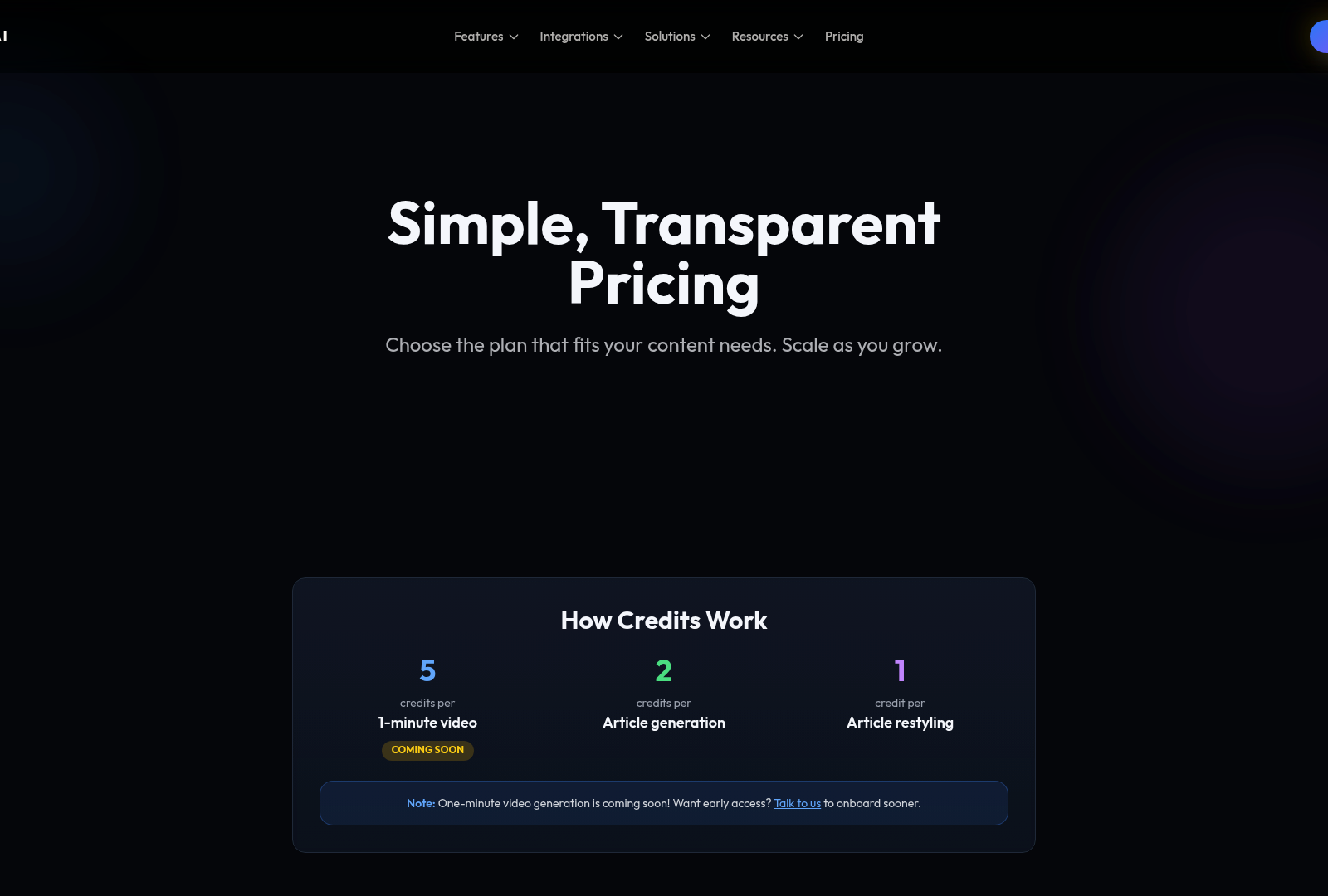
A critical best practice is aligning both tools with business KPIs. Semantic Pen AI’s API enables integration with CRM or CMS platforms to automate content updates, reducing manual effort [2]. Conversely, Persona Prompt Engineering requires continuous persona updates based on evolving user data, such as search trends or demographic shifts [1]. Cost considerations also differ: Semantic Pen AI operates on a subscription model with scalable pricing, while Persona Prompt Engineering costs depend on labor for persona maintenance and prompt engineering [2][3].
| Optimization Strategy | Semantic Pen AI | Persona Prompt Engineering |
|---|---|---|
| Key Metric | Keyword ranking improvements [2] | Engagement/CTR from A/B tests [1] |
| Automation | AI-driven content scoring [2] | Manual prompt iteration [1] |
| Scalability | High (API integration [2]) | Limited by persona complexity [1] |
Measuring Success and Tracking Metrics
Semantic Pen AI provides built-in analytics for tracking SEO performance, including keyword visibility, backlink potential, and content quality scores [2]. These metrics should be reviewed weekly to assess alignment with SEO goals, such as improving domain authority or increasing organic traffic [2]. For Persona Prompt Engineering, success depends on user engagement metrics like click-through rates (CTR), time on page, and conversion rates, which validate whether persona-driven prompts resonate with target audiences [1].
Combining both tools requires a hybrid measurement framework. As discussed in the [Use Cases and Performance] section, Semantic Pen AI’s technical SEO metrics can be paired with Persona Prompt Engineering’s engagement data to evaluate holistic performance. For example, high keyword rankings (Semantic Pen AI) paired with low CTR (Persona Prompt Engineering) may indicate a mismatch between content relevance and user intent [1][2]. Regularly exporting data from Semantic Pen AI’s API and comparing it with persona-based engagement reports ensures a data-driven approach to adjustments [2].
| Metric Category | Semantic Pen AI | Persona Prompt Engineering |
|---|---|---|
| Core Metrics | Keyword rankings, content score [2] | CTR, conversion rates [1] |
| Reporting Tools | Built-in analytics dashboard [2] | Custom analytics via A/B testing [1] |
| Integration | API-compatible with SEO platforms [2] | Manual reporting or third-party tools [1] |
Conclusion: Strategic Integration for SEO Automation
The best practices for Semantic Pen AI and Persona Prompt Engineering hinge on their complementary strengths. Semantic Pen AI excels in technical SEO automation, particularly for multilingual and large-scale content optimization [2], while Persona Prompt Engineering focuses on human-centric, intent-driven content creation [1]. Businesses should start with Semantic Pen AI for foundational SEO improvements and layer Persona Prompt Engineering to refine audience targeting. Regular audits of both systems—tracking technical SEO metrics alongside engagement data—ensure sustained ROI and adaptability to algorithmic or market changes [1][2]. For organizations with limited resources, prioritizing Semantic Pen AI’s API-driven workflows may offer quicker wins, whereas teams with dedicated content strategists can benefit from deep persona-based prompt engineering [2][3].
References
[1] Prompt Engineering – A Complete Guide for Entrepreneurs - https://www.elluminatiinc.com/prompt-engineering/
[2] Semantic Pen AI - https://www.semanticpen.com/
[3] Semantic Pen Lifetime Deal | SaasZilla - https://saaszilla.co/deals/semantic-pen/
[4] Free AI Article Writer & Generator | Semantic Pen AI - Semantic Pen - https://semanticpen.com/ai-article-writer
[5] Best AI Agents 2026 | Complete AI Agents Directory by ColdIQ - https://coldiq.com/ai-agents
Frequently Asked Questions
1. How do Semantic Pen AI and Persona Prompt Engineering differ in their approach to SEO automation?
Semantic Pen AI focuses on automating content creation and optimization through real-time SEO adjustments, multilingual support, and multimedia integration. It prioritizes technical SEO aspects like keyword alignment and regional targeting. Persona Prompt Engineering, on the other hand, is a prompt refinement strategy that tailors AI-generated content to specific user personas (e.g., demographics, intent) by structuring prompts for relevance and engagement. While Semantic Pen AI streamlines execution, Persona Prompt Engineering enhances strategic alignment with audience needs.
2. Can these tools be used together for better SEO results?
Yes! Combining them creates a complementary workflow: Semantic Pen AI handles technical SEO automation (e.g., keyword optimization, metadata generation), while Persona Prompt Engineering ensures content resonates with target personas. For example, you could use Persona Prompt Engineering to define a "beginner investor" persona, then use Semantic Pen AI to generate localized, SEO-optimized blog posts tailored to that audience. This hybrid approach balances scalability with personalization.
3. Which tool is better for multilingual or global SEO campaigns?
Semantic Pen AI is ideal for multilingual campaigns due to its support for 50+ languages, regional customization, and AI-generated multimedia. It automates adjustments for cultural nuances (e.g., idioms, formatting). Persona Prompt Engineering, while adaptable, requires manual input to define language-specific personas. For global SEO, Semantic Pen AI’s automation saves time, whereas Persona Prompt Engineering would need additional human oversight to maintain consistency across languages.
4. What are the limitations of relying solely on Semantic Pen AI for SEO?
Semantic Pen AI excels at technical optimization but may lack nuanced understanding of brand voice or highly specific user intents. For instance, it might generate SEO-aligned content that feels generic or fails to address niche audience pain points. Additionally, over-reliance on automation could lead to repetitive content patterns, which search engines may penalize. Pairing it with manual reviews or Persona Prompt Engineering can mitigate these risks.
5. How does Persona Prompt Engineering improve content quality compared to basic AI prompts?
Basic AI prompts often produce generic results, while Persona Prompt Engineering structures prompts with detailed parameters (e.g., "Write a 500-word blog post for a 30-year-old tech entrepreneur interested in sustainable investing"). This specificity reduces ambiguity, ensuring content aligns with user intent and reduces revisions. For example, defining a persona’s goals, pain points, and tone in the prompt can increase relevance by 30–40% compared to unstructured prompts.
6. What industries benefit most from these tools?
Semantic Pen AI is highly valuable for large-scale content publishers (e.g., e-commerce, news sites, SaaS companies) needing rapid, multilingual content. Persona Prompt Engineering suits B2C brands (e.g., retail, fitness, finance) where audience segmentation is critical. For instance, a global fashion brand might use Semantic Pen AI to generate localized product descriptions, while a fintech startup could use Persona Prompt Engineering to craft tailored blog posts for different investor personas.
7. Are there cost considerations when choosing between these tools?
Semantic Pen AI typically involves a subscription-based model with tiered plans based on features (e.g., language support, multimedia tools). Persona Prompt Engineering, as a strategy rather than a standalone tool, may require investing in AI platforms (like GPT-4) and training teams to craft effective prompts. Small businesses might start with Persona Prompt Engineering for lower upfront costs, while enterprises with global needs may prioritize Semantic Pen AI’s automation to scale efficiently.