
SEO Automation Platform with Ahrefs Tool

Introduction to SEO Automation with Ahrefs
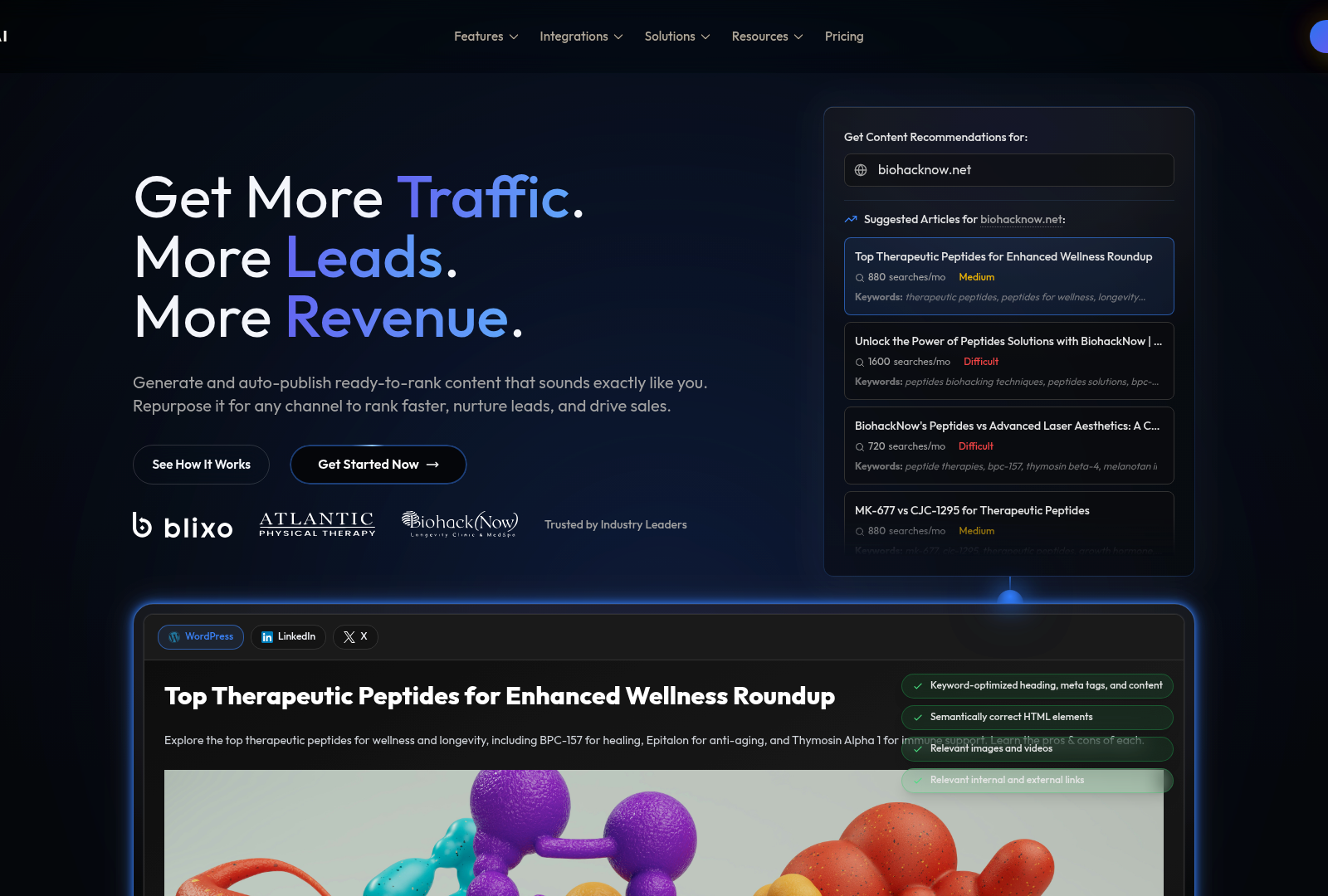
SEO automation refers to the use of software tools to streamline repetitive search engine optimization (SEO) tasks, such as keyword research, backlink analysis, content audits, and competitor tracking. By leveraging algorithms and data-driven insights, these platforms reduce manual effort while improving accuracy and scalability [11]. Automation allows marketers to focus on strategic decision-making rather than time-consuming data collection. Ahrefs, a leading SEO platform, plays a central role in this process by providing tools for competitor analysis, backlink research, and content optimization. Its integration with AI and big data capabilities enhances the efficiency of automated workflows, making it a cornerstone of modern SEO strategies [1][13].
The Role of Ahrefs in SEO Automation
Ahrefs functions as an all-in-one marketing intelligence platform, specializing in competitor and backlink research. Launched in 2010, it has evolved into a comprehensive toolset that supports SEO automation through features like site audits, keyword tracking, and content explorer [13]. Its extensive database of search and AI-driven insights enables users to identify opportunities and gaps in their SEO strategies programmatically. For example, Ahrefs automates the analysis of competitors’ backlink profiles, allowing teams to replicate successful strategies at scale [10]. The platform’s ability to consolidate data from multiple sources—such as search engines, social media, and content repositories—makes it a critical component of automated SEO workflows [1]. By centralizing these functions, Ahrefs reduces the need for switching between disparate tools, a common pain point in manual SEO processes [8].
Benefits of SEO Automation with Ahrefs
Adopting an SEO automation platform like Ahrefs offers tangible benefits, including time savings, cost reduction, and improved data accuracy. Automation eliminates the need for repetitive tasks such as manual backlink checks or keyword rankings, which can be error-prone and resource-intensive [2]. For instance, Ahrefs’ automated site crawler identifies technical SEO issues like broken links or meta tag inconsistencies, enabling teams to address them proactively [10]. Additionally, platforms like Ahrefs provide real-time data updates, ensuring that strategies adapt to algorithm changes or market shifts without manual intervention [11]. Consolidating tools into a single platform also reduces subscription costs and complexity, a key advantage highlighted by agencies managing multiple client accounts [8].
Another significant benefit is the ability to scale SEO efforts. Automated workflows powered by Ahrefs allow marketers to analyze hundreds of keywords or competitors simultaneously, a feat impractical with manual methods [11]. For example, its Content Explorer feature automates the discovery of high-performing content in niche markets, streamlining the ideation process for new campaigns. See the Automating Content Generation with Ahrefs section for more details on leveraging this functionality. Furthermore, integration with external systems like Google Analytics or Search Console enhances reporting capabilities, providing a unified view of SEO performance metrics [11]. This interconnectedness ensures that automated campaigns remain aligned with broader business goals, such as increasing organic traffic or improving conversion rates.
While Ahrefs is a market leader, some platforms position themselves as alternatives by combining its core features with AI-driven automation. Tools like Search Atlas and OTTO SEO, for instance, claim to consolidate Ahrefs’ backlink analysis with additional functionalities like semantic SEO and content optimization [2][7]. However, Ahrefs retains its dominance due to its mature database and granular reporting, which remain unmatched by newer entrants [8]. For teams already invested in Ahrefs, automation extends its value by turning raw data into actionable workflows, reducing reliance on human intervention for routine tasks [10].
In summary, SEO automation with Ahrefs bridges the gap between data collection and strategic execution. By automating repetitive tasks, integrating with existing systems, and scaling analysis capabilities, it empowers marketers to optimize SEO campaigns efficiently. For practical implementation steps, refer to the Setting Up Your Ahrefs Account for SEO Automation section. Additionally, performance tracking and analysis methods are detailed in the Tracking and Analyzing Performance with Ahrefs section, ensuring campaigns remain data-driven and adaptable.
Setting Up Your Ahrefs Account for SEO Automation
To begin setting up your Ahrefs account for SEO automation, start by creating an account through the Ahrefs website. Select a subscription plan that aligns with your automation needs, such as the Standard, Advanced, or Agency plan, depending on the scale of your SEO campaigns [13]. During registration, provide a valid email address and set a secure password. After verification, log in to access the Ahrefs dashboard, where you can begin configuring settings tailored to automation workflows [13].
Configuring Settings for SEO Automation
Once logged in, configure your Ahrefs account to optimize it for automation. Start by setting up projects for each target domain or subdomain. Navigate to the "Sites" section, click "Add a new site," and input the domain URL. This action initializes data collection for organic keywords, backlinks, and content audits, which are critical for automated reporting [13]. Next, customize your keyword tracking settings by defining target keywords, competitor domains, and search regions. These parameters ensure automated reports focus on relevant metrics, such as keyword rankings and traffic estimates [6]. For content generation automation, these keyword definitions directly inform Ahrefs’ content optimization strategies—see the [Automating Content Generation with Ahrefs] section for more details on leveraging this data for scalable content creation.
To enhance automation efficiency, enable Ahrefs’ alert system for real-time notifications. Go to the "Alerts" section and create rules for backlink disavowals, new competitor backlinks, or ranking fluctuations. These alerts streamline manual monitoring by flagging actionable insights automatically [13]. Additionally, adjust the data export settings to schedule regular report exports in CSV or Excel formats. This feature supports integration with automation platforms that require structured data inputs [11].
Integrating Ahrefs with Other Tools
Integrating Ahrefs with complementary tools like Google Analytics, Google Search Console, and content management systems (CMS) is essential for a unified SEO automation ecosystem. In the Ahrefs dashboard, navigate to the "Integration" settings and connect your Google Analytics and Search Console accounts. This integration synchronizes traffic data, crawl errors, and indexing status, enabling automated cross-platform analysis [6]. For example, Ahrefs uses Search Console data to validate organic traffic estimates, improving the accuracy of automated keyword reports [11].
For CMS integrations, use Ahrefs’ Site Audit tool to link your website’s backend. This connection allows automated audits to detect on-page SEO issues, such as missing meta tags or broken links, directly within your content workflow [13]. To integrate with third-party tools like Yoast SEO or SurferSEO, leverage Ahrefs’ API or built-in connectors. These tools import Ahrefs’ keyword data to generate optimized content suggestions, reducing manual research time [11]. Building on concepts from [Repurposing Content for Multiple Channels with Ahrefs], these integrations also support channel-specific content adjustments based on real-time SEO insights.
For advanced automation, consider connecting Ahrefs to workflow automation platforms like Zapier or Make. These platforms use Ahrefs’ API to trigger actions, such as updating a spreadsheet with new backlink data or sending alerts to Slack when rankings drop [11]. Ensure API access is enabled in Ahrefs’ developer settings and follow the connected tool’s documentation for setup instructions. By centralizing data flow between tools, these integrations minimize redundant tasks and improve scalability for large SEO campaigns [6].
Final Configuration Checks
Before deploying your automated workflows, verify that all integrations and settings are functioning correctly. Test alerts by simulating a ranking change or backlink addition to confirm notifications are received. Cross-check data consistency between Ahrefs and connected tools like Google Analytics to identify discrepancies. Finally, document your setup process for team reference, ensuring new members can replicate configurations without delays [6]. As detailed in [Tracking and Analyzing Performance with Ahrefs], consistent performance monitoring is critical for validating automation effectiveness. With these steps complete, your Ahrefs account is primed to automate repetitive SEO tasks, freeing resources for strategic decision-making.
Automating Content Generation with Ahrefs
Ahrefs plays a pivotal role in automating content generation by streamlining keyword research, content optimization, and data-driven decision-making. As a leading SEO tool, it enables marketers to identify high-value keywords, analyze competitors, and refine content strategies with precision. By integrating Ahrefs into an SEO automation workflow, teams can reduce manual tasks while improving the relevance and performance of their content. This section outlines actionable steps to leverage Ahrefs for these purposes, supported by insights from industry-recognized resources [10][11].

Keyword Research with Ahrefs
Ahrefs excels in competitor and backlink research, making it a cornerstone for automated keyword discovery. Its extensive database allows users to uncover keywords with low difficulty scores and high search volume, prioritizing opportunities that align with business goals [10]. To begin, navigate to the Keywords Explorer or Content Explorer tools (availability of specific tools is implied through its categorization as a competitor research platform [10]). Input seed keywords or domains to generate lists of related terms, then filter by metrics like keyword difficulty (KD), traffic potential, and click-through rate (CTR). For example, Ahrefs’ “Content Gap” analysis identifies keywords your competitors rank for but you don’t, offering a roadmap for content creation [11]. This data can be exported or integrated with automation platforms like Zapier to trigger alerts for new keyword opportunities [9]. By automating this process, teams ensure continuous discovery of fresh, actionable keywords without manual intervention. See the [Setting Up Your Ahrefs Account for SEO Automation] section for more details on configuring integrations with tools like Zapier.
Content Optimization Techniques
Once keywords are identified, Ahrefs supports optimization by analyzing on-page and off-page factors. Its Site Audit tool flags technical issues—such as broken links, meta tag inconsistencies, or duplicate content—that hinder SEO performance [10]. For on-page optimization, Ahrefs provides content suggestions based on top-performing pages in a keyword’s search results. While it does not generate content directly, it highlights common themes, word counts, and structural elements (e.g., headings, internal links) that high-ranking pages use [11]. These insights can be fed into AI-powered writing tools (e.g., SurferSEO or Copy.ai) to draft content that aligns with search intent and incorporates target keywords naturally [11]. See the [Best Practices for SEO Automation with Ahrefs] section for more details on optimizing content with keyword data. Additionally, Ahrefs’ Backlink Checker helps prioritize link-building efforts by identifying authoritative domains linking to competitors, enabling teams to replicate successful backlink strategies [10].
Automated Content Generation Tools Integration
Although Ahrefs itself does not generate content, its data powers third-party tools that automate creation workflows. For instance, platforms like OTTO SEO or Search Atlas use Ahrefs’ keyword and content gap data to suggest topics and outline articles [7]. By connecting Ahrefs to these tools via APIs or manual data transfers, marketers can automate the creation of blog posts, product descriptions, and meta tags at scale. Ahrefs’ “Content Planner” feature, which aggregates keywords into topic clusters, further streamlines this process by organizing ideas into structured outlines [11]. Teams can also use Ahrefs’ export functions to share keyword lists with AI writing assistants, ensuring generated content targets specific search terms. See the [Repurposing Content for Multiple Channels with Ahrefs] section for strategies on leveraging Ahrefs data across different content formats. Automation reduces redundancy, allowing creators to focus on refining drafts rather than brainstorming topics from scratch.
Limitations and Workarounds
While Ahrefs provides robust data for automation, it lacks native AI content generation capabilities. Users must pair it with dedicated AI tools for drafting, as noted in critiques comparing Ahrefs to all-in-one platforms like Search Atlas [7]. Additionally, manual oversight remains critical to ensure generated content aligns with brand voice and quality standards. To mitigate these gaps, marketers can establish workflows where Ahrefs handles research and prioritization, while human editors review and enhance AI-generated drafts. This hybrid approach balances efficiency with accuracy, leveraging automation without compromising content quality.
By automating keyword research, optimization, and integration with content creation tools, Ahrefs transforms SEO workflows into scalable, data-driven processes. Its strength lies in providing actionable insights that reduce guesswork, enabling teams to focus on execution and refinement [10][11]. For organizations seeking to enhance their SEO automation, combining Ahrefs with complementary AI tools offers a powerful framework for consistent, high-performing content generation.
SEO-Optimized Publishing and Distribution with Ahrefs
SEO-optimized publishing is critical for ensuring content aligns with search engine algorithms and audience intent, maximizing visibility across platforms. Ahrefs, as an AI-powered marketing platform, leverages its extensive search and AI databases to provide actionable insights for content creation and distribution [1]. By analyzing keyword performance, backlink profiles, and competitor strategies, Ahrefs enables marketers to craft content that resonates with target audiences while adhering to SEO best practices [11]. This data-driven approach reduces guesswork, ensuring published content ranks higher in search results and drives organic traffic [9]. Without optimization, even high-quality content risks being overlooked, as search engines prioritize pages that demonstrate relevance and authority through structured SEO strategies [1]. As mentioned in the [Automating Content Generation with Ahrefs] section, Ahrefs streamlines these processes by integrating keyword research and competitive analysis into content workflows [11].
Leveraging Ahrefs for Content Distribution
Ahrefs streamlines content distribution by identifying high-traffic keywords, tracking competitor backlink strategies, and mapping content gaps. Its Site Audit and Backlink Checker tools help marketers pinpoint underperforming pages and refine distribution tactics to amplify reach [1]. For example, by analyzing competitors’ backlink sources, Ahrefs reveals potential outreach opportunities to amplify content visibility across authoritative domains [11]. Additionally, integrating Ahrefs with platforms like Google Analytics allows teams to monitor distribution effectiveness in real time, adjusting strategies based on traffic and engagement metrics [11]. See the [Tracking and Analyzing Performance with Ahrefs] section for more details on leveraging analytics to refine distribution strategies [11].
Optimizing Content for Multichannel Performance
Tailoring content for different distribution channels requires adapting SEO strategies to each platform’s unique requirements. Ahrefs supports this by offering granular keyword research, content grading, and SERP analysis, enabling marketers to customize messaging for blogs, social media, and video platforms [1]. Building on concepts from the [Repurposing Content for Multiple Channels with Ahrefs] section, this approach ensures consistency while optimizing for platform-specific formats [9]. For instance, long-tail keywords identified via Ahrefs’ Keywords Explorer can be repurposed into social media captions or YouTube metadata to maintain SEO consistency [9]. The tool’s Content Template feature further assists by suggesting optimal structure and keyword density for various content types, ensuring SEO integrity across channels [11].
Integrating Automation for Scalability
While Ahrefs provides foundational SEO data, combining it with automation tools enhances efficiency in publishing and distribution workflows. Platforms like Search Atlas, which consolidate Ahrefs’ capabilities with AI-driven automation, allow marketers to schedule content, generate keyword reports, and monitor rankings without manual intervention [2]. This integration reduces repetitive tasks, such as competitor analysis or backlink audits, freeing resources for creative strategy [11]. However, sources emphasize that automation should complement—not replace—human oversight, as nuanced decisions around content quality and audience alignment still require expert judgment [8]. By automating routine SEO tasks through Ahrefs-linked platforms, teams can scale their efforts while maintaining precision in execution [11].
In practice, SEO-optimized publishing with Ahrefs demands a balance of technical execution and strategic adaptability. Marketers must continuously refine their approach using the tool’s real-time data, ensuring content remains competitive in evolving search landscapes [1]. Whether optimizing for blog posts, product pages, or social media, Ahrefs’ comprehensive datasets empower teams to make informed decisions that align with both algorithmic requirements and audience expectations [9]. This synergy between automation and human expertise defines modern SEO success, turning data into actionable growth strategies [11].
Repurposing Content for Multiple Channels with Ahrefs
Ahrefs enables content creators to repurpose assets across multiple channels by leveraging its AI-driven SEO and content analysis tools, which provide insights into keyword performance, backlink data, and audience engagement metrics [1]. By identifying high-performing content themes and gaps, users can adapt existing material for platforms like Twitter, YouTube, newsletters, and blogs while aligning with search intent and audience preferences [1]. This section outlines actionable strategies for repurposing content using Ahrefs’ data-driven approach, focusing on optimizing visibility and engagement across channels.
Repurposing for Twitter
Ahrefs helps identify trending topics and high-traffic keywords that can be distilled into concise, shareable tweets [1]. For example, extracting key takeaways from long-form blog posts or reports and formatting them as Twitter threads ensures consistency with original content while appealing to Twitter’s audience [1]. Users can also analyze competitors’ Twitter strategies via Ahrefs’ content explorer to uncover engagement patterns and adapt similar tactics [1]. However, the tool does not explicitly provide Twitter-specific automation features, requiring manual adaptation of insights into social media formats.
Repurposing for YouTube
YouTube content creators can use Ahrefs to research keywords with high search volume and low competition, ensuring video titles and descriptions align with user intent [1]. By analyzing top-ranking articles related to a topic, users can reverse-engineer their structure into video scripts or outlines, repurposing blog content into visual formats [1]. Additionally, Ahrefs’ site audit tool helps identify underperforming pages that could be transformed into video tutorials or case studies to fill content gaps [8]. While Ahrefs does not directly integrate with YouTube, its keyword and content analysis capabilities inform strategic repurposing decisions.
Repurposing for Newsletters and Blogs
Ahrefs’ content analyzer allows users to pinpoint high-performing blog posts and repurpose them into segmented email campaigns or newsletter digests [1]. For instance, data on the most clicked headlines or subheadings can guide the creation of newsletter subject lines or section titles [1]. The tool’s backlink profiler also identifies content that has attracted authoritative links, signaling which pieces are valuable enough to expand into longer blog posts or whitepapers [8]. By prioritizing content with existing engagement metrics, marketers minimize risk when repurposing for newsletters or blogs.
Cross-Channel Optimization
Ahrefs’ site audit and rank tracker tools provide a holistic view of content performance, enabling users to identify themes that resonate across platforms [1]. For example, a popular blog post might be transformed into a YouTube video, summarized for a newsletter, and excerpted into Twitter posts, each tailored to the channel’s format while maintaining SEO alignment [1]. Building on concepts from the Automating Content Generation with Ahrefs section, the platform’s AI marketing features further streamline repurposing by generating topic ideas and suggesting content updates based on real-time search trends [1]. However, execution of these strategies requires manual adaptation, as Ahrefs does not automate content creation or distribution across channels.
By systematically applying Ahrefs’ data to content repurposing, marketers can extend the lifecycle of their assets while maintaining SEO effectiveness. The platform’s strength lies in its ability to surface actionable insights, though final implementation depends on the user’s ability to translate these into platform-specific formats. See the SEO-Optimized Publishing and Distribution with Ahrefs section for more details on aligning repurposed content with search intent and audience preferences.
Tracking and Analyzing Performance with Ahrefs
To begin tracking and analyzing performance with Ahrefs, users must first set up analytics by integrating the tool with existing SEO workflows. Ahrefs allows integration with platforms like Google Analytics and Search Console, enabling consolidated data analysis for keyword rankings, traffic trends, and backlink profiles [11]. This setup is critical for automating data collection and reducing manual efforts in monitoring SEO metrics [2]. By consolidating tools, Ahrefs streamlines the process of tracking competitors, identifying content gaps, and optimizing on-page elements [8]. As mentioned in the Setting Up Your Ahrefs Account for SEO Automation section, configuring Ahrefs for integration requires careful alignment with existing workflows to maximize efficiency [11].
Tracking Keywords and Content Performance
Ahrefs’ keyword tracking functionality allows users to monitor rankings for targeted keywords across search engines. The tool provides real-time updates on keyword positions, traffic estimates, and competitor strategies, which are essential for refining SEO campaigns [10]. By analyzing search volume trends and click-through rates (CTRs), marketers can prioritize high-impact keywords for content optimization [9]. Additionally, Ahrefs’ Content Explorer helps track the performance of individual pages, revealing metrics like backlink growth, traffic estimates, and engagement rates [10]. This data enables teams to identify underperforming content and adjust strategies to align with audience intent [11].
For automated keyword tracking, Ahrefs integrates with SEO automation platforms like Search Atlas, which consolidates multiple tools into a single interface to eliminate manual data reconciliation [2]. See the Introduction to SEO Automation with Ahrefs section for more details on how automation enhances keyword tracking efficiency [11]. Users can set up alerts for significant ranking fluctuations, ensuring timely interventions to maintain visibility [11]. The tool also supports batch analysis of keyword clusters, allowing teams to scale their research while maintaining precision in targeting [9]. By cross-referencing Ahrefs’ backlink data with competitor profiles, marketers can uncover opportunities to replicate successful strategies or differentiate their content [10].
Measuring Content Effectiveness
Measuring content effectiveness with Ahrefs involves analyzing traffic, backlink authority, and engagement metrics. The tool’s Site Audit feature evaluates on-page SEO health, flagging issues like missing meta tags or low-content pages that hinder performance [10]. Building on concepts from the Automating Content Generation with Ahrefs section, Ahrefs’ Content Gap analysis identifies keywords that competitors rank for but are overlooked by the user’s site, offering actionable insights for content expansion [10]. Users can generate detailed reports on content quality scores, which correlate with search engine rankings and user engagement [9]. Ahrefs also tracks the performance of content updates, showing how revisions impact traffic and search visibility over time [11].
To automate content analysis, Ahrefs can be connected to AI-powered SEO tools like OTTO, which streamline workflows for content creation and optimization [11]. By integrating Ahrefs’ data with OTTO’s automation capabilities, teams can prioritize topics based on search intent and competitor weaknesses [2]. The tool’s Backlink Checker quantifies the authority of referring domains, helping users assess the value of acquired links and disavow toxic ones [9].
For comprehensive measurement, Ahrefs combines quantitative metrics with qualitative insights. Its Position Tracking module visualizes keyword performance trends, while the Content Explorer reveals audience preferences through shared metrics like social engagement and time-on-page [11]. By combining these features, marketers can validate the ROI of content campaigns and allocate resources to high-performing areas [10]. However, sources note that while Ahrefs provides robust data, its effectiveness depends on consistent integration with other platforms like Google Analytics for full visibility into user behavior [8].
In summary, Ahrefs serves as a central hub for tracking SEO performance, from keyword rankings to content impact. Its automation capabilities, when paired with tools like Search Atlas or OTTO, reduce manual labor while enhancing precision in decision-making [2][11]. By leveraging Ahrefs’ analytics and competitor research features, teams can maintain agility in adapting to algorithm updates and market shifts [9]. Regular audits of Ahrefs’ data ensure that SEO strategies remain aligned with evolving audience demands and competitive landscapes [10].
Advanced SEO Automation Strategies with Ahrefs
Ahrefs, as an AI marketing platform powered by big data, offers advanced strategies for automating SEO workflows. These strategies leverage Ahrefs' capabilities to integrate with multi-source content systems, track real-time analytics, and align content tone with target audiences. Below are actionable methods to enhance SEO automation using Ahrefs, supported by industry insights and tool integrations.

Persona Engines for Tone Matching
Ahrefs' AI-driven marketing platform [1] enables tone-of-voice alignment by analyzing competitor content and keyword intent. While Ahrefs does not explicitly market a "persona engine," its content explorer and keyword research tools can identify semantic patterns in high-performing content, which marketers can use to infer audience preferences. For instance, by exporting keyword data to AI content platforms (e.g., Surfer SEO or Search Atlas [2][7]), teams can automate tone adjustments based on semantic analysis. This approach ensures content aligns with user intent while maintaining brand voice. The integration of Ahrefs’ data with external AI tools allows for persona-driven content creation, bridging the gap between keyword research and audience personalization [11]. See the Automating Content Generation with Ahrefs section for more details on how these tools streamline content workflows.
Multi-Source Content Integration
Ahrefs facilitates multi-source content workflows by consolidating data from backlink profiles, competitor audits, and keyword rankings into a unified dashboard [1]. To automate content creation, marketers can export Ahrefs data (e.g., content gaps, top-performing pages) into CMS platforms or AI writing tools via API or CSV. For example, combining Ahrefs’ content suggestions with tools like Search Atlas or OTTO SEO streamlines the process of generating topic clusters and pillar pages [2][7]. This integration ensures content strategies are data-driven and aligned with SEO best practices. By automating the flow of Ahrefs insights into content management systems, teams reduce manual effort and improve scalability [11]. Building on concepts from the Repurposing Content for Multiple Channels with Ahrefs section, this strategy supports cross-channel content optimization.
Real-Time Analytics Tracking
Ahrefs’ Site Audit and Rank Tracker tools provide real-time visibility into SEO performance [12]. To enhance automation, users can connect Ahrefs with Google Analytics or Search Console using built-in integrations [11]. Real-time alerts for keyword rank drops, backlink losses, or technical errors allow teams to respond swiftly. For advanced workflows, Ahrefs’ data can be fed into dashboards like Data Studio or automated reporting tools, enabling dynamic updates without manual intervention. This real-time tracking is critical for agile SEO, as it identifies opportunities (e.g., new keyword trends) and risks (e.g., algorithmic penalties) as they emerge [8]. See the Tracking and Analyzing Performance with Ahrefs section for deeper insights into leveraging these analytics.
Strategic Integration with AI Platforms
While Ahrefs focuses on SEO data, its automation potential expands when paired with AI platforms. For example, Search Atlas replaces Ahrefs and other tools with a consolidated AI-driven system for content optimization, rank tracking, and backlink analysis [2]. Similarly, OTTO SEO integrates Ahrefs data into semantic SEO workflows, automating content scoring and competitor benchmarking [7]. These integrations highlight how Ahrefs serves as a foundational data layer for advanced automation, even if it lacks standalone AI features [11]. As mentioned in the Introduction to SEO Automation with Ahrefs section, such integrations reflect the growing trend of consolidating SEO tools into unified AI ecosystems.
Best Practices for SEO Automation with Ahrefs
Optimizing Content for SEO with Ahrefs
To optimize content effectively using Ahrefs, begin by leveraging its keyword research tools to identify high-intent keywords with manageable competition. Ahrefs’ Keyword Explorer provides metrics like keyword difficulty (KD) and search volume, enabling data-driven decisions for content targeting [10]. Pair this with the Content Explorer to analyze top-performing pages in your niche, reverse-engineering their strategies for backlinks, content structure, and on-page SEO [10]. For instance, use the “Content Templates” feature in Ahrefs to generate outlines based on top-ranking content, ensuring alignment with user intent and semantic SEO best practices [11].
Integrate Ahrefs with Google Analytics and Search Console to cross-reference performance data, identifying gaps between expected and actual traffic. This integration helps refine keyword targeting and highlights underperforming pages that require optimization [6]. See the [Tracking and Analyzing Performance with Ahrefs] section for more details on leveraging these integrations. Automate content audits using Ahrefs’ Site Audit tool to detect technical SEO issues like broken links or meta tag inconsistencies, which can hinder rankings if left unresolved [10]. By combining automated audits with manual reviews, you ensure content remains both algorithm-friendly and user-centric.
Avoiding Common Mistakes in Ahrefs Automation
A common pitfall is over-relying on automation without human oversight. While Ahrefs streamlines tasks like backlink analysis and keyword tracking, it cannot replace strategic judgment. For example, automated tools might flag a high-authority backlink as suspicious due to technical anomalies, but a manual review could reveal it’s legitimate [8]. Always validate automated insights with contextual analysis to avoid misguided actions.
Another mistake is neglecting to update Ahrefs’ data sources regularly. Ahrefs indexes the web continuously, but delays in crawling can lead to outdated competitor analysis or keyword rankings. Schedule periodic refreshes of your Ahrefs projects to ensure campaigns use the latest data [10]. See the [Setting Up Your Ahrefs Account for SEO Automation] section for guidance on configuring project settings for optimal data accuracy. Similarly, avoid switching Ahrefs for tools like Search Atlas or OTTO SEO without evaluating whether their AI features address specific gaps in your workflow [2]. While all-in-one platforms promise efficiency, they may lack Ahrefs’ depth in backlink analysis, risking incomplete SEO strategies [7].
Staying Up-to-Date with SEO Trends Using Ahrefs
To remain current with SEO trends, utilize Ahrefs’ blog and webinars, which frequently dissect algorithm updates and industry shifts. For example, Ahrefs’ “SEO Weekly” newsletter summarizes recent changes in Google’s ranking factors, helping marketers adjust strategies proactively [10]. Building on concepts from the [Introduction to SEO Automation with Ahrefs] section, staying informed about evolving algorithms ensures your automation workflows remain effective. Additionally, monitor the Ahrefs Updates section to track new features, such as enhanced semantic analysis or competitor comparison tools, which can refine automation workflows [11].
Combine Ahrefs with external trend-tracking tools like Google Trends or AnswerThePublic to identify emerging topics and seasonal search spikes. This hybrid approach ensures content stays relevant amid shifting user interests [11]. For instance, if Ahrefs detects a rise in voice search queries for a specific keyword, prioritize long-tail variations in your content to align with evolving search behaviors [10]. Finally, join SEO communities and forums (e.g., Reddit’s r/SEO or Ahrefs’ own community) to exchange insights and validate automation strategies against real-world challenges [10].
By adhering to these practices, marketers can maximize Ahrefs’ automation capabilities while mitigating risks and adapting to the dynamic SEO landscape.
References
[1] Ahrefs—AI Marketing Platform Powered by Big Data - https://ahrefs.com/
[2] Replace Ahrefs, SEMrush, and Surfer SEO with One AI Tool That ... - https://shop.cloudtask.com/software/operations/software-type/software/6863349b5e71c0000194a9ef
[3] Navigate the SEO Automation Tools Landscape: A Strategic Guide ... - https://www.siteimprove.com/blog/seo-automation-tools-landscape-matrix/
[4] 24 best SEO tools I'm using in 2025 (free + paid) | Marketer Milk - https://www.marketermilk.com/blog/best-seo-tools
[5] Search Atlas Review (2025): Analyzing Features & Accuracy - https://selfmademillennials.com/search-atlas-review/
[6] SEO Workflow Automation: 7 Best Practices - https://seobotai.com/blog/seo-workflow-automation-7-best-practices/
[7] AI-Powered SEO Automation Tool by Search Atlas | OTTO SEO ... - https://searchatlas.com/otto-seo/
[8] Navigate the SEO Automation Tools Landscape: A Strategic Guide ... - https://www.siteimprove.com/blog/seo-automation-tools-landscape-matrix/
[9] The 11 best SEO tools in 2025 | Zapier - https://zapier.com/blog/best-seo-tools/
[10] 24 best SEO tools I'm using in 2025 (free + paid) | Marketer Milk - https://www.marketermilk.com/blog/best-seo-tools
[11] Guide to SEO Automation in 2025 [+Tools, Strategies & More] - https://www.tripledart.com/saas-seo/seo-automation
[12] How to Migrate from Ahrefs to Search Atlas: Step-by-Step Guide ... - https://searchatlas.com/blog/migrate-from-ahrefs-to-search-atlas/
[13] What is Ahrefs? The complete guide to this powerful SEO tool - https://magnet.co/articles/what-is-ahrefs-the-complete-guide-to-this-powerful-seo-tool
Frequently Asked Questions
1. What is SEO automation, and how does it work with Ahrefs?
SEO automation involves using software tools to streamline repetitive SEO tasks like keyword research, backlink analysis, and competitor tracking. When integrated with Ahrefs, automation leverages Ahrefs’ extensive database and AI-driven insights to execute tasks at scale. For example, Ahrefs automates competitor backlink analysis, identifies content gaps, and updates keyword rankings in real time, allowing teams to focus on strategic decisions rather than manual data collection. This synergy enhances efficiency and ensures data-driven, scalable SEO strategies.
Q: How does Ahrefs integrate with SEO automation platforms?
A: Ahrefs integrates with SEO automation platforms through APIs and custom workflows that consolidate data from multiple sources, such as search engines, social media, and content repositories. This integration allows automated tools to access Ahrefs’ features—like site audits, keyword tracking, and backlink analysis—without requiring manual switching between tools. For instance, an automation platform might use Ahrefs’ API to automatically flag technical SEO issues (e.g., broken links) and prioritize fixes based on Ahrefs’ crawl data.
Q: What are the key features of Ahrefs for SEO automation?
A: Ahrefs offers several features critical for SEO automation, including:
- Competitor Backlink Analysis: Automatically identifies competitors’ high-performing backlinks and suggests strategies to replicate their success.
- Keyword Tracking: Monitors keyword rankings in real time and alerts users to fluctuations, enabling rapid adjustments.
- Site Audits: Automates technical SEO checks (e.g., broken links, meta tags) and generates actionable reports.
- Content Explorer: Uses AI to analyze content performance and suggest topic ideas based on competitors’ gaps.
These features reduce manual effort while ensuring data accuracy and scalability.
Q: How does using Ahrefs for automation save time and reduce costs?
A: Ahrefs automates time-consuming tasks like manual backlink checks, keyword research, and technical audits, which are prone to human error. For example, its automated site crawler can identify and prioritize technical SEO issues (e.g., crawl errors) in minutes, saving hours of manual labor. Additionally, by consolidating tools into a single platform, Ahrefs eliminates the need for multiple subscriptions and reduces training costs. Businesses often report 30-50% time savings in SEO workflows when using Ahrefs automation, directly lowering operational expenses.
Q: Can automation with Ahrefs handle competitor analysis effectively?
A: Yes, Ahrefs’ automation excels at competitor analysis by providing real-time insights into competitors’ strategies. For instance, it automatically tracks competitors’ backlink profiles, revealing opportunities to disavow toxic links or replicate high-performing links. It also analyzes competitors’ content strategies using AI to identify trending topics and gaps. This ensures businesses stay ahead by adapting to market shifts without manual data aggregation.
Q: What technical SEO tasks can be automated using Ahrefs?
A: Ahrefs automates critical technical SEO tasks such as:
- Broken Link Detection: Identifies and reports broken links on a website for quick fixes.
- Site Speed Analysis: Uses crawlers to assess page load times and suggest optimizations.
- Schema Markup Validation: Checks for correct implementation of structured data.
- Mobile-Friendliness Testing: Ensures compliance with Google’s mobile-first indexing requirements.
Automation ensures these technical aspects are continuously monitored and optimized, reducing the risk of ranking drops.
Q: How does Ahrefs compare to other SEO automation tools?
A: Ahrefs stands out due to its comprehensive database (over 90+ billion backlinks indexed) and AI-driven insights, which provide deeper competitor analysis than most tools. Its ability to consolidate data from multiple sources (e.g., search engines, social media) into actionable insights reduces the need for juggling multiple platforms. Additionally, Ahrefs’ user-friendly interface and real-time data updates make it more accessible for teams of all sizes compared to complex, niche tools. This holistic approach makes Ahrefs a preferred choice for businesses seeking scalable SEO automation.