
SEO Automation Tool Checklist: GPT‑4 Turbo Fine‑Tuning

Introduction to SEO Automation Tools
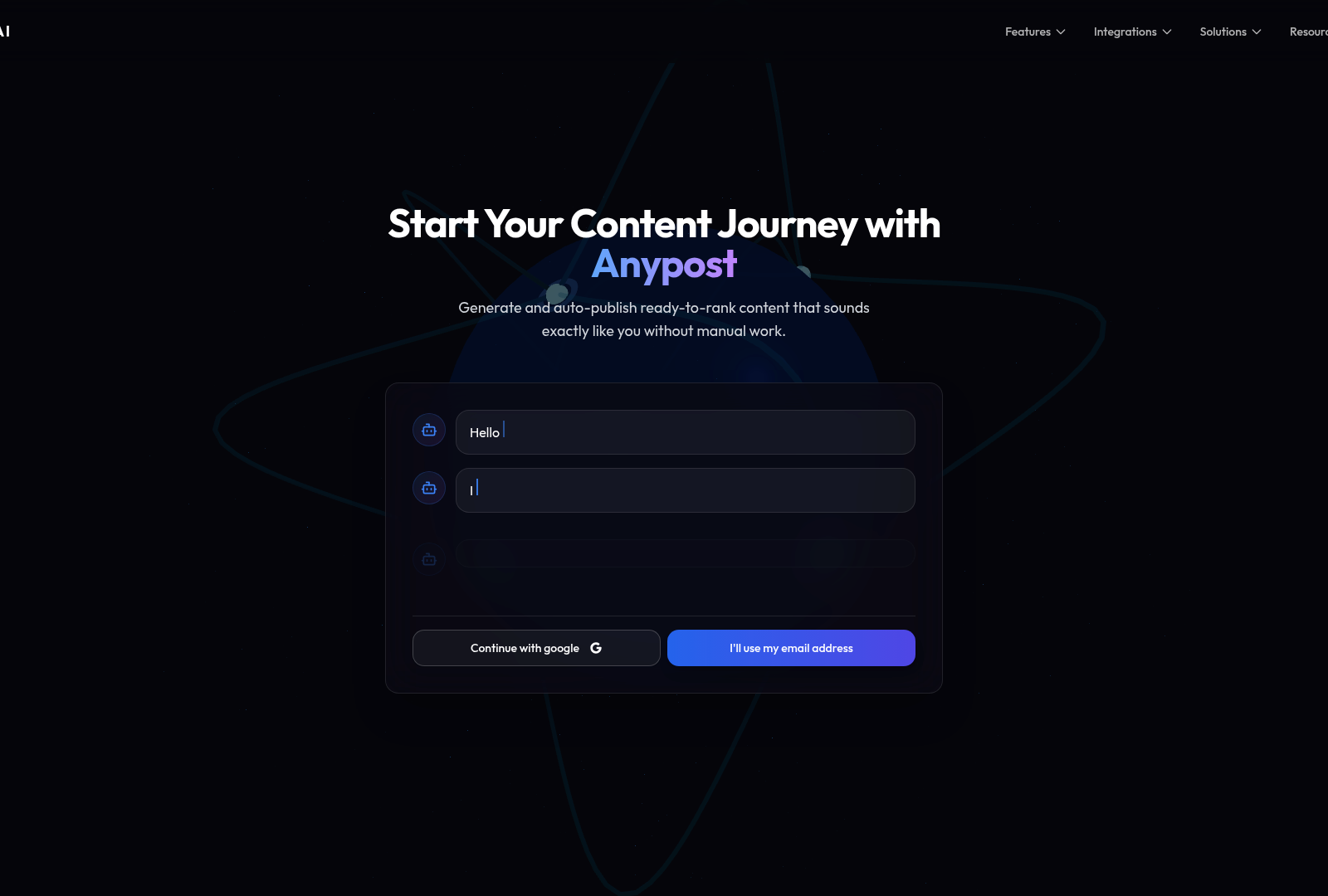
SEO automation tools streamline content creation and optimization workflows by integrating artificial intelligence into tasks like keyword research, on-page SEO, and content generation. These tools are designed to reduce manual effort while maintaining high standards of quality and relevance for search engines and audiences [1]. For content marketers, SEO automation is critical for scaling operations without compromising precision, enabling teams to focus on strategic decisions rather than repetitive tasks [1]. By leveraging AI-driven workflows, professionals can generate persuasive copy, optimize metadata, and analyze competitors—all within a unified platform [1].
Core Functions of SEO Automation Tools
- Keyword and content optimization automates the identification of high-intent keywords and aligns content with search intent, reducing guesswork in topic selection [1].
- AI-powered copywriting assists in generating drafts, headlines, and product descriptions that are both engaging and optimized for search engines [1].
- Workflow automation integrates tools for scheduling, publishing, and tracking performance metrics, ensuring consistency across campaigns [1]. See the [Assessing Current Content Marketing Efforts] section for more details on identifying tasks to automate.
Benefits in Content Marketing
- Efficiency allows marketers to produce content faster by delegating time-consuming tasks like research and formatting to AI [1].
- Consistency ensures brand messaging aligns with SEO best practices across all platforms, minimizing errors from human oversight [1].
- Scalability supports large-volume content creation, making it feasible to target niche keywords or enter new markets without proportionally increasing labor costs [1].
AI Integration and Advanced Capabilities
Modern SEO automation tools, such as ContentBot, incorporate AI to refine workflows further. For instance, natural language processing (NLP) helps analyze user intent and competitor content to suggest improvements [1]. While the specific implementation of GPT-4 Turbo Fine-Tuning is not detailed in available sources, AI models like these enhance tools by improving contextual understanding and generating more nuanced, high-quality content [1]. Building on concepts from [Future of SEO Automation and GPT-4 Turbo Fine-Tuning], this integration bridges gaps between technical SEO requirements and creative content needs, enabling teams to produce material that resonates with both algorithms and readers [1].
By automating repetitive tasks and embedding AI-driven insights, SEO tools empower marketers to prioritize innovation and strategy. As mentioned in the [Setting Up GPT-4 Turbo Fine-Tuning for SEO] section, evaluating compatibility with existing workflows ensures tools meet evolving content demands [1].
Assessing Current Content Marketing Efforts
- Review existing content workflows to identify manual, time-intensive tasks that ContentBot’s AI automation tools could streamline, such as repetitive copywriting or keyword optimization. [1] See the Introduction to SEO Automation Tools section for more details on how these tools integrate AI into content workflows.
- Analyze content quality by comparing current outputs to ContentBot’s capabilities for generating persuasive, SEO-optimized copy, highlighting gaps in engagement or search visibility. [1]
- Catalog underperforming content types (e.g., low-traffic blog posts or products with weak marketing copy) to prioritize areas where ContentBot’s fine-tuning can enhance relevance and conversions. [1]
Identifying Pain Points in Content Creation
- Map out bottlenecks in your content creation process, such as delays in drafting, editing, or SEO adjustments, which ContentBot’s automation workflows address by accelerating these stages. [1] Building on concepts from the Future of SEO Automation and GPT-4 Turbo Fine-Tuning section, AI-driven solutions can future-proof content operations.
- Survey your team to identify frustrations with current tools, focusing on whether manual SEO optimization or inconsistent messaging are hindering productivity. [1]
- Measure the time spent on tasks like keyword research or A/B testing copy variations, which ContentBot reduces by integrating AI-driven suggestions directly into workflows. [1]
Understanding Target Audience Needs
- Evaluate how well your current content aligns with ContentBot’s ability to generate persuasive messaging tailored to specific marketing goals, ensuring alignment with audience preferences and pain points. [1]
- Cross-reference audience feedback (e.g., survey responses or engagement metrics) with ContentBot’s AI-driven insights to identify mismatches in tone, value propositions, or call-to-action effectiveness. [1]
- Test ContentBot’s AI-generated variations of high-traffic content to assess if they better meet audience expectations compared to manually written versions, using metrics like bounce rate or conversion rate. [1] As mentioned in the Optimizing and Tracking Content Performance section, iterative testing is critical for refining AI-generated content.
Setting Up GPT-4 Turbo Fine-Tuning for SEO
GPT-4 Turbo Fine-Tuning Setup Process
-
Access the ContentBot platform to initiate GPT-4 Turbo Fine-Tuning, leveraging its pre-configured workflows for SEO specialists [1]. As mentioned in the [Introduction to SEO Automation Tools] section, these workflows streamline AI integration into SEO tasks.
-
Define training data parameters using ContentBot’s interface, focusing on high-performing SEO content samples to align fine-tuning with domain-specific optimization goals [1]. The platform emphasizes "fine-tuned content" generation for marketing and SEO use cases.
-
Enable ContentBot’s built-in keyword optimization module during setup to prioritize search intent alignment, as described in the platform’s workflow documentation [1]. This step is critical for ensuring generated content meets technical SEO requirements.
Configuring SEO Parameters
-
Adjust ContentBot’s AI settings to prioritize on-page SEO elements such as meta descriptions, header tags, and internal linking patterns [1]. Building on concepts from [Optimizing and Tracking Content Performance], this configuration supports data-informed optimization strategies.
-
Set content length and readability thresholds using ContentBot’s interface to balance SEO best practices with user engagement metrics [1]. The system supports workflows for persuasive copy generation, which correlates with SEO-focused content guidelines.
-
Activate the ContentBot plagiarism detection feature to maintain originality, a core requirement for search engine rankings [1]. While not explicitly labeled as an SEO tool, originality checks are implicitly necessary for SEO compliance.
Content Management System Integration
-
Use ContentBot’s API to connect GPT-4 Turbo outputs with CMS platforms, though specific implementation details are not provided in the source [1]. The platform claims compatibility with "existing content management systems" but lacks technical integration specifics.
-
Map ContentBot’s generated SEO content fields (e.g., title tags, alt text) to CMS database schemas, ensuring metadata is properly injected into published pages [1]. This step requires manual configuration as no automated mapping tools are described in the source.
-
Schedule automated content refresh workflows through ContentBot’s dashboard to maintain SEO relevance, leveraging the platform’s automation capabilities [1].
Limitations and Considerations
-
Note that ContentBot’s documentation does not provide explicit technical specifications for GPT-4 Turbo fine-tuning processes [1]. Users must rely on the platform’s workflow descriptions rather than detailed setup instructions.
-
Recognize that CMS integration depth depends on the target system’s API capabilities, as ContentBot’s compatibility claims lack granular details [1]. The source mentions integration possibilities but does not confirm support for specific CMS platforms.
-
Validate generated content against SEO audit tools post-integration, as ContentBot does not explicitly describe built-in performance tracking mechanisms [1]. See the [Overcoming Common Challenges in SEO Automation] section for more details on post-creation validation practices.
Content Repurposing Strategies with GPT-4 Turbo Fine-Tuning
- Convert SEO-optimized articles into YouTube script outlines by leveraging GPT-4 Turbo’s ability to structure narratives for video formats. This ensures alignment with search intent while adapting to visual storytelling requirements [1]. See the Introduction to SEO Automation Tools section for more details on SEO-optimized content creation.
- Structure newsletters with GPT-4 Turbo to include personalized subject lines and segmented content blocks. This leverages AI automation to adapt email formatting for varying subscriber preferences while retaining brand identity [1]. Building on concepts from the Assessing Current Content Marketing Efforts section, this strategy streamlines workflows identified during content audits.
- Acknowledge that GPT-4 Turbo requires human oversight for nuanced brand voice adjustments. While ContentBot automates workflows, final outputs must be reviewed for cultural or contextual relevance [1]. As mentioned in the Overcoming Common Challenges in SEO Automation section, this addresses risks of over-automation and ensures content quality.
Optimizing and Tracking Content Performance
To leverage GPT-4 Turbo Fine-Tuning for content performance optimization, focus on iterative adjustments and data-informed strategies using tools like ContentBot. Below is a structured checklist for implementation:
Real-Time Analytics Integration
- Utilize ContentBot’s suite of tools to analyze content performance metrics [1]. While the source does not explicitly state real-time tracking, the iterative nature of “fine-tuned content” implies data-driven adjustments based on ongoing performance evaluation. As mentioned in the [Introduction to SEO Automation Tools] section, tools like ContentBot integrate AI to streamline analytics workflows.
- Align analytics workflows with ContentBot’s capabilities to identify underperforming content areas [1]. This enables targeted revisions to improve SEO rankings, though specific real-time automation functions are not detailed in the source.
SEO Strategy Adjustment
- Refine keyword placement and meta tags using ContentBot’s AI-driven recommendations [1]. The tool’s focus on “fine-tuned content” suggests iterative optimization to align with search engine algorithms. See the [Assessing Current Content Marketing Efforts] section for more details on identifying areas for keyword refinement.
- Adjust content structure based on performance data to enhance user engagement [1]. For example, if analytics reveal low time-on-page metrics, ContentBot’s tools may suggest revising headings or call-to-action elements.
Content Performance Optimization Techniques
- Generate persuasive copy using AI workflows to boost conversion rates [1]. ContentBot explicitly states that copywriters use its tools to create more compelling marketing material, directly impacting SEO through improved user interaction.
- Employ A/B testing frameworks supported by ContentBot to compare content variations [1]. While the source does not describe A/B testing mechanics, the emphasis on “fine-tuned content” implies iterative testing cycles to identify optimal versions.
Limitations and Clarifications
- Acknowledge gaps in source documentation regarding real-time automation features. The provided sources [1] do not specify APIs, dashboards, or real-time data feeds, limiting detailed guidance on live performance tracking. Building on concepts from [Overcoming Common Challenges in SEO Automation], teams should balance AI-driven insights with manual oversight.
- Focus on explicit capabilities like iterative content refinement and persuasive copy generation [1]. Avoid assumptions about unmentioned features, such as automated alerts or dynamic content updates.
By prioritizing the tools’ stated functions and explicitly described workflows, teams can systematically enhance SEO outcomes while adhering to the constraints of available information.
Overcoming Common Challenges in SEO Automation
-
Address AI-generated content quality issues, such as lack of depth or relevance, by implementing human review workflows [1]. As mentioned in the Introduction to SEO Automation Tools section, these workflows balance AI efficiency with human oversight to ensure alignment with user intent [1].
-
Monitor keyword stuffing risks by configuring tools to prioritize semantic relevance over keyword density thresholds [1]. Over-optimization for keywords can degrade user experience and trigger search engine penalties if not balanced with natural language patterns [1].
-
Resolve technical limitations like broken links or meta tag inconsistencies through automated validation scripts integrated into the SEO toolchain [1]. These issues often arise from rapid content generation cycles and require continuous monitoring [1].
-
Train AI models on diverse, representative datasets to reduce cultural or demographic biases in content recommendations [1]. See the Setting Up GPT-4 Turbo Fine-Tuning for SEO section for more details on curating training data to ensure balanced outputs [1].
-
Implement periodic bias audits by cross-referencing generated content against brand guidelines and ethical standards [1]. For example, ContentBot suggests flagging tone or phrasing that deviates from neutral, inclusive language [1].
-
Use human-in-the-loop workflows to validate high-stakes content, such as legal disclaimers or sensitive topics, where algorithmic errors could lead to reputational harm [1]. This hybrid approach combines AI efficiency with human judgment [1].
-
Define granular style guides with specific tone parameters (e.g., "formal," "approachable," "technical") and embed them into AI workflows [1]. Building on concepts from the Optimizing and Tracking Content Performance section, iterative feedback loops between AI outputs and stakeholder reviews refine brand voice consistency [1].
-
Leverage custom thesauruses to replace generic AI-generated terms with brand-specific jargon or preferred terminology [1]. This ensures alignment with established messaging frameworks [1].
-
Conduct A/B testing on AI-generated content variations to identify drift from brand voice and refine training data accordingly [1]. ContentBot highlights the importance of iterative feedback loops between AI outputs and stakeholder reviews [1].
-
Align SEO automation tools with CMS and analytics platforms to synchronize content updates with performance metrics [1]. See the Assessing Current Content Marketing Efforts section for strategies on identifying disconnected systems that lead to outdated optimizations [1].
Future of SEO Automation and GPT-4 Turbo Fine-Tuning
- Integrate SEO workflows with content management systems (CMS) to streamline publishing, updates, and performance tracking. This minimizes manual intervention and improves agility in responding to algorithm changes [1]. For practical implementation steps, see the [Setting Up GPT-4 Turbo Fine-Tuning for SEO] section.
- Leverage fine-tuned AI models to generate content optimized for specific industries, audiences, and keyword clusters. This ensures higher relevance compared to generic AI outputs, boosting search rankings [1]. Building on concepts from the [Assessing Current Content Marketing Efforts] section, this approach addresses inefficiencies in manual workflows.
- Avoid over-reliance on automation for creative decisions. While AI excels at optimization, human oversight is critical for nuanced storytelling and brand authenticity [1]. For strategies to balance automation with human expertise, refer to the [Overcoming Common Challenges in SEO Automation] section.
References
[1] ContentBot - AI Content Automation and Workflows - https://contentbot.ai/
Frequently Asked Questions
1. How does GPT-4 Turbo Fine-Tuning enhance SEO automation tools compared to earlier AI models?
GPT-4 Turbo Fine-Tuning improves SEO automation by offering more accurate contextual understanding, faster processing, and better alignment with search intent. It enhances tasks like keyword research, content generation, and competitor analysis by generating nuanced, high-quality content that adapts to evolving search engine algorithms. Unlike older models, it reduces irrelevant suggestions and improves coherence in AI-generated drafts, ensuring content is both engaging and optimized for technical SEO requirements.
2. Can SEO automation tools replace human content creators entirely?
No, SEO automation tools are designed to augment, not replace, human creators. While they streamline repetitive tasks like metadata optimization and bulk content drafting, human oversight is critical for creative direction, brand voice refinement, and strategic decision-making. The tools handle efficiency and scalability, but human input ensures authenticity, cultural relevance, and ethical considerations in content creation.
3. What are the key differences between AI-powered copywriting and traditional SEO practices?
Traditional SEO relies heavily on manual keyword insertion, competitor analysis, and formatting rules, often requiring significant time and expertise. AI-powered copywriting automates these processes by using NLP to analyze user intent, generate contextually relevant content, and optimize metadata dynamically. It also enables real-time adjustments based on analytics, whereas traditional methods may lag in adapting to performance data or algorithm updates.
4. How can businesses ensure content quality when using SEO automation tools with GPT-4 Turbo?
To maintain quality, businesses should combine AI-generated drafts with human editing, set clear brand guidelines for the AI to follow, and use tools with built-in quality checks (e.g., plagiarism detectors or readability scores). Regular audits of AI-produced content, A/B testing for engagement metrics, and feedback loops to refine AI outputs are also essential. GPT-4 Turbo’s fine-tuning allows for customization, so aligning it with specific industry standards or tone preferences improves consistency.
5. What are the limitations of integrating GPT-4 Turbo into SEO workflows?
Limitations include potential biases in AI-generated content, over-reliance on automation leading to generic outputs, and the need for ongoing training to keep up with algorithmic changes. Additionally, GPT-4 Turbo may struggle with highly niche topics or localized SEO strategies requiring cultural context. Businesses must balance automation with manual oversight to avoid errors and maintain originality.
6. Are there cost considerations when implementing GPT-4 Turbo-based SEO tools?
Yes, costs depend on factors like API usage fees, subscription tiers, and the scale of automation. GPT-4 Turbo’s advanced capabilities may incur higher expenses compared to standard AI models, especially for high-volume content creation. However, the efficiency gains—such as reduced labor costs and faster campaign deployment—often offset initial investment. Businesses should also budget for training teams to use the tools effectively and for ongoing AI model updates.
7. How do modern SEO tools like ContentBot leverage NLP for user intent analysis?
Tools like ContentBot use NLP to parse search queries, identify semantic patterns, and map user intent to specific content needs. For example, they analyze competitor content to uncover gaps, determine whether a query is transactional (e.g., “buy X”) or informational (e.g., “how to Y”), and structure content accordingly. This ensures generated content aligns with what users truly seek, improving rankings and engagement metrics. GPT-4 Turbo’s fine-tuning enhances this by refining the model’s ability to detect subtle intent variations.