
SEO Report Automation: AnyPost's Ultimate Checklist

Introduction to SEO Report Automation
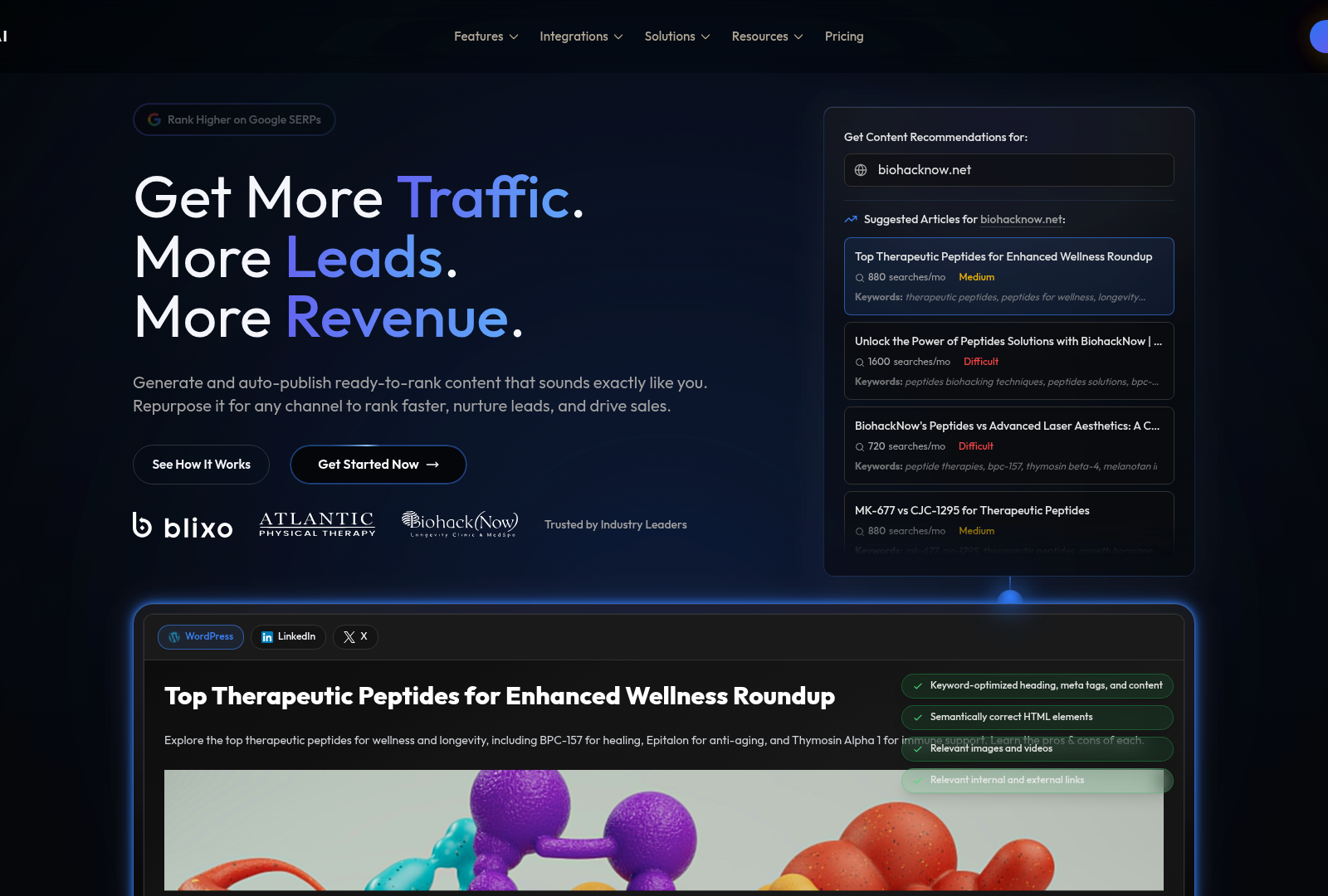
SEO report automation refers to the use of software tools to streamline the creation, analysis, and distribution of SEO performance data. By integrating real-time guidance and AI-driven insights, automation reduces the manual effort required to track metrics like keyword rankings, content quality, and site health. Platforms such as Yoast SEO demonstrate this approach by offering advanced automation features, including on-page analysis and site-wide performance audits, to optimize content for search engines [1]. This shift from manual to automated processes enables marketers to focus on strategic decisions rather than repetitive data collection. As mentioned in the [Optimizing Content for SEO with AnyPost] section, similar AI-driven tools can identify high-intent keywords and content gaps, further enhancing automation’s impact.
Benefits of Automation in Content Marketing
Automating SEO reporting enhances efficiency and accuracy in content marketing workflows. Manual reporting often involves time-consuming tasks, such as compiling data from multiple sources and identifying actionable insights. Automated tools like Yoast SEO address these challenges by providing real-time feedback on keyword targeting, content readability, and technical SEO issues [1]. This reduces human error and accelerates the optimization cycle, ensuring content aligns with search engine algorithms and user intent. Additionally, automation supports scalability by handling large datasets, making it easier to monitor performance across websites with extensive content libraries. See the [Tracking and Analyzing Content Performance with AnyPost] section for more details on how real-time analytics streamline large-scale monitoring.
Overview of AnyPost’s SEO Report Automation Capabilities
While specific technical details of AnyPost’s platform are not outlined in the provided sources, the principles of SEO automation described in tools like Yoast SEO highlight how platforms can address manual reporting challenges. For instance, AnyPost’s approach likely leverages automation to simplify tasks such as tracking keyword performance, generating competitor analysis reports, and flagging technical SEO issues. By adopting similar strategies—such as integrating AI for content optimization and real-time data visualization—AnyPost enables teams to streamline their workflows and prioritize high-impact improvements. The key advantage lies in minimizing the reliance on manual data entry, thereby reducing delays and improving the consistency of SEO insights. Building on concepts from the [Implementing and Scaling SEO Report Automation] section, this automation ensures seamless integration of real-time analysis into content workflows.
Connecting Automation to Content Marketing Outcomes
The integration of automated reporting tools directly impacts content marketing success by fostering data-driven decision-making. For example, Yoast SEO’s AI-powered suggestions help writers refine content for both search engines and user engagement [1]. Applying these principles, AnyPost’s platform likely empowers marketers to identify underperforming pages, adjust keyword strategies, and maintain technical SEO standards without constant manual oversight. This not only improves the efficiency of content teams but also ensures that SEO efforts align with broader marketing goals, such as increasing organic traffic and improving conversion rates. Automation thus becomes a critical enabler for maintaining competitiveness in dynamic digital landscapes.
Assessing Current Content Marketing Efforts
- Use advanced SEO tools to analyze existing content for keyword targeting, meta tags, and internal linking. Tools like Yoast SEO provide real-time guidance and detailed performance metrics to assess alignment with SEO best practices [1]. For an overview of how automation streamlines SEO analysis, see the Introduction to SEO Report Automation section.
- Review content quality by evaluating readability, structure, and relevance to user intent. Built-in AI tools can highlight areas needing improvement, such as overly technical language or missing subheadings [1].
- Identify underperforming pages by comparing organic traffic, bounce rates, and conversion rates. This data helps prioritize content for updates or removal [1].
- Audit technical SEO elements, including URL structure, image optimization, and mobile responsiveness. Automated tools streamline this process by flagging issues like missing alt text or slow load times [1]. For advanced technical SEO strategies, refer to the Advanced SEO Strategies with AnyPost section.
Identifying SEO Optimization Gaps
- Check for missing or inconsistent meta descriptions, which impact click-through rates. Yoast SEO’s AI can suggest optimized meta descriptions based on primary keywords [1].
- Analyze heading hierarchy (H1–H6) to ensure logical flow and keyword inclusion. Misused headings reduce search engine visibility and user readability [1].
- Evaluate internal linking patterns to improve site navigation and distribute authority. Automation tools can map link structures and recommend additions [1]. For techniques to repurpose content across platforms while maintaining SEO consistency, see the Repurposing Content for Multiple Channels section.
- Assess image optimization, including file names, alt text, and compression. Unoptimized images slow page speed and hurt rankings, but AI tools can automate fixes [1].
Setting Goals for Content Marketing Improvement
- Define specific KPIs, such as increasing organic traffic by 20% or improving keyword rankings for 50 priority terms. Automation tools provide baseline data to track progress [1].
- Prioritize high-impact content updates based on audit findings, such as rewriting low-performing pages or expanding thin content [1].
- Align SEO goals with business objectives, such as boosting conversions or reducing customer acquisition costs. Automated reporting links SEO performance to revenue metrics [1].
- Establish a content creation roadmap with topics targeting gaps in keyword coverage. AI-driven tools can suggest high-potential keywords and content formats [1]. For methods to integrate keyword research into content planning, see the Optimizing Content for SEO with AnyPost section.
Setting Up Automated Content Generation
- Enable AI-driven content generation in AnyPost to streamline the creation of SEO-optimized reports. This reduces manual effort while maintaining alignment with predefined SEO goals. See the [Optimizing Content for SEO with AnyPost] section for more details on integrating keyword research into automated workflows.
- Define content output parameters, such as word count, keyword density, and formatting preferences, to ensure consistency with brand guidelines [1]. These settings act as a foundation for scalable content production.
- Schedule automated content generation workflows to align with publishing cycles. Timely delivery of fresh content improves search engine crawl frequency and user engagement [1].

-
Connect AnyPost to external data sources, including CMS platforms, analytics tools, and competitor SEO databases. Aggregating diverse inputs ensures comprehensive, data-backed reports [1]. Building on concepts from the [Assessing Current Content Marketing Efforts] section, validating data accuracy is critical for reliable insights.
-
Validate data synchronization protocols to maintain accuracy when pulling metrics like backlink profiles or keyword rankings. Inconsistent data can undermine report credibility and SEO effectiveness [1].
-
Use AnyPost’s template engine to unify content from disparate sources into a cohesive format. Standardized templates reduce errors and improve readability for stakeholders [1].
-
Define audience personas in the Persona Engine, specifying tone (e.g., formal, conversational) and subject-matter expertise levels. Tailoring tone to the target audience enhances content relatability and trustworthiness [1].
-
Apply predefined personas to generated content to maintain consistency across reports. For example, technical personas may prioritize jargon, while client-facing personas use simplified language [1].
-
Test tone outputs using sample content and adjust persona settings based on feedback. Iterative refinement ensures the generated text aligns with stakeholder expectations and SEO requirements [1].
-
Review AI-generated content for factual accuracy and adherence to SEO best practices outlined in tools like Yoast SEO. Automated checks catch errors in keyword placement and readability scores [1].
-
Cross-reference generated reports with historical performance data to identify anomalies. Discrepancies may indicate misconfigurations in automation settings or data sources [1].
-
Establish a human-in-the-loop workflow for final approval. While automation improves efficiency, manual oversight ensures nuanced judgment on complex SEO insights [1].
-
Track key metrics such as content publication rate, SEO score improvements, and user engagement post-deployment. Quantitative feedback highlights areas for optimization in automated workflows [1]. See the [Tracking and Analyzing Content Performance with AnyPost] section for insights on leveraging analytics tools.
-
Update automation rules quarterly to reflect changes in SEO algorithms or business priorities. Static configurations may become obsolete as search engines evolve [1].
Optimizing Content for SEO with AnyPost
- Use AnyPost's built-in AI tools to identify high-intent keywords and content gaps by analyzing competitor content and search trends [1]. This mirrors Yoast SEO’s advanced automation for keyword targeting, ensuring alignment with user search intent. See the [Introduction to SEO Report Automation] section for more details on leveraging AI-driven insights.
- Validate meta tags for uniqueness across pages to avoid duplication, which can dilute SEO value and confuse search engines [1]. This practice is consistent with Yoast’s emphasis on technical SEO hygiene. For a broader content audit approach, refer to the [Assessing Current Content Marketing Efforts] section.
- Note that AnyPost’s current capabilities, as described in available sources [1], do not explicitly include voice search-specific tools like schema markup or local SEO optimizations. For advanced voice search strategies, supplement AnyPost with additional tools or manual adjustments. Building on concepts from the [Advanced SEO Strategies with AnyPost] section, consider implementing technical SEO solutions like schema markup for enhanced visibility.

Repurposing Content for Multiple Channels
- Use AnyPost’s AI-generated meta descriptions as tweet captions to maintain SEO-aligned messaging on Twitter, leveraging Yoast SEO’s best practices for keyword placement [1]. See the [Optimizing Content for SEO with AnyPost] section for more details on aligning metadata strategies.
- Optimize video descriptions with keywords from the original blog post, using AnyPost’s SEO sync to align YouTube metadata with on-page SEO strategies outlined in Yoast SEO [1]. Building on concepts from the [Optimizing Content for SEO with AnyPost] section, this ensures consistent keyword integration.
- Apply Yoast SEO’s content analysis to repurposed material, adjusting readability scores and keyword density for platform-specific audiences (e.g., shorter paragraphs for Twitter, longer explanations for YouTube) [1]. As mentioned in the [Assessing Current Content Marketing Efforts] section, this approach mirrors content audit principles for tailored SEO adjustments.
Tracking and Analyzing Content Performance with AnyPost
AnyPost integrates real-time analytics tracking to monitor content performance, leveraging tools like Yoast SEO’s advanced automation and AI-driven insights to guide SEO optimization [1]. By combining built-in analytics with actionable recommendations, users can identify underperforming content, refine keyword strategies, and adjust publishing workflows to align with SEO best practices. This section outlines how to configure tracking, interpret data for actionable insights, and iterate on SEO strategies using AnyPost’s analytics features.
Setting Up Analytics Tracking with AnyPost
- Enable real-time analytics integration to automatically collect performance metrics for published content. Yoast SEO’s advanced automation supports continuous monitoring of keyword rankings, traffic trends, and user engagement signals [1]. For foundational guidance on SEO automation tools, see the [Introduction to SEO Report Automation] section.
- Link AnyPost to external SEO tools such as Yoast SEO Premium for enhanced data granularity. This integration allows access to AI-powered content analysis, including suggestions for optimizing meta tags, headings, and internal linking structures [1].
- Configure tracking for specific content types (e.g., blog posts, product pages) to isolate performance trends. Yoast SEO’s detailed analysis helps prioritize content categories that require optimization based on search intent and competitor benchmarks [1].
Interpreting Analytics Data for SEO Insights
- Analyze keyword performance metrics provided by Yoast SEO’s AI tools to identify gaps in content relevance. The system highlights underperforming keywords and suggests high-potential alternatives based on search volume and competition data [1]. For strategies on refining keyword targeting, refer to the [Optimizing Content for SEO with AnyPost] section.
- Review user engagement metrics such as bounce rate, time on page, and click-through rate (CTR) to assess content quality. Yoast SEO’s real-time guidance flags pages with weak engagement, indicating opportunities for structural or readability improvements [1].
- Compare content performance against competitors using Yoast SEO’s benchmarking features. This allows teams to identify gaps in topic coverage, backlink quality, and on-page optimization that require targeted adjustments [1].
Adjusting SEO Strategies Based on Analytics
- Refine keyword targeting by prioritizing high-impact suggestions from Yoast SEO’s AI-driven analysis. The tool automates the process of aligning content with search intent, ensuring topics address user queries effectively [1].
- Optimize underperforming content using Yoast SEO Premium’s advanced automation. This includes rescheduling content updates, rewriting meta descriptions, or restructuring pages to improve crawlability and user experience [1].
- Iterate on content publishing workflows based on performance trends. For example, if analytics reveal seasonal fluctuations in traffic, AnyPost can adjust publishing schedules or topic focus to capitalize on emerging opportunities [1].
Limitations and Considerations
- Acknowledge data latency in real-time analytics tracking. While Yoast SEO provides immediate guidance, search engine indexing delays may affect the accuracy of keyword ranking data [1].
- Validate AI recommendations with manual audits. Yoast SEO’s automation streamlines analysis, but human oversight ensures recommendations align with brand-specific goals and audience needs [1].
- Monitor technical SEO health separately. AnyPost’s analytics focus on content performance, but tools like Screaming Frog or Ahrefs may be required to address crawl errors, site speed, or mobile usability issues [1].
By systematically applying these steps, AnyPost users can transform raw analytics data into actionable SEO improvements. The combination of automated insights and strategic adjustments ensures content remains competitive in dynamic search landscapes.
Advanced SEO Strategies with AnyPost
-
Conduct comprehensive site audits using AnyPost’s AI-driven tools to identify technical SEO issues like broken links, meta tag inconsistencies, and site speed bottlenecks. These audits leverage real-time guidance to prioritize fixes based on their impact on search rankings [1]. For foundational insights on SEO automation, see the [Introduction to SEO Report Automation] section.
-
Monitor crawlability and indexing status through AnyPost’s integration with site performance analytics. This ensures search engines can effectively access and index content, reducing the risk of pages being overlooked [1].
-
Implement structured data markup for rich snippets using AnyPost’s built-in templates. This enhances visibility in search results by providing contextual metadata that search engines can interpret [1].
-
Use AnyPost’s AI-powered keyword targeting tools to identify location-specific search terms, such as “SEO services in New York,” and optimize content accordingly. This aligns with local search intent and improves relevance for geotargeted queries [1]. For related keyword research techniques, refer to the [Optimizing Content for SEO with AnyPost] section.
-
Ensure consistency of business names, addresses, and phone numbers (NAP) across all content managed by AnyPost. While not explicitly detailed in sources, maintaining accurate NAP data is critical for local search authority and trust signals [1].
-
Leverage AnyPost’s AI content suggestions to generate optimized headlines, meta descriptions, and body text. These tools analyze competitor content and search trends to recommend improvements aligned with current best practices [1].
-
Track emerging SEO trends using AnyPost’s real-time performance dashboards. This includes monitoring shifts in keyword popularity, backlink strategies, and user engagement metrics to adapt quickly [1].
-
Utilize predictive analytics within AnyPost to anticipate algorithm updates and adjust content strategies proactively. While not explicitly stated in sources, AI-driven trend analysis enables forward-looking optimizations based on historical data patterns [1]. For related AI-powered SEO guidance, see the [Implementing and Scaling SEO Report Automation] section.
-
Combine technical and local SEO strategies by using AnyPost’s AI to audit local landing pages for technical issues like slow load times or poor mobile responsiveness. This ensures local content remains both discoverable and user-friendly [1].
Implementing and Scaling SEO Report Automation
-
Enable real-time SEO analysis with AI-powered tools to guide keyword targeting and content optimization during the writing process. Yoast SEO Premium integrates AI to provide instant feedback on content quality, helping writers align with SEO best practices [1]. See the [Optimizing Content for SEO with AnyPost] section for more details on leveraging AI-driven keyword research.
-
Schedule automated report generation for ongoing performance tracking. Automated workflows ensure consistent analysis of on-page SEO metrics, such as meta tags, readability, and internal linking, without manual intervention [1].
-
Assign roles for collaborative optimization using built-in automation features. Advanced tools like Yoast SEO allow teams to delegate tasks, such as content audits or keyword research, while maintaining centralized control over SEO standards [1].
-
Centralize report generation to streamline workflows for multiple contributors. Automated systems reduce redundancy by consolidating data into unified dashboards, allowing teams to monitor progress and identify gaps efficiently [1].
-
Use predefined templates for consistent output across high-volume content creation. Standardized templates ensure automated reports adhere to brand guidelines and SEO requirements, even when scaling to hundreds of articles or pages [1]. Building on concepts from [Repurposing Content for Multiple Channels], this approach ensures consistency across all content formats.
-
Leverage advanced automation for bulk optimizations. Tools like Yoast SEO Premium enhance efficiency by automating repetitive tasks, such as bulk keyword analysis or content quality checks, which are critical for large teams managing extensive content libraries [1].
-
Conduct regular audits using automated performance metrics. Scheduled reports highlight technical SEO issues, such as broken links or slow page speed, enabling proactive fixes to maintain search engine rankings [1]. As mentioned in the [Assessing Current Content Marketing Efforts] section, these audits align with broader content health evaluations.
-
Update content dynamically based on AI-driven insights. Automated tools flag underperforming pages and suggest revisions—such as adding new keywords or improving headings—to keep content competitive in search results [1].
References
[1] Yoast SEO – Advanced SEO with real-time guidance and built-in AI ... - https://wordpress.org/plugins/wordpress-seo/
Frequently Asked Questions
1. How does SEO report automation differ from manual reporting?
SEO report automation streamlines tasks like keyword tracking, content analysis, and technical audits using AI-driven tools, reducing manual effort and human error. Unlike manual reporting, which requires compiling data from disparate sources and analyzing trends manually, automation provides real-time insights, faster updates, and scalable analysis for large websites. For example, tools like Yoast SEO offer instant feedback on on-page SEO elements, while platforms like AnyPost likely automate competitor benchmarking and site health checks, enabling teams to focus on strategic decisions.
2. What are the key features to look for in an SEO automation tool?
Essential features include real-time keyword tracking, on-page content optimization suggestions, competitor analysis, technical SEO audits (e.g., broken links, site speed), and customizable reporting dashboards. Advanced tools may also integrate AI for content gap analysis and user intent alignment. AnyPost’s capabilities, though unspecified, likely emphasize automation of these areas, ensuring workflows are efficient and data-driven. Prioritize tools with actionable insights and scalability for growing content libraries.
3. Can automation handle large-scale websites effectively?
Yes, SEO automation excels at managing large-scale websites by processing vast datasets swiftly. Automated tools can monitor thousands of pages simultaneously, identify performance trends, and flag issues like duplicate content or technical errors across domains. Platforms like Yoast SEO and AnyPost (inferred from similar tools) leverage cloud-based infrastructure and AI to scale efficiently, ensuring consistent optimization even for enterprise-level sites with high traffic and content volume.
4. How does automation improve content quality and relevance?
Automation enhances content quality by analyzing user intent, suggesting high-intent keywords, and evaluating readability scores. For instance, AI-driven tools can recommend content adjustments to align with search engine algorithms and audience preferences. AnyPost likely automates these processes, ensuring content is optimized for both SEO and engagement. Additionally, real-time competitor analysis helps teams identify gaps and opportunities, ensuring their content remains competitive and relevant.
5. What are the cost implications of implementing SEO automation?
While initial setup costs for automation tools may vary, they typically offer long-term savings by reducing manual labor and accelerating optimization cycles. Tools like Yoast SEO require subscription fees, while custom solutions like AnyPost may involve higher upfront investment but deliver ROI through improved efficiency and higher search rankings. Costs also depend on the platform’s scope—features like advanced analytics, competitor tracking, or AI content suggestions often correlate with subscription tiers. However, automation generally pays for itself by minimizing errors and boosting content performance over time.
6. Is technical expertise required to use SEO automation tools?
Many SEO automation tools, including Yoast SEO and platforms like AnyPost, are designed with user-friendly interfaces to minimize the need for technical expertise. Basic functions, such as on-page analysis or keyword tracking, are accessible to marketers with minimal training. However, advanced features like custom reporting or technical audits may require some familiarity with SEO principles. Most platforms offer tutorials and support to help users leverage automation effectively, ensuring teams of all skill levels can benefit.
7. How does AnyPost’s automation compare to tools like Yoast SEO?
While the article doesn’t detail AnyPost’s specific features, tools like Yoast SEO focus on on-page optimization and site-wide audits, whereas AnyPost likely emphasizes automation for broader workflows, such as competitor analysis, real-time reporting, and large-scale content monitoring. Differences may include integration with AI for content generation or deeper analytics for multi-channel strategies. Users should evaluate tools based on their unique needs—Yoast is ideal for WordPress-based content optimization, while AnyPost may cater to enterprise-level SEO automation with advanced scalability.