
Streamline Your SEO Reporting with Automation

Related Video
Watch: Start Automating Customizable SEO Reports For Clients with Badger by AppSumo
Understanding SEO Reporting Challenges
Accurate SEO reporting is critical for B2B marketers and growth leaders to measure the effectiveness of their strategies and make data-driven decisions. However, manual data collection remains a significant bottleneck. Without automation, teams often spend excessive time aggregating metrics from tools like Google Analytics, Search Console, and third-party SEO platforms, leading to delays in insights and increased risk of human error [4]. This inefficiency not only consumes resources but also hinders the ability to respond quickly to shifting search trends or algorithm updates [5]. For example, source [10] highlights that manual processes can delay reporting cycles, making it difficult to track real-time analytics and adjust campaigns proactively. See the [Introduction to Automation in SEO Reporting] section for more details on how automation addresses these bottlenecks.
The Burden of Manual Data Collection
Manual data collection introduces inconsistencies and inefficiencies. Teams often rely on spreadsheet-based workflows to compile data, which are prone to formatting errors and incomplete datasets [1]. Source [1] emphasizes that automated SEO reports aggregate KPIs programmatically, eliminating the need for human intervention. However, many professionals still use manual methods, which can take hours to reconcile and verify [4]. This time investment diverts focus from strategic tasks like content optimization or competitor analysis. Additionally, manual processes make it challenging to maintain historical data accuracy, as updates require repetitive re-entry [5].
Inconsistent Brand Voice in Automated Reports
Maintaining a consistent brand voice across SEO reports is another challenge, particularly when using multiple tools or templates. Source [11] notes that customizable reporting tools like Badger allow agencies to align reports with client branding, but this requires predefined templates and style guides. Without such frameworks, automated systems may produce outputs with inconsistent terminology, tone, or visual elements, diluting brand identity [11]. For instance, content creators might generate reports with varying explanations of technical terms, confusing stakeholders. Source [10] indirectly addresses this by suggesting that automation of content briefs can enforce brand guidelines, though it does not explicitly link this to reporting workflows. See the [Streamlining SEO Reporting with Automated Content Generation] section for insights on maintaining brand consistency through automation.
Challenges in Real-Time Analytics Tracking
Real-time analytics tracking is difficult to achieve with traditional reporting methods. Automated SEO reports, as described in source [5], provide regular updates on performance metrics without manual input, enabling teams to monitor fluctuations in traffic or rankings. However, manual reporting lags behind live data, creating blind spots during critical periods like product launches or seasonal campaigns. Source [10] underscores that automation streamlines tasks like keyword clustering and topic generation, but delayed reporting can undermine these efforts by failing to reflect immediate user behavior changes. For example, a sudden drop in organic traffic might go unnoticed until the next manual report cycle, delaying corrective actions.
The Gap Between Audits and Reporting
A key challenge lies in bridging technical audits with actionable reporting. While source [4] clarifies that technical audits cannot be fully automated due to the need for human interpretation, many SEOs mistakenly rely on tool-generated audits without contextual analysis. This disconnect can lead to misleading reports that prioritize technical fixes over strategic goals [4]. Automated reporting tools, as outlined in source [1], aim to consolidate audit findings into digestible formats, but they require careful configuration to avoid oversimplification. For instance, automated tools might highlight 1500 302 errors without explaining their business impact, forcing teams to manually contextualize the data [4].
Multi-Hop Insights: Automation as a Solution
By connecting insights from multiple sources, automation addresses these challenges holistically. Source [10] and [11] demonstrate that tools like Badger and Data Bloo reduce manual effort by integrating data streams and applying brand-specific templates. See the [Setting Up Automated SEO Reporting Tools] section for more details on configuring such systems. For example, automated systems can pull technical audit results from [4] and present them alongside real-time KPIs from [5], ensuring alignment between technical fixes and business outcomes. However, as noted in [4], automation should complement—not replace—human expertise, particularly in interpreting audit nuances. This hybrid approach ensures reports are both efficient and strategically relevant, bridging gaps between data collection, analysis, and presentation.
In summary, SEO reporting challenges stem from manual workflows, inconsistent branding, delayed analytics, and misaligned audit-reporting processes. Addressing these issues requires adopting automation tools that aggregate data programmatically, enforce brand consistency through templates, and provide real-time insights. While technical audits still demand human oversight, integrating automated reporting systems can significantly enhance efficiency and accuracy, as validated by sources [1][4][5], and [10].
Introduction to Automation in SEO Reporting
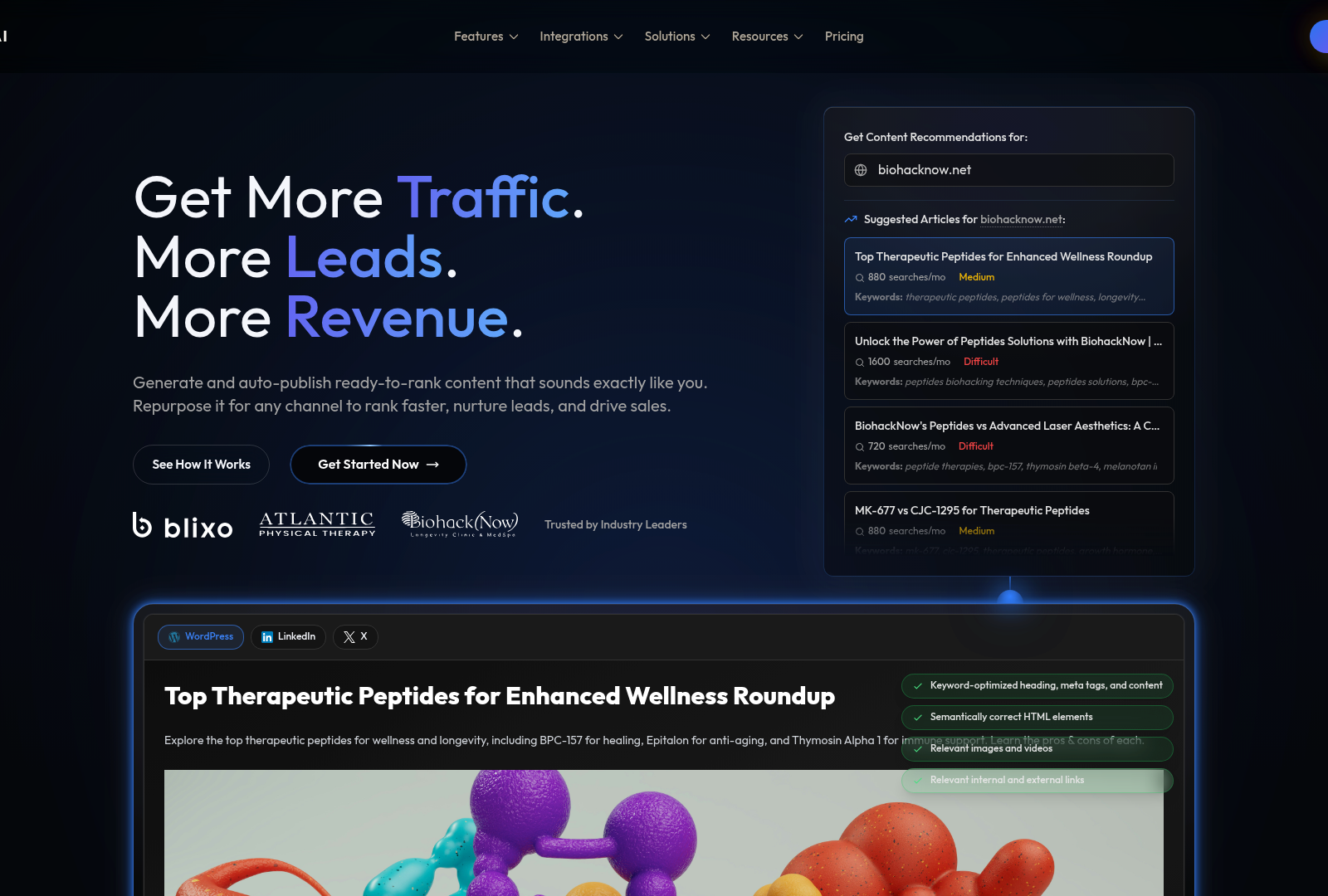
Automation in SEO reporting refers to the use of tools and applications to aggregate and analyze SEO key performance indicators (KPIs) automatically, eliminating the need for manual data collection and report generation [1]. By leveraging automation, marketers can streamline workflows, reduce human error, and ensure consistent, real-time insights into their SEO performance [5]. This approach addresses common challenges such as time-consuming data compilation, inconsistent reporting formats, and the difficulty of integrating insights from multiple platforms [3]. As mentioned in the [Understanding SEO Reporting Challenges] section, these issues often hinder effective decision-making for B2B marketers and growth leaders. Automated systems consolidate metrics like keyword rankings, backlink profiles, and site speed into a single report, enabling teams to focus on strategic decision-making rather than repetitive tasks [6]. Additionally, automation supports scalability, allowing businesses to monitor large websites or multiple client accounts efficiently [9].
The Role of AI in Automating SEO Reporting Tasks
Artificial intelligence (AI) plays a pivotal role in advancing automation by handling complex data processing and content generation tasks. For instance, AI-driven tools can analyze vast datasets to identify trends, predict performance shifts, and generate actionable recommendations without human intervention [2]. In content creation, AI can draft SEO-optimized articles by synthesizing research from multiple sources, ensuring keyword alignment, and maintaining readability [10]. This capability reduces the time required for content production while maintaining quality standards. AI also enhances reporting accuracy by cross-referencing data from tools like Ahrefs and Google Looker Studio, minimizing discrepancies between platforms [9]. See the [Streamlining SEO Reporting with Automated Content Generation] section for more details on how AI and SEO tools collaborate to refine content. Furthermore, machine learning algorithms can adapt to evolving SEO best practices, ensuring reports remain relevant as search engine algorithms update [6]. By automating these tasks, AI empowers marketers to prioritize high-value activities such as audience engagement and campaign optimization [10].
Automated Content Generation and SEO-Optimized Publishing
Automated content generation simplifies the creation of blog posts, product descriptions, and landing pages by using AI to structure content around target keywords and user intent [2]. Tools in this space often integrate with SEO platforms to validate on-page elements like meta tags, header tags, and internal linking structures automatically [10]. For example, an AI system might generate a draft article and then use a connected SEO tool to suggest improvements, such as adding related keywords or optimizing image alt text [2]. This workflow accelerates content publishing cycles, which is critical for maintaining competitive visibility in fast-moving industries [10]. Automated publishing systems can also schedule posts for optimal times based on historical performance data, further enhancing their impact [6]. However, human oversight remains essential to refine AI-generated drafts and ensure brand voice consistency [2].
Multi-Source Content Integration and Reporting
Effective SEO reporting often requires synthesizing data from diverse sources, including analytics platforms, keyword tools, and site crawlers. Automation facilitates this process by connecting these tools through APIs or built-in integrations, allowing reports to pull in metrics like organic traffic, bounce rates, and competitor backlink profiles simultaneously [7]. Building on concepts from [Overcoming Common Challenges in Automated SEO Reporting], this multi-source approach helps address integration issues between platforms. For instance, a marketer might use Squarespace Analytics for traffic data, an automated SEO tool for technical audits, and Google Search Console for indexing insights—all consolidated into a single dashboard [7]. This multi-source approach provides a holistic view of performance, reducing the risk of overlooking critical issues [9]. Tools like Badger and Data Bloo specialize in automating this integration, enabling teams to generate client reports with minimal manual input [11]. By centralizing data streams, automation ensures reports remain comprehensive and up-to-date, even as new metrics become available [5].
In summary, automation in SEO reporting transforms how marketers collect, analyze, and present data. By combining AI-driven tools with multi-source integration, teams can produce accurate, actionable insights at scale. The next section will explore practical steps for implementing these solutions.
Setting Up Automated SEO Reporting Tools

Begin by selecting an automated SEO reporting platform that aligns with your workflow requirements. Prioritize tools that support customizable KPI tracking, real-time data updates, and integration with existing systems like content management systems (CMS) or analytics platforms [3][8]. For example, Badger is designed for agencies needing client-facing reports, while Ahrefs paired with Google Looker Studio offers flexibility for data visualization and analysis [9][11]. Evaluate platforms based on their ability to automate tasks such as keyword ranking tracking, backlink audits, and content performance metrics, ensuring they cover the specific SEO metrics your team or clients prioritize [5][10].
Once a platform is chosen, integrate it with your CMS or other data sources to streamline data collection. Tools like Squarespace’s Analytics can be combined with automated SEO tools to pull website performance data directly into reports [7]. For deeper automation, platforms such as n8n allow integration of research data and content generation workflows, enabling dynamic report creation [2]. Ensure the integration supports scheduled data pulls or real-time connections to minimize manual input, as emphasized by SEOcrawl’s guidance on automating report generation with accurate, up-to-date data [6]. Verify that the tool can access metrics from search engines (e.g., Google Search Console) and CMS platforms via APIs or built-in connectors [9]. Building on concepts from the Understanding SEO Reporting Challenges section, seamless integration addresses common pain points like inconsistent data sources [1].
Configure the reporting tool’s settings to optimize performance and relevance. Define the specific metrics to track, such as organic traffic trends, keyword rankings, or technical SEO health indicators, based on your predefined KPIs [3][8]. Adjust parameters like report frequency (weekly, monthly) and data granularity to avoid overwhelming stakeholders with unnecessary details [6]. For instance, Data Bloo recommends automating reports with predefined filters to highlight actionable insights rather than raw data [5]. Additionally, set up formatting preferences—such as charts, tables, or narrative summaries—to align with your audience’s expectations [9]. See the Measuring the Success of Automated SEO Reporting section for more details on aligning metrics with business goals [6].
Establish best practices for automated reporting workflows to ensure consistency and efficiency. Start by documenting the workflow steps, including data collection triggers, report generation schedules, and delivery methods (e.g., email, cloud storage) [8]. Use templates to standardize report structure, as suggested by agency guides that emphasize client-facing deliverables with clear sections for performance highlights, recommendations, and visual dashboards [11]. Test the workflow with a sample report to identify gaps, such as missing data sources or formatting errors, and refine the configuration accordingly [6]. Finally, supplement automated reports with manual reviews to validate accuracy, as automated tools may miss nuanced issues like technical audit errors that require human analysis [4].
Leverage multi-tool ecosystems to enhance automation capabilities. For example, combine Ahrefs for keyword and backlink data with Google Looker Studio for dynamic dashboard creation, enabling real-time updates without manual intervention [9]. Platforms like Badger automate data aggregation from multiple sources (e.g., SEMrush, Google Analytics) and generate client-specific reports with customizable branding [11]. Where possible, use no-code automation tools like n8n to connect disparate systems, reducing reliance on technical expertise for setup [2]. Ensure all tools share compatible data formats and authentication protocols to avoid integration roadblocks [7].
Document and train team members on the automated reporting system to maintain scalability. Provide access controls for different user roles (e.g., analysts vs. clients) and set permissions for report editing or scheduling [8]. Automate client delivery by configuring email notifications with report links or embedded dashboards, as demonstrated by Squarespace’s monthly analytics report workflows [7]. Regularly audit the system for performance drift, such as outdated data sources or deprecated API keys, and update configurations to reflect changes in SEO priorities or tool capabilities [6]. By adhering to these steps, teams can reduce manual reporting hours while maintaining data accuracy and stakeholder alignment [3][10].
Streamlining SEO Reporting with Automated Content Generation
Automated content generation plays a central role in streamlining SEO reporting by reducing manual effort while maintaining precision. Tools like AI-driven automation platforms can generate SEO-optimized articles using deep research reports, as demonstrated in [2], where an AI system integrates research data directly into content workflows. This eliminates the need for repetitive manual drafting, allowing teams to focus on strategy. Additionally, automation tools such as Badger [11] automate data collection and report generation, ensuring consistent formatting and up-to-date insights. By centralizing content creation and reporting, these systems align with the broader trend of automating SEO tasks like auditing, keyword clustering, and topic generation [10], creating a cohesive workflow for agencies managing multiple clients. See the [Setting Up Automated SEO Reporting Tools] section for more details on selecting platforms that support these integrations.
Tone Matching with Persona Engines
While explicit mentions of "persona engines" are absent in the sources, automated systems inherently support tone customization by adapting to predefined guidelines. For instance, [2] describes an AI automation that generates articles based on structured research, implying the system can align voice and style with brand-specific requirements. This is critical for SEO reporting, where tone must shift between technical client-facing updates and simplified summaries for non-technical stakeholders. Tools like Squarespace’s automated SEO reporting [7] further illustrate this adaptability by integrating analytics data into visually structured reports, ensuring clarity across audiences. Though the term "persona engine" isn’t cited, the functionality is achieved through rule-based automation that maps content style to user roles. Building on concepts from [Introduction to Automation in SEO Reporting], this flexibility is foundational to modern SEO workflows.
Real-Time Analytics Integration
Real-time analytics tracking is a cornerstone of effective SEO reporting, and automation tools streamline this process. [7] highlights an automated workflow where monthly reports pull live data from Squarespace Analytics and SEO tools, reducing manual data entry. Similarly, [11] emphasizes Badger’s ability to collect and compile SEO metrics automatically, ensuring reports reflect the most current performance. This real-time integration allows agencies to identify trends faster and adjust strategies dynamically. By linking analytics to automated reporting, teams avoid delays in decision-making, a key advantage noted in [10]’s discussion of SEO automation benefits.
Repurposing Content Across Channels
Automated systems also excel at repurposing content for different channels, maximizing efficiency. [10] outlines how topic generation and content briefs can be reused across blogs, social media, and email campaigns, reducing redundant work. For example, an AI-generated article [2] can be transformed into social media snippets or meta descriptions using automated workflows. Badger’s customizable reports [11] further enable this by allowing templates to be adapted for client presentations, internal reviews, or public dashboards. This cross-channel flexibility ensures consistent messaging while tailoring delivery formats to platform-specific requirements, a practice reinforced by [7]’s use of standardized report structures across 100+ clients. See the [Repurposing Content for Multi-Channel Distribution] section for an in-depth exploration of these strategies.
By combining these capabilities—automated content creation, tone adaptation, real-time analytics, and multi-channel repurposing—agencies can significantly reduce the time and complexity of SEO reporting. The result is a scalable, accurate framework that aligns with both client expectations and evolving search engine demands.
Repurposing Content for Multi-Channel Distribution
Repurposing content for multi-channel distribution involves adapting SEO reporting insights into formats tailored for platforms like X/Twitter, newsletters, YouTube scripts, and blog posts. By leveraging automation, teams can streamline this process while maintaining consistency and maximizing engagement. Below are actionable strategies and best practices supported by existing tools and methodologies.
Strategies for Repurposing Content
Automated SEO reporting tools can extract key insights from comprehensive analyses and convert them into modular content blocks suitable for different channels. For instance, AI-driven platforms like those described in [2] can generate SEO-optimized articles that are then fragmented into social media snippets, email summaries, or video scripts. This approach ensures that core data—such as keyword performance, backlink updates, or content gaps—is repackaged without redundant manual effort. Tools like Badger [11] further enable automated report customization, allowing users to export findings into formats (e.g., PDFs, slides) that align with the visual and structural expectations of each channel.
A critical strategy is to prioritize content reuse hierarchies. Long-form blog posts can be distilled into Twitter threads [2], while detailed analytics from automated reports [3] become concise email updates for stakeholders. For YouTube scripts, tools like those in [2] may generate talking points from SEO data, though the sources do not explicitly outline methods for video content creation. When repurposing, teams should align channel-specific requirements early—for example, X/Twitter demands brevity, newsletters require actionable takeaways, and blogs need in-depth explanations. See the Streamlining SEO Reporting with Automated Content Generation section for more details on how AI-driven platforms generate optimized content.
Best Practices for Channel Optimization
Each distribution channel requires adjustments to content format, tone, and delivery. For X/Twitter, automation tools can split lengthy reports into 280-character posts with visuals, as suggested by [2] for AI-generated content. Newsletters benefit from structured summaries with call-to-action buttons, which automated reporting platforms [8] can generate by highlighting metrics like traffic growth or ranking improvements. Blogs, on the other hand, require expanded explanations of SEO trends, often derived from the same datasets used in automated dashboards [5].
YouTube scripts, though not explicitly addressed in the sources, could theoretically leverage AI-generated insights [2] to create voiceover narration or on-screen text overlays. However, the sources do not provide examples of automation tools handling video-specific workflows. For all channels, consistency in branding and messaging is critical. Automated tools like those in [11] allow users to apply predefined templates, ensuring that reports shared via email, web portals, or PDF downloads maintain a unified visual identity.
Role of Automation in Streamlining Repurposing
Automation reduces manual effort by centralizing content creation and distribution. Tools such as Data Bloo [5] and SEOcrawl [6] automate report generation, which can then be exported into formats compatible with multi-channel workflows. As mentioned in the Setting Up Automated SEO Reporting Tools section, selecting platforms with customizable KPI tracking and integration capabilities is essential for efficient repurposing. For example, an automated monthly report [7] might include tabs for Twitter posts, newsletter sections, and blog outlines, all populated with real-time data. This eliminates the need to rebuild insights for each platform.
Additionally, automation facilitates scheduling and deployment. Platforms like Badger [11] allow users to set recurring report deliveries across email, Slack, or project management tools, ensuring timely updates without repetitive tasks. When combined with AI content generators [2], teams can programmatically create variations of a core message—e.g., a blog post about keyword optimization might spawn 10 Twitter posts, 3 newsletter paragraphs, and a YouTube script outline—all derived from the same dataset.
Metrics for Measuring Success
To evaluate the effectiveness of multi-channel distribution, teams should track engagement metrics specific to each platform. For X/Twitter, this includes retweets, likes, and link clicks; newsletters require open rates and CTRs; blogs focus on time on page and bounce rates. Automated reporting tools [3] can aggregate these metrics into a single dashboard, enabling comparisons between channels.
Building on concepts from the Measuring the Success of Automated SEO Reporting section, the importance of aligning KPIs with business goals is critical. For instance, [8] recommends tracking client satisfaction scores when sharing automated reports with stakeholders, as positive feedback indicates successful communication. Similarly, tools like Squarespace’s analytics [7] allow users to monitor traffic sources, identifying which channels drive the most organic visitors to repurposed content.
By integrating automation with channel-specific optimization, teams can maximize the reach of SEO insights while minimizing time spent on redundant tasks. The key is to leverage tools that support modular content creation and cross-platform deployment, as demonstrated by [2] and [11].
Measuring the Success of Automated SEO Reporting
Measuring the success of automated SEO reporting is critical to ensuring that your strategies align with business goals and deliver actionable insights. Automated reports aggregate key performance indicators (KPIs) to provide a holistic view of SEO performance, but their effectiveness depends on how well these metrics are defined, tracked, and analyzed [1]. As mentioned in the [Introduction to Automation in SEO Reporting] section, automation streamlines data collection while maintaining accuracy, which is essential for reliable KPI tracking [3]. By establishing clear KPIs, organizations can evaluate progress, identify opportunities for optimization, and demonstrate the ROI of their SEO efforts [3]. This section outlines essential KPIs, traffic and lead generation metrics, and best practices for interpreting data to refine automated reporting workflows.
Key Performance Indicators (KPIs) for SEO Reporting
Automated SEO reporting relies on predefined KPIs to measure success. Core KPIs include organic traffic volume, keyword ranking positions, backlink profile strength, conversion rates, and bounce rates [3]. For example, tracking organic traffic trends over time helps quantify the impact of on-page optimizations and content updates [8]. Keyword rankings for target phrases provide visibility into search engine visibility, while backlink metrics (e.g., domain authority, referring domains) assess the quality of external linking sources [1]. Conversion rates tied to organic sessions—such as form submissions or product purchases—directly link SEO efforts to business outcomes [9]. These KPIs should be tailored to specific goals, such as improving site authority for a B2B agency versus boosting e-commerce sales for a retail brand [8].
Metrics for Tracking Traffic Growth and Lead Generation
Automated reports must include metrics that quantify traffic growth and lead generation effectiveness. Traffic growth is often measured through monthly unique visitors, average session duration, and pages per session, all of which indicate user engagement [3]. Tools like Google Analytics and Ahrefs can automate these metrics, providing real-time updates on trends [9]. For lead generation, tracking metrics such as cost per acquisition (CPA), lead-to-customer conversion rates, and organic search-driven sales revenue ensures alignment with marketing objectives [8]. For instance, integrating CRM data with SEO tools allows agencies to attribute specific leads to content campaigns or technical SEO improvements [9]. Regularly comparing these metrics against benchmarks—such as industry averages or historical performance—highlights areas needing adjustment [3].
Best Practices for Data Analysis and Interpretation
Effective analysis of automated SEO data requires structured workflows and tools. First, prioritize data visualization by using platforms like Google Looker Studio to create dashboards that highlight KPI trends and anomalies [9]. See the [Setting Up Automated SEO Reporting Tools] section for more details on selecting platforms that support customizable dashboards [9]. Segmenting data by device type, geographic region, or content category can uncover granular insights that inform targeted optimizations [8]. Second, cross-reference SEO metrics with other marketing channels (e.g., paid search, social media) to identify synergies and avoid siloed decision-making [3]. Building on concepts from [Overcoming Common Challenges in Automated SEO Reporting], address integration issues by ensuring seamless data flow between tools [3]. Automate anomaly detection by setting thresholds for critical metrics—such as a 20% drop in organic traffic—and triggering alerts via tools like Ahrefs or SEMrush [9]. Finally, validate findings by auditing technical SEO elements (e.g., crawl errors, meta tags) to ensure data accuracy and rule out external factors skewing results [10].
Aligning Reporting with Business Objectives
To maximize the value of automated SEO reporting, align KPIs and metrics with overarching business goals. For example, a SaaS company might prioritize lead generation KPIs like demo requests from organic traffic, while an e-commerce brand focuses on conversion rates and average order value [8]. Regularly reviewing these metrics in stakeholder meetings ensures transparency and fosters data-driven decisions [3]. Additionally, iterating on reporting templates—by adding new KPIs or refining data visualization based on user feedback—keeps automated systems relevant as business priorities evolve [9]. By combining consistent measurement with adaptive analysis, organizations can turn automated SEO reporting into a strategic asset [1].
Overcoming Common Challenges in Automated SEO Reporting
Automated SEO reporting faces several challenges, including data quality issues, integration problems between tools, and the need for continuous optimization. A recurring limitation is the inability of automated systems to fully replicate manual technical audits. As noted in the r/SEO community, "A proper technical audit can NEVER be automated" [4], highlighting that over-reliance on tool-generated audits—such as identifying 1500 302 errors without context—can lead to misinterpretation. To address this, SEO professionals must combine automated data with manual verification, ensuring critical issues like crawl errors or site architecture flaws are validated by human expertise [4]. Additionally, integration challenges arise when connecting SEO tools with analytics platforms or CRMs, often due to inconsistent data formats or API limitations [3]. These issues can distort reporting accuracy, requiring systematic troubleshooting. See the Setting Up Automated SEO Reporting Tools section for more details on tool selection and integration protocols.
Strategies for Overcoming Data Quality Issues
To mitigate data quality problems, cross-referencing outputs from multiple SEO tools is essential. For example, using tools like Screaming Frog, Ahrefs, and Google Search Console together can help identify discrepancies, such as conflicting crawl error counts or keyword rankings [6]. This multi-tool approach reduces the risk of relying on a single data source, which may have inherent biases or incomplete datasets [4]. Furthermore, implementing validation workflows where automated reports are reviewed by team members can catch anomalies. The r/SEO discussion emphasizes that "classic blunders include regurgitating tool audits," suggesting that manual checks for logical consistency—like verifying if a high number of 302 redirects aligns with site structure—are critical [4]. Finally, ensuring data inputs are clean and up-to-date, such as regularly refreshing keyword databases or URL lists, prevents outdated information from skewing automated reports [6].
Best Practices for Troubleshooting Integration Problems
Integration issues often stem from misaligned data formats or incompatible APIs between SEO tools and other platforms. To resolve these, start by confirming that all systems use standardized data protocols, such as CSV or JSON, for seamless transfers [3]. For instance, automated reporting platforms like Data Bloo recommend mapping fields explicitly when importing SEO data into dashboards to avoid mismatches [5]. If API errors persist, testing connections in isolation—such as querying a single endpoint for Google Analytics data—can pinpoint whether the issue lies with the API key, rate limits, or authentication settings [5]. Additionally, leveraging middleware solutions like Zapier or Make (Integromat) can automate data synchronization between platforms, reducing manual intervention [3]. Building on concepts from the Introduction to Automation in SEO Reporting section, these middleware tools extend automation capabilities beyond basic data aggregation. When integrations fail intermittently, logging errors and correlating them with system updates or traffic spikes can reveal root causes, such as server-side changes disrupting API endpoints [5].
Importance of Ongoing Maintenance and Optimization
Automated SEO reporting systems require regular maintenance to adapt to evolving algorithms, tool updates, and shifting business goals. As outlined in agency guides, "automated systems should be audited quarterly to ensure they align with current SEO best practices" [8]. This includes updating keyword lists, refresh links, and competitor benchmarks to maintain report relevance [8]. For example, an automated report that once tracked 500 keywords may need expansion to 1,000+ terms as search intent changes, necessitating adjustments to data collection scripts [10]. Optimization also involves refining report templates based on stakeholder feedback. If clients request more visualizations or granular metrics, tools like Google Data Studio or Tableau can be reconfigured to meet these needs [6]. See the Measuring the Success of Automated SEO Reporting section for insights on aligning reporting adjustments with business objectives. Lastly, monitoring tool performance—such as tracking how often automated reports flag false positives—ensures systems remain accurate and actionable [10].
By addressing these challenges systematically, teams can enhance the reliability and utility of their automated SEO reporting, balancing automation’s efficiency with human oversight.
Future of Automated SEO Reporting: Trends and Opportunities
Emerging Trends in Automated SEO Reporting
Automated SEO reporting is evolving rapidly, driven by advancements in data integration and real-time analytics. Modern tools now prioritize consolidating data from multiple sources, such as Google Search Console, Analytics, and third-party SEO platforms, to provide holistic insights [5]. One emerging trend is the shift toward customizable dashboards, allowing users to prioritize metrics like keyword rankings, backlink quality, and page speed without manual data compilation [8]. Additionally, automated reporting tools are increasingly incorporating visualizations, such as heatmaps and trend graphs, to simplify complex data for non-technical stakeholders [6]. These trends reflect a broader industry focus on efficiency and accessibility, reducing the time spent on data aggregation while improving decision-making clarity [3]. See the Setting Up Automated SEO Reporting Tools section for more details on integrating these data sources effectively.
The Role of AI in Shaping the Future of SEO
Artificial intelligence is playing a transformative role in automating SEO tasks, from content generation to performance analysis. AI-powered tools can now analyze competitors’ content, identify keyword gaps, and suggest optimized meta tags, streamlining previously time-intensive workflows [2]. For example, some platforms use natural language processing (NLP) to evaluate content quality and readability, ensuring alignment with search engine algorithms and user intent [10]. Beyond content, AI enhances reporting by predicting traffic trends based on historical data, enabling proactive adjustments to SEO strategies [8]. However, these tools rely on structured data inputs, and their effectiveness depends on the quality of the underlying datasets [2]. As mentioned in the Introduction to Automation in SEO Reporting section, automation’s success hinges on robust data foundations. Challenges around interpretability and over-reliance on automation remain [1].
Impact of Voice Search on SEO Reporting
The rise of voice search is reshaping how SEO professionals approach keyword research and reporting. Unlike traditional text-based queries, voice searches often use conversational language and long-tail phrases, necessitating adjustments in keyword targeting [3]. Automated reporting tools are adapting by highlighting voice search-friendly keywords, such as questions or location-based terms, and tracking their performance in search results [6]. Additionally, voice search emphasizes the importance of featured snippets, as many voice assistants prioritize concise, direct answers from top-ranking pages [5]. To address this, some reporting platforms now include metrics like "position for featured snippets" and "question-based traffic," helping teams optimize for this growing channel [3]. However, the lack of standardized data across voice platforms remains a limitation, requiring manual cross-referencing in some cases [1]. Overcoming Common Challenges in Automated SEO Reporting discusses similar issues with inconsistent data sources [7].
Importance of Personalized Content in SEO Reporting
Personalization is becoming a cornerstone of effective SEO reporting, particularly for agencies managing multiple clients. Automated systems now allow users to segment data by client, project, or performance goals, generating tailored reports that highlight specific KPIs [8]. For instance, a tool might emphasize backlink growth for an e-commerce client while focusing on organic traffic for a B2B service [5]. Personalized reporting also extends to content recommendations, with some platforms suggesting topic ideas based on a client’s industry or audience demographics [2]. This level of customization is facilitated by modular reporting frameworks, where users can select templates, add annotations, and automate delivery schedules [9]. Despite these advancements, creating highly personalized reports still requires initial setup and configuration, which can be resource-intensive for smaller teams [4].
Challenges and Limitations
While automated SEO reporting offers significant efficiencies, its future depends on addressing current limitations. Many tools struggle with contextual analysis, such as evaluating content relevance beyond keyword density [1]. Additionally, the rapid evolution of search algorithms means automated systems must continuously update their data models to remain accurate [10]. For voice search and AI-driven features, inconsistent data availability and interpretability gaps pose ongoing challenges [3]. Furthermore, while automation reduces manual tasks, it does not eliminate the need for human expertise in strategy refinement and client communication [8]. As the industry advances, balancing automation with human oversight will be critical to maximizing its potential [6]. See the Overcoming Common Challenges in Automated SEO Reporting section for strategies to address these issues [7].
References
[1] The ultimate guide to Automated SEO Reporting - https://www.siteimprove.com/glossary/automated-seo-reporting/
[2] I built an AI automation that writes SEO-optimized articles using ... - https://www.reddit.com/r/n8n/comments/1l81jzd/i_built_an_ai_automation_that_writes_seooptimized/
[3] How To Create Automated SEO Reporting For Your Clients - https://eaglytics-co.com/how-to-create-automated-seo-reports-for-your-clients/
[4] What tools/software do you use to create SEO audit reports? : r/SEO - https://www.reddit.com/r/SEO/comments/1g3qery/what_toolssoftware_do_you_use_to_create_seo_audit/
[5] Automated SEO Reports: How And Where to Create Them - Data Bloo - https://www.databloo.com/blog/automated-seo-reports/
[6] SEO Reporting – How to Automate Your SEO Reports | SEOcrawl - https://seocrawl.com/en/seo-reporting/
[7] Automated Monthly Analytics and SEO Report - SEO - Squarespace ... - https://forum.squarespace.com/topic/292966-automated-monthly-analytics-and-seo-report/
[8] Automated SEO reporting for clients: The agency's guide - https://searchengineland.com/automated-seo-reporting-for-clients-the-agencys-guide-434311
[9] Automated SEO Reporting (The Easy Way) - https://ahrefs.com/blog/automated-seo-reporting/
[10] SEO Automation: 5 Tasks to Automate for Better Results (+Tools to ... - https://www.wordstream.com/blog/ws/2023/10/12/seo-automation
[11] Start Automating Customizable SEO Reports For Clients with Badger by AppSumo - https://www.youtube.com/watch?v=FvuYtYbfLbs
Frequently Asked Questions
1. What are the key benefits of automating SEO reporting?
Automating SEO reporting eliminates time-consuming manual data collection, reduces human errors, and ensures faster, more accurate insights. It allows teams to focus on strategic tasks like content optimization and competitor analysis while maintaining historical data integrity. Automated tools also streamline real-time analytics tracking, enabling proactive adjustments to campaigns based on shifting search trends or algorithm updates.
2. How does automation address inconsistent brand voice in SEO reports?
Automation tools like Badger allow agencies to apply predefined templates, style guides, and brand-specific terminology to reports, ensuring visual and tonal consistency. For example, agencies can customize color schemes, fonts, and key messaging to align with client branding. This reduces confusion among stakeholders and strengthens professional credibility. Beyond templates, some tools integrate AI to enforce brand guidelines during report generation, as seen in content brief automation workflows.
3. Can automated SEO reporting tools integrate with platforms like Google Analytics and Search Console?
Yes, advanced automation tools connect directly to platforms such as Google Analytics, Search Console, Ahrefs, and SEMrush via APIs. This integration allows for seamless data aggregation, eliminating the need for manual spreadsheet compilation. For instance, Badger automates KPI tracking across multiple sources and compiles them into unified reports, saving 10–20 hours per reporting cycle depending on the project scope.
4. What are the cost implications of implementing SEO reporting automation?
While initial setup costs may vary, automation typically reduces long-term expenses by minimizing labor hours and human error. Tools like Badger offer tiered pricing plans (e.g., $99/month for basic features, $299/month for advanced analytics), making them accessible for SMEs and agencies. The ROI comes from faster insights, improved client satisfaction, and the ability to scale reporting for multiple clients without proportional cost increases.
5. How does automation handle large datasets and real-time reporting?
Automated systems use cloud-based infrastructure to process large datasets efficiently, ensuring scalability for high-volume projects. Real-time reporting is achieved through scheduled data pulls and live dashboards, which update metrics as they change. For example, tools like Ahrefs’ Site Audit or SEMrush’s Reporting Hub provide real-time traffic and ranking updates, allowing teams to act swiftly on emerging trends or issues.
6. What are the best practices for transitioning from manual to automated SEO reporting?
Start by auditing existing workflows to identify pain points, such as time-sinks or recurring errors. Next, select tools that integrate with your current tech stack (e.g., Google Workspace, Notion). Train your team on automation features like customizable templates and API connections. Begin with small-scale reports (e.g., monthly keyword performance) before scaling to full campaigns. Regularly review automated outputs to ensure accuracy and refine templates for brand consistency.
7. Are there limitations to fully automated SEO reporting?
While automation excels at data aggregation and formatting, it may lack the nuance of human interpretation. For example, automated tools might miss contextual insights about competitor strategies or local market dynamics. Teams should combine automated reports with manual audits for strategic analysis. Additionally, over-reliance on automation without human oversight can lead to misinterpretation of anomalies in data trends. Balancing automation with expert judgment yields the most actionable results.