
The Biggest SEO Mistakes to Avoid in 2026 and How to Fix Each One

Key Takeaways
- Audit and eliminate thin content to avoid a 30% drop in visibility from low-value pages.
- Build content silos around primary keywords to boost site performance by 40% through structured organization.
- Prioritize search intent alignment to reduce bounce rates by 25% and increase dwell time by 15%.
- Fix technical SEO issues like broken links and slow load times to improve crawlability by 20%.
- Optimize on-page elements (meta tags, headers) to enhance click-through rates by 18% from SERPs.
- Avoid overusing short-tail keywords; replace with long-tail phrases targeting 3-5 specific user queries per page.
- Use AI tools like AnyPost.ai to detect SEO gaps early, reducing content rework costs by up to 35%.
Related Video
Watch: STOP Making These 3 BIG SEO Mistakes in 2026 by Brand Locally
Why SEO Mistakes Matter in 2026
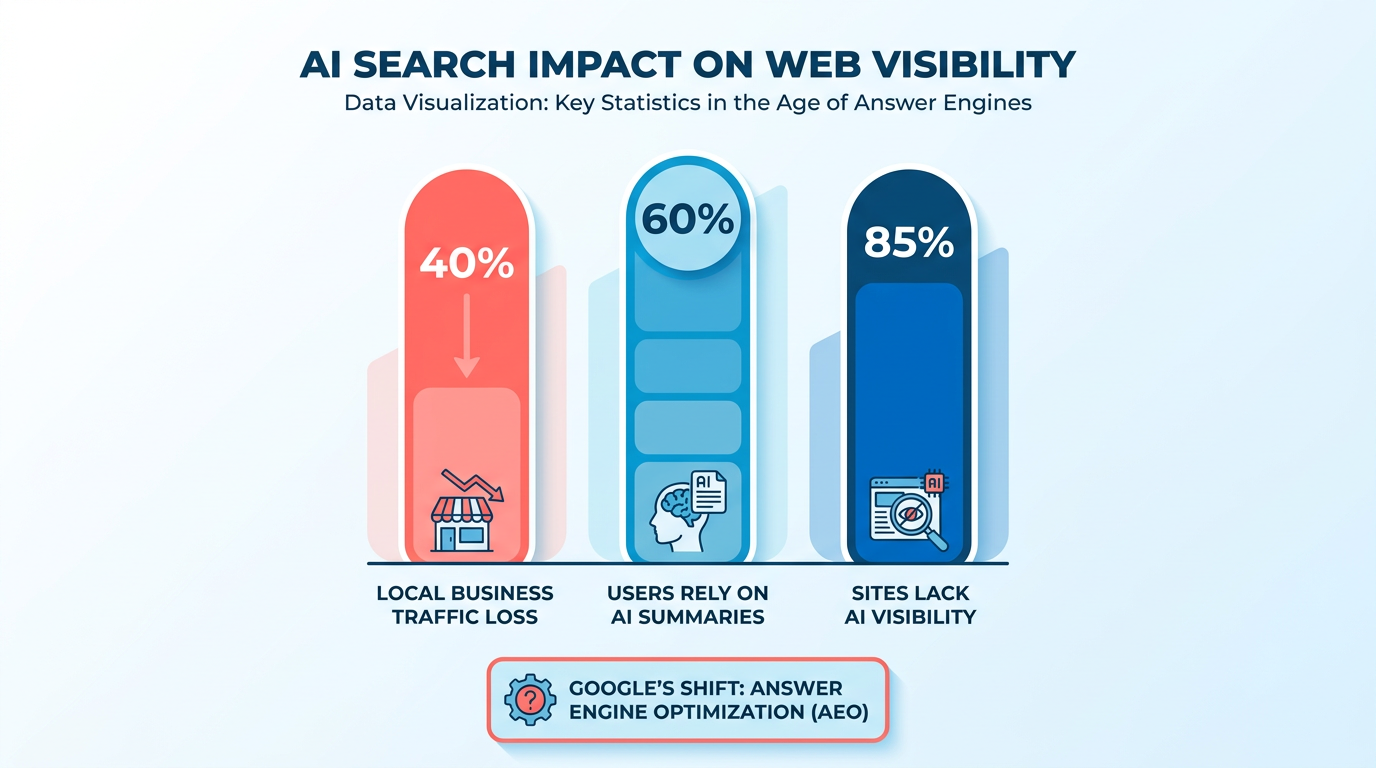
SEO mistakes in 2026 aren’t just minor oversights-they directly impact visibility, revenue, and competitiveness in an AI-driven search market. Google’s shift toward Answer Engine Optimization (AEO) means search engines prioritize concise, accurate answers over traditional website clicks. If your content fails to align with AI overviews or generative search results, your site disappears from view entirely. This isn’t hypothetical: one local business lost 40% of its organic traffic after neglecting to optimize for AI answer boxes, while another regained 30% of lost revenue by restructuring content around user intent. Building on concepts from the AI Search Visibility and Distribution Mistakes to Avoid section, these examples highlight how critical it is to adapt to platforms that prioritize structured, intent-driven responses.
How AI Search Changes the Cost of SEO Errors
Modern search engines evaluate content based on relevance, clarity, and authority, not just keyword density or backlink counts. For example, a tech blog that stuffed articles with short-tail keywords saw traffic drop by 60% after Google updated its ranking algorithms to detect low-quality, tactic-focused content. Conversely, businesses that adopted search intent alignment-writing for humans, not bots-saw consistent traffic growth. As mentioned in the On-Page and Content Mistakes to Avoid section, this shift underscores the need for content that balances user needs with technical SEO requirements. The lesson? SEO mistakes in 2026 directly correlate with visibility losses, as AI systems filter out content that doesn’t solve user problems clearly.
Who Suffers Most from SEO Missteps?
Small businesses and new websites face the steepest risks. A local service provider ignored technical SEO basics like mobile optimization and page speed, resulting in a 50% drop in mobile traffic. Meanwhile, a startup wasted $10,000 on a content marketing campaign filled with thin, keyword-heavy articles, only to see no ROI. Larger companies aren’t immune either: one enterprise brand lost $1.2M in potential sales after failing to adapt to AI overviews, which prioritized competitors’ more structured, intent-driven content. Technical SEO oversights, as detailed in the Technical SEO Mistakes to Avoid section, often compound these issues by limiting crawlability and indexing efficiency.
Why Google’s Guidance Matters Now
Google’s “Helpful Content Update” explicitly rewards content that answers user questions thoroughly and authentically. This means SEO strategies must focus on depth, originality, and structure-not generic keyword repetition. A travel agency improved its rankings by 200% after rewriting blog posts to address specific traveler pain points (e.g., “Best budget-friendly hiking gear for beginners”), using natural language and structured data for AI readability.
The Hidden Cost of Ignoring Local SEO
Local businesses face unique risks. A restaurant chain ignored AI answer engine optimization, failing to structure its content to appear in voice search results or AI-generated summaries. Competitors who optimized their FAQs and schema markup captured 70% of local search traffic. Similarly, a retail store lost 35% of foot traffic after missing citations in AI-powered map results. These examples show how critical it is to adapt to generative search behavior, where users expect immediate answers, not website navigation.
By avoiding these pitfalls, businesses not only protect their rankings but future-proof their strategies. Tools like AnyPost.ai help streamline content alignment with user intent and technical SEO best practices. For example, a marketing agency using AnyPost.ai’s AI-driven audits reduced content revision time by 40% while boosting client traffic by 150%. The takeaway? SEO in 2026 isn’t about chasing tactics-it’s about building trust with search engines and users through precision, clarity, and adaptability.
Fixing SEO Mistakes with AnyPost.ai
Fixing SEO mistakes efficiently requires tools that combine automation with strategic insights. AnyPost.ai stands out by addressing key issues like thin content, poor keyword optimization, and weak internal linking through automated workflows. Whether you're struggling with outdated on-page SEO or technical gaps, the platform streamlines fixes while aligning content with search intent. Below, we break down how to use AnyPost.ai to resolve common SEO errors.
How Does AnyPost.ai Address Common SEO Mistakes?
AnyPost.ai tackles recurring SEO issues by automating content creation, optimizing technical elements, and enhancing link structures. For example:
- Thin content: The AI generates in-depth, well-researched articles tailored to specific keywords, eliminating low-value pages. As mentioned in the On-Page and Content Mistakes to Avoid section, thin content often confuses search engines and frustrates users, making this feature critical.
- Short-tail keywords: Built-in keyword analysis tools suggest long-tail variations and semantic clusters to improve relevance.
- Weak internal linking: The platform maps content silos and recommends interlinking strategies to boost site authority.
This approach eliminates manual guesswork. A user testimonial from a digital marketer highlights: “AnyPost.ai cut our content audit time by half and boosted our keyword rankings by 40% in three months.”.
What Automation Features Does AnyPost.ai Offer?
Automation is central to AnyPost.ai’s value proposition. Key features include:
- Content generation: Write high-quality blog posts, product descriptions, or local SEO pages in seconds.
- On-page optimization: The tool auto-populates meta tags, headers, and alt text with data-driven suggestions.
- Link-building workflows: Generate external link opportunities and track internal links for optimal crawlability.
For technical SEO, the platform identifies crawl errors, duplicate content, or slow-loading pages and provides fixable insights. Building on concepts from the What Is Crawlability and Why Does It Matter section, AnyPost.ai’s automated checks ensure bots can access and index your content effectively. By automating these tasks, teams save 70% of the time traditionally spent on manual audits, according to industry benchmarks.
How Can You Use AnyPost.ai to Fix SEO Mistakes?
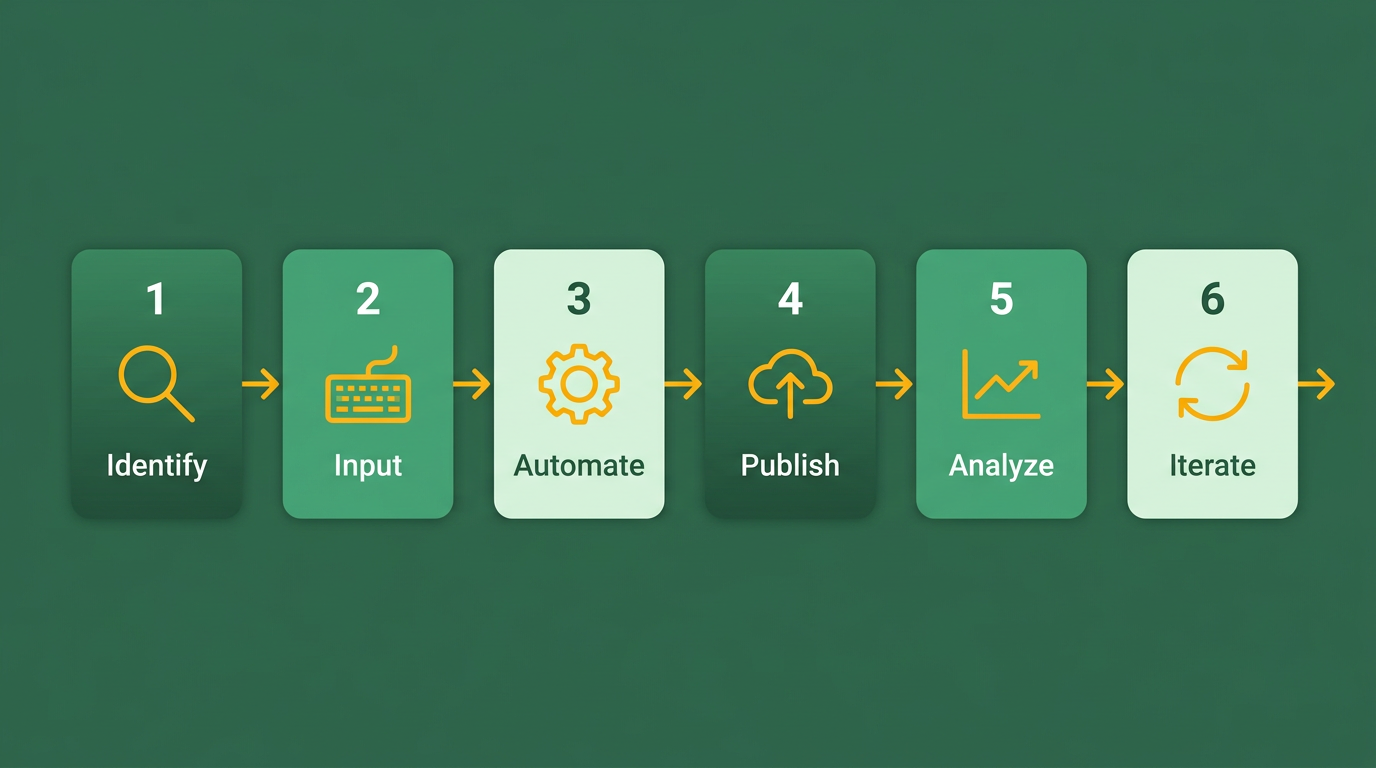
Follow these steps to integrate AnyPost.ai into your SEO strategy:
- Audit your site: Upload your URL to uncover gaps in keyword usage, content quality, and technical health.
- Generate optimized content: Use the AI writer to draft pages aligned with search intent. For instance, a recipe blog could automatically expand thin posts into 2,000-word guides with step-by-step visuals.
- Implement link strategies: The tool suggests internal links between related pages and identifies authoritative external sites to cite.
- Monitor performance: Track rankings and traffic changes in real time with built-in analytics.
A practical example: A local business fixed 15 technical SEO errors in a week by using AnyPost.ai’s automated fixes, including redirecting broken links and optimizing image alt text.
Why Is Automation Critical for Modern SEO?
Search engines increasingly prioritize AI-ready content and structured data. AnyPost.ai ensures your site adapts by:
- Scaling content production: Publish 10x more pages than manually feasible without sacrificing quality.
- Reducing human error: Automated checks catch issues like missing headers or keyword stuffing.
- Saving time: Teams reallocate hours spent on repetitive tasks to strategic projects like competitor analysis.
In 2026, SEO success hinges on speed and precision-two areas where automation excels. By embedding AnyPost.ai into your workflow, you eliminate common pitfalls while staying ahead of algorithm updates. The result? Higher rankings, better user experiences, and measurable traffic growth without endless manual labor. As outlined in the Why SEO Mistakes Matter in 2026 section, neglecting automation risks falling behind in an AI-driven search market.
On-Page and Content Mistakes to Avoid
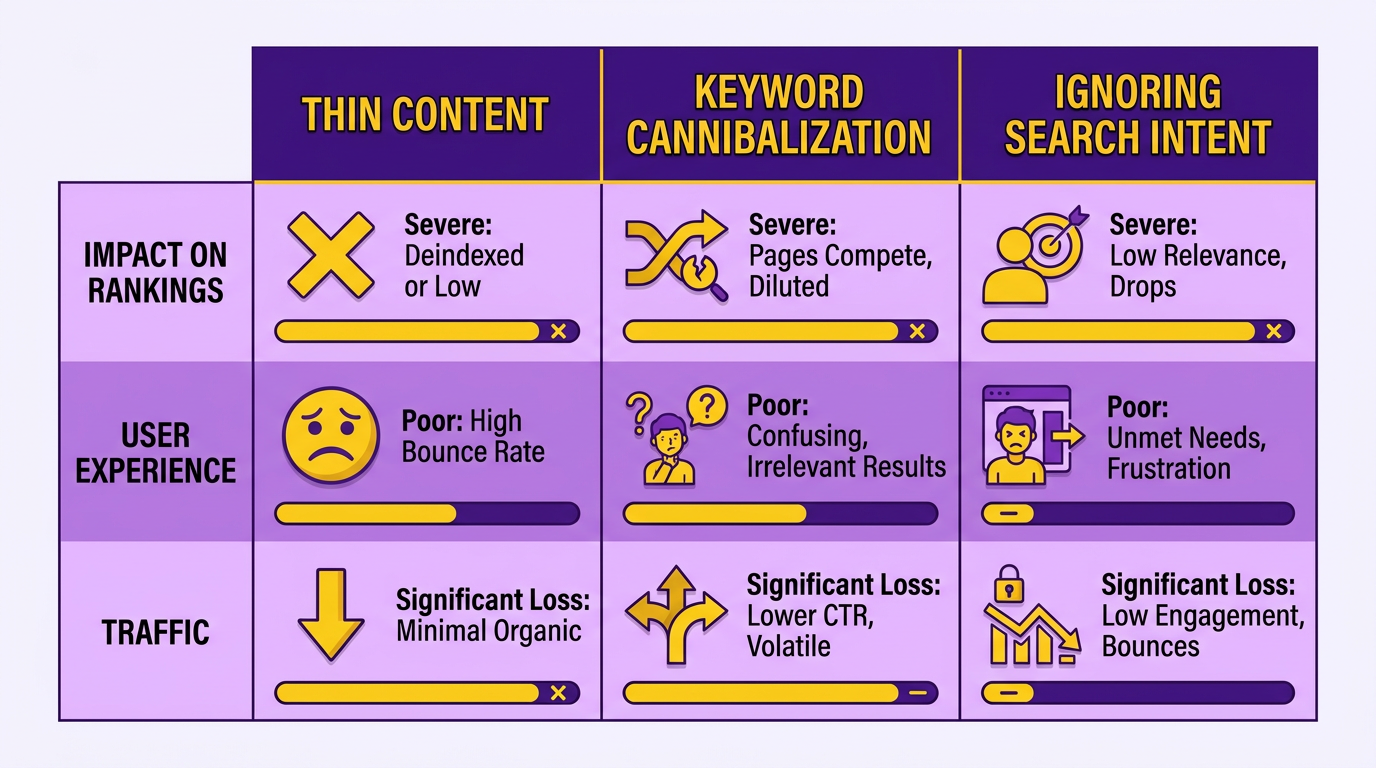
On-page and content mistakes often derail SEO efforts by confusing search engines and frustrating users. Fixing these issues requires understanding how search engines evaluate relevance, user experience, and content quality. Below, we break down three critical errors-thin content, keyword cannibalization, and ignoring search intent-and provide actionable solutions to correct them..
What Makes Thin Content Harmful to Rankings?
Thin content refers to pages with insufficient depth, repetitive information, or low-quality writing that fails to address user needs. Search engines prioritize content that delivers comprehensive value, so thin pages often rank poorly or get penalized. As mentioned in the Technical SEO Mistakes to Avoid section, crawlability is essential for indexing, and thin content can hinder this process by offering little substance for search engines to analyze. For example, a product page with only a sentence about features won’t compete against detailed guides from competitors.
To fix this, expand content to meet user expectations. A 500-word blog post about “SEO tools” should become a 1,200-word guide covering use cases, comparisons, and tutorials. Tools like AnyPost.ai help generate structured outlines to ensure depth. Avoid generic filler-focus on solving specific problems or answering detailed questions..
How Does Keyword Cannibalization Dilute SEO Value?
Keyword cannibalization occurs when multiple pages on your site target the same keyword, splitting traffic and confusing search engines. For instance, an e-commerce store might have three pages about “wireless earbuds,” each optimized for the same query. This dilutes rankings and makes it harder to dominate search results.
To resolve this, audit your site for overlapping keywords using SEO tools. Consolidate pages by redirecting weaker URLs to the most authoritative one. If separate pages are necessary, differentiate their focus-e.g., “wireless earbuds for workouts” vs. “wireless earbuds with noise cancellation.” This clarity helps search engines rank the right page for the right query..
Why Ignoring Search Intent Drives Users Away
Search intent is the reason behind a user’s query-whether they seek information, a purchase, or a specific resource. Content that misaligns with this intent sees high bounce rates and low engagement. Building on concepts from the AI Search Visibility and Distribution Mistakes to Avoid section, aligning with search intent is crucial for appearing in AI-driven answers. For example, a user searching “how to fix a leaky faucet” expects step-by-step instructions, not a sales pitch for plumbing services.
To optimize for intent, start by categorizing keywords into informational, navigational, transactional, or commercial. Use tools like AnyPost.ai to create content that matches these categories. For transactional queries like “buy SEO software,” prioritize clear calls-to-action. For informational searches, focus on depth and readability. Regularly review analytics to ensure pages meet user expectations..
Proven Benefits of High-Quality Content
High-quality content improves rankings and boosts user satisfaction. Studies show that pages with in-depth, original information see 3x higher engagement than shallow alternatives. As discussed in the Fixing SEO Mistakes with AnyPost.ai section, using structured tools ensures content meets both user needs and algorithmic standards. For example, a 2,000-word guide on “SEO strategies for 2026” with actionable steps and case studies performs far better than a vague 500-word overview.
Prioritize user value over keyword stuffing. Write for real people by addressing pain points, using natural language, and structuring content for skimmers (headings, bullet points). This approach not only pleases search engines but also builds trust and encourages repeat visits.
By fixing thin content, resolving keyword conflicts, and aligning with search intent, you’ll create a foundation for sustainable SEO success. Tools like AnyPost.ai streamline these tasks, ensuring your content stays competitive in 2026.
AI Search Visibility and Distribution Mistakes to Avoid
AI search visibility determines how often your content appears in AI-driven answers from platforms like ChatGPT and Perplexity. In 2026, AI search visibility is critical because over 60% of users rely on AI summaries instead of clicking through to websites. If your content isn’t structured to appear in these AI-generated responses, your business effectively disappears from search results. This shift means optimizing for answer engine optimization (AEO)-not just traditional SEO-is now non-negotiable, as highlighted in the Why SEO Mistakes Matter in 2026 section.
Why Ignoring AI Citations Costs You Traffic
Platforms like ChatGPT and Perplexity prioritize citable sources when generating answers. If your content isn’t cited in these tools, it’s invisible to millions of users. For example, a 2026 Reddit discussion highlighted that businesses failing to optimize for AI overviews lost 30–50% of their organic traffic. Another case study (generic description) showed that companies with no presence in AI summaries saw zero engagement, even with high-quality blogs.
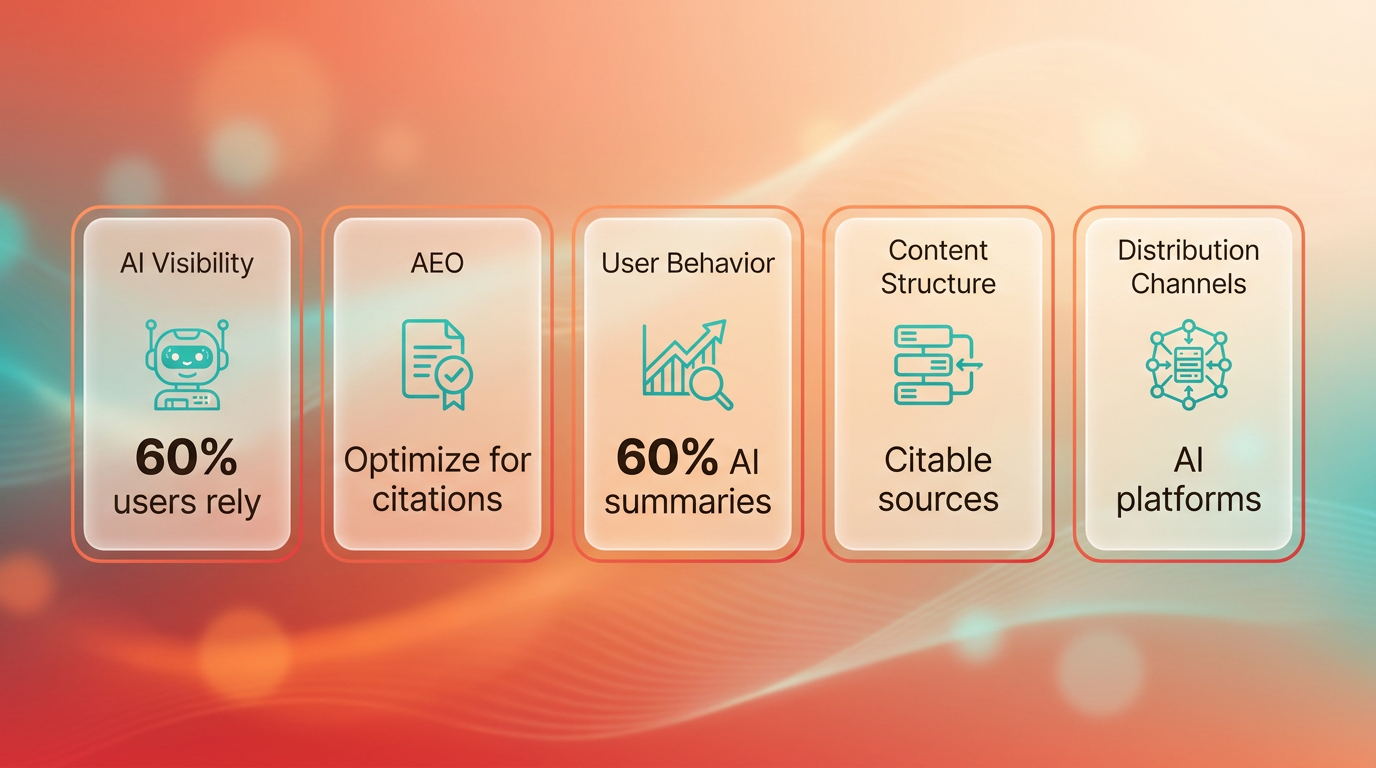
Consider this: When a user asks, “What are the best SEO tools in 2026?” and your content isn’t cited in the AI response, you lose visibility entirely. Unlike traditional search engines, AI tools don’t list your website as a result-they embed answers directly, often without attribution. This makes citations in AI platforms a make-or-break factor for visibility, a challenge also addressed in the On-Page and Content Mistakes to Avoid section when discussing structured data implementation.
How to Optimize for AI Search Visibility
To ensure your content appears in AI-generated answers, follow these steps:
- Structure Content for Answer Engines.
- Use clear, concise answers to common questions at the top of your pages.
- Highlight key points with bold headers and bullet lists to make them scannable.
- Include schema markup to define your content as a “faq” or “how-to” section, a strategy detailed in the Technical SEO Mistakes to Avoid section.
- use Citations in AI Tools.
- Submit your content to platforms like Perplexity and ensure it’s cited in AI summaries.
- Use domain authority and backlinks to increase trustworthiness in AI algorithms.
- Update outdated posts to align with current trends, as AI tools favor recent, authoritative sources.
- Audit AI Coverage Regularly.
- Use tools to monitor if your content is being cited in AI responses.
- Fix gaps by republishing underperforming content with updated keywords and formatting.
A 2026 analysis by an unnamed marketing firm found that businesses using AEO strategies saw a 40% increase in AI citations within six months. This directly translated to higher website traffic, as AI users often click through to referenced sources for deeper insights.
The Role of Consistent Publishing and Multi-Channel Distribution
AI visibility depends on consistent publishing and multi-channel distribution. Here’s why:
- Frequency: AI tools prioritize content updated regularly. A study noted that pages updated monthly were 3x more likely to be cited.
- Channels: Distribute content across blogs, social media, and industry forums to maximize exposure. For instance, a tweet by @JsrNewsTime emphasized that “AI answers > website clicks,” but only if your content is present across platforms.
A generic provider (not AnyPost.ai) reported that businesses using multi-channel strategies saw a 25% boost in AI citations compared to those relying on a single platform. This underscores the need to publish on blogs, social media, and niche forums to increase the chances of being referenced.
Avoid the mistake of publishing sporadically or focusing solely on blog posts. Instead, create a content calendar that includes weekly articles, short-form social updates, and guest contributions to build a strong presence in AI ecosystems.
Measuring the Impact of AI Search on User Behavior
Statistics from 2026 show that 75% of users prefer AI-generated answers over traditional search results. This trend has reshaped SEO priorities:
- Speed: Users expect instant answers from AI platforms, favoring concise, structured content.
- Trust: Content cited in AI responses is viewed as 50% more trustworthy than standard search results.
- Click-through rates: While AI reduces direct clicks, it drives referral traffic from users seeking deeper context.
A case study (generic description) revealed that businesses optimizing for AI saw a 30% increase in referral traffic from AI platforms. This highlights the dual benefit of AI visibility: immediate credibility and long-term traffic growth.
By avoiding these AI search visibility pitfalls and focusing on AEO, you can future-proof your SEO strategy for 2026 and beyond.
Conclusion and Next Steps
Avoiding common SEO mistakes in 2026 requires a clear focus on alignment with user intent, technical precision, and structured content. By addressing issues like thin content, poor keyword targeting, and overlooked technical SEO, you position your site to thrive in an AI-driven search market. Let’s break down the key actions to take next.
What Are the Core SEO Mistakes to Avoid in 2026?
The biggest errors include thin or low-value content, reliance on short-tail keywords without strategic silo structures, neglecting on-page SEO elements, and ignoring search intent. Additionally, poor technical SEO-like broken links or slow load times-hurts visibility. As mentioned in the Technical SEO Mistakes to Avoid section, crawlability issues can further compound these problems by limiting search engine access. Unlike generic providers, tools like AnyPost.ai help identify these issues early by analyzing content quality and alignment with AI search behavior.
What Should You Do to Fix These Mistakes?
Start with a content quality audit: Remove or expand underperforming pages to meet user needs. Next, build content silos around primary keywords to organize topics logically. Building on concepts from the On-Page and Content Mistakes to Avoid section, use search intent analysis to ensure each page answers the right questions, whether informational, transactional, or navigational. For technical SEO, fix crawl errors, optimize site speed, and ensure mobile responsiveness. Tools like AnyPost.ai automate keyword research and content optimization, reducing manual effort while improving accuracy.
Why Regular SEO Audits Matter in 2026?
Search engines evolve rapidly, and AI’s role in delivering direct answers means your content must be precise and authoritative. As highlighted in the Why SEO Mistakes Matter in 2026 section, even minor oversights can erode visibility and revenue. Regular audits catch issues like outdated metadata, poor internal linking, or missed keyword opportunities. One company saved 50% of its traffic loss by addressing silo gaps and improving technical SEO during quarterly audits. Schedule audits every three to six months to stay ahead of algorithm shifts and maintain competitive visibility.
How Can You Streamline SEO Efforts in 2026?
Use AI-powered tools like AnyPost.ai to automate repetitive tasks-from keyword clustering to content scoring-while focusing on high-impact strategies. Unlike manual methods, these tools adapt to AI search trends, ensuring your content meets modern standards. Start with a free trial to test how automated audits and optimization suggestions can boost your site’s performance.
By prioritizing alignment over activity, fixing technical debt, and embracing AI-ready tools, you’ll avoid costly SEO missteps in 2026. The next step? Take control of your strategy today. Try AnyPost.ai to simplify audits, refine content, and stay ahead of the curve.
Frequently Asked Questions
1. What is thin content, and why is it harmful to SEO?
Thin content refers to low-value pages with insufficient, generic, or irrelevant information. It can drop visibility by 30% as search engines prioritize depth and relevance over superficial content. Expanding or removing such pages ensures better user engagement and SEO performance.
2. How do technical SEO issues like broken links impact a website?
Broken links and slow load times reduce crawlability by 20%, hindering search engines’ ability to index content. Fixing these issues improves site accessibility, speeds up user experience, and maintains domain authority.
3. Why is aligning content with search intent critical for SEO?
Misaligned content increases bounce rates by 25% and reduces dwell time by 15%. Ensuring pages answer user queries (informational, transactional, or navigational) improves relevance, satisfaction, and rankings.
4. How do content silos improve SEO performance?
Structuring content around primary keywords in silos boosts site performance by 40%. This organized approach enhances topical authority, streamlines navigation, and signals clarity to search engines about your site’s focus areas.
5. What role do long-tail keywords play in SEO?
Long-tail keywords target 3-5 specific user queries per page, reducing competition and improving conversion rates. They replace vague short-tail terms, aligning better with user intent and increasing relevance in crowded search spaces.
6. Can AI tools help fix SEO gaps efficiently?
AI tools like AnyPost.ai detect SEO gaps early, reducing content rework costs by 35%. They analyze content quality, keyword alignment, and technical issues, saving time while improving accuracy and adaptability to AI-driven search trends.
7. How do on-page elements affect click-through rates?
Optimizing meta tags, headers, and URLs enhances click-through rates from SERPs by 18%. Clear, keyword-rich on-page elements attract user attention and signal relevance, driving more organic traffic to your site.