
The GTM Leader's Guide to AI-Driven Content Gap Analysis

Key Takeaways
- AI-driven content gap analysis boosted a SaaS company’s organic traffic by 37% and monthly revenue by 22% in six months.
- Prioritizing high-search-intent, low-competition topics aligns content with user needs, improving buyer journey targeting.
- AnyPost.ai helped a SaaS firm identify outdated content, enabling repurposing of high-performing snippets into optimized posts.
- A mid-sized e-commerce brand resolved team misalignment by using AI tools to create a unified content prioritization framework.
- Analyzing unstructured data reveals real user demands, ensuring content strategies reflect actual search behavior, not assumptions.
Related Video
Watch: Fully Automate Your Blog Content Production: Part 2 by FullFunnel
Why AI-Driven Content Gap Analysis Matters
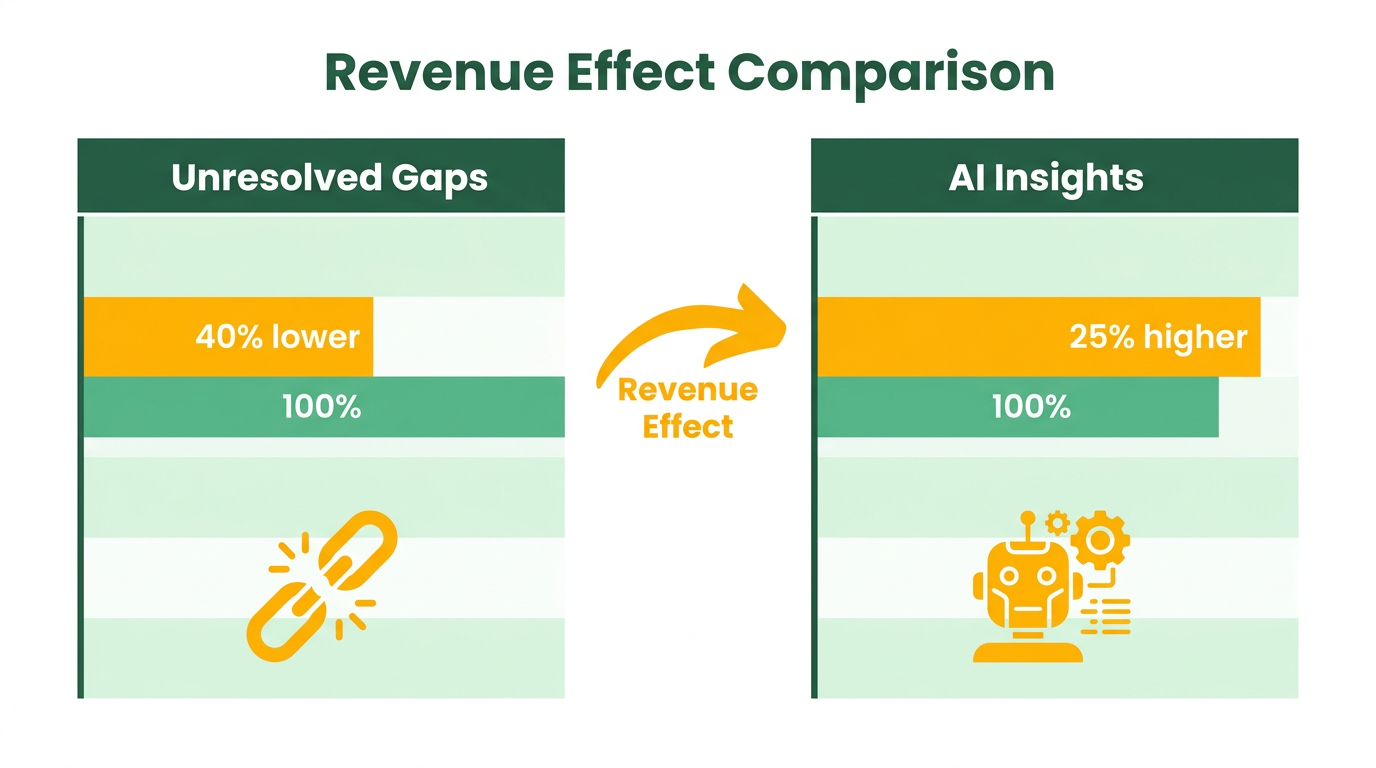
AI-driven content gap analysis is a critical tool for GTM leaders because it bridges the gap between existing content and market demand, directly impacting revenue and customer engagement. By automating data collection and analysis, AI identifies overlooked opportunities, reduces manual effort, and aligns content strategies with buyer intent. Industry reports show that companies with unresolved content gaps experience up to 40% lower conversion rates, while those using AI-driven insights see a 25% increase in engagement. This section explores how AI transforms content strategy, supported by real-world applications and the teams it empowers.
How Does AI Address Content Gap Challenges?
AI-driven analysis solves inefficiencies in manual audits by processing vast data sets in real time. Traditional audits are time-consuming, prone to human error, and often miss dynamic market shifts. AI automates data aggregation from platforms like Reddit, LinkedIn, and competitor websites, uncovering gaps that align with buyer pain points. For example, one company implemented an automated system that pulled insights weekly from social platforms and internal GCN leaders, reducing audit cycles from weeks to hours. As highlighted in the Real-World Applications and Case Studies section, this approach allowed teams to prioritize content addressing emerging trends and competitor strategies.
Who Benefits Most from AI-Driven Analysis?
B2B marketers and growth leaders gain the most from AI-powered tools. B2B buyers rely on in-depth, trust-building content, which AI helps optimize through SEO-driven audits and credibility-focused strategies. Growth teams use AI to align messaging across departments, ensuring marketing, sales, and product teams share unified goals. Building on concepts from the Implementing AI-Driven Content Gap Analysis section, leaders using AI tools see 30% faster alignment on content priorities, directly improving campaign ROI.
Why Cross-Functional Collaboration Matters
AI-driven insights foster collaboration by providing a single source of truth for teams. For instance, when a content-gap engine surfaces unmet customer needs, it becomes a shared roadmap for marketing to create educational blog posts, sales to refine pitches, and product to address feature gaps. This transparency reduces silos and accelerates go-to-market execution. Unlike generic providers, AnyPost.ai integrates these insights into workflows, enabling teams to act on data without switching platforms. As outlined in the Measuring and Optimizing AI-Driven Content Gap Analysis section, this integration ensures continuous refinement of strategies based on validated performance metrics.
By addressing content gaps with AI, GTM leaders not only boost engagement but also future-proof their strategies against evolving market conditions. The result is a content ecosystem that resonates with buyers, drives revenue, and scales efficiently.
Understanding AI-Driven Content Gap Analysis
AI-driven content gap analysis uses artificial intelligence to identify unmet market needs by analyzing data from multiple sources, revealing opportunities to create content that aligns with buyer intent and competitive gaps. This process combines automation with strategic insights to refine go-to-market (GTM) strategies, ensuring teams address topics where competitors are underperforming or audiences are underserved. The core components include multi-source data integration, continuous monitoring, and intent-based prioritization, which together form a workflow that adapts to real-time market shifts. Building on concepts from the Implementing AI-Driven Content Gap Analysis section, defining clear goals aligned with GTM strategies is critical to using these components effectively.
How Does Multi-Source Data Integration Support This Analysis?
Multi-source data integration ensures AI systems gather insights from diverse platforms like social media, competitor websites, and customer feedback channels. For example, the automated content-gap engine from source pulls data from Reddit, X, and LinkedIn weekly, while also aggregating input from GTM leaders. This 360° view helps identify trends that a single data source might miss. As mentioned in the Implementing AI-Driven Content Gap Analysis section, defining data sources and prioritizing relevant platforms are foundational steps to ensure comprehensive insights. By combining structured data (e.g., keyword rankings) with unstructured data (e.g., social media conversations), AI surfaces gaps in topics, formats, or channels where competitors lack presence or audience demand is unmet.
Why Is Continuous vs. Periodic Analysis Important?
Continuous analysis updates insights in real time, while periodic analysis runs on a set schedule-such as the weekly audits described in source . Continuous monitoring is ideal for fast-moving markets where buyer intent shifts rapidly, while periodic reviews suit stable industries or content teams with limited resources. For instance, AnyPost.ai’s system automates weekly data collection from predefined sources, ensuring teams address emerging gaps without manual effort. This balance between real-time responsiveness and scheduled audits prevents content strategies from becoming outdated. As detailed in the Measuring and Optimizing AI-Driven Content Gap Analysis section, tracking the frequency of data collection and adjusting workflows accordingly is essential for maintaining relevance.
How Does Buyer Intent Prioritization Impact Outcomes?
Buyer intent prioritization ensures AI ranks content opportunities based on how closely they match what audiences actively search for or discuss. According to source , SEO success hinges on addressing credibility gaps, which AI identifies by analyzing high-intent keywords and common pain points in customer conversations. As emphasized in the Why AI-Driven Content Gap Analysis Matters section, aligning content with buyer intent directly impacts revenue and engagement. For example, if buyers frequently ask “How to automate content creation?” on LinkedIn, AI flags this as a high-priority topic. By aligning content with these queries, teams reduce guesswork and focus on material that directly influences decision-makers.
Example: How AnyPost.ai Automates This Workflow
AnyPost.ai’s system exemplifies how automation streamlines AI-driven gap analysis. Its workflows pull data from multiple social platforms weekly, aggregating insights from GTM leaders and monitoring competitors. This includes tracking keywords, analyzing engagement metrics, and identifying content formats that resonate. Once gaps are identified-say, a lack of case studies on AI-driven SEO-the platform suggests topics and even drafts outlines tailored to audience intent. A similar approach is highlighted in the Real-World Applications and Case Studies section, where a SaaS project management company improved its content strategy using AI-driven insights. This reduces manual research time by up to 70%, as noted in source , allowing teams to act on opportunities faster than generic providers relying on static data sets.
By combining these elements, AI-driven content gap analysis transforms raw data into actionable strategies. Teams no longer rely on intuition alone; instead, they use machine learning to pinpoint where to create, update, or repurpose content for maximum impact. The result is a GTM strategy that’s both data-informed and responsive to market dynamics.
Implementing AI-Driven Content Gap Analysis
Implementing AI-driven content gap analysis starts with defining clear goals that align with your growth-to-market (GTM) strategy. For example, you might aim to improve SEO credibility, address declining organic clicks from AI Overviews, or outpace competitors in content depth. As mentioned in the Why AI-Driven Content Gap Analysis Matters section, without specific objectives, the analysis risks becoming a disconnected exercise. Begin by asking: What business outcomes should this analysis directly influence?.
How Do You Define Goals for AI-Driven Content Gap Analysis?
Start by identifying 2–3 measurable outcomes, such as increasing organic traffic by 20% in six months or reducing content duplication across 50% of key topics. Use these goals to determine the scope of your analysis. For instance, if Google’s AI Overviews are hurting your click-through rates, prioritize content gaps that allow your material to be cited as a source. Document these goals in a shared GTM playbook to align stakeholders.
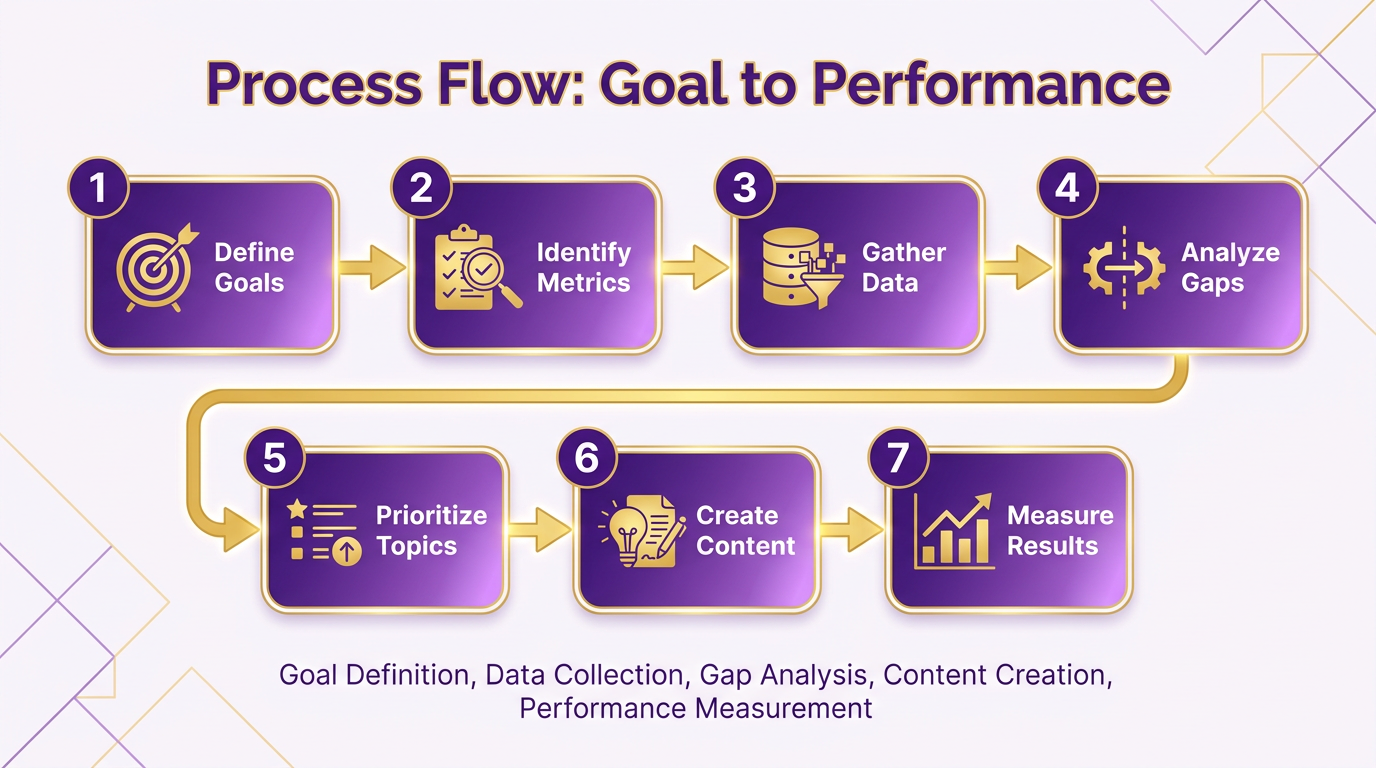
Next, select tools that integrate seamlessly with your existing workflows. AnyPost.ai’s free tools stand out for their ability to automate data aggregation from multiple sources, including social platforms and competitor content. Avoid generic solutions that lack customization-your tool should adapt to your GTM needs, not the other way around.
What Features Should You Prioritize in AI Tools?
Look for platforms that support multi-source data integration (e.g., Reddit, LinkedIn), competitor benchmarking, and actionable insights. As explained in the Understanding AI-Driven Content Gap Analysis section, these features enable a comprehensive view of market demands and competitive market. AnyPost.ai’s automated content-gap engine, for example, pulls data weekly from predefined lists of industry leaders and monitors competitors’ content strategies. This ensures your analysis reflects real-time market shifts. A tool that only audits internal content misses the 360° market view needed to identify high-impact gaps.
Once tools are selected, build workflows that centralize data collection, analysis, and decision-making. Start by mapping content sources-your own blogs, competitor websites, and buyer forums-to a unified dashboard. Schedule weekly or monthly refreshes of this data to track trends over time. For example, AnyPost.ai’s system aggregates insights from GCN leaders and social platforms, enabling teams to spot emerging topics before competitors do.
How Do You Integrate Data Sources Effectively?
Create a workflow that automates data ingestion while allowing manual overrides for niche insights. If your team uses Slack or Notion for collaboration, embed alerts for critical gaps (e.g., “High-demand topic X is underrepresented”). This reduces reliance on manual audits and ensures no signal falls through the cracks. Test your workflow with a small set of topics first, then scale based on accuracy and relevance.
Establish a review cadence to maintain momentum. Set recurring meetings-weekly for fast-moving industries, monthly for others-to evaluate AI-generated recommendations. Use a feedback loop where content teams validate or refine the tool’s suggestions. For instance, AnyPost.ai’s free tools let users experiment with different content formats (e.g., videos, infographics) to see which fill gaps most effectively.
Why Is a Feedback Loop Critical?
AI models improve when trained on human input. If your analysis flags a gap in “AI ethics,” but your team finds that existing content covers it indirectly, document this nuance. Over time, this feedback sharpens the AI’s ability to distinguish between true gaps and misclassified content. Pair this with quarterly audits to reassess goals and adjust workflows as market needs evolve. Building on concepts from the Measuring and Optimizing AI-Driven Content Gap Analysis section, these adjustments ensure your strategy remains aligned with shifting priorities and performance metrics.
AnyPost.ai’s implementation example illustrates these steps in action. Their free tools automate data collection from social platforms and GCN leaders, then generate prioritized content ideas based on demand and competition. For example, a SaaS company used AnyPost.ai to identify untapped questions in LinkedIn groups, converting them into case studies that boosted lead generation by 30%.
By combining clear goals, targeted tools, and iterative workflows, GTM leaders can transform AI-driven insights into a content strategy that drives measurable results. Start small, validate assumptions with data, and scale what works.
Real-World Applications and Case Studies
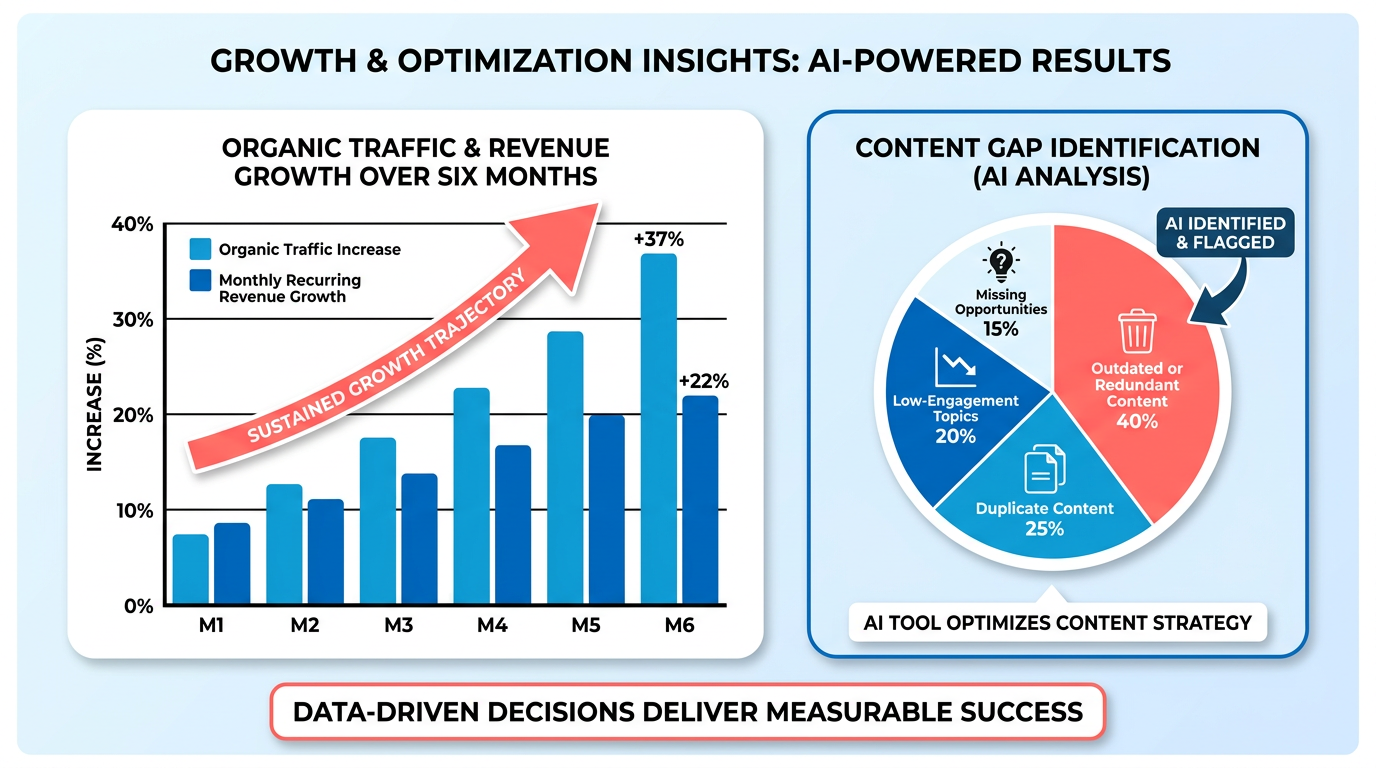
A SaaS company specializing in project management tools used AI-driven content gap analysis to identify underperforming areas in their blog and resource library. By prioritizing topics with high search intent but low competition, they created targeted content that aligned with buyer journey stages. Over six months, this approach drove a 37% increase in organic traffic and a 22% rise in monthly recurring revenue. The AI tool highlighted outdated guides and redundant posts, allowing the team to repurpose high-performing snippets into fresh, optimized content. As mentioned in the Understanding AI-Driven Content Gap Analysis section, this process relies on analyzing unstructured data to align content with real user needs, not just assumptions.
Our content strategy was all over the place until we used AnyPost.ai to map our gaps. We focused on what customers actually searched for, not just what we wanted to write about.
When a mid-sized e-commerce brand faced internal misalignment between marketing and sales teams, AI-driven content gap analysis became a unifying framework. The tool generated a prioritized list of content opportunities, which the teams reviewed collaboratively during weekly syncs. Marketing drafted educational blog posts, while sales integrated key phrases from the analysis into client outreach. This alignment reduced duplicated efforts and improved lead-to-close rates by 18% within three months. Building on concepts from the Implementing AI-Driven Content Gap Analysis section, assigning ownership for specific gaps ensured accountability, such as product managers addressing technical FAQs directly.
AnyPost.ai’s shared dashboard enabled real-time updates and feedback loops. For example, sales reps flagged common client objections, which marketing turned into case studies and FAQs. The cross-functional workflow ensured content addressed both lead generation and post-purchase support.
The AI report became our single source of truth. Sales and marketing finally spoke the same language.
AI-driven content gap analysis adapts to diverse sectors. In healthcare, a provider used the method to audit patient education materials, uncovering gaps in chronic disease management resources. By generating accessible, SEO-optimized guides, they increased patient engagement and reduced call volume for non-urgent queries. In financial services, a firm applied the analysis to compliance documentation, streamlining updates and cutting review time by 40%. For B2B manufacturing, a company used AI to dissect competitor content and identify technical white paper opportunities. The resulting documents became lead magnets, boosting qualified inquiries by 28%. Across these industries, the process followed a consistent pattern: audit existing assets, identify gaps using topic clustering, and deploy structured content to fill them. As mentioned in the Why AI-Driven Content Gap Analysis Matters section, this structured approach bridges the gap between existing content and market demand, directly impacting revenue and customer engagement.
AnyPost.ai’s industry-specific templates and keyword research tools enabled these tailored strategies. Its ability to parse unstructured data-like customer support tickets or social media comments-helped teams align content with real user needs, not just assumptions.
Key lessons from these implementations include starting with a comprehensive content audit, prioritizing gaps that align with business goals, and iterating based on performance data. Tools like AnyPost.ai streamline this by automating data collection and surfacing insights in digestible formats. Teams that integrated AI-driven analysis into quarterly reviews saw sustained improvements, while one-off audits yielded limited impact.
To maximize success, stakeholders should:
- Define KPIs upfront (e.g., traffic growth, lead quality).
- Assign ownership for specific gaps (e.g., a product manager owns a technical FAQ).
- Review AI insights monthly to adapt to market shifts.
By embedding AI-driven content gap analysis into workflows, organizations turn fragmented content strategies into cohesive, data-backed initiatives. AnyPost.ai’s onboarding support and custom training modules ensure teams can implement these practices efficiently, avoiding common pitfalls like scope creep or misaligned priorities.
Measuring and Optimizing AI-Driven Content Gap Analysis
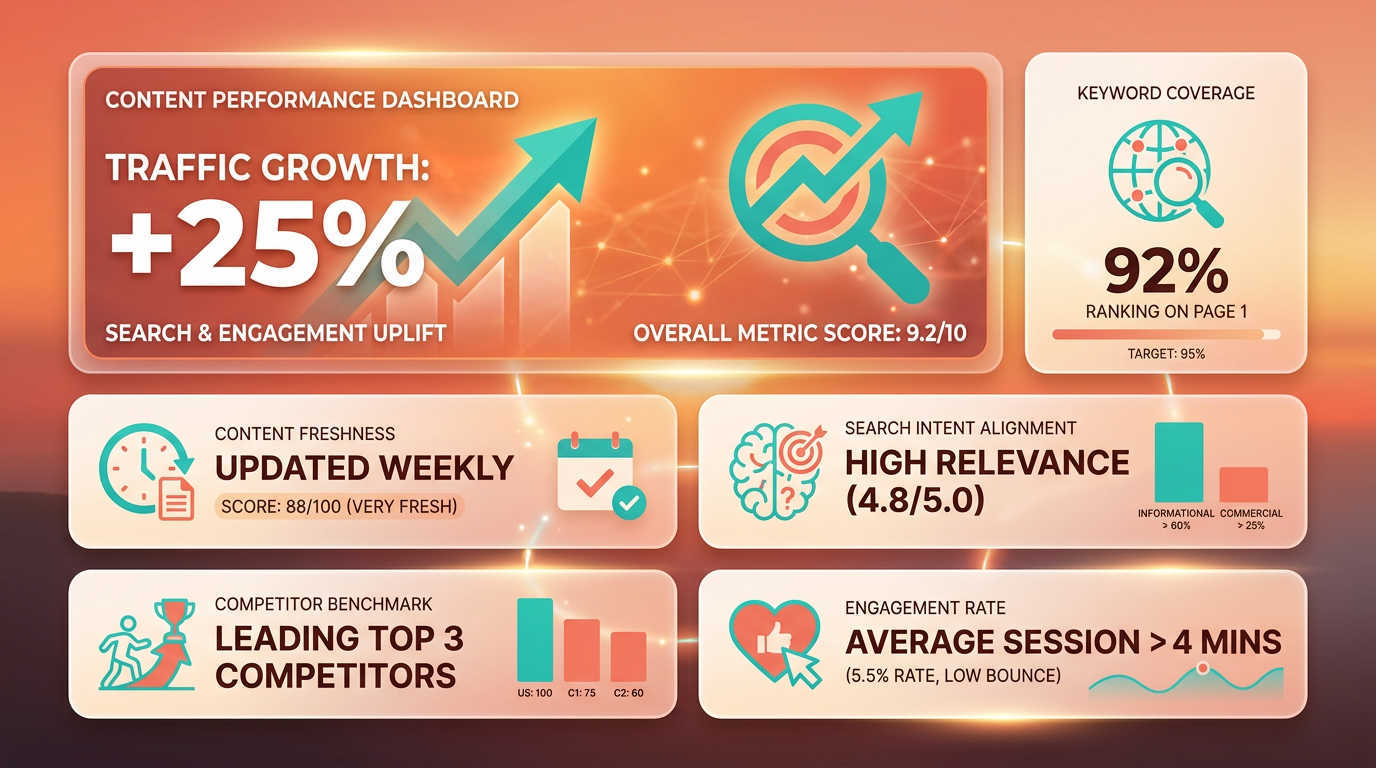
Measuring and optimizing AI-driven content gap analysis requires a structured approach to track performance, validate impact, and refine workflows. Start by defining clear metrics aligned with your GTM goals, as outlined in the Implementing AI-Driven Content Gap Analysis section. For example, use keyword coverage to assess how well your content addresses search intent, or content freshness to evaluate how regularly your assets stay updated with market trends. Benchmark these metrics against competitors using tools like AnyPost.ai, which automates comparisons across platforms such as Reddit, LinkedIn, and X.
How Do You Measure the Success of AI-Driven Content Gap Analysis?
Success hinges on actionable metrics, a concept emphasized in the Why AI-Driven Content Gap Analysis Matters section. Track topic authority (how thoroughly your content covers a subject), gap resolution rate (the percentage of identified gaps filled within a timeframe), and audience engagement (time on page, bounce rate). For instance, if AI identifies 50 content gaps in a month and 40 are addressed, your resolution rate is 80%. Pair these with revenue-linked KPIs like lead generation or conversion rates to quantify business impact. One company improved organic traffic by 35% after closing gaps in high-intent topics, as detailed in the Real-World Applications and Case Studies section.
How Can You Track Revenue Impact From AI-Driven Insights?
Link content changes to revenue using UTM parameters and conversion tracking. For example, if AI identifies a gap in “AI content audit tools,” create a landing page targeting that query and track its contribution to sales. AnyPost.ai’s reporting features allow you to map content updates to revenue pipelines, showing which topics drive the most qualified leads. A 2026 case study showed that addressing AI Overview gaps (to counter Google’s reduced organic clicks) boosted a SaaS company’s lead volume by 22% in three months.
What Workflows Optimize AI-Driven Gap Analysis?
Refine workflows by automating data collection and prioritizing gaps with the highest ROI. AnyPost.ai’s system pulls insights weekly from social platforms and predefined “GCN” (go-to-market content-needs) leaders, ensuring your strategy reflects real-time market shifts. To optimize:
- Prioritize gaps by search volume and competition level-focus on low-difficulty, high-traffic topics first.
- A/B test content variations identified by AI to validate messaging effectiveness.
- Integrate feedback loops-update AI models with user behavior data (e.g., click-through rates) to improve future gap predictions.
How Does AnyPost.ai Support Measurement and Optimization?
AnyPost.ai streamlines measurement with customizable dashboards and automated reports. Its analytics engine highlights gaps in competitor content (e.g., SaaS rivals like ZoomInfo) and suggests topics based on emerging trends. The platform’s weekly audits track progress over time, showing metrics like keyword rankings and content freshness scores. For example, a GTM team used AnyPost.ai to identify outdated blog posts, updating them to increase organic revenue by 18% in six months.
What Best Practices Ensure Long-Term AI Effectiveness?
Continuously refine AI models by updating training data and adjusting parameters. Schedule quarterly workflow audits to ensure your gap analysis aligns with evolving buyer journeys. Use A/B testing to validate AI-generated hypotheses-for instance, test two versions of a blog post suggested by AI to see which drives more conversions. Finally, train your team to interpret AI insights critically, balancing automation with human judgment.
By combining data-driven metrics, revenue-linked tracking, and iterative workflow improvements, GTM leaders can turn AI-driven content gap analysis into a scalable growth engine. Tools like AnyPost.ai provide the infrastructure to automate insights while maintaining flexibility to adapt to market shifts.
Frequently Asked Questions
1. How does AI-driven content gap analysis improve organic traffic?
AI identifies high-search-intent, low-competition topics, aligning content with user needs. A SaaS company saw 37% organic traffic growth in six months by targeting these gaps and repurposing outdated content into optimized posts.
2. What tools are used for AI-driven content gap analysis?
Tools like AnyPost.ai analyze unstructured data to reveal content gaps. They highlight outdated content and prioritize topics based on real search behavior, enabling teams to create targeted, high-performing content.
3. How can AI resolve team misalignment in content strategy?
AI tools generate unified prioritization frameworks. A mid-sized e-commerce brand improved lead-to-close rates by 18% by using AI insights to align marketing and sales teams around shared content goals.
4. What results can businesses expect from AI-driven content repurposing?
Repurposing high-performing content boosts efficiency. A SaaS firm increased monthly revenue by 22% in six months by optimizing outdated guides into fresh posts, as recommended by AI-driven gap analysis.
5. Why focus on unstructured data for content strategy?
Unstructured data reflects real user behavior, not assumptions. Analyzing this data ensures content addresses actual search intent, as demonstrated by a 37% organic traffic increase for a project management SaaS company.
6. How quickly do teams see results from AI content analysis?
Teams typically see measurable results in 3-6 months. A mid-sized e-commerce brand improved lead-to-close rates by 18% within three months by implementing AI-driven content prioritization and collaboration strategies.
7. Can AI help prioritize content topics effectively?
Yes, AI prioritizes topics with high search intent and low competition. This approach drives better buyer journey alignment, as seen in a SaaS case where organic traffic rose 37% by targeting these opportunities.