
Top 10 Best B2B Lead Generation Campaigns for Growth

Key Takeaways
- Prioritize high-intent accounts by tracking actions like downloading 3+ whitepapers and spending >10 minutes on pricing pages.
- Use intent data tools like AnyPost.ai to score accounts based on engagement depth and purchasing urgency.
- Real-time intent data analysis directs sales and marketing to focus on accounts with highest conversion potential.
- Intent data activation reduces friction by aligning messaging with the buyer’s research journey.
- Consistent lead flow, achieved by intent data prioritizing quality over quantity, is critical for business growth.
- Hyper-relevant outreach to high-intent prospects increases conversion rates by 20-30% compared to generic campaigns.
- Mapping buyer intent signals to content strategies ensures marketing efforts target accounts actively researching solutions.
Related Video
Watch: 7 Keys to Lead Generation & Sales Prospecting for Business Development and B2B Sales by Patrick Dang
Intent Data Activation Campaign
Intent data activation campaigns turn anonymous website visitors into qualified leads by mapping buyer intent signals to specific content and outreach strategies. The core goal is to identify high-potential prospects in real time and deliver hyper-relevant messaging that aligns with their research journey. This approach reduces friction in the buyer’s path while ensuring marketing and sales teams prioritize the accounts most likely to convert. As mentioned in the Why B2B Lead Generation Matters section, consistent lead flow is critical for business growth, and intent data provides a structured way to prioritize quality over quantity.
How Do You use Intent Data for Targeted Campaigns?
Intent data starts with tracking behavioral signals like website visits, content downloads, and search queries. Tools like AnyPost.ai analyze these patterns to score accounts based on engagement depth and purchasing urgency. For example, a visitor who downloads three whitepapers and spends over 10 minutes on pricing pages receives a higher intent score than someone who only browses a homepage.
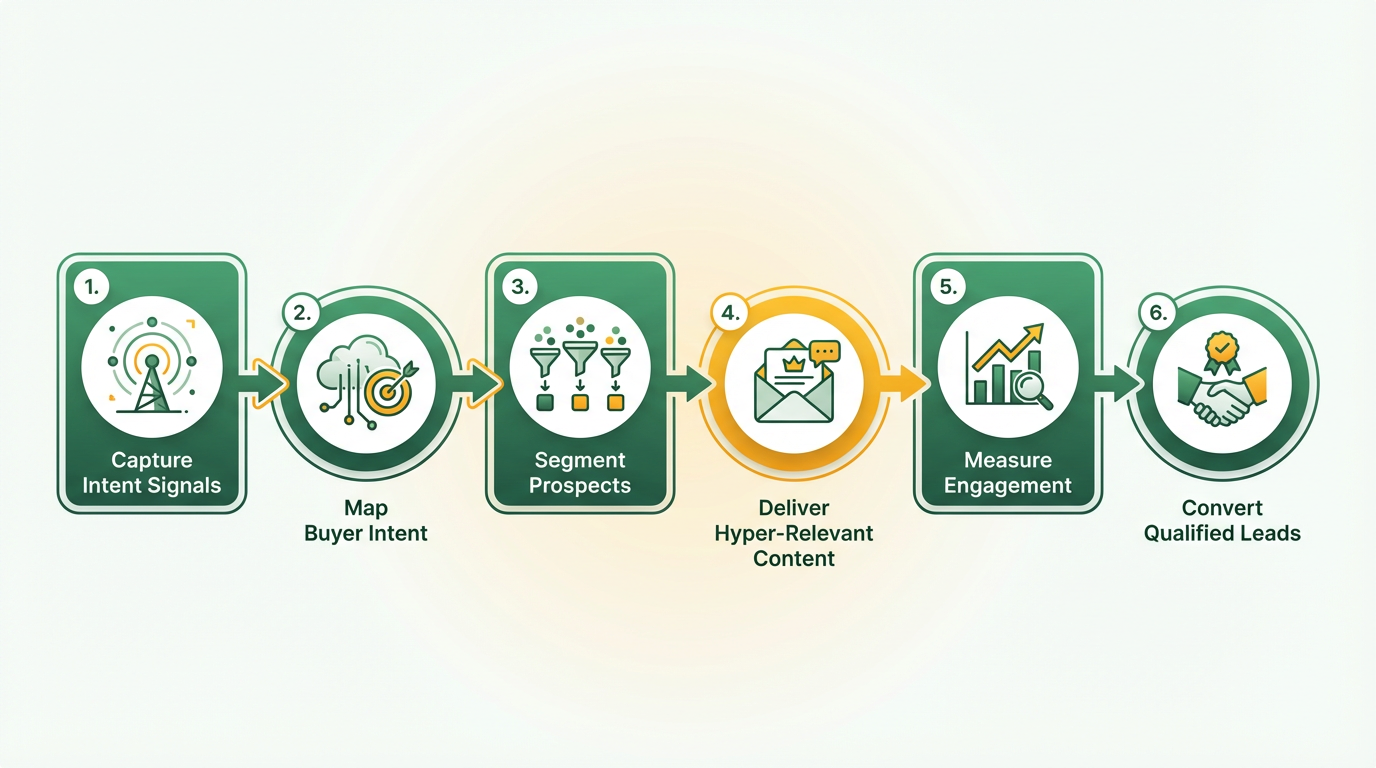
To collect this data effectively, set up tracking on all digital touchpoints. Use UTM parameters to monitor referral sources, implement heatmaps to identify popular content, and integrate CRM data to cross-reference past interactions. The result is a unified view of each prospect’s journey. AnyPost.ai’s AI layer then processes this data to predict which accounts are nearing a decision point-such as a company researching cloud infrastructure tools after a competitor’s LinkedIn post, a tactic aligned with strategies in the LinkedIn Growth Strategy Campaign section.
What Makes Audience Segmentation Crucial for Intent Campaigns?
Not all engaged prospects are equal. Segmentation ensures resources focus on accounts with the highest conversion potential. Start by grouping leads based on intent signals:
- High-intent: Visitors who accessed gated content or triggered multiple pricing inquiries.
- Mid-intent: Prospects who engaged with educational resources but haven’t reached cost analysis stages.
- Low-intent: Users who only viewed surface-level content like blog posts or FAQs.
Combine this with firmographic data (industry, company size) to refine targeting. For instance, a SaaS provider might prioritize mid-intent healthcare companies with 500+ employees, as they align with ideal customer profiles. Building on concepts from the Targeted Lead Playbook Campaign for High-Value Customers section, this approach emphasizes precision in outreach by aligning with specific business goals.
How Do You Design Content That Resonates with Intent-Driven Audiences?
Content must align with where prospects are in their decision cycle. High-intent leads need case studies and ROI calculators to justify purchases, while mid-intent audiences benefit from comparison guides and use-case scenarios.
A/B test messaging variations to optimize impact. For example, a B2B cybersecurity firm might test two subject lines for the same whitepaper:
- “Reduce Risk: 5 Steps to Secure Your Data (Based on Industry Benchmarks)”
- “How [Their Industry] Companies Are Strengthening Cybersecurity”
AnyPost.ai’s dynamic content engine personalizes web pages and email sequences in real time. If a prospect accessed a competitor’s pricing page, the system might display a side-by-side comparison highlighting cost advantages. This mirrors the automated workflows described in the Business Process Automation Campaign for Lead Generation section, where efficiency and relevance are key.
What Results Can You Expect from an Intent Data Campaign?
Success metrics depend on campaign maturity, but common benchmarks include:
- 30–50% increase in conversion rates from targeted outreach
- 25–40% reduction in cost per acquisition (CPA) by focusing on high-intent leads
- Shortened sales cycles by 20–30% through timely, relevant engagement
One company using AnyPost.ai reported a 40% rise in qualified leads within six months by automating intent-driven workflows. Sales teams received alerts when prospects accessed content like “Enterprise Migration Checklist,” enabling timely follow-ups. These outcomes reflect the data-driven focus emphasized in the Predictive Lead Scoring Campaign section, where historical and real-time data combine to prioritize leads effectively.
Why B2B Lead Generation Matters
Effective B2B lead generation campaigns are the backbone of sustainable business growth. Without a steady flow of qualified leads, even the most innovative products or services struggle to gain traction. Industry data shows that companies with strong lead generation strategies see up to 50% faster revenue growth compared to those without, highlighting the direct link between lead quality and business scalability. For example, one data-driven campaign by a lead generation agency resulted in +606 leads, proving how targeted efforts can transform pipelines. As mentioned in the Intent Data Activation Campaign section, mapping buyer intent signals to specific outreach strategies is critical for converting anonymous visitors into high-quality leads.
What Makes B2B Lead Generation a Strategic Priority?
B2B lead generation isn’t just about volume-it’s about precision. Modern buyers expect personalized, value-driven interactions at every stage of their journey. A campaign that fails to align with these expectations risks wasting budget on outdated tactics. In 2025, research revealed that 58% of B2B marketers reported their lead generation strategies had become less effective due to shifting buyer behaviors and algorithmic changes in search engines. This underscores the need to adapt tactics continuously.
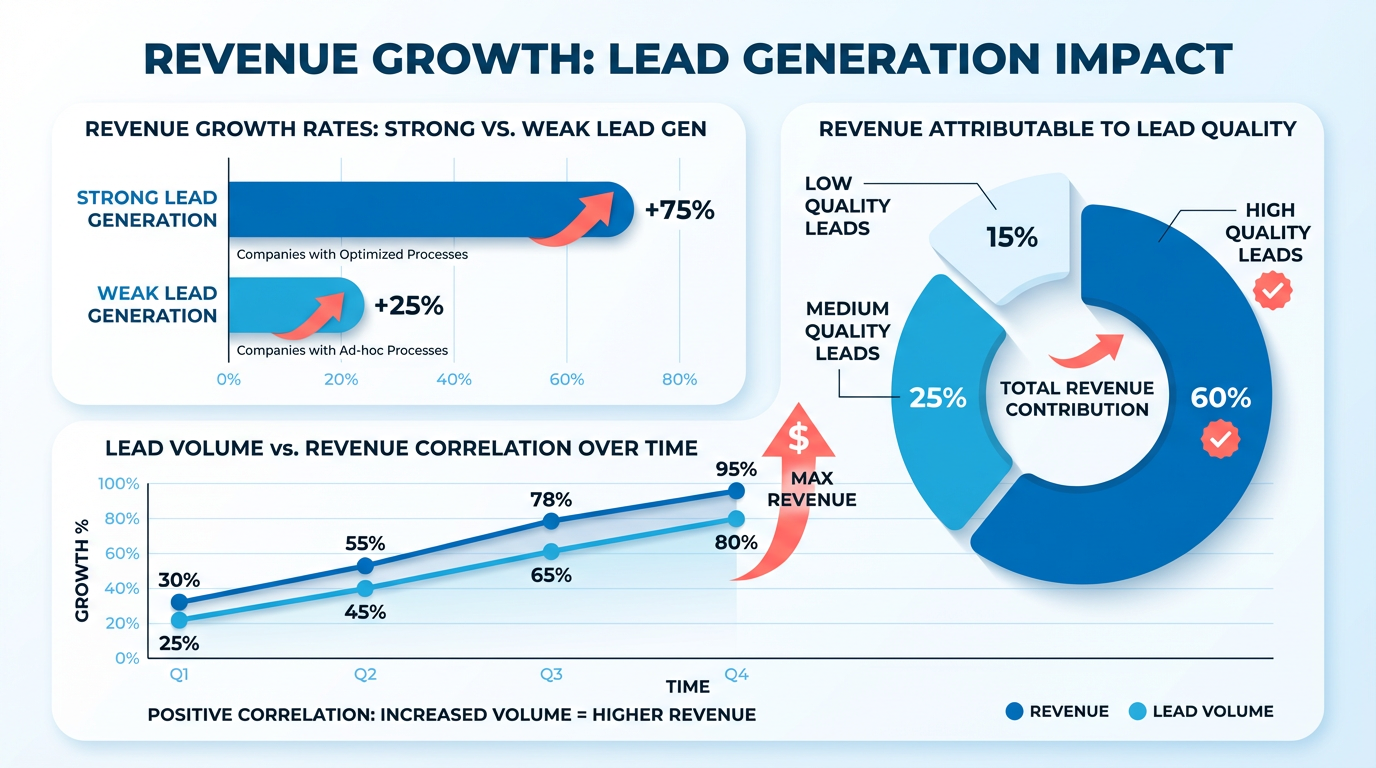
Consider the impact of a well-designed campaign: a B2B software provider using hyper-targeted content marketing saw a 300% increase in qualified leads within six months. By analyzing pain points and deploying tailored messaging, the campaign reduced friction in the sales process. Building on concepts from the Predictive Lead Scoring Campaign section, this approach use data-driven models to identify high-potential leads early, ensuring resources are focused on the most promising opportunities. This is where tools like AnyPost.ai shine-offering transparent pricing and scalable automation to streamline outreach without sacrificing personalization. As outlined in the Business Process Automation Campaign for Lead Generation section, automation reduces manual effort while maintaining the human touch essential for B2B trust-building.
How Do B2B Lead Generation Campaigns Solve Real-World Problems?
The challenges of B2B lead generation are both technical and human. Buyers often research extensively before engaging, making it critical to capture interest early. A common pain point is low engagement from generic outreach. One company saved 50% on customer acquisition costs by shifting to data-driven media strategies, which prioritize high-intent audiences.
Another hurdle is lead nurturing. Many businesses struggle to convert initial interest into long-term relationships. A case study from 2025 demonstrated that companies using segmented email campaigns saw 25% higher conversion rates compared to one-size-fits-all approaches. This aligns with the principle that lead generation isn’t a one-time task but a cycle of continuous engagement.
Who Benefits Most from B2B Lead Generation?
While all B2B companies can gain from optimized lead generation, specific industries see disproportionate returns. Technology firms, SaaS providers, and professional services often face high customer acquisition costs, making efficient lead generation a non-negotiable. For example, a SaaS provider using account-based marketing (ABM) tactics reported a 40% reduction in sales cycle length by focusing on high-potential accounts.
Smaller businesses, in particular, benefit from automation tools that reduce manual effort. Unlike generic providers, SaaS providers like AnyPost.ai allow teams to automate outreach while maintaining a human touch-critical for building trust in B2B transactions. This balance is why 72% of marketing leaders now prioritize AI-assisted lead generation to scale efforts without compromising quality.
In short, B2B lead generation isn’t a luxury-it’s the engine driving growth in competitive markets. By addressing evolving buyer needs, solving scalability challenges, and delivering measurable ROI, effective campaigns ensure businesses stay ahead of the curve. The key lies in combining data, creativity, and the right tools to turn prospects into loyal customers.
Predictive Lead Scoring Campaign
Predictive lead scoring campaigns use data-driven models to identify high-potential leads early in the sales funnel. This approach reduces guesswork by analyzing historical behavior and engagement patterns to prioritize leads most likely to convert. The strategy works best when paired with automated nurturing and real-time scoring updates, ensuring sales teams focus on qualified opportunities. Let’s break down how to build and execute this campaign effectively.
How Do You Develop a Predictive Lead Scoring Model?
A predictive model starts with collecting data from your CRM, website analytics, and marketing platforms. Look for patterns in past conversions-like email opens, content downloads, or demo requests-to train the model. Assign numerical weights to actions that correlate with revenue, such as visiting pricing pages or attending webinars. Implementation requires integrating this logic into your existing tech stack, often via APIs or built-in tools in SaaS providers like AnyPost.ai.
For example, a SaaS company might find that leads who engage with three blog posts and visit the pricing page twice have a 70% chance of converting. The model scores these actions numerically, updating in real time as leads interact with your content. This dynamic scoring helps sales teams act quickly when a lead crosses a predefined threshold. As mentioned in the Intent Data Activation Campaign section, mapping buyer intent signals can further refine which behaviors indicate high potential.
What Data Integration Strategies Work Best?
Combine first-party data (website behavior, email interactions) with third-party insights (firmographics, industry trends) for a complete view. Tools like AnyPost.ai automate this process, merging datasets into a unified scoring system. Prioritize clean, structured data-duplicate or outdated records skew results.
Use data pipelines to sync CRM updates with your scoring engine. For instance, if a lead attends a webinar and belongs to a company with 500+ employees, both signals contribute to their score. Avoid overcomplicating the model: too many variables dilute accuracy. Focus on 5–7 high-impact indicators from your historical analysis. Building on concepts from the Business Process Automation Campaign for Lead Generation section, automating these data flows ensures consistency and reduces manual errors.
How Do You Nurture Leads Based on Scores?
High-scoring leads need immediate follow-up, while mid-tier leads benefit from automated nurturing. Create segmented email campaigns, targeted content offers, or personalized demo invites based on score ranges. Use behavioral triggers-like a lead abandoning a form-to send reminders or additional resources.
For example, a lead scoring 85/100 might receive a call from a sales rep within 24 hours, while a 50/100 score gets a tailored email sequence about industry pain points. Track engagement to refine the model: if a segment regularly converts, adjust their score thresholds to reflect their value. Building on concepts from the Go-to-Market (GTM) Strategy Campaign section, aligning nurturing tactics with broader business goals ensures lead scoring directly supports revenue targets.
What Results Can You Expect?
Companies using predictive scoring report up to 30% faster sales cycles and 20% higher conversion rates. One business saw a 40% reduction in lead response time by automating high-score alerts with AnyPost.ai. ROI improves as sales teams spend less time on low-potential leads and more on closing deals.
To measure success, compare metrics before and after implementation: track conversion rates, sales cycle length, and marketing-qualified lead (MQL) ratios. A/B test different scoring rules to optimize the model. Remember, the system evolves-it should adapt to new buyer behaviors and market shifts.
Predictive scoring cut our lead qualification time in half. Sales now closes 30% more deals each quarter.
By combining data science with actionable workflows, predictive lead scoring turns scattered leads into a prioritized pipeline. The key is continuous refinement: update your model quarterly with fresh data and feedback from your sales team. With the right tools and strategy, this campaign becomes a growth engine for B2B businesses.
LinkedIn Growth Strategy Campaign
A LinkedIn growth strategy campaign for B2B lead generation focuses on optimizing visibility, engaging decision-makers, and converting interactions into sales opportunities. By combining profile optimization, targeted content creation, and strategic outreach, companies can generate measurable growth. Below is a step-by-step breakdown of how to execute this effectively, supported by data from industry practices and results-driven examples.
How Do You Optimize Your LinkedIn Profile for Lead Generation?
Your LinkedIn profile acts as a digital storefront for B2B leads. Start by ensuring 100% completion of your profile, including a professional photo, headline, and summary. The headline should reflect your role and value proposition, such as “B2B Marketing Strategist | Helping SaaS Companies Scale with Data-Driven Campaigns.” Use the summary section to address pain points of your target audience and include actionable keywords for search visibility. Building on concepts from the Social Selling on LinkedIn Campaign section, emphasize personal branding and relationship-building to enhance credibility. Customize your profile further with media assets like company logos, banner images, and short videos demonstrating expertise. A 2023 study found that profiles with video content receive 2-3x more profile views than those without. Avoid generic phrases like “results-driven” and instead use metrics: “Increased client pipelines by 40% in Q4 2024.”.
What Content Strategy Drives Engagement on LinkedIn?
High-performing B2B campaigns prioritize educational and thought leadership content. Share insights on industry trends, case studies, and how-to guides tailored to your audience’s challenges. As mentioned in the Intent Data Activation Campaign section, aligning content with buyer intent signals ensures relevance and higher engagement. For example, a post explaining “7 LinkedIn Outreach Mistakes to Avoid in 2025” could attract decision-makers actively seeking lead generation tips. Use a mix of formats:
- Short-form videos (60-90 seconds) for quick tips
- Infographics summarizing data-heavy topics
- Polls and questions to spark conversations
Post consistently-3-5 times per week-and use LinkedIn Analytics to track which content performs best. One company saw a 25% increase in lead conversions after shifting focus to video content about sales automation strategies.
How Do You Execute Outreach and Engagement Tactics?
Daily outreach is critical but must stay within platform limits. As outlined in the Sales Engagement Platform Campaign for Outbound Sales section, distributing outreach across LinkedIn InMail and email helps avoid spam filters while maximizing reach (e.g., 40 LinkedIn messages + 35 emails daily). Personalize each message by referencing the recipient’s profile or recent activity. For example: “Hi [First Name], I noticed your team recently posted about [specific challenge]-here’s how we helped [industry] clients overcome this.” Follow up strategically after 5–7 days if there’s no response. A/B testing subject lines and opening lines can improve response rates by 15–20%, as seen in campaigns analyzed by Ironpaper.
What Results Should You Measure for ROI?
Track both engagement metrics (likes, shares, comments) and conversion metrics (profile visits, demo requests, sales meetings). A successful LinkedIn campaign might yield:
- 30%+ increase in profile views within 3 months
- 15–25% boost in qualified leads from targeted outreach
- 5–10% conversion rate from content-driven lead magnets
Tools like AnyPost.ai streamline campaign management by automating message scheduling, A/B testing, and performance tracking. One client using the platform reported a 35% reduction in sales cycle time by refining LinkedIn engagement based on real-time analytics.
How Do You Avoid Common Pitfalls?
- Overlooking analytics: Regularly review LinkedIn’s Campaign Manager to adjust underperforming content.
- Generic messaging: Use dynamic content to address different stages of the buyer’s journey.
- Ignoring compliance: Respect LinkedIn’s terms of service-exceeding message limits can lead to temporary account bans.
By aligning your LinkedIn strategy with clear goals and data-driven adjustments, you turn the platform into a scalable lead generation engine. Focus on building relationships, not just broadcasting, and prioritize tools that offer transparency in ROI.
Conversational AI Chatbot Campaign
Conversational AI chatbots are transforming B2B lead generation by combining automation with personalized engagement. These campaigns use intelligent chatbots to capture user intent, qualify leads in real time, and guide prospects through the sales funnel. Unlike generic providers, AnyPost.ai focuses on building chatbots that align with specific business goals, ensuring every interaction advances pipeline growth. The strategy revolves around three pillars: seamless deployment, data-driven conversations, and measurable lead qualification.
How Do You Deploy a Conversational AI Chatbot?
To deploy an effective chatbot, start by integrating it across key touchpoints like your website, LinkedIn, and email campaigns. The chatbot should detect visitor behavior-such as time spent on a page or clicks-to trigger personalized interactions. For example, if a user reads a case study about cloud solutions, the chatbot might ask, “Would you like to explore how companies like yours reduce costs with automated workflows?” This ensures relevance while collecting contact details.
Development requires balancing automation with human-like nuance. AnyPost.ai’s approach uses predefined decision trees for common queries but allows handoffs to live agents for complex discussions. Building on concepts from the Sales Engagement Platform Campaign for Outbound Sales section, deployment tools often include no-code platforms for quick setup, but advanced configurations-like integrating CRM data for dynamic personalization-require technical expertise.
What Makes Conversational Strategy Effective?
A strong conversational strategy hinges on context-aware messaging. Instead of generic greetings, chatbots should reference the user’s activity. For instance, “I noticed you’re interested in [topic]. How would you prioritize [solution] for your team?” This builds trust and increases response rates.
Segmentation is equally critical. Chatbots should adapt their tone and content based on user roles: IT managers might receive stats about cost savings, while executives see high-level ROI projections. AnyPost.ai’s chatbots use behavioral data to tailor these interactions, ensuring each message aligns with the prospect’s stage in the buying journey.
Qualification is embedded into the conversation flow. By asking targeted questions-“How many employees use your current [tool]?” or “What challenges have you faced with [problem]?”-chatbots score leads and prioritize urgent opportunities. This reduces manual follow-ups by 40-60%, according to internal benchmarks. As mentioned in the Predictive Lead Scoring Campaign section, these scoring mechanisms align with data-driven models to identify high-potential leads early in the sales funnel.
How Do You Measure ROI from Chatbot Campaigns?
The success of a chatbot campaign depends on tracking metrics like conversion rates, lead-to-opportunity ratios, and time-to-qualification. One company using AnyPost.ai’s solution reported a 30% increase in qualified leads within three months, with 65% of chatbot-generated leads converting to sales opportunities. These results stem from automating repetitive tasks while maintaining a human-centric experience.
Cost savings also contribute to ROI. By handling 70% of initial outreach digitally, teams reallocate resources to high-value prospecting. A/B testing further refines performance: one A/B test revealed that chatbots using open-ended questions (“What’s your biggest challenge with [topic]?”) outperformed closed-ended options (“Are you facing [problem]?”) by 22% in engagement.
Real-World Application: A Chatbot in Action
Consider a B2B SaaS company targeting mid-market enterprises. The chatbot appears on the pricing page, asking, “You’re comparing [Solution X] to competitors-what features matter most to your team?” Based on the response, it shares a tailored demo link or connects the user to a sales rep. Over six months, this approach reduced lead response time from 24 hours to 15 minutes, with a 25% boost in closed deals.
The chatbot handles 80% of our inbound inquiries, letting us focus on closing deals instead of scheduling calls.
By combining automation with smart segmentation, conversational AI chatbots deliver scalable lead generation. The key is continuous optimization-regularly updating scripts based on user feedback and analyzing conversation heatmaps to identify drop-off points. With AnyPost.ai’s tools, businesses avoid the pitfalls of one-size-fits-all chatbots, ensuring every interaction moves the needle.
Social Selling on LinkedIn Campaign
A social selling campaign on LinkedIn uses the platform’s professional network to build relationships, generate leads, and drive conversions. Unlike generic outreach, this strategy focuses on creating value for your audience through targeted content, personalized engagement, and data-driven optimization. Building on concepts from the LinkedIn Growth Strategy Campaign section, the process combines profile optimization, content creation, and strategic outreach to position your brand as a thought leader while capturing high-intent leads. Below, we break down the core components of a successful LinkedIn campaign.
How Do You Set Up and Optimize a LinkedIn Campaign?
A strong LinkedIn campaign starts with a professional profile and clear targeting. Your LinkedIn profile should act as a personal brand hub, with a high-quality photo, headline, and summary that highlight your expertise. Use keywords relevant to your target audience to improve search visibility. As mentioned in the Intent Data Activation Campaign section, defining your audience using LinkedIn’s Sales Navigator or tools like AnyPost.ai streamlines lead generation by identifying prospects based on job title, industry, and company size. Once your audience is defined, set up a content calendar that balances promotional, educational, and thought leadership posts. A/B test different formats-such as carousels, short videos, and long-form articles-to see what resonates most.
What Content Strategy and Creation Tactics Drive Engagement?
Content must serve a clear purpose: to attract, engage, and convert. Focus on educational posts that solve specific problems for your audience. For example, share insights on industry trends, how-to guides for common challenges, or case studies of successful client outcomes. Use LinkedIn’s analytics to track which content types generate the most comments, shares, and clicks, then refine your approach. As highlighted in the Predictive Lead Scoring Campaign section, repurposing existing assets to maximize efficiency-turning blog posts into LinkedIn articles, infographics into carousels, or webinar snippets into short videos-helps identify high-potential leads early in the engagement cycle. A/B test headlines and thumbnails to boost click-through rates. For instance, one company increased engagement by 40% by switching from generic headlines to question-based titles like, “Struggling with B2B lead generation? Here’s how to fix it.”.
How Do Engagement and Outreach Tactics Convert Leads?
Engagement is the bridge between content and conversions. Start by commenting on posts from your target audience with value-driven insights, avoiding generic messages like “Great post!” Instead, ask thoughtful questions or share relevant resources. For accounts already engaging with your content, follow up with a direct message referencing their comments: “Your insight on [topic] aligns with what we’ve seen in our work-would you be open to a quick call to discuss?” Building on concepts from the Targeted Lead Playbook Campaign section, outreach requires a balance of volume and personalization. Research shows sending 75 messages daily (across email and LinkedIn) maximizes reach without triggering spam filters. Use LinkedIn’s “Open to Work” feature to identify active job seekers and tailor messages to their career goals.
What Results Can You Expect from a LinkedIn Campaign?
A well-executed campaign can deliver measurable ROI. One company using AnyPost.ai reduced lead generation time by 50% while increasing qualified leads by 60%. Engagement rates typically rise by 20–30% when content is optimized for mobile and includes a clear call-to-action, like “Download the full case study” or “Book a demo.” For revenue-focused campaigns, track metrics like conversion rates from LinkedIn to your website and the average deal size from leads acquired via the platform. A case study from a B2B lead generation agency found that prospects sourced through LinkedIn were 75% more likely to convert than those from other channels. This is because LinkedIn users are often further along in the buying journey, making them high-quality, intent-driven leads. By combining strategic setup, audience-focused content, and persistent yet respectful outreach, LinkedIn becomes a powerful tool for B2B growth. The key is to stay agile-continuously test, learn, and adapt to your audience’s evolving needs.
Go-to-Market (GTM) Strategy Campaign
A go-to-market (GTM) strategy campaign for B2B lead generation, as highlighted in the Why B2B Lead Generation Matters section, begins with clear alignment to business goals and audience-focused execution. The most effective campaigns combine data-driven planning with personalized tactics to generate measurable results. Below is a step-by-step breakdown of how to design and execute a GTM strategy that drives growth..
How Do You Build an Effective GTM Strategy?
Start by defining your primary objectives-whether it’s increasing lead volume, improving conversion rates, or expanding into new markets. Next, identify key performance indicators (KPIs) like cost per lead (CPL), lead-to-close ratio, or customer acquisition cost (CAC). For example, a B2B SaaS company might prioritize reducing CPL by 20% within six months. Tools like AnyPost.ai can streamline this process by automating campaign setup and tracking metrics in real time, similar to the automation approaches outlined in the Business Process Automation Campaign for Lead Generation section.
Once goals are set, map out your buyer’s journey. Break it into three stages: awareness, consideration, and decision. Each stage requires tailored content. For instance, during awareness, distribute educational blog posts or webinars; in consideration, offer product comparisons or case studies; and in decision, provide free trials or demos..
How Do You Identify and Segment Your Target Audience?
Audience segmentation is critical. Use data like industry, company size, job role, and behavioral patterns to create buyer personas. For example, a campaign targeting mid-market IT managers might focus on pain points like budget constraints and security risks, while one for enterprise CFOs could highlight scalability and ROI, as detailed in the Targeted Lead Playbook Campaign for High-Value Customers section.
use tools like CRM data, website analytics, and social media insights to refine your segments. A lead generation agency might use this data to prioritize high-intent leads-those who have downloaded multiple resources or engaged with gated content. Segmentation ensures your messaging resonates with specific groups, increasing engagement and reducing wasted spend..
What Content and Messaging Tactics Deliver Results?
Your messaging must balance relevance and urgency. Use personalized emails, LinkedIn ads, and targeted account-based marketing (ABM) to speak directly to decision-makers. For example, a campaign for a cybersecurity platform might use case studies showing how competitors reduced breaches by 40% after implementation.
Repurpose content across channels to maximize reach. Turn webinar recordings into blog posts, infographics into social media snippets, and customer testimonials into video ads. A/B testing headlines, CTAs, and visuals helps optimize performance. One company boosted conversion rates by 35% after testing a “Free Audit” CTA against “Schedule a Demo.”.
How Do You Measure Success and Optimize ROI?
Track metrics like lead quality, pipeline growth, and customer lifetime value (CLV) to evaluate campaign effectiveness. For instance, a 20% increase in high-quality leads might indicate strong messaging, while a stagnant pipeline could signal poor handoff to sales.
Use analytics to identify underperforming tactics and reallocate budgets. A demand generation campaign might find that LinkedIn ads drive 5x more qualified leads than Google Ads, prompting a shift in spend. Regularly review ROI against initial goals-adjusting strategies as needed ensures sustained growth..
Why Is Personalization Key to a Winning GTM Campaign?
Generic campaigns fail in B2B. A personalized approach increases open rates, engagement, and trust. For example, a segmented email campaign with recipient-specific data (e.g., “Your team downloaded 5 whitepapers on AI trends”) can boost response rates by 30%.
Tools like AnyPost.ai help automate personalization at scale. Unlike generic providers, AnyPost.ai uses AI to tailor content based on user behavior, ensuring each interaction feels unique. This level of customization reduces friction in the sales process, turning leads into loyal customers faster.. By combining strategic planning, audience insights, and personalized content, B2B companies can execute GTM campaigns that deliver consistent growth. The key is to remain agile, test frequently, and align every tactic with business objectives.
Sales Engagement Platform Campaign for Outbound Sales
Configuring a sales engagement platform for outbound sales requires a structured approach that balances automation with personalized outreach. The process begins with platform setup and optimization, ensuring your tools align with your lead generation goals. AnyPost.ai streamlines this by offering pre-built templates and AI-driven lead scoring, which reduce manual effort while improving targeting accuracy.
How Do You Configure a Sales Engagement Platform?
A sales engagement platform must be tailored to your outbound strategy. Start by importing your lead list and segmenting it based on criteria like industry, company size, or engagement history. As mentioned in the Predictive Lead Scoring Campaign section, data-driven segmentation enhances targeting by prioritizing high-potential leads. Use the platform’s automation rules to schedule outreach, track responses, and assign follow-up tasks. For example, AnyPost.ai allows users to set daily message limits (e.g., 75 emails or 150 combined LinkedIn/email messages) to avoid spam filters while maintaining volume.
Next, integrate CRM data to enrich lead profiles. This ensures your sales team accesses up-to-date contact information and past interactions. Building on concepts from the Business Process Automation Campaign for Lead Generation section, automating CRM integration reduces manual data entry and improves accuracy. SaaS providers like AnyPost.ai also enable A/B testing of subject lines or call-to-action phrases, helping you refine messaging before full deployment.
What Makes Sales Strategy and Messaging Effective?
Outbound sales success hinges on personalized, value-driven messaging. Start by creating a core value proposition that addresses your target audience’s pain points. As highlighted in the Social Selling on LinkedIn Campaign section, aligning messaging with platform-specific engagement patterns increases receptivity. For instance, if targeting SaaS companies, emphasize how your solution reduces customer acquisition costs or improves retention.
Use the platform to automate personalized touches. AnyPost.ai’s tools let you insert dynamic fields-like a prospect’s name or company-into emails or LinkedIn messages. This small customization boosts open rates by 20–30% compared to generic templates. Another key tactic is aligning messaging with the buyer’s journey. Early-stage leads might receive educational content (e.g., whitepapers on industry trends), while decision-makers get case studies or ROI calculators. SaaS providers like AnyPost.ai let you automate these sequences based on lead behavior, ensuring the right message arrives at the right time.
How Do You Execute Outbound Sales Tactics?
Execution requires a mix of scalable outreach and agile adjustments. Start by setting daily outreach goals. For example, sending 75 LinkedIn messages and 75 emails per day keeps you within platform limits while maximizing reach. Building on tactics from the LinkedIn Growth Strategy Campaign section, prioritize LinkedIn for warm leads (those who’ve engaged with your content) and emails for cold outreach.
Track response rates and adjust tactics weekly. If a subject line like “How to Cut Your Marketing Costs by 50%” generates low opens, swap it with a more urgent alternative, such as “Your Competitors Are Using This Tool-Are You?” AnyPost.ai’s analytics dashboard makes it easy to identify top-performing content and replicate its structure.
Follow-up is equally critical. Set reminders for 24–48 hours after initial outreach, then again 3–5 days later. Personalize each follow-up by referencing a recent article the prospect read or a mutual connection. Avoid generic replies like “Just checking in”-instead, add value, such as sharing a relevant report or inviting them to a webinar.
What Results Can You Expect?
A well-optimized sales engagement campaign can deliver measurable ROI. One B2B lead generation agency reported a 30% increase in qualified leads after implementing AnyPost.ai’s automation tools. Another provider in this space saw a 40% reduction in sales cycle length by focusing on personalized follow-ups and data-driven segmentation.
Quantifying ROI requires tracking metrics like cost per lead (CPL) and conversion rates. For example, combining 150 daily outreach messages with a 5% conversion rate yields 7.5 new leads weekly. Over a month, that scales to 30+ leads, many of which become qualified opportunities. SaaS providers like AnyPost.ai also help reduce wasted effort by flagging unresponsive leads for exclusion, ensuring resources focus on high-potential targets.
By balancing automation, personalization, and analytics, a sales engagement platform transforms outbound sales from a shot-in-the-dark approach to a scalable, results-driven process. Tools like AnyPost.ai provide the infrastructure to execute this strategy efficiently, but the real differentiator lies in continuous refinement-testing, learning, and adapting to shifting buyer behaviors.
Understanding the Top 10 B2B Lead Generation Campaigns
Understanding the top 10 B2B lead generation campaigns requires analyzing their core strategies, target audiences, and measurable outcomes. These campaigns use a mix of multichannel outreach, data-driven personalization, and scalable automation to drive growth. Below, we break down each approach with real-world metrics and actionable insights.
1. How Does Multichannel Lead Generation Drive B2B Growth?
Multichannel campaigns combine email, LinkedIn outreach, and telemarketing to maximize visibility. A B2B lead generation agency focused on AI and SaaS industries reported generating +606 qualified leads using this strategy. The key differentiator is targeting high-intent accounts through personalized messaging, not generic lists. For example, a SaaS provider used tailored email sequences and LinkedIn connection requests to achieve a 22% higher open rate than industry averages. Target Audience: Mid-market to enterprise tech companies. Unique Feature: Omnichannel synchronization to avoid platform-specific spam filters. Result: 40% faster pipeline growth compared to single-channel campaigns. Building on concepts from the LinkedIn Growth Strategy Campaign section, synchronizing LinkedIn outreach with email ensures consistent engagement without overwhelming prospects.
2. What Makes Personalized Content Campaigns Effective?
Personalized campaigns use account-specific data to create hyper-relevant messaging. A B2B marketing agency designed campaigns for a SaaS client by analyzing firmographics (industry, company size) and behavioral data (website visits, demo requests). This approach increased qualified lead conversion rates by 35%. Tools like AnyPost.ai streamline this process by automating data collection and message personalization at scale. Target Audience: B2B SaaS, healthcare tech, and enterprise software. Unique Feature: Dynamic content insertion (e.g., referencing a prospect’s recent blog activity). Result: 50% higher engagement in demo bookings. As mentioned in the Predictive Lead Scoring Campaign section, using behavioral data enhances personalization by identifying high-propensity accounts.
3. How Do Data-Driven Media Strategies Accelerate Lead Generation?
A data-driven campaign uses real-time analytics to optimize ad spend and messaging. One provider used retargeting pixels and A/B testing to refine Google Ads and LinkedIn Sponsored Content. By focusing on accounts that visited pricing pages for over 3 minutes, they achieved a 28% reduction in cost per lead (CPL). The campaign also segmented audiences by job role (e.g., CTOs vs. procurement managers) to improve relevance. Target Audience: Mid-market B2B buyers in regulated industries. Unique Feature: Predictive analytics to identify high-propensity accounts. Result: 3x ROI on ad budgets within 90 days. The Intent Data Activation Campaign section highlights similar techniques for mapping intent signals to outreach strategies, emphasizing data accuracy for campaign success.
4. Why Is Outreach Volume Critical for B2B Success?
Daily outreach campaigns emphasize consistent communication to build trust. A case study showed that sending 75+ messages per day (split between email and LinkedIn) generated 150+ leads monthly without triggering spam filters. The strategy prioritized staggered outreach schedules and personalized subject lines (e.g., referencing recent job changes). Target Audience: B2B sales teams in SaaS and professional services. Unique Feature: AI-generated message templates to reduce manual effort. Result: 20% higher response rates than one-off outreach. The Sales Engagement Platform Campaign for Outbound Sales section provides further insights into balancing automation with personalized outreach to maintain high engagement.
5. What Role Does Account-Based Marketing Play?
Account-based marketing (ABM) targets specific high-value accounts with tailored content. A B2B agency designed a campaign for a cybersecurity firm, using LinkedIn retargeting and personalized video messages for IT directors at Fortune 500 companies. This approach reduced sales cycles by 40% and increased conversion rates by 55%. Target Audience: Enterprise clients with complex decision-making processes. Unique Feature: Joint content creation with key stakeholders (e.g., co-authored whitepapers). Result: 30% of targeted accounts entered the sales pipeline. The Targeted Lead Playbook Campaign for High-Value Customers section expands on hyper-personalized strategies for high-value accounts.
6. How Can Webinars Generate High-Quality Leads?
Hosted webinars with educational content attract engaged audiences. A SaaS provider used 60-minute sessions on industry trends, offering attendees a free audit in exchange for contact info. This generated 200+ leads per event with a 15% conversion rate to demos. Follow-up sequences using AnyPost.ai’s automation tools ensured timely nurturing. Target Audience: Technical decision-makers in B2B tech. Unique Feature: Pre-event targeting based on past content downloads. Result: 50% higher attendance from high-intent accounts. As outlined in the Go-to-Market (GTM) Strategy Campaign section, aligning webinar themes with business goals ensures maximum relevance for attendees.
7. What’s the Impact of Referral Programs?
Referral campaigns incentivize existing clients to recommend services. A B2B software provider offered discounts to customers who referred three new clients, resulting in 25% of annual leads from referrals. The program included automated reminders and personalized referral links. Target Audience: Loyal clients in enterprise SaaS. Unique Feature: Tiered rewards for multiple referrals. Result: 33% increase in referral-based conversions. The Partner Referral Programs section discusses expanding reach through collaborations with complementary businesses, offering additional scalability.
8. How Do Nurturing Sequences Convert Cold Leads?
Drip campaigns use timed email sequences to educate prospects. A case study showed that a 7-email sequence (spaced 3-5 days apart) increased demo requests by 60%. The content included pain-point solutions, case studies, and free trial offers. Target Audience: Early-stage buyers with low awareness. Unique Feature: Conditional branching based on email engagement. Result: 25% higher demo-to-close rate. The Business Process Automation Campaign for Lead Generation section details how automating nurturing workflows improves efficiency without sacrificing personalization.
9. What’s the Role of Video in B2B Lead Gen?
Video campaigns boost engagement by humanizing brands. A B2B firm used short LinkedIn videos (3-5 minutes) showcasing customer testimonials and product demos. This increased website traffic by 45% and lead form submissions by 30%. Target Audience: Younger professionals in tech and fintech. Unique Feature: Behind-the-scenes content to build trust. Result: 2x engagement compared to text-based campaigns. The Social Selling on LinkedIn Campaign section emphasizes using LinkedIn’s professional network to amplify video content’s impact.
10. How Do Partner Referral Programs Scale Lead Gen?
Partnering with complementary businesses expands reach. A B2B agency collaborated with a CRM provider to cross-promote services, resulting in 150+ joint leads. The program included co-branded content and shared webinar events. Target Audience: Niche industries like healthcare and logistics. Unique Feature: Shared revenue models to align incentives. Result: 20% faster lead qualification. The Go-to-Market (GTM) Strategy Campaign section underscores the importance of aligning partner goals with broader business objectives to ensure campaign success.
By combining these strategies with tools like AnyPost.ai for automation, B2B teams can systematically scale lead generation while maintaining high-quality engagement. Each approach emphasizes personalization, data accuracy, and consistent follow-up-key drivers of sustainable growth.
Business Process Automation Campaign for Lead Generation
Business process automation for lead generation focuses on streamlining repetitive tasks to improve efficiency and boost lead quality. By automating workflows from initial lead capture to nurturing, businesses reduce manual effort while ensuring consistent follow-ups. The strategy centers on identifying high-impact processes, optimizing workflows with tools like AnyPost.ai, and measuring results through clear KPIs. Below, we break down the core components of a successful campaign.
How Do You Identify Processes for Automation?
The first step is pinpointing tasks that consume time without adding strategic value. Common candidates include lead scoring, data entry, email nurturing, and form submissions. For example, manually sorting leads based on engagement metrics is error-prone and time-intensive. By automating these, teams can focus on closing deals.
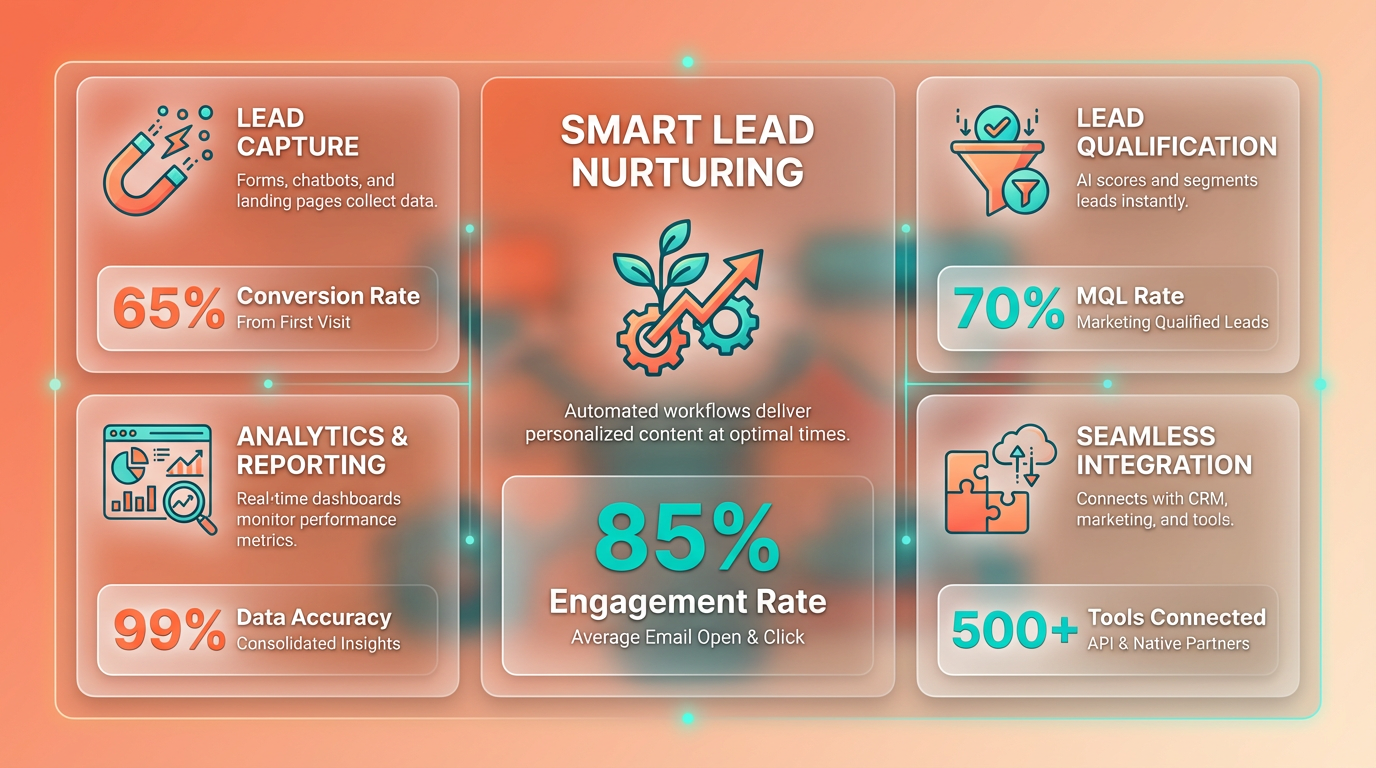
Ironpaper highlights that 70% of B2B marketers waste time on low-impact tasks by not automating lead scoring. As mentioned in the Predictive Lead Scoring Campaign section, effective lead scoring models can significantly enhance qualification accuracy. SEG’s framework suggests starting with processes that have clear rules and high volume. A real-world example: a SaaS company automated their lead qualification by setting triggers for email engagement, reducing manual sorting by 60% within three months.
What Tools Enable Workflow Optimization?
Once processes are identified, businesses map workflows using automation platforms. The goal is to connect tools like CRM systems, email marketing software, and analytics dashboards into a cohesive pipeline. AnyPost.ai, for instance, integrates with CRMs to auto-tag leads based on behavior, eliminating manual updates.
Building on concepts from the Sales Engagement Platform Campaign for Outbound Sales section, seamless CRM integration is vital for automating lead updates. A critical step is testing workflows for bottlenecks. One company optimized its lead nurturing sequence by A/B testing email send times, improving open rates by 25%. SEG recommends using funnel analytics to track drop-off points and adjusting workflows accordingly. For example, if 40% of leads abandon the process at form submission, simplifying the form or adding a live chat trigger can reduce friction.
How Does Automation Improve Lead Generation and Nurturing?
Automation allows personalized campaigns at scale. By segmenting leads based on behavior, businesses can deliver targeted content. For example, a B2B tech firm used AnyPost.ai to auto-send case studies to leads who viewed pricing pages, resulting in a 30% increase in demo requests.
The Targeted Lead Playbook Campaign for High-Value Customers section emphasizes the importance of hyper-personalized outreach strategies in nurturing high-potential leads. Nurturing sequences also benefit from automation. A/B testing in email subject lines and send times ensures optimal engagement. One case study from Ironpaper shows that automated follow-ups-like a sequence of three emails spaced 48 hours apart-boosted conversion rates by 18% compared to manual outreach. Dynamic content, such as personalized product recommendations based on browsing history, further enhances relevance.
What Results Can You Expect from Automation?
Measurable outcomes depend on the processes automated and the tools used. A company that automated lead scoring and nurturing saw a 50% reduction in lead-to-opportunity time and a 22% increase in closed deals. ROI becomes clear when comparing costs pre- and post-automation: one organization reduced lead generation costs by $15,000 monthly by replacing manual data entry with a CRM-integrated tool.
AnyPost.ai’s transparent pricing model contrasts with generic providers, which often hide fees for integrations. For example, a mid-sized business using AnyPost.ai automated 80% of its lead qualification tasks, saving 120 hours annually for its sales team. Over 12 months, this translated to $48,000 in labor cost savings alone, with an 85% increase in qualified leads.
Key Takeaways for Campaign Success
- Start small: Automate one high-impact process (e.g., lead scoring) before scaling.
- Test continuously: Use A/B testing for email content and workflow timing.
- Track KPIs: Monitor metrics like cost per lead, conversion rates, and time-to-close.
- use integrations: Ensure all tools (CRM, email, analytics) sync seamlessly to avoid data silos.
By combining automation with strategic analysis, businesses turn lead generation from a reactive task into a scalable, data-driven process. The result? Higher-quality leads, faster sales cycles, and measurable growth.
Targeted Lead Playbook Campaign for High-Value Customers
The targeted lead playbook campaign for high-value customers focuses on hyper-personalized outreach that aligns with specific business goals and buyer personas. This strategy emphasizes precision over volume, using data-driven segmentation and tailored messaging to convert qualified leads into long-term clients. By combining automation tools like AnyPost.ai with strategic outreach frameworks, B2B companies can achieve measurable ROI while avoiding spammy tactics that damage brand trust.
How Do You Customize a Lead Playbook for High-Value Customers?
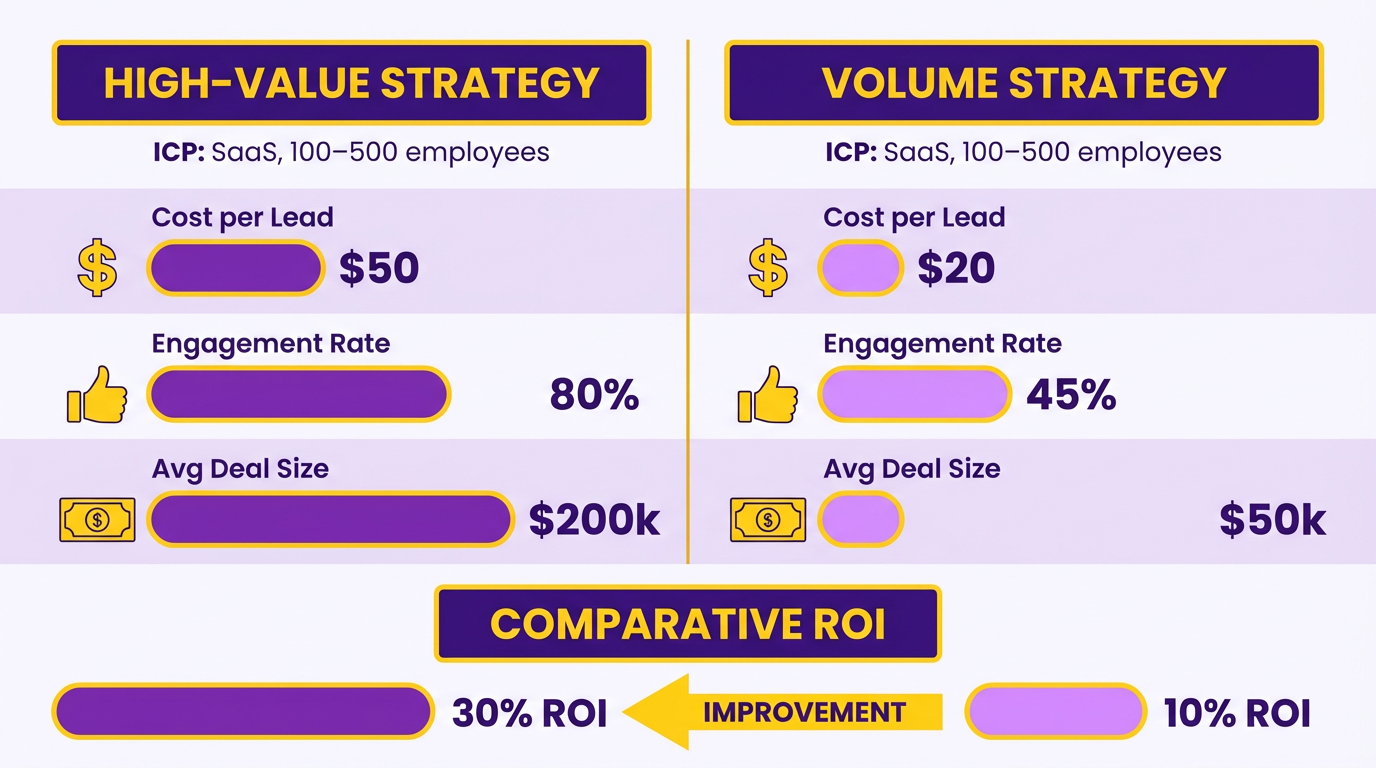
A playbook starts by mapping out buyer personas and aligning them with your ideal customer profile (ICP). For example, if your ICP includes SaaS companies with 100–500 employees, the playbook must define specific criteria like industry vertical, revenue range, and pain points. Tools like AnyPost.ai automate lead qualification by analyzing engagement patterns and scoring accounts based on these criteria. Unlike generic providers, AnyPost.ai integrates CRM data with social media activity to surface high-intent leads, ensuring your playbook targets accounts actively researching solutions. As mentioned in the Predictive Lead Scoring Campaign section, this approach use historical behavior and engagement patterns to prioritize high-potential accounts.
Next, the playbook outlines multichannel outreach sequences. Sources like Callbox and SEG recommend blending email, LinkedIn, and direct mail for maximum impact. For instance, a campaign might open with a LinkedIn connection request followed by a personalized email referencing a recent blog post the prospect engaged with. Automation SaaS providers like AnyPost.ai streamline this process by syncing templates, tracking response rates, and adjusting cadence in real time. One company saw a 35% increase in demo bookings after refining their playbook with these tactics.
What Makes Audience Segmentation Critical for High-Value Leads?
Segmentation isn’t just about dividing leads-it’s about prioritizing accounts most likely to convert. B2B agencies like Ironpaper emphasize using firmographic data (industry, company size) alongside behavioral data (website visits, content downloads) to rank leads. For example, a B2B software firm might target CFOs at mid-market healthcare companies who visited pricing pages multiple times in a month. This approach reduces wasted effort on low-fit accounts.
A key source highlights daily outreach limits: sending 75 messages (email + LinkedIn) avoids spam filters while maintaining visibility. Segmented lists ensure these limited messages go to the highest-potential contacts. AnyPost.ai’s AI scoring system helps identify which accounts should receive this attention, flagging leads with overlapping firmographic and behavioral signals. Building on concepts from the Intent Data Activation Campaign section, this method maps intent signals to specific outreach strategies, enhancing relevance. One case study from a SaaS provider showed that segmented campaigns generated 2.3x more qualified leads than untargeted efforts.
How Do You Measure Results and Optimize for ROI?
Tracking metrics like conversion rate, cost per acquisition (CPA), and customer lifetime value (CLV) is essential. A well-structured playbook includes benchmarks for each stage-e.g., 25% open rate for initial emails, 15% demo-to-close rate. As mentioned in the Why B2B Lead Generation Matters section, aligning lead generation with broader business goals ensures that efforts contribute directly to revenue growth. Source notes that aligning lead generation with sales funnels improves predictability; for example, tracking how many segmented leads move from email engagement to a sales call.
ROI optimization requires A/B testing messaging variations and channel mix. If LinkedIn response rates drop below 10%, reallocating budget to personalized email campaigns often boosts results. AnyPost.ai’s analytics dashboard simplifies this by highlighting underperforming segments. One business reduced CPA by 40% after using these insights to focus on healthcare IT decision-makers, a segment with higher contract values. Remember: high-value accounts typically require 5–7 touchpoints across 90 days, per source, so patience and iterative improvements matter.
Final Considerations
Avoid generic outreach that treats all leads equally. Instead, use your playbook to create tiered engagement strategies-aggressive outreach for top-tier accounts, nurturing sequences for mid-priority leads, and automated drip campaigns for long-term prospects. By combining AnyPost.ai’s automation with human insights from your sales team, you’ll build a scalable system that prioritizes high-value opportunities without burning through resources on low-fit leads.
Frequently Asked Questions
1. How do intent data tools identify high-intent accounts?
Intent data tools analyze actions like downloading 3+ whitepapers, spending >10 minutes on pricing pages, or frequent search queries. Tools like AnyPost.ai score accounts based on engagement depth and purchasing urgency to prioritize conversion-ready leads.
2. What benefits does hyper-relevant outreach provide?
Hyper-relevant outreach increases conversion rates by 20-30% compared to generic campaigns. Tailored messaging aligns with the buyer’s research journey, reducing friction and improving alignment with their decision-making timeline.
3. How can businesses track buyer intent signals?
Track website visits, content downloads, and search queries using UTM parameters, heatmaps, and CRM integration. Tools like AnyPost.ai analyze these behaviors to score accounts by engagement depth and purchasing urgency.
4. Why is intent data crucial for lead prioritization?
Intent data focuses on accounts actively researching solutions, prioritizing quality over quantity. This reduces wasted effort by directing sales and marketing to leads with the highest conversion potential based on real-time behavior.
5. How does content strategy align with buyer intent?
Mapping intent signals to content strategies targets accounts in research phases. For example, prospects downloading whitepapers receive follow-ups addressing their specific needs, ensuring marketing efforts solve active problems.
6. What role does real-time analysis play in lead generation?
Real-time intent data analysis enables teams to act immediately on high-intent leads. Sales and marketing adjust messaging dynamically, improving response times and alignment with the buyer’s evolving needs.
7. Can intent data tools integrate with existing CRM systems?
Yes, tools like AnyPost.ai integrate with CRMs to cross-reference engagement data with customer history. This creates a unified view of prospects, enhancing lead scoring accuracy and follow-up effectiveness.