
Top 5 LinkedIn Lead Generation Methods for B2B Marketers
Key Takeaways
- LinkedIn is a top B2B lead generation channel, used by 53% of marketers to identify prospects and collect contact details.
- 80% of LinkedIn users hold decision-making power in their organizations, making the platform ideal for targeting professionals.
- A refined LinkedIn strategy generated $5 million+ in pipeline for one B2B sales team through tailored messaging and follow-ups.
- LinkedIn Lead Gen Forms reduce friction by capturing prospect information directly within ads, improving lead conversion rates.
- Sponsored Content paired with Lead Gen Forms is a top method for reaching specific industries or job roles at scale.
- LinkedIn’s professional focus enables B2B marketers to deliver value-driven content to users actively seeking business solutions.
- Over half of B2B marketers prioritize LinkedIn for its ability to connect with professionals involved in purchasing decisions.
Related Video
Watch: The Best LinkedIn Lead Generation Strategy for 2025 by Sales Feed
Why LinkedIn Lead Generation Matters
LinkedIn is a cornerstone of B2B lead generation because it connects marketers with professionals who actively influence purchasing decisions. Over half (53%) of B2B marketers use LinkedIn to identify prospects and gather contact details, making it a primary channel for targeting decision-makers. With 80% of LinkedIn users involved in business decisions, the platform’s value lies in its ability to reach the right audience at scale. This isn’t just theoretical-one B2B sales team generated $5 million+ in pipeline from LinkedIn by refining messaging and follow-ups, proving its real-world impact.
What Makes LinkedIn a Powerful Lead Generation Channel?
LinkedIn’s strength stems from its professional focus. Unlike social platforms designed for casual engagement, LinkedIn is a hub for career-oriented conversations, where users actively seek industry insights, job opportunities, and business solutions. This environment makes it easier to introduce value-driven content that resonates with professionals in specific roles or industries. For example, LinkedIn’s Lead Gen Forms allow marketers to capture prospect information seamlessly, reducing friction in the lead-capture process. These forms integrate directly into ads, ensuring users don’t leave the platform to provide their details, as explained in the Using LinkedIn Sponsored Content with Lead Gen Forms section.
The platform also excels at targeted advertising, letting marketers narrow audiences by job title, industry, seniority, and company size. This precision ensures ads reach users most likely to convert, improving return on ad spend (ROAS). For B2B SaaS companies, this means advertising to IT managers or finance directors who actively research software solutions, a strategy that aligns with the Targeted Outreach with LinkedIn Sales Navigator section.
How Does LinkedIn Address Common B2B Lead Generation Challenges?
Traditional lead generation often struggles with poor targeting and generic messaging. Outreach that feels like a sales pitch gets ignored-or worse, blocked-by prospects. LinkedIn combats this by enabling account-based marketing (ABM) strategies. Marketers can create personalized campaigns for specific companies, using data like recent job changes or content engagement to time outreach effectively, a practice detailed in the Targeted Outreach with LinkedIn Sales Navigator section.
Another challenge is capturing high-quality leads without overwhelming sales teams. LinkedIn’s retargeting options help here. If a prospect visits a company’s website, LinkedIn can serve tailored ads to them, nurturing their interest before they’re ready to speak with a sales rep. This reduces wasted effort on unqualified leads.
For marketers, the platform also solves the problem of reaching decision-makers. Many B2B purchases require approval from multiple stakeholders, but LinkedIn’s data shows that users in leadership roles are more likely to engage with content that addresses pain points directly. A well-create LinkedIn post or comment can spark conversations that lead to meetings, bypassing traditional gatekeepers.
Who Benefits Most From LinkedIn Lead Generation?
LinkedIn is particularly effective for B2B SaaS, enterprise software, and industrial B2B companies. These industries sell to professionals who rely on peer recommendations and data-driven decisions, and LinkedIn’s content-sharing culture aligns with that. For example, a post explaining how a SaaS tool automates workflows can attract managers looking to improve efficiency.
Small to mid-sized B2B firms also benefit. Without large sales teams, these companies need cost-effective ways to generate qualified leads. LinkedIn’s pay-per-click model allows them to compete with larger rivals by focusing on niche audiences. One company in the manufacturing sector, for instance, boosted lead quality by 40% using LinkedIn’s targeting options to focus on procurement managers in specific regions.
Finally, B2B marketers struggling with low conversion rates find LinkedIn invaluable. Its analytics tools let teams track which content drives engagement and adjust strategies in real time, a process covered in the Measuring and Optimizing LinkedIn Lead Generation Efforts section. This data-driven approach ensures marketing efforts align with what prospects actually want to see.
Real-World Impact of LinkedIn Lead Generation
The numbers speak for themselves. A study found that 80% of LinkedIn users trust content shared on the platform more than other channels, making it a reliable source of warm leads. One B2B SaaS company used LinkedIn to create a content series addressing common customer challenges, resulting in a 30% increase in demo requests. Another firm use LinkedIn Lead Gen Forms to collect 500+ qualified leads in a single campaign, which directly translated to 20 closed deals.
For teams using tools like AnyPost.ai, LinkedIn’s potential is even greater. Unlike generic providers, platforms that prioritize tailored outreach can streamline targeting and messaging, ensuring campaigns feel personal rather than pushy. Whether you’re launching a new product or re-engaging past leads, LinkedIn’s combination of precision and professional context makes it indispensable.
By focusing on quality over quantity-and using LinkedIn’s tools to align with prospect needs-B2B marketers can turn the platform into a consistent pipeline of high-intent leads. The key is treating LinkedIn not as a one-time ad buy, but as a long-term relationship-building channel.
Targeted Outreach with LinkedIn Sales Navigator
LinkedIn Sales Navigator transforms B2B outreach by letting you search, connect, and track leads with surgical precision. Unlike generic platforms, it focuses on decision-makers, not just any users. By combining advanced filters with analytics, you can pinpoint leads who fit your ideal customer profile and measure every interaction’s impact. Let’s break down how to use it effectively..
How Do You Find and Filter High-Value Leads?
Sales Navigator lets you build custom searches using filters like job title, industry, company size, and even skills. Start by creating a Lead Search query with Boolean operators-like "CTO" OR "CIO"-to narrow results. For example, if you sell project management software, search for "Agile Coach" AND (Startup OR "Scale-Up") to target companies in growth phases.
Saved Searches automate this process. Set alerts so you’re notified when new leads matching your criteria join LinkedIn. You can also use Lead Gen Forms to capture prospects’ attention directly on their profile, bypassing inbox clutter. As mentioned in the Using LinkedIn Sponsored Content with Lead Gen Forms section, integrating these forms with targeted ads increases conversion rates by reducing friction in the lead capture process..
What Makes Sales Navigator Messaging More Effective?
Personalization is key. Sales Navigator’s InMail tool lets you send direct messages with pre-written templates or custom drafts. A/B test subject lines like "We Help [Industry] Teams Cut [Pain Point] by X%" versus generic openings. Add a clear call-to-action, such as "Schedule a 15-minute demo" to reduce friction.
Track response rates using the Outbound Messaging Report. If your open rate drops below 20%, revisit your approach. As highlighted in the Common Mistakes to Avoid in LinkedIn Lead Generation section, overly generic messaging often leads to low engagement, making personalization and testing critical to success..
How Do You Track and Optimize Campaign Performance?
Sales Navigator’s analytics dashboard shows which leads engaged with your content, opened InMails, or clicked on your profile. Use Lead Scoring to rank prospects based on activity-like visiting your website after seeing a LinkedIn ad.
A/B test outreach strategies: Compare two groups of leads. For one, send a personalized InMail; for the other, connect via a LinkedIn request with a note. Track which group converts faster. One B2B firm reported a 40% increase in meetings after using this method to refine their approach. For larger teams, the Best Practices for Scaling LinkedIn Lead Generation Efforts section outlines how to assign roles for optimizing such campaigns systematically..
Why Use Sales Navigator with AnyPost.ai?
While Sales Navigator handles targeting, AnyPost.ai streamlines follow-ups. For example, if a lead clicks on your InMail but doesn’t reply, AnyPost.ai can schedule a reminder LinkedIn comment on their recent post. Unlike generic providers, AnyPost.ai integrates with LinkedIn’s API to automate nurturing without spamming.
A case study from a cybersecurity firm shows this combo in action: By pairing Sales Navigator’s lead filters with AnyPost.ai’s engagement tools, they cut sales cycle time by 25% and boosted qualified leads by 60%..
What If Your Outreach Isn’t Working?
If your metrics lag, revisit your filters. Are you targeting titles that actually buy your product? A common mistake is chasing “Marketing Manager” profiles without confirming budget authority. Sales Navigator’s Account Search helps here-identify companies already using your competitors, then target their procurement teams.
Also, review your InMail drafts. If response rates are low, simplify your message. Test a version that starts with a question, like "How do you handle [Pain Point] in [Industry]?" instead of a sales pitch. One B2B SaaS provider saw a 2x increase in replies after this tweak..
Final Tips for Sales Navigator Success
- Set SMART goals: Define what success looks like-e.g., 50 new leads per month with 15% conversion.
- Use lead magnets: Share gated content like whitepapers via LinkedIn to capture emails.
- Engage before selling: Comment on leads’ posts to build familiarity before sending InMail.
By combining Sales Navigator’s targeting power with disciplined follow-up, you’ll turn cold outreach into warm conversations-without relying on guesswork.
Common Mistakes to Avoid in LinkedIn Lead Generation
A LinkedIn profile missing key details-like a clear headline, summary, or experience-acts as a barrier to trust. Your profile is the first impression prospects see, and incomplete sections signal a lack of professionalism. As mentioned in the Why LinkedIn Lead Generation Matters section, the platform connects marketers with professionals who actively influence purchasing decisions, making a complete profile critical for credibility.
For example, a headline that reads “Marketing Professional” instead of “B2B SaaS Marketing Strategist | Helping Tech Startups Scale” misses the chance to define your niche. Similarly, a summary without specific achievements or pain points fails to engage. One case study shows a B2B agency increased connection requests by 70% after refining its headline and adding measurable outcomes to its experience section.
To fix this, prioritize your profile photo, headline, and summary first. Use keywords relevant to your industry, and include 3-5 bullet points in the experience section that highlight results, not just job duties.
Why Poor Content Quality Slows Engagement and Credibility
Posting low-value content-like generic listicles or unoriginal quotes-fails to build authority. LinkedIn users expect insights that solve problems, not fluff. A 2025 study found that posts with original research or case studies receive 3x more engagement than generic advice. Building on concepts from the Publishing Thought Leadership Articles to Attract Leads section, positioning your brand as an authority through original content is key to driving engagement and capturing leads.
Consider a scenario where a SaaS company posted weekly “Top 10 Tips” without data or examples. Engagement dropped by 40% over six months. The fix? Shifted to publishing long-form posts explaining industry trends, like how automation reduced client costs by 25%. This approach grew their lead database by 150% in nine months.
Focus on content that educates, entertains, or challenges your audience. Use polls, share behind-the-scenes processes, or repurpose data from your latest reports. Tools like AnyPost.ai can help automate scheduling while ensuring your posts align with your audience’s interests.
How Ineffective Outreach Reduces Response Rates
Cold messaging that lacks personalization or context is a common mistake. A 2025 survey of B2B marketers revealed that 68% of recipients ignore outreach that starts with “Hi [Name], I noticed you’re in [Industry].” This generic approach fails to show you understand their needs. As mentioned in the Targeted Outreach with LinkedIn Sales Navigator section, effective outreach requires precision and alignment with the recipient’s role and interests. Using LinkedIn’s “Open to Work” feature and avoiding peak hours further enhance response rates.
Using LinkedIn Sponsored Content with Lead Gen Forms
Using LinkedIn Sponsored Content with Lead Gen Forms is a powerful way to generate high-quality B2B leads when executed strategically. This method combines targeted ad delivery with streamlined data collection, reducing friction for prospects while maximizing conversion rates. The key to success lies in mastering ad targeting, optimizing budgets, and refining form design to align with audience needs. Below, we break down each step to help you implement this tactic effectively.
What Are the Best Targeting Options for LinkedIn Sponsored Content?
LinkedIn’s ad platform offers granular targeting based on job titles, industries, company sizes, and even skills or certifications. Start by defining detailed buyer personas using data from your CRM or LinkedIn’s Audience Insights tool. For example, if your product targets mid-market tech companies, narrow your audience to decision-makers like IT directors or CTOs in firms with 500–1,000 employees. As mentioned in the Why LinkedIn Lead Generation Matters section, this platform’s ability to connect with professionals who influence purchasing decisions makes it ideal for B2B outreach.
Website retargeting is another critical feature: serve ads to LinkedIn users who visited your site but didn’t convert. This method uses first-party data to re-engage warm leads. Pair this with dynamic criteria like “people who viewed pricing pages” for maximum relevance. A 2025 study found that 53% of B2B marketers use LinkedIn for prospecting, highlighting its effectiveness for reaching niche audiences.
How Should You Structure Your Budget and Bidding Strategy?
LinkedIn allows you to set daily or lifetime budgets for campaigns, with bidding options focused on cost-per-click (CPC) or cost-per-impression (CPM). For lead generation, prioritize CPC bidding since you’re charged only when prospects interact with your ad. Start with a modest daily budget-$20 to $50 per campaign-to test messaging and targeting before scaling.
Use LinkedIn’s built-in tools to optimize for conversions. For example, enable automated bid adjustments to prioritize clicks from high-intent users. If your campaign goals are unclear, LinkedIn’s “Lead Generation” objective automatically optimizes bids for form submissions. Building on concepts from the Measuring and Optimizing LinkedIn Lead Generation Efforts section, monitor performance weekly and reallocate budgets to top-performing ad sets. A case study from 2025 showed that refining bids based on conversion data reduced cost-per-lead by 30% for one SaaS company. Small, iterative changes yield significant improvements over time.
What Techniques Improve Lead Gen Form Conversions?
LinkedIn Lead Gen Forms reduce friction by pre-filling user data from their LinkedIn profiles. Ensure your form asks only for essential information-name, email, and company are often enough for initial leads. Add a clear value proposition above the form, such as “Download our free ROI calculator” or “Request a demo.”.
Align the form’s content with your ad’s messaging. If your ad highlights a solution for reducing IT costs, your form should offer a case study or whitepaper on the same topic. Keep the design clean and mobile-friendly, as over 40% of LinkedIn users access the platform via mobile devices. For example, one company increased form submissions by 40% after simplifying their fields and adding a progress indicator. Tools like AnyPost.ai can streamline this process by automating form creation and A/B testing variations to identify top-performing layouts..
Can You Share Real-World Examples of Successful Campaigns?
A B2B software provider used LinkedIn Sponsored Content with Lead Gen Forms to target finance professionals in Fortune 500 companies. By focusing on CFOs and finance directors, they achieved a 25% higher conversion rate than generic campaigns. Building on concepts from the Targeted Outreach with LinkedIn Sales Navigator section, their strategy use precise targeting to engage decision-makers directly. Their form offered a free ESG compliance audit, directly addressing a pressing industry need.
Another example involved a SaaS company promoting a customer success platform. They used retargeting ads for visitors who abandoned their demo sign-up. The Lead Gen Form pre-filled contact details and offered a 15-minute consultation. This approach generated 200 qualified leads in two weeks, with a cost-per-lead 40% below industry averages. These examples highlight how precise targeting, strategic budgeting, and optimized forms create a compounding effect. By combining these elements, B2B marketers can turn LinkedIn into a consistent source of high-quality leads.
Engaging Prospects in LinkedIn Groups and Communities
To engage prospects in LinkedIn groups and communities, start by selecting communities where your target audience spends time. Focus on groups that align with your niche, such as industry-specific forums or professional associations. Avoid generic groups with low activity-opt for communities with consistent discussions and active members, as these are more likely to generate meaningful interactions. Use LinkedIn’s search filters to find groups by keyword, industry, or company size, ensuring relevance to your ideal customer profile.
How Do You Choose Relevant LinkedIn Groups?
A relevance score can guide your selection: prioritize groups where your target decision-makers frequently participate. For example, if you sell HR software, focus on groups like “HR Leaders Network” or “Talent Acquisition Strategies.” Check group descriptions and recent posts to confirm alignment with your offerings. According to recent data, 53% of B2B marketers use LinkedIn groups to identify leads, making strategic group selection a critical first step.
Once you’ve joined a group, shift to participatory engagement. Respond to posts with insights, ask open-ended questions, and share content that adds value rather than overtly promoting your brand. A comment like, “Great point about remote collaboration tools-have you explored solutions that integrate with project management software?” encourages dialogue and positions you as a thought leader. Avoid overusing keywords or pushing sales pitches, which can alienate members.
What Engagement Strategies Work Best in LinkedIn Groups?
Consistency and authenticity drive results. Post 2–3 times weekly in active threads, focusing on problem-solving rather than self-promotion. For instance, if someone asks about challenges with customer retention, share a case study or a framework your team has tested. Track which types of posts generate the most replies-questions, data-driven insights, or how-to tips-and replicate that content.
When transitioning from engagement to outreach, use personalized messaging. After building rapport in a group, connect with prospects via LinkedIn InMail or direct messages. Reference their recent activity in the group to create context. For example: “Hi [Name], I enjoyed your post about [topic] in [group name]. I’d love to share how [your solution] helps companies in your field address this challenge.” As mentioned in the Targeted Outreach with LinkedIn Sales Navigator section, tools like AnyPost.ai can streamline this process by tracking interactions and suggesting optimal follow-up times.
How Do You Measure the Success of Group Engagement?
Track metrics like response rates, click-throughs to your profile or website, and conversions from specific groups. Building on concepts from the Measuring and Optimizing LinkedIn Lead Generation Efforts section, LinkedIn’s native analytics and third-party tools like AnyPost.ai provide insights into which groups drive the most qualified leads. For instance, if a group yields a 15% engagement rate on your posts but only 2% of members visit your website, adjust your messaging to include clearer calls to action. Regularly review these metrics to refine your approach and reallocate time to high-performing communities.
By combining targeted group selection, value-driven participation, and strategic outreach, you can turn LinkedIn communities into a steady pipeline of B2B leads. The key is to balance visibility with utility-prioritize solving problems for members, and sales opportunities will follow naturally.
Optimizing Your LinkedIn Company Page for Lead Capture
Optimizing your LinkedIn Company Page for lead capture starts with ensuring every detail is complete and professional. A fully optimized profile builds trust and makes it easier for prospects to engage with your brand. Begin by filling out all sections of your page, from your company description to your specialties. This step is critical: As mentioned in the Why LinkedIn Lead Generation Matters section, 53% of B2B marketers use LinkedIn to identify prospects, and a polished profile increases visibility.
How Do You Configure a Complete LinkedIn Company Page?
Start with the basics: upload a high-resolution logo and banner that reflect your brand identity. Write a concise, keyword-rich company description that highlights your value proposition. Include your website URL and ensure your LinkedIn URL is short and memorable. Add team members to your page to humanize your brand and showcase expertise, which complements the Targeted Outreach with LinkedIn Sales Navigator section’s focus on connecting with decision-makers. For example, a banner image should include a clear headline like “Transform Your Workflow with [Your Product]” to immediately communicate your offering.
What Content Drives Engagement on LinkedIn Company Pages?
Content strategy is the backbone of lead generation. Focus on publishing a mix of thought leadership, case studies, and how-to guides to educate your audience. Studies show posts that explain complex concepts in simple terms or share real-world success stories generate 8x more engagement. Use a consistent publishing schedule-weekly or biweekly-to maintain visibility. For example, a post titled “5 Common B2B Marketing Mistakes and How to Avoid Them” invites interaction and positions your team as an authority, aligning with the Publishing Thought Leadership Articles to Attract Leads section’s emphasis on establishing credibility.
Where Should You Place Calls to Action on Your Page?
Effective Call to Action (CTA) placement turns engagement into conversions. Use CTAs in both your posts and your LinkedIn Page’s “About” section. For posts, end with a clear directive like “Download our whitepaper” or “Schedule a demo.” For example, after a post explaining a new industry trend, add “Learn how [Your Company] helps businesses adapt-click the link in our bio.” Link your bio to a lead capture form or landing page where visitors can request a consultation or trial.
How Do You Track Performance and Refine Your Strategy?
LinkedIn’s built-in analytics tool, LinkedIn Page Analytics, provides insights into follower growth, engagement rates, and content performance. Building on concepts from the Measuring and Optimizing LinkedIn Lead Generation Efforts section, track metrics like post clicks, profile views, and lead generation from your page. Use UTM parameters on your CTAs to track traffic sources in Google Analytics. This data helps identify which posts and CTAs drive the most high-quality leads. Regularly review analytics to adjust your content mix-prioritize posts with high engagement and retire underperforming ones.
By completing your profile, publishing strategic content, placing clear CTAs, and tracking results, your LinkedIn Company Page becomes a powerful lead generation asset. Each step compounds to build trust, attract prospects, and convert them into customers.
Publishing Thought Leadership Articles to Attract Leads
Publishing thought leadership articles on LinkedIn is a powerful way to position your brand as an authority while attracting qualified B2B leads. The platform’s 80% decision-maker user base makes it ideal for sharing insights that solve industry-specific problems. By aligning your content with the challenges your audience faces, you create opportunities for engagement, trust-building, and lead generation. Below, we break down how to optimize this strategy step by step.
How Do You Choose Topics That Attract B2B Leads?
Relevance is key. Focus on industry-specific pain points like scaling operations, optimizing workflows, or managing regulatory changes. As mentioned in the Why LinkedIn Lead Generation Matters section, LinkedIn connects marketers with professionals actively influencing purchasing decisions, making it critical to address their real-time challenges. For example, if your audience includes mid-market SaaS companies, explore topics like “How to Reduce Churn in Subscription Models” or “Automating Customer Onboarding.” Use LinkedIn’s search bar to identify trending questions in your niche-terms like “how to” or “what is” often reveal gaps in available resources.
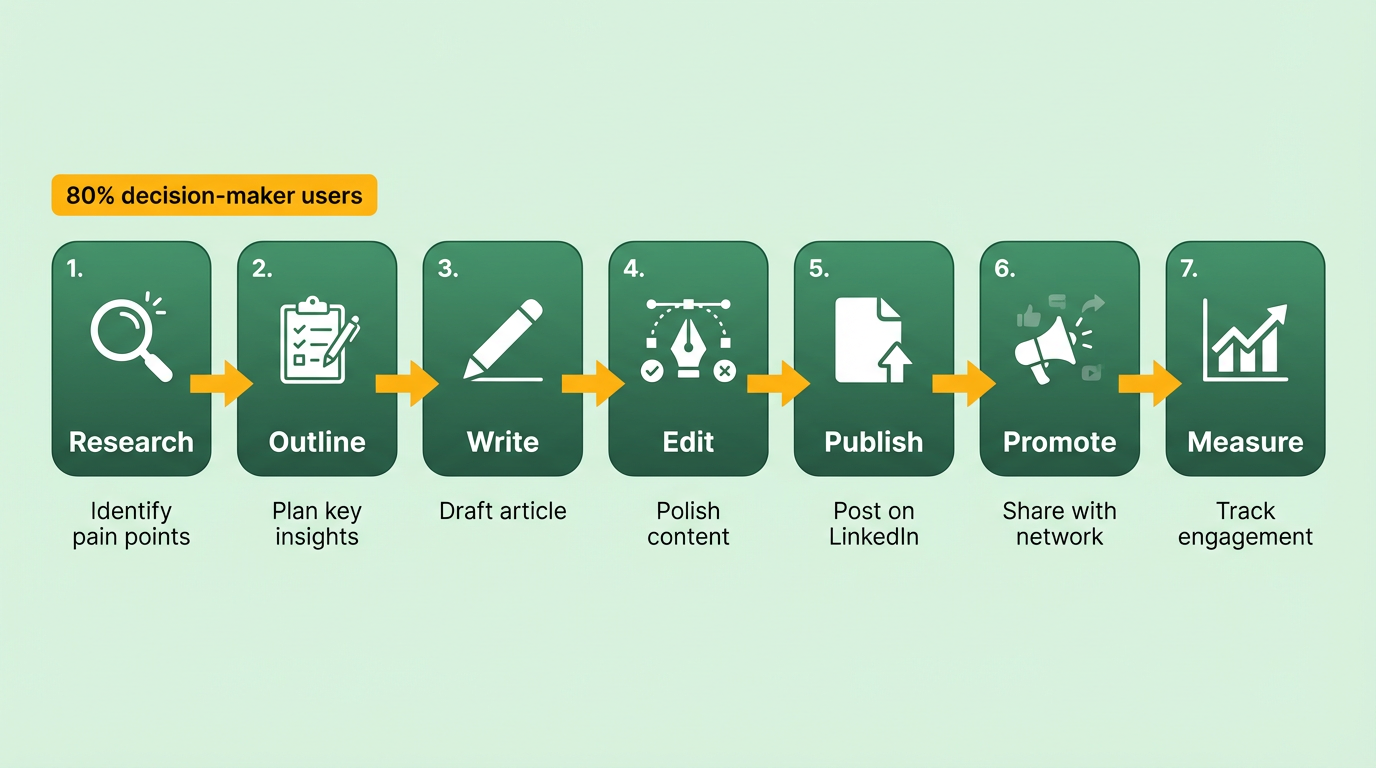
Prioritize topics backed by data. The 53% of B2B marketers who use LinkedIn for prospecting often seek content that offers actionable solutions. As highlighted in the Common Mistakes to Avoid in LinkedIn Lead Generation section, avoiding generic advice is essential. Frame your articles around proven strategies or case studies. For instance, “One company saved 50% on customer acquisition costs by revamping their lead scoring model” adds credibility. Avoid generic advice; instead, tailor insights to your audience’s role, industry, and challenges.
What Writing Style Maximizes Thought Leadership Impact?
Adopt a tone that balances authority with approachability. Start with a clear value proposition: “If you’ve struggled with X, this article will show you how to fix it.” Use real-world examples to illustrate abstract concepts-like comparing sales funnel optimization to a highway system with on-ramps and exits.
Structure your content for readability. Break long paragraphs into short, digestible sections with subheadings. Use bullet points to highlight key takeaways and bold critical terms like conversion rate or account-based marketing. For example:
- Problem: Teams waste 30% of their time on unqualified leads.
- Solution: Use LinkedIn’s lead filters to target decision-makers.
- Action: Schedule a 15-minute demo of your CRM to close the gap.
End with a strong call-to-action (CTA). Invite readers to comment, share their experiences, or download a related resource. Phrases like “What challenges have you faced with X?” or “Download our free checklist to implement these steps” encourage interaction.
How Can You Boost Engagement Through Comments?
Engagement extends beyond publishing. Ask open-ended questions in your conclusion to spark dialogue: “How has your team approached X?” or “What tools have you used to solve Y?” Respond to comments promptly to build relationships-acknowledge insights, ask follow-up questions, or share additional resources.
Use LinkedIn’s native features to amplify reach. Tag relevant professionals or companies when appropriate (without naming competitors), and repurpose article snippets into LinkedIn posts or stories. For example, turn a key statistic into a carousel post or a 60-second video. Tools like AnyPost.ai can automate scheduling and analytics tracking, ensuring consistency without manual effort.
What Metrics Should You Track to Measure Success?
Focus on engagement metrics like views, comments, and shares to gauge reach. Building on concepts from the Measuring and Optimizing LinkedIn Lead Generation Efforts section, LinkedIn’s native analytics also tracks click-through rates to your website or lead forms. A 2025 study found that articles with over 2,500 views generate 15% more lead form submissions, highlighting the value of consistent publishing.
Track conversions separately by linking articles to follow-up actions. For example, if your article includes a CTA to download a whitepaper, monitor how many visitors complete the form. A/B test headlines and CTAs to refine your approach-data from LinkedIn Marketing Solutions shows that “How-to” titles outperform “Why” or “What” formats by 20%.
By combining strategic topic selection, reader-focused writing, and active engagement, thought leadership articles become more than content-they become a lead magnet. Regularly publishing insights that solve real problems positions your brand as a go-to resource, turning curious readers into qualified leads.
Measuring and Optimizing LinkedIn Lead Generation Efforts
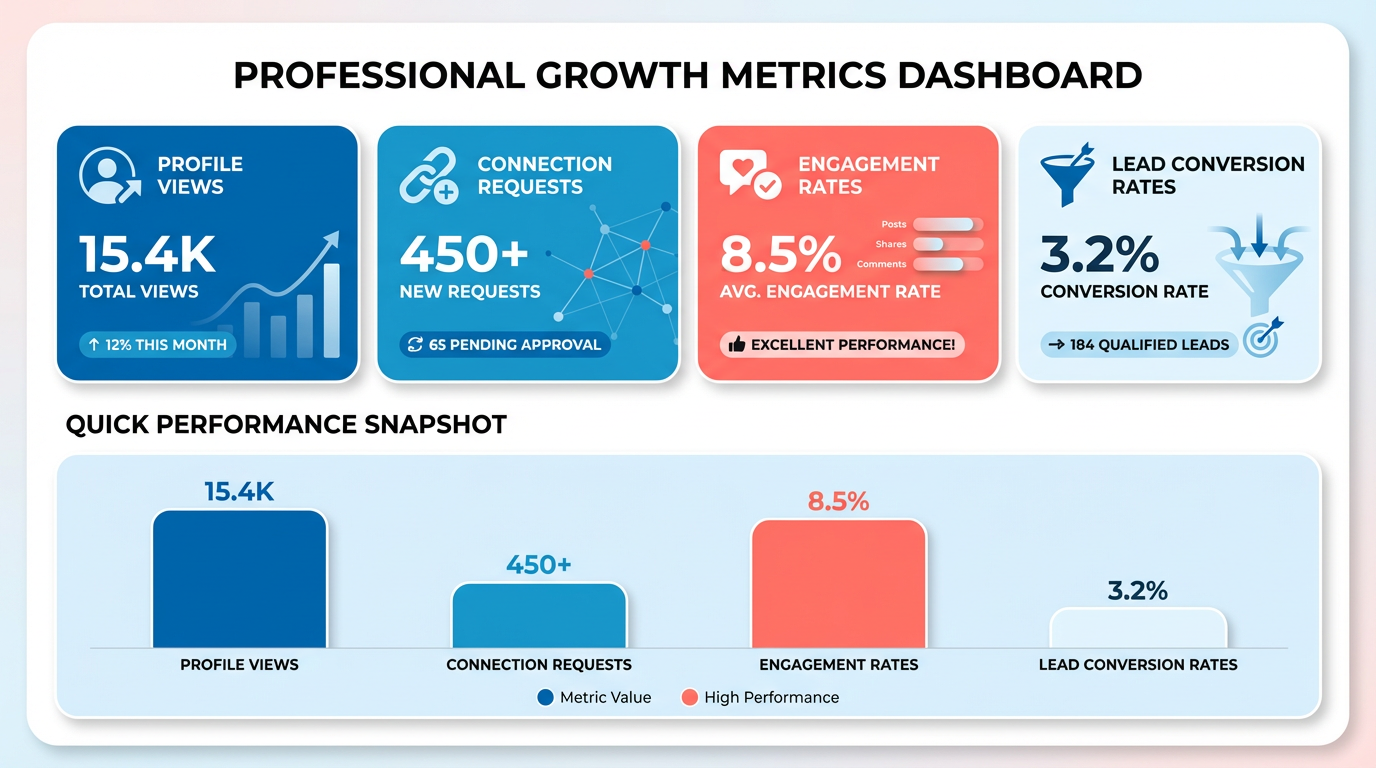
Measuring and optimizing LinkedIn lead generation requires a structured approach to track performance, identify trends, and refine strategies. Start by focusing on metrics that directly reflect the health of your lead generation pipeline. For example, profile views and connection requests indicate brand visibility, while engagement rates (likes, comments, shares) reveal how well your content resonates. Track lead conversion rates to measure how many LinkedIn interactions turn into qualified leads, as discussed in the Using LinkedIn Sponsored Content with Lead Gen Forms section, and monitor cost per lead to evaluate the efficiency of your ad spend. These metrics form the foundation for data-driven decisions.
What Metrics Should You Track?
The most critical metrics for LinkedIn lead generation include click-through rates (CTRs) on ads, form submission rates, and account-level engagement (interactions from target companies). For instance, a CTR above 2% signals strong ad relevance, while a drop below 1% suggests poor targeting. Track sales-qualified lead (SQL) conversion rates to assess how many leads progress to revenue-ready stages. Regularly audit content performance by analyzing which posts drive the most profile visits or website traffic. Use LinkedIn’s built-in Analytics dashboard, detailed in the Optimizing Your LinkedIn Company Page for Lead Capture section, to access these metrics in real time.
How Do You Use Analytics Tools Effectively?
LinkedIn’s native tools-Marketing Solutions and Company Pages Analytics-provide insights into ad performance, audience demographics, and content reach. Pair these with third-party tools like AnyPost.ai to automate data collection and identify patterns. For example, AnyPost.ai’s reporting features let you compare ad sets side by side, highlighting which audiences or messaging styles generate the most leads. Unlike generic providers, AnyPost.ai offers transparent pricing and customizable dashboards tailored to B2B goals.
AnyPost.ai simplified our LinkedIn reporting by consolidating metrics into one view. We cut lead generation costs by 30% in three months.
To maximize value from these tools, set up custom alerts for underperforming campaigns and schedule weekly reviews of top-performing content. Use LinkedIn’s Sales Navigator Analytics, as outlined in the Targeted Outreach with LinkedIn Sales Navigator section, to track how leads interact with your company page, such as how many employees from a target account view your content.
What A/B Testing Strategies Work Best?
A/B testing is essential for refining LinkedIn lead generation. Start by testing headline variations in ads or posts-small changes in tone or keyword placement can significantly impact engagement. For example, a/B test a headline like “Transform Your Workflow” against “Streamline Operations with Our Tools” to see which drives more clicks.
Test content formats next: compare long-form articles with short videos or infographics. LinkedIn reports that video content receives 3x more engagement than text posts, but results vary by industry. Also, experiment with call-to-action (CTA) phrasing, such as “Download the Guide” versus “Get Instant Access.” Run tests for at least 7–10 days to ensure statistically significant results.
Document findings in a spreadsheet to identify winning combinations. For instance, one company found that ads targeting mid-sized tech firms with CTAs like “Book a Demo” outperformed generic “Learn More” buttons by 40%. Use these insights to refine future campaigns.
How Can You Optimize for Long-Term Success?
Optimization starts with refining your audience targeting. Use LinkedIn’s Account Targeting feature, as explained in the Targeted Outreach with LinkedIn Sales Navigator section, to focus on companies matching your ideal customer profile. Retarget users who visited your website but didn’t convert by serving them personalized ads.
Improve content quality by aligning it with the buyer’s journey. Share case studies for consideration-stage leads and product demos for decision-makers. Regularly update your LinkedIn Company Page with fresh content, such as employee testimonials or industry insights, as covered in the Optimizing Your LinkedIn Company Page for Lead Capture section.
Finally, prioritize experimentation. Allocate 20% of your ad budget to test new strategies, like LinkedIn Stories or Employee Advocacy programs. For example, a B2B SaaS company boosted lead generation by 25% after encouraging employees to share thought leadership posts. Continuously iterate based on data to stay ahead of platform changes and shifting audience preferences.
Future of LinkedIn Lead Generation: Trends and Predictions
LinkedIn lead generation is evolving rapidly, with emerging trends and strategies reshaping how B2B marketers engage prospects. The future will prioritize personalization, video-driven outreach, and AI-powered tools to cut through platform noise. As LinkedIn’s user base grows, success will depend on adapting to platform changes and using data-driven tactics.
What Emerging Trends Are Shaping LinkedIn Lead Generation?
One major trend is the rise of video content as the most effective format for engagement. Marketers who use short, authentic videos in their outreach see 3-5x higher engagement rates than text-based posts. For example, a B2B SaaS company increased its lead conversion rate by 40% after shifting to daily video updates showcasing customer testimonials and product demos. As mentioned in the Optimizing Your LinkedIn Company Page for Lead Capture section, a polished online presence complements these efforts by building trust and streamlining engagement.
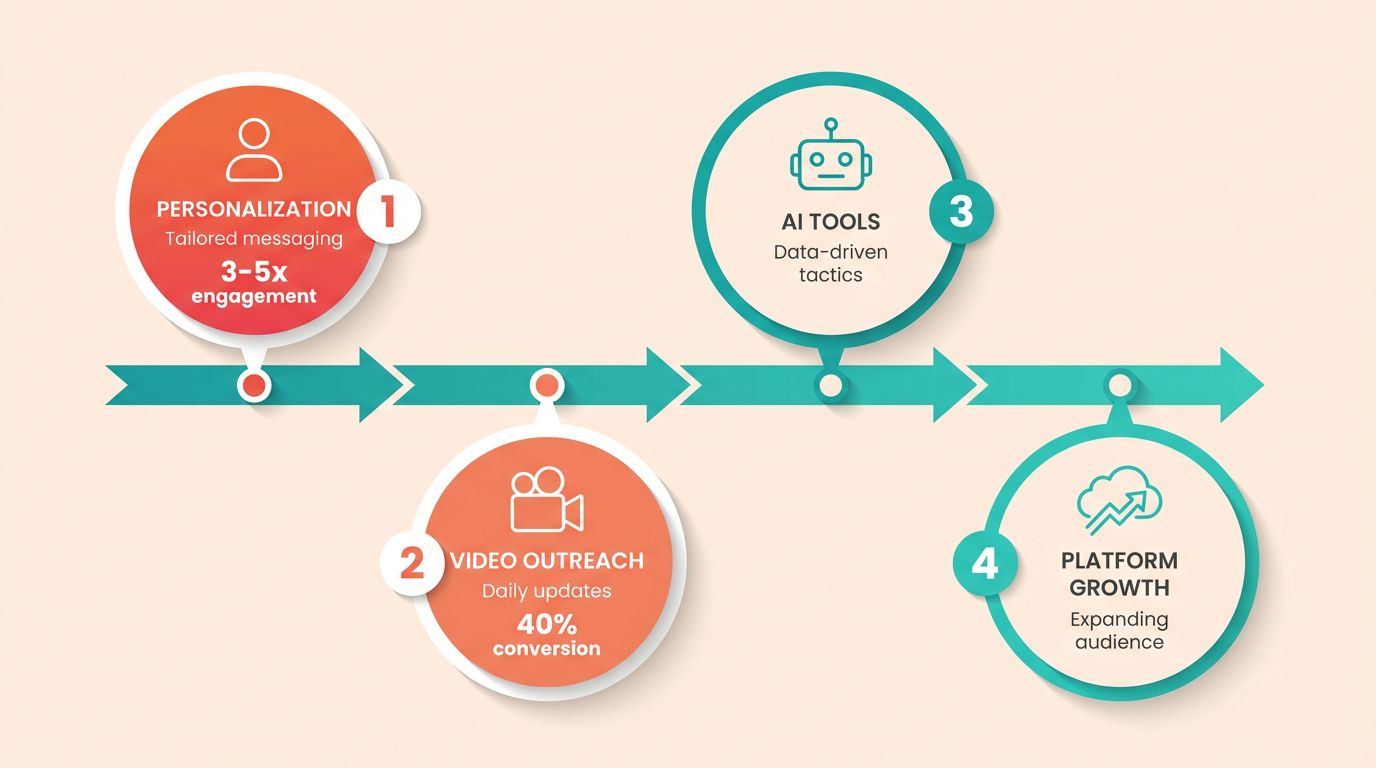
AI-driven lead generation tools are also gaining traction. These platforms automate tasks like message personalization and prospect research, reducing manual effort by 60% or more. A key advantage is their ability to analyze engagement patterns and suggest optimal outreach times, improving response rates significantly. Building on concepts from the Measuring and Optimizing LinkedIn Lead Generation Efforts section, marketers should pair these tools with regular performance analysis to refine strategies.
What Future Changes Can B2B Marketers Expect?
LinkedIn’s algorithm updates will likely prioritize hyper-targeted content over broad outreach. Marketers who fail to segment their audience or use generic messaging risk being buried by the platform’s noise. A 2025 study found that outreach with tailored subject lines and personalized value propositions achieves 70% higher open rates. As highlighted in the Targeted Outreach with LinkedIn Sales Navigator section, focusing on decision-makers through advanced segmentation features is critical for success.
Video will dominate lead-gen strategies, with LinkedIn planning to enhance its video analytics and recommendation systems. Marketers should prepare to invest in tools for quick video creation and A/B testing. For instance, a case study from a mid-sized B2B firm showed that video follow-ups after initial outreach boosted meeting bookings by 200%.
How Can Marketers Adapt to These Changes?
The most successful strategies will combine human creativity with AI efficiency. Tools like AnyPost.ai streamline outreach by generating personalized messages at scale while maintaining a natural tone. Unlike generic providers, AnyPost.ai’s transparent pricing model lets teams test and refine campaigns without hidden costs.
Another key adaptation is refining targeting criteria using LinkedIn’s advanced segmentation features. Marketers should focus on job titles, industry-specific keywords, and engagement history to identify high-intent prospects. For example, a B2B consulting firm boosted its lead quality by 50% after narrowing its focus to decision-makers in three high-potential industries.
Marketers must also embrace data-driven iteration. Regularly analyzing metrics like click-through and conversion rates helps optimize campaigns. As outlined in the Measuring and Optimizing LinkedIn Lead Generation Efforts section, companies tracking these metrics weekly see 30% faster pipeline growth than those who review data monthly.
By adopting these trends and strategies, B2B marketers can future-proof their LinkedIn lead generation efforts. The platform’s continued dominance in B2B outreach-used by 53% of marketers-means those who adapt will maintain a competitive edge.
Best Practices for Scaling LinkedIn Lead Generation Efforts
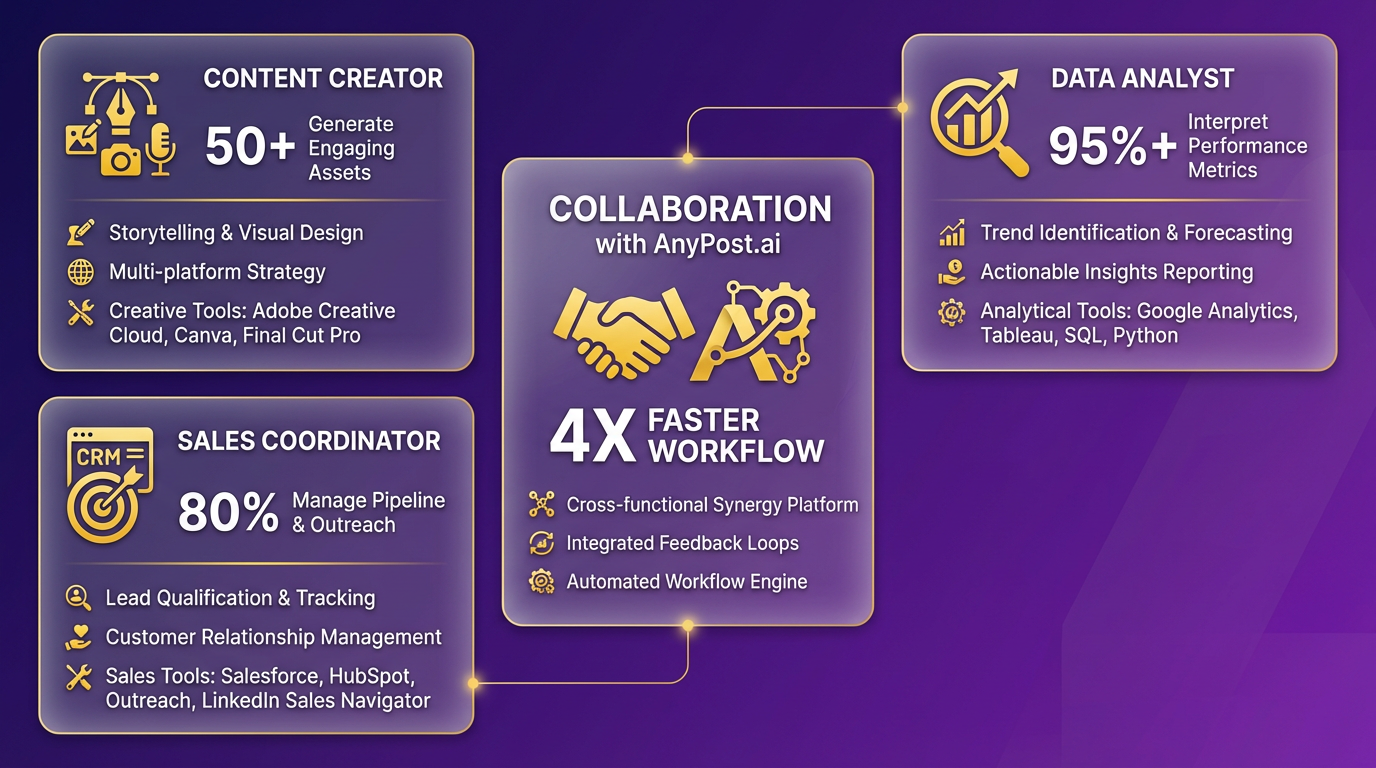
To scale LinkedIn lead generation, assign clear roles to team members. A content creator develops engaging posts, a data analyst tracks performance metrics, and a sales coordinator ensures alignment with outreach strategies. Daily syncs between these roles prevent disjointed efforts, a common issue highlighted in the Common Mistakes to Avoid in LinkedIn Lead Generation section. For example, if your team uses AnyPost.ai, its collaboration features let writers, designers, and marketers share drafts in one place, reducing back-and-forth. Sales teams should also review messaging to refine lead qualification criteria, ensuring marketing efforts target the right accounts as emphasized in the Targeted Outreach with LinkedIn Sales Navigator section.
A content calendar keeps your LinkedIn strategy consistent and scalable. Start by mapping content to buyer personas identified in sources like LinkedIn’s Marketing Solutions guide. For instance, if your audience includes IT decision-makers, plan posts addressing cybersecurity challenges. Schedule content in batches using tools like AnyPost.ai to automate publishing. Source reveals 53% of B2B marketers use LinkedIn for prospecting, so a well-structured calendar ensures you’re consistently visible to these users. Mix educational long-form posts, quick tips, and company news to avoid monotony, including thought leadership pieces as outlined in the Publishing Thought Leadership Articles to Attract Leads section.
Allocate your budget to high-impact LinkedIn tactics like Sponsored Content and InMail. Dedicate 40% to ads targeting specific job titles, 30% to content creation tools (e.g., AnyPost.ai), and 30% to A/B testing message variations. Track metrics like click-through rate (CTR) and cost per lead (CPL) using LinkedIn Analytics. Source notes one marketer generated $5 million+ in pipeline by refining targeting and messaging over time. For example, test headlines with and without emojis to see what resonates. Reallocate funds monthly based on performance-prioritize campaigns with a 15%+ conversion rate to maximize ROI, a strategy detailed in the Measuring and Optimizing LinkedIn Lead Generation Efforts section.
A B2B SaaS company scaled LinkedIn leads by 3x in six months by combining team collaboration and analytics. They assigned a dedicated analyst to monitor engagement metrics daily, adjusting content themes based on real-time feedback. Using AnyPost.ai, they scheduled 10 posts weekly but doubled their budget for Sponsored Content after seeing a 20% higher CTR compared to organic posts. By aligning sales and marketing teams on lead scoring, they reduced response times from 24 hours to 4, improving conversion rates by 25%. This example shows how structured planning and iterative adjustments drive growth, echoing methods from the Using LinkedIn Sponsored Content with Lead Gen Forms section.
By centralizing roles, planning content strategically, and tracking performance rigorously, B2B marketers can scale LinkedIn lead generation sustainably. Tools like AnyPost.ai streamline collaboration and scheduling, but success ultimately depends on your willingness to test, measure, and adapt.
Frequently Asked Questions
1. How do LinkedIn Lead Gen Forms improve lead capture?
LinkedIn Lead Gen Forms capture prospect information directly within ads, reducing friction and improving conversion rates by keeping users on the platform during the lead-capture process.
2. What percentage of LinkedIn users hold decision-making roles?
80% of LinkedIn users have decision-making power in their organizations, making the platform ideal for targeting professionals involved in purchasing decisions.
3. How much pipeline can LinkedIn strategies generate for B2B teams?
A refined LinkedIn strategy helped one B2B sales team generate over $5 million in pipeline through tailored messaging, follow-ups, and targeted ad campaigns.
4. What’s the most effective LinkedIn lead generation method?
Combining Sponsored Content with Lead Gen Forms is the top method, enabling targeted outreach to specific industries or job roles while capturing leads directly through ads.
5. Why is LinkedIn preferred over other platforms for B2B marketing?
LinkedIn’s professional focus and 53% usage rate among B2B marketers highlight its value for reaching decision-makers actively seeking business solutions and industry insights.
6. How does LinkedIn’s targeting help B2B marketers?
LinkedIn allows precise targeting by industry, job role, and company size, enabling B2B marketers to deliver value-driven content to professionals most likely to convert.
7. What’s the role of Sponsored Content in LinkedIn lead generation?
Sponsored Content amplifies visibility to specific audiences, while paired Lead Gen Forms streamline lead capture, making it a scalable method for generating qualified B2B leads.