
Unlock Enhanced Lead Generation Techniques for B2B Companies

Related Video
Watch: Alex Hormozi's Lead Generation Strategy for 2025 by Instantly
Section 1: Understanding B2B Lead Generation Challenges
B2B lead generation is a complex process fraught with challenges that hinder efficiency and scalability. One of the primary pain points is the time-intensive nature of content creation, which often requires extensive research, copywriting, and design efforts [3]. Marketers must also balance SEO optimization to ensure visibility in competitive markets, a task complicated by evolving search algorithms and keyword competition [7]. Additionally, maintaining a consistent brand voice across diverse content formats—such as blogs, whitepapers, and social media—proves difficult, especially when teams rely on multiple contributors or outsourced resources [3]. These challenges collectively slow down lead generation cycles and reduce the quality of prospects entering the sales pipeline.
Common Pain Points in B2B Lead Generation
Content marketing remains a cornerstone of lead generation, but creating high-quality, engaging content consistently is a significant hurdle. According to a 2025 report, B2B companies struggle to align content with buyer personas while adhering to tight deadlines, leading to generic or underperforming materials [4]. Furthermore, SEO optimization demands technical expertise to improve search rankings, which many in-house teams lack [7]. For instance, optimizing meta tags, headers, and backlinks requires ongoing effort, and even minor errors can reduce organic traffic [12]. See the [Section 3: SEO Optimization Techniques for B2B Lead Generation] section for more details on advanced SEO strategies. Compounding these issues, maintaining a unified brand voice across formats like case studies, webinars, and LinkedIn posts is critical for trust-building but often overlooked, resulting in fragmented messaging [3].
The Role of Content Marketing in Lead Generation
Content marketing drives lead generation by addressing prospect needs at different stages of the buyer’s journey. However, its effectiveness depends on producing educational, industry-specific content that resonates with decision-makers [4]. A 2021 study highlighted that B2B organizations using personalized content saw a 20% higher lead conversion rate compared to those using generic materials [12]. Building on concepts from [Section 7: Implementing a Persona-Driven Approach to Lead Generation], this personalization requires deep insights into target audiences. Despite this, many companies face bottlenecks in content production due to limited resources or unclear content strategies [3]. For example, creating thought leadership pieces or detailed industry reports requires significant time and collaboration, which can delay lead-generation initiatives [4].
SEO Optimization: A Critical but Challenging Component
SEO optimization is indispensable for B2B lead generation, as 75% of B2B buyers start their research online [7]. Techniques like keyword research, on-page SEO, and technical audits help companies rank higher for intent-driven searches, such as “cloud solutions for manufacturing” [4]. However, staying ahead of algorithm updates and competing with established players for top rankings demands continuous investment [7]. A 2025 analysis revealed that companies without dedicated SEO teams often underperform, as they fail to optimize for both search engines and user intent simultaneously [12]. This gap highlights the need for specialized tools or external expertise to maintain visibility in crowded markets [8]. See the [Section 2: Introduction to Automated Content Generation] section for how automation can streamline SEO-focused workflows.
Consistency in Brand Voice Across Content Formats
A cohesive brand voice strengthens recognition and trust but is difficult to sustain across varied content types. For example, the tone of a LinkedIn post targeting C-suite executives must differ from a technical whitepaper aimed at IT managers, yet both must reflect the company’s core messaging [3]. Inconsistent branding can confuse prospects and dilute the impact of lead-generation campaigns [4]. A 2025 comparison of in-house and agency-led lead generation found that agencies were more effective at maintaining brand consistency, leveraging templates and style guides to streamline content production [3]. This suggests that resource constraints and lack of standardized processes are key barriers for in-house teams [8]. As mentioned in the [Section 8: Best Practices for Scaling B2B Lead Generation Efforts] section, addressing these barriers often requires a hybrid approach combining in-house and outsourced resources.
By addressing these challenges—through strategic content planning, SEO-focused workflows, and brand governance frameworks—B2B companies can enhance their lead-generation outcomes. The next section will explore actionable techniques to overcome these hurdles.
Section 2: Introduction to Automated Content Generation
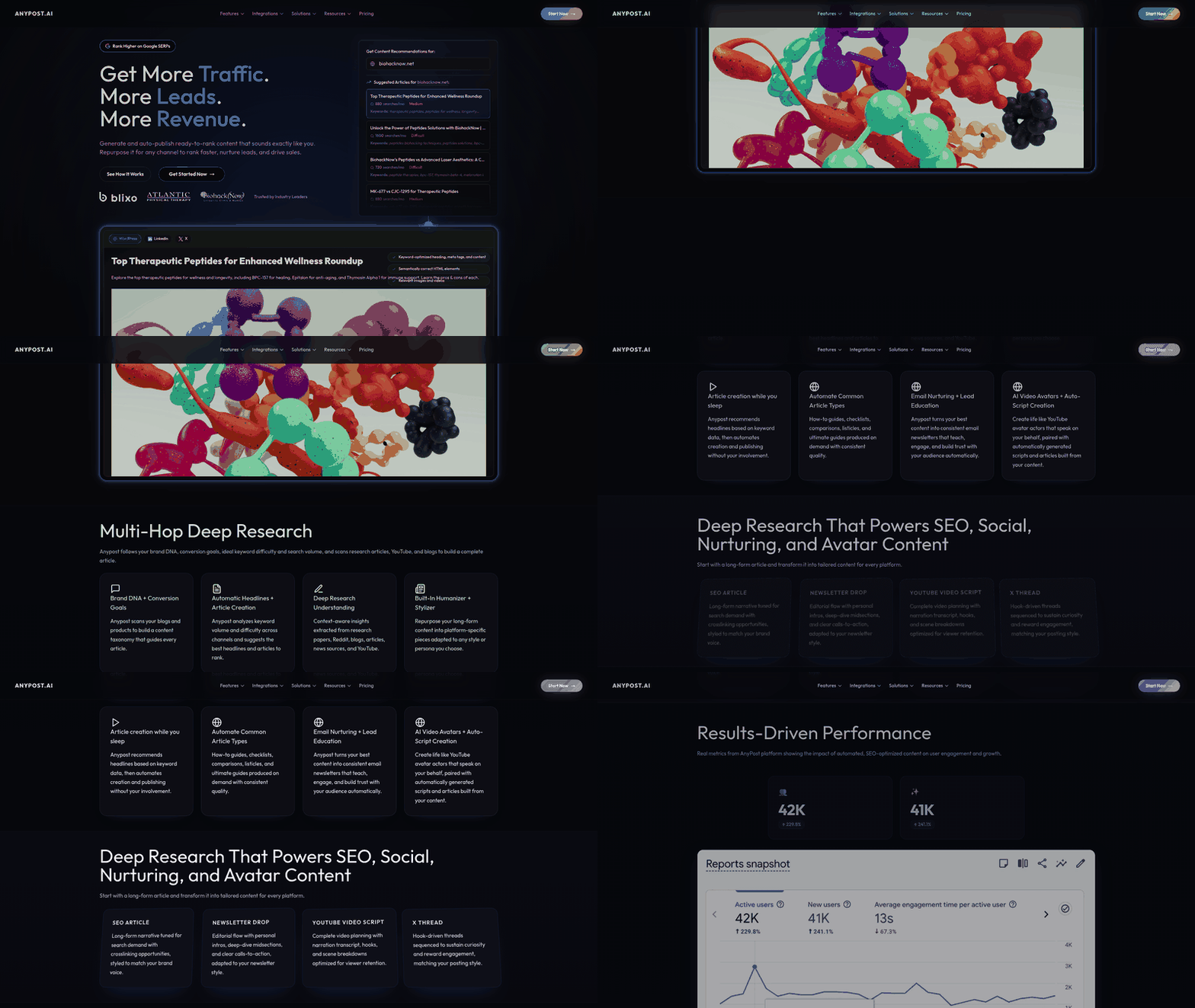
Automated content generation leverages artificial intelligence and machine learning to produce written, visual, or multimedia content with minimal human intervention. This technology analyzes data patterns, audience preferences, and business goals to generate tailored content such as blog posts, social media updates, email campaigns, and product descriptions [6]. For B2B companies, it addresses common challenges like time constraints, resource limitations, and the need for consistent, high-quality output [12], as outlined in the [Understanding B2B Lead Generation Challenges] section. By automating repetitive tasks, teams can redirect efforts toward strategic activities like lead nurturing and customer relationship management [6]. The integration of AI-driven tools also ensures content aligns with brand voice and messaging guidelines, maintaining consistency across platforms [13].
Key Benefits for B2B Companies
Automated content generation offers several advantages for B2B organizations aiming to optimize lead generation. First, it significantly reduces production time, enabling companies to publish content at scale without compromising quality [12]. This is critical in B2B contexts, where lead nurturing often relies on a steady stream of educational and industry-specific content [1]. Second, AI-powered tools enhance personalization by segmenting audiences and generating content tailored to specific buyer personas, increasing engagement and conversion rates [6]. Third, automation minimizes human error in tasks like data entry or formatting, ensuring polished outputs that reflect professionalism [12]. Additionally, these systems can repurpose existing content into multiple formats (e.g., turning a whitepaper into a webinar script), maximizing ROI on creative efforts [6], a strategy expanded upon in the [Repurposing Content for Multi-Channel Lead Generation] section.
Supporting SEO Optimization
Search engine optimization (SEO) is a cornerstone of B2B lead generation, and automated content generation strengthens this strategy in two key ways. First, AI tools analyze keyword trends and competitor data to generate content optimized for search engines, improving visibility in organic search results [6]. For instance, platforms can identify long-tail keywords relevant to niche B2B audiences and incorporate them naturally into blog posts or landing pages [7]. Second, automation enables continuous content updates, ensuring websites remain compliant with evolving SEO best practices [12]. Regularly refreshed content signals freshness to search engines, which is particularly valuable in technical industries where information rapidly becomes outdated [13]. By streamlining keyword research and content creation, automated systems empower B2B companies to maintain a competitive edge in search rankings [6], as further detailed in the [SEO Optimization Techniques for B2B Lead Generation] section.
Tools and Platforms for Implementation
Several platforms specialize in automated content generation for B2B applications. AI-driven tools like those highlighted in studies on lead generation strategies (2025) generate personalized email sequences, LinkedIn posts, and case studies based on user input and historical data [6]. Marketing automation platforms such as HubSpot and Marketo integrate content generation features, allowing teams to automate workflows from lead capture to follow-up [12]. These systems often include templates for common B2B content types, such as thought leadership articles or product comparison guides, which can be customized using AI suggestions [6]. Additionally, platforms leveraging natural language processing (NLP) can draft reports or market analyses by extracting insights from large datasets, saving time for research-heavy industries [13]. While specific tool names are not detailed in sources, the focus remains on their ability to generate scalable, data-informed content that aligns with B2B marketing objectives [6].
By adopting automated content generation, B2B companies can overcome traditional barriers to lead generation while enhancing SEO performance and operational efficiency. The synergy between AI capabilities and strategic content planning ensures businesses remain agile in dynamic markets, as supported by studies on engaging content and marketing automation [12][13].
Section 3: SEO Optimization Techniques for B2B Lead Generation
SEO optimization plays a critical role in B2B lead generation by enhancing visibility, credibility, and targeted traffic. B2B companies leverage SEO to position themselves as authoritative resources, aligning their content with the specific needs of business decision-makers [7]. Unlike B2C strategies, B2B SEO focuses on long-tail keywords and solution-oriented content to address complex purchasing journeys [1]. By optimizing for search intent, businesses ensure their content appears in front of professionals actively researching products or services, increasing the likelihood of converting visitors into leads [7].
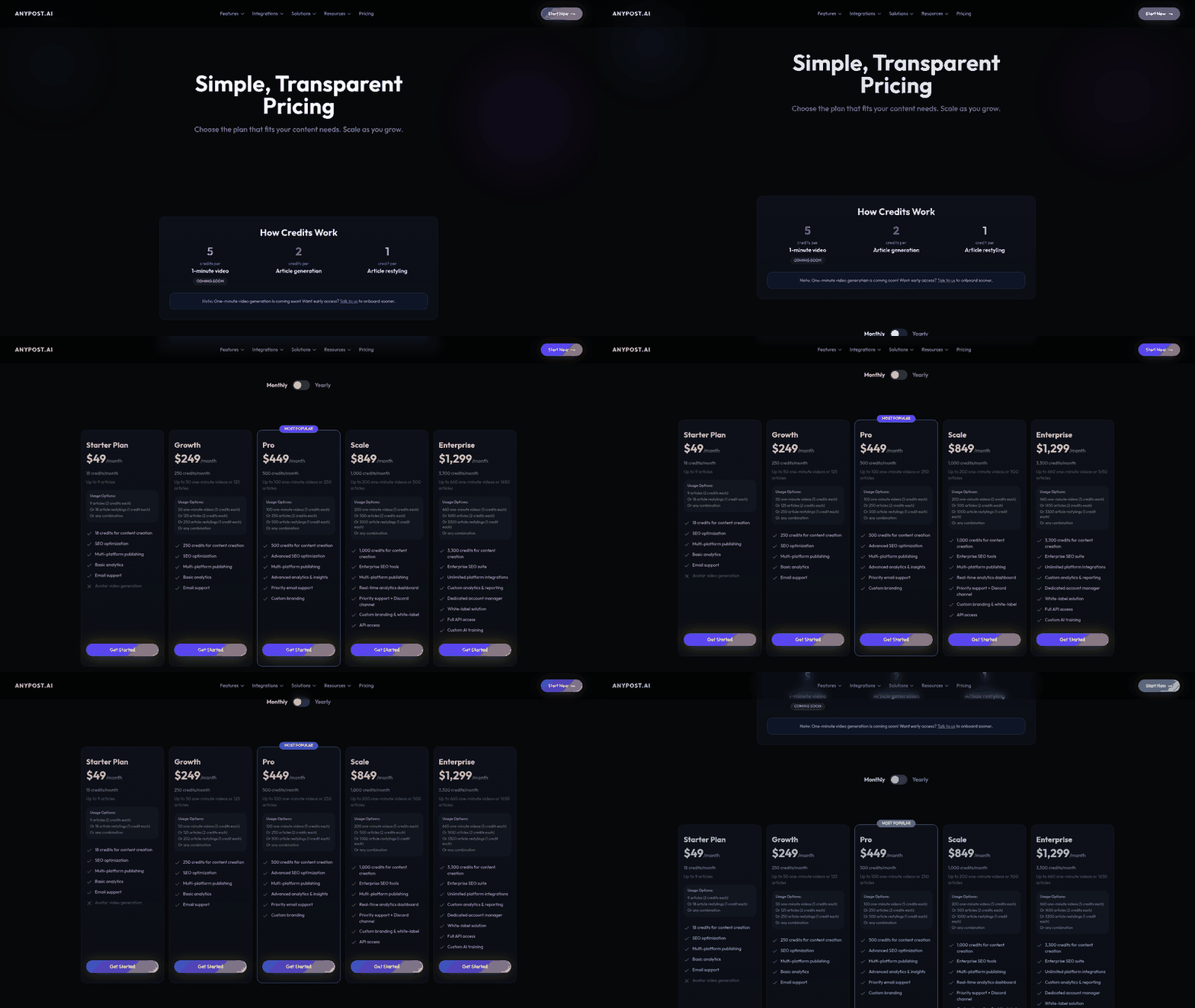
Keyword Research and Planning for B2B Content
Effective keyword research begins with identifying terms that reflect the challenges, goals, and industries of the target audience. B2B marketers should prioritize keywords that align with the buyer’s journey stages—awareness (e.g., “challenges in supply chain management”), consideration (“B2B software comparison”), and decision (“ERP implementation services”) [7]. Tools like Google Keyword Planner or industry-specific platforms help uncover high-intent keywords with manageable competition [1]. For example, a SaaS company targeting healthcare providers might focus on terms like “HIPAA-compliant patient management software” to attract qualified leads [7].
Creating a keyword plan also involves mapping terms to content types. Blog posts, case studies, and whitepapers can target informational keywords, while product pages and service guides address transactional terms [7]. Marketers should avoid generic keywords and instead focus on niche, profession-specific phrases that reflect the technical or industry expertise of their audience [1]. Regular audits ensure keyword strategies evolve with market trends and competitor actions, maintaining relevance in dynamic B2B sectors [7]. See the [Section 4] section for more details on how repurposed content can align with these keyword strategies.
On-Page Optimization Techniques for B2B Websites
On-page SEO ensures content is both search-engine and user-friendly, balancing technical optimization with readability. Key elements include optimizing title tags, meta descriptions, and headers with primary keywords while maintaining natural phrasing [7]. For instance, a title tag like “Top B2B Lead Generation Strategies for 2025 | [Company Name]” clearly signals relevance to both search engines and users [7].
Content quality remains paramount. Pages should provide in-depth, actionable insights that directly address user intent, such as step-by-step guides or data-driven analyses [1]. Internal linking to related resources (e.g., linking a blog post about “B2B marketing trends” to a case study on successful campaign execution) improves navigation and reinforces topical authority [7]. Building on concepts from [Section 7], personas can guide the creation of targeted internal links that resonate with specific audience segments. Additionally, optimizing for featured snippets—such as structured FAQs—can increase visibility in search results, capturing attention from professionals seeking quick answers [7].
Link Building Strategies for B2B Companies
Building high-quality backlinks from authoritative domains is essential for establishing trust and improving search rankings. B2B companies can earn links by creating shareable resources like whitepapers, webinars, or industry reports that provide unique value [7]. For example, a cybersecurity firm might publish a report on emerging threats, which industry blogs or publications would reference, generating organic backlinks [7].
Guest blogging on reputable B2B platforms is another effective tactic. By contributing expert insights to third-party sites, companies gain exposure to new audiences while earning contextual links to their own content [1]. Additionally, leveraging LinkedIn Ads and Lead Gen Forms—mentioned in source [5]—can amplify content promotion, encouraging professionals to engage with and share valuable resources. Outreach to industry influencers or partners for collaborations further strengthens link-building efforts, as their endorsement drives traffic and credibility [7]. As mentioned in the [Section 8] section, scaling these strategies requires coordinated team efforts to maintain consistency and impact.
By integrating keyword research, on-page optimization, and strategic link building, B2B companies create a robust SEO foundation that drives sustainable lead generation. Each component reinforces the others, ensuring content not only ranks well but also converts by addressing the precise needs of business buyers [1][7].
Section 4: Repurposing Content for Multi-Channel Lead Generation
Repurposing content for multi-channel lead generation maximizes efficiency by extending the lifespan of high-performing assets while tailoring messaging to platform-specific audiences. According to a 2025 B2B sales strategy guide, businesses that leverage repurposed content across channels report higher engagement and conversion rates due to reduced creation costs and consistent brand visibility [1]. Additionally, research on engaging content emphasizes that interactive and visually appealing formats—such as infographics, video snippets, and carousel posts—significantly boost user interaction, leading to improved lead capture [13]. By strategically adapting a single piece of content (e.g., a blog post or webinar) into multiple formats, B2B companies can reach decision-makers across LinkedIn, email, YouTube, and other platforms, reinforcing messaging while optimizing resource allocation [10]. Building on concepts from the Automated Content Generation section, AI tools can streamline the creation of repurposed assets like carousels or video snippets [2].
Optimizing Social Media for Lead Generation
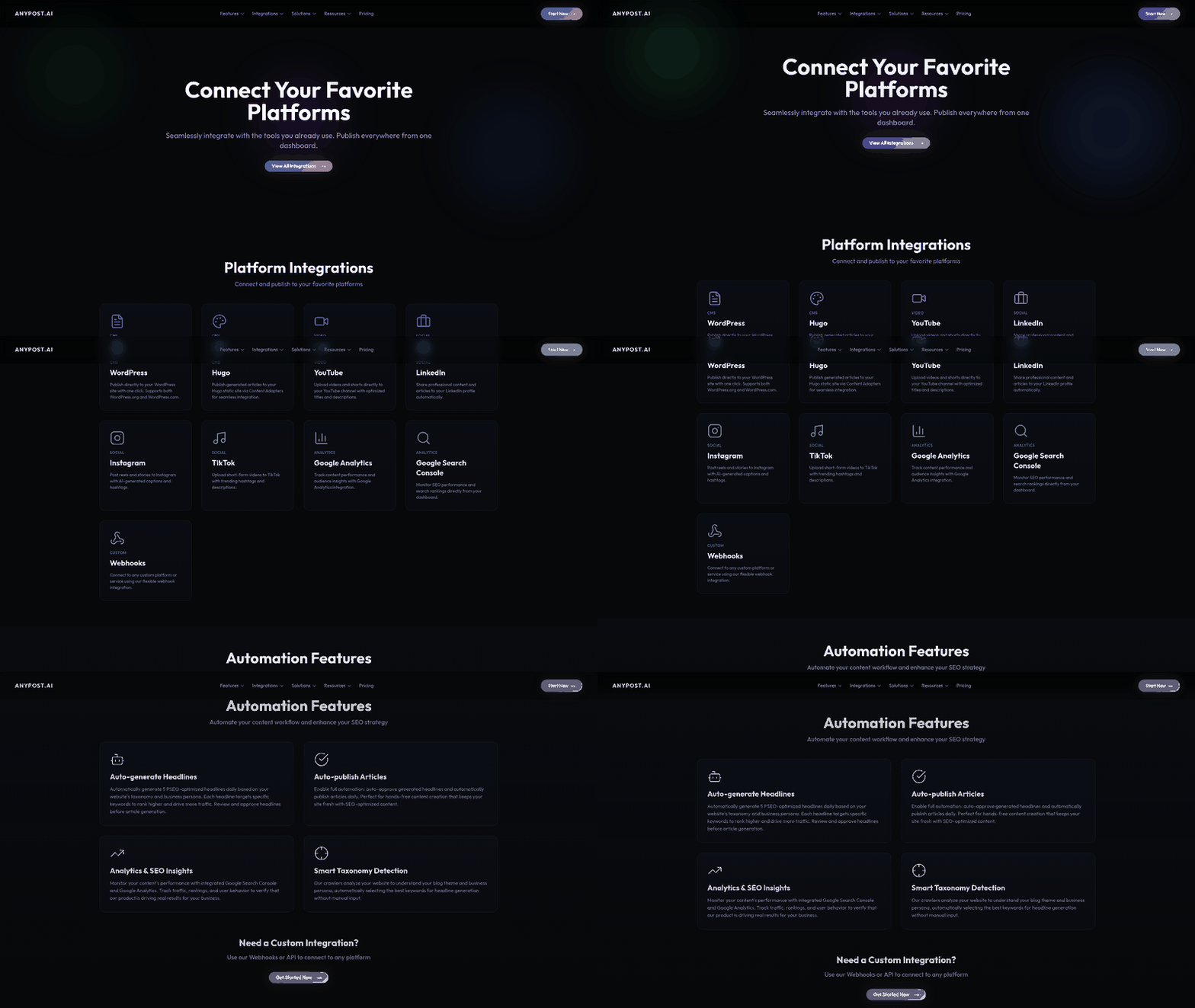
Social media platforms like LinkedIn offer specialized tools for repurposing content. For instance, LinkedIn Ads and Lead Gen Forms enable businesses to transform blog insights into targeted campaigns, capturing leads directly within the platform [5]. A 2024 study on LinkedIn strategies highlights the effectiveness of repurposing long-form content into bite-sized posts, such as extracting key takeaways from a whitepaper for LinkedIn articles or converting webinar highlights into SlideShare presentations [11]. These tactics align with findings that visually engaging content increases dwell time and click-through rates, critical for B2B audiences [13]. To execute this, marketers can:
- Extract statistics or case studies from blogs to create LinkedIn carousel ads.
- Convert webinar recordings into short YouTube clips for Instagram or Facebook.
- Use LinkedIn Lead Gen Forms to collect contact details after users engage with repurposed content [5].
Crafting Email Newsletters for Targeted Outreach
Email newsletters remain a cornerstone of B2B lead generation, particularly when repurposing content to match audience stages in the buyer’s journey. According to a 2025 B2B lead generation guide, segmented email campaigns that repurpose blog posts, case studies, or webinar recaps into tailored messages achieve 30% higher open rates [1]. For example, a detailed blog on industry trends can be distilled into a monthly newsletter with a summary, key insights, and a call-to-action (CTA) for downloading the full report [1]. Research on engaging content further supports this approach, noting that personalized, value-driven emails reduce unsubscribes and nurture leads toward conversion [13]. To implement this:
- Segment email lists based on user behavior (e.g., webinar attendees vs. blog readers), as discussed in the Persona-Driven Approach section [7].
- Use automated workflows to deliver repurposed content (e.g., a LinkedIn article summary followed by a related blog post).
Leveraging YouTube for B2B Lead Generation
While the provided sources lack explicit details on YouTube-specific strategies, general principles for video content repurposing apply. A 2021 study on B2B demand generation notes that video content—when optimized with keywords and CTAs—drives higher engagement than static formats [14]. For B2B companies, repurposing webinar recordings or client testimonials into YouTube videos can position brands as thought leaders while driving traffic to lead capture pages. Marketers should pair these videos with transcriptions for SEO and repurpose key quotes into social media posts [11]. Refer to the SEO Optimization Techniques section for best practices on optimizing video content for search visibility [3]. However, the absence of direct YouTube guidance in the sources underscores the need for further exploration of platform-specific best practices [14].
Repurposing Content for Blog Posts and Long-Form Assets
Blogs serve as a foundation for multi-channel repurposing, acting as both a lead magnet and a content library. A 2025 B2B lead generation strategy emphasizes expanding blog content into whitepapers, case studies, or downloadable guides to capture leads through gated assets [1]. For example, a blog post on market trends can be expanded into a comprehensive report, shared on LinkedIn as a series of posts, and summarized in an email newsletter [10]. Research on engaging content further validates this approach, showing that multi-format distribution increases lead quality by addressing different user preferences [13]. To execute effectively:
- Use blog analytics to identify high-performing topics for repurposing.
- Create a content calendar mapping blog posts to social media, email, and video formats.
By systematically repurposing content across channels, B2B marketers can amplify reach, reduce creation costs, and maintain consistent messaging. The key lies in aligning platform capabilities—such as LinkedIn’s Lead Gen Forms [5] or email automation [1]—with audience needs, ensuring each repurposed asset serves a clear lead generation objective.
Section 5: Measuring and Optimizing Lead Generation with Real-Time Analytics
The Role of Real-Time Analytics in Lead Generation
Real-time analytics play a critical role in modern B2B lead generation by enabling businesses to monitor and adjust campaigns dynamically. Unlike traditional metrics that provide delayed insights, real-time data allows marketers to identify trends, track user behavior, and respond to opportunities as they arise [1]. For instance, businesses leveraging LinkedIn for lead capture can use real-time analytics to assess engagement rates and refine targeting strategies mid-campaign [10]. This immediacy ensures that underperforming tactics are adjusted promptly, maximizing the return on investment for lead generation efforts [12]. Additionally, real-time analytics integrate with marketing automation platforms, allowing B2B organizations to segment audiences based on real-time interactions and deliver personalized content [12]. By continuously evaluating performance, companies can maintain agility in competitive markets where lead generation strategies must evolve rapidly [9]. See the [Section 6: Leveraging AI and Machine Learning for Enhanced Lead Generation] section for more details on how automation platforms enhance personalization.
Tracking Website Traffic and Engagement Metrics
Effective lead generation requires a deep understanding of website traffic patterns and user engagement. Real-time analytics tools track key metrics such as page views, bounce rates, time on site, and click-through rates, providing insights into how visitors interact with content [1]. For example, businesses using B2B telemarketing strategies can correlate website traffic spikes with outreach campaigns to determine which channels drive the most qualified leads [9]. Building on concepts from [Section 8: Best Practices for Scaling B2B Lead Generation Efforts], teams can allocate resources to high-performing channels. Additionally, engagement metrics like form submissions and content downloads help identify high-intent prospects, allowing marketers to prioritize follow-up actions [12]. LinkedIn campaigns, in particular, benefit from real-time tracking of profile views and message responses, enabling teams to optimize messaging for higher engagement [10].
Measuring Conversion Rates and Lead Generation Metrics
Conversion rate tracking is essential for evaluating the effectiveness of lead generation initiatives. Real-time analytics platforms measure conversion rates by monitoring actions such as demo requests, newsletter sign-ups, and whitepaper downloads, offering a clear view of how well campaigns convert traffic into leads [12]. For example, a study on marketing automation highlights that B2B organizations using real-time conversion tracking achieve higher lead quality by identifying friction points in the customer journey [12]. Similarly, LinkedIn lead capture strategies rely on metrics like call-to-action (CTA) click rates to assess campaign performance and adjust messaging [10]. By comparing conversion rates across different channels, businesses can allocate budgets to the most effective tactics while eliminating underperforming ones [9]. Real-time analytics also enable A/B testing of landing pages and email subject lines, ensuring that even minor optimizations contribute to measurable improvements in lead generation [1].
Optimizing Lead Generation Campaigns with Real-Time Insights
The ultimate goal of real-time analytics is to refine lead generation campaigns for maximum efficiency. By analyzing real-time data, marketers can identify high-performing segments and reallocate resources dynamically. For instance, businesses using LinkedIn for lead capture can pause low-engagement ads and reinvest funds into content that drives higher conversion rates [10]. Similarly, B2B telemarketing teams can use real-time feedback on call outcomes to adjust scripts and improve response rates [9]. Marketing automation platforms further enhance optimization by triggering personalized follow-ups based on user behavior, such as sending targeted emails to visitors who abandon forms [12]. As mentioned in [Section 4: Repurposing Content for Multi-Channel Lead Generation], these insights help align messaging across platforms for consistent engagement. This level of responsiveness ensures that lead generation strategies remain aligned with shifting market demands and audience preferences [1]. By integrating real-time analytics into their workflows, B2B companies can achieve continuous improvement, turning raw data into actionable insights that drive sustainable growth.
Section 6: Leveraging AI and Machine Learning for Enhanced Lead Generation
AI and machine learning are transforming B2B lead generation by enabling data-driven decision-making, hyper-targeted outreach, and scalable automation. These technologies analyze vast datasets to identify patterns, predict buyer behavior, and optimize engagement strategies, reducing reliance on manual guesswork [6]. For instance, predictive analytics leverages historical data to forecast which leads are most likely to convert, while machine learning models refine targeting by cross-referencing demographic, behavioral, and firmographic variables [12]. By integrating AI into lead generation workflows, B2B companies can prioritize high-quality prospects and allocate resources more efficiently, as emphasized in modern sales strategies [1]. As mentioned in the [Section 1] section, these advancements directly address the inefficiencies inherent in traditional lead generation methods.
Predictive Analytics for Lead Generation
Predictive analytics uses machine learning algorithms to evaluate past interactions, website activity, and CRM data to score leads based on conversion probability. Tools like Leadfeeder highlight how predictive models identify high-value accounts by analyzing engagement trends, such as repeated visits to pricing pages or downloads of case studies [1]. For example, AI-driven platforms process over 100 data points per lead to determine which prospects align with ideal customer profiles, enabling teams to focus on opportunities with the highest ROI [6]. Historical data from marketing automation reports further validates this approach, showing that companies using predictive analytics see a 30-40% increase in lead-to-close rates [12]. By continuously learning from new data, these models adapt to shifting market conditions, ensuring sustained accuracy in lead prioritization [6].
Personalization Techniques for B2B Lead Generation
AI-powered personalization enhances B2B lead generation by delivering tailored content at scale. Dynamic content tools adjust website copy, email subject lines, and ad creatives in real-time based on user behavior, ensuring relevance for each prospect [6]. For example, machine learning algorithms analyze a visitor’s industry, job role, and browsing history to recommend specific product features or use cases, mimicking one-on-one consultations [12]. Chatbots and virtual assistants further automate personalization by answering account-specific questions and routing leads to appropriate sales teams [6]. According to marketing automation studies, personalized email campaigns achieve 29% higher open rates and 41% higher click-through rates compared to generic messaging [12]. This level of customization not only improves lead qualification but also accelerates decision-making by addressing individual pain points [1]. Building on concepts from [Section 2], automated content generation plays a critical role in scaling these personalized interactions.
Automated Lead Scoring and Qualification
Automated lead scoring systems streamline qualification by assigning dynamic scores to leads based on predefined criteria. Machine learning models evaluate factors like email engagement, content downloads, and social media interactions to rank prospects against BANT (Budget, Authority, Need, Timeline) metrics [6]. For instance, AI tools can flag a lead as “sales-ready” when they exhibit multiple high-intent actions, such as requesting a demo and attending a webinar [12]. This eliminates subjective judgments and ensures consistent prioritization, reducing manual effort for sales teams [1]. Advanced platforms also update scores in real-time, reflecting new interactions and adjusting priorities as buyer journeys evolve [6]. See the [Section 5] section for more details on how real-time analytics support these dynamic scoring updates. By integrating CRM data with AI-driven scoring, B2B organizations report up to 50% faster sales cycles and improved alignment between marketing and sales [12].
Multi-Hop Integration and Strategic Implementation
To maximize AI’s impact, B2B companies must combine these techniques into cohesive strategies. Predictive analytics informs personalization by identifying which content variations will resonate most with target accounts, while automated scoring ensures only qualified leads enter the sales pipeline [6]. For example, a SaaS business might use AI to segment leads by predicted lifetime value, then deploy personalized nurture campaigns for mid-tier prospects and direct high-potential leads to executive accounts [12]. Cross-referencing sources like Leadfeeder’s 2025 guide with marketing automation reports underscores the importance of testing and iterating AI models to refine accuracy [1]. Ultimately, successful implementation requires clean data infrastructure, clear KPIs, and ongoing collaboration between sales and marketing teams [6]. As 2025 strategies evolve, organizations leveraging these technologies will maintain a critical edge over those relying on traditional methods [1].
Section 7: Implementing a Persona-Driven Approach to Lead Generation
Implementing a persona-driven approach to lead generation begins with a deep understanding of target audience personas. B2B lead generation hinges on identifying individuals or organizations with high conversion potential, requiring marketers to map out detailed personas based on job roles, industry challenges, and decision-making behaviors [4]. According to [1], modern B2B sales strategies emphasize aligning lead generation efforts with specific buyer personas to improve relevance. LinkedIn strategies further support this by leveraging profile optimization and targeted content to engage professionals based on their career contexts [11]. For example, personas for IT managers may prioritize technical specifications, while CFOs might focus on cost-benefit analyses, necessitating tailored messaging for each [5].
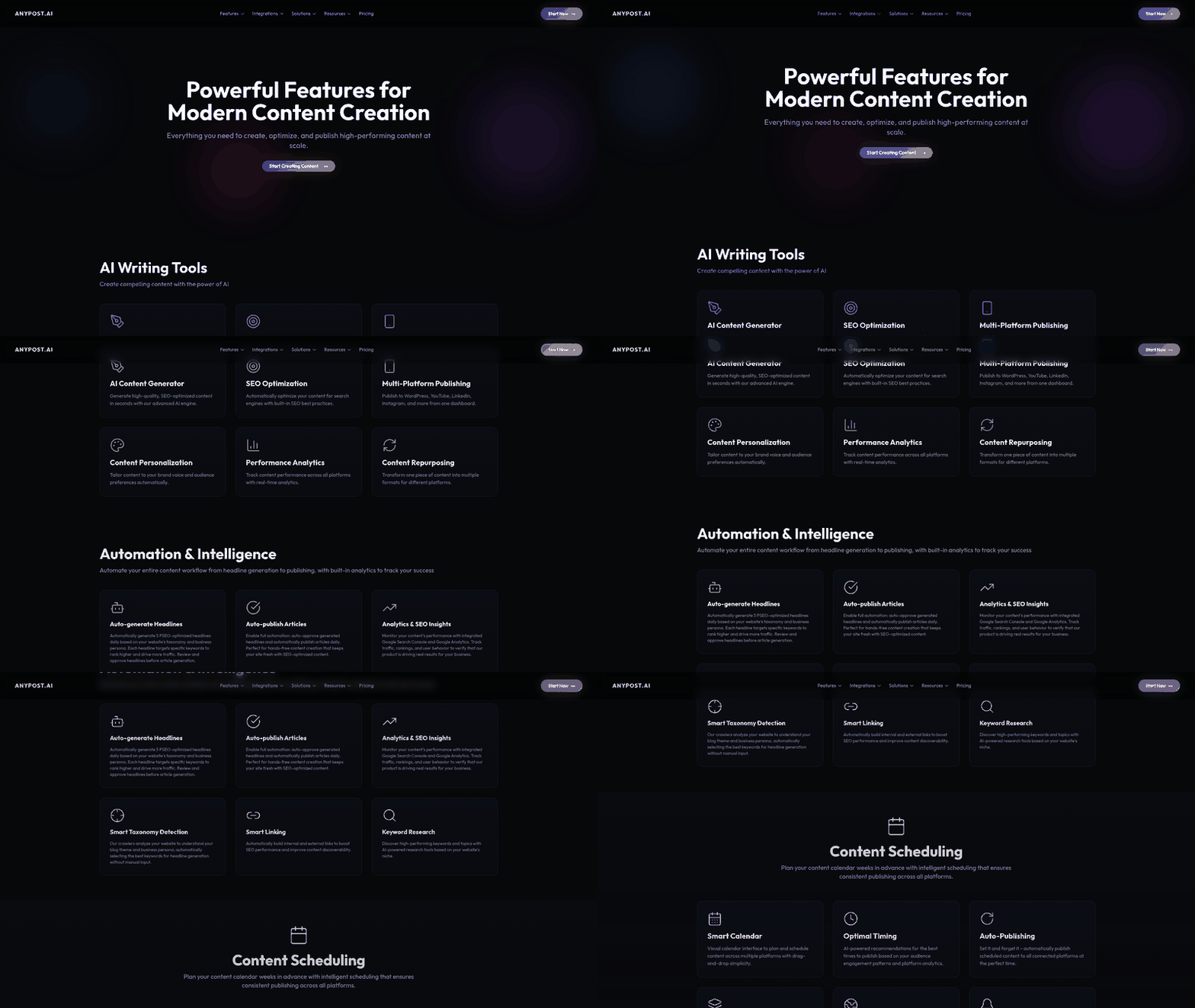
Creating persona-driven content involves aligning messaging with the unique pain points and goals of each persona. Research from [13] highlights that interactive and visually appealing content, such as case studies or infographics, significantly boosts engagement and conversion rates. Building on concepts from Section 2, automated content generation tools can streamline the creation of such materials, ensuring consistency and scalability. LinkedIn Ads and Lead Gen Forms, as outlined in [5], enable B2B companies to deliver personalized content directly to users based on their job titles or industries. For instance, a SaaS company targeting marketers might produce video tutorials on campaign automation, while the same company could create ROI-focused whitepapers for executives [11]. Alex Hormozi’s 2025 lead generation strategy [15] underscores the importance of hyper-specific content, such as niche webinars addressing industry-specific challenges, to attract qualified leads.
Persona-driven analytics are critical for measuring the effectiveness of lead generation campaigns. By tracking engagement metrics like click-through rates and conversion rates per persona, marketers can refine their strategies [1]. [4] explains that B2B lead generation success depends on continuous A/B testing of content formats and messaging, ensuring alignment with persona preferences. See Section 5 for more details on leveraging real-time analytics to optimize these metrics dynamically. LinkedIn’s analytics tools allow companies to assess which personas interact most with specific content types [11], while [14] notes that network-building efforts on the platform correlate with improved sales performance when guided by data. For example, if IT decision-makers show higher engagement with blog posts than videos, content calendars can be adjusted accordingly [5].
Examples of successful persona-driven campaigns include LinkedIn-based initiatives that segment audiences by seniority or industry. [5] describes a campaign where Lead Gen Forms captured leads by offering downloadable templates tailored to marketing managers, resulting in a 30% increase in qualified leads. Similarly, [11] highlights a B2B software firm that used LinkedIn Ads to target CFOs with cost-saving calculators, achieving a 25% higher conversion rate compared to generic ads. [13] provides evidence that interactive content, such as quizzes or assessments, increases lead capture by 40% when aligned with persona-specific goals. These examples reinforce the value of designing campaigns that address distinct persona needs [4].
To maximize results, B2B companies should integrate persona-driven strategies across all lead generation channels. This includes optimizing SEO for persona-relevant keywords [7], automating follow-ups with marketing tools [12], and leveraging telemarketing scripts tailored to persona objections [9]. However, sources caution against assuming one-size-fits-all solutions; [1] stresses that even advanced AI tools require persona-specific training data to avoid generic outputs. By systematically applying persona insights to content creation, targeting, and analytics, B2B marketers can enhance lead quality and sales alignment [14].
Section 8: Best Practices for Scaling B2B Lead Generation Efforts
Building a scalable B2B lead generation team requires a mix of in-house expertise and, optionally, outsourced support. A dedicated team should include roles such as content marketers, data analysts, and sales development representatives to align with the multifaceted nature of lead generation [3]. For example, in-house teams benefit from closer alignment with company goals but may require significant investment in training and tools, while outsourced agencies often provide specialized skills like intent data analysis or LinkedIn Ads management [3]. According to [6], integrating AI-powered tools—such as chatbots for lead qualification or predictive analytics for targeting—can enhance efficiency, particularly when paired with human oversight. See the [Leveraging AI and Machine Learning for Enhanced Lead Generation] section for more on how AI streamlines lead generation processes. Teams should also prioritize collaboration between marketing and sales to ensure lead definitions, scoring criteria, and follow-up processes are unified [4].
Creating a robust lead generation strategy demands a combination of data-driven tactics and adaptable frameworks. Start by defining clear objectives, such as increasing lead volume by 30% within six months or improving lead quality through higher engagement metrics [4]. Leverage intent data platforms to identify prospects actively researching solutions similar to yours, as demonstrated by [3], and combine this with LinkedIn Lead Gen Forms to capture high-intent leads directly on the platform [5]. Content marketing remains a cornerstone, with [13] emphasizing the value of interactive content like quizzes or calculators, which boost engagement and conversion rates. Additionally, SEO-optimized content—such as blog posts targeting long-tail keywords—can attract organic traffic, as detailed in the [SEO Optimization Techniques for B2B Lead Generation] section [7], while email nurturing sequences automate follow-ups for scalability [12].
Continuous optimization is critical for sustaining lead generation momentum. Regularly audit campaign performance using metrics like cost per lead (CPL), conversion rates, and sales acceptance rates, and adjust strategies based on these insights [12]. A/B testing subject lines, CTAs, and landing page designs can uncover incremental improvements, as highlighted in [6], where AI tools automate testing workflows. As discussed in the [Measuring and Optimizing Lead Generation with Real-Time Analytics] section, real-time analytics enable dynamic campaign adjustments. For instance, [8] shows that companies using outsourced lead generation often revisit their strategies quarterly to adapt to market shifts, such as emerging competitor tactics or changes in buyer behavior. Tools like marketing automation platforms (MAPs) enable real-time tracking and rapid iteration, ensuring campaigns remain agile [12]. Moreover, feedback loops between sales and marketing teams—documented in [4]—help refine lead scoring models and prioritize high-value prospects.
Examples of successful campaigns illustrate the effectiveness of these practices. One B2B firm boosted lead generation by 40% after implementing LinkedIn Ads with tailored messaging for specific industry verticals, combined with Lead Gen Forms to streamline data capture [5]. Another company leveraged AI-driven lead scoring, as described in [6], to prioritize prospects with high purchase intent, reducing sales cycle length by 25%. Interactive content, such as a downloadable ROI calculator for SaaS solutions, drove a 50% increase in form submissions for a tech firm, per [13]. These cases underscore the value of blending technology, data, and creative execution to scale efforts effectively. Finally, [15] emphasizes the importance of hyper-targeted outreach—such as personalized video messages—to differentiate campaigns in competitive markets.
References
[1] B2B Sales Strategy: A 2025 Top Guide to Success | Leadfeeder - https://www.leadfeeder.com/blog/b2b-lead-generation-strategies-and-tactics/
[2] Favorite B2B lead generation strategies? : r/SEO - https://www.reddit.com/r/SEO/comments/176nrrh/favorite_b2b_lead_generation_strategies/
[3] In-House vs. Agency Lead Generation: Which One Drives More B2B ... - https://revnew.com/blog/b2b-in-house-lead-generation-fails
[4] What is B2B lead generation? 15 proven strategies for growth - https://www.zendesk.com/sg/blog/b2b-lead-gen/
[5] LinkedIn B2B Lead Generation: Success Tactics for Growth - https://revnew.com/blog/linkedin-b2b-lead-generation-success-tactics
[6] 11 AI Lead Generation Techniques and Tools for 2025: The Ultimate ... - https://www.ai-bees.io/post/ai-lead-generation
[7] The Role of SEO in B2B Lead Generation Strategies - Intelemark - https://www.intelemark.com/blog/the-role-of-seo-in-b2b-lead-generation-strategies/
[8] 8 Reasons Why Outsourced Lead Generation is Trending in 2025 - https://martal.ca/how-outsourcing-lead-generation-leads-to-better-roi/
[9] B2B Telemarketing in the Digital Age: Modern Marketing Tips ... - https://www.intelemark.com/blog/b2b-telemarketing-in-the-digital-age/
[10] Maximizing Lead Generation: Mastering B2B LinkedIn Lead Capture ... - https://www.ideagrove.com/blog/maximizing-lead-generation-mastering-b2b-linkedin-lead-capture-forms
[11] (PDF) Digital Marketing on LinkedIn: In-Depth Strategies for Lead ... - https://www.researchgate.net/publication/380433146_Digital_Marketing_on_LinkedIn_In-Depth_Strategies_for_Lead_Generation
[12] (PDF) Marketing Automation Report 2021: Lead Generation and ... - https://www.researchgate.net/publication/349553323_Marketing_Automation_Report_2021_Lead_Generation_and_Lead_Qualification_Through_Data-Driven_Marketing_in_B2B
[13] (PDF) A Study of The Impact of Engaging Content on Lead Generation - https://www.researchgate.net/publication/393136404_A_Study_of_The_Impact_of_Engaging_Content_on_Lead_Generation
[14] (PDF) Evaluating Online Business-to-Business Demand Generation ... - https://www.researchgate.net/publication/351688570_Evaluating_Online_Business-to-Business_Demand_Generation_through_LinkedIn
[15] Alex Hormozi's Lead Generation Strategy for 2025 by Instantly - https://www.youtube.com/watch?v=oZ18-kMrmKw
Frequently Asked Questions
1. How can B2B companies overcome the time-consuming nature of content creation for lead generation?
To streamline content creation, B2B companies can leverage AI-powered tools for ideation and drafting, use pre-designed templates to reduce design time, and outsource specialized tasks to agencies or freelancers. Additionally, repurposing existing content (e.g., turning a blog post into an infographic or webinar) maximizes efficiency while maintaining quality. Collaborative platforms like Notion or Trello can also centralize workflows and deadlines.
2. What are effective SEO strategies for B2B companies with limited in-house expertise?
B2B companies can start with keyword research tools like Ahrefs or SEMrush to identify low-competition, high-intent keywords. Focus on long-tail keywords specific to their niche, and prioritize on-page SEO elements such as meta descriptions, header tags, and internal linking. For technical SEO, consider hiring freelancers or agencies to audit and optimize site structure. Regularly publishing SEO-optimized blog posts and securing backlinks from industry-specific websites can also boost rankings.
3. How can B2B brands maintain a consistent voice across diverse content formats?
Develop a detailed brand style guide that outlines tone, language, and visual elements. Train in-house teams and freelancers on this guide, and use collaborative tools like Grammarly or Hemingway Editor to enforce consistency. Conduct regular audits of published content to ensure alignment with brand values. For outsourced content, provide clear briefs and use project management tools to track feedback and revisions.
4. Why is personalized content crucial for B2B lead generation, and how can it be implemented?
Personalized content increases engagement by addressing specific pain points of buyer personas. According to the article, it can drive a 20% higher conversion rate. To implement this, use data analytics to segment audiences based on behavior or industry, then tailor messaging via dynamic content tools (e.g., HubSpot). Case studies targeting specific sectors, personalized email campaigns, and customized landing pages are effective methods to align with prospect needs.
5. How can video content be leveraged for B2B lead generation, as mentioned in the related video?
Video content builds trust and showcases expertise. B2B companies can create explainer videos, customer testimonials, or thought leadership interviews. Optimize these videos with SEO (e.g., keyword-rich titles and descriptions) and distribute them on LinkedIn, YouTube, and company websites. Webinars or live Q&A sessions can also generate leads by offering value in exchange for contact information. Tools like Lumen5 or Canva simplify video production for non-experts.
6. What tools or frameworks support a persona-driven lead generation approach?
CRM platforms like Salesforce or HubSpot help map buyer personas to engagement stages, while marketing automation tools (e.g., Marketo) deliver targeted content. Use buyer persona generators like Xtensio to define audience segments, and A/B testing tools (e.g., Optimizely) to refine messaging. Frameworks like the BANT model (Budget, Authority, Need, Timeline) ensure alignment between sales and marketing efforts when qualifying leads.
7. How can B2B companies measure the effectiveness of their lead generation strategies?
Track key metrics such as conversion rates, cost per lead (CPL), and lead-to-close ratios. Use UTM parameters to analyze traffic sources and content performance in Google Analytics. CRM data can reveal which campaigns drive the most qualified leads. Regularly review these metrics to adjust strategies, such as reallocating budgets to high-performing channels or refining content based on engagement data.