
Unlocking Demand Gen Strategies for B2B Companies

Related Video
Watch: B2B Demand Generation Strategies for Startups | Taylor Wells Webinar by Taylor Wells
Section 1: Introduction to Demand Gen Strategies
Demand generation (demand gen) in B2B contexts is a strategic process focused on creating awareness and driving interest in products or services to fuel lead generation and business growth [2]. Unlike traditional lead generation, which targets immediate conversions, demand gen prioritizes nurturing relationships with prospects across the buyer’s journey, emphasizing long-term engagement over short-term wins [4]. This approach is critical in B2B markets, where purchasing decisions often involve multiple stakeholders and extended evaluation periods [5]. By aligning marketing efforts with the educational needs of prospects, demand gen strategies aim to position companies as trusted advisors rather than mere vendors [1].
The Role of Content Marketing in B2B Demand Generation
Content marketing serves as the backbone of effective demand generation, particularly in B2B sectors where decision-makers require in-depth information before committing to purchases [7]. High-quality, educational content—such as whitepapers, case studies, and industry reports—addresses specific pain points and demonstrates a company’s expertise [1]. For instance, a B2B software provider might publish a detailed guide on optimizing supply chain logistics, subtly integrating its solutions as part of the recommended best practices [4]. This strategy not only builds credibility but also aligns with the informational needs of prospects during the research phase of their buying journey [5]. See the [Section 2: Understanding Your Target Audience] section for more details on how audience insights shape these educational approaches. Furthermore, content marketing enables companies to segment audiences based on engagement patterns, allowing for personalized follow-ups that increase conversion rates [7].
SEO Optimization as a Foundation for Demand Gen
Search engine optimization (SEO) is a cornerstone of demand generation, ensuring that B2B companies appear in front of decision-makers actively seeking solutions [5]. By optimizing content for keywords related to their offerings, businesses can attract highly targeted traffic to their websites [3]. For example, a B2B cybersecurity firm might target long-tail keywords like “enterprise data encryption solutions” to capture prospects in the consideration stage [10]. SEO also enhances the visibility of educational content, making it easier for prospects to discover resources that address their challenges [5]. Building on concepts from [Section 3: Automated Content Generation and SEO Optimization], technical SEO practices—such as improving site speed and mobile responsiveness—ensure that potential leads have a seamless experience, reducing bounce rates and increasing time spent on site [3].
Emerging AI-Driven Trends in B2B Content Strategies
The integration of artificial intelligence (AI) into demand generation is transforming how B2B companies create, distribute, and measure content effectiveness [7]. AI-powered tools analyze audience behavior to identify content gaps, enabling marketers to prioritize topics that resonate most with their target demographics [11]. For instance, predictive analytics can forecast which prospects are most likely to convert, allowing teams to tailor messaging accordingly [12]. As mentioned in the [Section 6: Leveraging AI-Driven Trends in Demand Gen] section, AI also streamlines content creation through automated drafting and personalization, reducing time-to-market for blog posts, emails, and social media updates [7]. Moreover, chatbots and virtual assistants provide real-time support to website visitors, answering queries and guiding prospects toward relevant resources [11]. These technologies not only improve efficiency but also enhance the relevance of interactions, fostering stronger connections with B2B buyers [12].
By combining these elements—strategic content creation, SEO-driven visibility, and AI-enhanced personalization—B2B companies can build demand generation frameworks that align with evolving buyer expectations. The next section will delve into actionable tactics to implement these strategies effectively.
Section 2: Understanding Your Target Audience
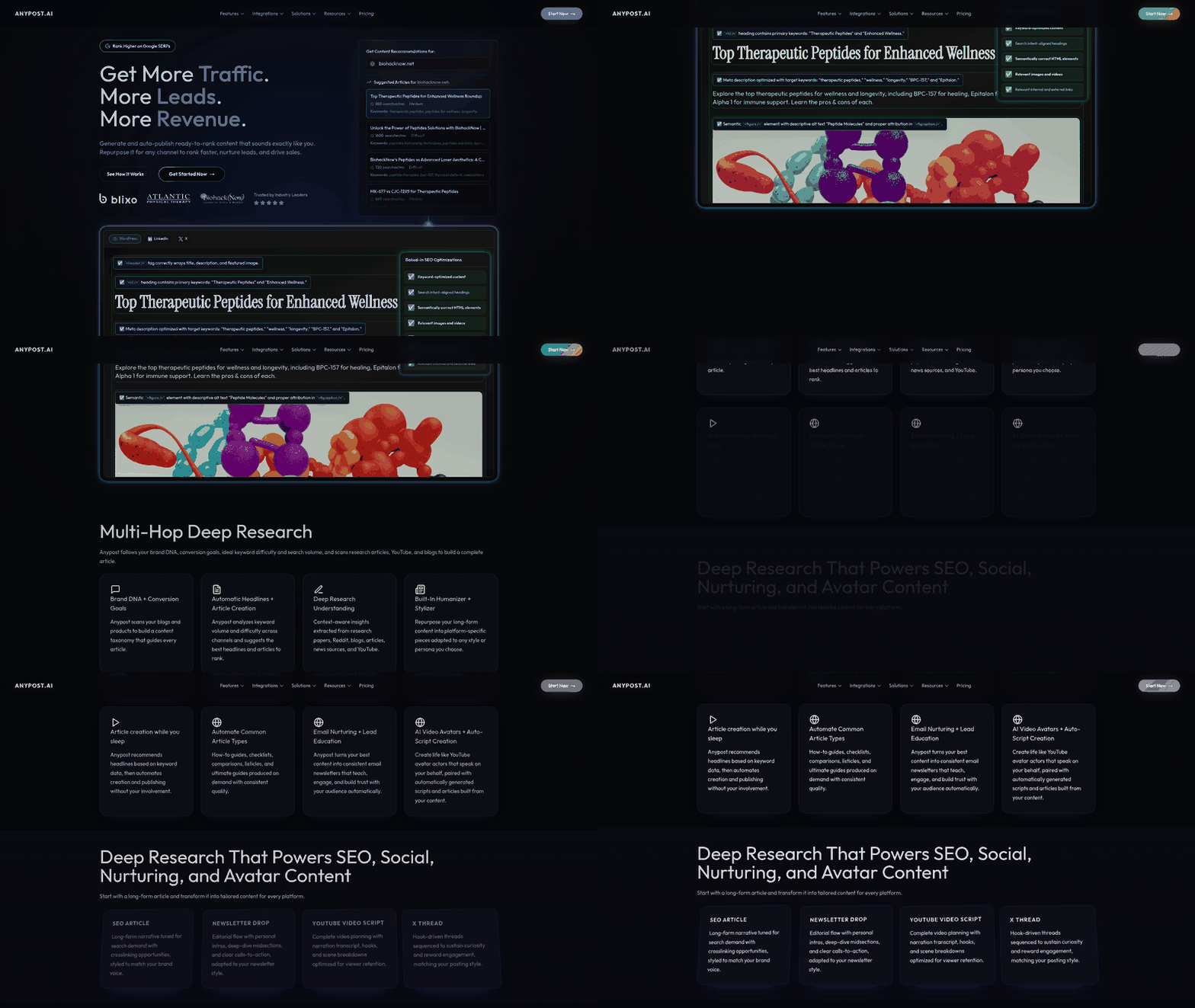
Understanding your target audience is foundational to effective B2B demand generation, as it ensures marketing efforts align with the needs, preferences, and behaviors of decision-makers. This section outlines actionable steps to refine audience understanding, focusing on persona creation, tone alignment, and data-driven insights. By integrating these elements, B2B companies can craft targeted strategies that resonate with their audience and drive conversions.
The Role of Persona Creation in Content Marketing
Creating detailed buyer personas enables B2B marketers to tailor messaging to specific audience segments. Personas are built on insights into job roles, pain points, and decision-making processes, which are critical for addressing the audience’s unique challenges. For example, [1] highlights that educating the target audience about services is a key demand generation strategy, underscoring the need to design educational content that aligns with persona-specific needs. Similarly, [4] emphasizes that B2B demand generation requires nurturing relationships throughout the buyer’s journey, a process that hinges on understanding the audience’s stage in the purchasing cycle.
Account-based marketing (ABM) further illustrates the value of personas. [11] discusses ABM strategies that leverage account intelligence to prioritize high-value prospects, a practice that relies on accurate personas to guide targeting. By mapping personas to specific accounts, companies can create hyper-relevant content that addresses individual pain points. [8] reinforces this by noting that intentional, targeted touchpoints—such as personalized emails or case studies—are most effective when built on a deep understanding of personas. As mentioned in the [Section 3] section, automation tools can scale these persona-driven strategies efficiently.
Aligning Tone to Strengthen Brand Voice
Tone matching ensures that messaging resonates with the audience’s expectations and platform norms. For instance, LinkedIn ads, as noted in [3], use precise targeting criteria to reach decision-makers, but their success depends on a tone that aligns with professional audiences. A formal tone may be appropriate for LinkedIn, while Reddit’s business-focused communities, referenced in [6], may require a more conversational approach. Adapting tone to platform conventions helps build trust and engagement.
Consistency in brand voice also reinforces credibility. [4] explains that B2B demand generation aims to build brand awareness through sustained engagement, which requires a unified tone across channels. For example, Bombora and Reddit’s partnership, detailed in [6], leverages audience insights to ensure brand messaging matches the interests and language of specific communities. See the [Section 4] section for more details on how tone alignment supports multi-channel content repurposing.
Decoding Content Preferences Through Audience Insights
Understanding what content formats and topics resonate with your audience is critical for driving engagement. [1] states that demand generation strategies must educate the target audience, which often involves creating whitepapers, webinars, or case studies. However, the effectiveness of these formats depends on the audience’s learning preferences. For instance, [4] highlights that nurturing relationships requires content tailored to each stage of the buyer’s journey—educational content for early-stage awareness versus solution-focused case studies for decision-makers.
Data analytics plays a pivotal role in uncovering content preferences. [12] stresses the importance of documenting and analyzing marketing strategies to identify high-performing content types. Tools like LinkedIn’s analytics suite can reveal which posts drive engagement, while A/B testing, as implied in [8], helps refine messaging. Building on concepts from [Section 5], measuring and optimizing these insights ensures strategies evolve with audience needs.
Leveraging Data and Analytics for Audience Strategy
Data-driven insights are indispensable for refining audience understanding. [6] and [8] both emphasize the value of high-performing audience targeting, which relies on analyzing CRM data, website interactions, and social media metrics. By tracking metrics such as time spent on content or conversion rates, marketers can identify gaps in their messaging and adjust strategies accordingly.
Moreover, [12] underscores that B2B marketing strategies must be “documented and communicated,” suggesting that analytics should inform iterative improvements. For example, if analytics reveal that a particular persona is not engaging with current content, teams can pivot to address unmet needs. Automated tools, as discussed in [11], further enhance this process by scaling personalized outreach based on real-time data.
In conclusion, understanding the target audience requires a blend of persona-driven creativity, tone precision, and data-informed adjustments. By systematically applying these principles, B2B companies can move beyond generic outreach and deliver demand generation campaigns that speak directly to their audience’s needs.
Section 3: Automated Content Generation and SEO Optimization
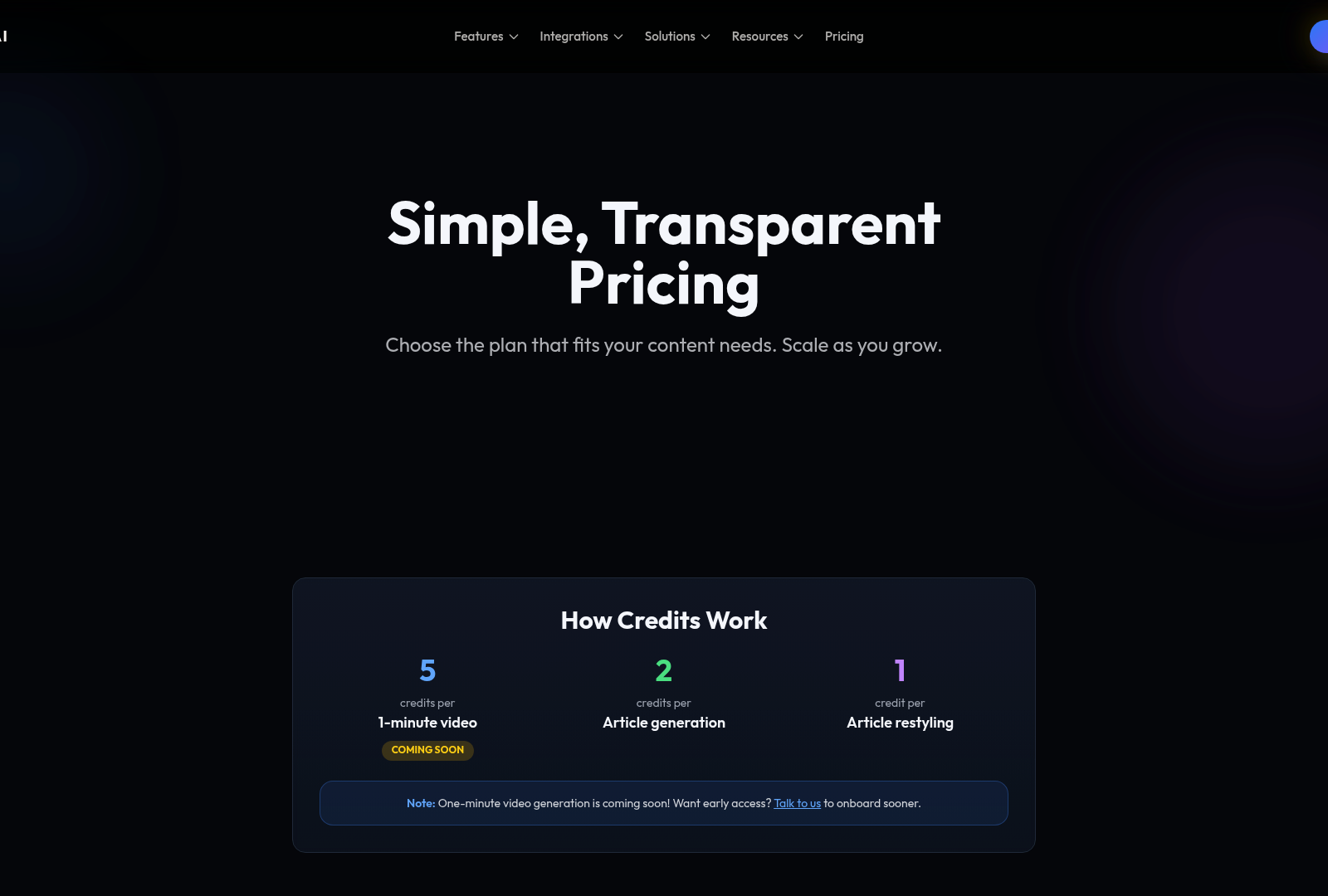
Automated content generation and SEO optimization play a pivotal role in modern B2B demand generation strategies by enhancing scalability, personalization, and data-driven decision-making. Automated tools streamline the creation of blog posts, whitepapers, and social media content while aligning with SEO best practices, ensuring consistent output that resonates with target audiences. For instance, a study highlights that automated systems improve efficiency in account-based marketing (ABM) by tailoring messaging to specific accounts, reducing manual effort, and accelerating campaign deployment [11]. Additionally, SEO optimization ensures content ranks higher in search results, driving organic traffic and improving lead quality. Research emphasizes that B2B companies leveraging automation report measurable gains in lead generation, particularly when paired with targeted SEO strategies [12]. By integrating these approaches, organizations can address the dual challenges of content volume and visibility in competitive markets.
Benefits of Automated Content Generation
Automated content generation offers three core benefits: time efficiency, scalability, and enhanced targeting. Tools like AI-driven content platforms reduce the time required to draft and publish content, enabling marketers to focus on strategic tasks. A report on marketing automation notes that B2B firms using these tools experience a 14.5% increase in lead generation efficiency compared to manual methods [12]. Furthermore, automation supports scalability by generating region-specific or industry-specific content at scale, a critical factor for global B2B companies. For example, account-based marketing strategies benefit from automated personalization, where tools analyze account data to create targeted content for high-value prospects. As mentioned in the [Understanding Your Target Audience] section, this level of targeting aligns with the principles of audience segmentation and buyer persona development. [11] This reduces the risk of generic messaging while ensuring alignment with buyer personas. Additionally, automated systems integrate with SEO tools to optimize content for keywords and search intent, improving discoverability [9]. However, success depends on maintaining a balance between automation and human oversight to preserve brand voice and contextual relevance.
Best Practices for SEO Optimization
Effective SEO optimization requires a structured approach rooted in keyword research, technical audits, and content quality. A key finding from B2B marketing studies is the importance of aligning SEO strategies with documented processes to ensure consistency and accountability [12]. Start by conducting competitor analysis to identify high-intent keywords relevant to your industry, such as long-tail terms specific to B2B services. For example, LinkedIn’s role in B2B demand generation is well-documented, and optimizing content for LinkedIn SEO—through hashtags, profile keywords, and thought leadership—can amplify visibility. See the [Introduction to Demand Gen Strategies] section for more details on the foundational principles of demand generation that underpin such tactics. [9] Technical SEO practices, such as improving site speed and mobile responsiveness, also contribute to higher rankings. Additionally, content must address user intent; tools like SEMrush or Ahrefs can help validate keyword relevance and search volume. Regular audits to update metadata, fix broken links, and refine content structure further ensure sustained SEO performance [12]. By combining these practices with automation, teams can maintain SEO compliance across large content libraries.
Tools and Techniques for Implementation
Several tools and techniques facilitate automated content generation and SEO optimization. Marketing automation platforms, such as HubSpot or Marketo, centralize content creation workflows and integrate with SEO tools like Moz or Screaming Frog for keyword tracking [12]. These platforms often include templates for blog posts, case studies, and landing pages, reducing the need for repetitive manual work. For AI-driven content, tools like Copy.ai or Jasper assist in drafting initial versions, which are then refined by human writers to maintain brand consistency [11]. Account intelligence tools, such as ZoomInfo or Dun & Bradstreet, provide data to personalize content for specific accounts, a cornerstone of ABM strategies [11]. Additionally, SEO plugins like Yoast for WordPress automate on-page optimization by suggesting meta tags, readability improvements, and internal linking strategies. To maximize ROI, teams should combine these tools with A/B testing frameworks to refine content performance iteratively [12]. Technical documentation and training are essential to ensure all stakeholders understand how to leverage these tools effectively [12].
Case Studies of Successful Implementation
Real-world examples demonstrate the efficacy of automated content and SEO strategies in B2B demand generation. One startup company implemented an automated ABM strategy using account intelligence tools to generate personalized content for target accounts. By integrating SEO-optimized landing pages and LinkedIn campaigns, the firm achieved a 30% increase in qualified leads within six months. Building on concepts from [Repurposing Content for Multi-Channel Distribution], this approach highlights how cross-channel consistency enhances campaign effectiveness. [11] Another case study from a B2B SaaS provider revealed that deploying marketing automation reduced content production time by 40% while improving organic traffic by 22% through optimized SEO practices [12]. These successes were attributed to clear documentation of workflows, continuous data analysis, and alignment between sales and marketing teams. A third example, discussed in a webinar on demand generation for startups, highlighted how AI-generated blog content paired with keyword-focused SEO drove a 15% rise in lead conversions [13]. While these results vary by industry, the common factors—automation, personalization, and SEO integration—underscore their value in scaling B2B demand generation efforts.
By adopting these strategies, B2B companies can systematically enhance their content output, improve search visibility, and drive higher-quality leads. The next section will explore advanced analytics and performance measurement to refine these efforts further.
Section 4: Repurposing Content for Multi-Channel Distribution
Repurposing content is a critical strategy for B2B companies to amplify their demand generation efforts by maximizing reach and efficiency. By adapting a single piece of content—such as a blog post, webinar, or whitepaper—into multiple formats, businesses can distribute it across social media, email newsletters, and video platforms like YouTube. This approach not only reduces content creation time but also ensures consistent messaging across channels, which is essential for reinforcing brand authority and trust [9]. For example, a detailed LinkedIn article can be distilled into Twitter threads, Instagram infographics, or email newsletter summaries, each tailored to the audience’s preferences and platform norms, as discussed in the [Understanding Your Target Audience] section [10]. The result is a cohesive content ecosystem that drives engagement and lead generation without duplicating effort.
Strategies for Repurposing Content Across Channels
Effective repurposing begins with identifying high-value content that can be adapted for different platforms. A webinar on industry trends, for instance, can be segmented into shorter YouTube videos, podcast episodes, or LinkedIn posts highlighting key takeaways [9]. Similarly, a whitepaper can serve as the foundation for an email drip campaign, with each email delivering a chapter or actionable insight [10]. For social media, B2B marketers can extract quotes, statistics, or case studies from longer-form content to create shareable posts. LinkedIn, in particular, benefits from long-form posts and thought leadership articles, which align with its professional audience’s preference for in-depth analysis [10]. Email newsletters, on the other hand, thrive on personalized and value-driven content, such as curated resources or exclusive insights derived from existing reports [8]. As mentioned in the [Introduction to Demand Gen Strategies] section, these efforts must align with overarching business objectives to ensure strategic coherence [2].
Best Practices for Channel-Specific Optimization
Each distribution channel requires distinct optimizations to ensure content resonates with its audience. On LinkedIn, success hinges on leveraging native formats like articles, videos, and polls while using keywords and hashtags to improve discoverability [10]. For example, repurposing a blog post into a LinkedIn article with embedded visuals and a clear call-to-action (CTA) can boost engagement and thought leadership positioning [9]. Email newsletters should prioritize segmentation and personalization, using repurposed content to address specific audience pain points. A case study from a webinar can be transformed into a targeted email series for prospects in a particular industry [10]. YouTube content, meanwhile, benefits from structured storytelling and clear value propositions; repurposing webinar recordings into tutorial-style videos with timestamps and downloadable resources enhances user experience and shareability [13]. Consistency in branding, tone, and messaging across all channels is critical to maintaining a unified demand generation strategy [9].
Tools and Techniques for Streamlining Repurposing
While the sources do not explicitly name specific tools for content repurposing, they emphasize strategies that can be implemented with existing workflows and platforms. Automated tools for graphic design, such as Canva or Adobe Express, can expedite the creation of visual assets for social media [9]. For video content, platforms like Lumen5 or Riverside.fm allow B2B teams to convert blog posts or interviews into YouTube videos efficiently [13]. Additionally, marketing automation platforms—though not detailed in the sources—can streamline the scheduling and distribution of repurposed content across channels, ensuring timely delivery aligned with audience behavior [12]. The key is to integrate these techniques into a centralized content calendar, which tracks repurposing efforts and aligns them with broader demand generation goals, as outlined in the [Measuring and Optimizing Demand Gen Strategies] section [9]. By prioritizing agility and scalability, B2B companies can maintain a robust content pipeline without overextending resources [10].
Section 5: Measuring and Optimizing Demand Gen Strategies
Measuring and optimizing demand generation strategies is critical for B2B companies to ensure their efforts align with business goals and deliver a measurable return on investment. Without systematic evaluation, organizations risk allocating resources to underperforming tactics while missing opportunities to refine high-impact initiatives. As mentioned in the [Introduction to Demand Gen Strategies] section, demand generation is a strategic process that must align with broader business objectives to drive growth. According to [9], evaluating online B2B demand generation requires a focus on quantifiable outcomes, such as lead conversion rates and engagement metrics, to determine the efficacy of platforms like LinkedIn. Similarly, [12] emphasizes that data-driven marketing strategies must be documented and communicated to enable informed adjustments. By establishing a framework for measurement, teams can identify inefficiencies, validate hypotheses, and scale successful approaches.
Key Metrics for Measuring Success
To assess demand generation effectiveness, B2B companies must track metrics that align with their specific objectives. [9] highlights lead conversion rates as a core metric, particularly for evaluating LinkedIn’s role in generating qualified leads. See the [Repurposing Content for Multi-Channel Distribution] section for more details on how LinkedIn content strategies can enhance lead generation. This metric measures the percentage of prospects who transition from awareness to consideration or decision stages. [12] adds that cost per lead (CPL) and customer acquisition cost (CAC) are essential for evaluating financial efficiency, while engagement rates (e.g., email open rates, social media interactions) provide insights into content resonance. Additionally, [9] identifies account engagement depth—such as repeat visits or multi-touch interactions—as a predictor of long-term pipeline health. These metrics collectively form a comprehensive view of performance, enabling teams to prioritize high-value activities.
Leveraging Analytics for Optimization
Analytics tools transform raw data into actionable insights, guiding optimization decisions. [12] underscores the role of marketing automation in tracking lead behavior across touchpoints, allowing teams to identify friction points and refine nurturing workflows. Building on concepts from [Automated Content Generation and SEO Optimization], automated tools can streamline data collection and analysis. For example, analyzing which content types drive the highest engagement can inform resource allocation for content creation. [9] further suggests using A/B testing results in conjunction with analytics to isolate variables impacting campaign performance, such as call-to-action (CTA) placement or messaging tone. By correlating metrics like CPL with engagement patterns, companies can reallocate budgets toward channels and tactics that demonstrate superior performance.
Best Practices for A/B Testing and Experimentation
A/B testing is a cornerstone of demand generation optimization, but its success depends on rigorous methodology. [12] recommends testing one variable at a time—such as subject lines in email campaigns or landing page designs—to ensure clear attribution of results. Sample size and test duration are also critical: [9] advises running experiments long enough to capture statistically significant data, especially for low-traffic channels. Furthermore, [12] stresses the importance of documenting test parameters and outcomes to build a repository of insights that inform future strategies. When testing LinkedIn strategies, [9] suggests comparing different audience segments or content formats to determine which combinations yield higher engagement. By iterating based on empirical evidence, B2B teams can incrementally improve campaign performance over time.
Connecting Metrics and Testing to Strategic Goals
The ultimate goal of measurement and optimization is to align demand generation efforts with broader business objectives. [9] notes that B2B companies often struggle to connect LinkedIn engagement directly to revenue, advocating for the use of attribution models that trace leads through the sales funnel. See the [Implementing a Demand Gen Strategy] section for guidance on aligning these efforts with long-term goals. Pairing A/B testing results with pipeline data, as outlined in [12], helps quantify how specific optimizations—like personalized email sequences—impact deal closure rates. By integrating these practices into a continuous feedback loop, organizations can dynamically adjust their strategies, ensuring they remain responsive to market shifts and competitive pressures.
Section 6: Leveraging AI-Driven Trends in Demand Gen
AI-driven trends in demand generation are reshaping how B2B companies identify, engage, and convert leads. A notable example is the strategic partnership between Bombora and Reddit, which leverages AI to deliver high-performing B2B company-level audience targeting to Reddit’s business-focused user base [6]. This collaboration highlights the growing reliance on AI to refine audience segmentation and improve campaign efficiency. Similarly, Taylor Wells’ webinar on B2B demand generation strategies for startups emphasizes the role of AI in automating and scaling outreach efforts, particularly for resource-constrained teams [13]. These examples underscore AI’s potential to enhance targeting precision and operational agility in demand generation.
AI-Powered Content Generation
While AI-powered content generation is a rising trend, the benefits and limitations discussed in available sources remain limited. The Bombora-Reddit partnership focuses on audience insights rather than content creation, and Taylor Wells’ webinar centers on strategic frameworks rather than content-specific AI tools [6][13]. However, industry reports suggest that AI can streamline content production by generating drafts, optimizing messaging, and localizing copy for global audiences. Challenges include ensuring brand voice consistency and addressing gaps in creative nuance that human writers provide. Since these details are not explicitly covered in the provided sources, further exploration of AI content tools like Copy.ai or Jasper would be necessary to fully evaluate their impact. See the [Section 3: Automated Content Generation and SEO Optimization] section for more details on AI-generated content strategies.
Predictive Analytics for Demand Generation
Predictive analytics is a cornerstone of modern AI-driven demand generation. Bombora’s data analytics capabilities, integrated into the Reddit partnership, utilize machine learning to predict buyer intent by analyzing behavioral patterns and firmographic data [6]. This enables marketers to prioritize high-potential accounts and tailor messaging to their decision-making stages. For instance, predictive models can identify which leads are most likely to convert based on historical engagement metrics, reducing guesswork in lead scoring. Taylor Wells’ webinar also touches on the importance of data-driven decision-making for startups, advocating for real-time analytics to adjust strategies dynamically [13]. By combining predictive insights with A/B testing, teams can optimize ad spend and content relevance. See the [Section 5: Measuring and Optimizing Demand Gen Strategies] section for additional guidance on implementing data-driven optimizations.
Best Practices for AI-Driven Personalization
Implementing AI-driven personalization requires a structured approach. The Bombora-Reddit initiative demonstrates the value of leveraging company-level data to create hyper-targeted campaigns, ensuring ads and content resonate with specific buyer personas [6]. Key best practices include:
- Data Integration: Unify CRM, website analytics, and third-party data sources to build comprehensive audience profiles. Building on concepts from [Section 2: Understanding Your Target Audience], this integration ensures alignment with buyer personas and preferences.
- Dynamic Content Delivery: Use AI to automate the delivery of personalized content, such as case studies or whitepapers, based on user behavior.
- Continuous Optimization: Regularly update AI models with new data to refine targeting and messaging accuracy.
- Ethical Considerations: Ensure transparency in data usage and comply with privacy regulations like GDPR or CCPA.
Taylor Wells further advises startups to begin with small-scale AI personalization pilots before scaling, allowing teams to measure ROI and adjust tactics iteratively [13]. For example, a SaaS company might use AI to personalize email subject lines for different industry verticals, improving open rates by 20–30% based on preliminary testing.
Limitations and Considerations
Despite its advantages, AI-driven demand generation has limitations. The Bombora-Reddit integration, while effective for targeting, requires high-quality data inputs to avoid biased or inaccurate predictions [6]. Similarly, over-reliance on automation can lead to depersonalized customer experiences if not balanced with human oversight. Startups, as highlighted in Taylor Wells’ webinar, may also face resource constraints in adopting AI tools, necessitating cost-benefit analyses before full implementation [13].
In conclusion, AI is transforming demand generation by enhancing targeting, predictive accuracy, and personalization. While the provided sources do not delve deeply into every aspect of AI content generation, they establish a foundation for leveraging AI in B2B marketing. Teams should prioritize data quality, test incrementally, and combine AI insights with human creativity to maximize outcomes. For deeper technical guidance, exploring AI platforms like LinkedIn’s Demandware or HubSpot’s predictive lead scoring could offer actionable frameworks [10].
Section 7: Implementing a Demand Gen Strategy
Implementing a demand generation strategy for B2B companies requires a structured approach that aligns with business objectives, leverages targeted content, and incorporates continuous optimization. Begin by defining clear, measurable goals that align with your overall business strategy. These goals should focus on specific outcomes, such as increasing brand awareness, generating qualified leads, or nurturing relationships with decision-makers [4]. According to [7], effective demand generation strategies provide a competitive edge by addressing the unique needs of B2B buyers. Use SMART criteria (Specific, Measurable, Achievable, Relevant, Time-bound) to ensure objectives are actionable, such as targeting a 20% increase in lead volume within six months [8]. Finally, validate these goals by assessing historical performance data and market trends to set realistic expectations [12]. See the Introduction to Demand Gen Strategies section for foundational context on aligning demand generation with business growth [2].
Creating a Content Calendar and Workflow
A well-structured content calendar is essential for maintaining consistency and relevance in demand generation efforts. Map content themes to the buyer’s journey, ensuring educational materials address awareness-stage prospects, while solution-focused content targets decision-makers in the consideration or evaluation phases [4]. Building on concepts from Understanding Your Target Audience, this approach ensures content resonates with specific buyer personas and pain points [4]. LinkedIn remains a critical platform for B2B outreach, as its targeting capabilities allow companies to reach specific job titles and industries [3]. Tools like marketing automation platforms can streamline workflow by assigning tasks to teams responsible for content creation, approval, and distribution [11]. Additionally, [10] emphasizes the importance of in-depth LinkedIn strategies, such as publishing thought leadership articles and engaging with industry-specific groups. Regularly review the calendar to align content with seasonal trends or product launches, ensuring it remains timely and impactful [5]. See the Repurposing Content for Multi-Channel Distribution section for strategies to extend content reach across platforms [4].
Launching and Promoting Campaigns
Once the content framework is established, launch campaigns using a mix of paid, earned, and owned media. Paid strategies, such as LinkedIn ads, offer precise targeting options to reach high-intent prospects, as noted in [3]. Earned media, including thought leadership and PR efforts, can amplify credibility and expand reach beyond existing networks [7]. Owned media, like email newsletters and blog posts, should be optimized for SEO to drive organic traffic [2]. See the Automated Content Generation and SEO Optimization section for techniques to enhance SEO performance [3]. To maximize impact, adopt account-based marketing (ABM) techniques, which focus on personalized outreach to high-value accounts [11]. For instance, [8] highlights the importance of intentional touchpoints, such as tailored case studies or demo requests, to engage prospects at scale. Promote campaigns across multiple channels—social media, email, and industry events—to create a cohesive experience and increase visibility [5].
Best Practices for Ongoing Optimization
Demand generation strategies require continuous refinement to adapt to market changes and performance data. Monitor key metrics like lead-to-opportunity conversion rates, cost per acquisition, and engagement rates to identify strengths and gaps [12]. A/B testing different headlines, CTAs, and visuals can uncover what resonates most with your audience [5]. For example, [1] suggests that educating prospects about your services improves campaign effectiveness, so regularly assess whether content addresses audience pain points. Leverage feedback loops by surveying leads or analyzing support tickets to refine messaging [13]. Additionally, invest in marketing automation tools to track user behavior and automate follow-ups, ensuring no opportunity is missed [11]. Building on concepts from Leveraging AI-Driven Trends in Demand Gen, consider incorporating AI-driven personalization to future-proof your strategy [9]. Finally, revisit your strategy quarterly to realign goals with business priorities and incorporate emerging trends, such as video content or AI-driven personalization [9]. By prioritizing data-driven adjustments, B2B companies can sustain long-term success in demand generation [4].
References
[1] 10 demand generation strategies to increase leads - https://business.adobe.com/blog/basics/demand-generation-strategies
[2] What is Demand Generation? Definition, Strategies, Benefits - https://www.cognism.com/what-is-demand-generation
[3] Favorite B2B lead generation strategies? : r/SEO - https://www.reddit.com/r/SEO/comments/176nrrh/favorite_b2b_lead_generation_strategies/
[4] How B2B Demand Generation Actually Works: Essential Tactics for ... - https://www.linkedin.com/business/marketing/blog/lead-generation/b2b-demand-generation-definition-tactics-tools
[5] B2B Demand Generation: 10 Proven Strategies for Winning - MNTN - https://mountain.com/blog/b2b-demand-generation/
[6] Demand Gen Report - The Latest B2B Marketing News & Trends - https://www.demandgenreport.com/
[7] What Is B2B Demand Generation? 14 Proven Strategies - https://www.theinsightcollective.com/insights/what-is-b2b-demand-generation
[8] B2B Demand Generation Agency | Demand Gen Services ... - https://vereigenmedia.com/demand-generation/
[9] (PDF) Evaluating Online Business-to-Business Demand Generation ... - https://www.researchgate.net/publication/351688570_Evaluating_Online_Business-to-Business_Demand_Generation_through_LinkedIn
[10] (PDF) Digital Marketing on LinkedIn: In-Depth Strategies for Lead ... - https://www.researchgate.net/publication/380433146_Digital_Marketing_on_LinkedIn_In-Depth_Strategies_for_Lead_Generation
[11] (PDF) Automated and Scalable: Account-Based B2B Marketing for ... - https://www.researchgate.net/publication/340718829_Automated_and_Scalable_Account-Based_B2B_Marketing_for_Startup_Companies
[12] (PDF) Marketing Automation Report 2021: Lead Generation and ... - https://www.researchgate.net/publication/349553323_Marketing_Automation_Report_2021_Lead_Generation_and_Lead_Qualification_Through_Data-Driven_Marketing_in_B2B
[13] B2B Demand Generation Strategies for Startups | Taylor Wells Webinar by Taylor Wells - https://www.youtube.com/watch?v=Ol4QNK_BcNk
Frequently Asked Questions
1. What is the key difference between demand generation and traditional lead generation in B2B?
Demand generation focuses on nurturing long-term relationships with prospects by building awareness and trust over time, whereas traditional lead generation targets immediate conversions. For example, demand gen might involve creating educational content to address a prospect’s pain points, while lead gen might prioritize direct sales outreach. This distinction is critical in B2B, where buyers often require extensive research and stakeholder alignment before making decisions.
Q: How does content marketing drive B2B demand generation?
A: Content marketing establishes a company as a thought leader by providing value through educational resources like whitepapers, case studies, and industry reports. For instance, a SaaS firm might publish a guide on optimizing workflows, subtly showcasing its tools as solutions. This builds trust and positions the company as a trusted advisor rather than a vendor. Beyond the article, consistent content creation also supports SEO, enabling businesses to appear in search results when prospects actively seek solutions.
Q: Why is SEO optimization crucial for B2B demand generation strategies?
A: SEO ensures visibility to decision-makers researching solutions by targeting high-intent keywords. For example, a cybersecurity firm might optimize for terms like “enterprise data encryption solutions” to attract prospects in the evaluation phase. Beyond keyword targeting, SEO also involves technical aspects like improving site speed and mobile responsiveness to enhance user experience, which is vital for retaining engaged B2B audiences.
Q: How can B2B companies effectively identify and understand their target audience?
A: Start by creating detailed buyer personas based on industry, job roles, and pain points. Tools like surveys, competitor analysis, and engagement metrics can reveal what prospects prioritize. For instance, a manufacturing software provider might discover that procurement managers value cost-saving insights, guiding content around ROI. Regularly updating personas with feedback ensures strategies stay aligned with evolving buyer needs.
Q: What metrics should B2B companies track to measure the success of demand generation efforts?
A: Key metrics include lead-to-customer conversion rates, marketing-qualified lead (MQL) growth, engagement with educational content (e.g., whitepaper downloads), and website traffic from organic search. Additionally, tracking customer acquisition cost (CAC) and customer lifetime value (LTV) helps assess long-term ROI. Tools like CRM platforms and analytics software (e.g., Google Analytics, HubSpot) provide insights into these metrics.
Q: What are common challenges in B2B demand generation, and how can they be addressed?
A: Challenges include aligning sales and marketing teams, creating high-quality content consistently, and measuring ROI. To address these:
- Foster collaboration through shared KPIs and regular cross-department meetings.
- Use a content calendar and repurpose existing assets (e.g., turning blog posts into webinars).
- Implement robust analytics to track lead behavior and attribution.
- Leverage automation tools for lead scoring and nurturing to reduce manual effort.
Q: Can you provide an example of a successful B2B demand generation strategy?
A: A B2B logistics software company might host a webinar series on “Streamlining Supply Chain Efficiency” to educate prospects, followed by targeted email campaigns offering a downloadable ROI calculator. This approach combines educational content with personalized follow-ups, guiding prospects from awareness to consideration. The webinar also serves as SEO-optimized content, attracting organic traffic through keyword-rich titles and descriptions.