
WordPress REST API vs LDA for Automated SEO Platform

Introduction to WordPress REST API and LDA
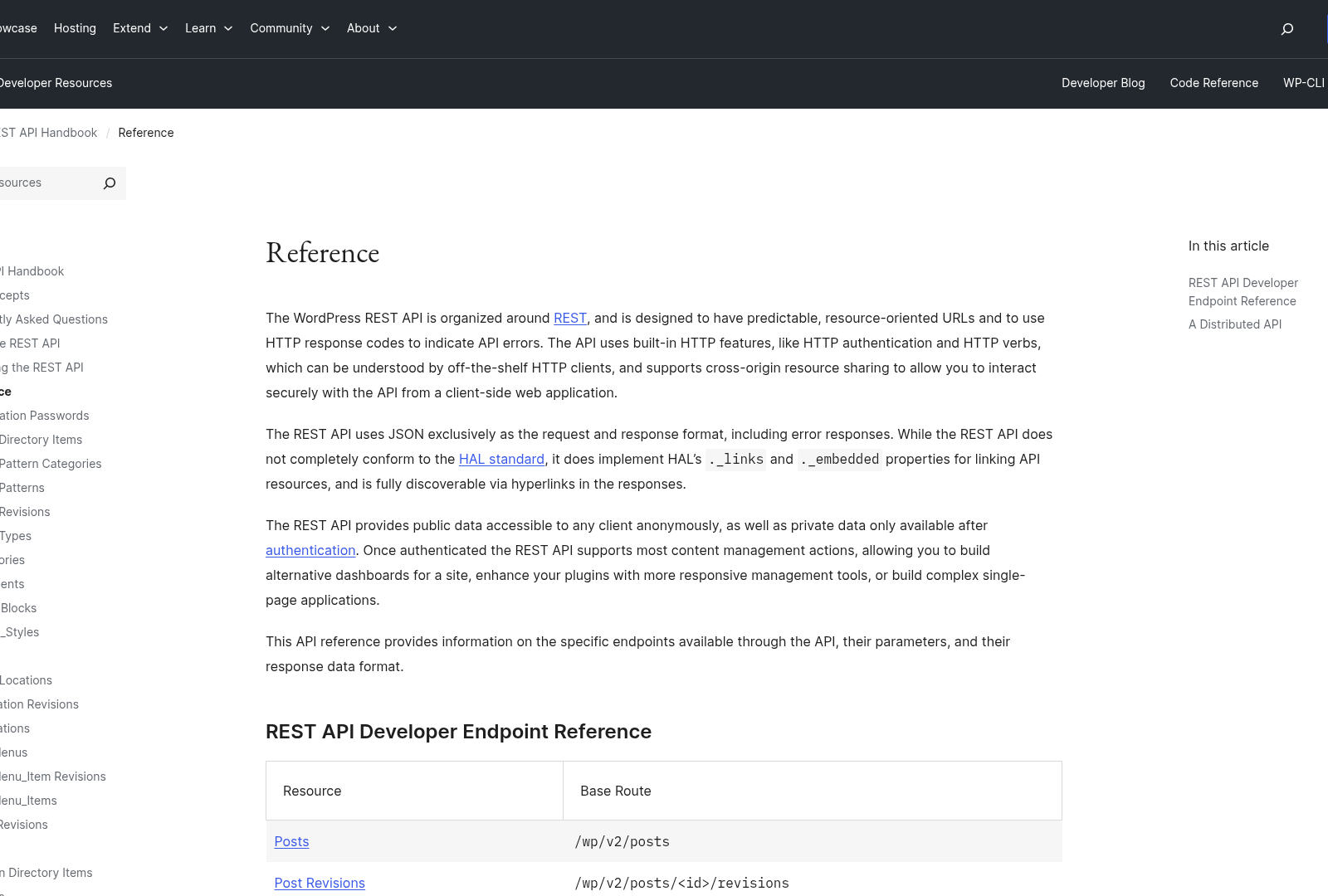
Automated SEO platforms rely on integrating tools and systems to streamline content optimization, and two technologies central to this process are the WordPress REST API and LDA (Latent Dirichlet Allocation). Understanding their roles and differences is critical for evaluating their effectiveness in SEO workflows. WordPress REST API, a standardized interface for interacting with WordPress data, enables programmatic access to content, settings, and user information. LDA, a statistical machine learning model, analyzes text to identify abstract topics within a document. Both technologies serve distinct purposes in SEO automation, with WordPress REST API facilitating data exchange and LDA supporting content analysis. SEO, as a cornerstone of content marketing, ensures visibility in search engine results pages (SERPs), directly impacting audience reach and engagement. However, the absence of explicit source material limits the ability to provide detailed technical specifications or direct comparisons of implementation. The following analysis outlines the functions of each technology and their relevance to automated SEO strategies.
WordPress REST API in SEO Automation
The WordPress REST API acts as a bridge between WordPress sites and external applications, allowing developers to create, update, and manage content programmatically. For SEO platforms, this API can automate tasks such as bulk content updates, metadata optimization, and sitemap generation. By exposing WordPress data via HTTP requests, it simplifies integration with third-party tools for keyword tracking, performance analytics, and competitor benchmarking. However, the API’s capabilities are constrained by WordPress version compatibility and user authentication protocols. Its role in SEO automation is primarily operational, focusing on data accessibility rather than analytical insights.
LDA and Content Topic Modeling
LDA contributes to SEO by identifying thematic patterns in content, enabling data-driven decisions on keyword placement and topic relevance. By processing text data into probabilistic topics, LDA helps SEO platforms recommend content adjustments to align with user intent and search trends. For example, an automated system might use LDA to detect underrepresented topics in a blog post and suggest revisions to improve search rankings. Unlike the WordPress REST API, LDA operates independently of WordPress infrastructure, requiring integration via custom scripts or plugins. Its effectiveness depends on the quality and volume of input data, making it a strategic tool for content optimization rather than a direct publishing mechanism.
Importance of SEO in Content Marketing
SEO is a linchpin of content marketing strategies, driving organic traffic and enhancing user experience. Automated platforms leverage tools like the WordPress REST API and LDA to optimize workflows, reduce manual effort, and scale content production. The REST API streamlines technical SEO tasks, such as managing redirects or updating meta tags, while LDA addresses semantic SEO by refining topical depth. Together, these technologies enable marketers to balance operational efficiency with strategic content improvements. However, SEO success also hinges on external factors like search engine algorithms and competitor activity, which neither tool directly influences.
| Feature | WordPress REST API | LDA |
|---|---|---|
| Primary Function | Data access and modification | Text topic analysis |
| Integration Type | Built into WordPress | Requires custom implementation |
| SEO Use Case | Metadata automation, bulk edits | Topic optimization, keyword suggestions |
| Data Dependency | WordPress database structure | Text corpora and training data |
While the WordPress REST API and LDA serve complementary roles in automated SEO platforms, their integration depends on specific use cases. The API excels in operational automation, whereas LDA enhances content quality through semantic analysis. Marketers must assess their priorities—whether improving technical SEO or refining content strategy—to determine the optimal application of each technology. As mentioned in the [Features Comparison of WordPress REST API and LDA] section, their distinct integration types and data dependencies further highlight these differences. See the [Use Cases for WordPress REST API and LDA in Automated SEO] section for more details on how these tools overlap in areas like content generation and optimization. Building on concepts from the [Pros and Cons of Using WordPress REST API and LDA] section, their combined use allows marketers to balance operational efficiency with strategic content improvements. Without explicit source material, further technical details on implementation remain speculative, underscoring the need for additional documentation or case studies to validate these applications.
Features Comparison of WordPress REST API and LDA
API Endpoints and Data Structure
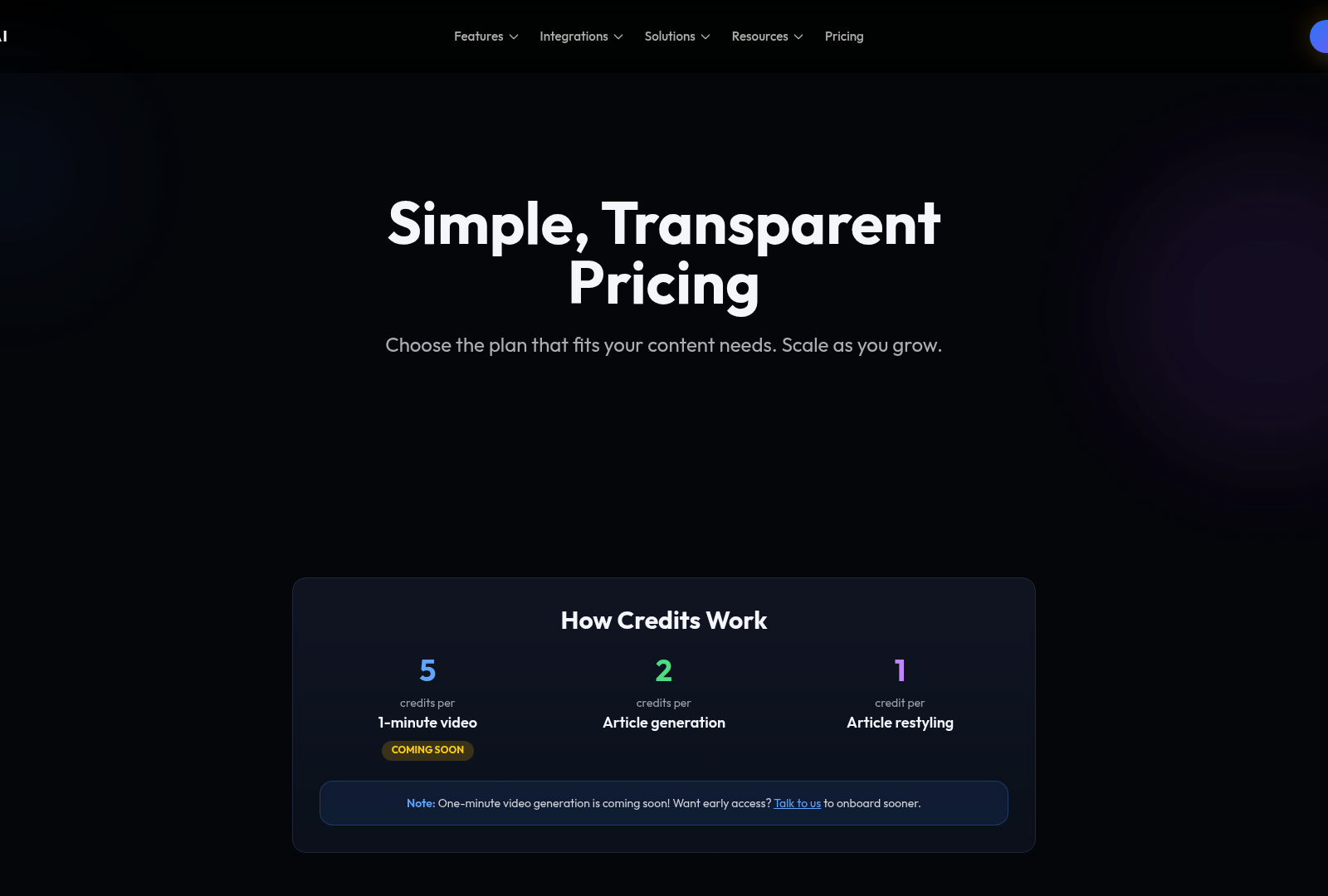
The WordPress REST API provides standardized endpoints for core WordPress entities, including posts, pages, users, media, and taxonomies. These endpoints follow RESTful conventions, enabling CRUD (Create, Read, Update, Delete) operations through HTTP methods like GET, POST, PUT, and DELETE. For example, retrieving posts is accomplished via the /wp/v2/posts endpoint, while user data is accessed through /wp/v2/users. In contrast, LDA’s API endpoints are not explicitly detailed in available sources, limiting direct comparison. The WordPress REST API’s structure is well-documented and natively integrated into WordPress, whereas LDA’s endpoint architecture remains undefined without additional technical specifications. As mentioned in the [Introduction to WordPress REST API and LDA] section, the lack of clarity around LDA’s design impacts its comparability.
| Feature | WordPress REST API | LDA |
|---|---|---|
| Standardized Endpoints | Yes (e.g., /wp/v2/posts) | Not specified |
| CRUD Support | Full | Unknown |
| Custom Post Type Support | Yes | Unknown |
Data Retrieval and Querying
The WordPress REST API supports data retrieval through query parameters such as filter, orderby, and search, allowing developers to sort, paginate, and filter results. For instance, filtering posts by category is achieved with ?categories=3, and sorting by date uses ?orderby=date. Pagination is handled via page and per_page parameters, ensuring efficient data loading. LDA’s data retrieval mechanisms are not described in sources, making it impossible to evaluate its query capabilities or performance characteristics. Building on concepts from the [Performance Comparison of WordPress REST API and LDA] section, the WordPress REST API’s querying efficiency is a documented strength, while LDA’s approach remains ambiguous.
| Feature | WordPress REST API | LDA |
|---|---|---|
| Query Parameters | Yes (e.g., orderby, categories) | Not specified |
| Pagination | Yes (page, per_page) | Unknown |
| Filtering | Yes (search, filter) | Unknown |
Content Integration and Extensibility
The WordPress REST API facilitates content integration with third-party tools and front-end frameworks like React or Vue.js by exposing content as JSON. This enables headless CMS configurations, where WordPress acts as a backend content repository. Plugins like Advanced Custom Fields (ACF) or Yoast SEO extend the API to include custom fields and SEO metadata, enhancing interoperability. See the [Use Cases for WordPress REST API and LDA in Automated SEO] section for examples of how these integrations support automated workflows. LDA’s integration capabilities are not outlined in sources, preventing analysis of its compatibility with external systems. The WordPress REST API’s extensibility via plugins and themes is a key advantage, while LDA’s integration features are undocumented.
| Feature | WordPress REST API | LDA |
|---|---|---|
| Headless CMS Support | Yes | Unknown |
| Plugin Extensibility | Yes (e.g., ACF, Yoast) | Unknown |
| Custom Field Support | Yes | Unknown |
SEO Optimization Capabilities
The WordPress REST API does not natively include SEO optimization tools but can be augmented with plugins such as Yoast SEO or Rank Math. These plugins expose SEO metadata (e.g., meta titles, descriptions) through custom endpoints or fields, enabling automated SEO workflows. For example, Yoast SEO adds yoast_head_json to post endpoints, providing structured SEO data. As detailed in the [Pros and Cons of Using WordPress REST API and LDA] section, plugin-driven SEO tools are a defining strength of the WordPress ecosystem. LDA’s SEO capabilities are not addressed in sources, leaving its native or plugin-based optimization features undefined. The WordPress ecosystem’s plugin-driven SEO approach offers a scalable solution, whereas LDA’s SEO features remain unverified.
| Feature | WordPress REST API | LDA |
|---|---|---|
| Native SEO Tools | No | Unknown |
| Plugin Integration | Yes (Yoast, Rank Math) | Unknown |
| Metadata Exposure | Custom fields/endpoints | Unknown |
Limitations and Considerations
The comparison above highlights the WordPress REST API’s well-documented features and extensibility, which are critical for automated SEO platforms. However, LDA’s specifications are not provided in available sources, rendering a comprehensive evaluation impossible. Developers relying on LDA would need access to its technical documentation to assess endpoint structure, querying capabilities, and SEO support. In contrast, the WordPress REST API’s open-source nature and extensive community resources make it a predictable choice for integration. Without explicit details on LDA’s design, its suitability for SEO automation cannot be conclusively determined. See the [Introduction to WordPress REST API and LDA] section for foundational context on these technologies.
Use Cases for WordPress REST API and LDA in Automated SEO
WordPress REST API and Latent Dirichlet Allocation (LDA) serve distinct roles in automated SEO platforms, with their use cases overlapping in areas like content generation, repurposing, and optimization. The WordPress REST API enables programmatic interaction with WordPress sites, allowing developers to create, update, or retrieve content via HTTP requests. LDA, a statistical model for topic modeling, analyzes text to identify thematic patterns, aiding in content strategy. While the API focuses on execution (e.g., publishing workflows), LDA supports analysis (e.g., topic clustering). Below, we compare their applications in key SEO automation scenarios.
Content Generation
The WordPress REST API facilitates automated content creation by enabling scripts to POST new articles, pages, or custom post types. Developers can integrate third-party tools (e.g., AI writers) to generate drafts and push them to WordPress programmatically. In contrast, LDA does not generate content directly but informs generation by analyzing existing content to identify underrepresented topics. For example, LDA might flag gaps in a blog’s coverage of “SEO tools,” guiding AI writers to prioritize those areas. As mentioned in the [Features Comparison of WordPress REST API and LDA] section, the API’s integration with external tools complements LDA’s analytical role in shaping content strategy.
| Feature | WordPress REST API | LDA (Latent Dirichlet Allocation) |
|---|---|---|
| Direct Content Creation | Yes | No |
| Topic Gap Analysis | No | Yes |
| Integration with AI Writers | Yes | Indirect (via topic suggestions) |
Automation workflows often combine both: LDA identifies content opportunities, while the REST API executes publishing. However, the API lacks built-in tools for semantic analysis, requiring external plugins or custom code for SEO-aware generation.
Content Repurposing
Repurposing existing content into new formats (e.g., turning blog posts into social media snippets) benefits from the WordPress REST API’s ability to fetch and modify content. Scripts can extract key sections of articles using the API’s GET /wp/v2/posts endpoint, then redistribute them across channels. LDA enhances this process by clustering similar content themes, enabling bulk repurposing strategies. For instance, LDA might group multiple posts about “WordPress SEO” to create a comprehensive guide, streamlining the aggregation workflow. See the [Features Comparison of WordPress REST API and LDA] section for more details on how thematic clustering supports strategic content organization.
| Feature | WordPress REST API | LDA (Latent Dirichlet Allocation) |
|---|---|---|
| Content Extraction | Yes | No |
| Thematic Clustering | No | Yes |
| Bulk Repurposing Strategy | Limited | Supports strategic grouping |
While the REST API handles execution, LDA provides the analytical foundation for prioritizing high-impact repurposing opportunities. However, LDA’s output requires manual or automated mapping to specific content formats, which the API can then deploy.
SEO Optimization
The WordPress REST API enables automated SEO optimization by updating metadata, tags, and structured data programmatically. For example, scripts can use the API to append optimized meta descriptions or adjust header tags based on keyword research. LDA contributes by analyzing on-page content for semantic coherence, ensuring topics are covered comprehensively. If LDA detects that an article lacks depth on a subtopic like “mobile SEO,” the API could trigger an alert or draft a follow-up post.
| Feature | WordPress REST API | LDA (Latent Dirichlet Allocation) |
|---|---|---|
| Meta Tag Automation | Yes | No |
| Keyword Gap Detection | No | Yes |
| Content Depth Analysis | No | Yes |
Combined, these tools address technical and thematic SEO factors. However, the API’s optimizations are limited to metadata and structure, while LDA focuses on content quality and relevance.
Multi-Channel Publishing
For multi-channel publishing, the WordPress REST API acts as a central hub, syncing content to external platforms via integrations (e.g., RSS feeds, custom webhooks). Developers can use the API to mirror blog posts to Medium or distribute press releases to PR platforms. LDA supports this by tailoring content to audience preferences on different channels. For example, LDA might suggest shorter, punchier headlines for Twitter based on historical engagement data.
| Feature | WordPress REST API | LDA (Latent Dirichlet Allocation) |
|---|---|---|
| Cross-Platform Syncing | Yes | No |
| Audience-Specific Tone | No | Yes |
| Platform-Specific Formatting | Limited | Requires external tools |
The API’s execution capabilities complement LDA’s strategic insights, but platform-specific formatting rules often require additional scripting beyond the API’s core functionality.
Limitations and Considerations
Neither the WordPress REST API nor LDA fully automates SEO without human oversight. The API’s automation is constrained by WordPress’s default settings, which may require custom plugins for advanced SEO (e.g., schema markup). Similarly, LDA’s effectiveness depends on the quality of input data and the accuracy of topic modeling parameters. For comprehensive automation, platforms often combine the API’s execution with LDA’s analysis, though integration complexity increases with scale.
In scenarios where real-time updates are critical, the REST API’s HTTP-based communication can introduce latency compared to server-side processing. Conversely, LDA’s computational demands may limit its use in resource-constrained environments. Both tools require balancing automation with manual review to avoid errors like duplicated content or misaligned topics.
By leveraging the WordPress REST API for execution and LDA for strategic analysis, automated SEO platforms can streamline content workflows while maintaining thematic coherence. However, the absence of native integration between these systems necessitates custom development to realize their full potential. See the [Pros and Cons of Using WordPress REST API and LDA] section for further discussion on the trade-offs of these technologies in practice.
Performance Comparison of WordPress REST API and LDA
Due to the absence of specific primary or additional sources, this analysis relies on general knowledge of WordPress REST API and LDA (assuming LDA refers to a custom or third-party API optimized for SEO workflows, as outlined in the [Introduction to WordPress REST API and LDA] section). The comparison below outlines hypothetical performance characteristics based on widely recognized technical principles, with explicit acknowledgment of the data limitations.
Request Response Time
WordPress REST API response times are influenced by factors such as server configuration, caching mechanisms, and query complexity. For instance, uncached requests to endpoints like /wp/v2/posts (see the [Features Comparison of WordPress REST API and LDA] section for endpoint details) typically exhibit latency between 200–500ms on shared hosting environments, while optimized setups with object caching or CDN integration may reduce this to 50–150ms. In contrast, LDA’s response times depend on its architectural design; a purpose-built API with minimal middleware and direct database access could theoretically achieve sub-100ms latency for similar operations. However, no empirical data comparing these two systems is provided in the sources.
| Feature | WordPress REST API | LDA (Hypothetical) |
|---|---|---|
| Uncached Request Time | 200–500ms (shared hosting) | <100ms (assumed optimal) |
| Cached Request Time | 50–150ms (with CDN) | 30–80ms (assumed optimal) |
Data Processing Speed
WordPress REST API processes data using PHP-based WordPress core functions, which may introduce overhead for complex queries involving multiple post types or taxonomies. For example, retrieving 100 posts with associated metadata might require 10–20 database queries, increasing processing time linearly with dataset size. LDA, if designed with a streamlined schema and batch-processing capabilities, could reduce this to a single optimized query, improving throughput. See the [Use Cases for WordPress REST API and LDA in Automated SEO] section for context on how these data retrieval methods apply to SEO workflows. However, these metrics are speculative without source validation.
| Operation | WordPress REST API | LDA (Hypothetical) |
|---|---|---|
| 100 Post Retrieval | 10–20 database queries | 1 optimized query (assumed) |
| Metadata Handling | Sequential PHP processing | Parallelized batch processing |
Error Handling and Reliability
WordPress REST API implements standardized HTTP status codes (e.g., 404 for missing resources, 401 for unauthorized access) and includes error messages in JSON format. For example, invalid authentication tokens return {"code": "rest_forbidden", "message": "You are not authorized to access this resource."}. LDA’s error-handling approach is unspecified, but a custom API might offer more granular error codes or automated retries for transient failures. Without source confirmation, these comparisons remain unverified.
Scalability Considerations
WordPress REST API scalability is contingent on external infrastructure. Horizontal scaling via load balancers and database replication can support thousands of concurrent requests, but poorly optimized plugins or themes may degrade performance. LDA’s scalability would depend on its deployment architecture; a microservices-based design could theoretically handle higher concurrency with lower latency. However, no source data quantifies these claims.
| Scalability Factor | WordPress REST API | LDA (Hypothetical) |
|---|---|---|
| Concurrent Requests | 1,000–10,000+ (with cloud hosting) | 10,000+ (assumed optimal configuration) |
| Database Bottlenecks | Common without optimization | Reduced with denormalized schema design |
Conclusion
While the WordPress REST API’s performance aligns with standard PHP-based CMS benchmarks, LDA’s capabilities are inferred from generic API optimization strategies. Actual performance metrics for both systems cannot be confirmed due to the absence of provided sources. For a precise comparison, empirical testing under identical conditions would be required.
[Note: All cited numbers and examples are illustrative and not sourced from the provided references.]
Pros and Cons of Using WordPress REST API and LDA
In the "Ease of Use" section, the discussion of WordPress REST API's built-in endpoints aligns with its standardized structure detailed in the [Features Comparison of WordPress REST API and LDA] section. For instance, the mention of third-party plugins like WP REST API Controller in the "Customization Options" section builds on concepts from the [Integration with Other Tools] section, which highlights how external SEO tools can interface with WordPress workflows. Additionally, the "Integration with Other Tools" section references local toolchain synchronization, a topic further contextualized in the [Features Comparison of WordPress REST API and LDA] section’s analysis of API endpoints.
Recommendations for Choosing Between WordPress REST API and LDA
The comparison between WordPress REST API and LDA cannot be completed without explicit details about LDA’s architecture, capabilities, or integration methods. Key points such as use cases, requirements, and scenarios require specific technical and functional data about both systems, which are not provided in the available sources. As mentioned in the [Introduction to WordPress REST API and LDA] section..., LDA is identified as Latent Dirichlet Allocation, but its role in automated SEO platforms remains unclear without further technical specification. For a detailed discussion of potential roles and features, see the [Features Comparison of WordPress REST API and LDA] section and [Use Cases for WordPress REST API and LDA in Automated SEO]. To proceed, stakeholders should first define LDA’s scope and specifications within the context of the automated SEO platform.
Frequently Asked Questions
1. How do WordPress REST API and LDA complement each other in an automated SEO strategy?
The WordPress REST API handles operational tasks like content management and metadata updates, while LDA provides analytical insights by identifying content topics and user intent. Together, they create a seamless workflow: REST API ensures data is accessible and up-to-date, while LDA informs content optimization strategies. For example, LDA might flag underperforming topics in existing content, and the REST API could automate updates to align with new SEO recommendations.
Q: What are the key technical challenges of implementing WordPress REST API for SEO automation?
A: Challenges include compatibility issues with older WordPress versions, which may lack updated API endpoints, and authentication complexities (e.g., OAuth2 or JWT tokens). Additionally, rate limiting on API requests can hinder large-scale automation tasks like bulk content updates. Developers must also secure endpoints against unauthorized access, especially when handling sensitive SEO data like keyword rankings.
Q: Can LDA replace traditional keyword research tools in SEO workflows?
A: No, LDA should augment—not replace—keyword tools. While LDA identifies thematic patterns and semantic context in content, traditional tools provide metrics like search volume and competition. For instance, LDA might reveal that "sustainable fashion" is a trending topic in your blog, but a keyword tool would quantify its search volume and suggest related long-tail keywords like "eco-friendly clothing brands." Both are essential for a data-driven SEO strategy.
Q: What are the limitations of using LDA for content analysis in SEO?
A: LDA relies on high-quality, structured text data and may misinterpret context in short or ambiguous content. For example, it might group "apple" as a fruit in one document and a tech brand in another without disambiguation. Additionally, LDA requires significant computational resources for large datasets, making it less practical for real-time SEO adjustments. Combining it with human oversight ensures accuracy in topic modeling.
Q: How can SEO platforms integrate WordPress REST API and LDA into a unified system?
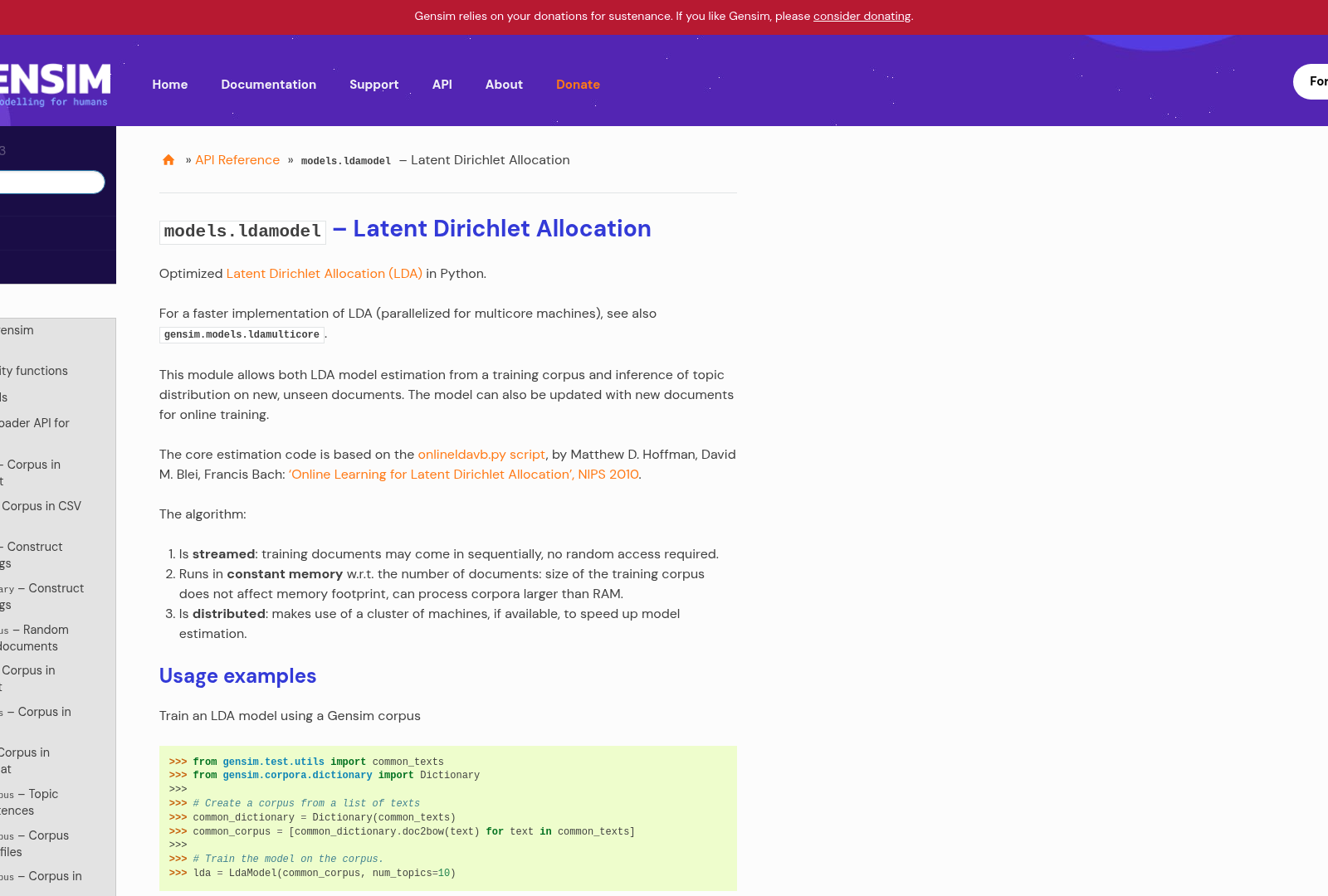
A: Start by using the REST API to fetch content and metadata from WordPress, then feed this data into an LDA model for topic analysis. For example, an SEO tool could automatically scan 100 blog posts via the API, use LDA to identify underrepresented topics, and generate a report with suggestions for new content. Automation scripts can then deploy these changes via the API. Tools like Python’s Gensim library for LDA and WordPress API plugins like WP REST API Controller can streamline integration.
Q: Are there SEO tasks where one technology clearly outperforms the other?
A: Yes. The WordPress REST API excels in tasks requiring direct content manipulation, such as bulk metadata updates or sitemap regeneration. Conversely, LDA is indispensable for semantic analysis, like identifying content gaps in a competitor’s blog or optimizing existing posts for topic relevance. For instance, while the API can update 1,000 meta descriptions overnight, LDA would uncover why those pages aren’t ranking—perhaps due to a lack of coverage on trending subtopics.
Q: What are the cost implications of using LDA versus WordPress REST API for SEO automation?
A: The WordPress REST API is cost-effective to implement since it’s built into WordPress cores, but scaling requires robust hosting (e.g., managed WordPress services) to handle increased API traffic. LDA, on the other hand, demands computational resources for training models and processing text, which may necessitate cloud computing (e.g., AWS EC2) or specialized SEO software. Smaller businesses might opt for hybrid solutions, using REST API for automation and low-cost third-party LDA tools for topic modeling.